
Field. Liapsus. Film
Film does not record; it perceives. And in response, it inspires the recipient, the writer, the acceptor.
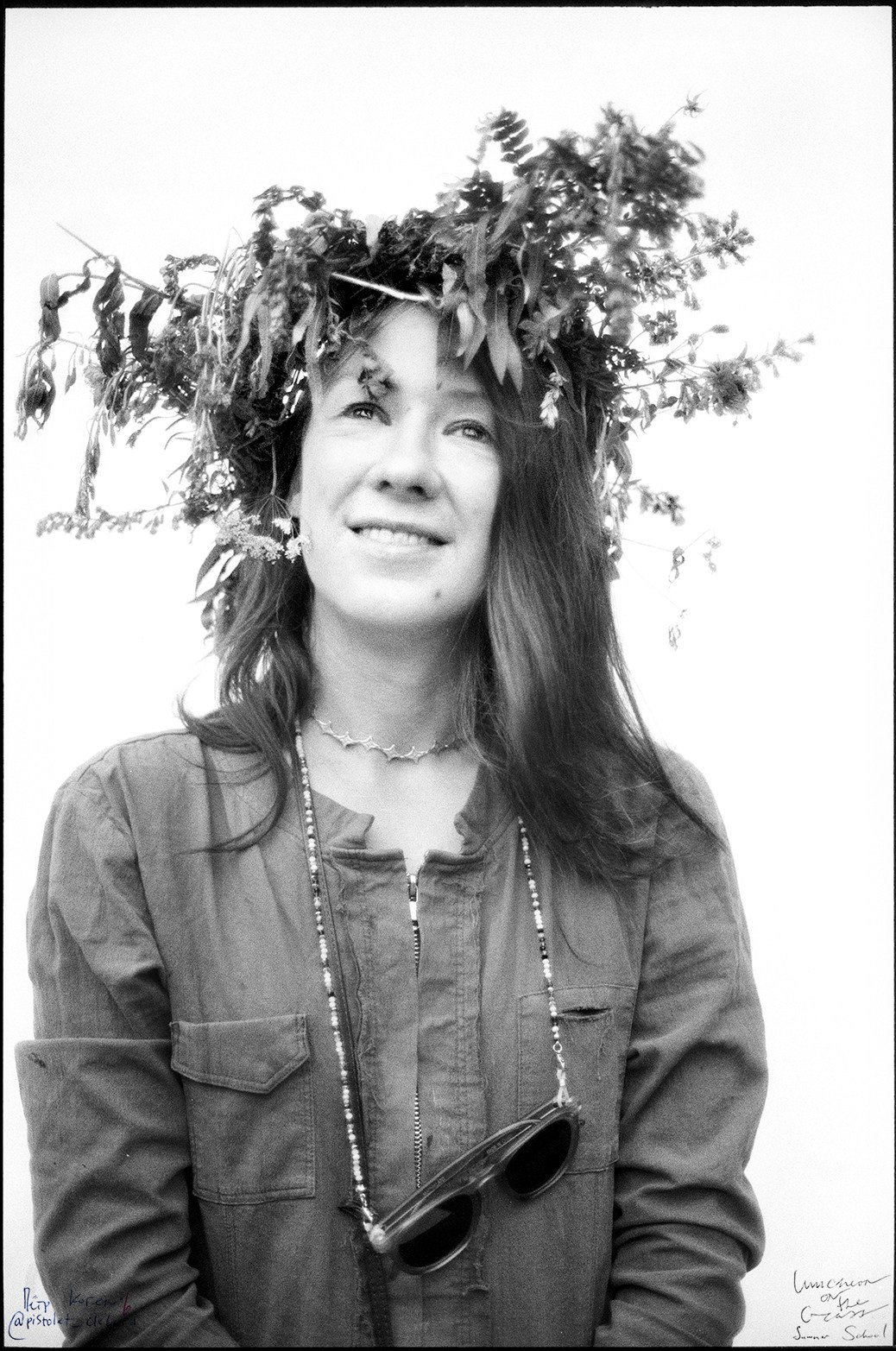
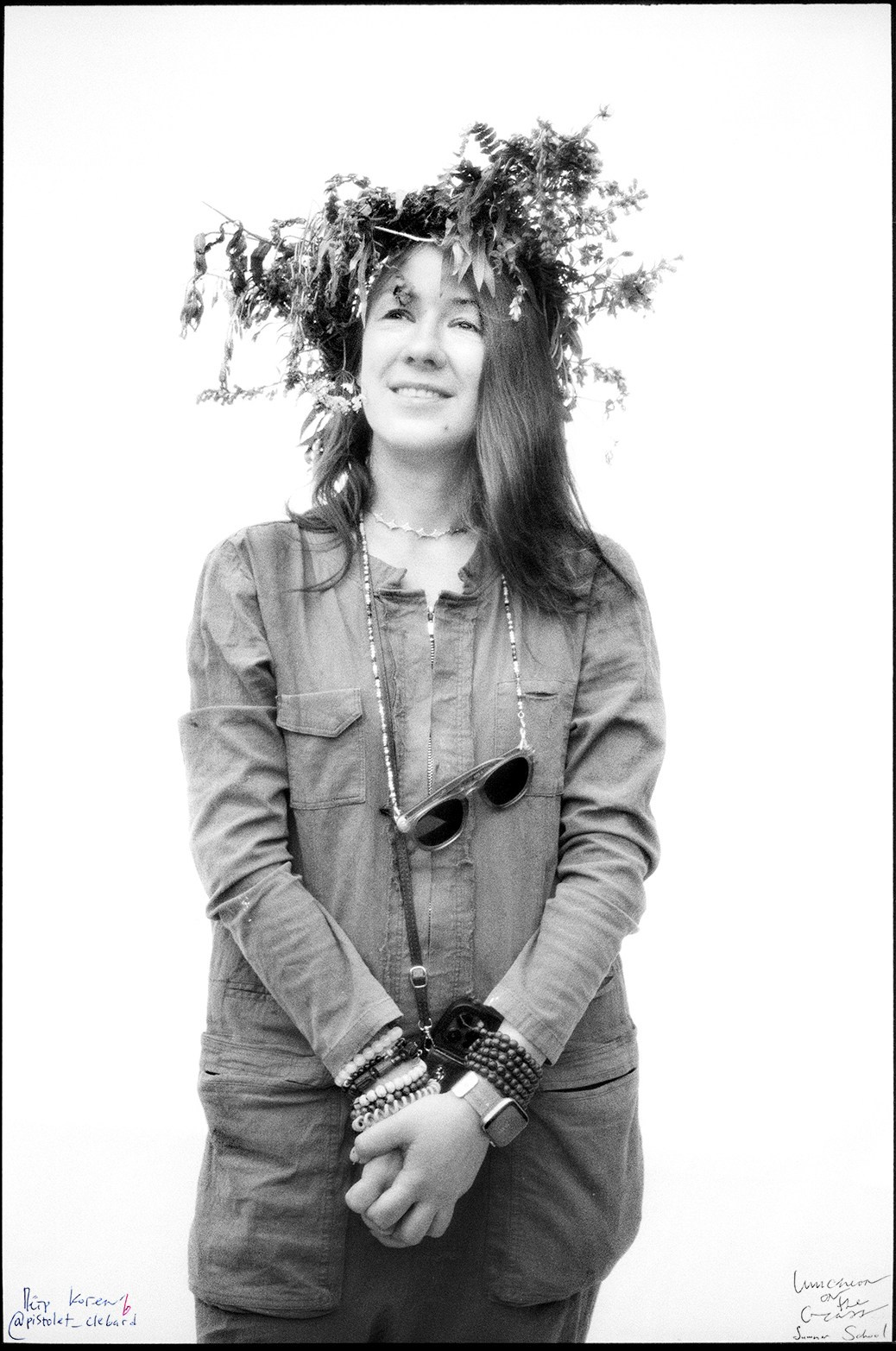
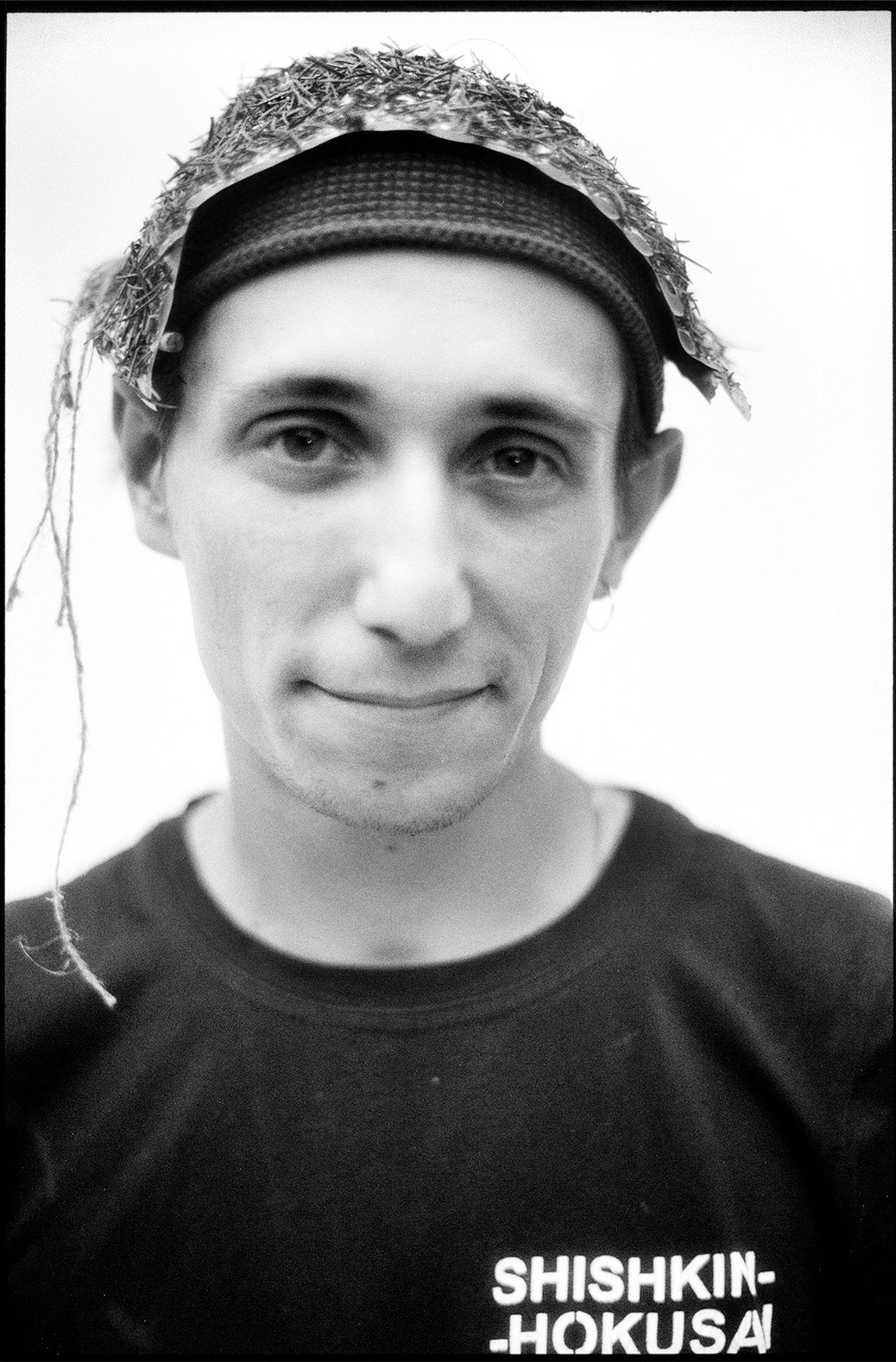
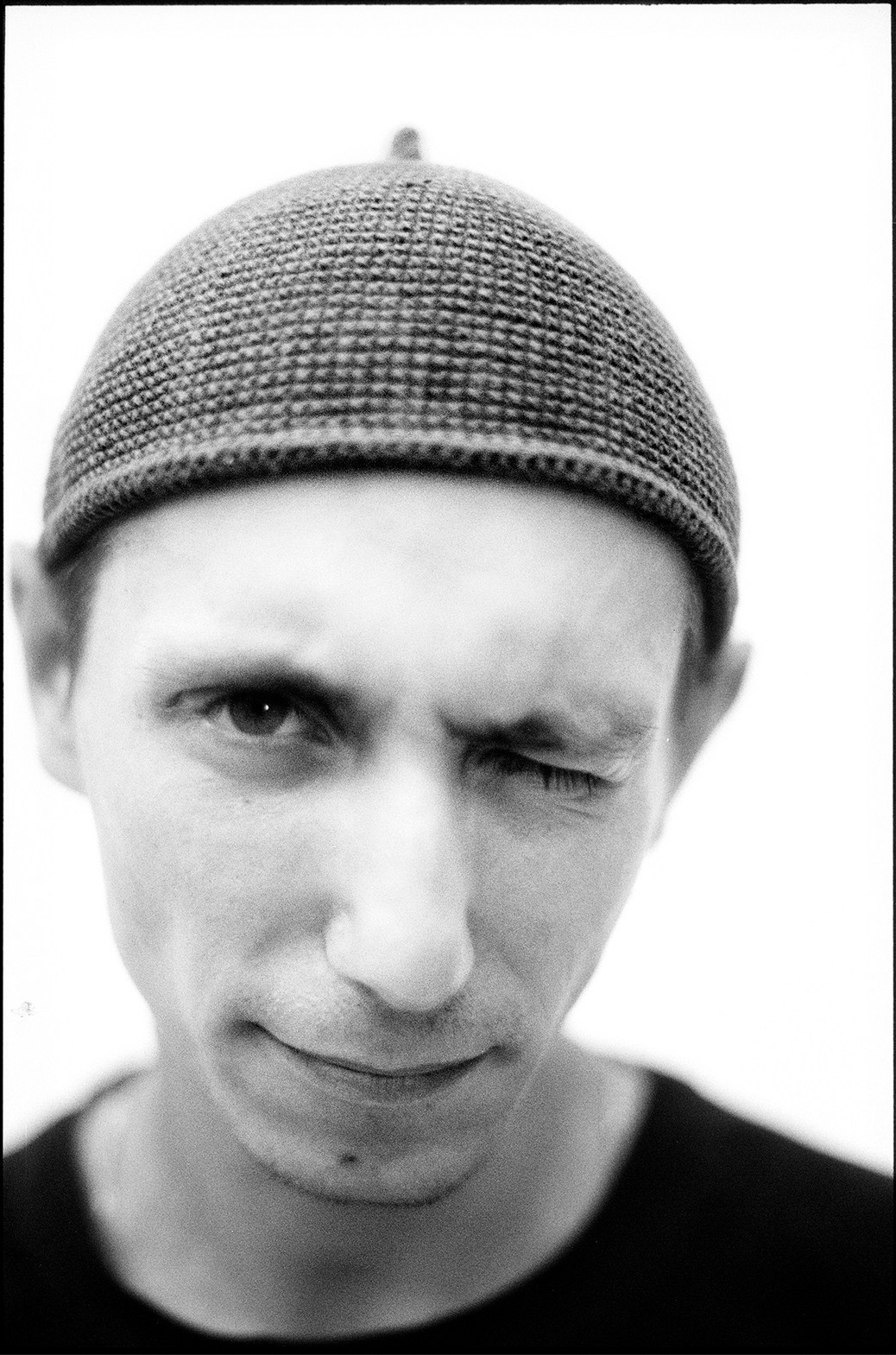
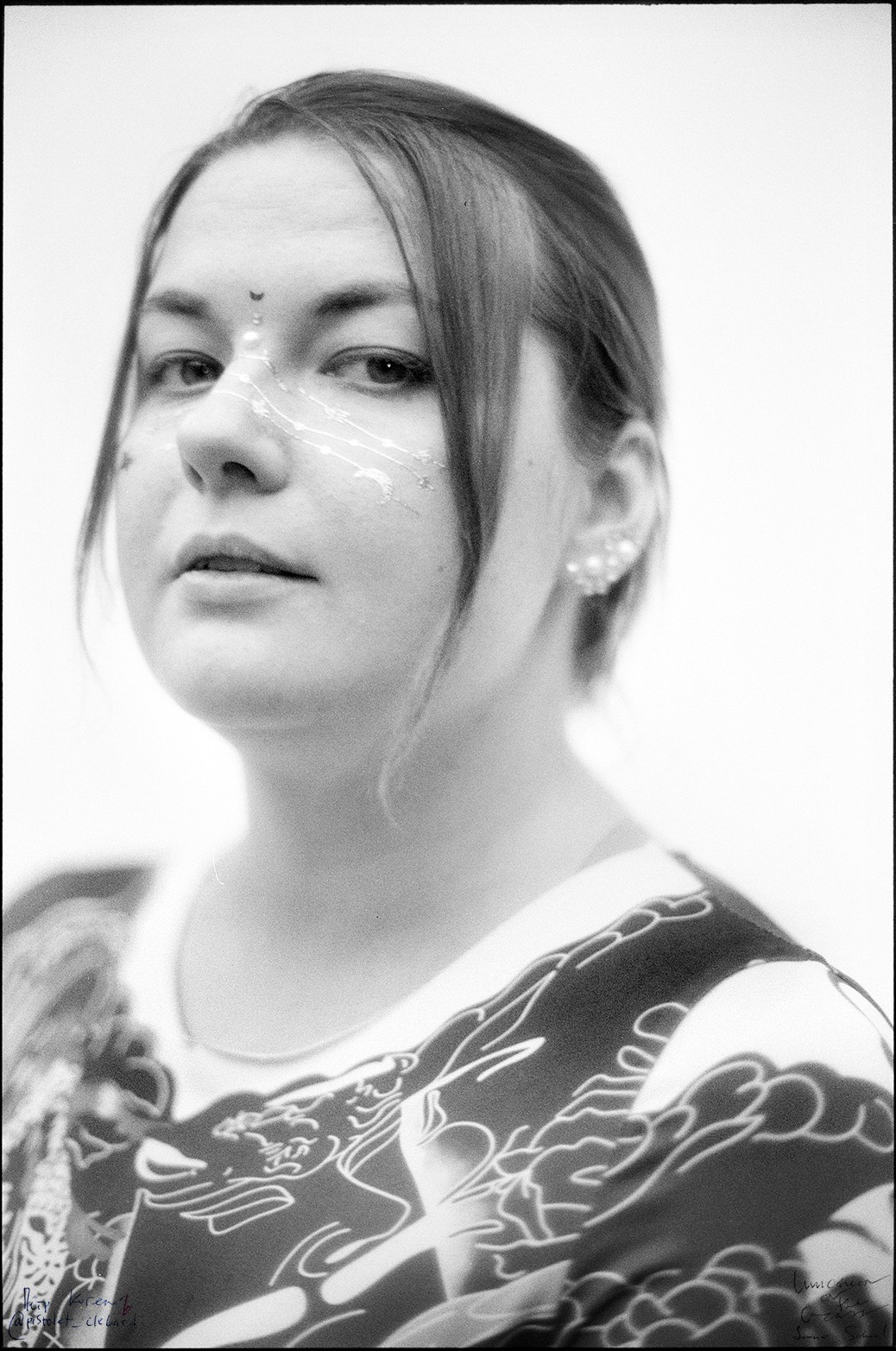
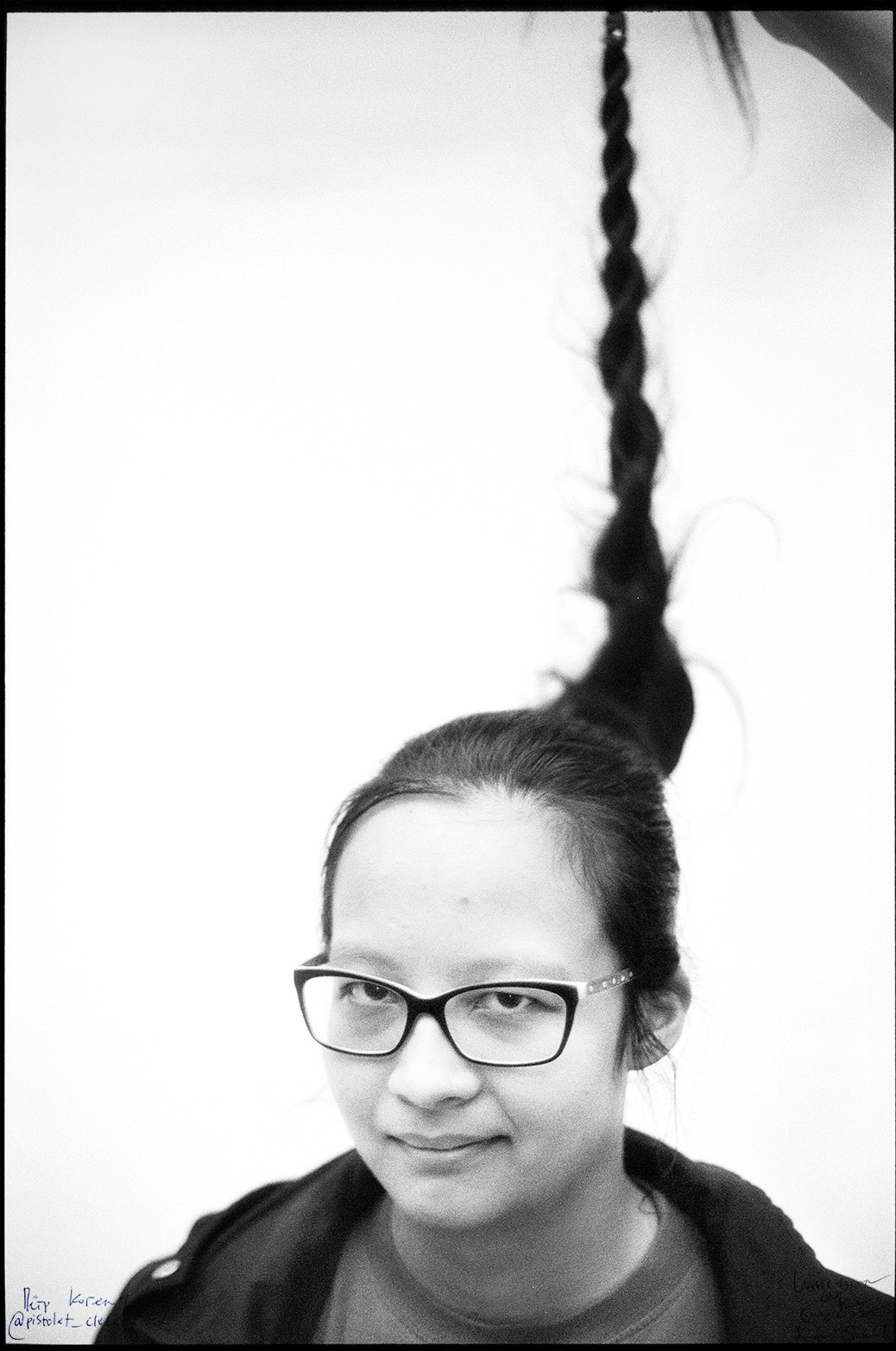
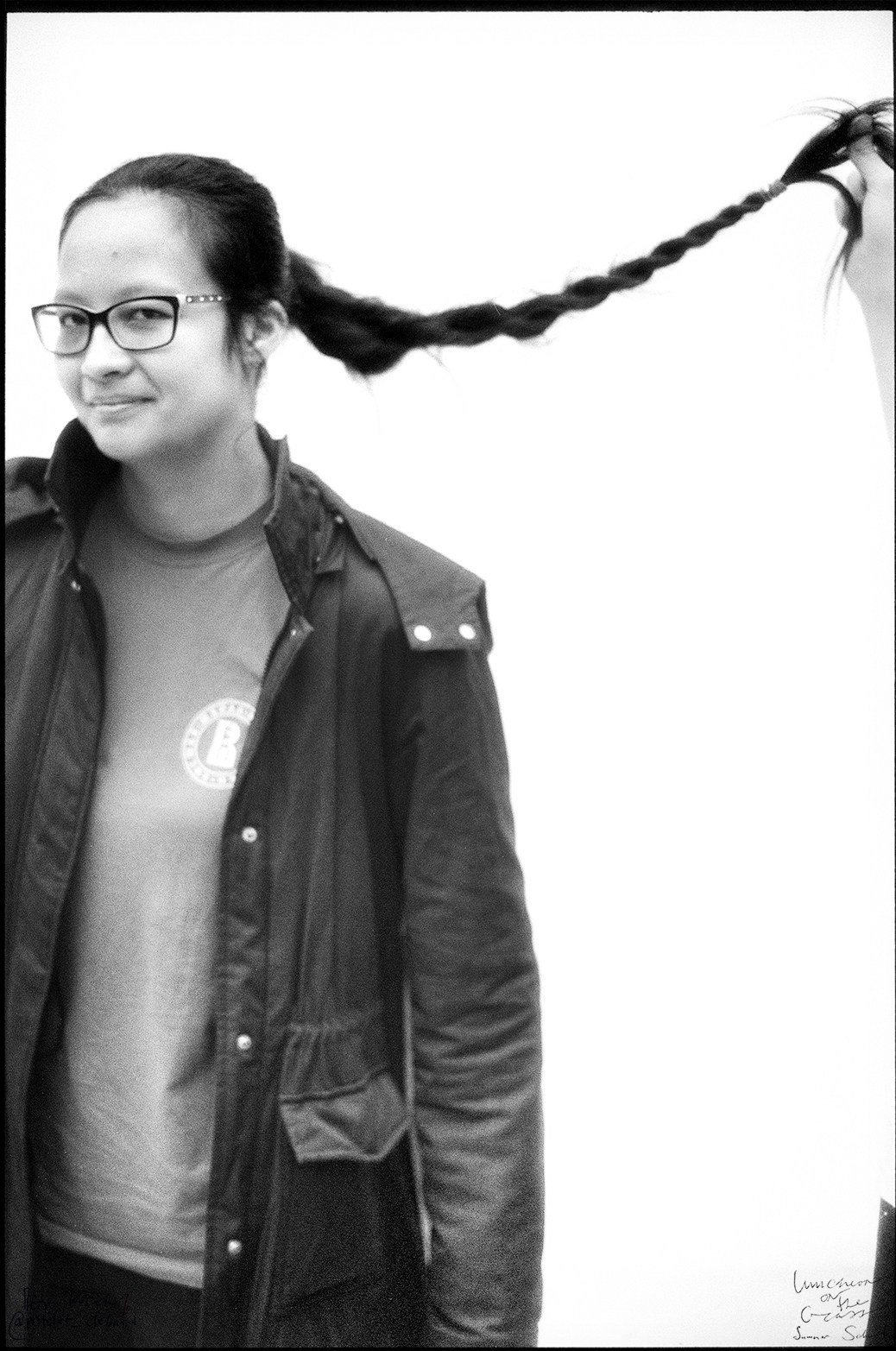
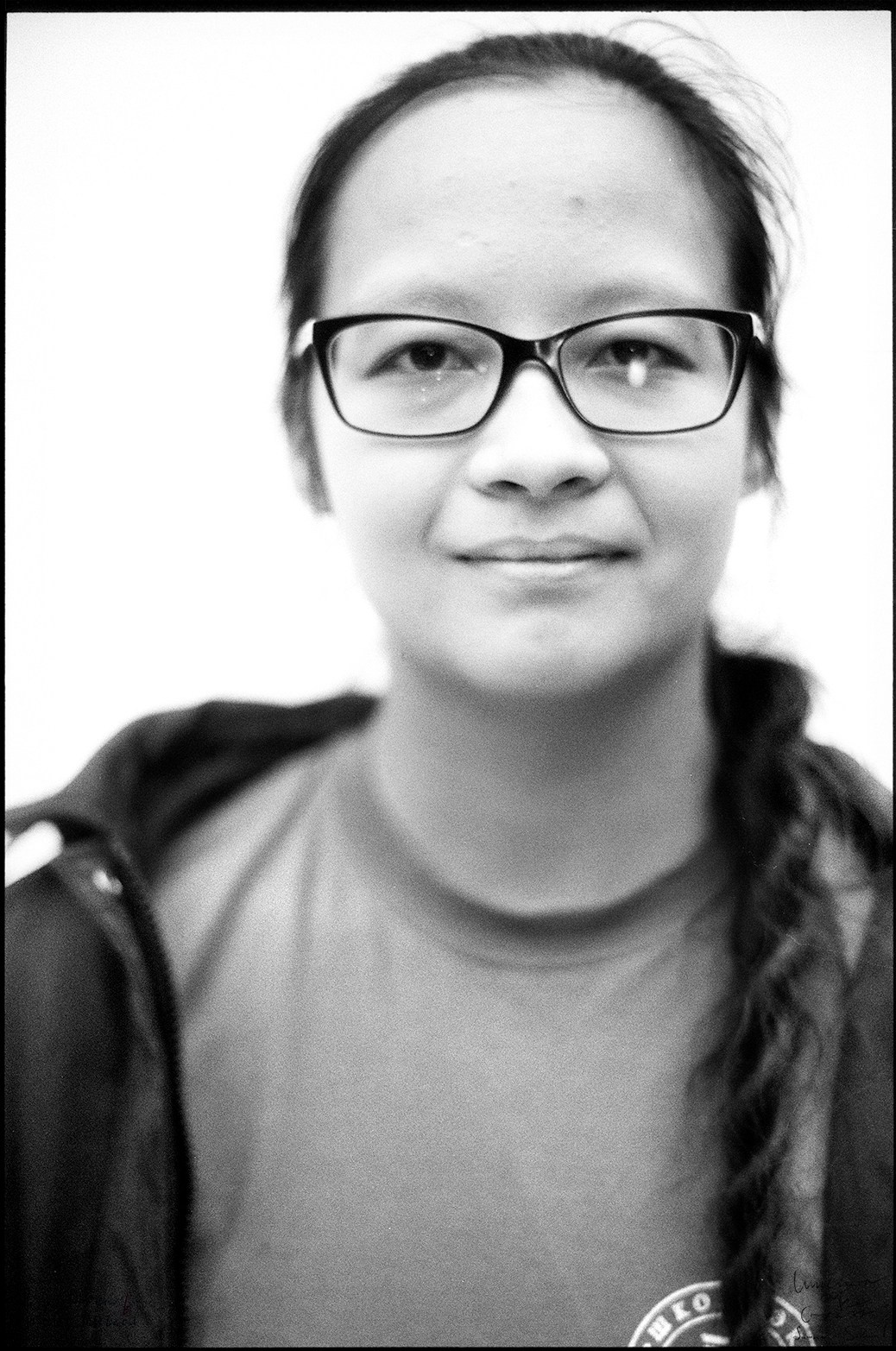
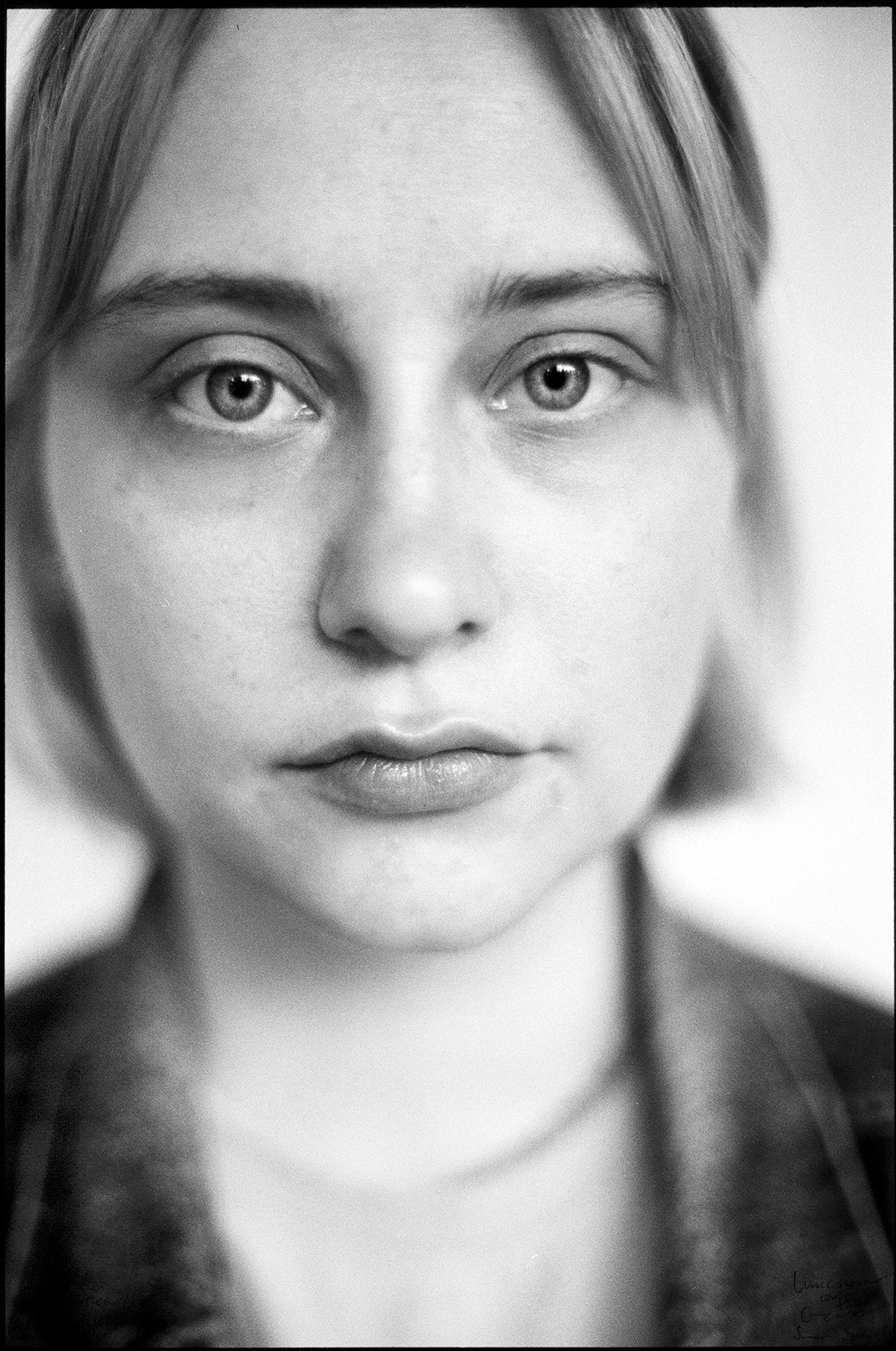
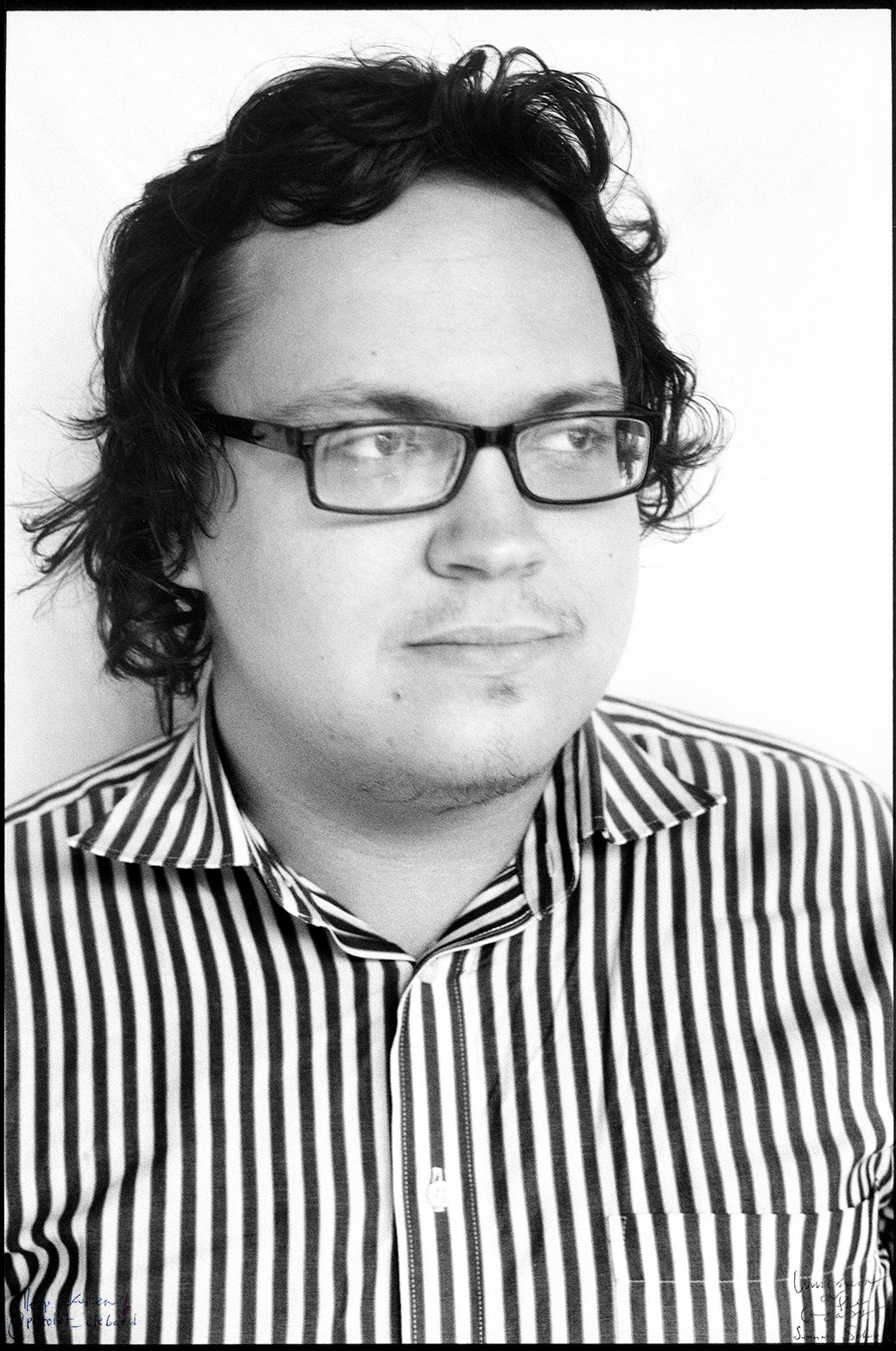
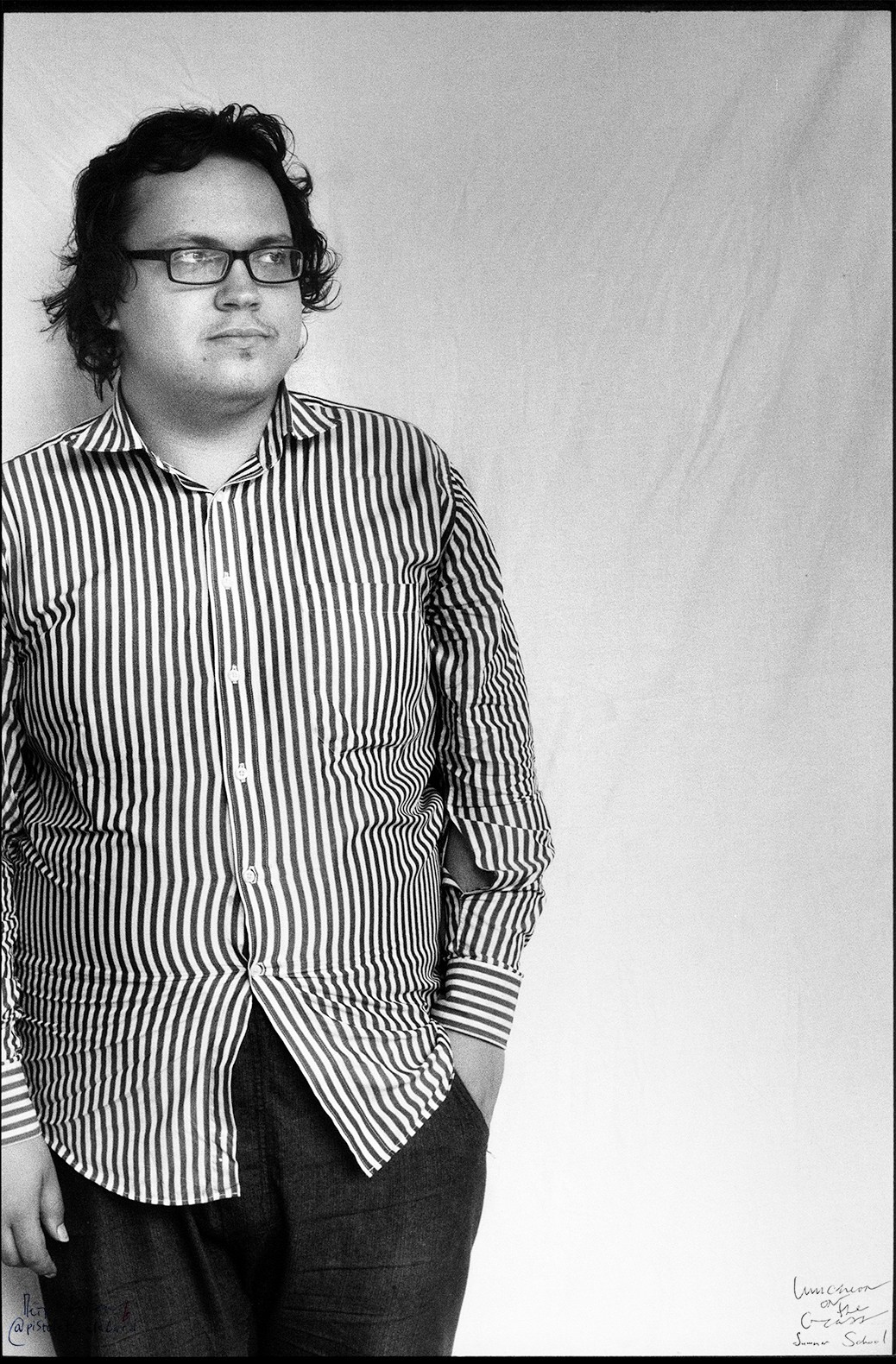
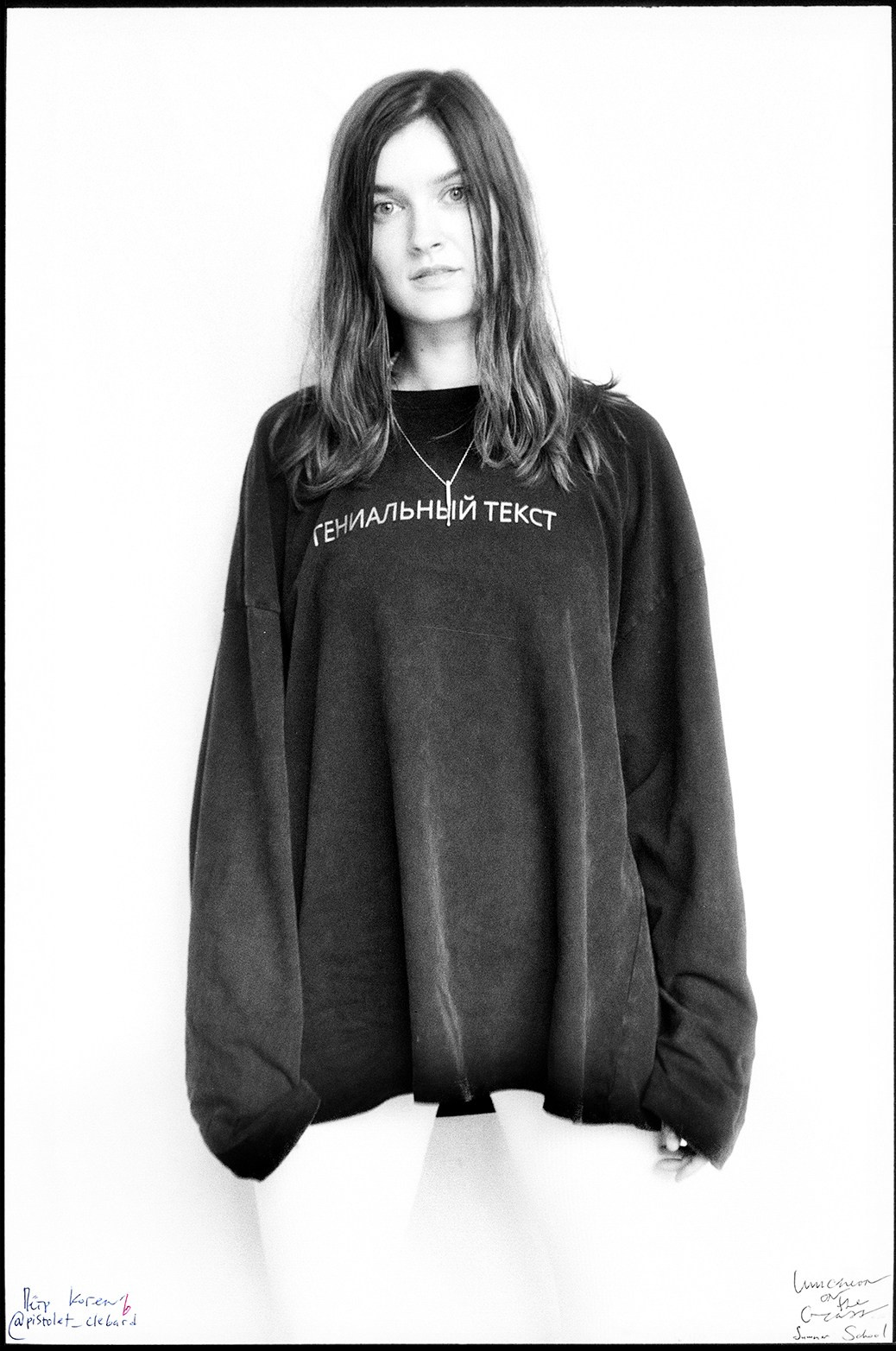
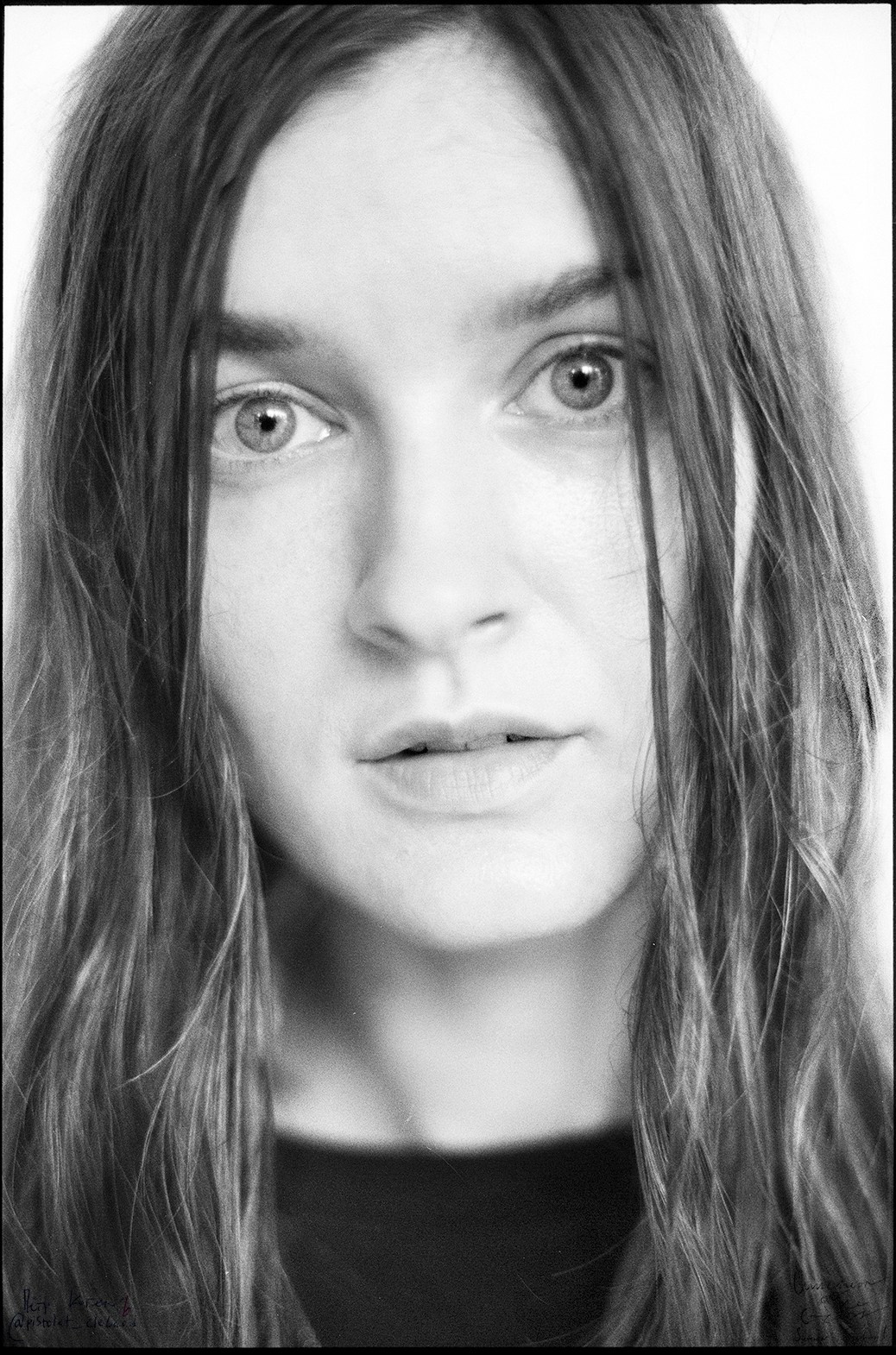
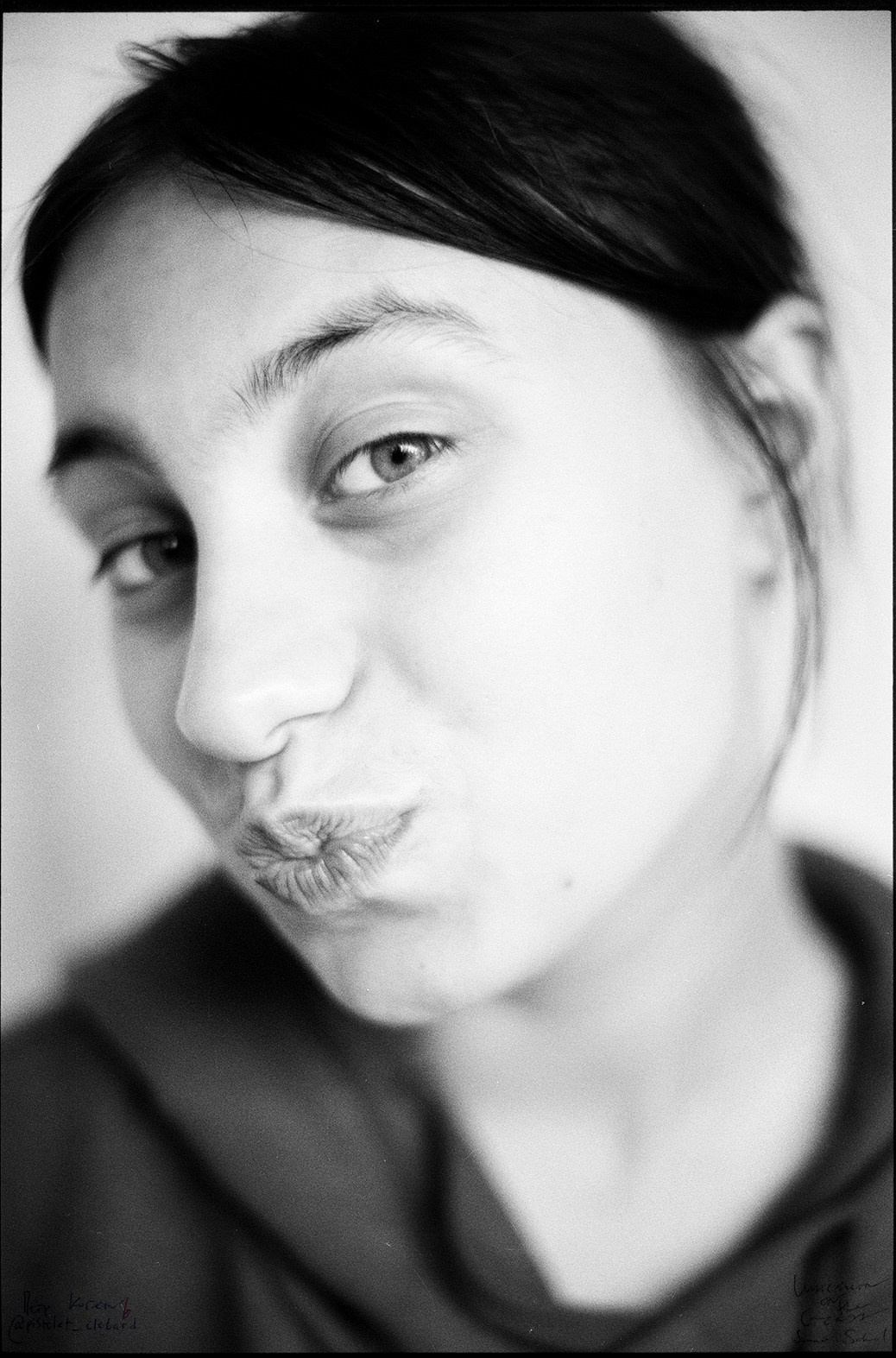
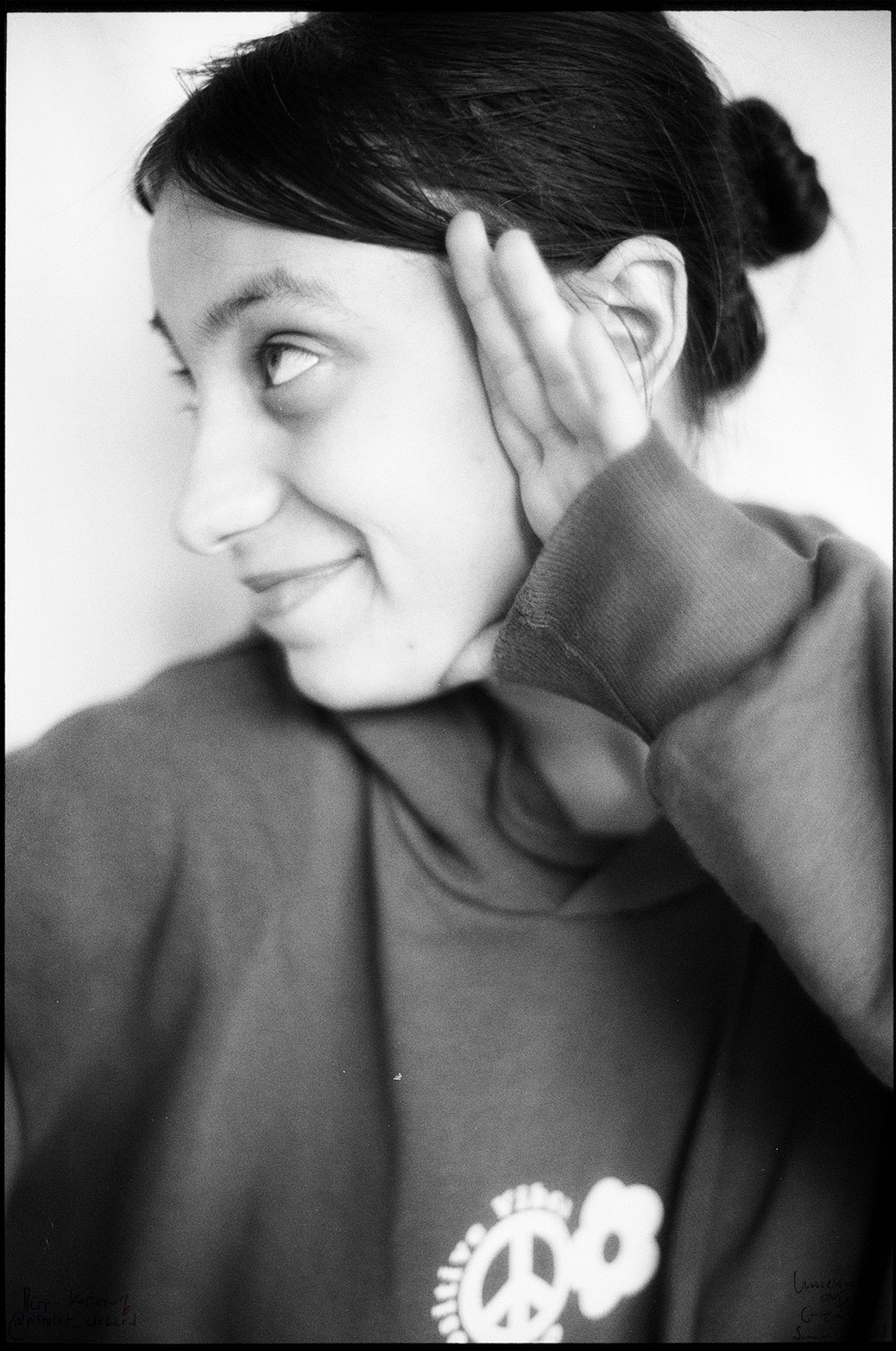
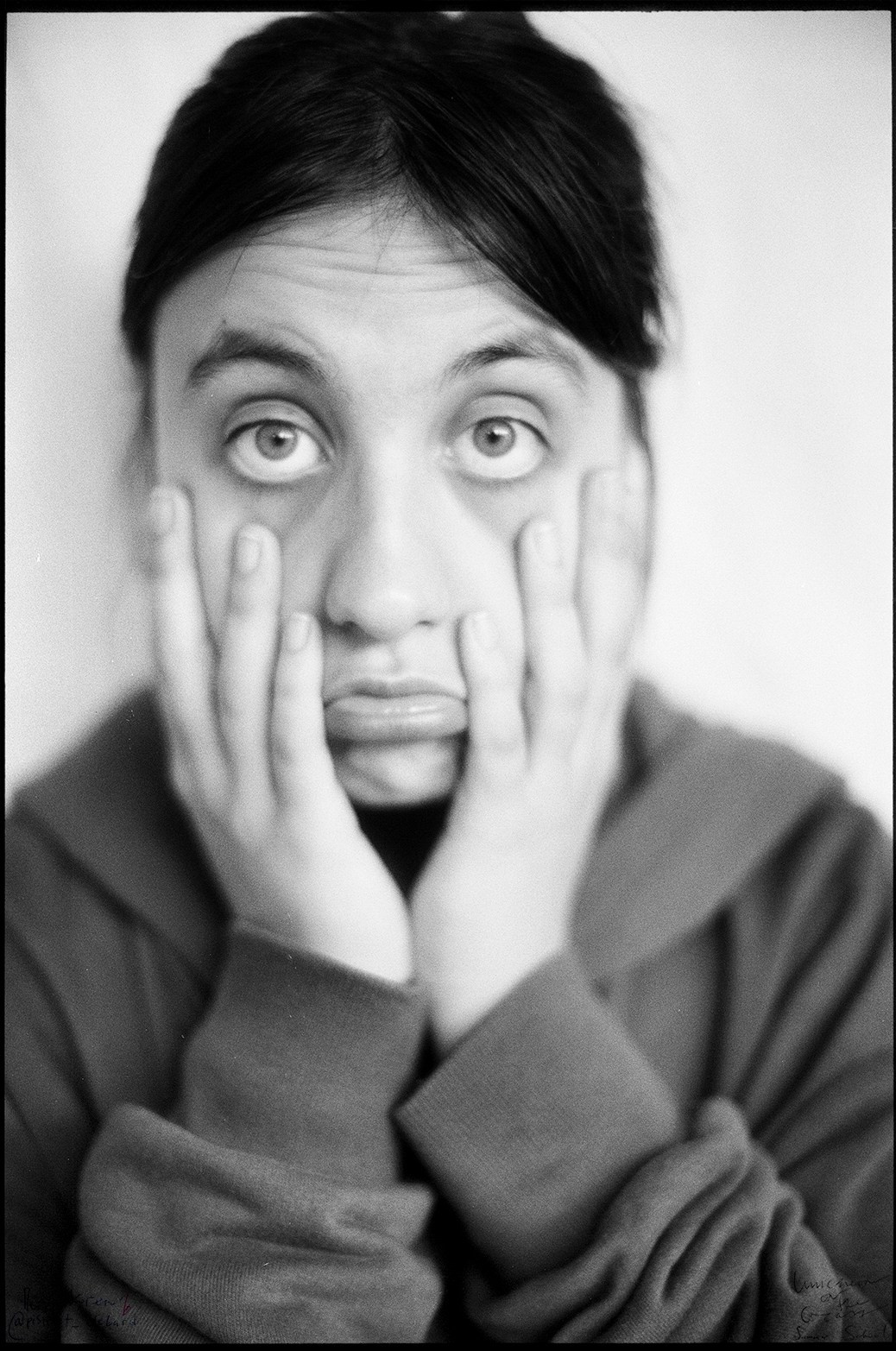
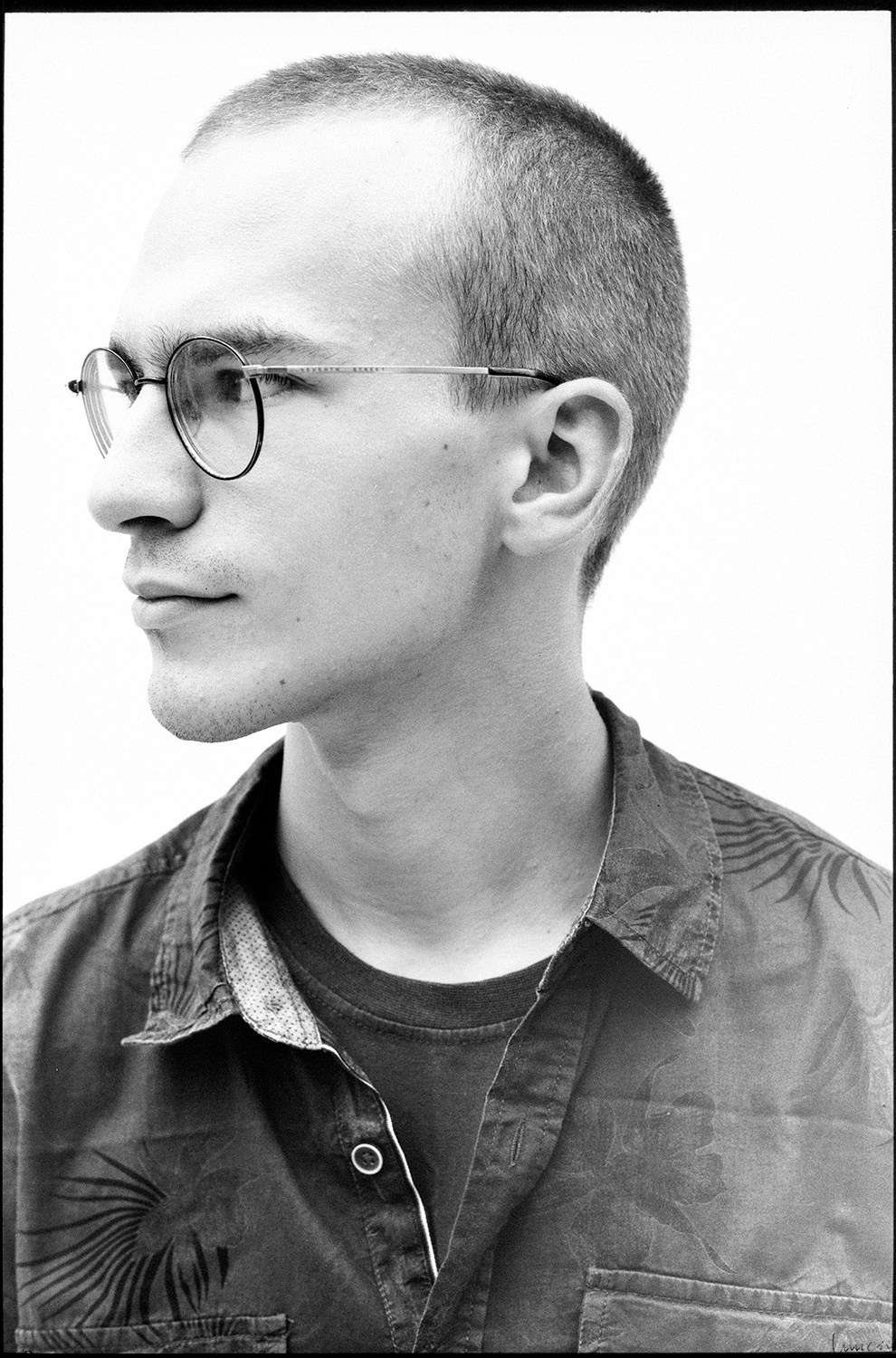
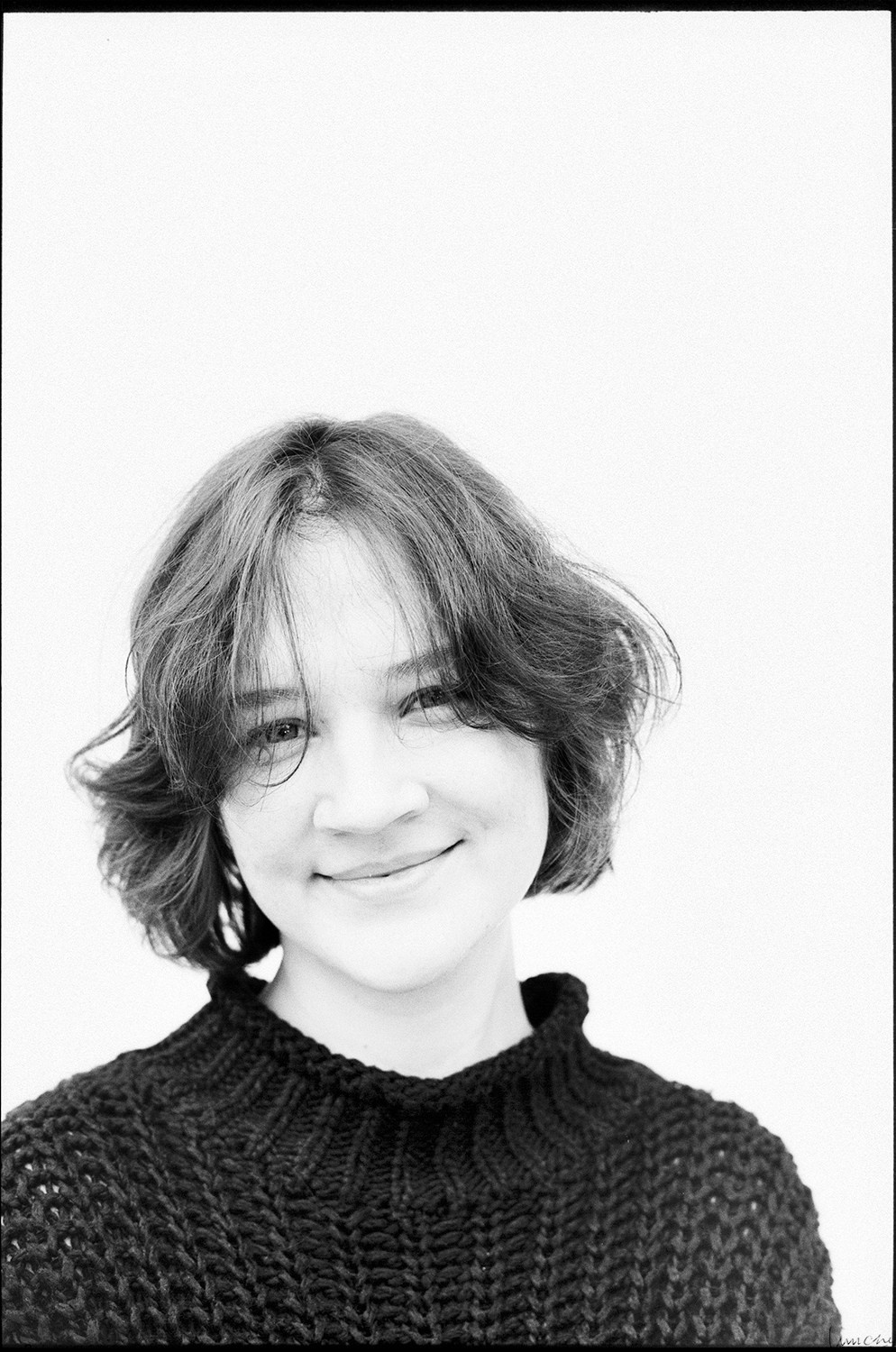
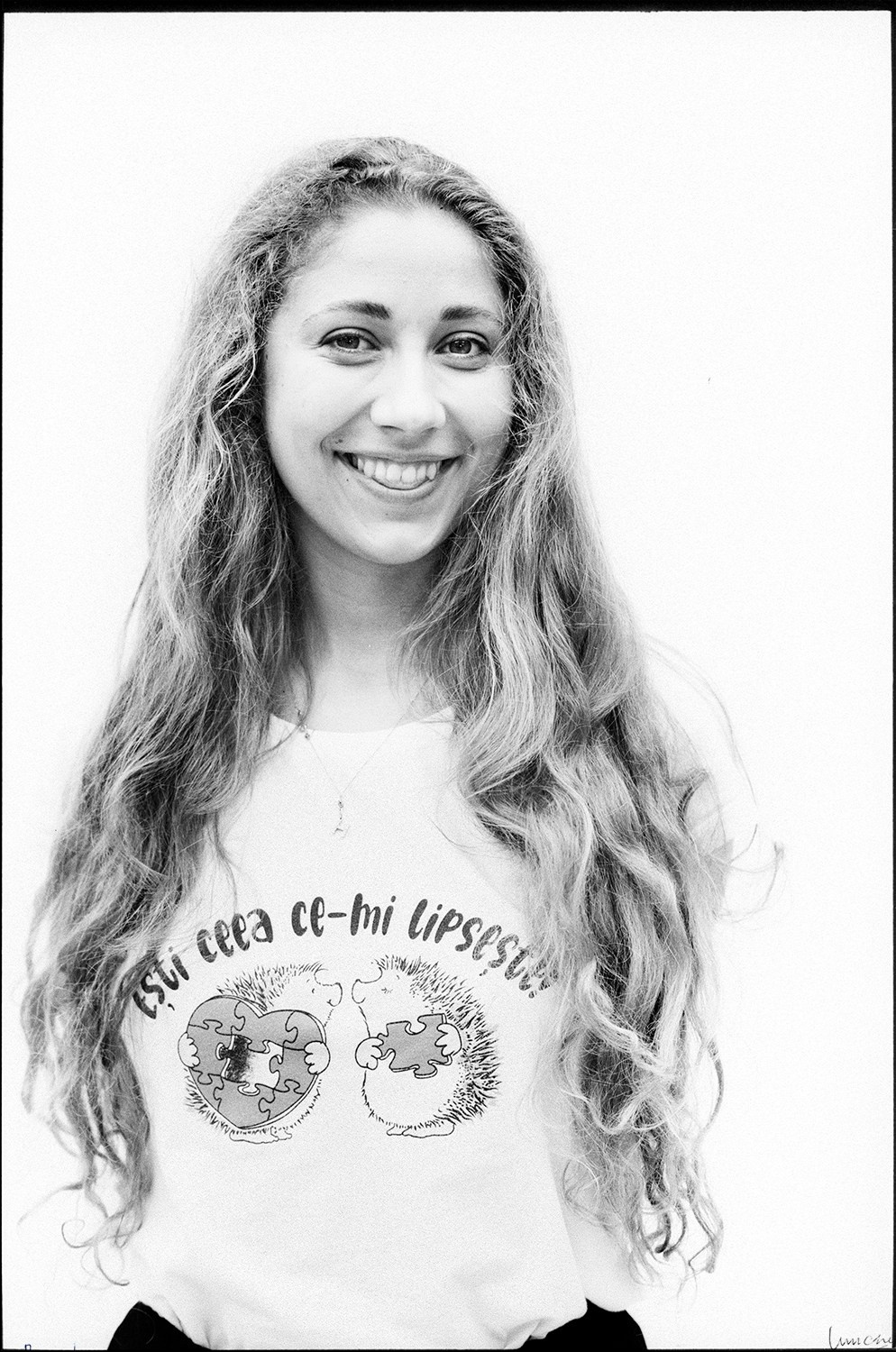
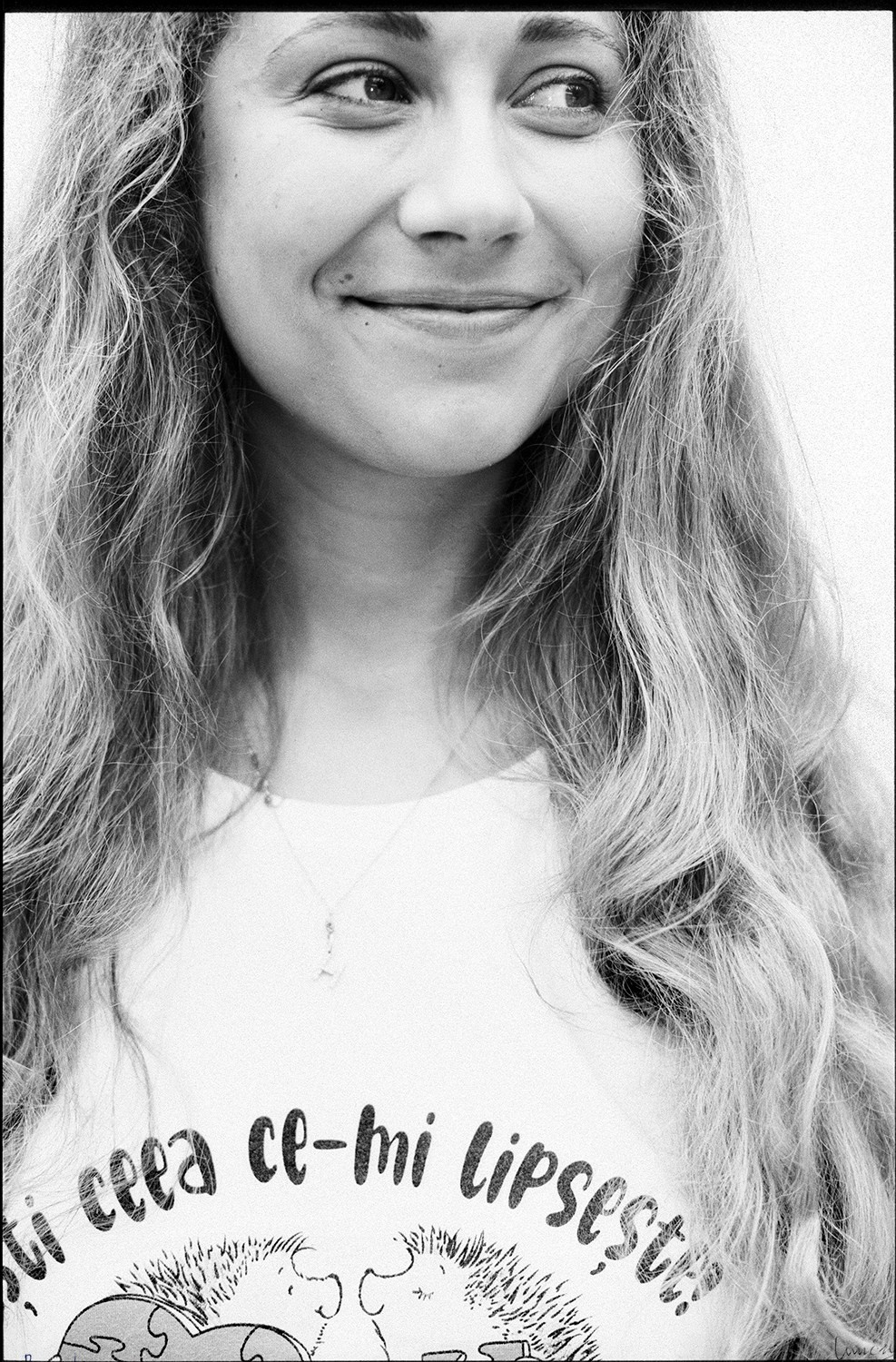
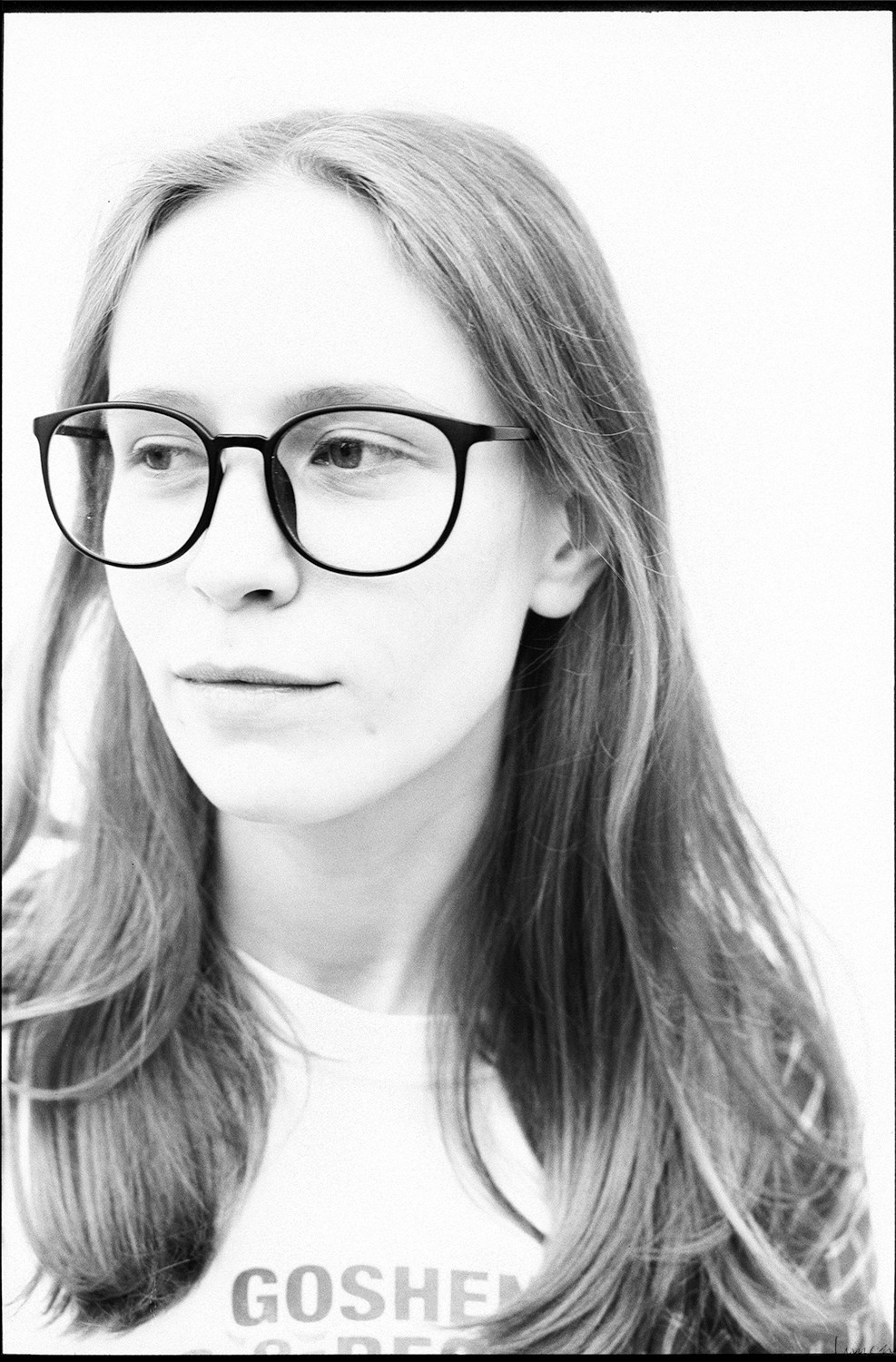
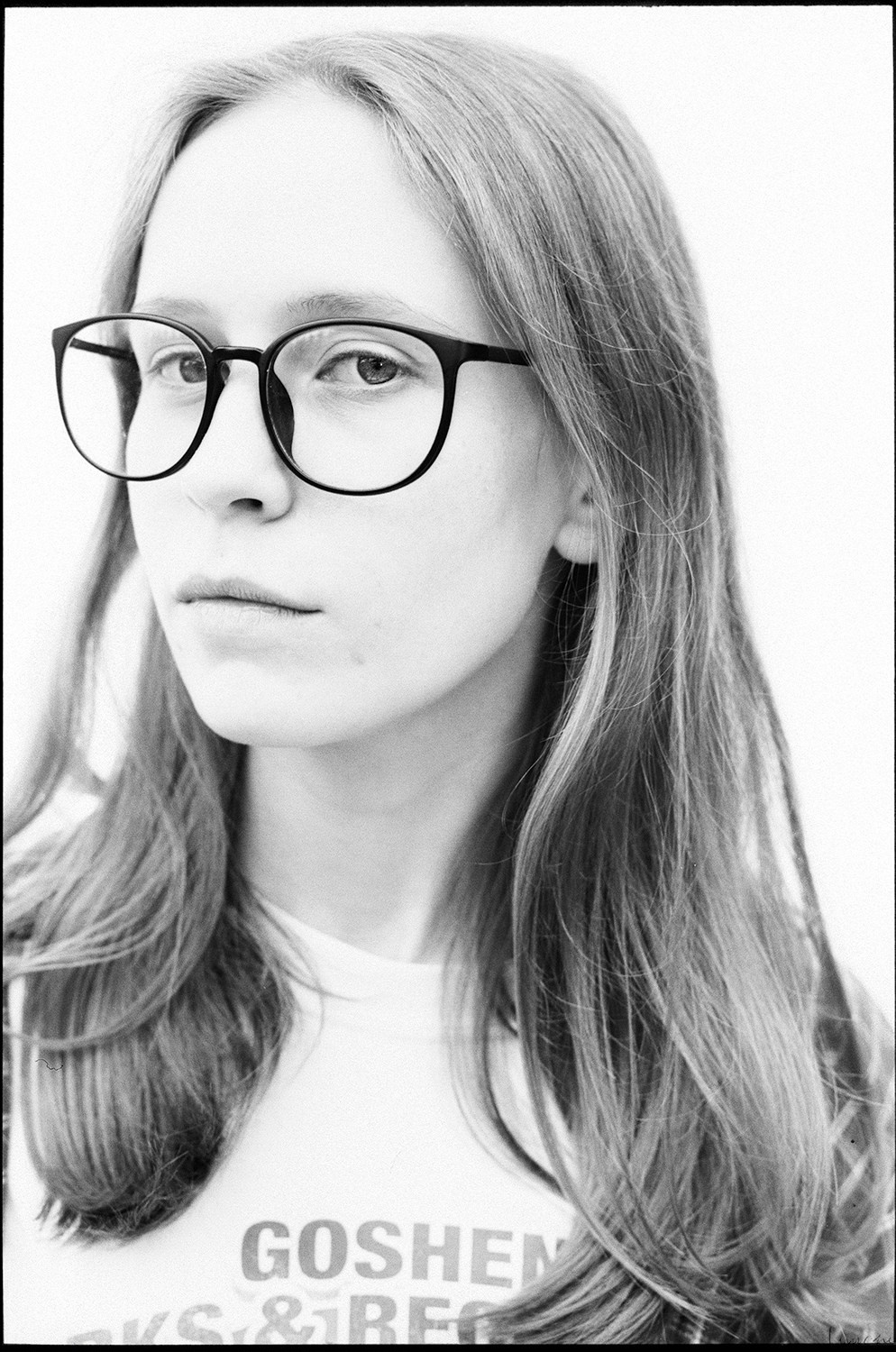
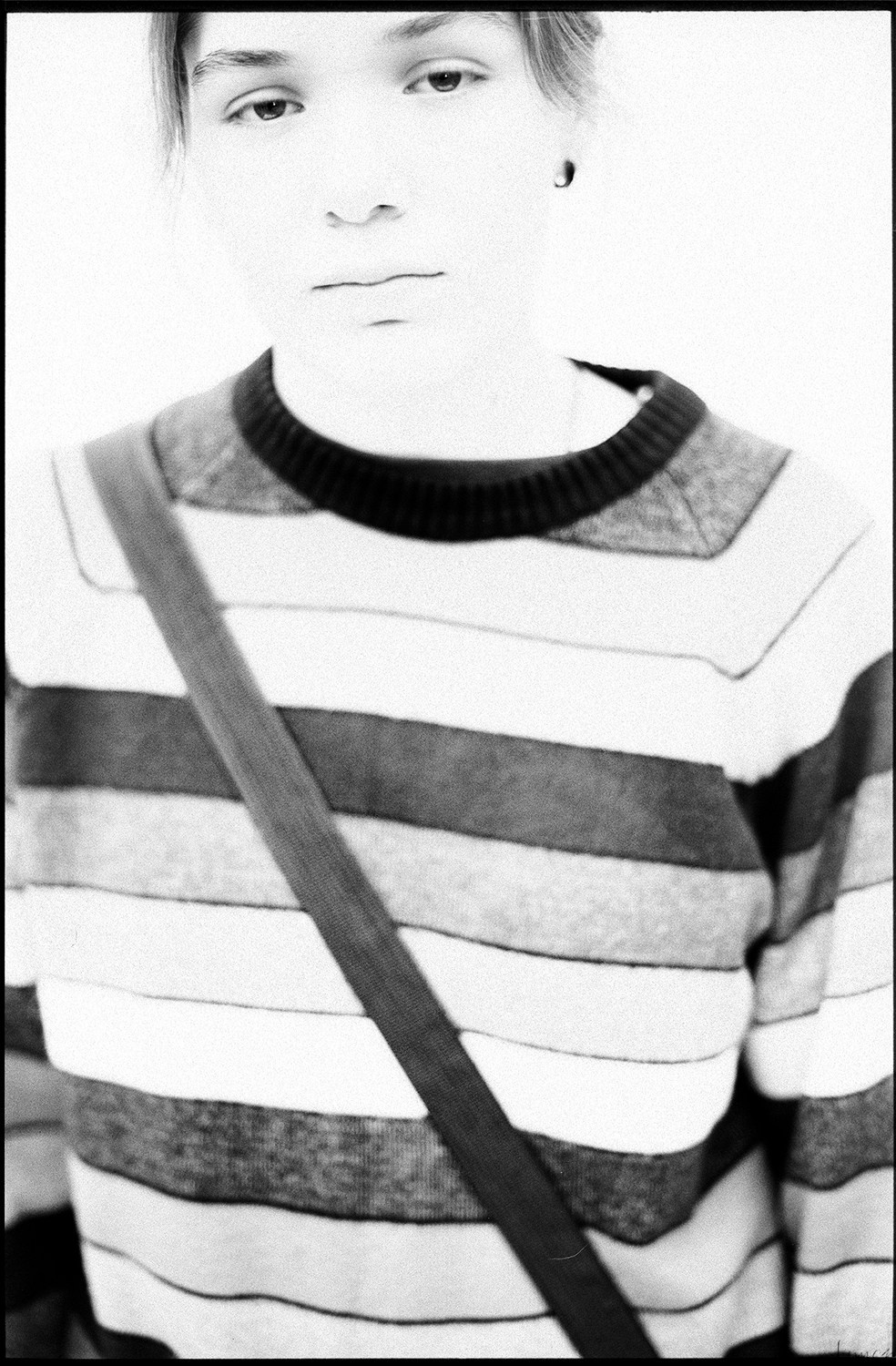
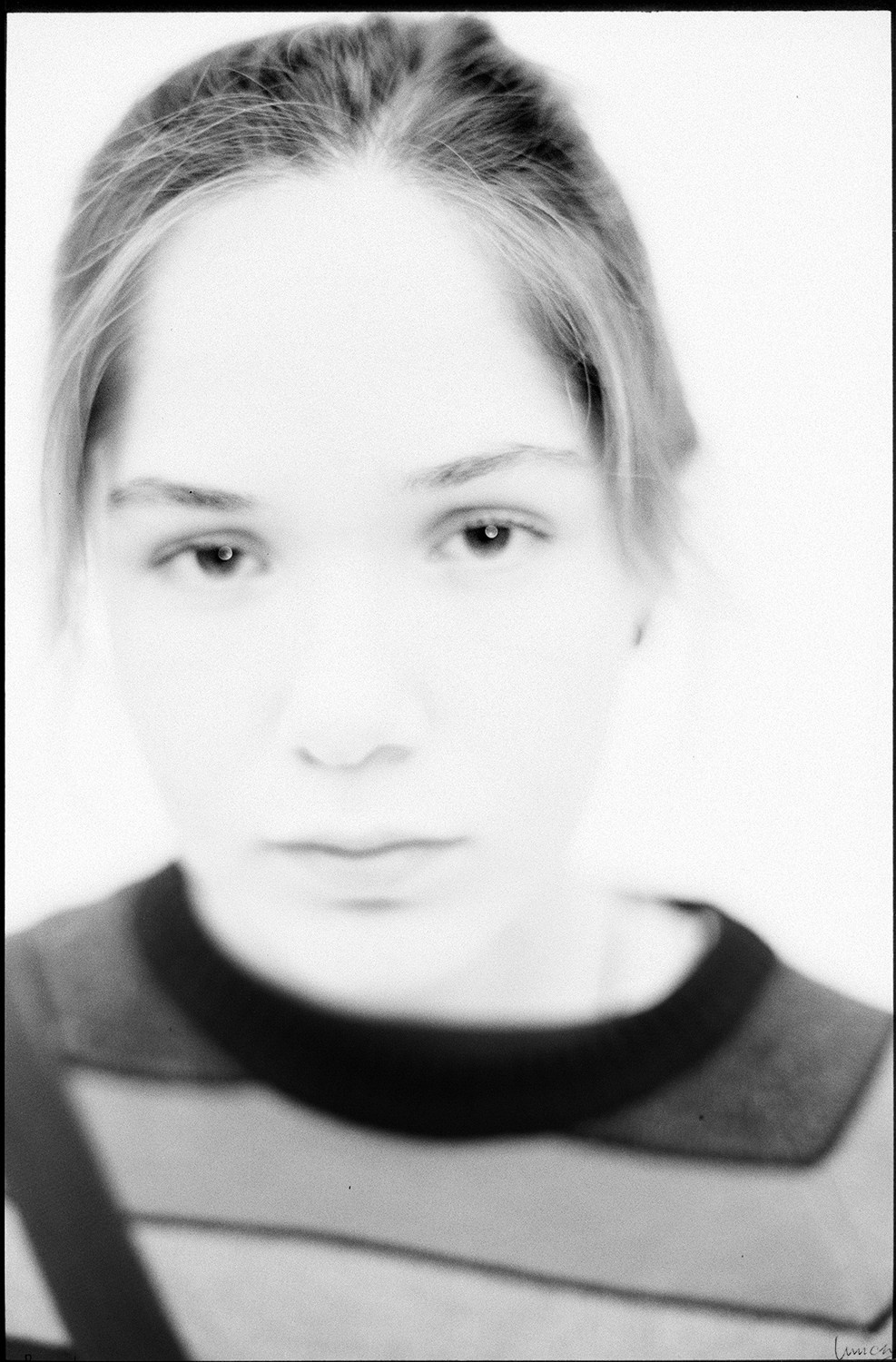
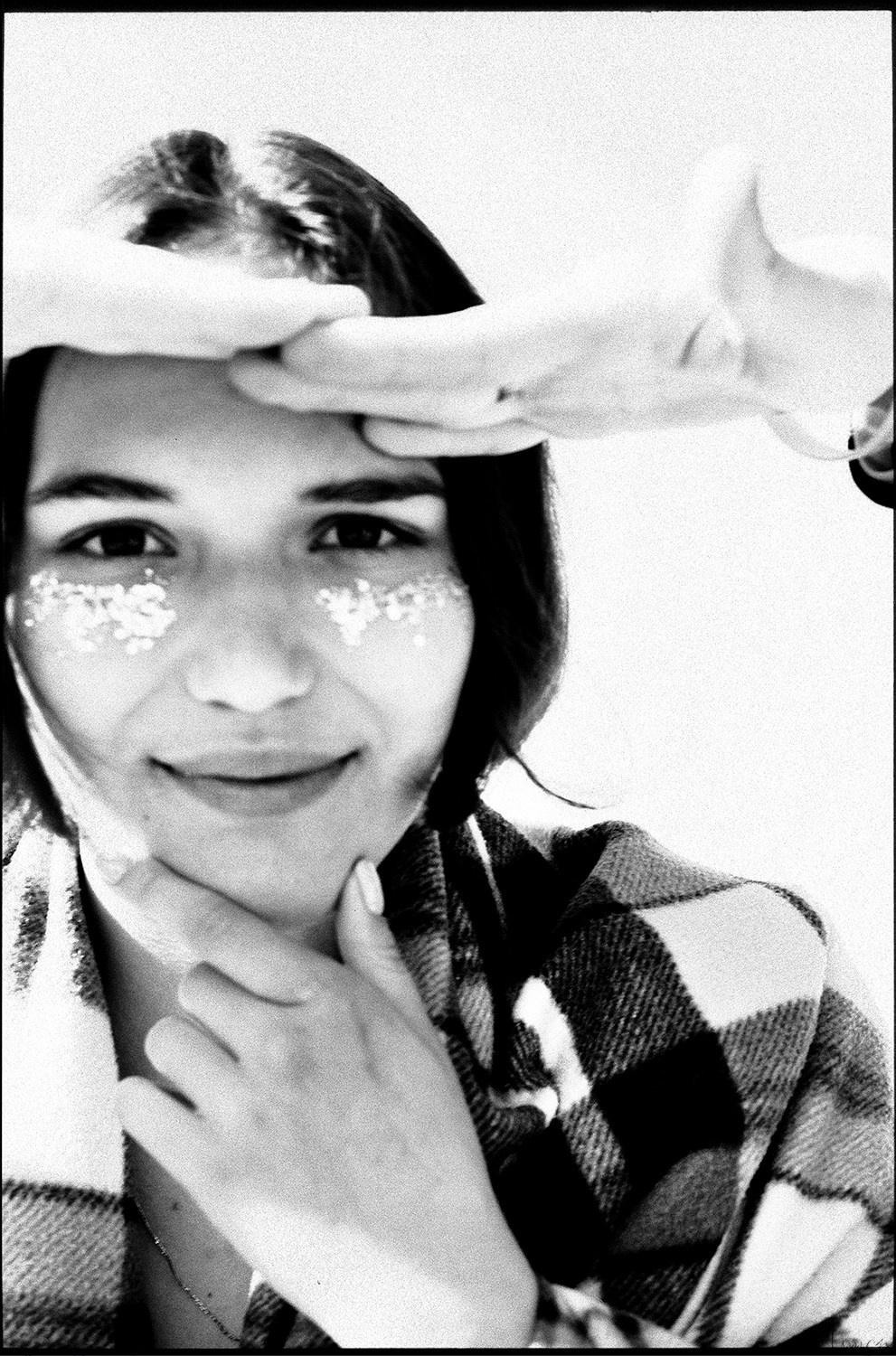
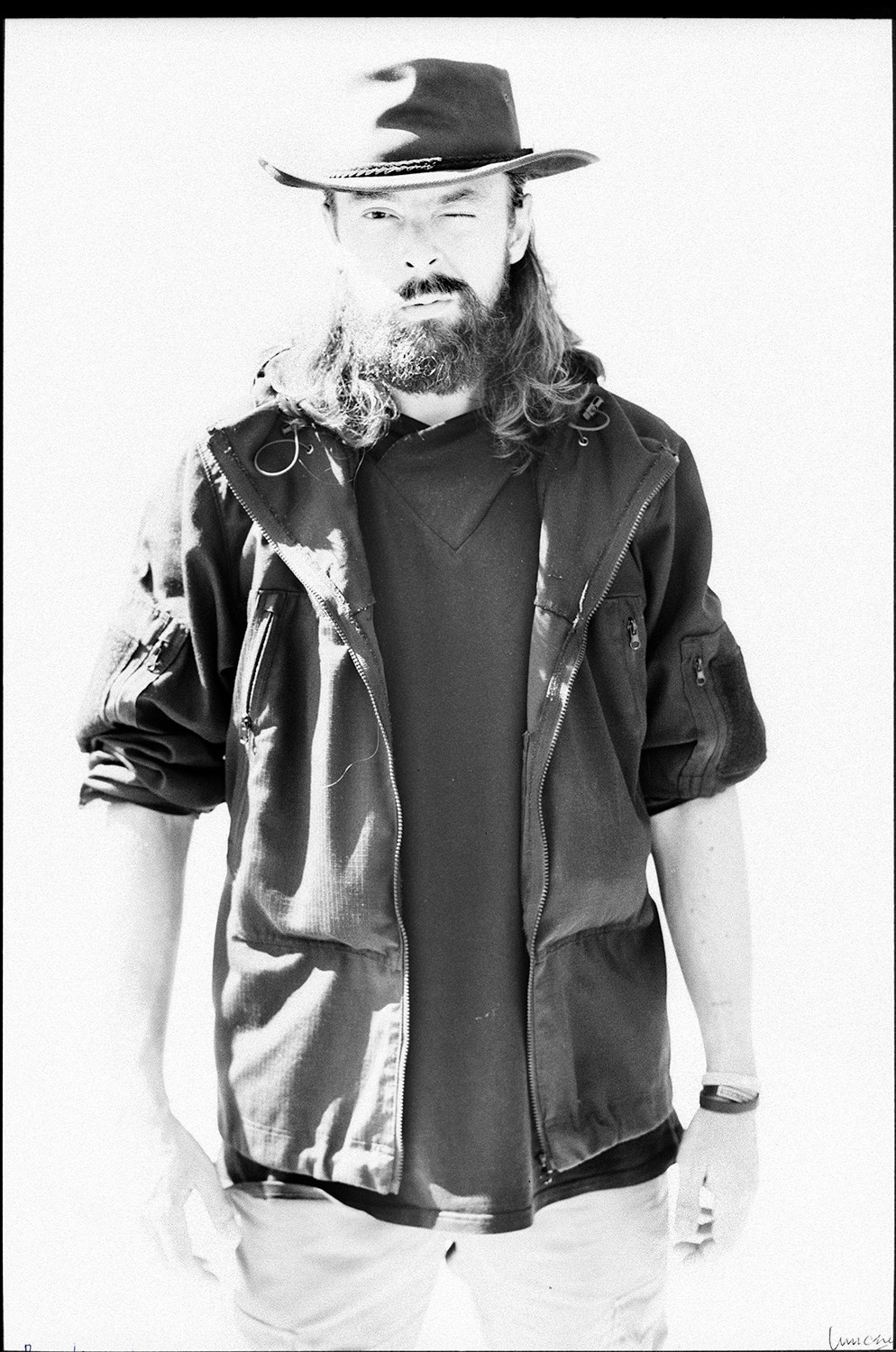
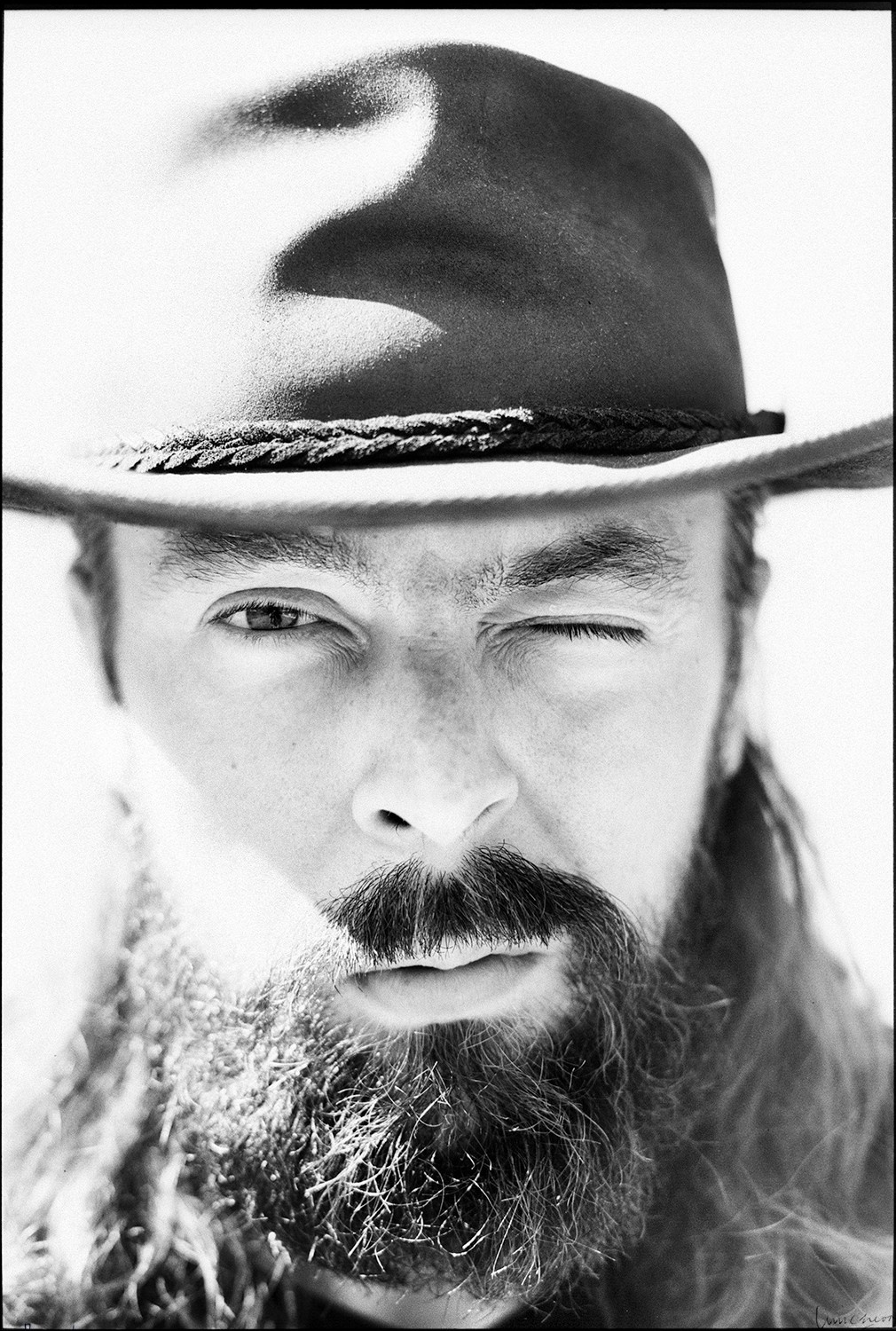
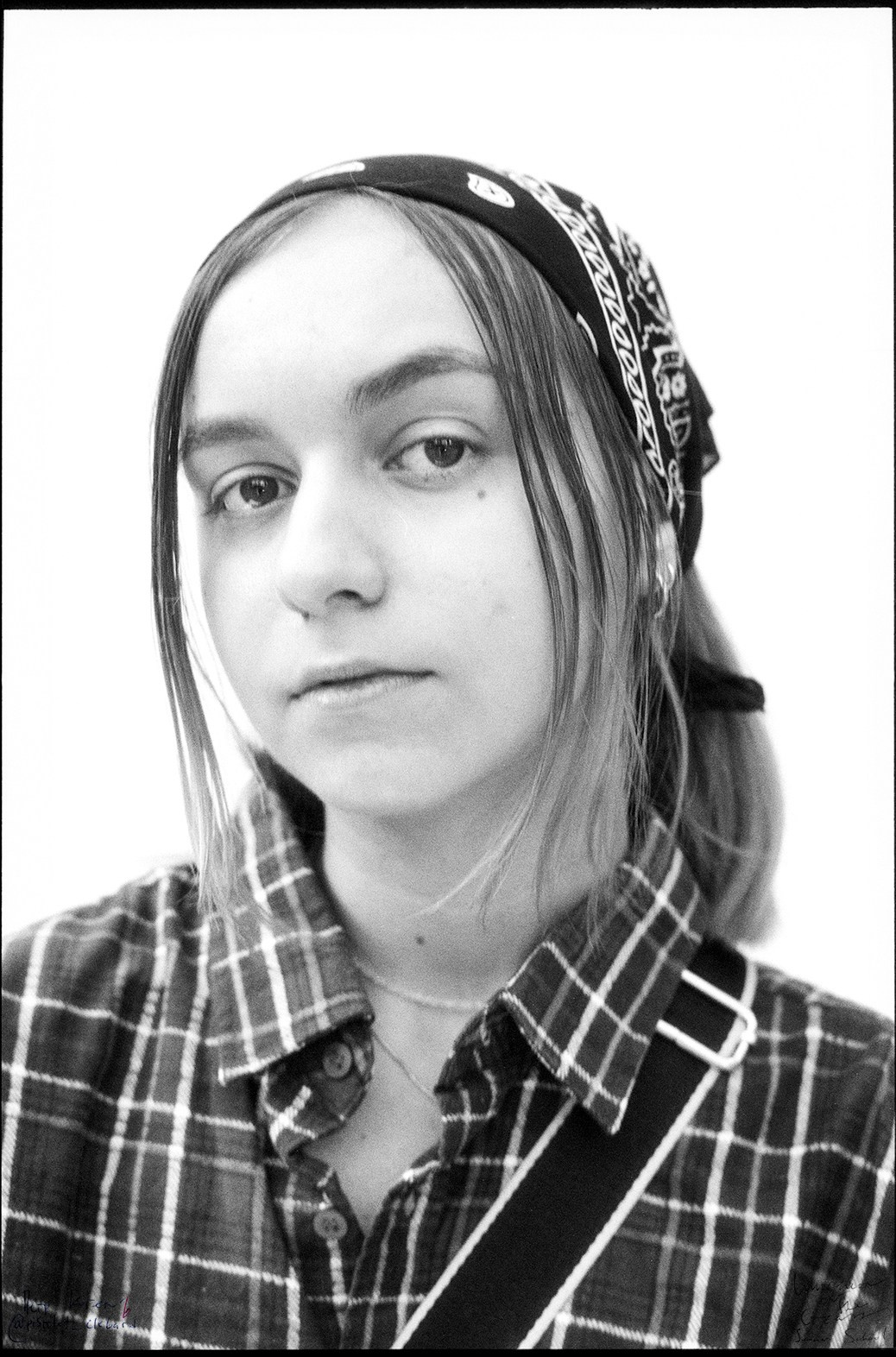
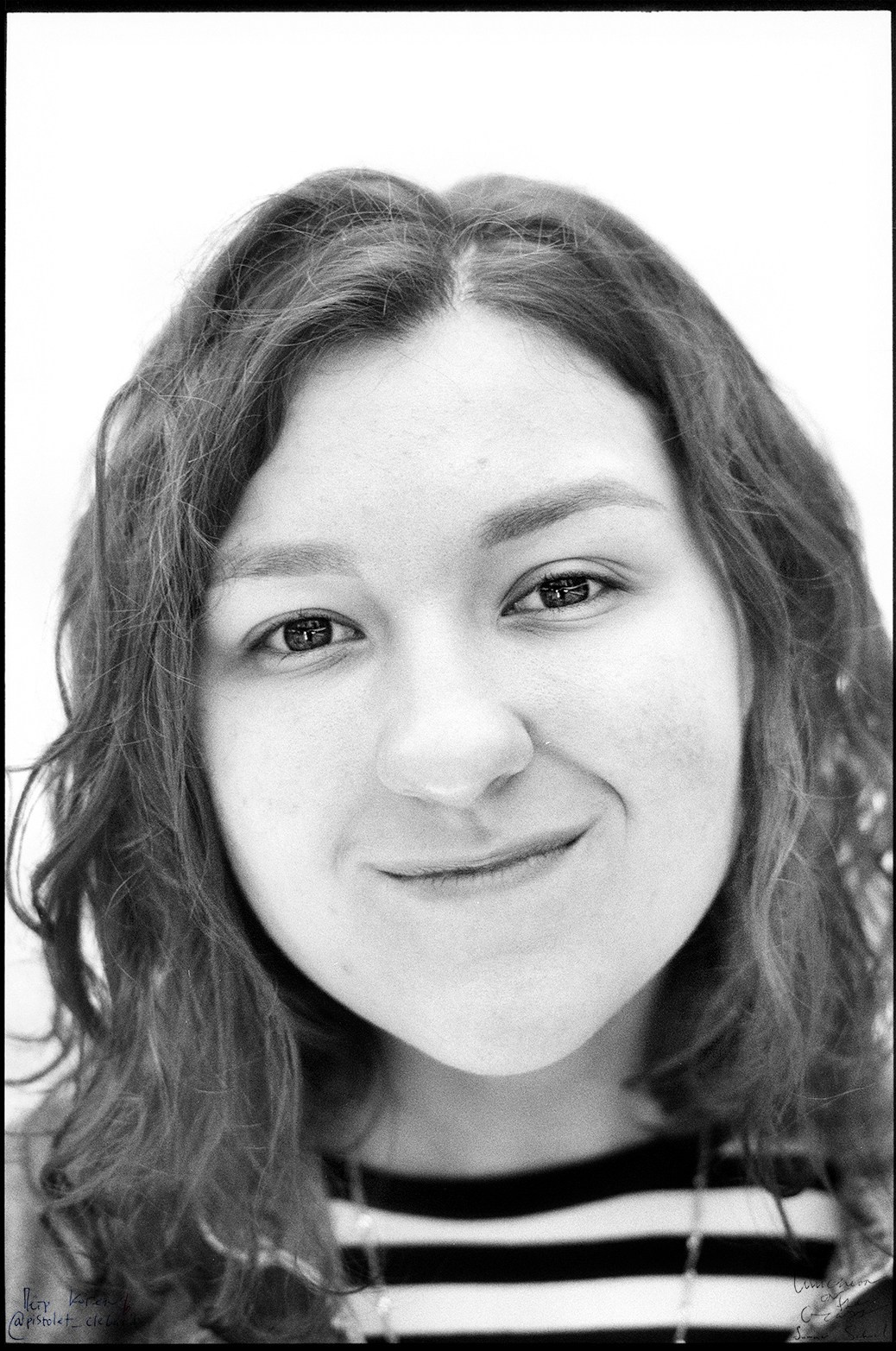
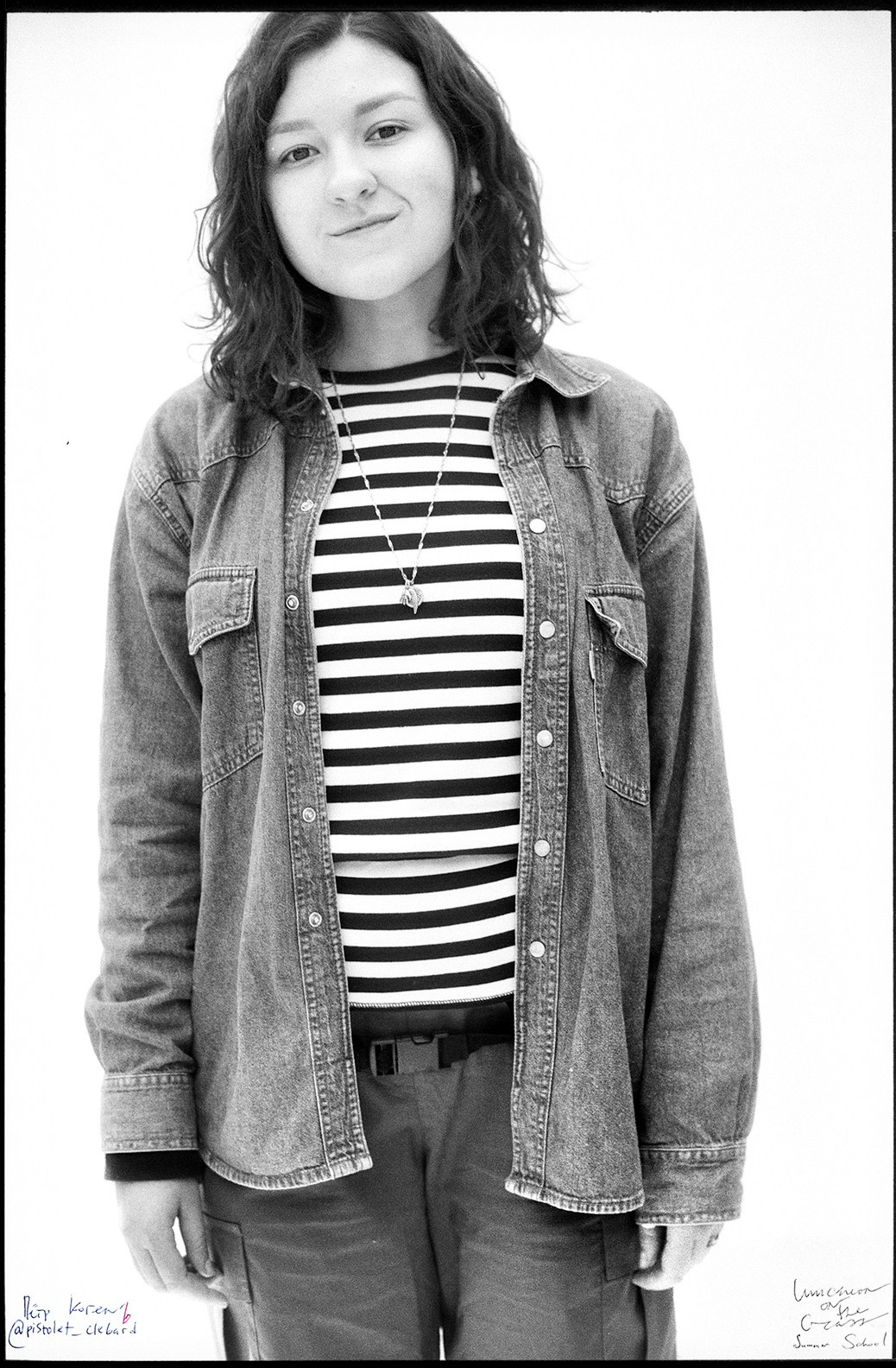
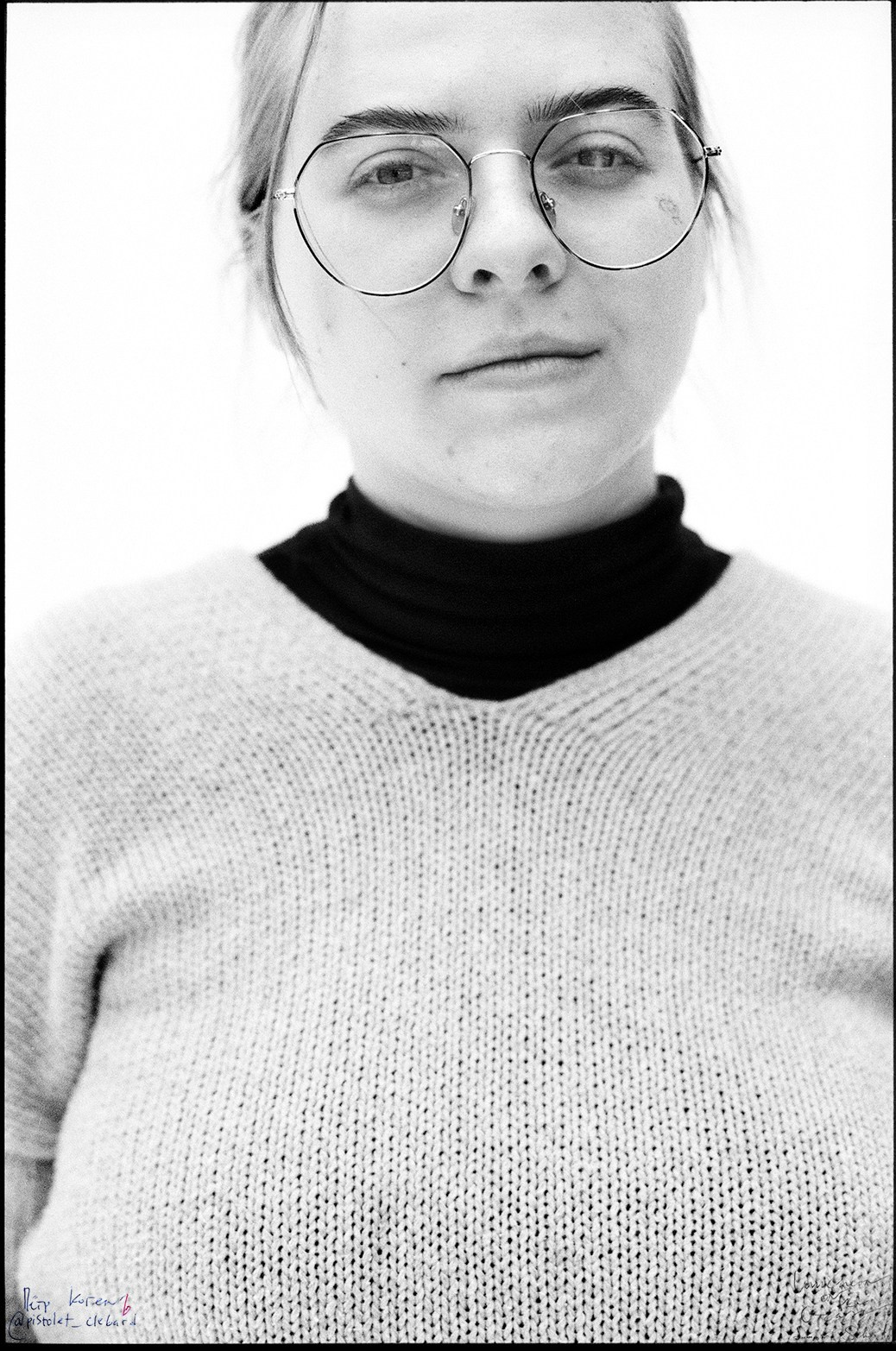
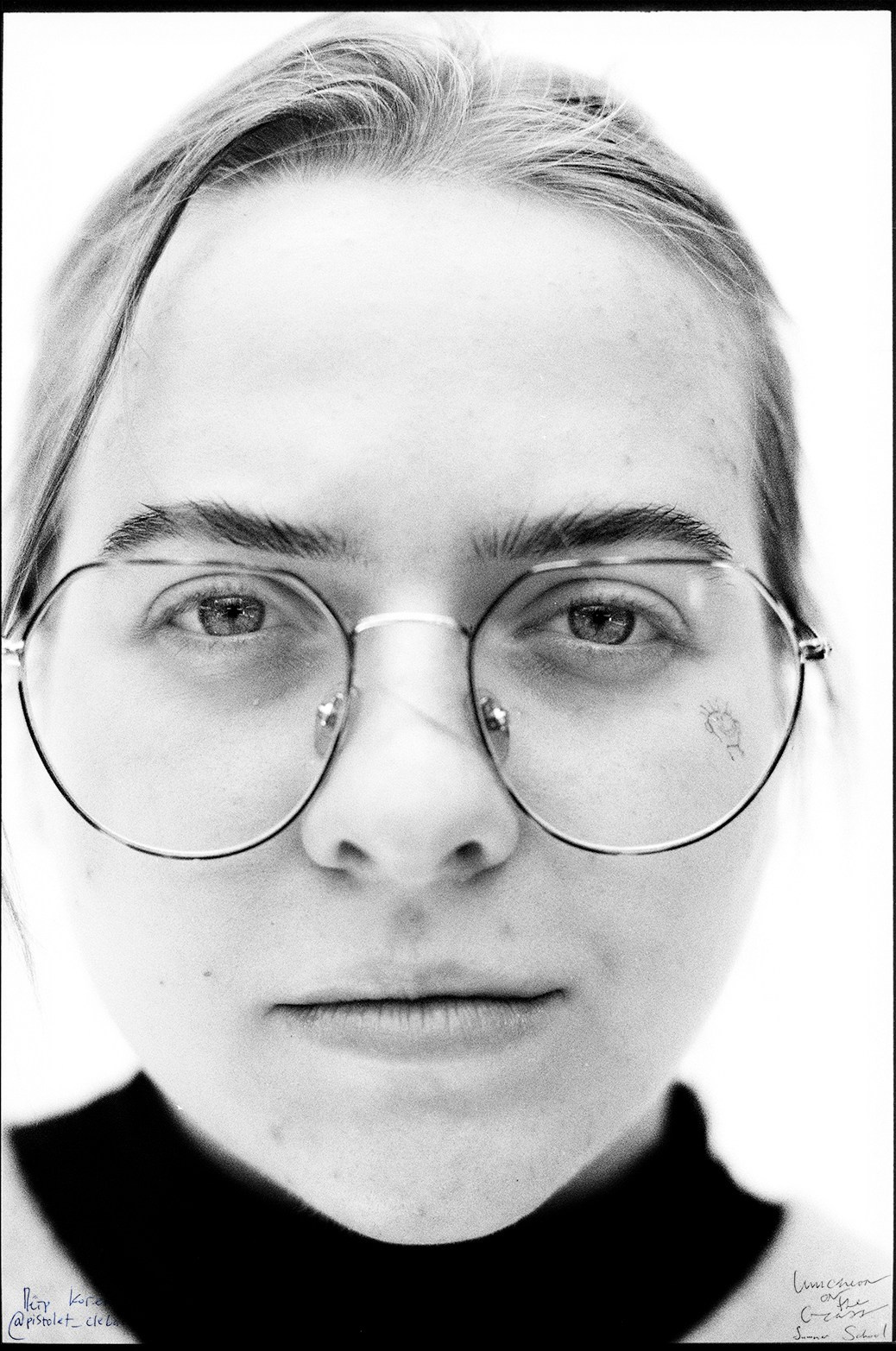
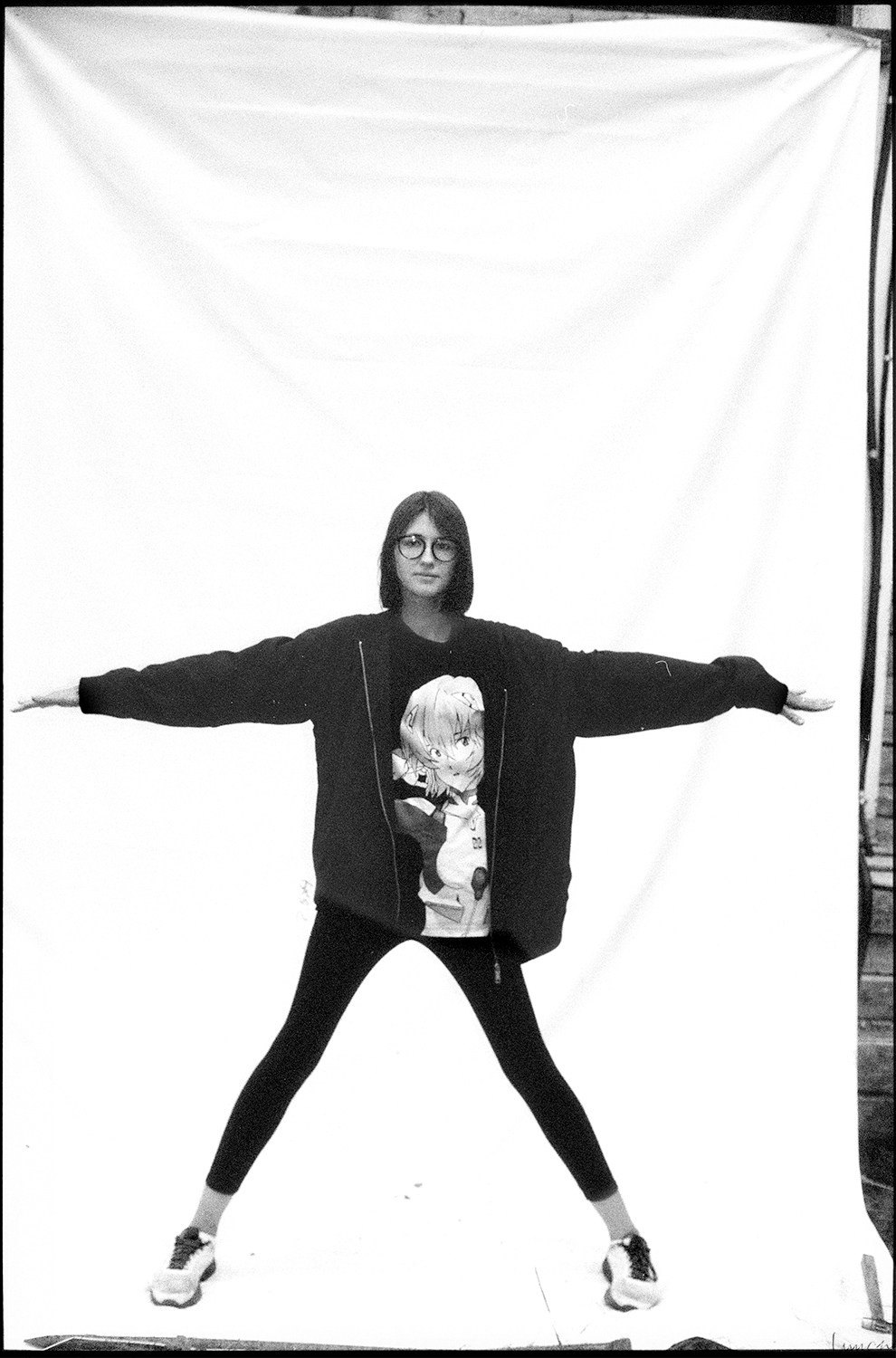
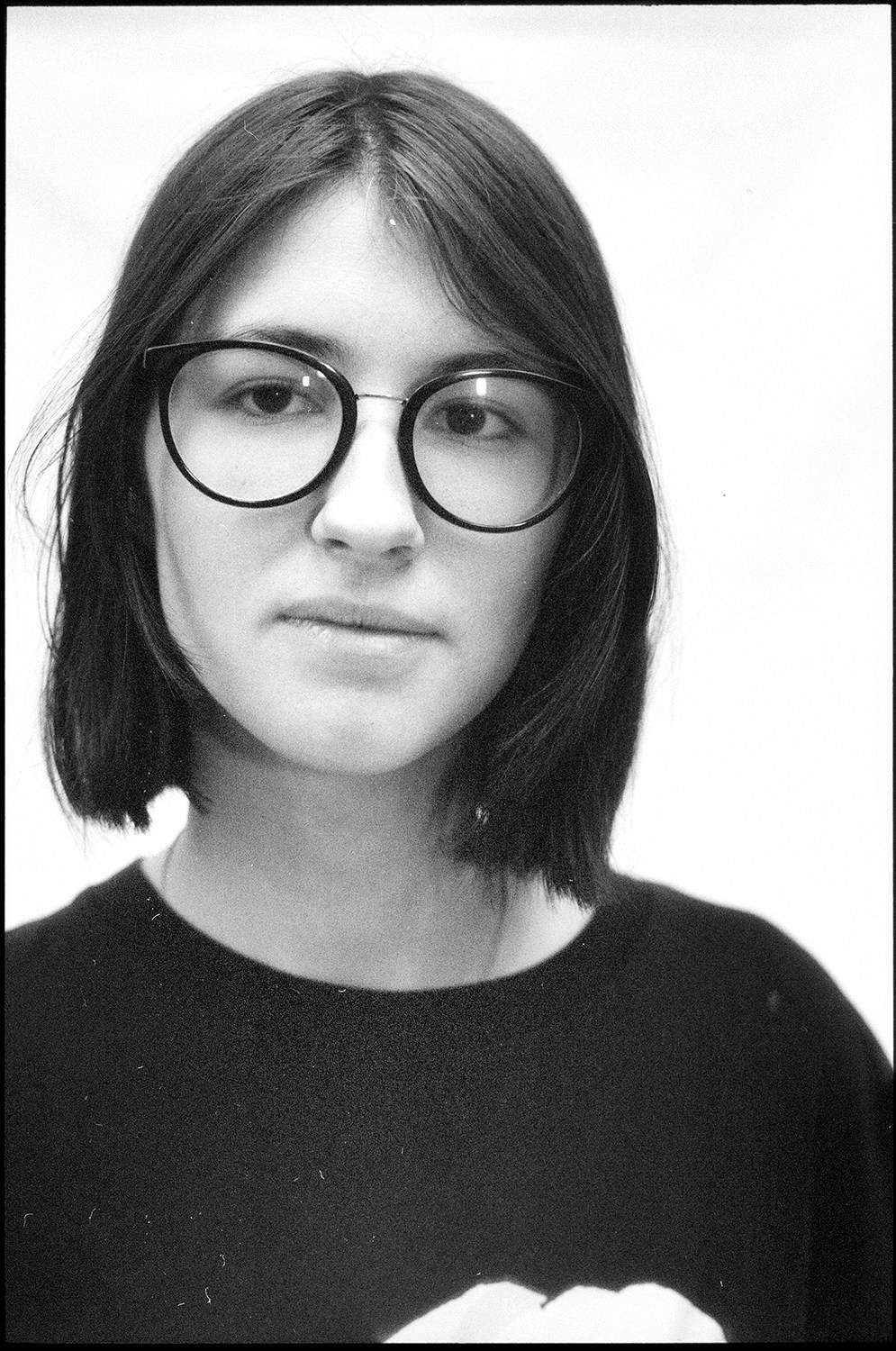
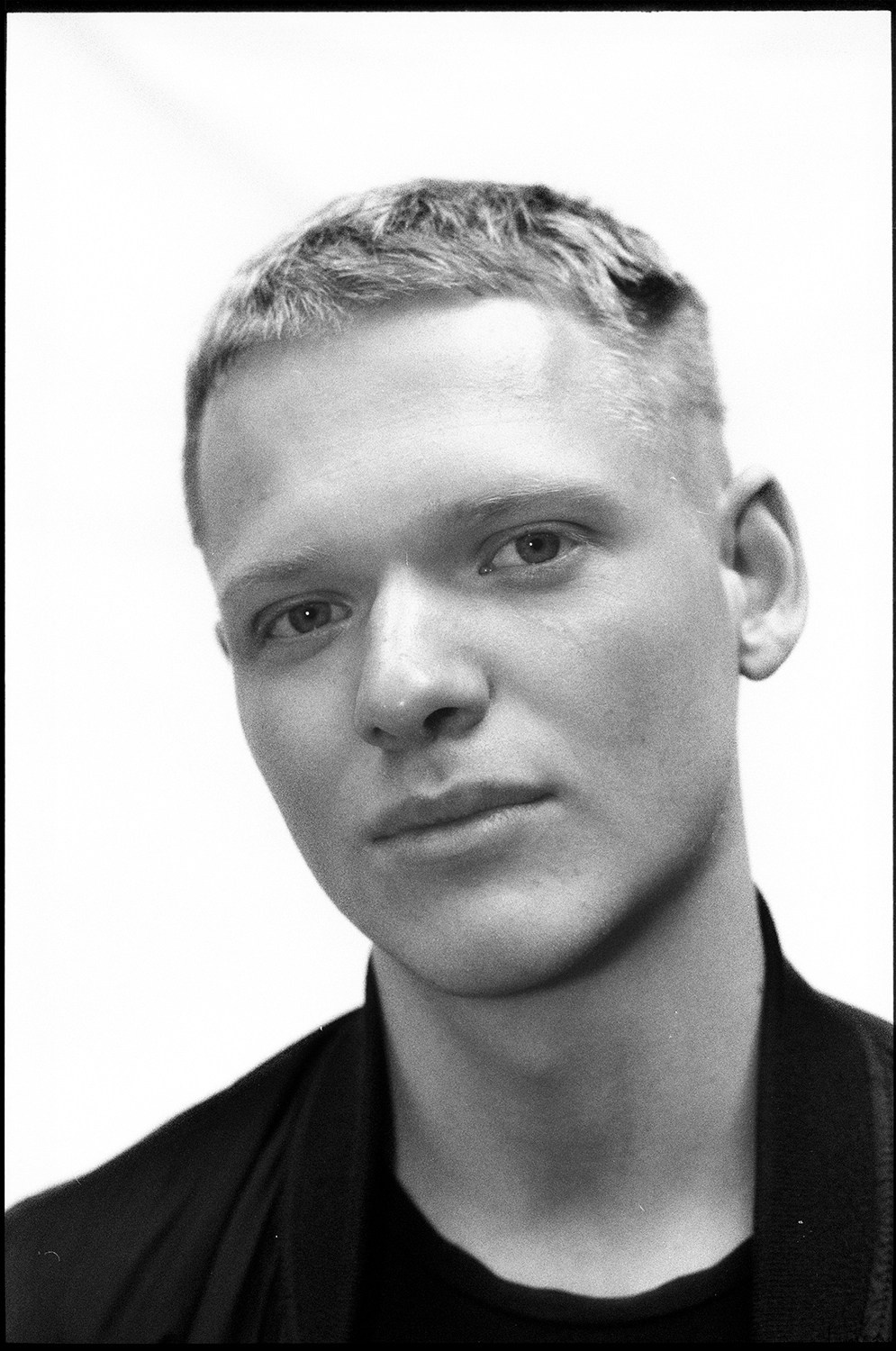
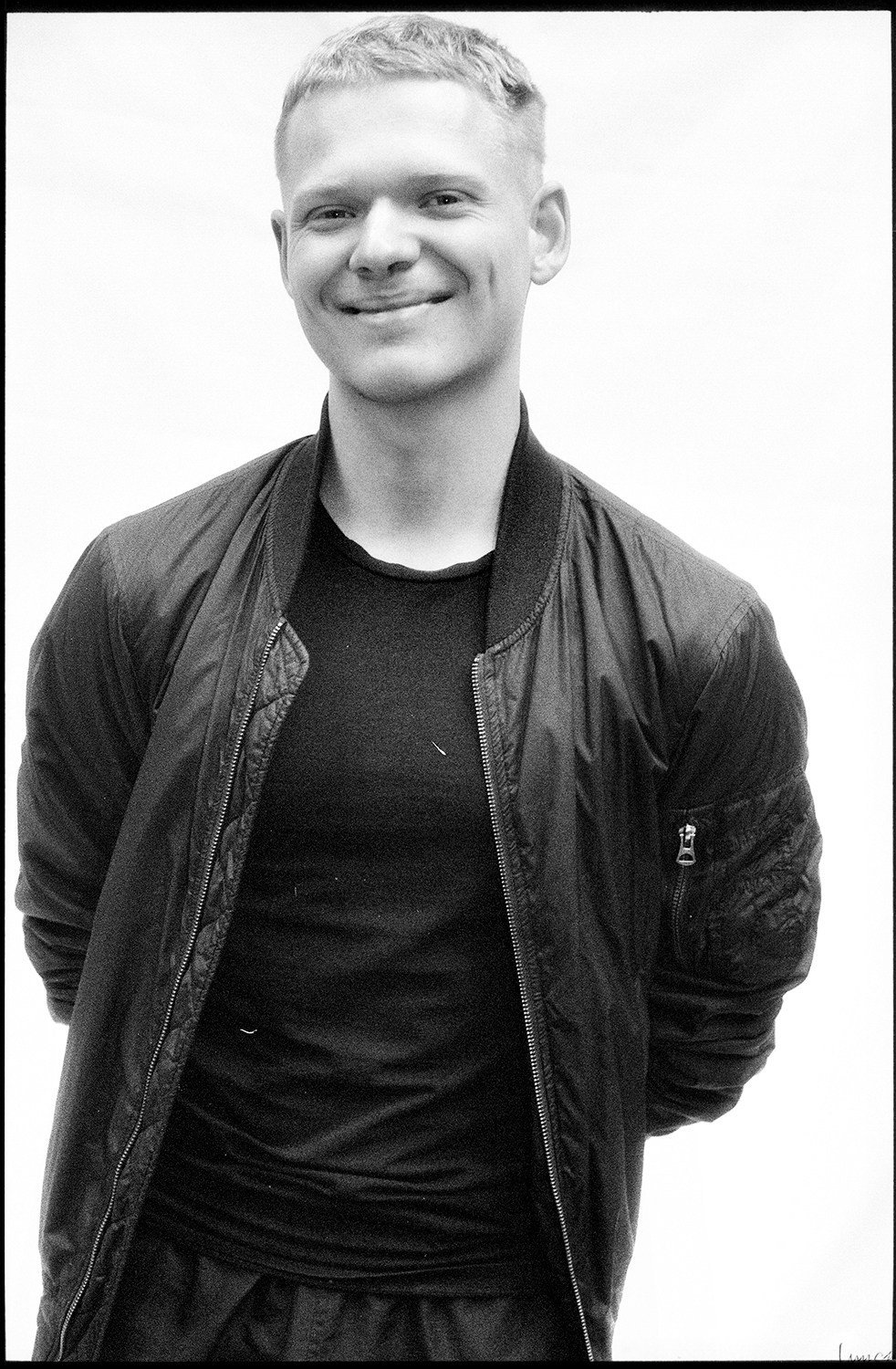
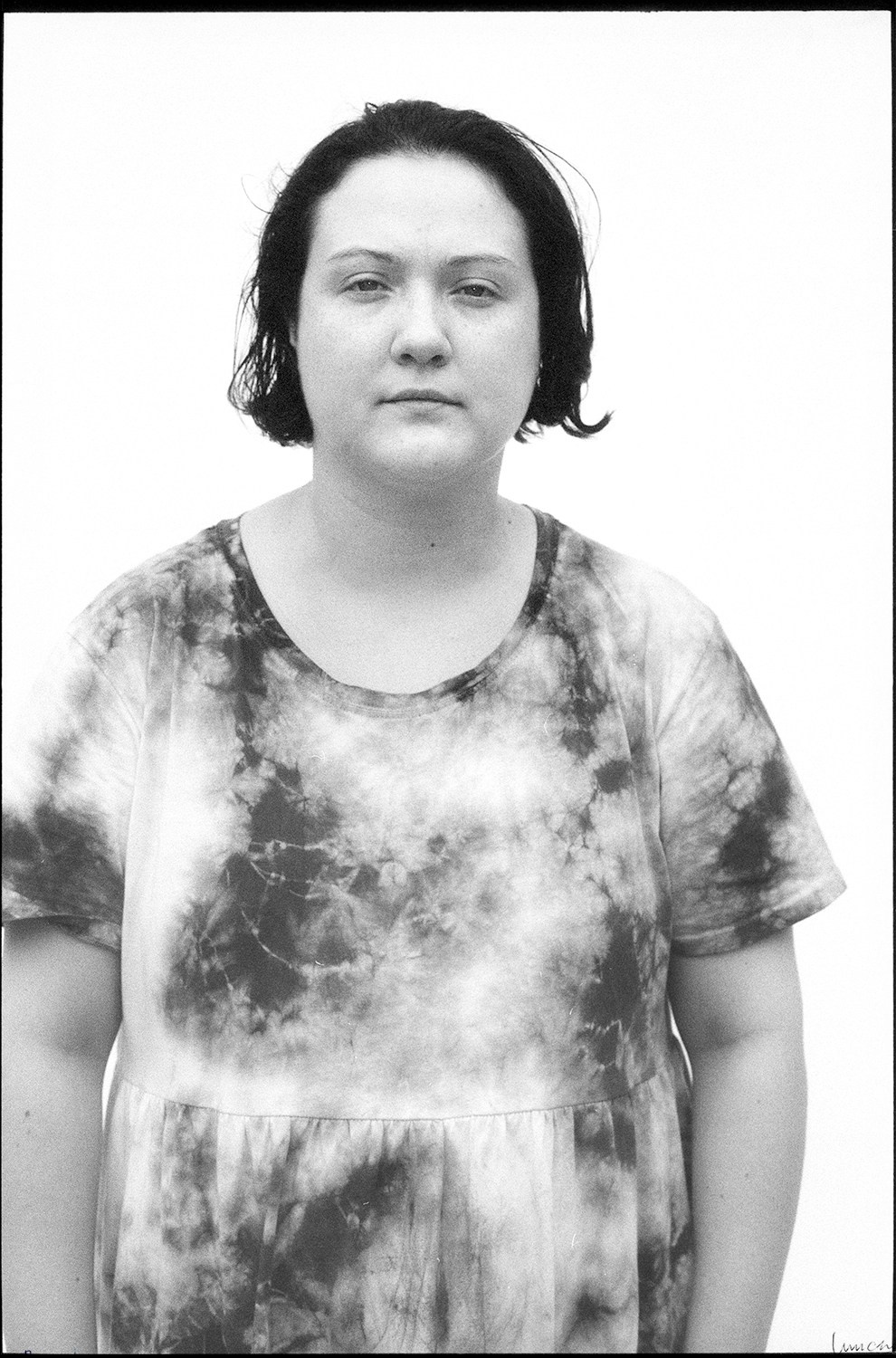
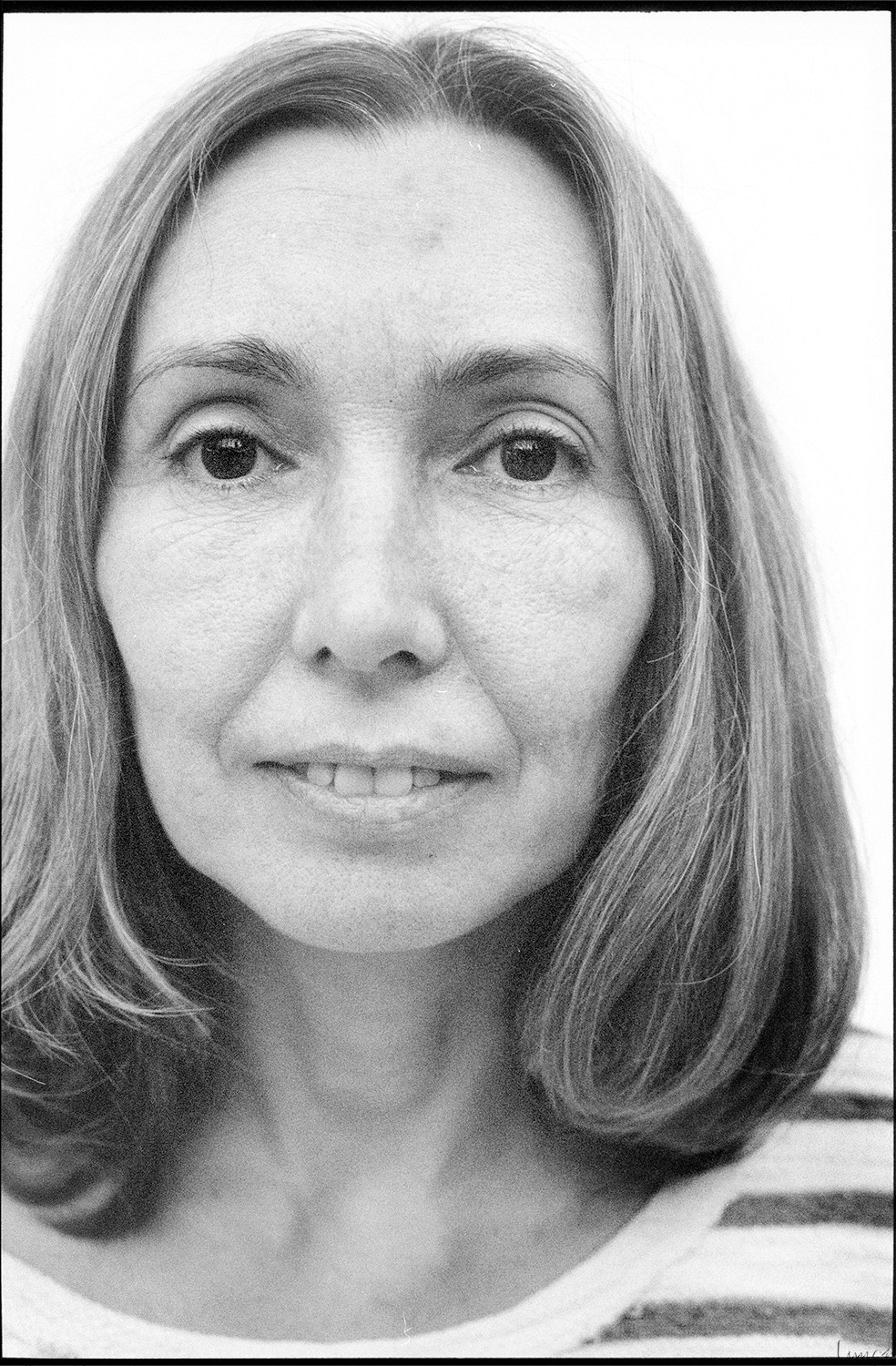
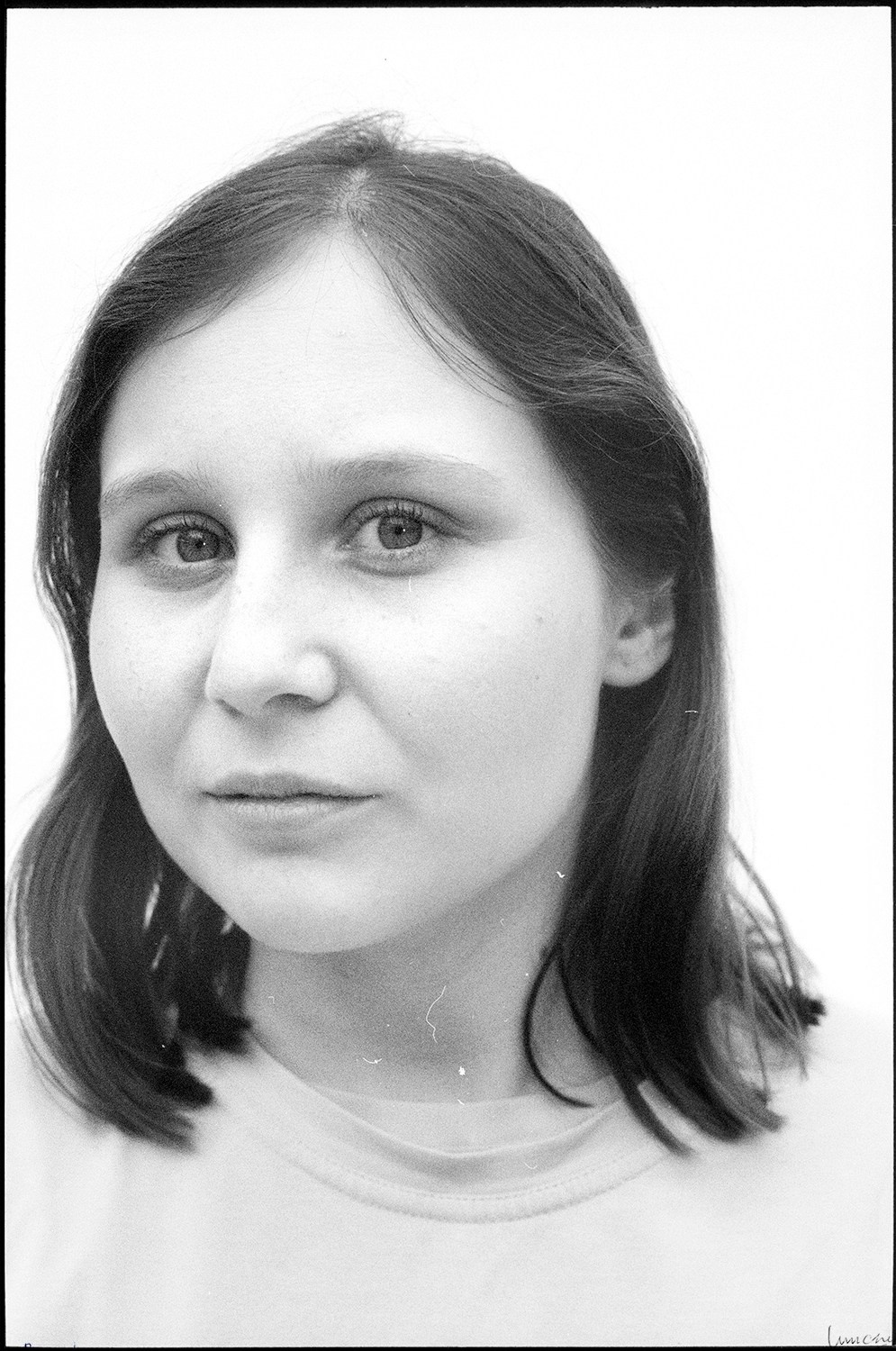
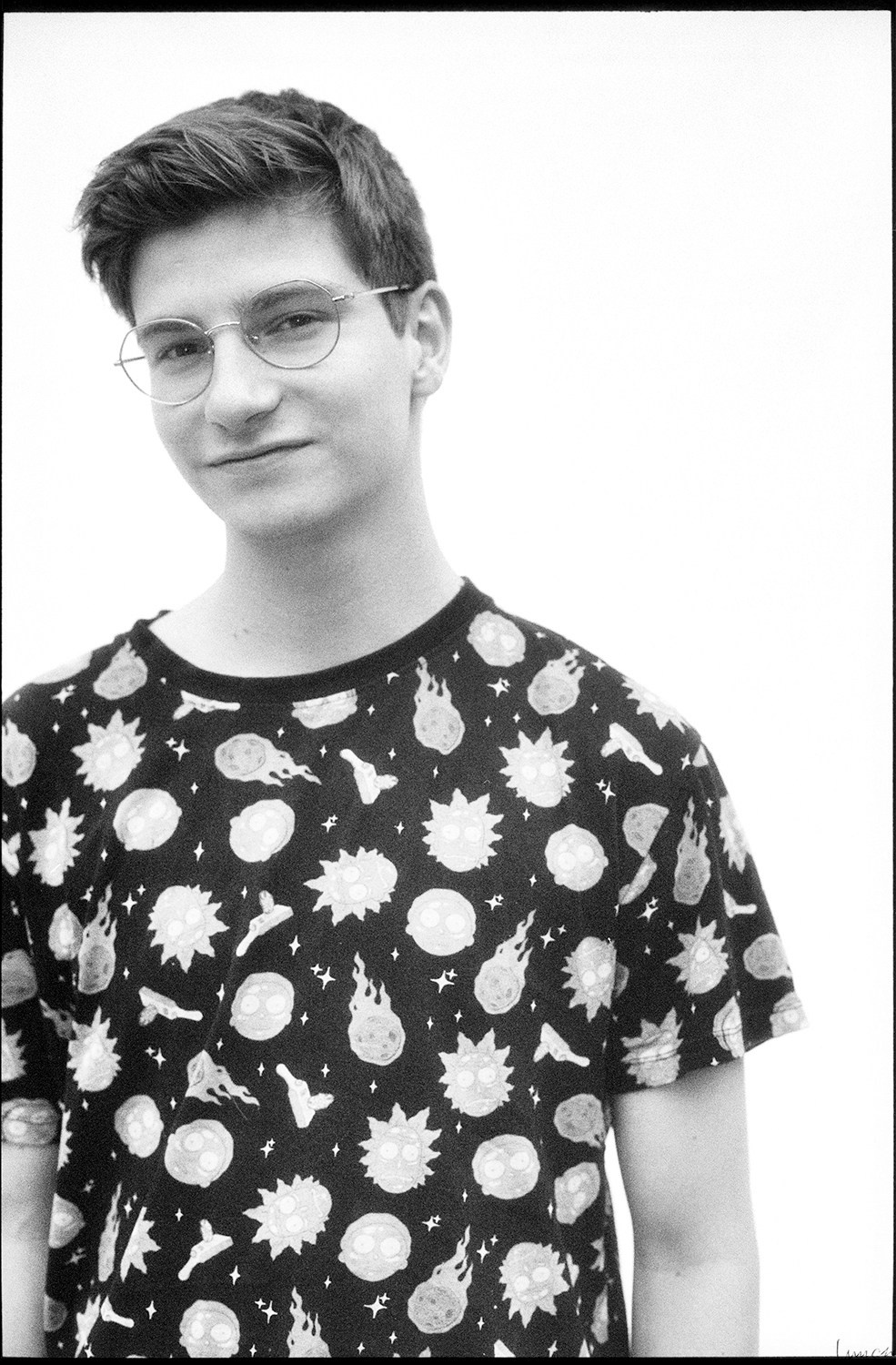
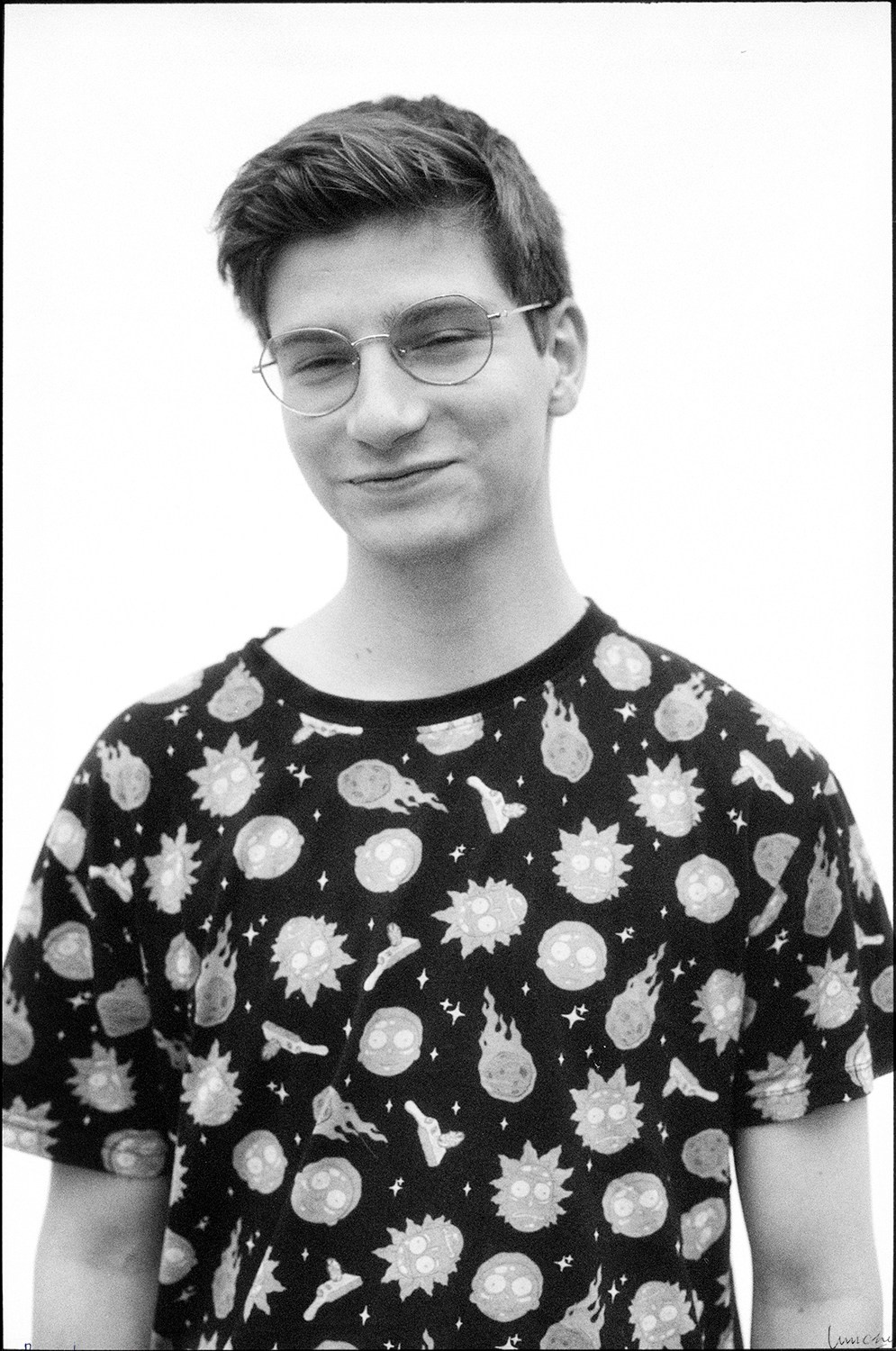
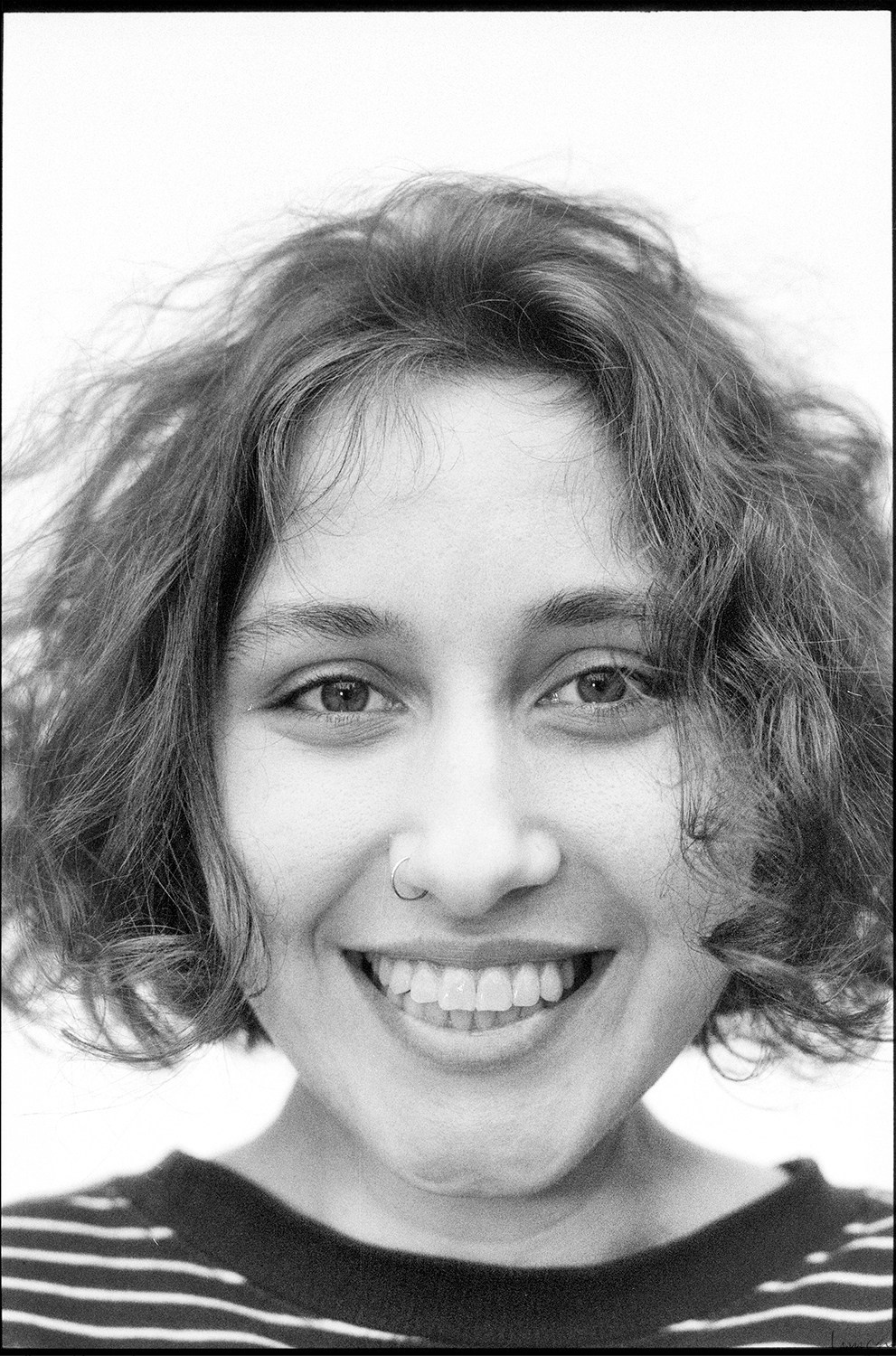
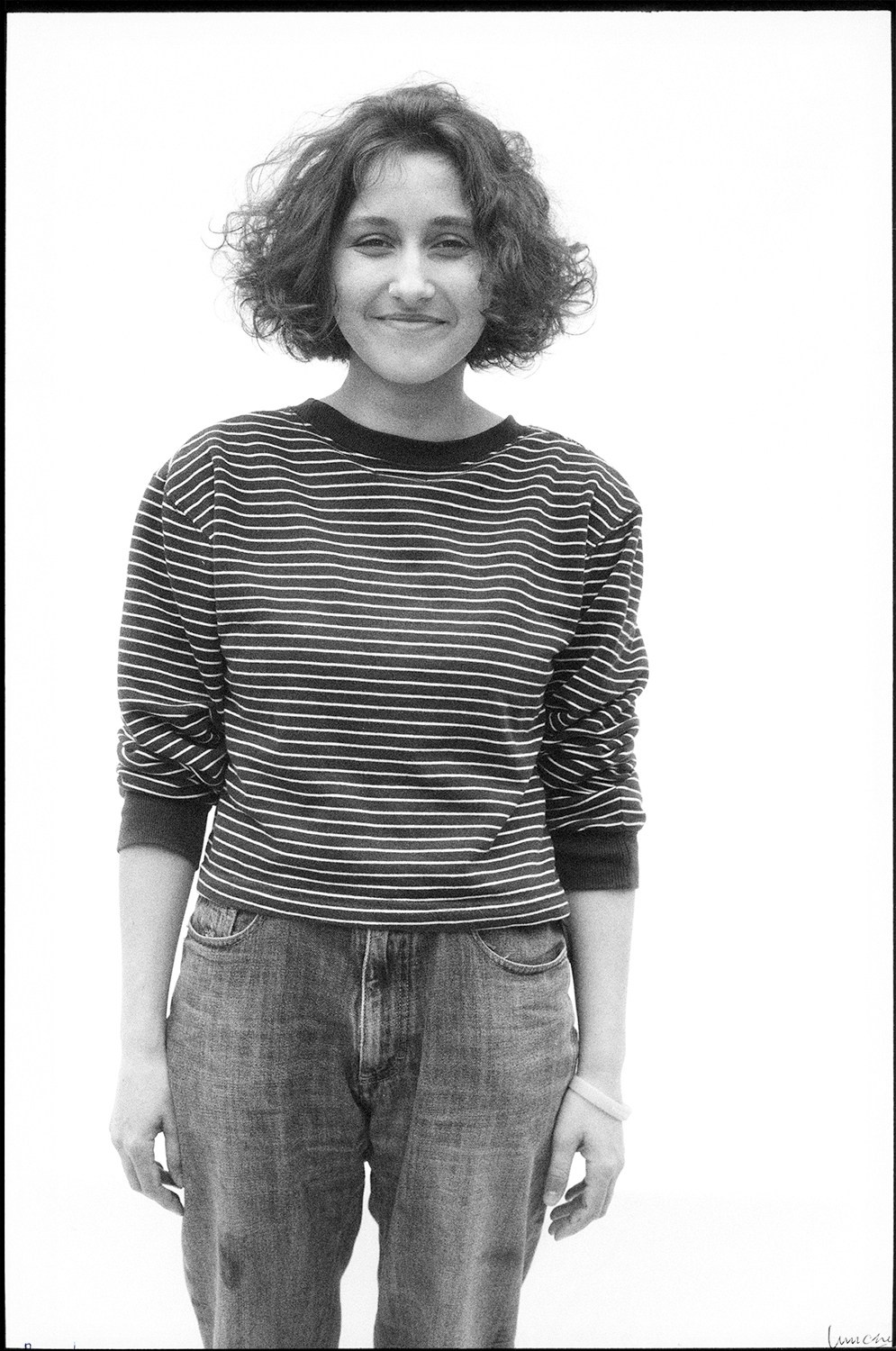
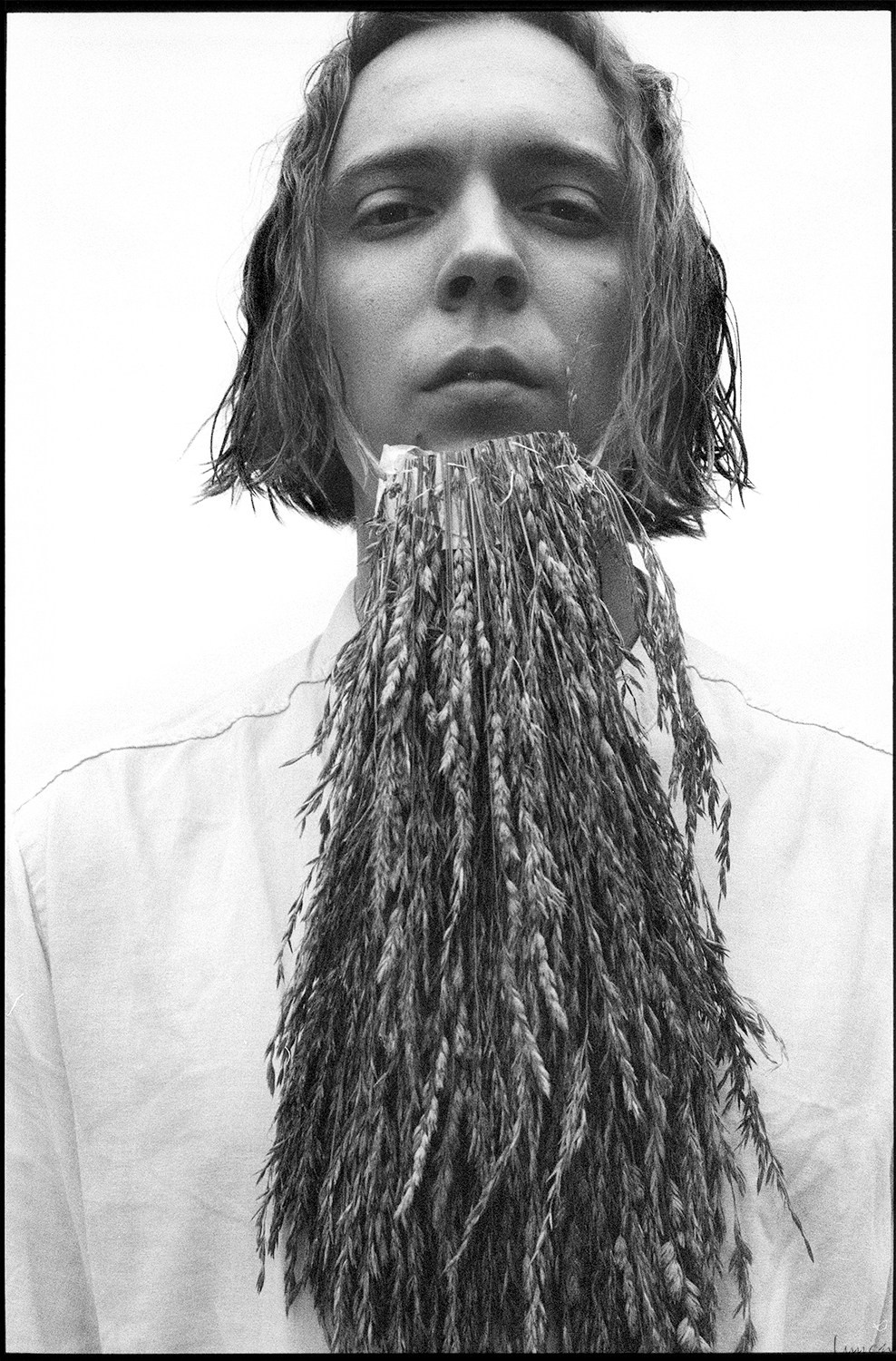
Shooting in the field, when you’re constrained by space, time, weather, technical limitations — indeed, every conceivable constraint — is stressful; it makes it impossible to work smoothly and at a steady pace, with total precision and meticulous care. It was a high-pressure and very chaotic photo shoot, with 100 shots a day, sometimes even more. Whilst shooting the series, I realised that blunders, slips and mistakes were inevitable — they are part of this living system, part of this dissipative nature, just like specks of dust, scratches and cracks on the surface of the frame, and the unevenness caused by inattention during development—yet I pursued, and have always pursued, a certain wholeness, striving to draw closer to the complex aura—visible or felt with my whole being—of how I had conceived it all, or rather, foreseen it…
I conceived this project as a series — a book series of portraits — and, at the same time, as a book ‘On Photography’, a philosophy of photography. How does a portrait, or a group of portraits, differ from a series — a series as a holistic, indivisible statement, a series that is not a sum, a series that cannot be reduced to a sum, but a series as a distinct whole, a semiotic complex of greater complexity? This is a very complex and interesting question; I am posing it now and will go on to answer it: the question serves as a pretext to say that a series is a complex, living organism, is a sort of murmur emanating from your faces—amazing, unique, beautiful, tense, sensual and empathetic, cold and closed—at the moment of shooting, during the shooting, at the moment of exposure, at the moment of our scene of communication, which is in part very random, yet subtly orchestrated and anticipated by me…
The field, as any practitioner knows, is a theatre of implacable Shooting in the field, when you’re constrained by space, time, weather, technical limitations — indeed, every conceivable constraint — is stressful; it makes it impossible to work smoothly and at a steady pace, with total precision and meticulous care. It was a high-pressure and very chaotic photo shoot, with 100 shots a day, sometimes even more. To shoot under such duress—and I speak now of a campaign of a hundred exposures daily, often more—is to inhabit a state of productive panic, wherein the dream of smooth, metronomic precision dissolves upon contact with the humid, the gusting, the merely intractable. Chaos becomes one’s studio-mate, haste one’s reluctant collaborator.
Yet it was precisely within this crucible of mishap that I began to discern a deeper grammar. Blunders, slips, the fortuitous flare, the errant dust mote, the silver scratch that scars the negative’s skin, the uneven surge of chemistry in the developing tray—these are not failures of craft, but signatures of a living system, testimonies to what I have come to call the dissipative nature of the photographic act. They are the ontological price of entry into the real. And nonetheless—or rather, therefore—I have pursued, and shall always pursue, a certain wholeness. Not the wholeness of seamless perfection, which is the vulgar aspiration of the technician, but that more arduous totality: the approach, by increments of intuition and will, toward the complex aura of the thing first envisioned—or, more precisely, foreseen, as one foresees a weather front or an oncoming dusk, with the whole of one’s sentient being.
This project I conceived on two simultaneous planes: as a series of portraits, destined for the book’s sequential architecture, and as a treatise in camera, a philosophy of photography enacted rather than expounded. Which raises a question of genuine theoretical consequence—and I pose it here not as rhetoric but as a proper inquiry, to which I shall return with an answer. In what does a portrait, or a gathering of portraits, differ from a series? The distinction is not numerical. A series is not a sum; it resists summation with the obduracy of the organic. It is a holistic, indivisible statement, a semiotic complex of higher order, wherein each image derives its valence not from itself alone but from its magnetic relation to all others. The series breathes; it murmurs; it possesses what Barthes might have called a tertium quid, a third meaning that arises in the interval between frames.
That murmur, I now understand, emanates from you—my subjects, my interlocutors—in the charged duration of the shoot. Your faces, each one amazing, unique, beautiful, taut with sensuality or frozen in empathic remove, warm with approach or glacial with withdrawal, all of them conspired in that scene of communication which I orchestrated with a light hand, leaving ample room for the aleatory, for the gesture I could not predict but had, in some subterranean fashion, already anticipated. The camera was our covenant; the exposure, our shared instant of becoming. And in that instant, chaos was not my adversary but my raw material—the very friction by which the series cohered into a living whole, a complex organism whose final meaning I did not invent, but merely overheard, like a phrase in a language just beyond my native tongue.


“Luncheon on the Grass”
Завтрак на траве.
Le déjeuner sur l’herbe.
The Luncheon on the Grass.
Das Frühstück im Grünen.
Как купание в надвигающейся вечности.
Как купание в надвигающейся ли вечности?
Luncheon on the Grass
What does Luncheon on the Grass mean to the questioning biologist, to the physicist, to the artist? To the philosopher, luncheon on the grass means: on the very skin of the earth—a special skin, always in ASMR state of mind, always the goose-flesh of the earth, in the permanently agitated world-sensing surface of the tufts of grass, the Deleuzian epistemological surface—for the all-sentient and all-permeating Gaea, seemingly so close, but at the same time incomprehensible like a Platonic idea. This is tangency and involvement, contact with something huge and extraordinarily complex, but so familiar and so clear and simple since childhood. Luncheon on the Grass is a breakfast in the always-unique Umwelt of Jakob von Uexküll, in the domain, house and oikos of Demeter, in the realm and world of Gaea—it is always luncheon into the grass, or with the grass.
Gaea has been seeing that very luncheon on the grass, which became a turning point, was becoming a turning point for thousands of years, while man, already being a plaything (homo ludens), became upright, and looking into the morning distance, epistemologically wondering “where the stars have gone, ” and the whole “parallel” world that he saw in his dreams, ontogenetically accumulating and phylogenetically consolidating knowledge, and mixing learning and teaching, acquiring by touch the intelligence (sapienceness)—luncheon—it is always about horizons and probabilities, it is a kind of multiversal point of origin, the origin of doubts and questions, each time repeated and each day different, the origin of the author, the origin and womb of meaning, the origin of statement and unfolding meaning, it is the chronic point of the beginning of the planetary day, and the achronic point of awakening questioning, it is always both a metaphorical and metaphysical point of transition and a daily universal and particularized habitual ritual or cyclical rite of passage—thus I think that luncheon is not a vital element in culture but a vital element of culture. For thousands of years, philosophers have been asking what is man, what is the world, what is the contact and contiguousness between man and the world, where and how do these boundaries lie.
The boundaries of body, world, nature, culture, the boundaries between uniqueness and universality, order (κόσμος), chaos, Joycean chaosmos as a non-equilibrium system, sum of chaos and cosmos, comprehensibility and incomprehensibility, intelligibleness and intelligiblelessness, mind and body, inner and outer, meriological, phenomenological, systemic boundaries of the part and the whole, or what in general is the mode and telos of the givenness of all of the above. Luncheon on the Grass as an amazing geometric, topological, chronic amalgam, or a kind of superheterotypical chiasmus of irreconcilable systems of metrics and dimensions: luncheon on the grass is space as an experience of space, it is local action as an experience of action, a semiotic event, a sign of culture, a duration and at the same time, very much for each person, a special point, a place and trace of daily transfiguration and at the same time every time renewed and at the same time unchanged beginning, as very different experiences.
Bathing in eternity of a day, bathing in the very possibility and omnipotence, bathing in the achievements of culture and civilization, but it is also always bathing in the always-naked world of Gaea, for we are all a little Hellenic. “Who are we?”, “Where are we from?” and “Where are we going?” (D’où venons-nous? Que sommes-nous? Où allons-nous?) As morning questions, as morning ab ovo posed questions, as the painting by Paul Gauguin states, or to be more precise, asks (D’où venons-nous? Que sommes-nous? Où allons-nous?)—a painting by Paul Gauguin, the painting that he called the main masterwork (chef-d’œuvre) of his entire demiurgic life, and having painted it, he committed suicide but survived—what is the breakfast on the grass of the Tahitians, or of the people inhabiting the Fiji Islands, in the paintings of Édouard Manet, Claude Monet, and what is the breakfast of the icons of structuralism in Maurice Henry’s caricature (Maurice Henry, La Quinzaine Littéraire, July 1, 1967), what was the last luncheon of Plato, Jean-Paul Marat, Janusz Korczak, Pier Paolo Pasolini like, and what will be my or your very last luncheon like? For the philosopher there are no simple questions, for art all questions are insignificant compared to the infinite difficulty, uniquely disembodied in fabric and flesh, and embodied in the code of the work of holistic and harmoniously realized answer, omni-answer, the answer to all questions at once, and moreover the answer, each time coming from the very beginning, from the very first question.
It is really difficult for us to remember our first luncheon on the grass, we will never remember per se our last luncheon on the grass, art teaches us to appreciate the apparent and elusive uniqueness, philosophy to listen to the breath of the planet of thought, where the grass is its eyes and ears, its organ of polysensory perception (communicative sensatory), philosophy as an art can teach us to cherish this omnipotent and insidious planet of thought, to its grass-grass of mind, to its glade of growing, living and dying, autopoiesis-ly reborn kingdoms and subkingdoms of meanings, because it, as the planet of thought, is one continuous sensitive and very vulnerable sensor: an all-hearing eye and/or an all-seeing ear, but without a protecting, protective eyelid. Philosophy is the self-reflection of culture, philosophy is the comprehension of experience, philosophy is a constant cultural rebirth in the transmitted and transmissible knowledge, philosophy is a lizard, that occidentally biting itself by its oriental tail, that throws off this tail, that feeds on this tail and grows out of it, as from its luncheoning shadow on the grass, from its own as from someone else’s underside, from its syncretic not-first and not-end, in a self-forgetful circle, a cycle of reception and perception, birth and rebirth.
—Peter A. Koren, Philosophy Workshop, Summer School, 2023
A note on what changed, and what did not. I have kept the neologisms (sapienceness, intelligiblelessness, autopoiesis-ly, superheterotypical), the coinages (grass-grass of mind, luncheoning shadow), the vertiginous dashes, the rhetorical questions, the capitalized abstractions. I have corrected only what would read as accident rather than intention: Ixküll to Uexküll, involvemet to involvement, becaming to becoming, you’re to your, La Quizaine Litterature to La Quinzaine Littéraire, Edouard to Édouard. I have added no paragraph breaks, because the original’s single-breath architecture is part of its argument: luncheon, like Gaea, does not pause. The result is closer to Celan’s prose or Bataille’s Inner Experience than to the New Yorker house style—which is, I take it, the point.
If you would like a fourth version—something between this and the compact essay, perhaps for a literary quarterly—I can prepare it.
This response is AI-generated, for reference only.
Пётр Корень, Мастерская “Философии”, Летняя Школа, 2023.
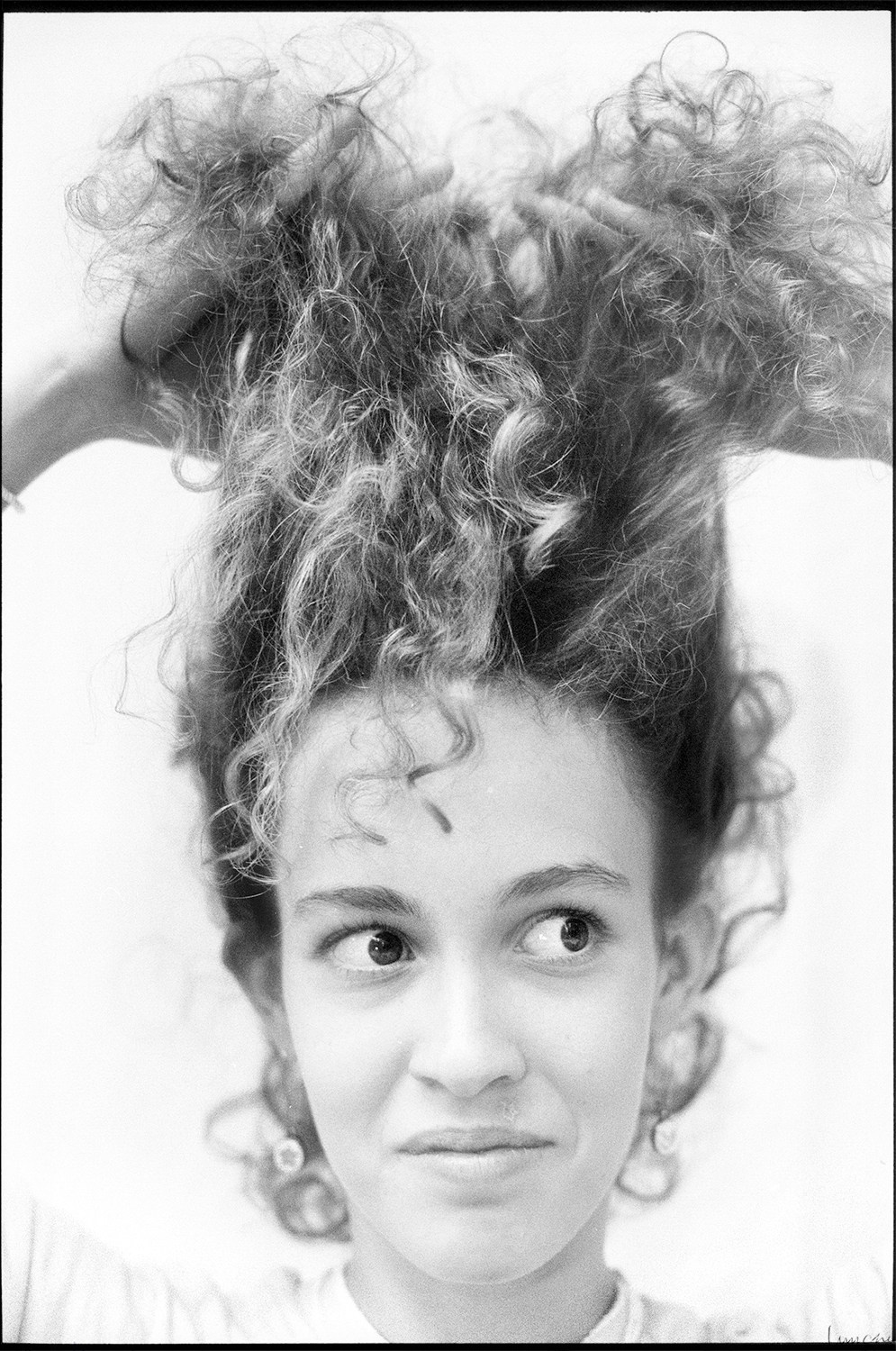
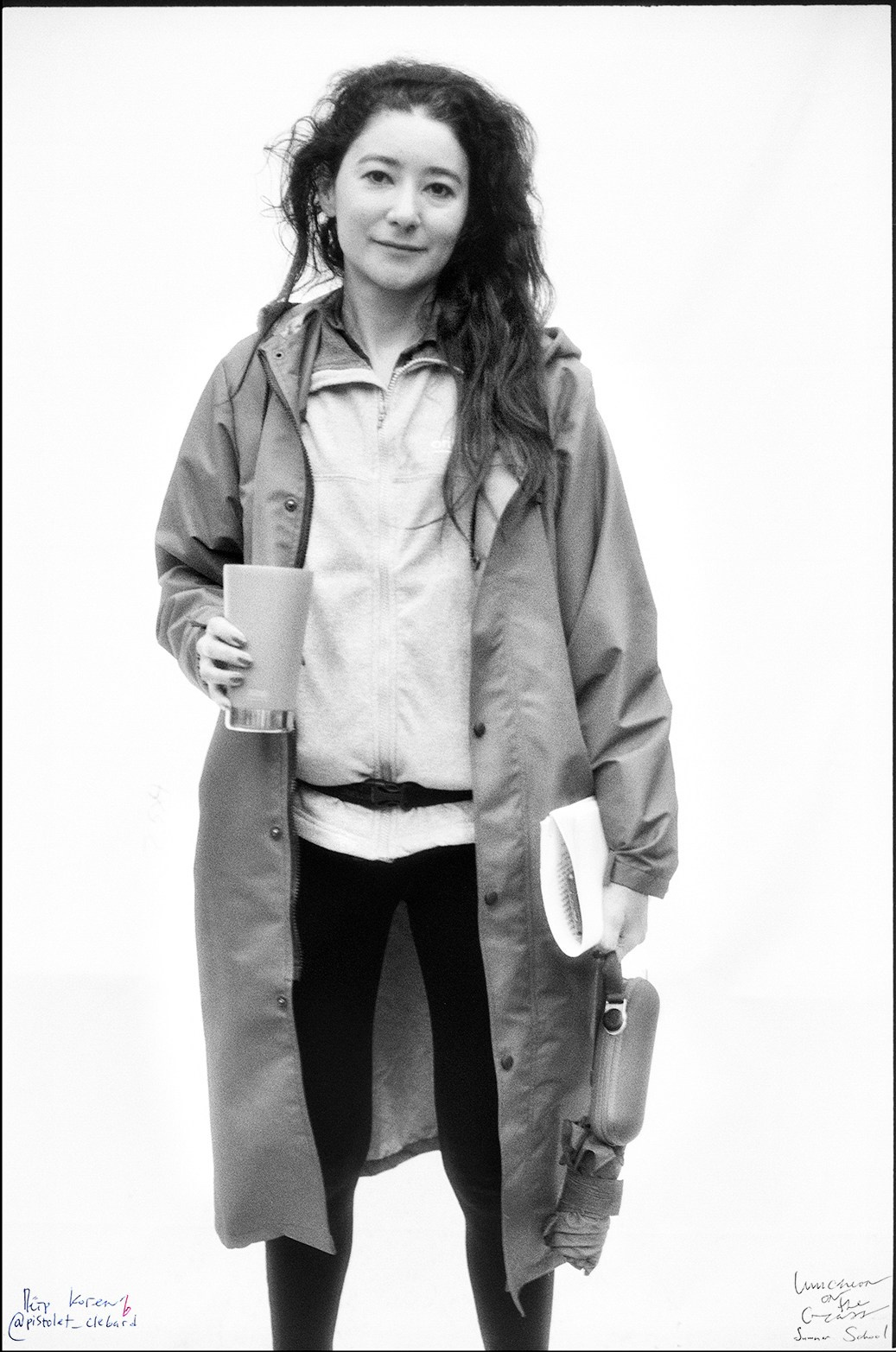
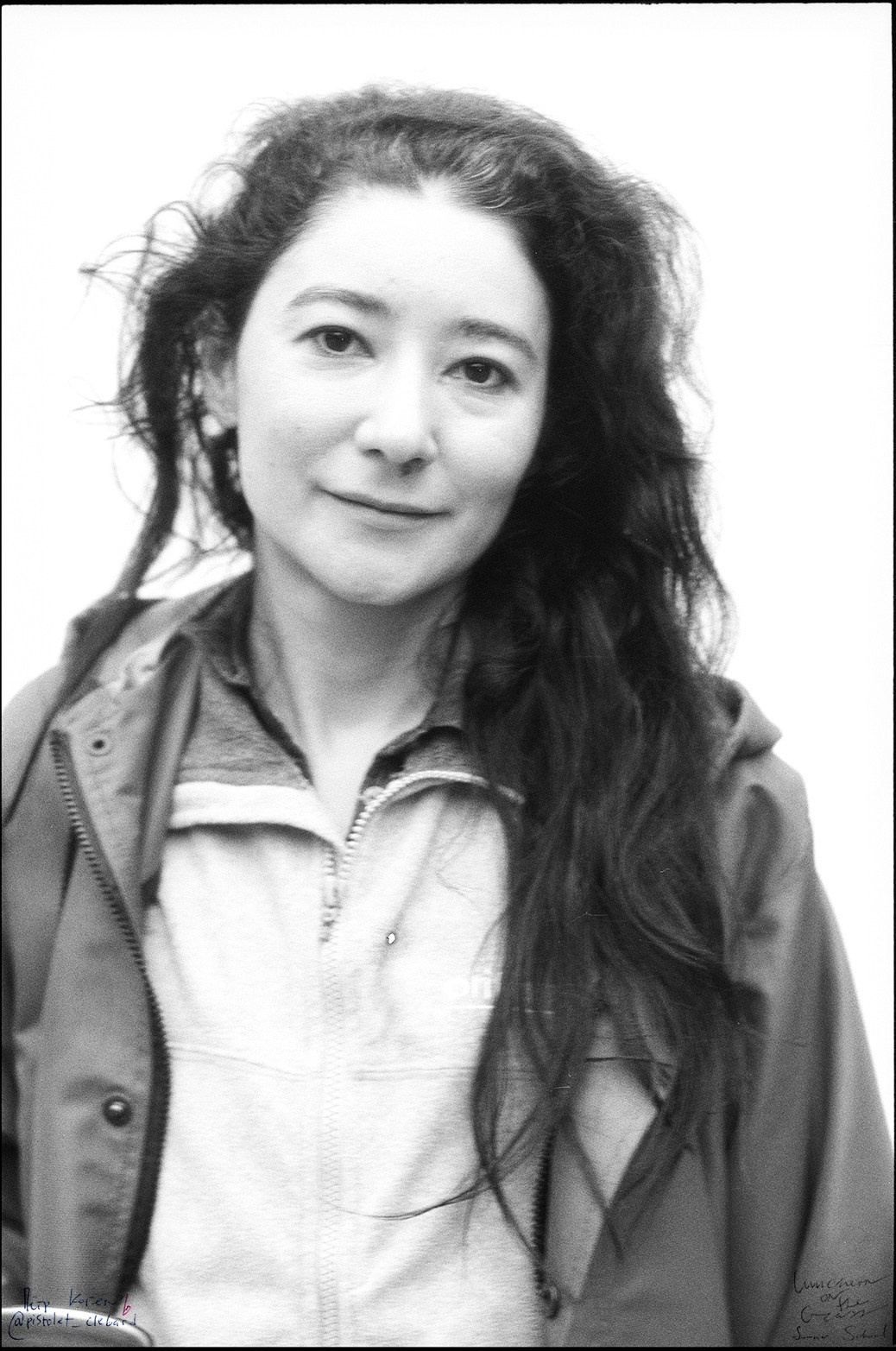
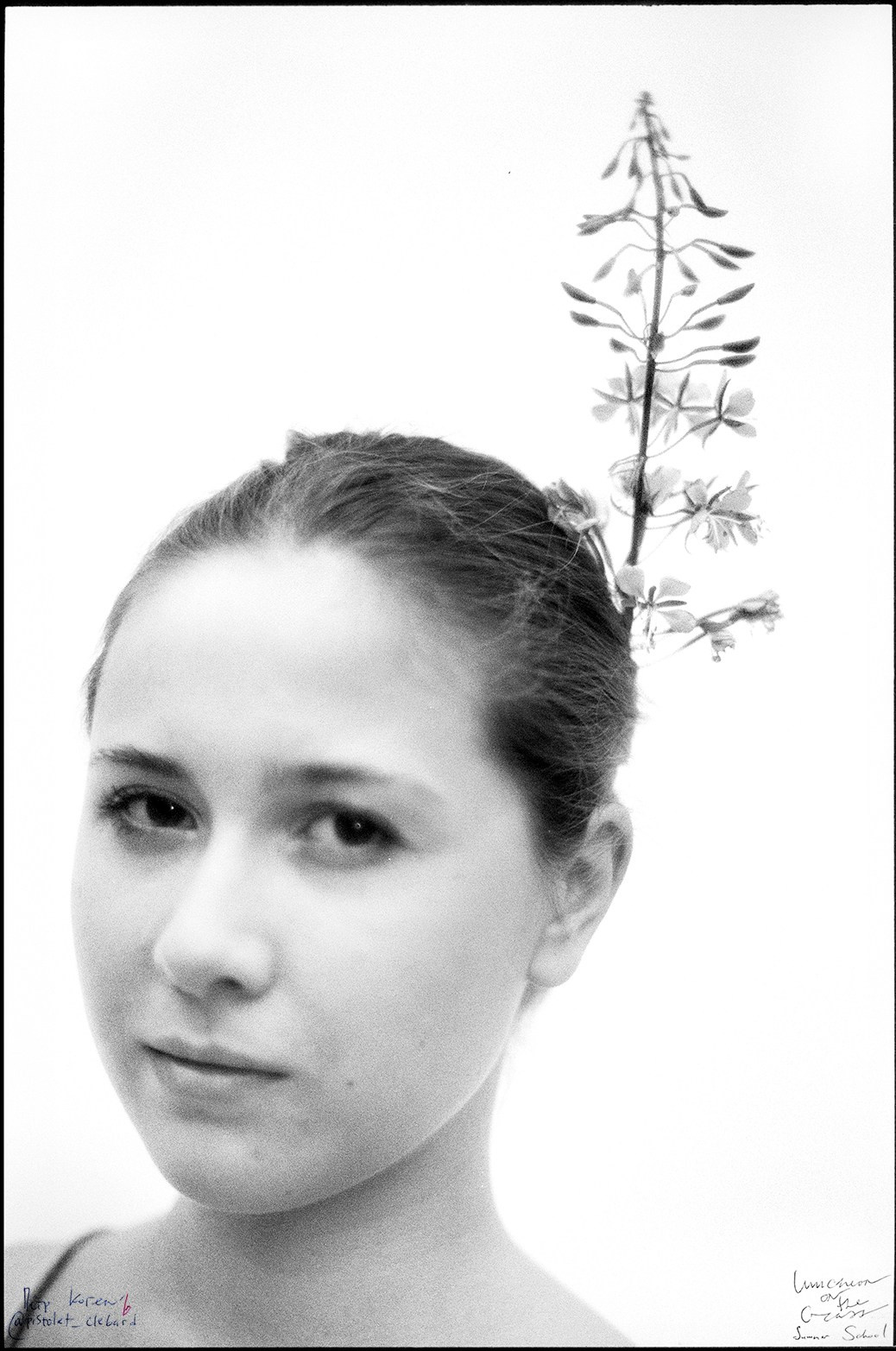
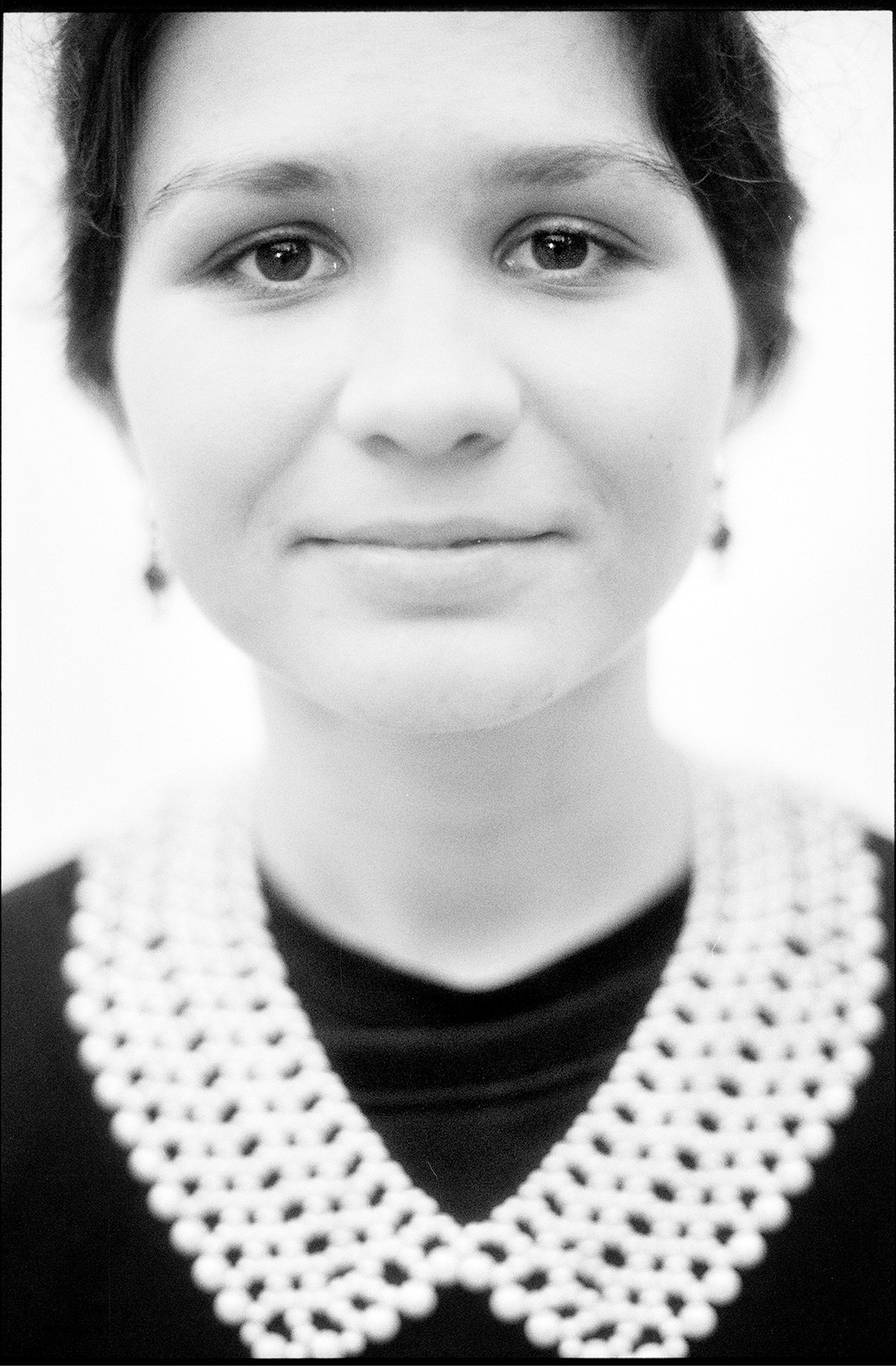
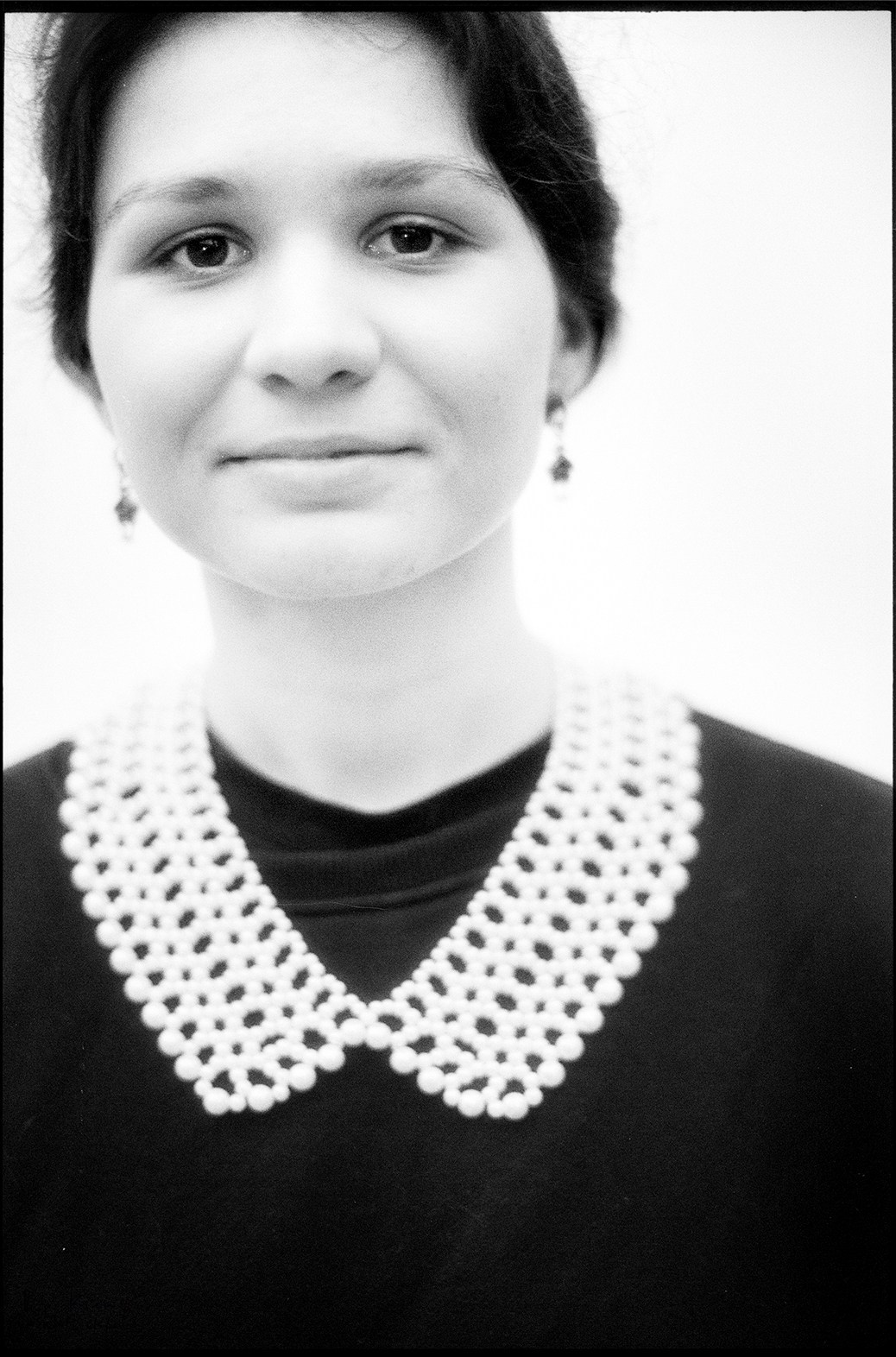
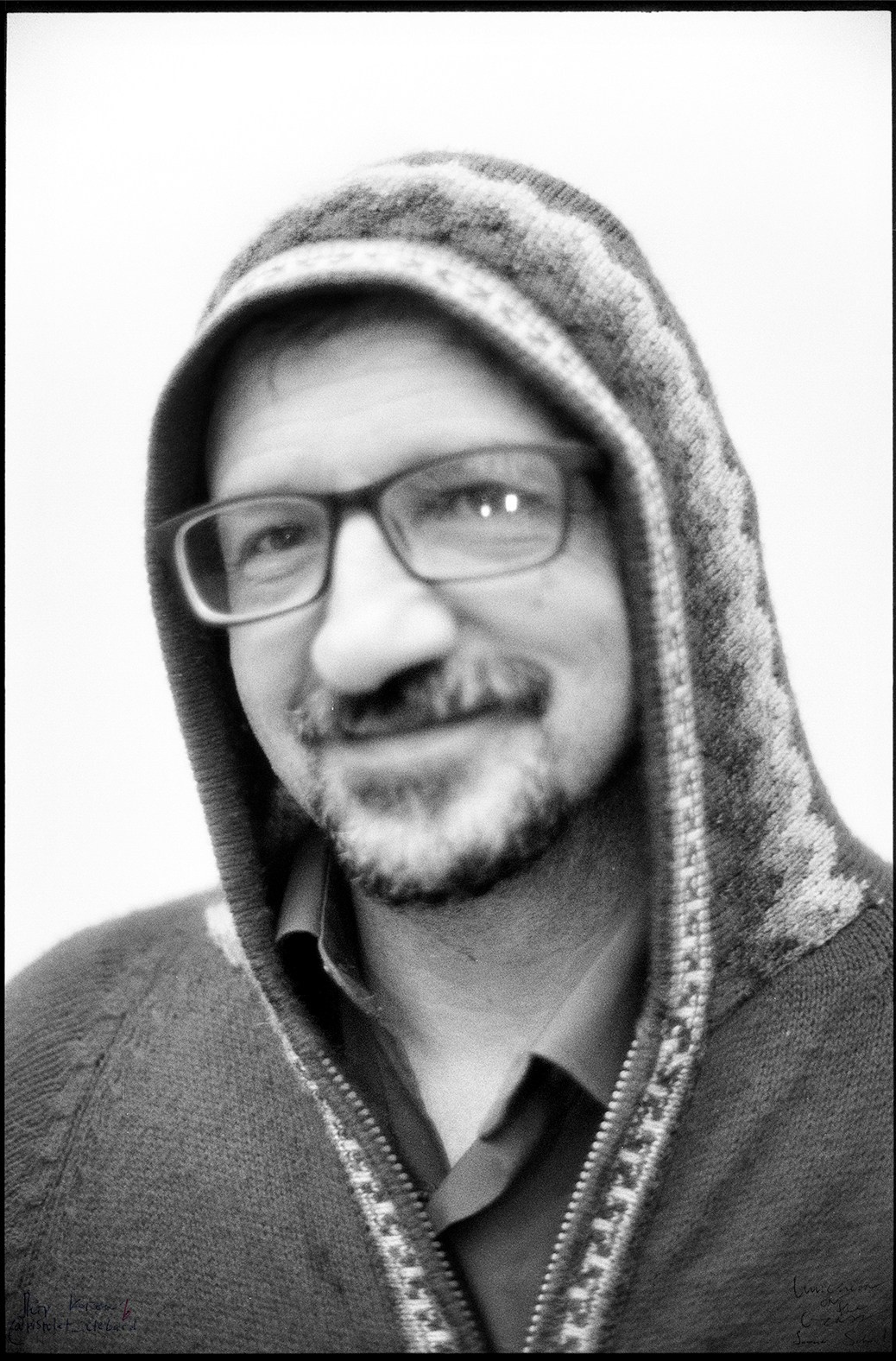
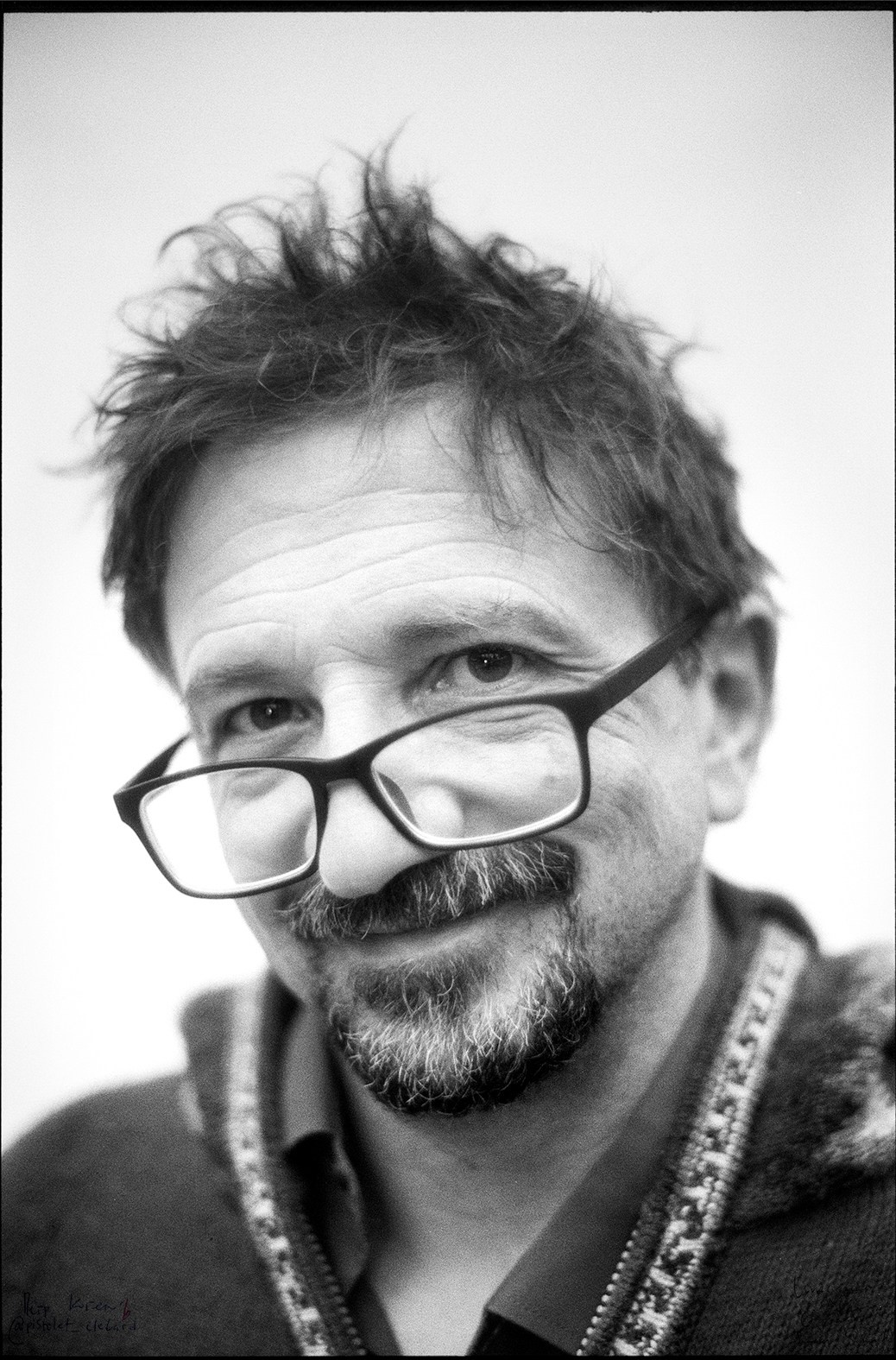
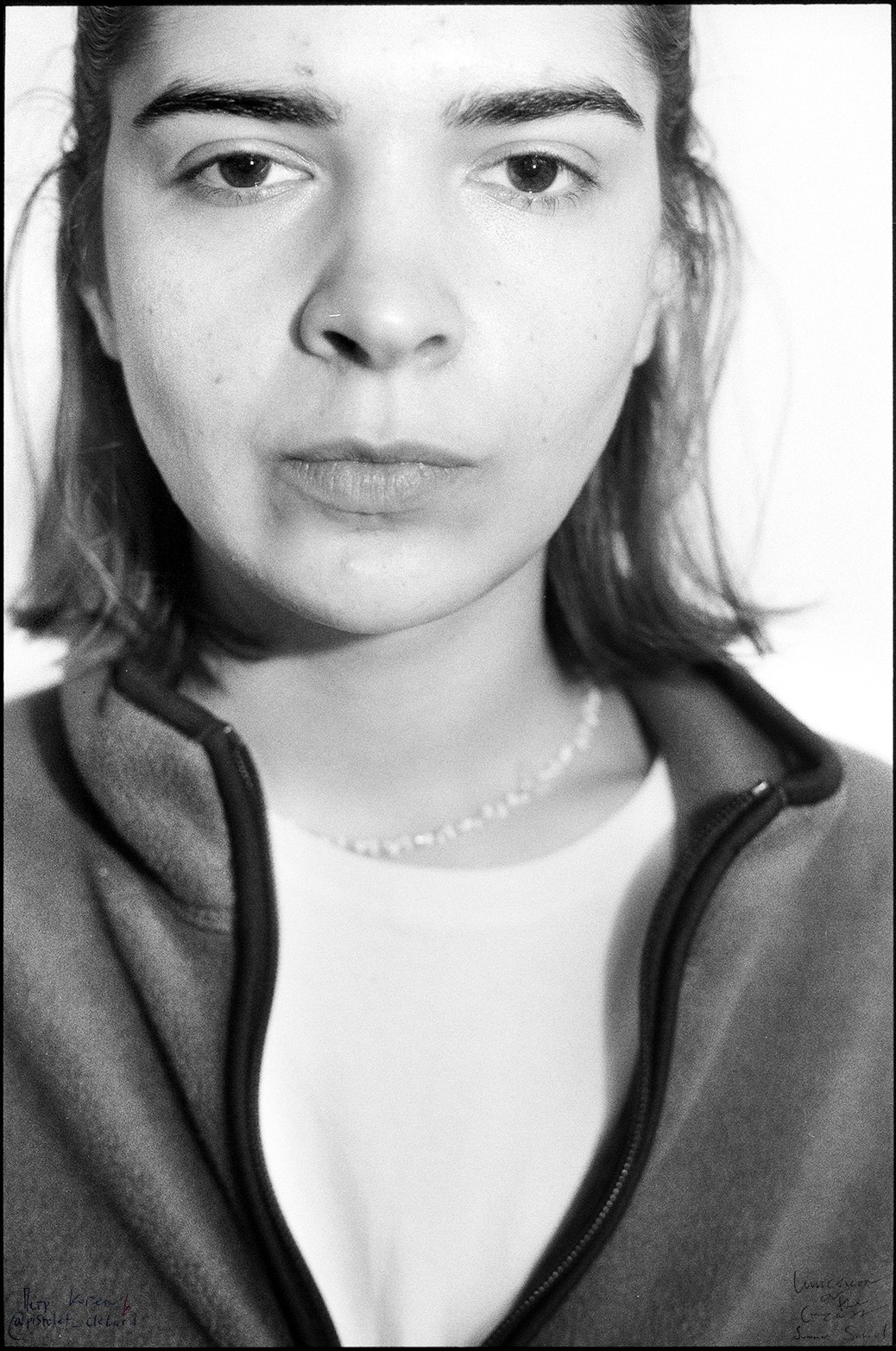
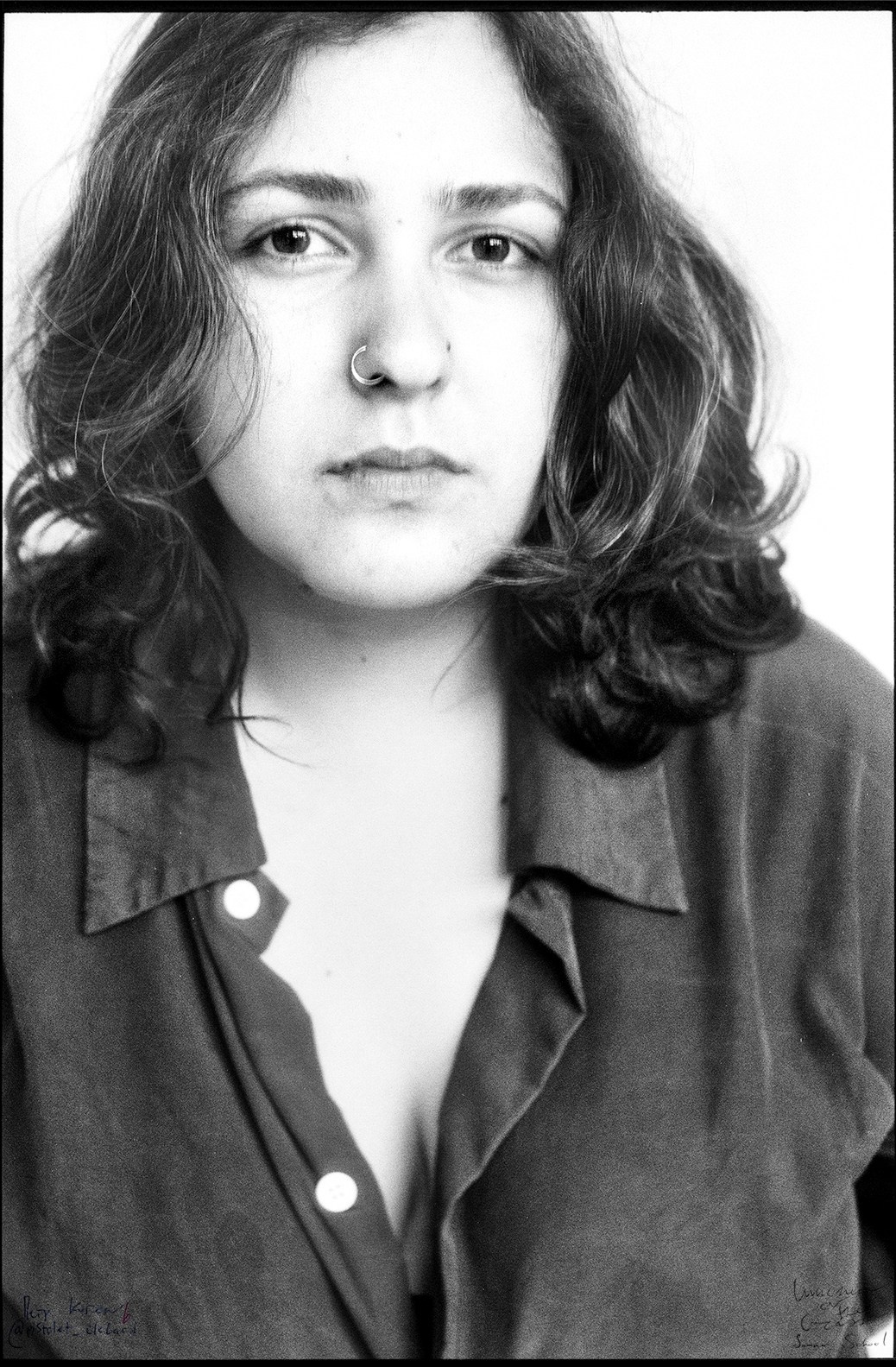
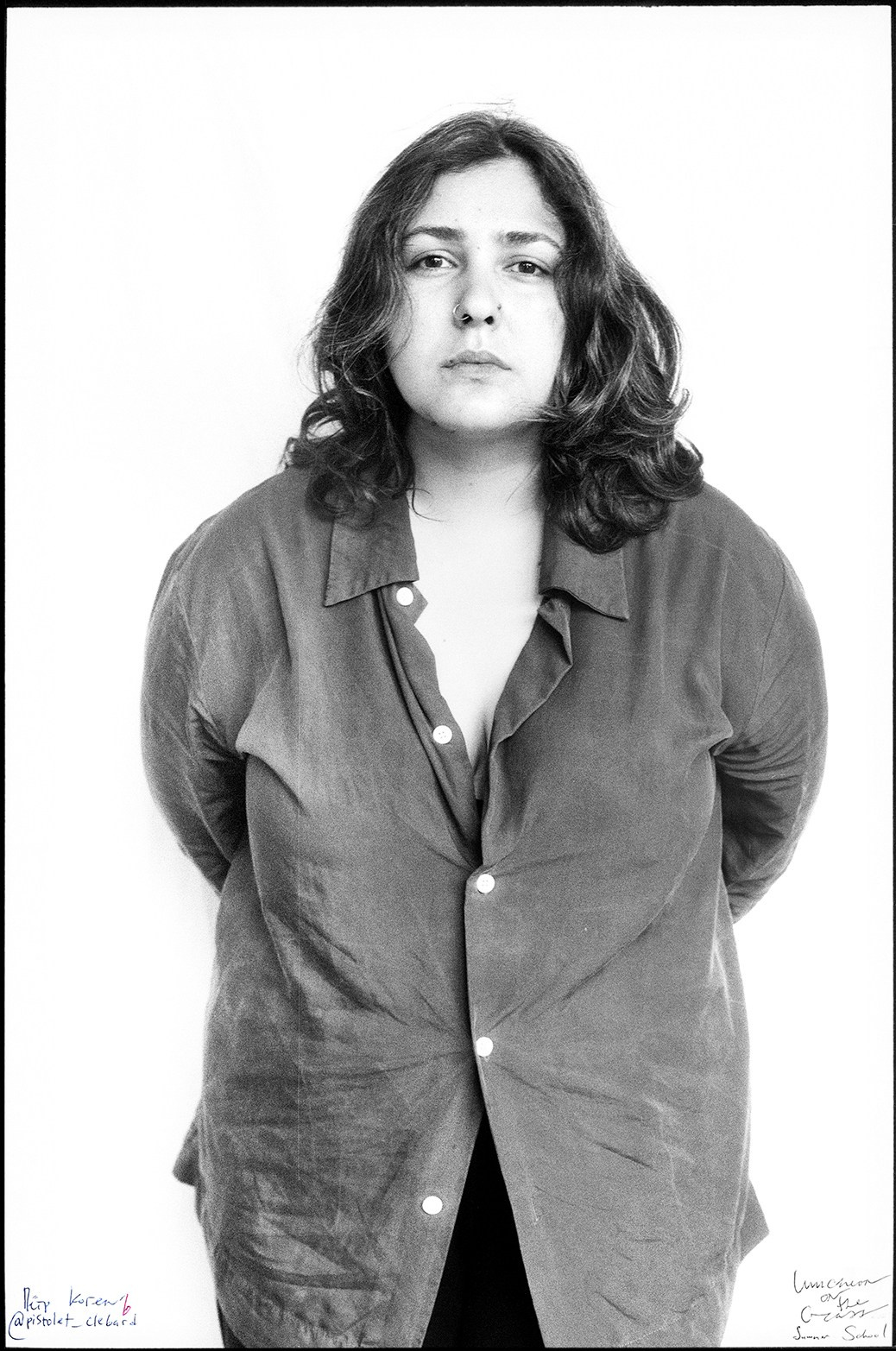
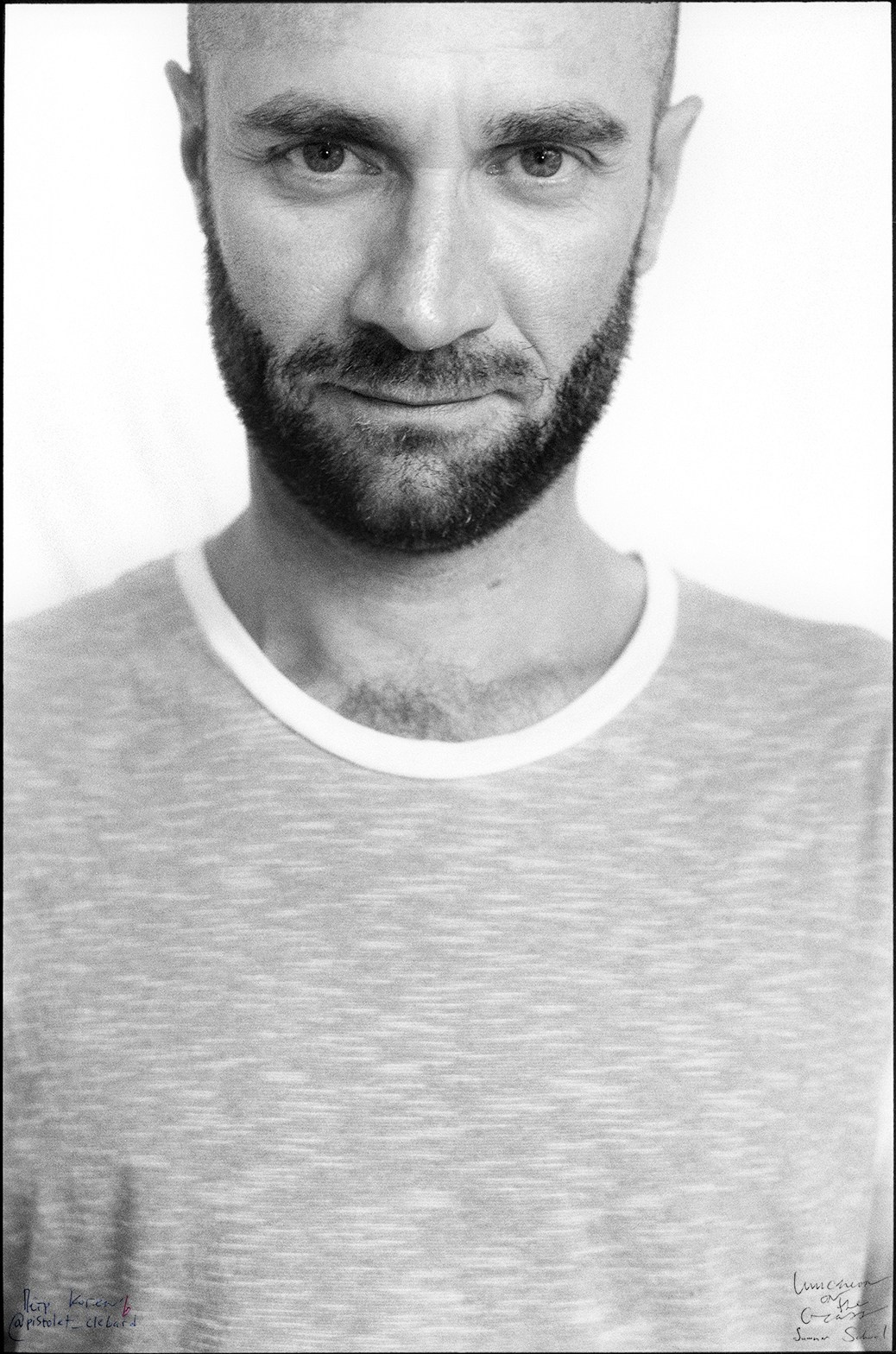
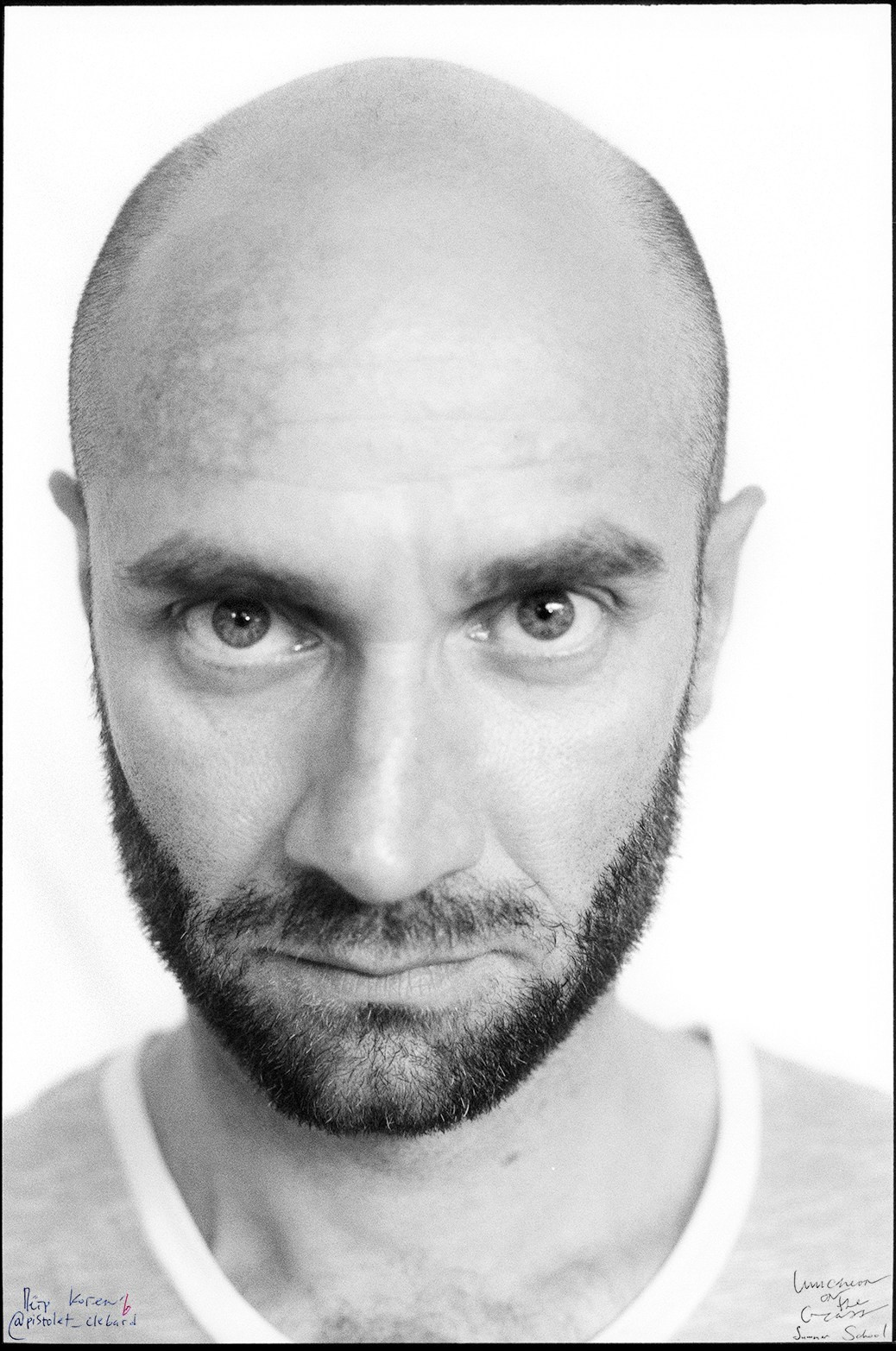
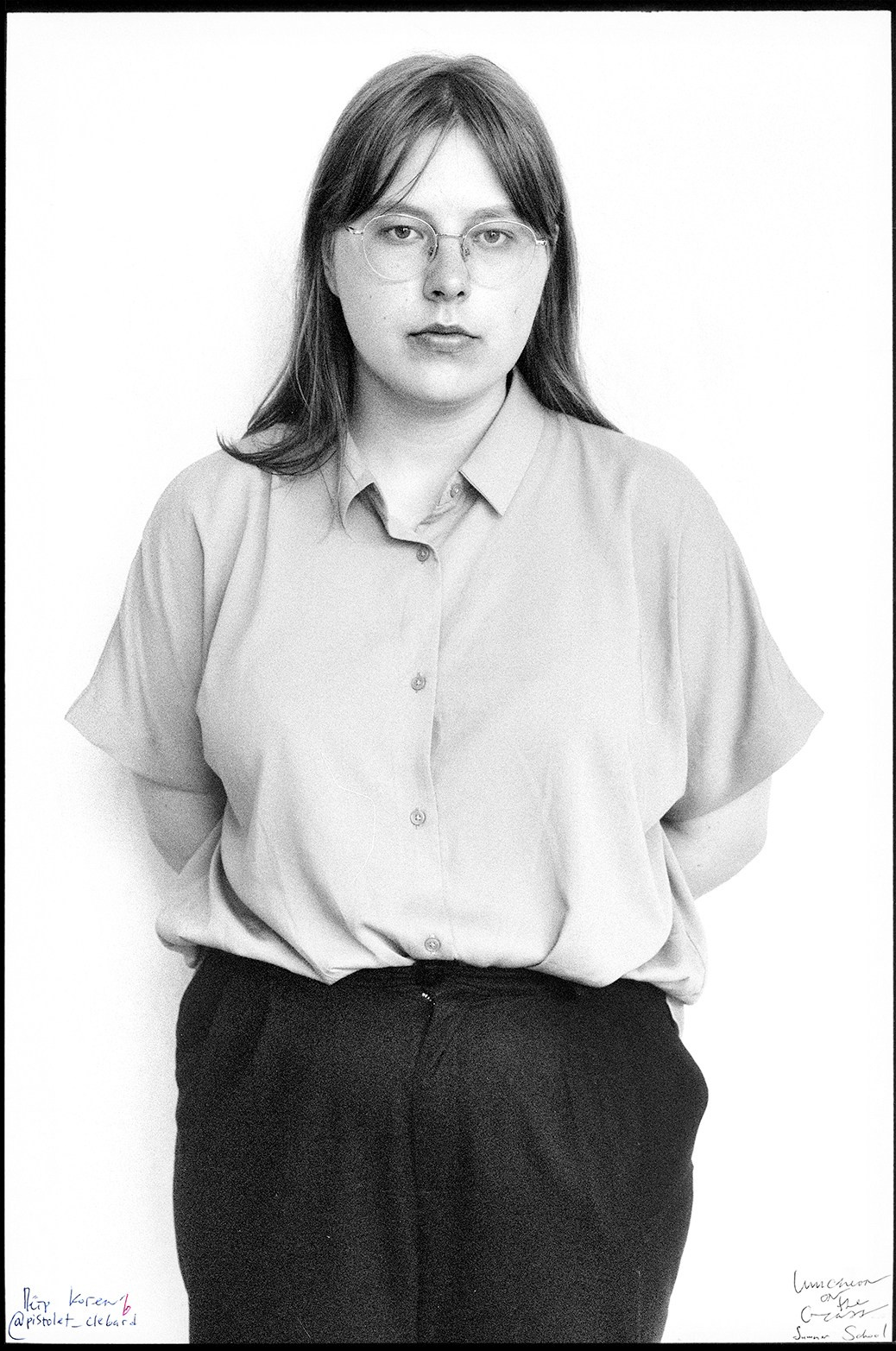
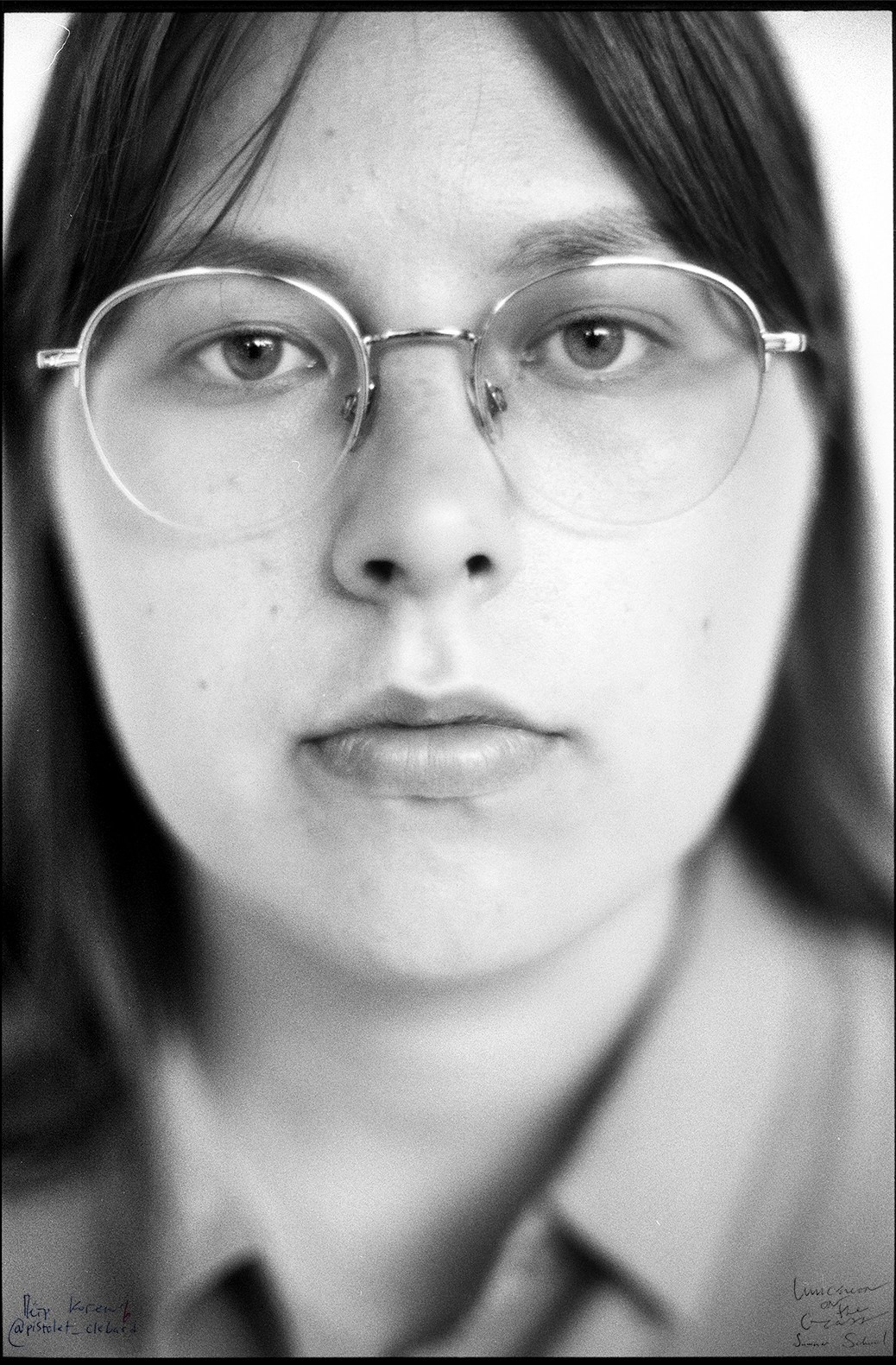
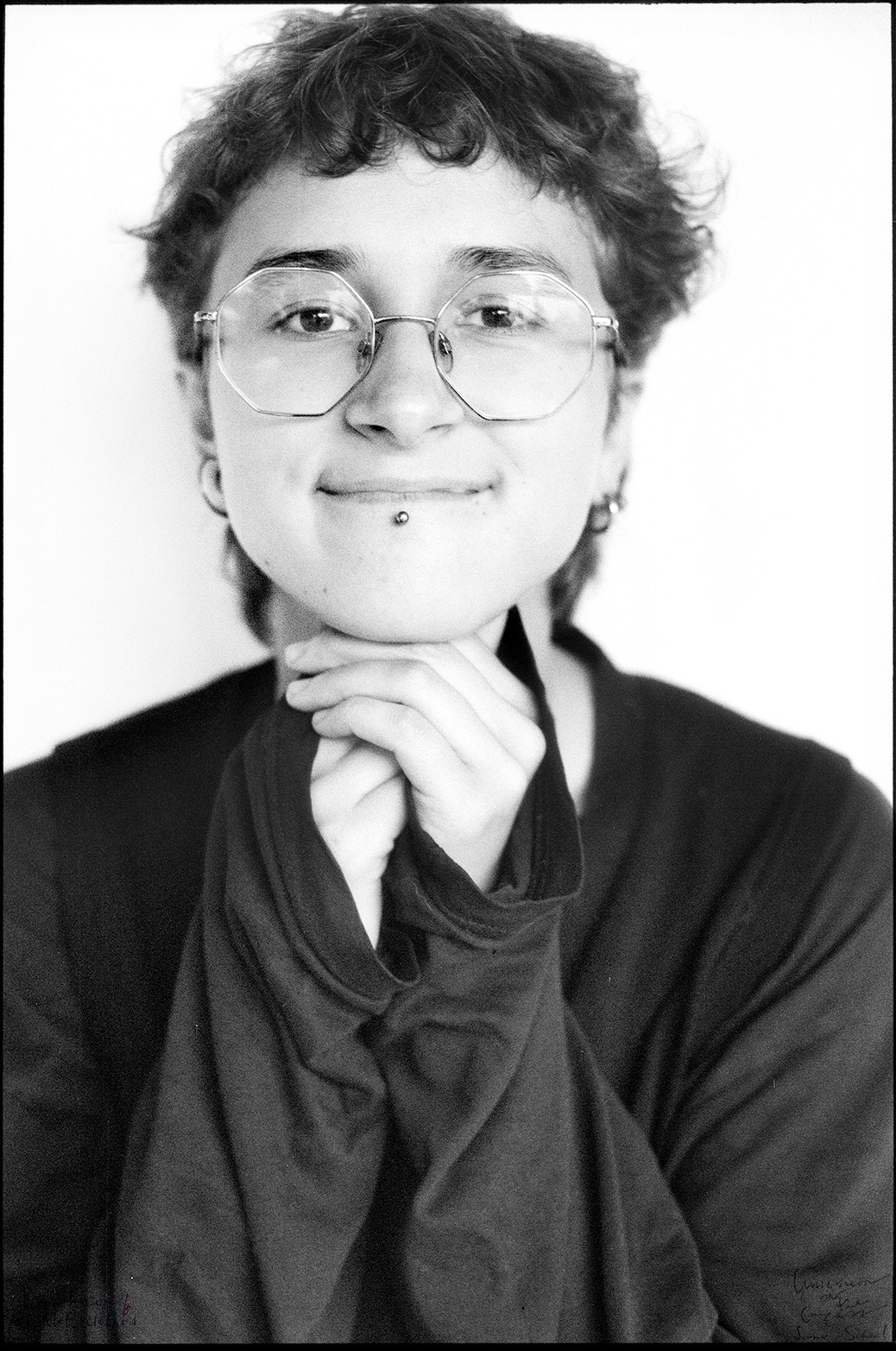
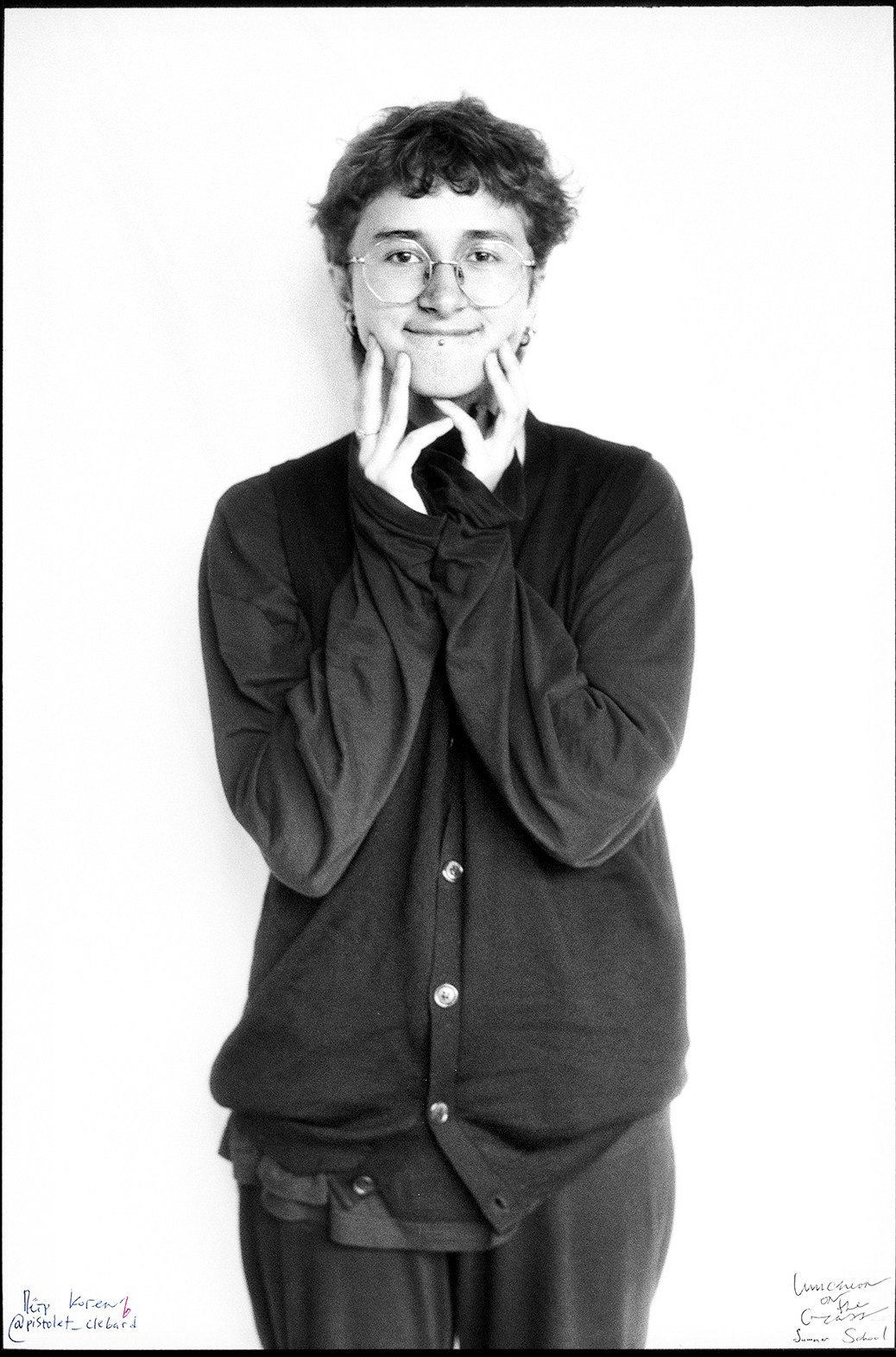
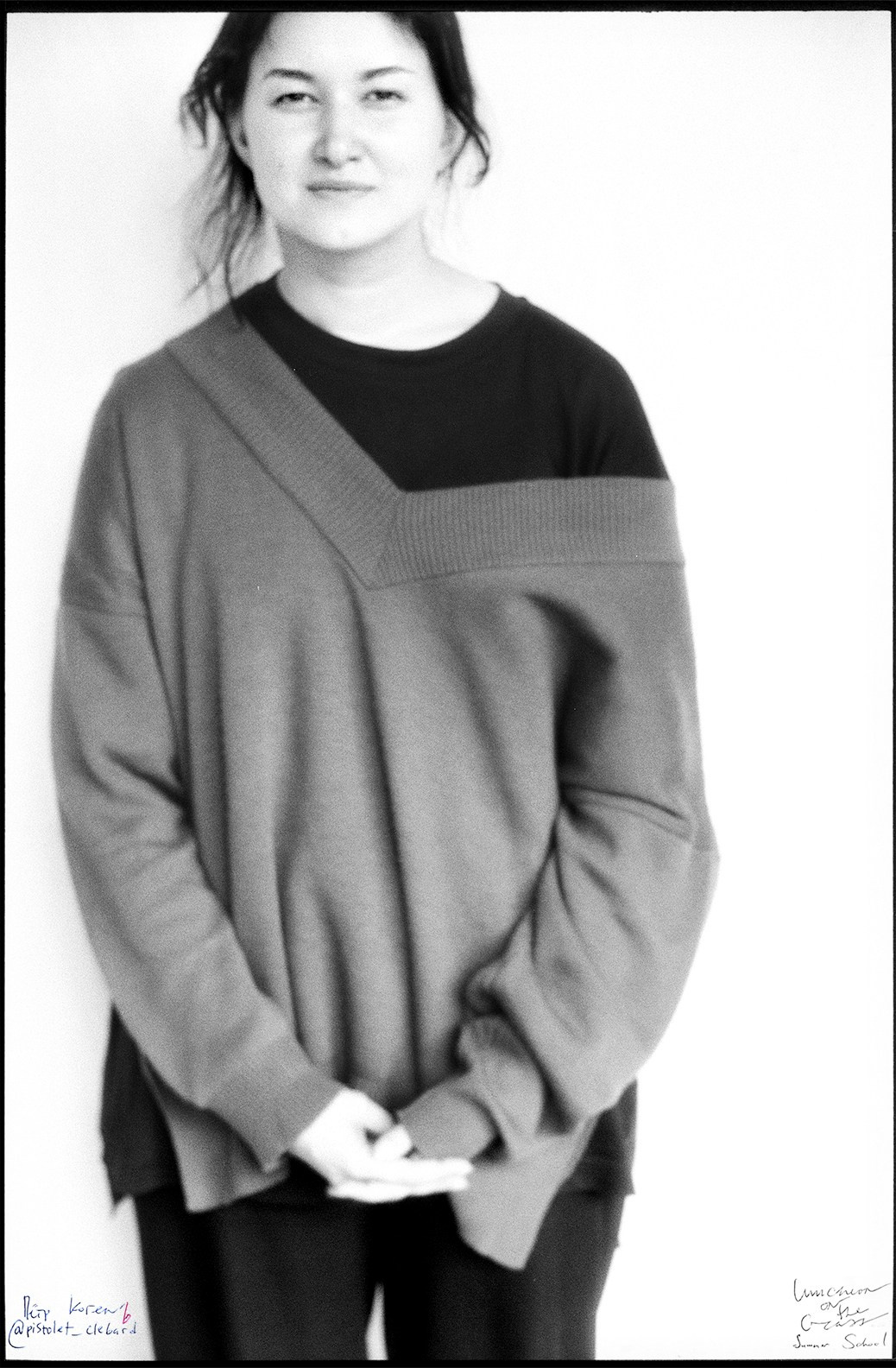
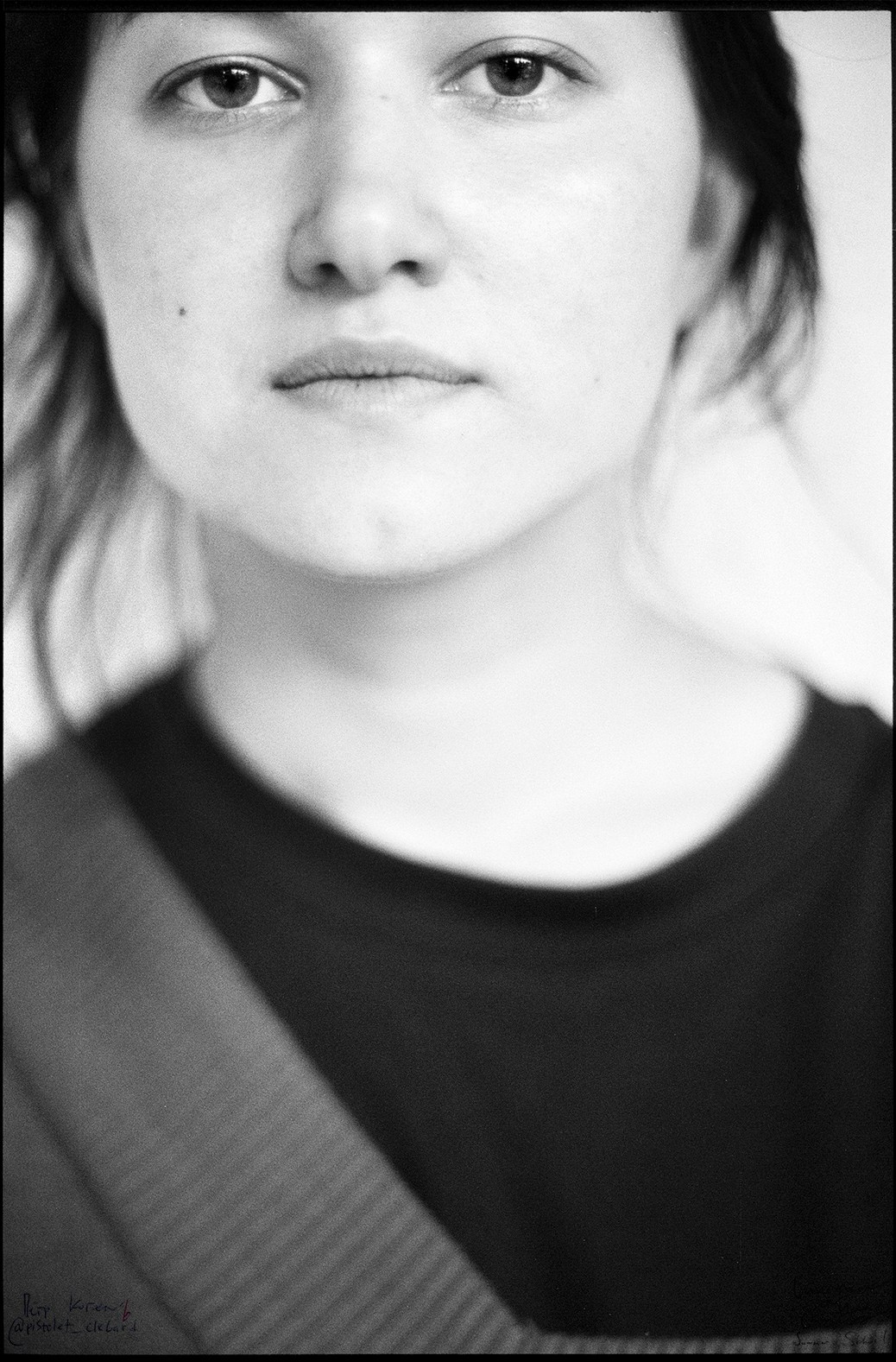
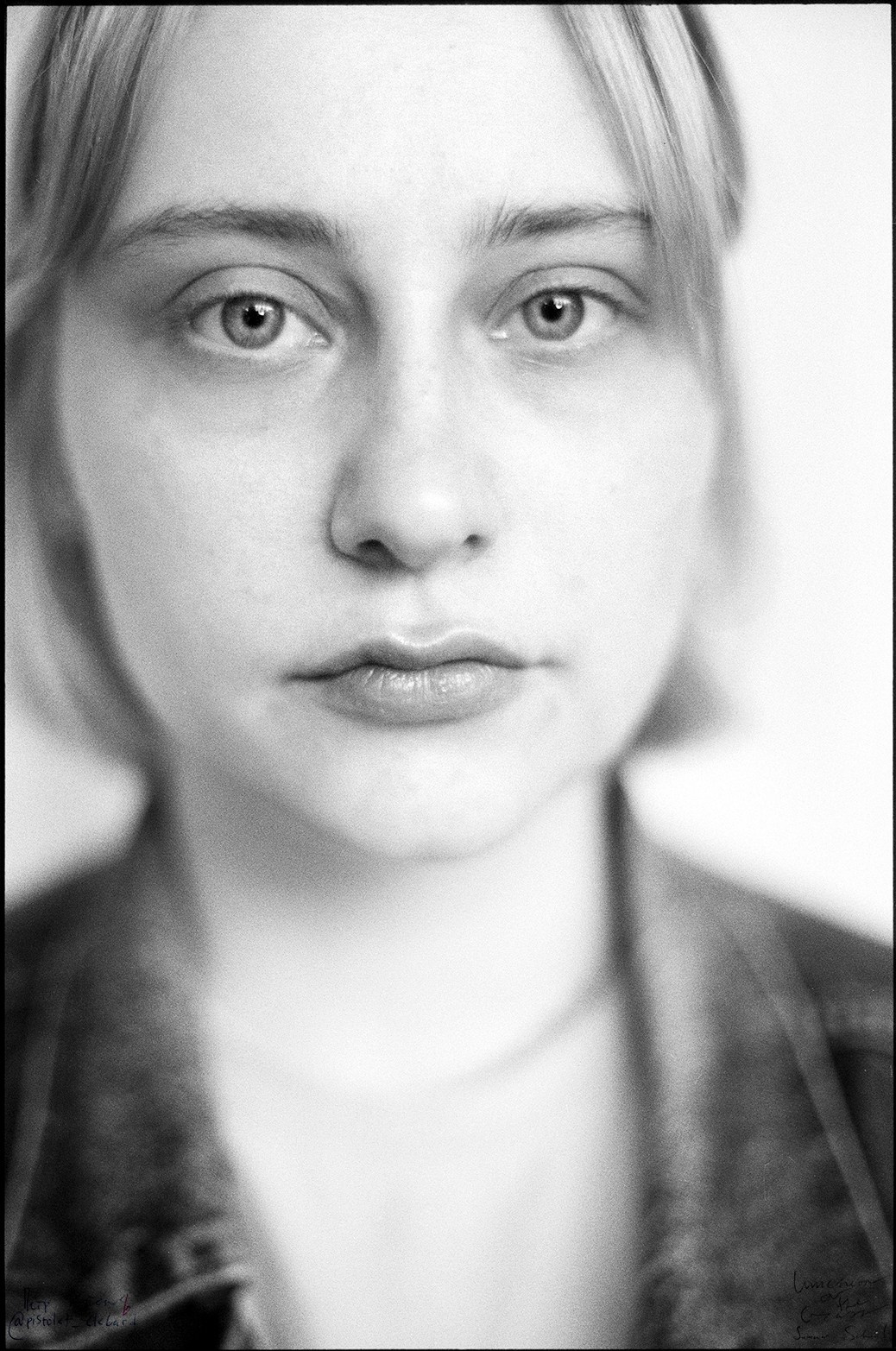
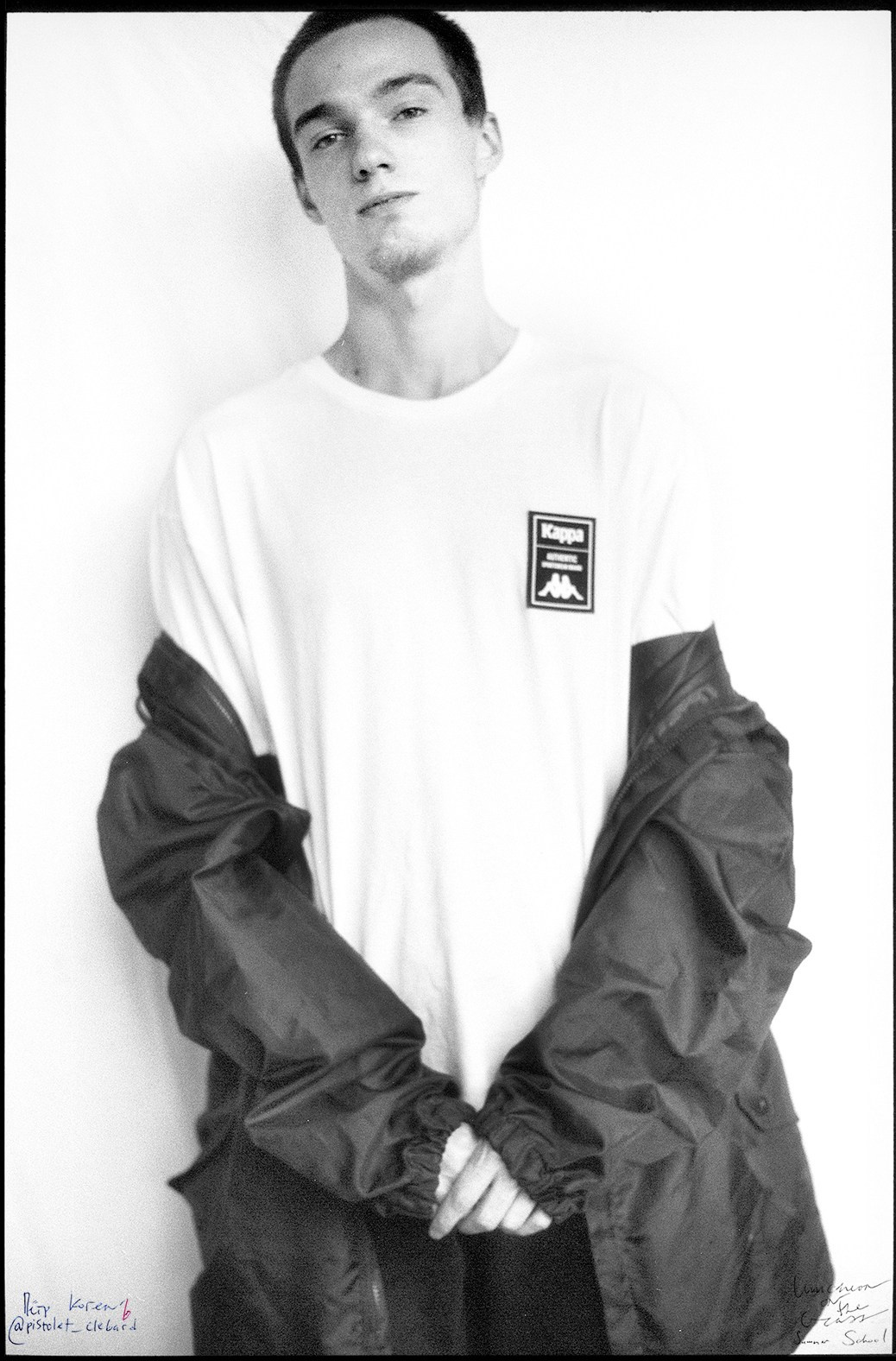
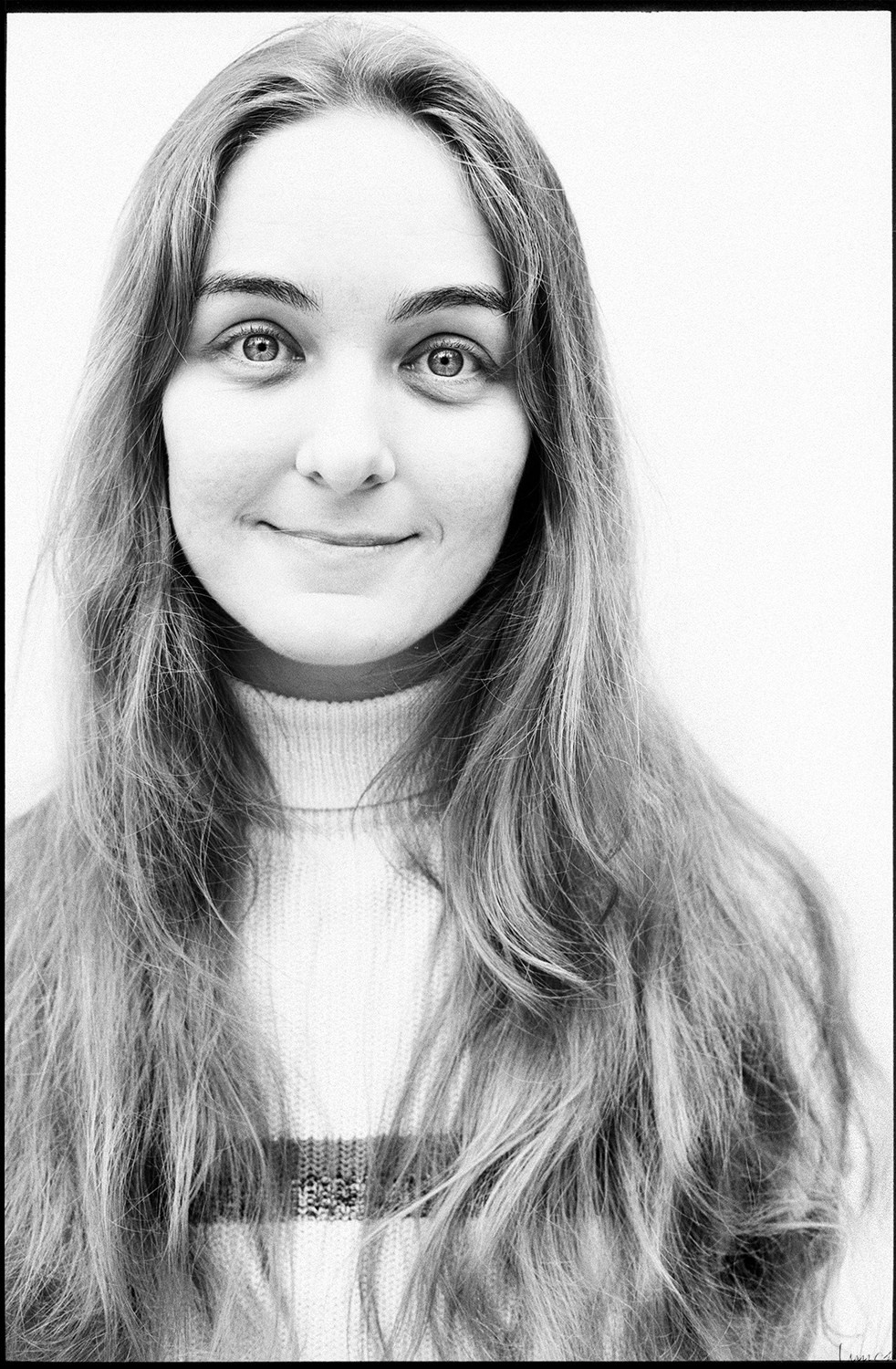
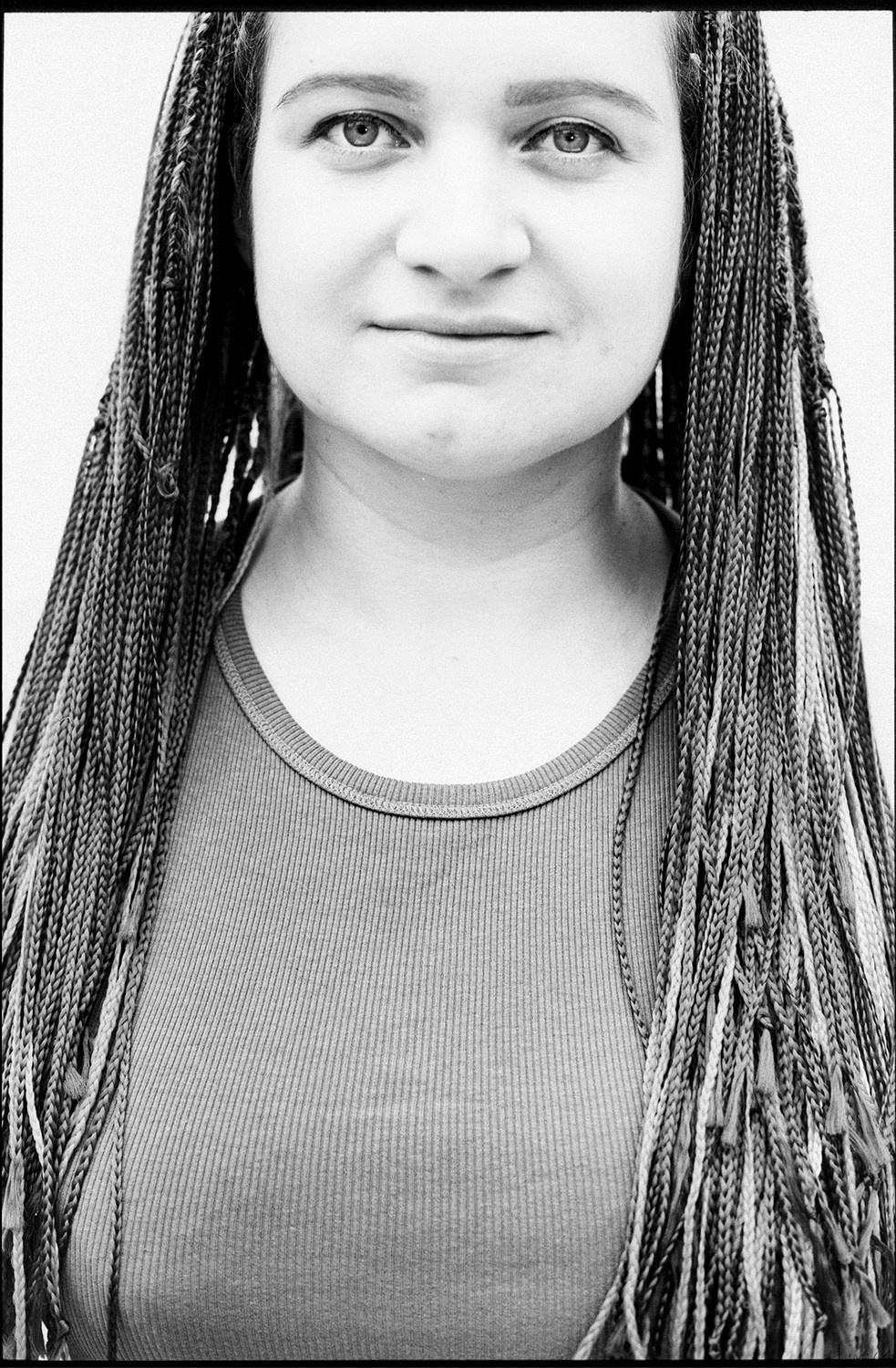
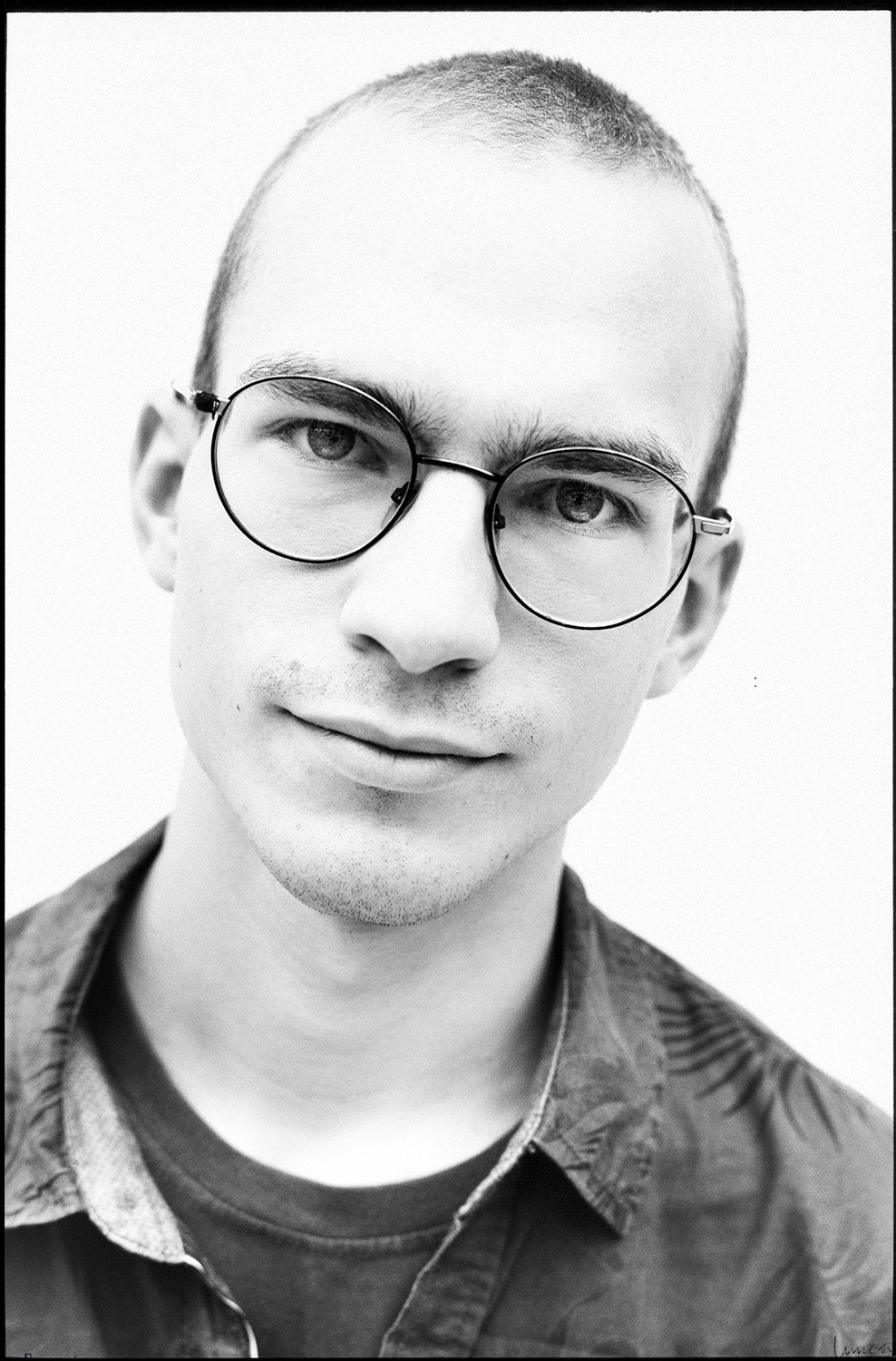
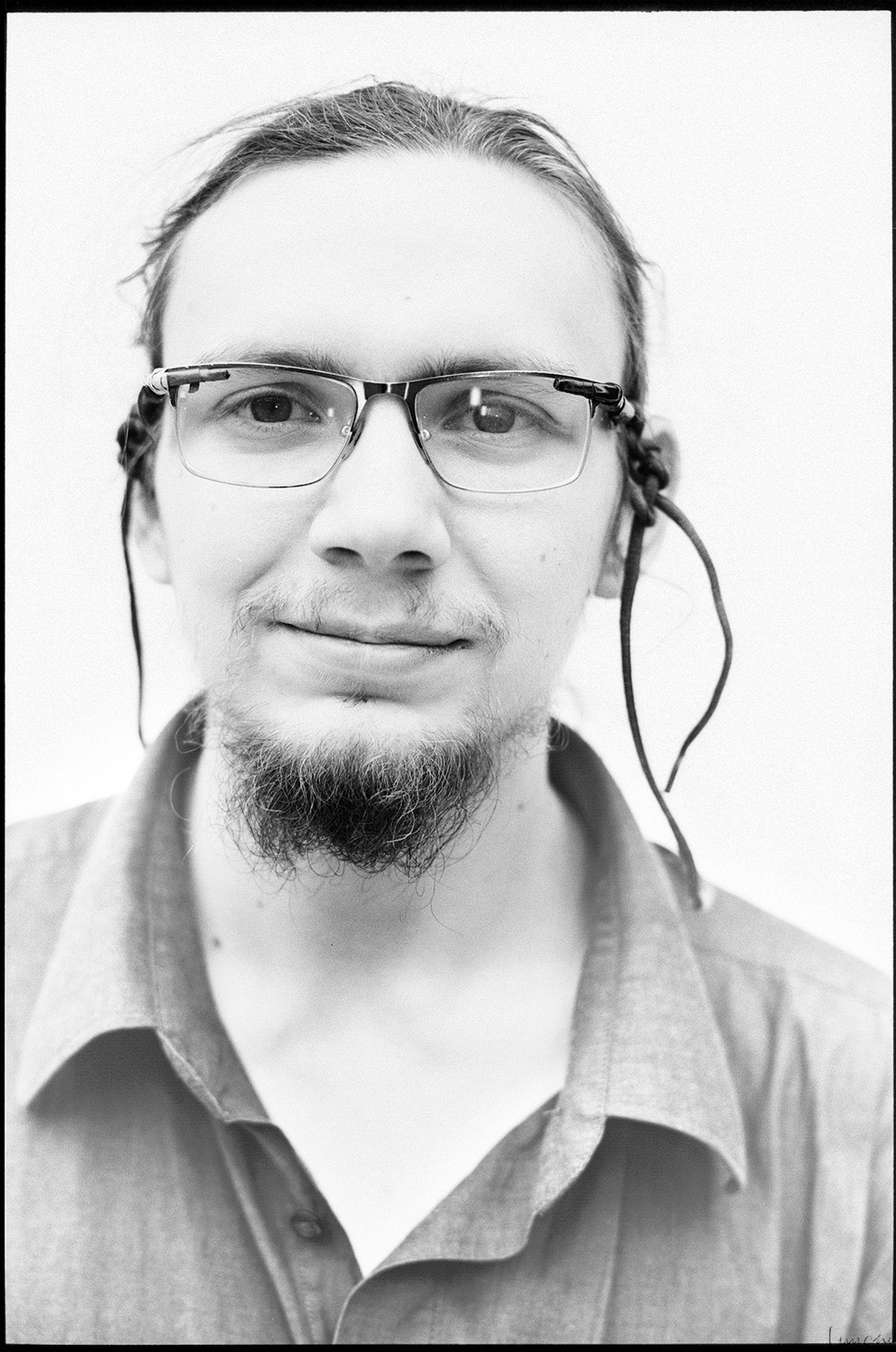
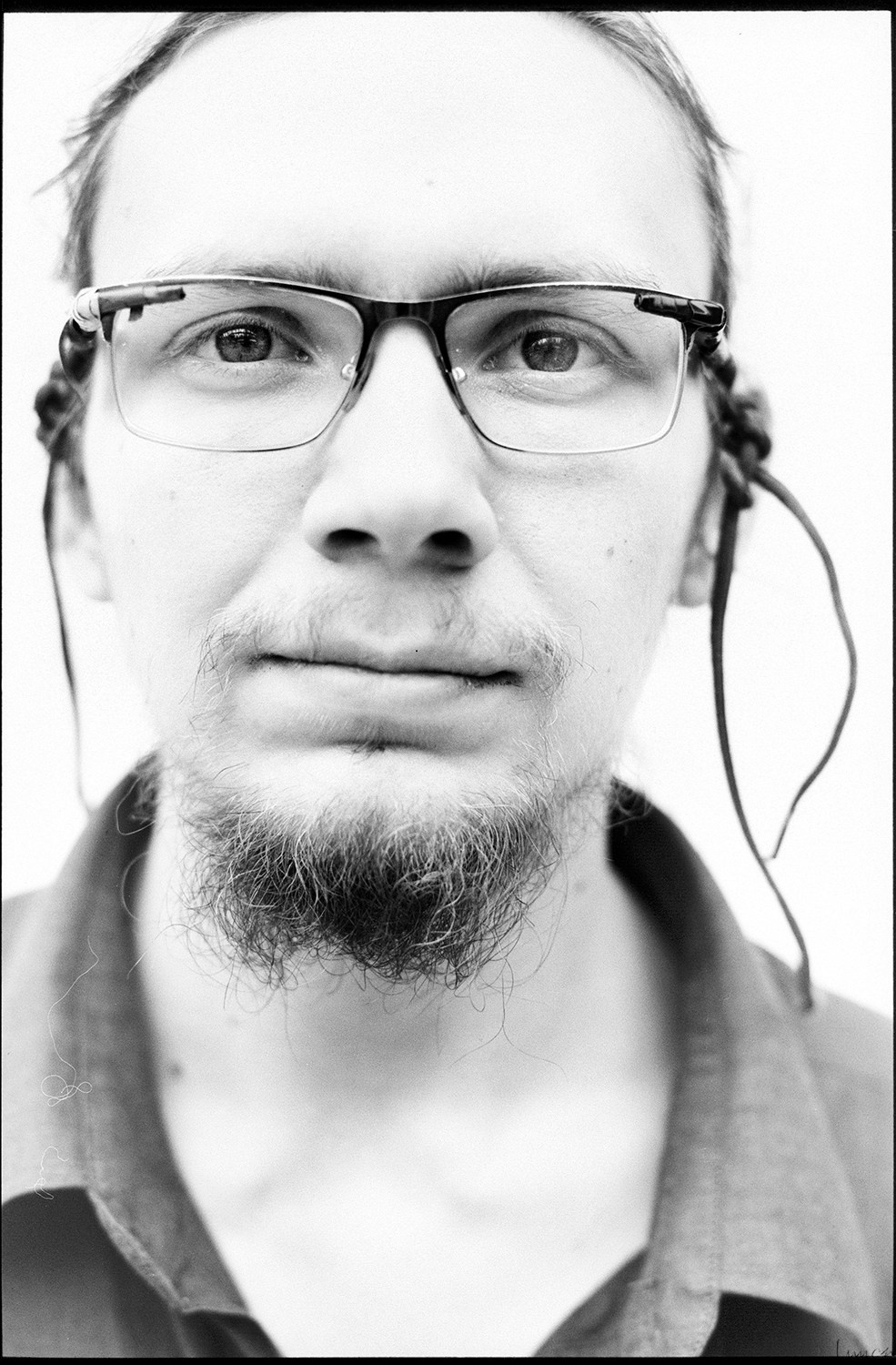
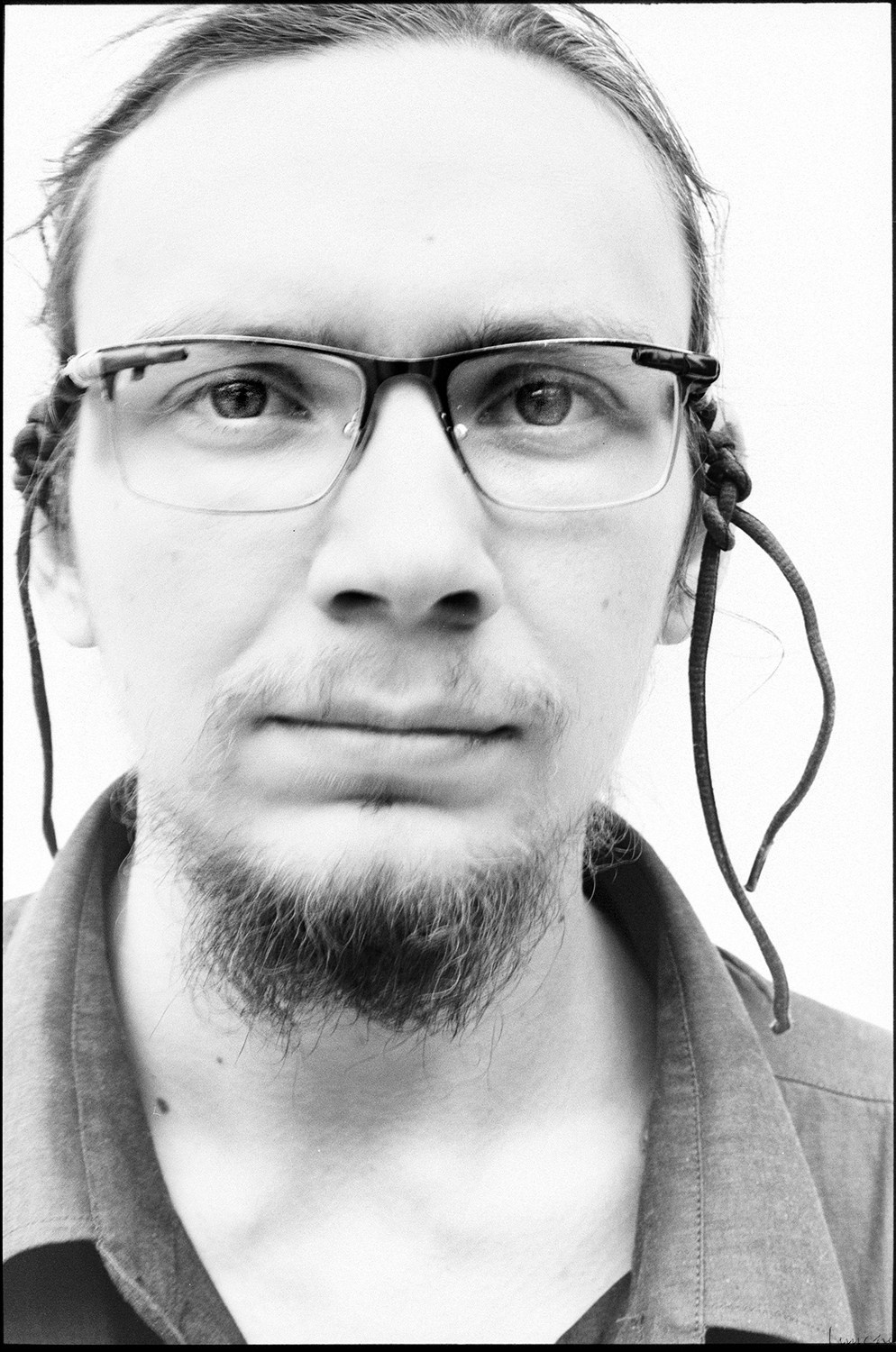

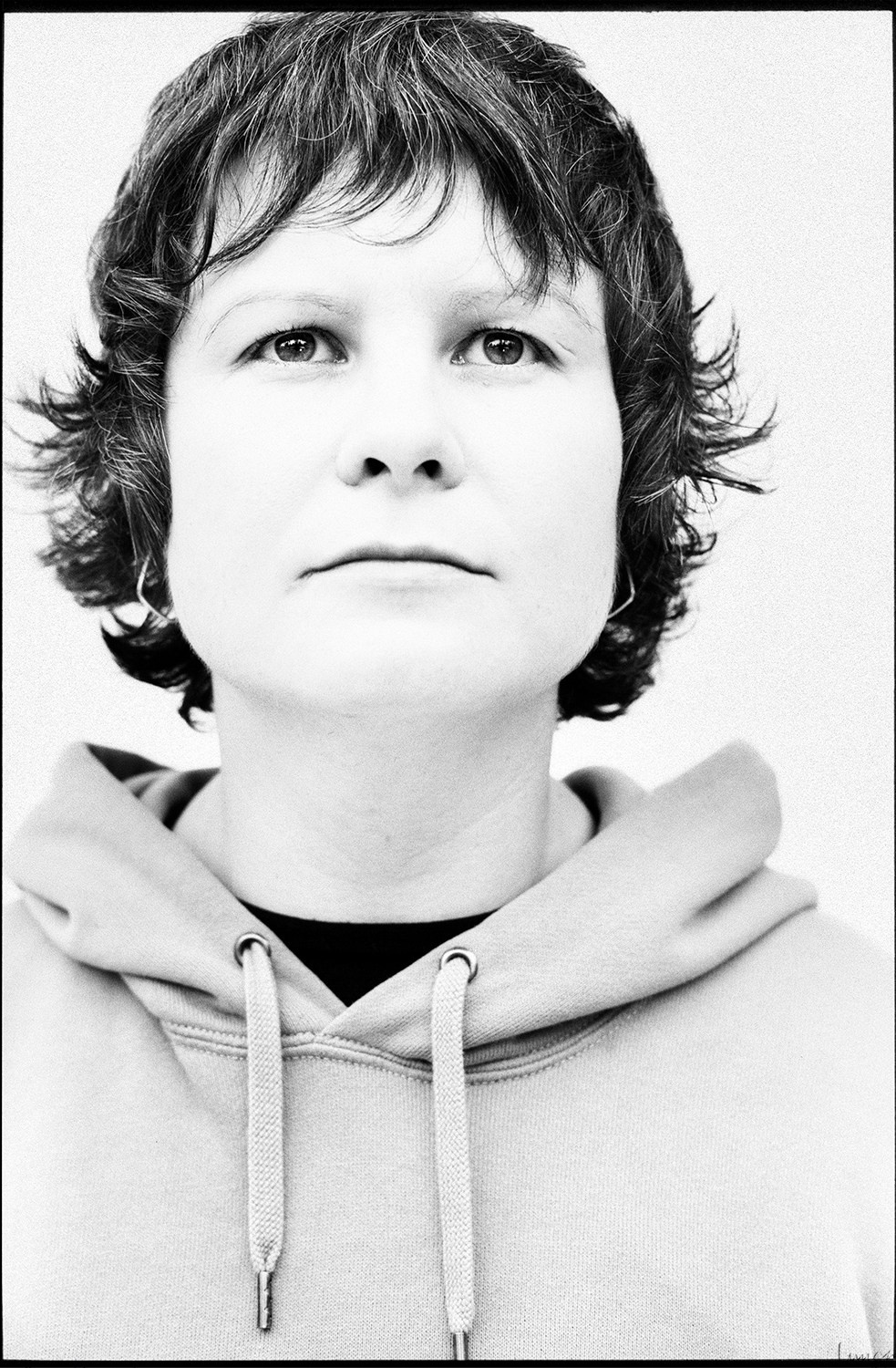
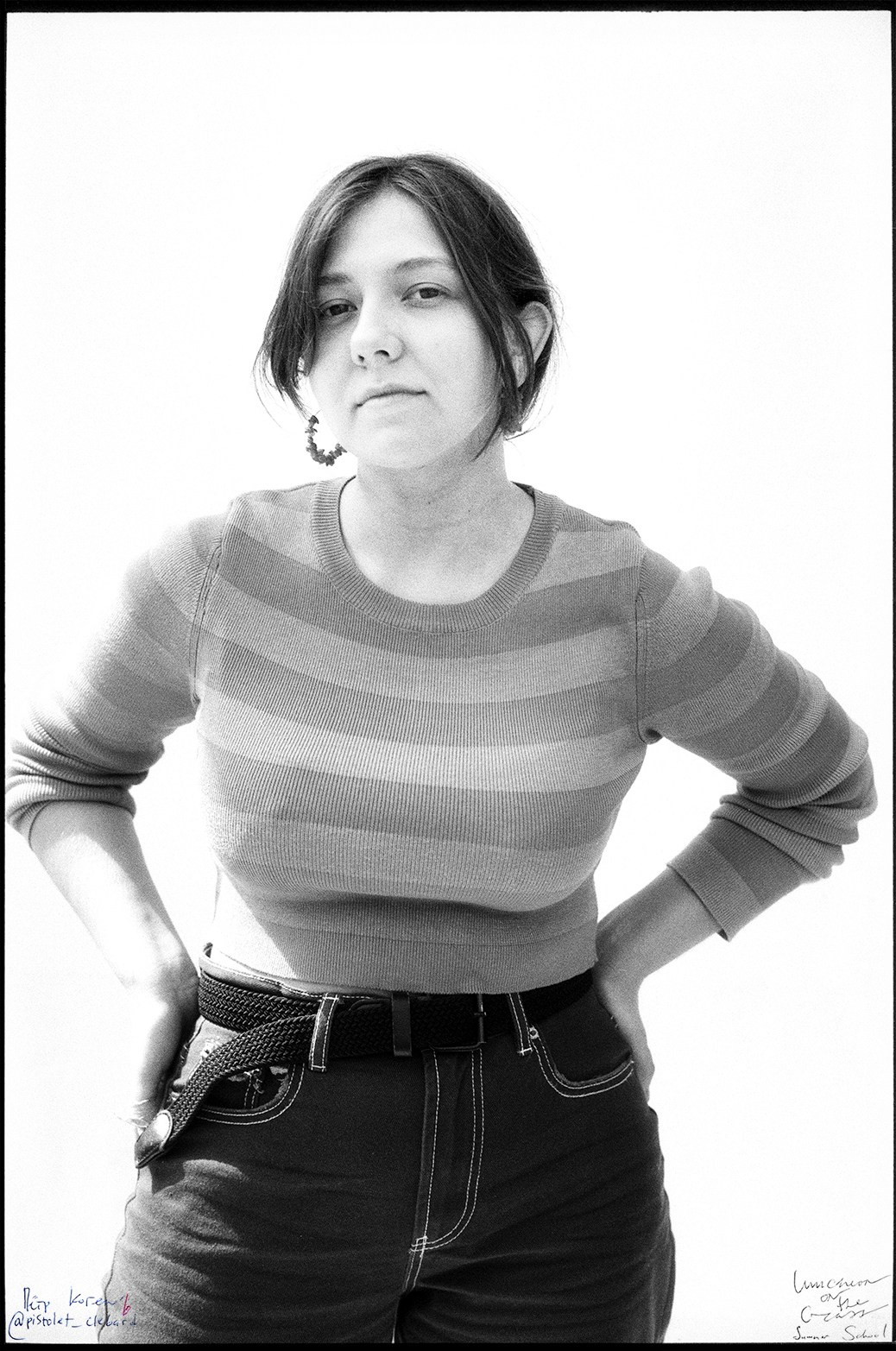
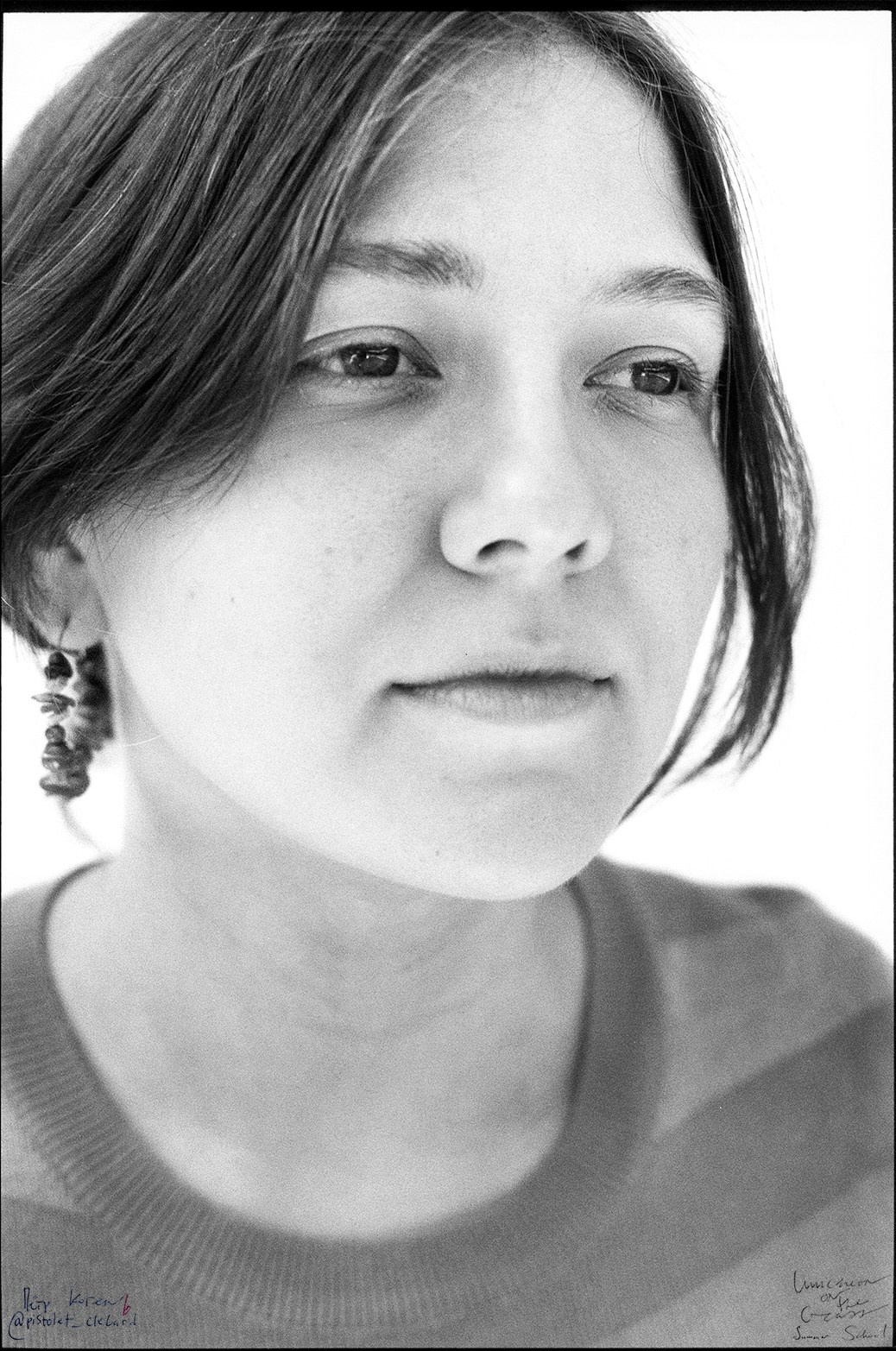
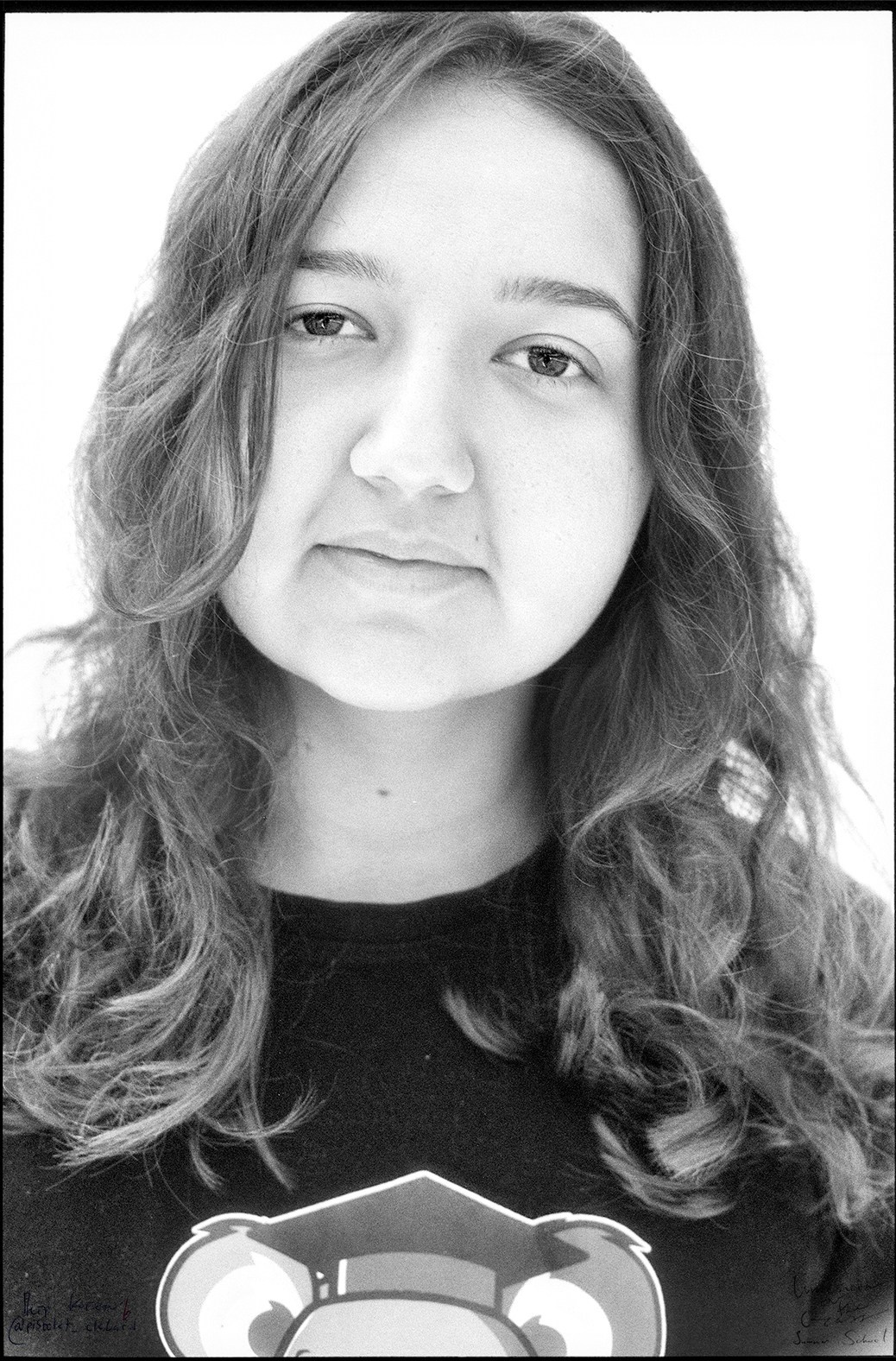
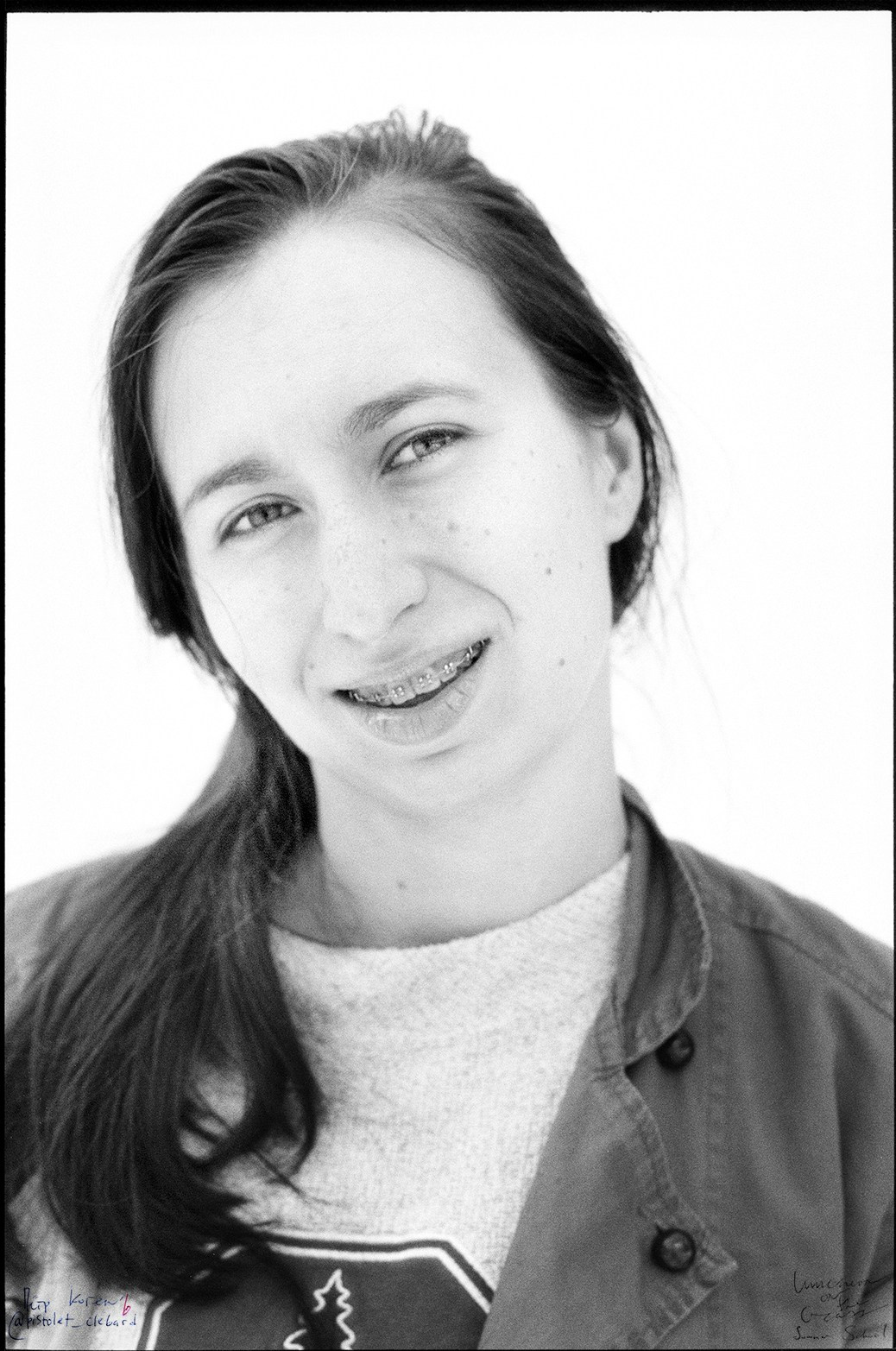
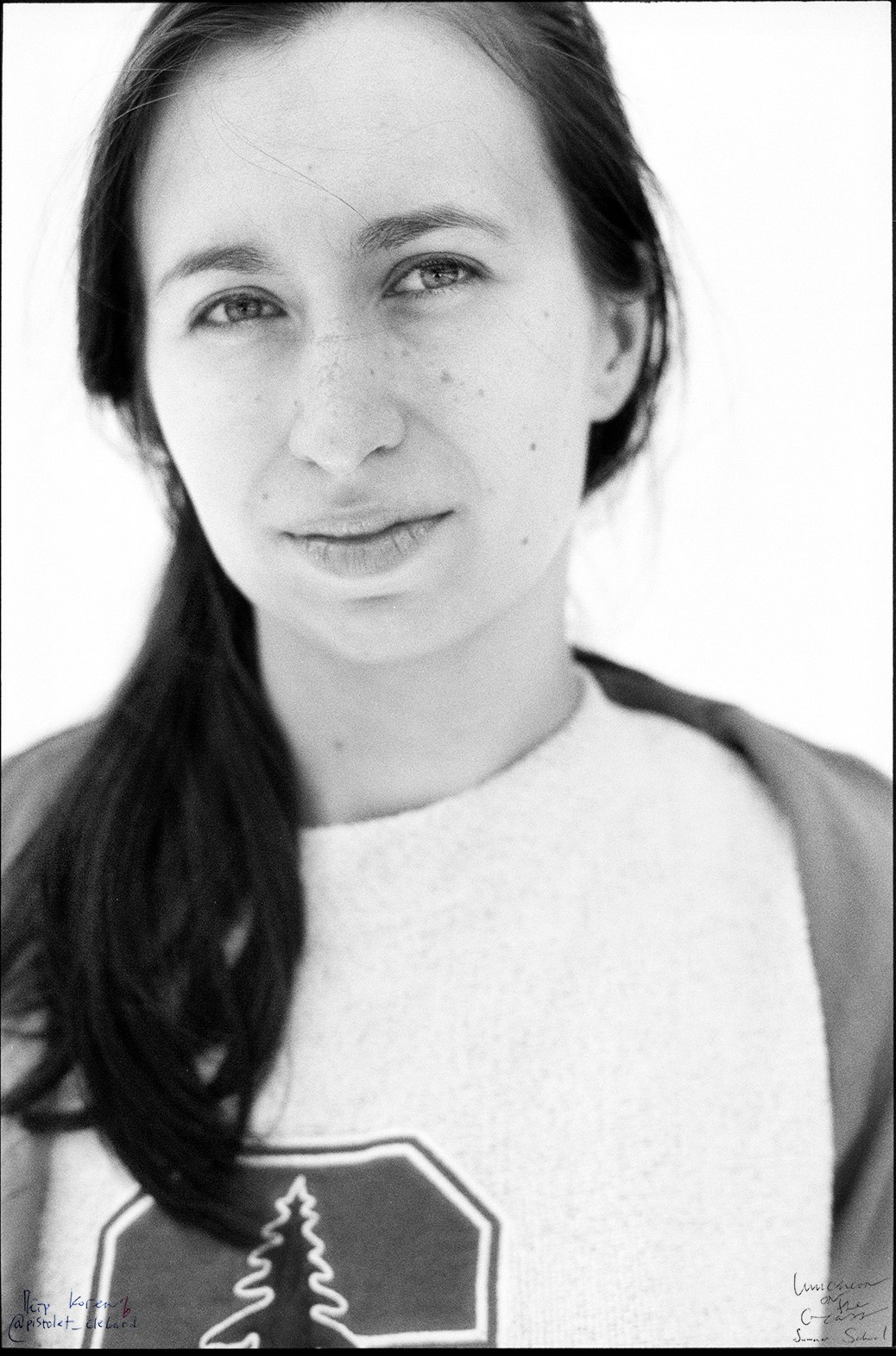
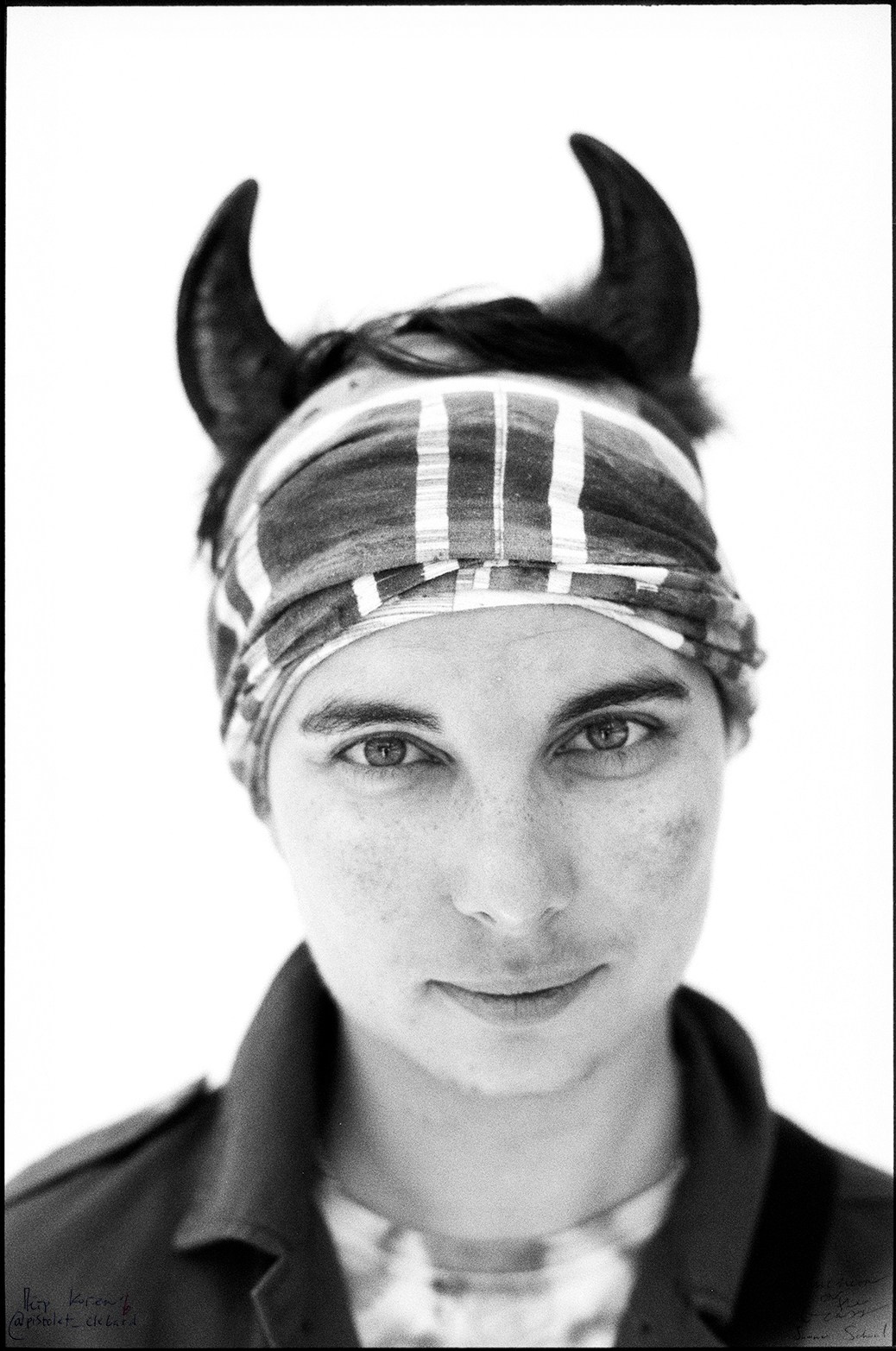
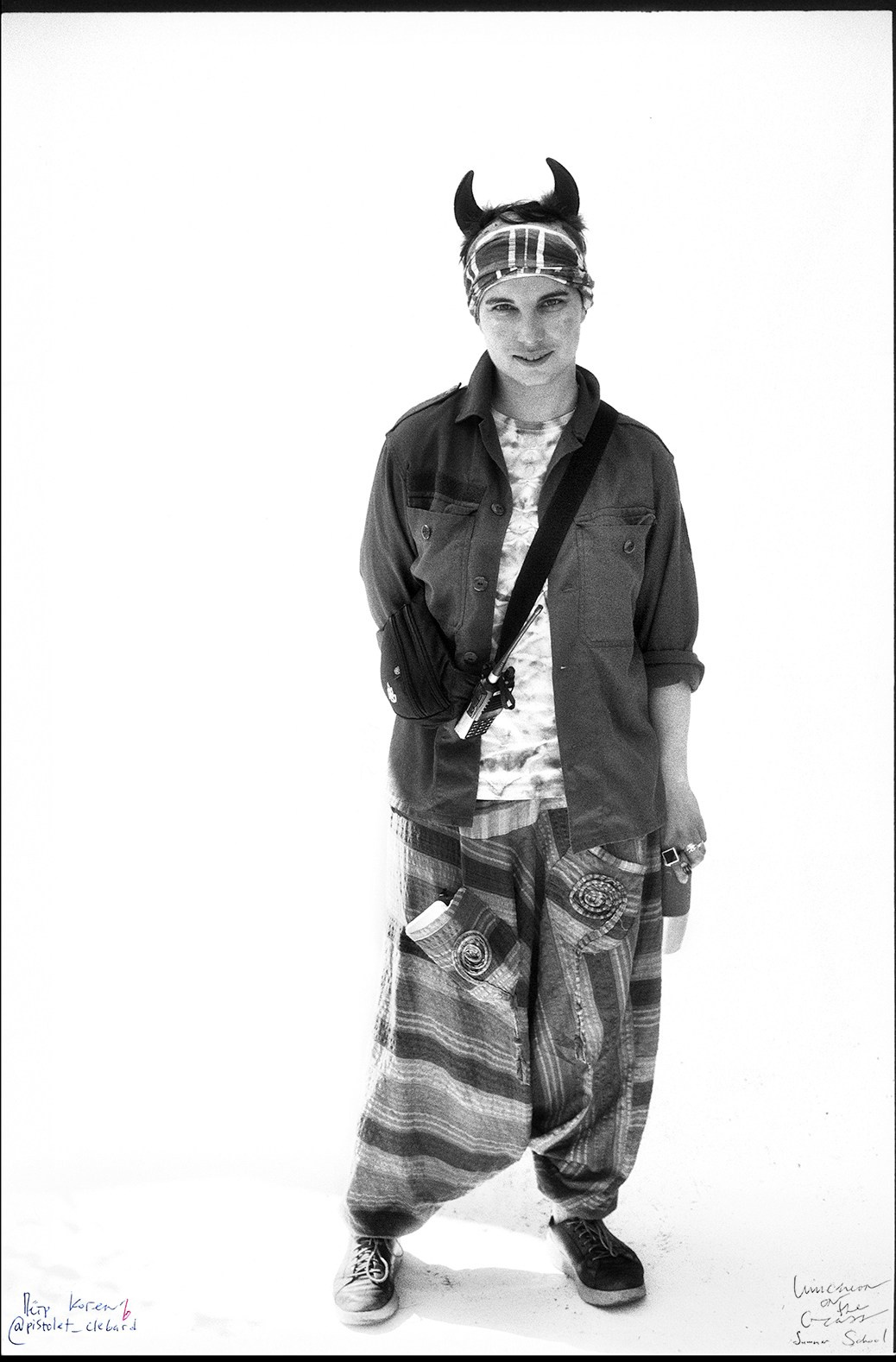
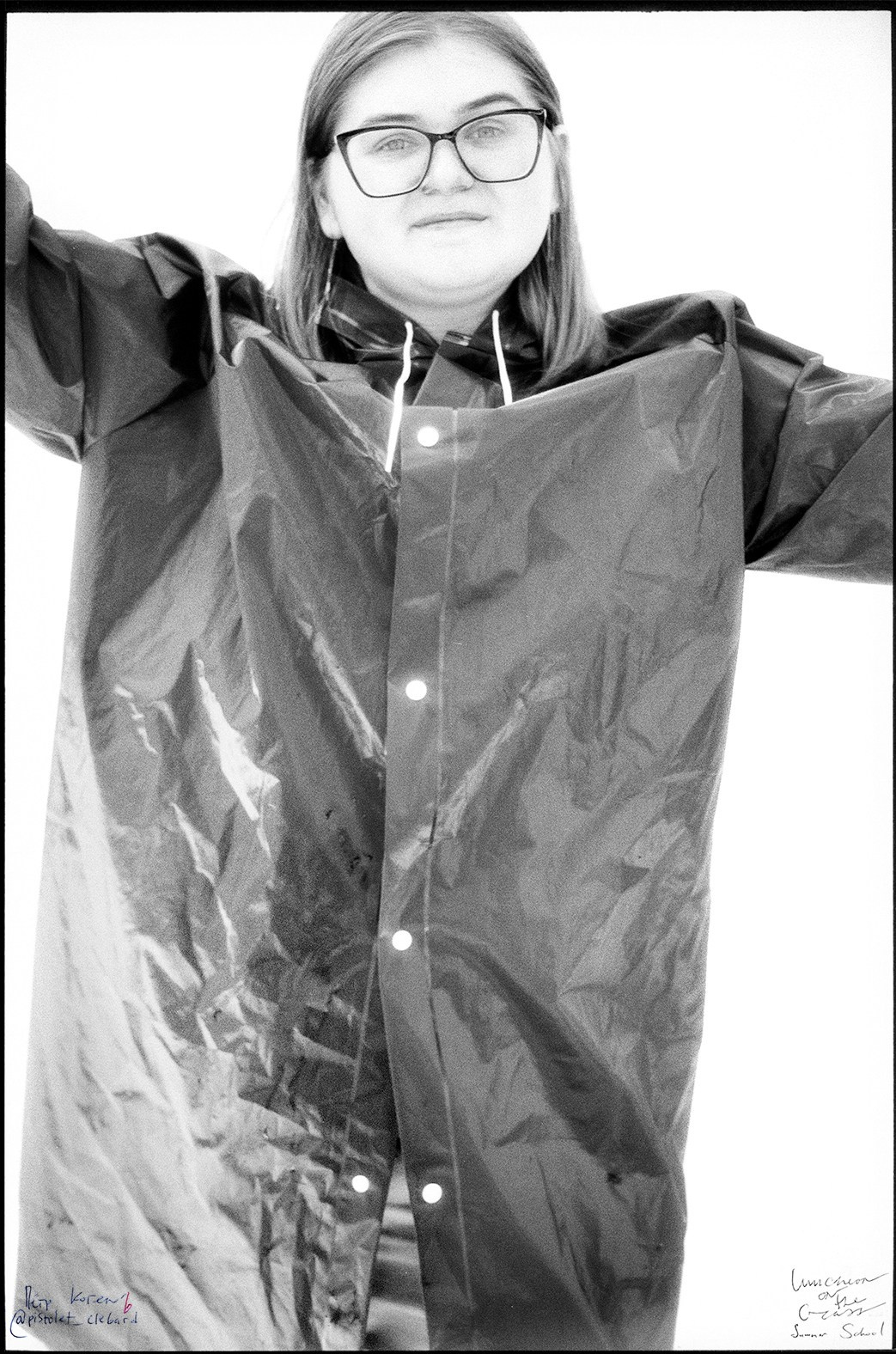
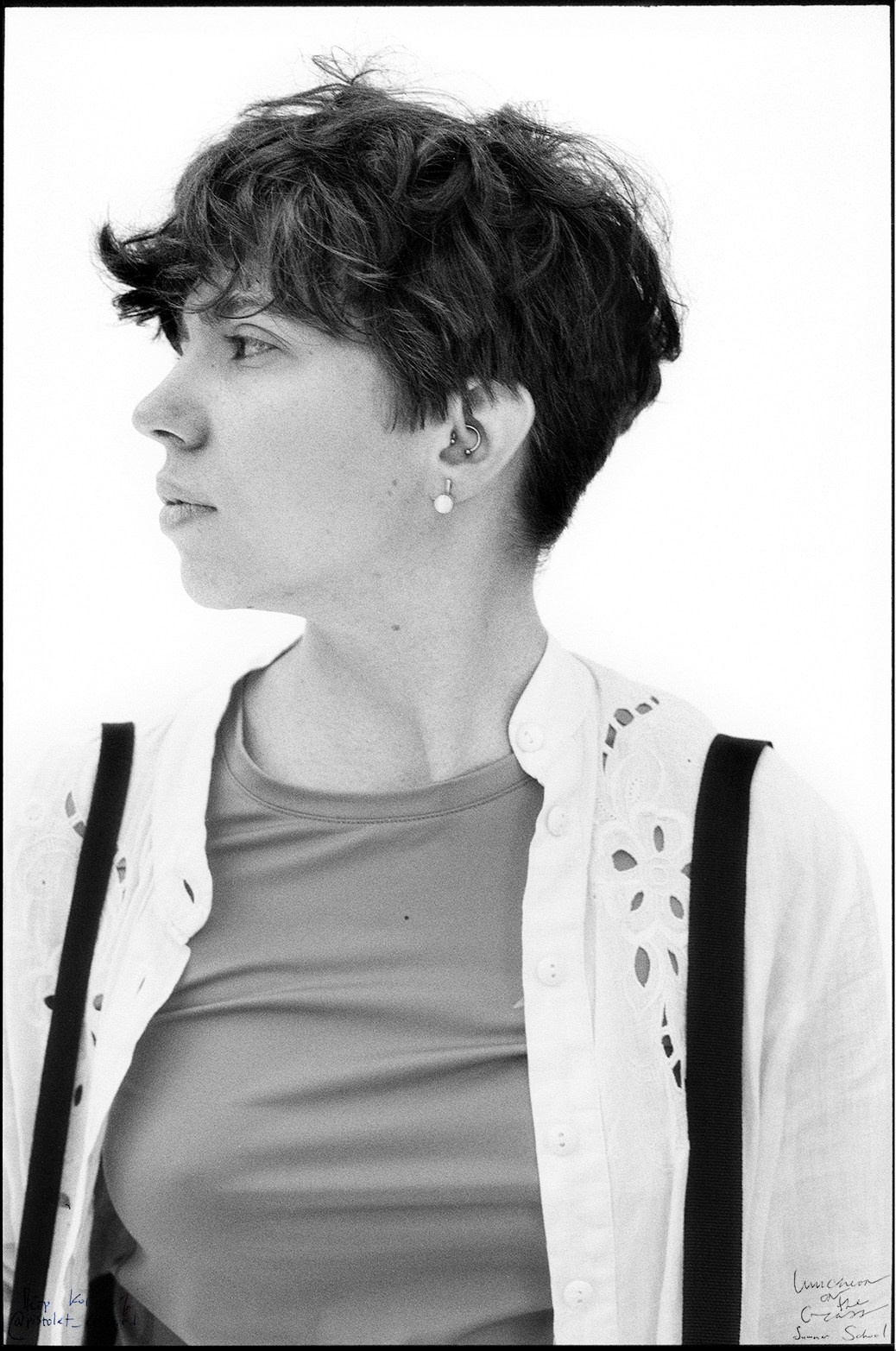
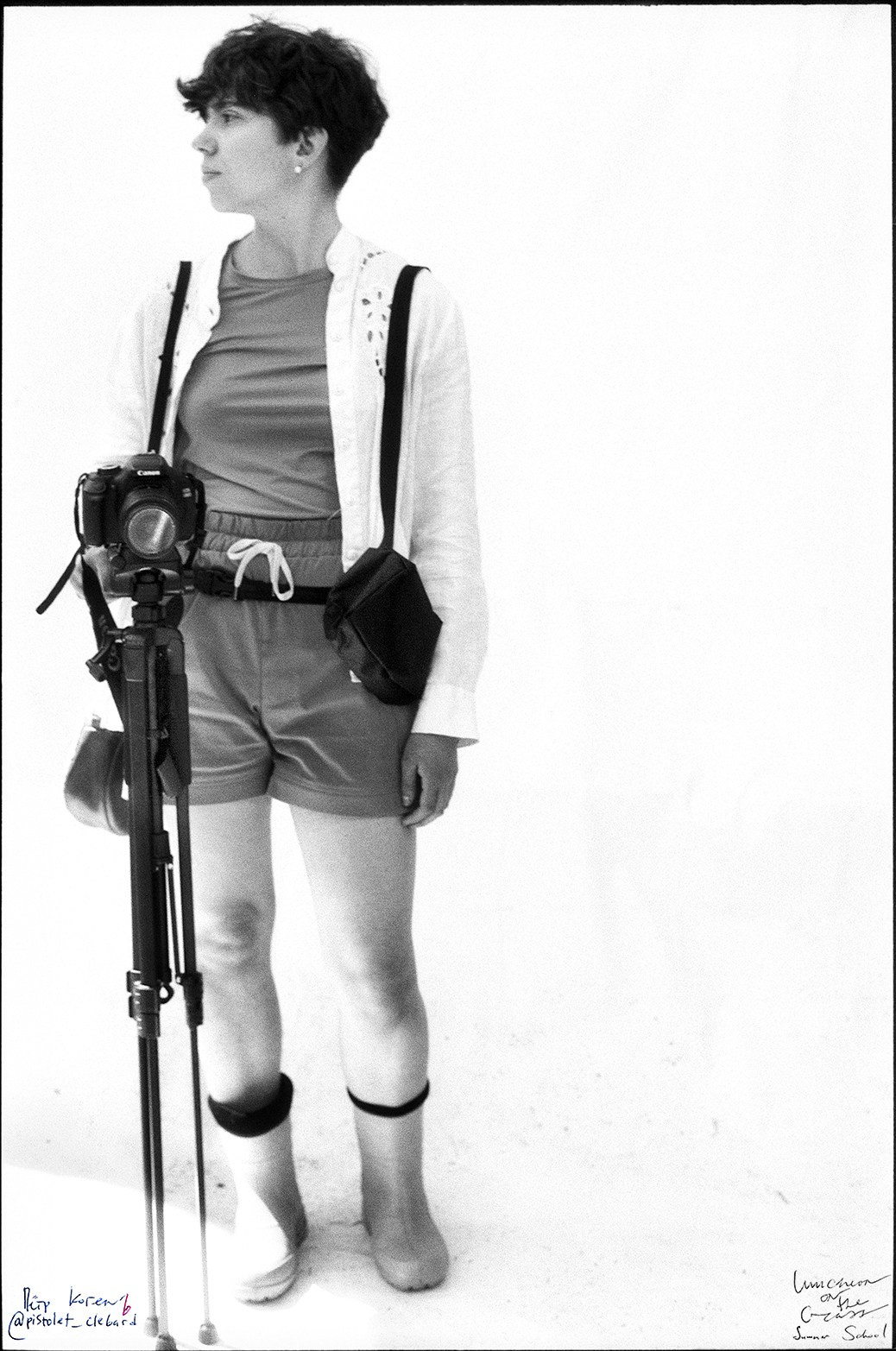
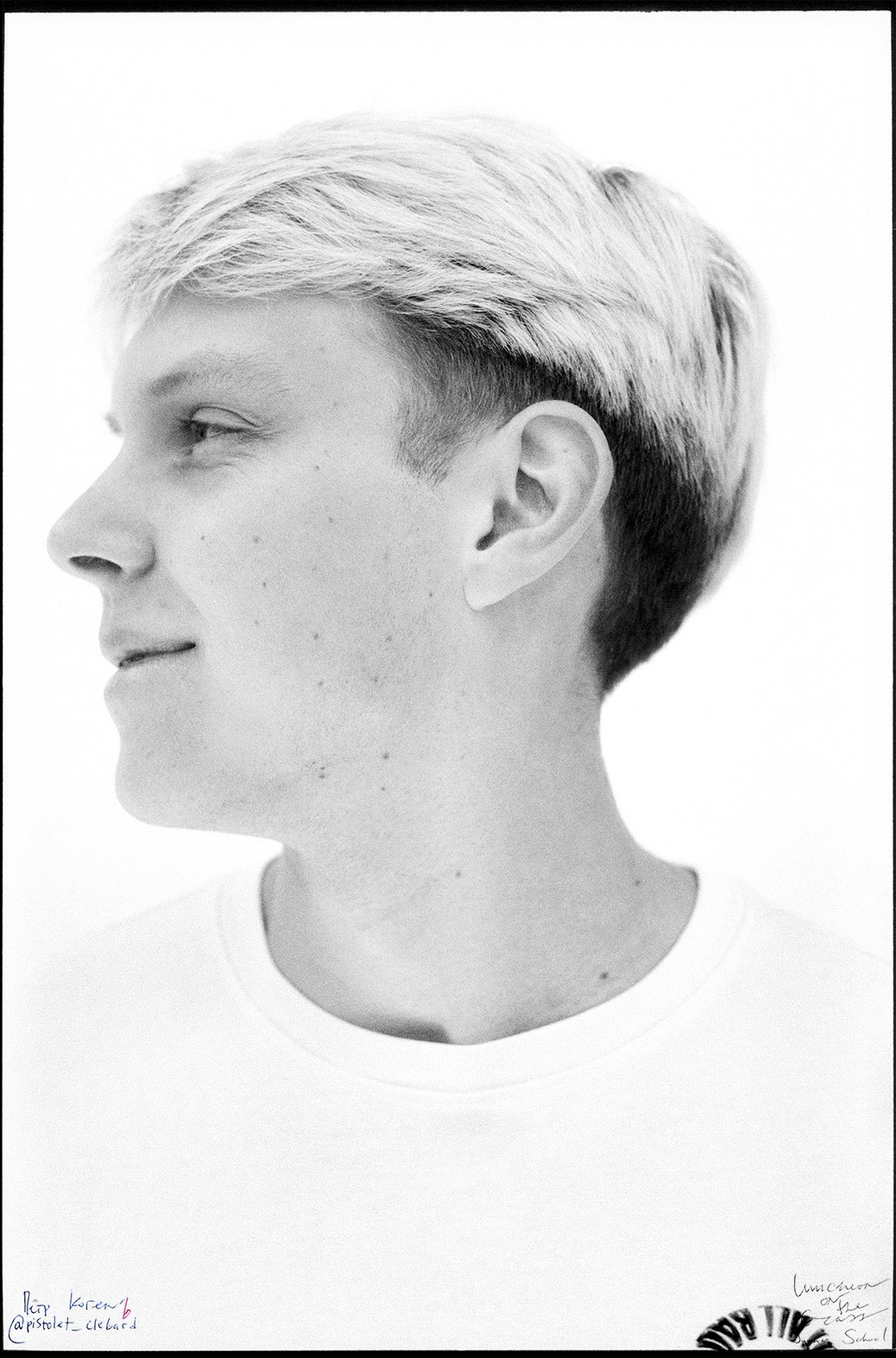
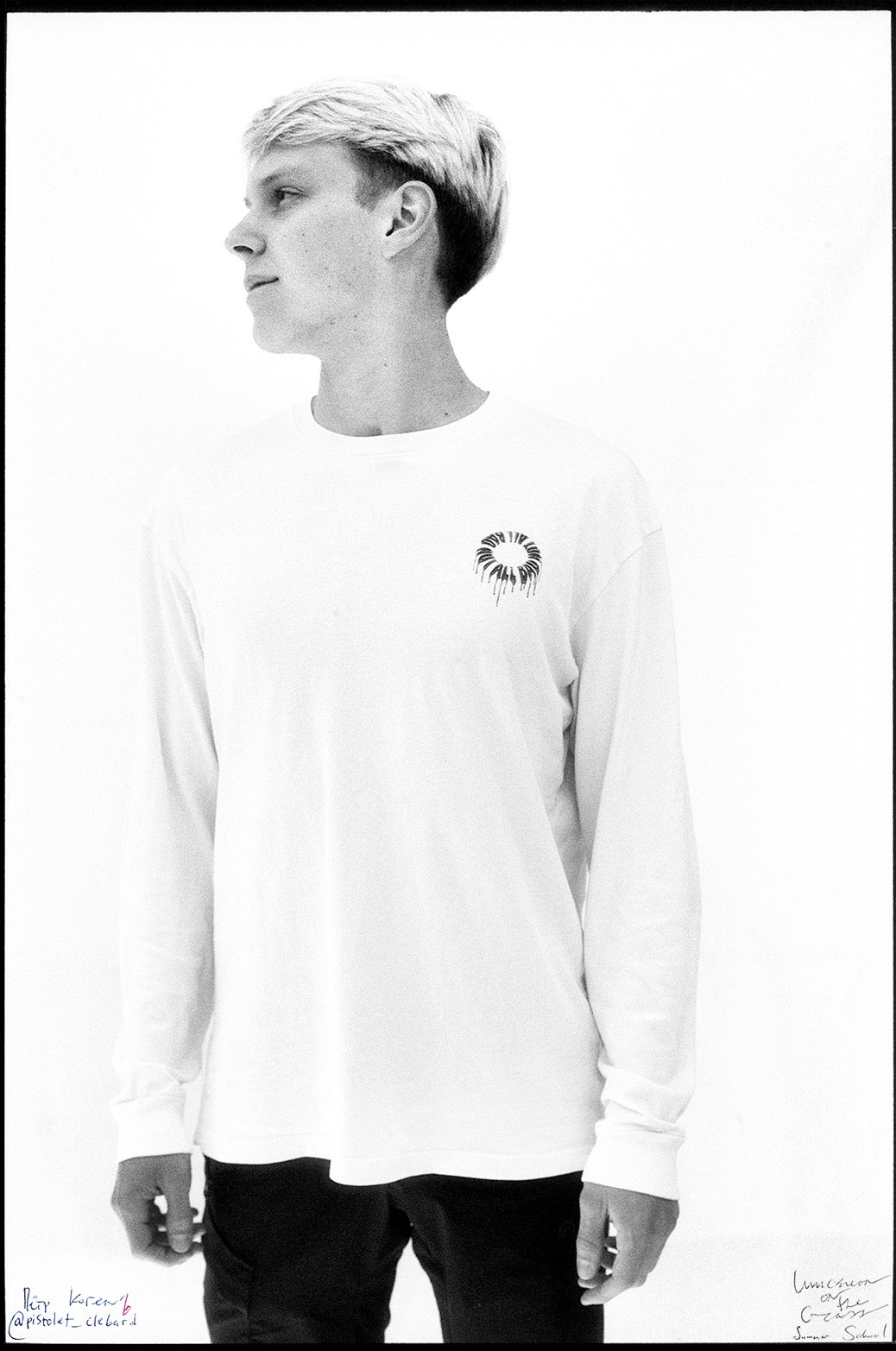
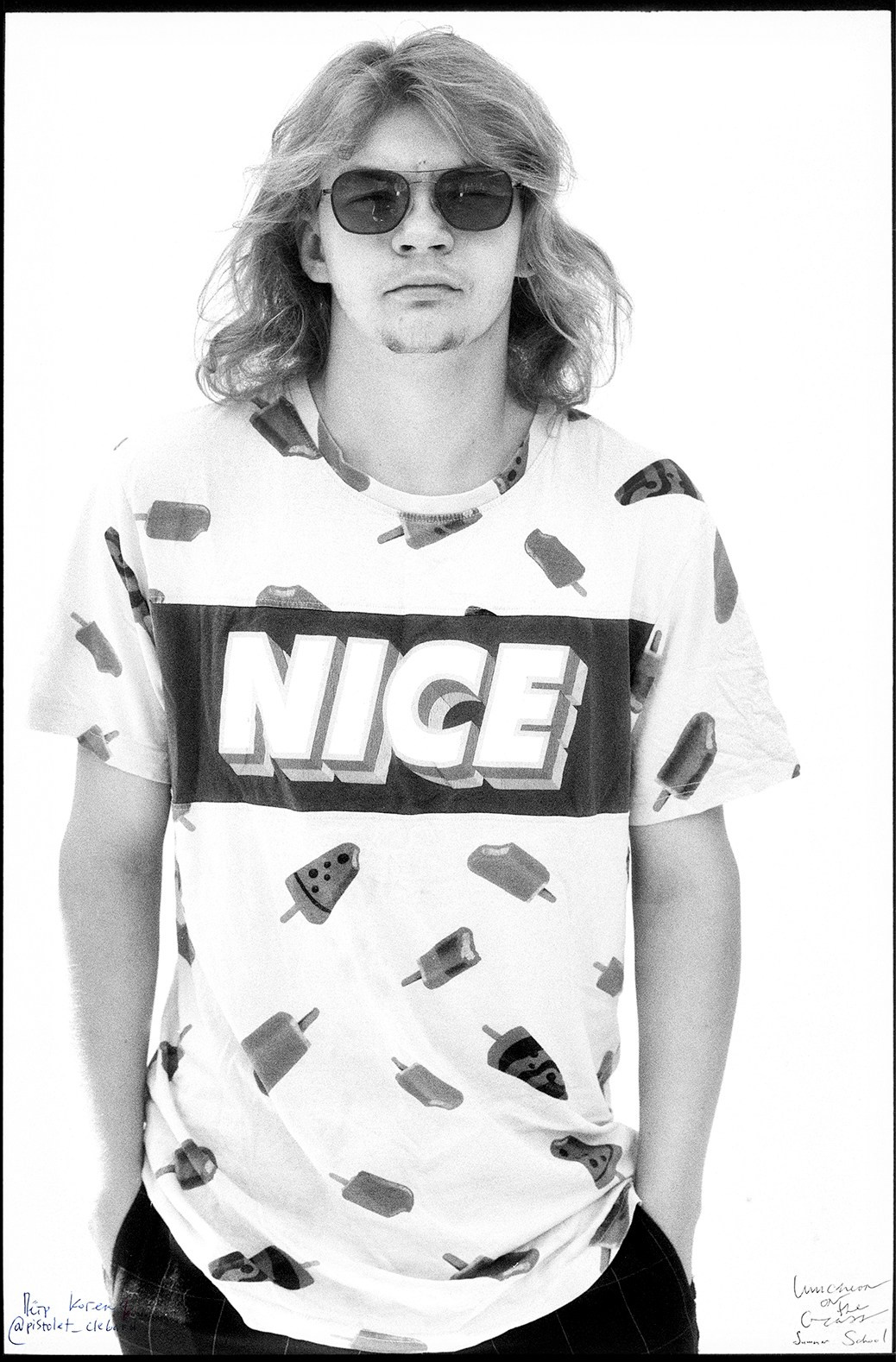
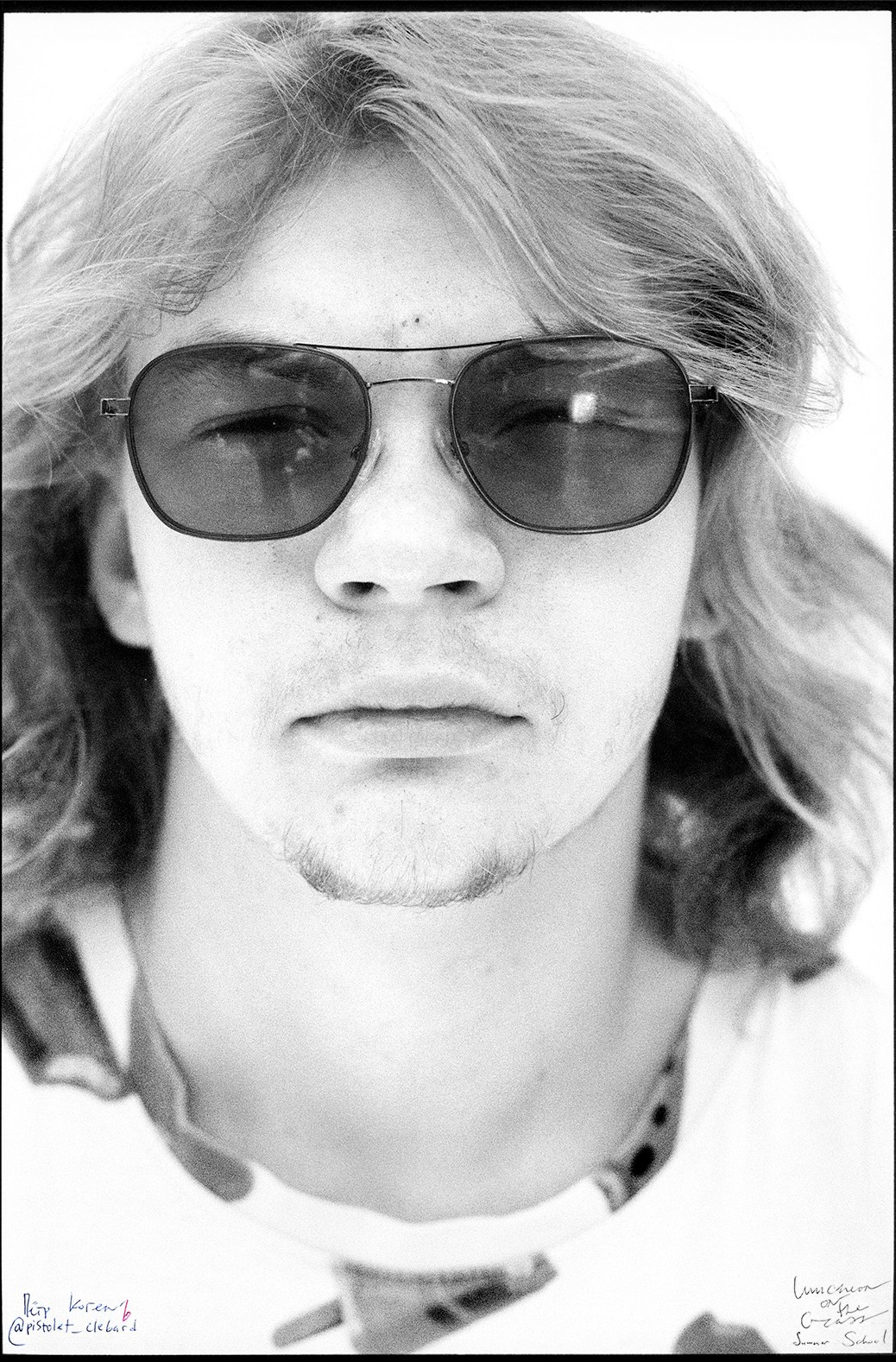
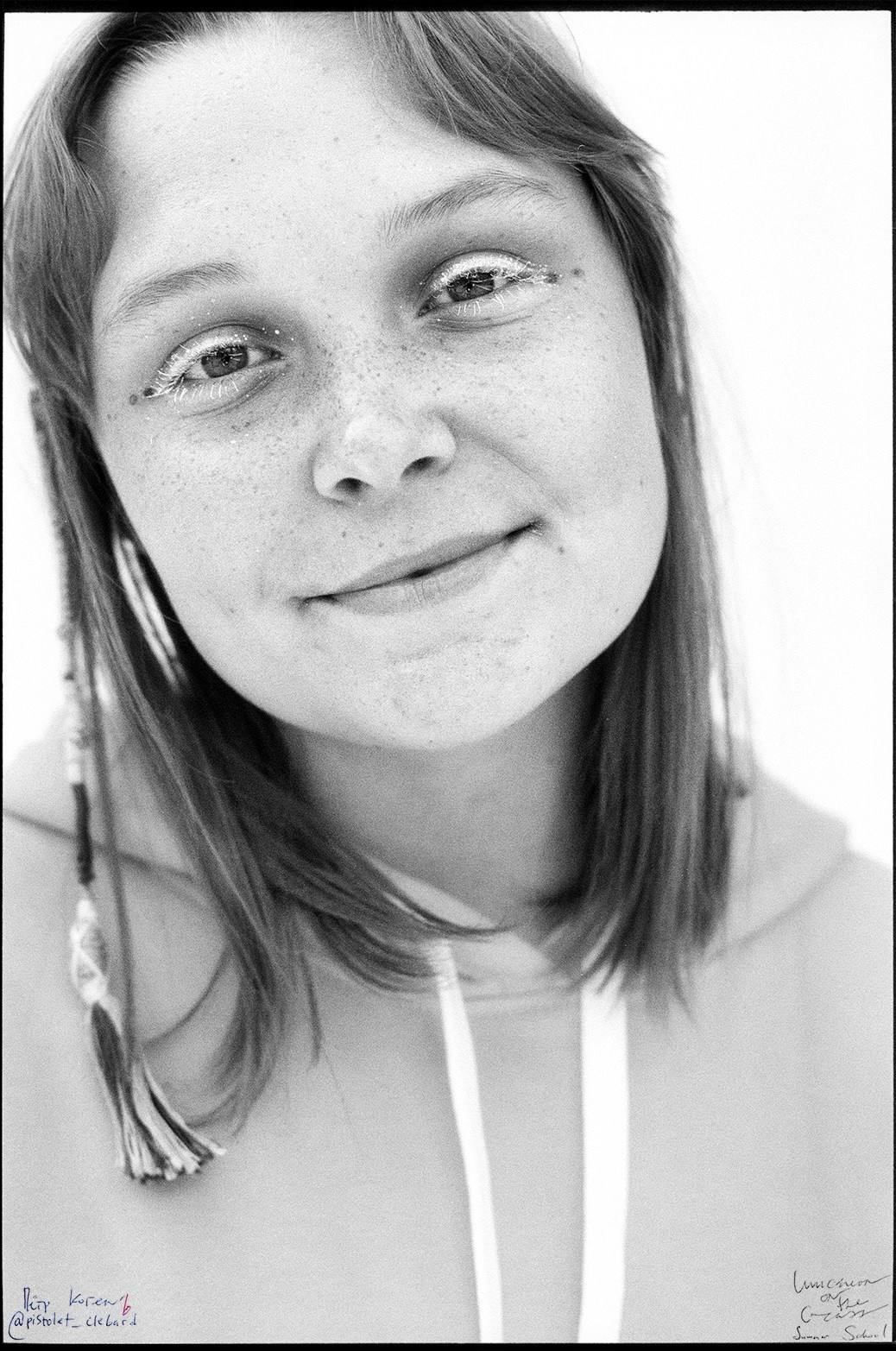
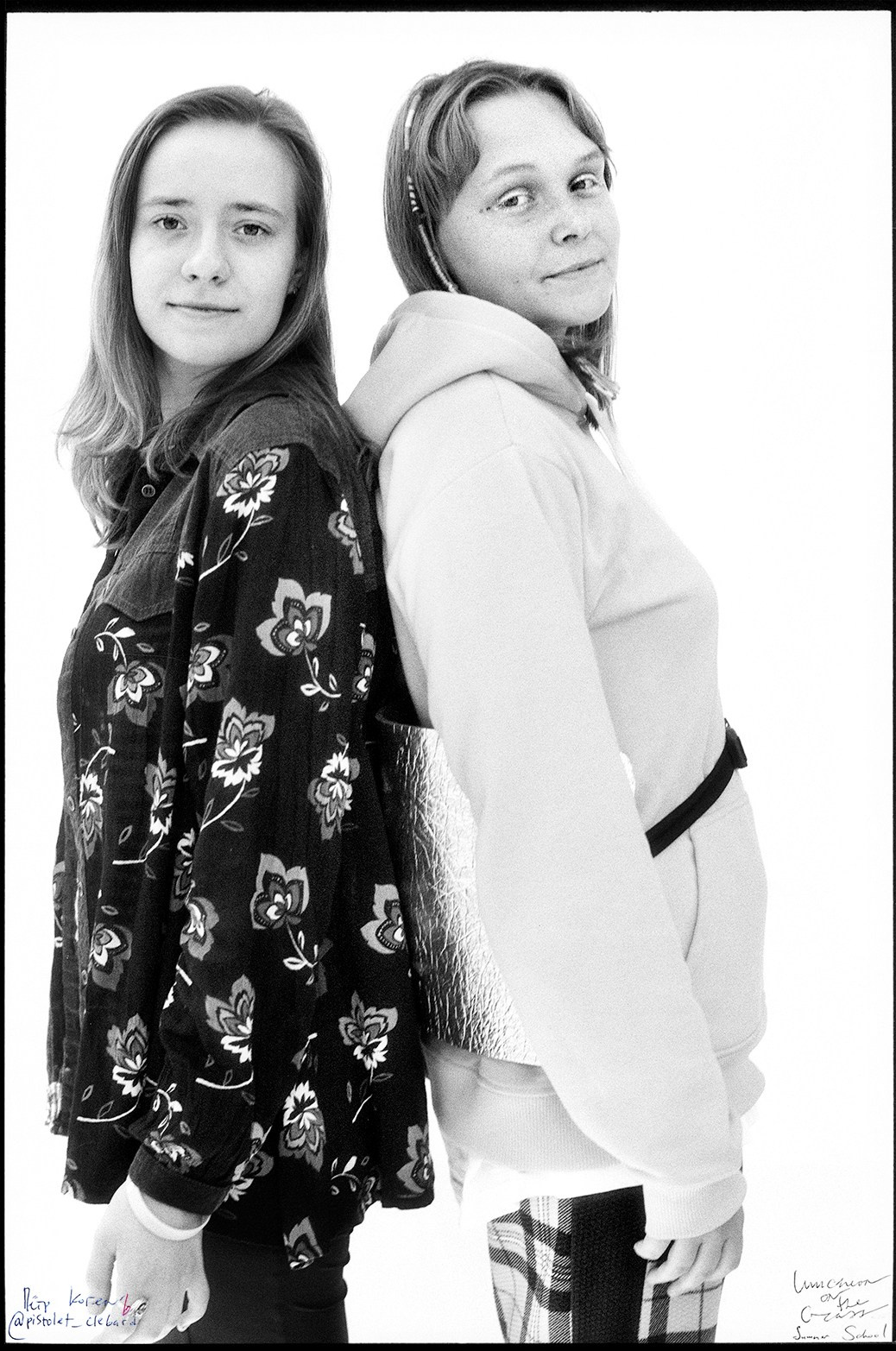

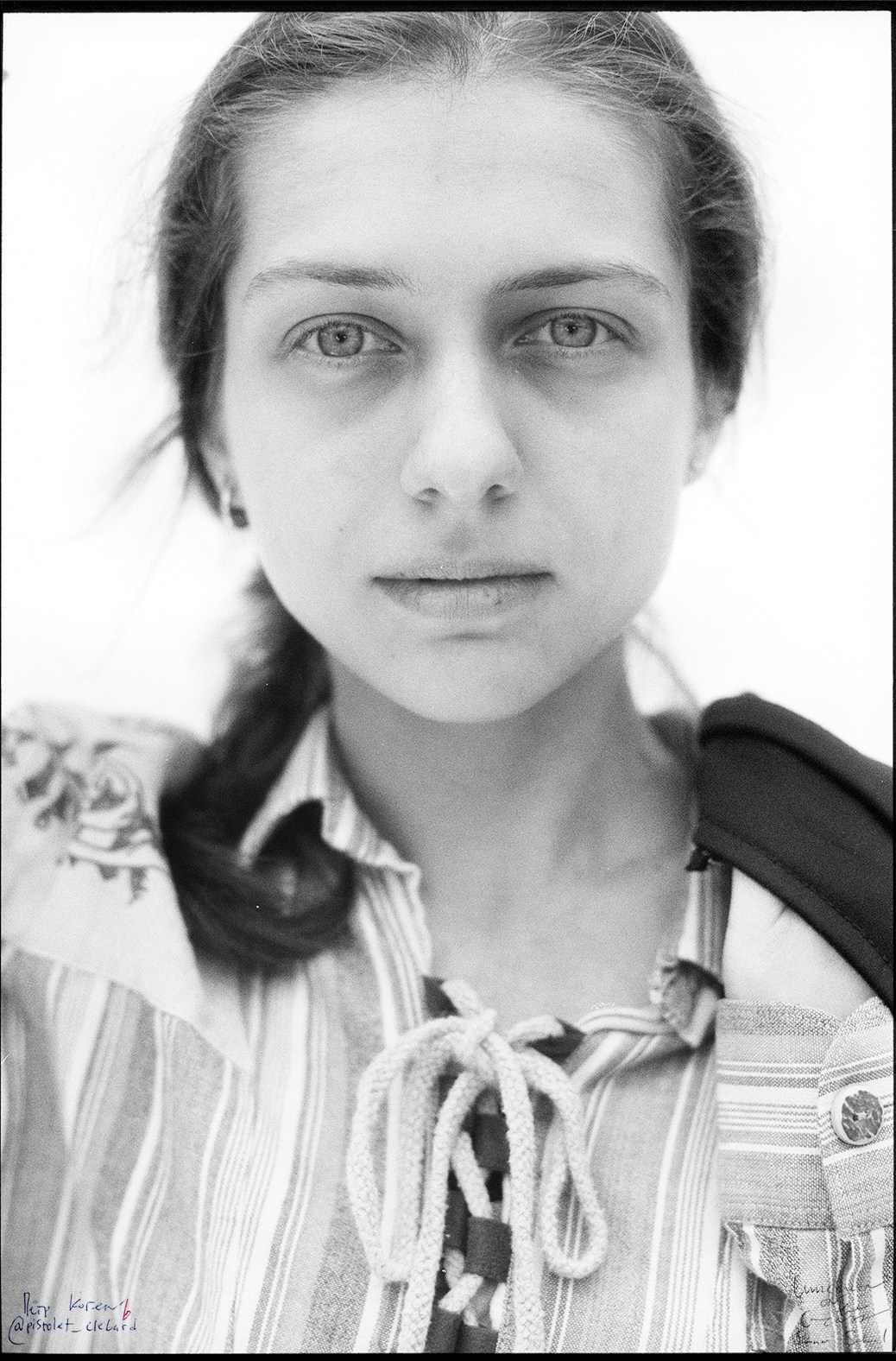
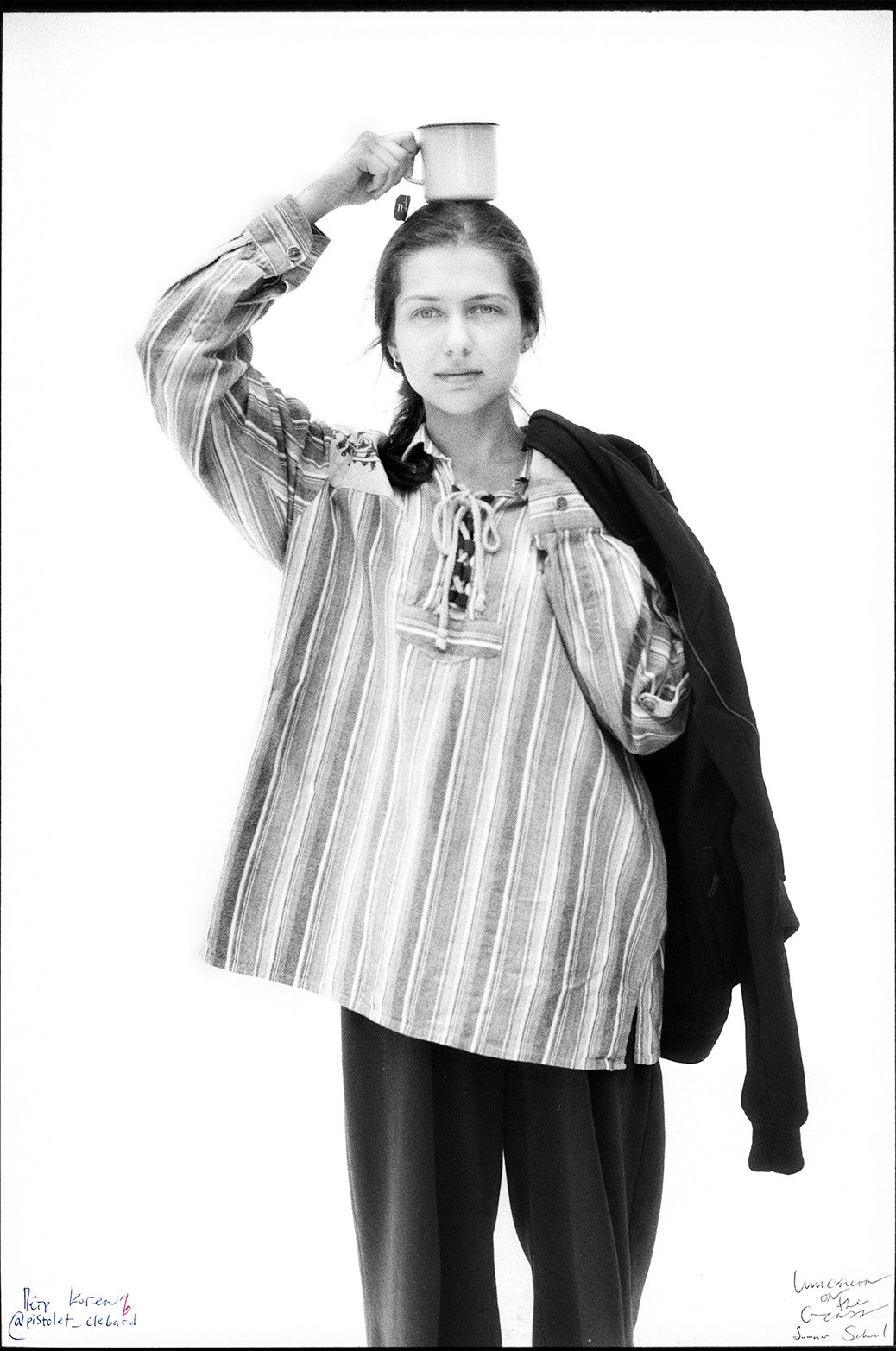
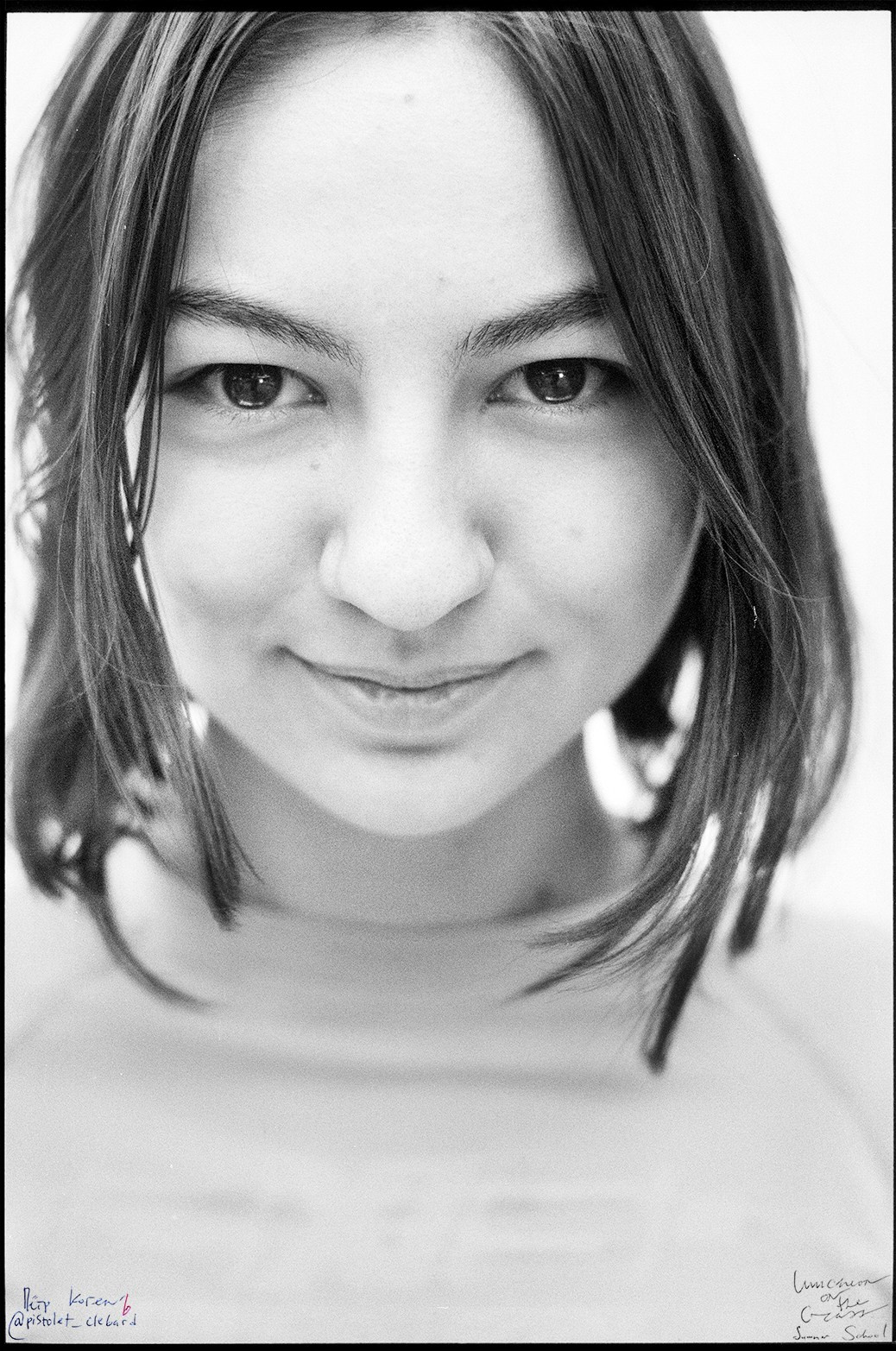
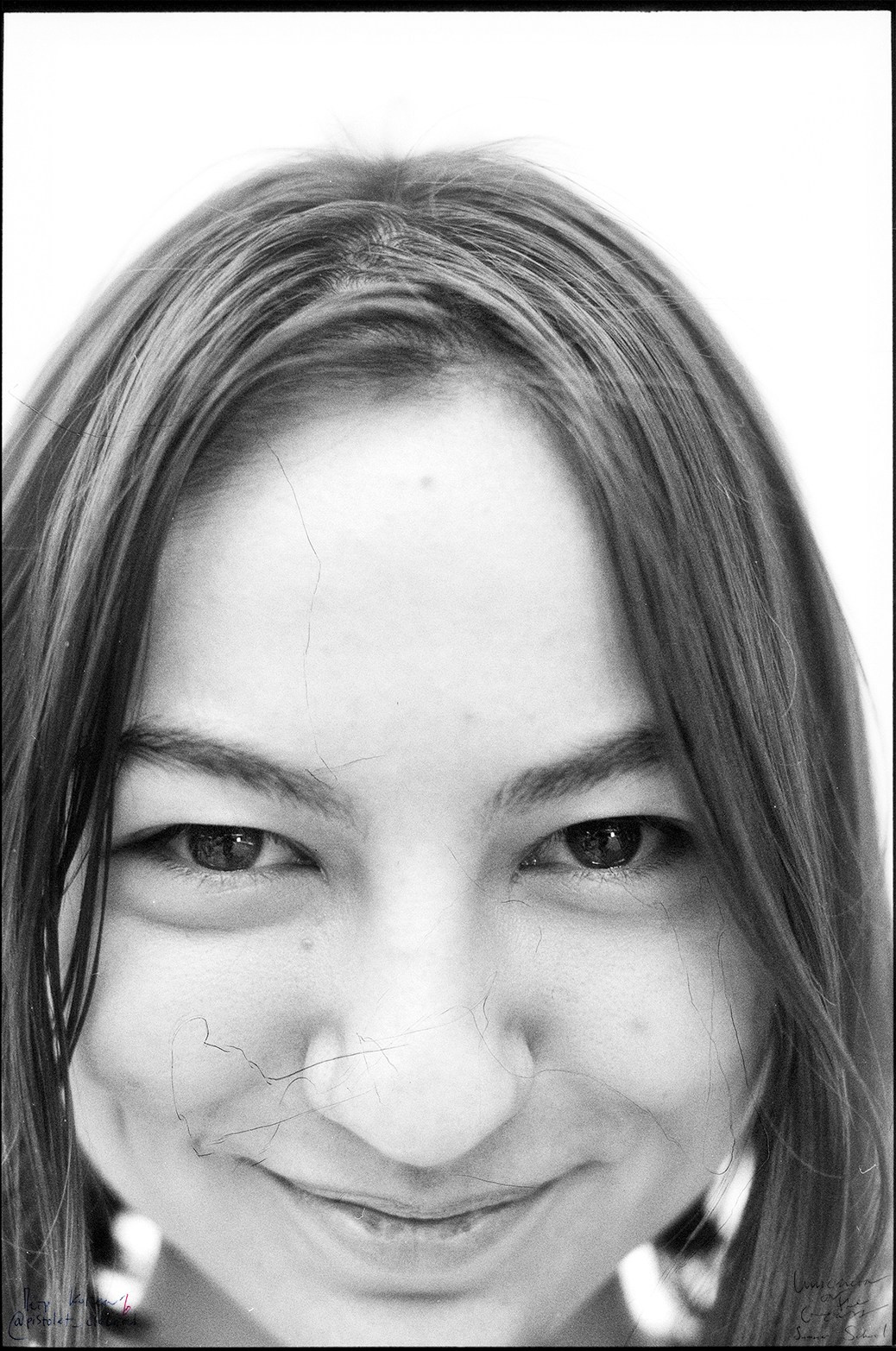
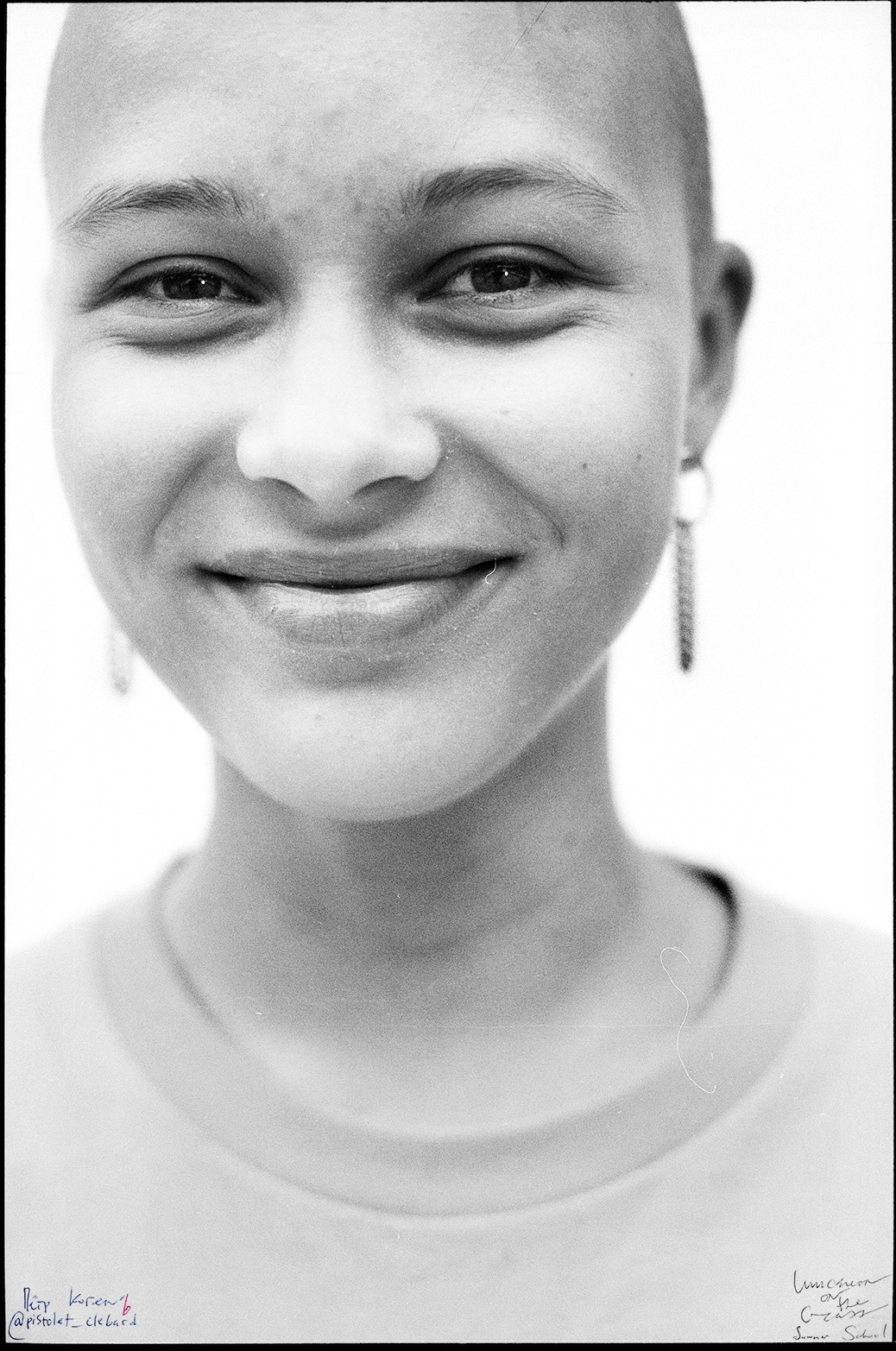
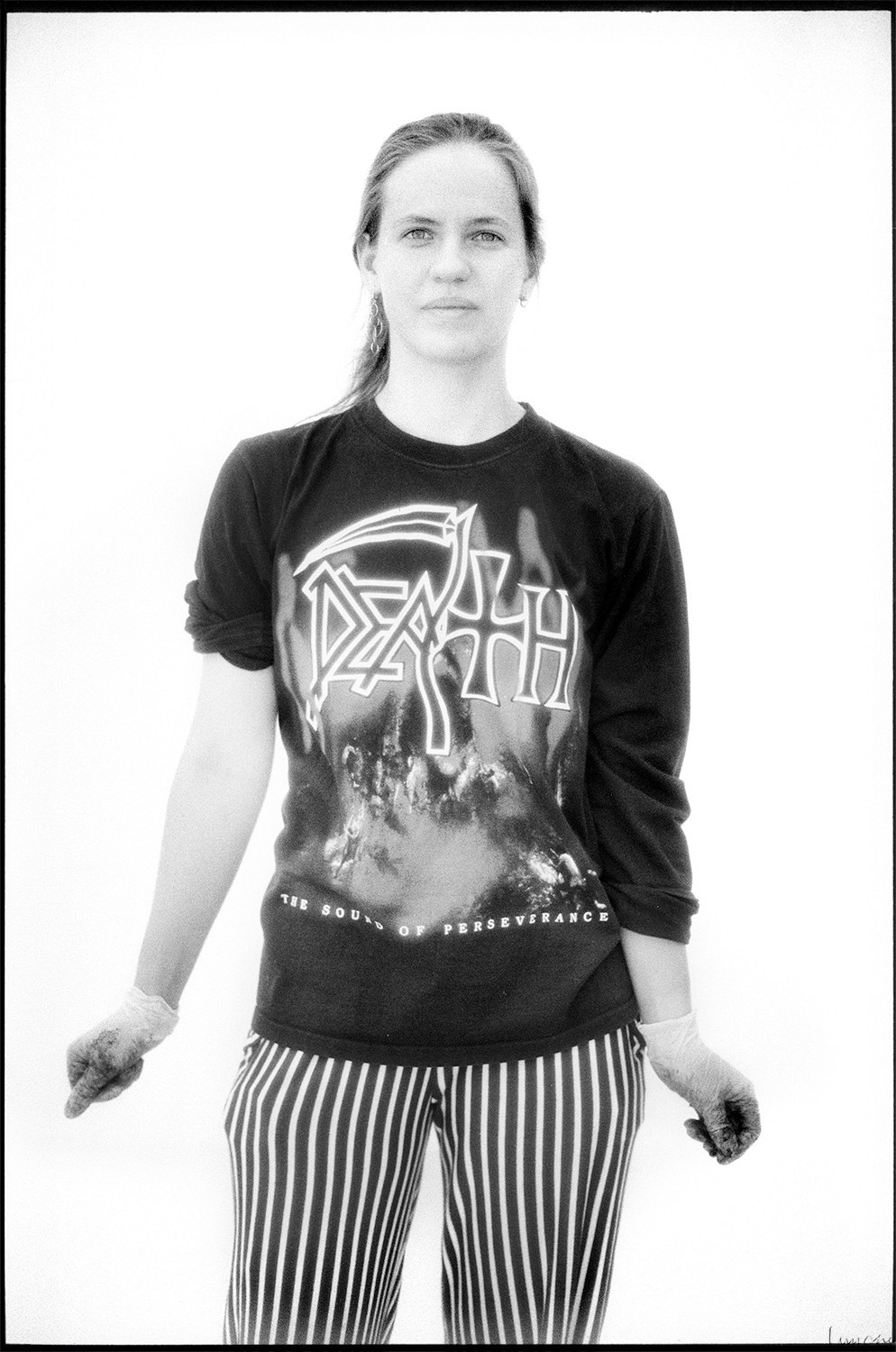
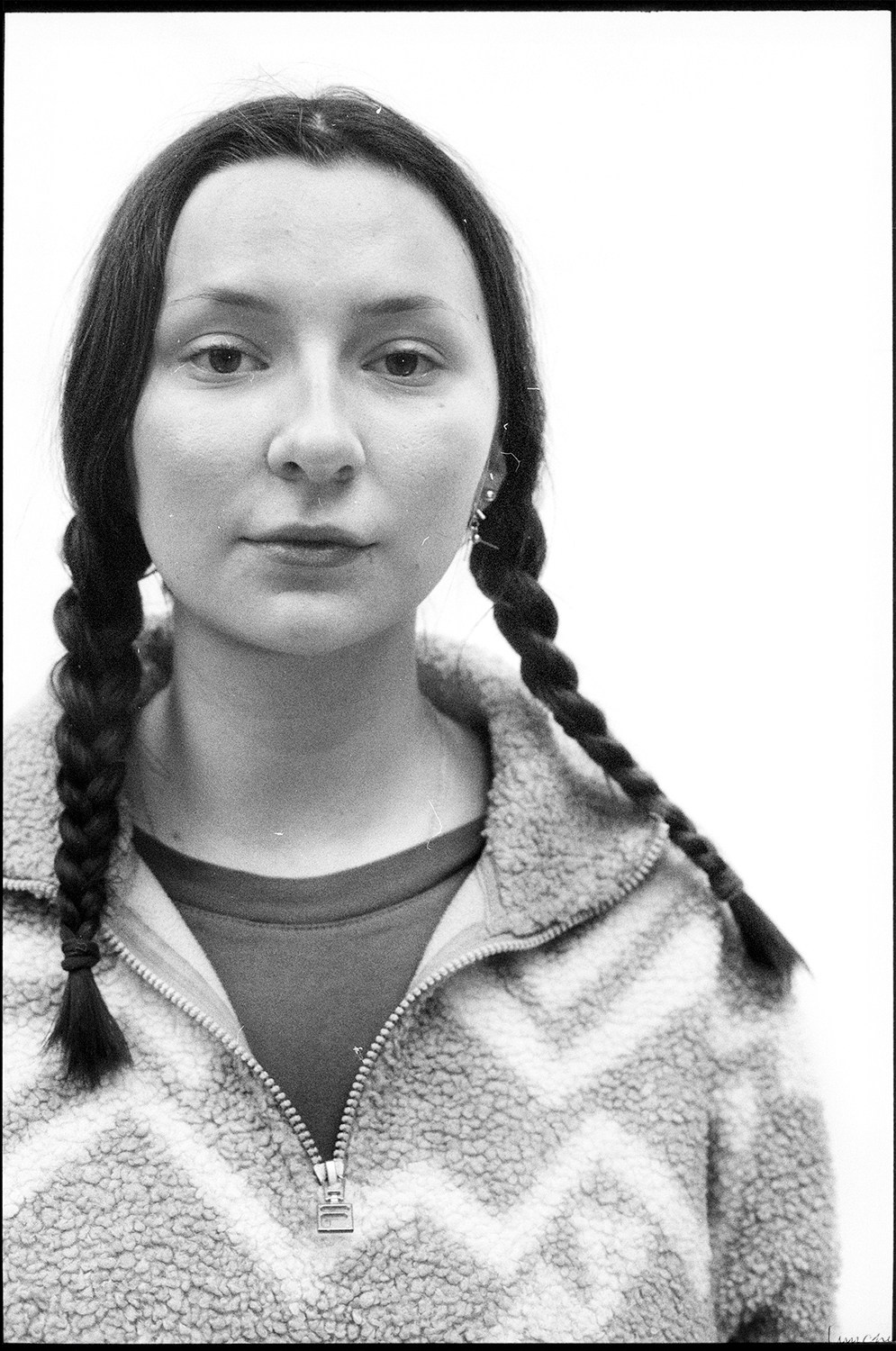
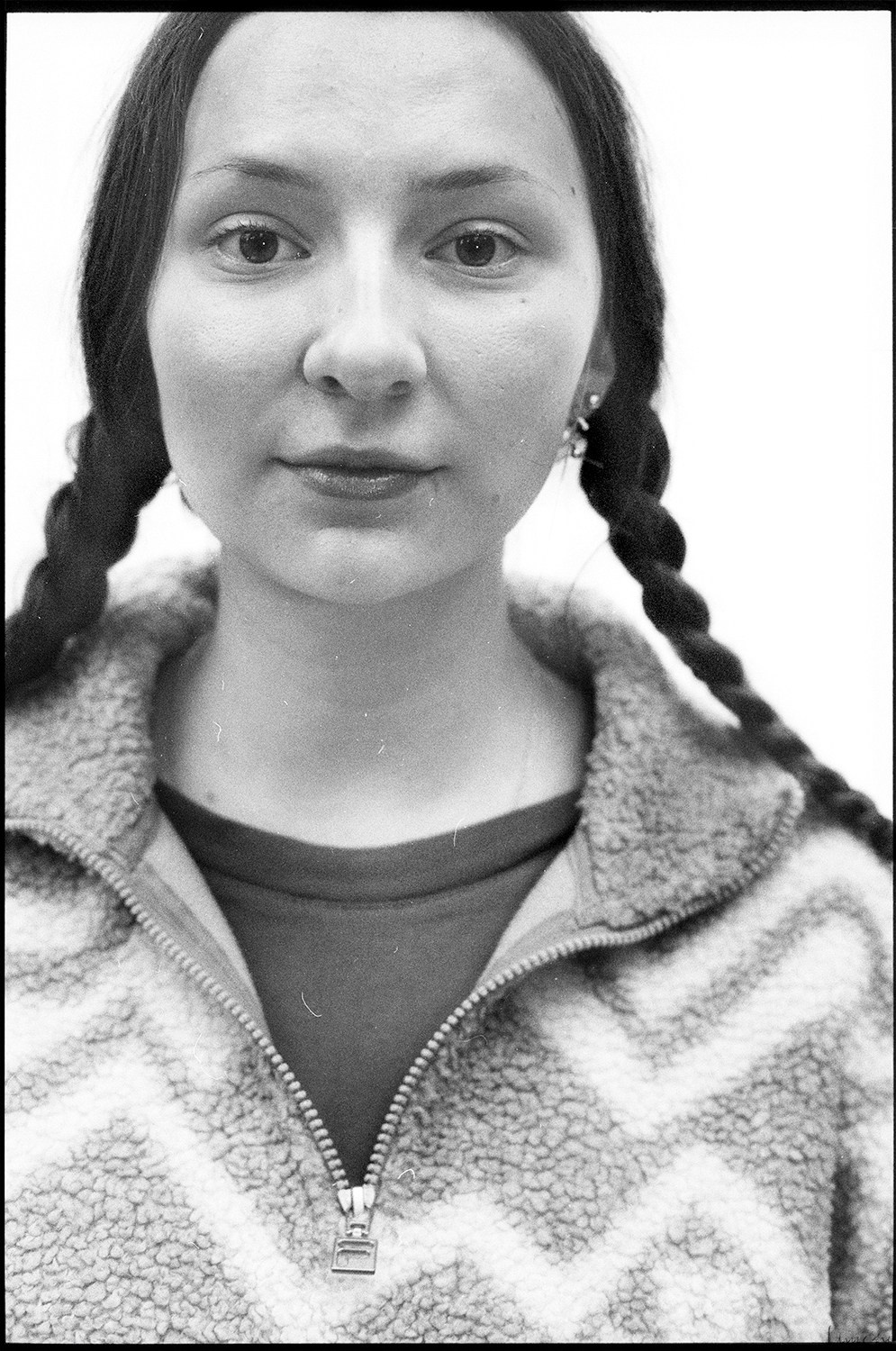
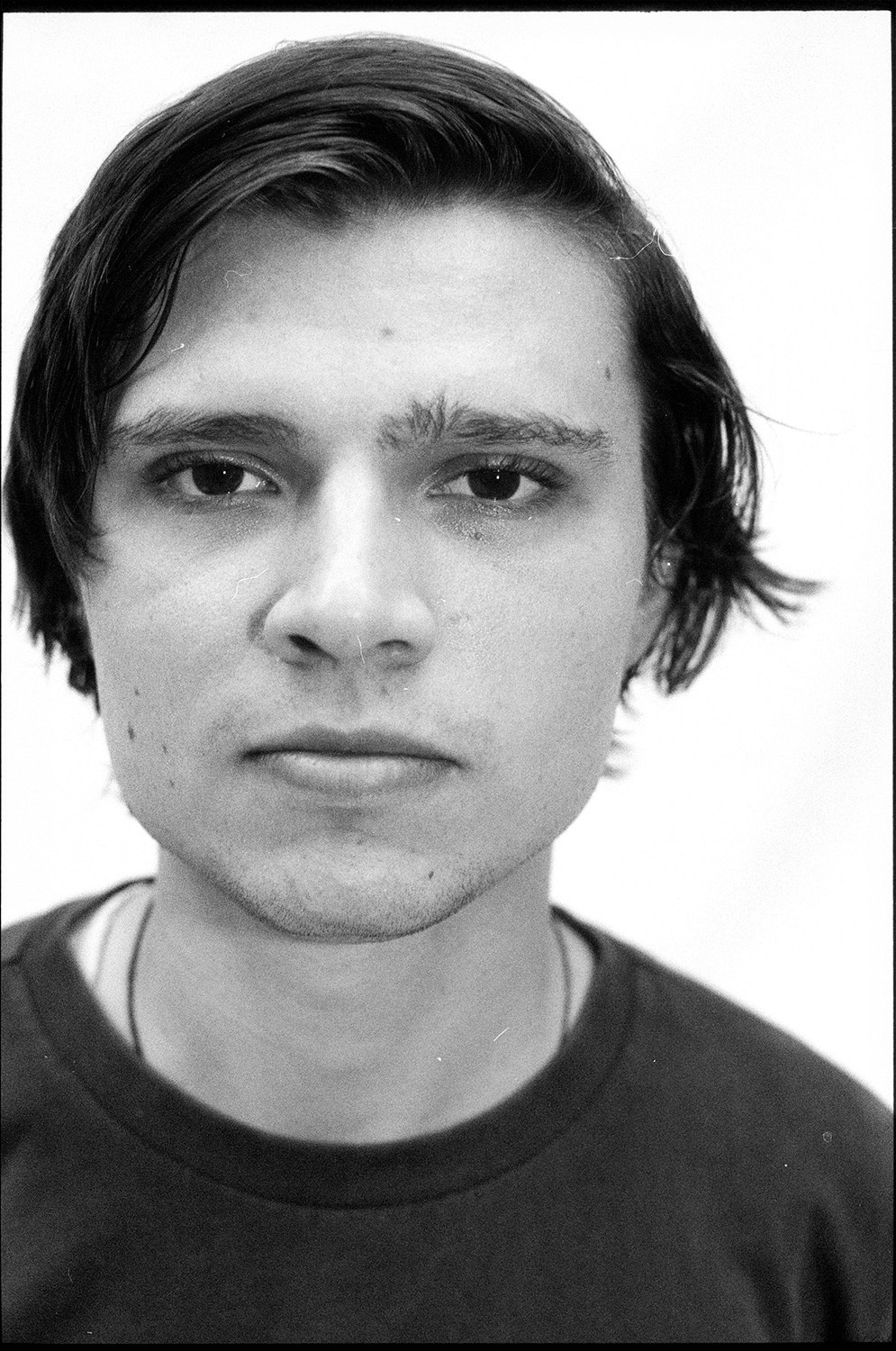
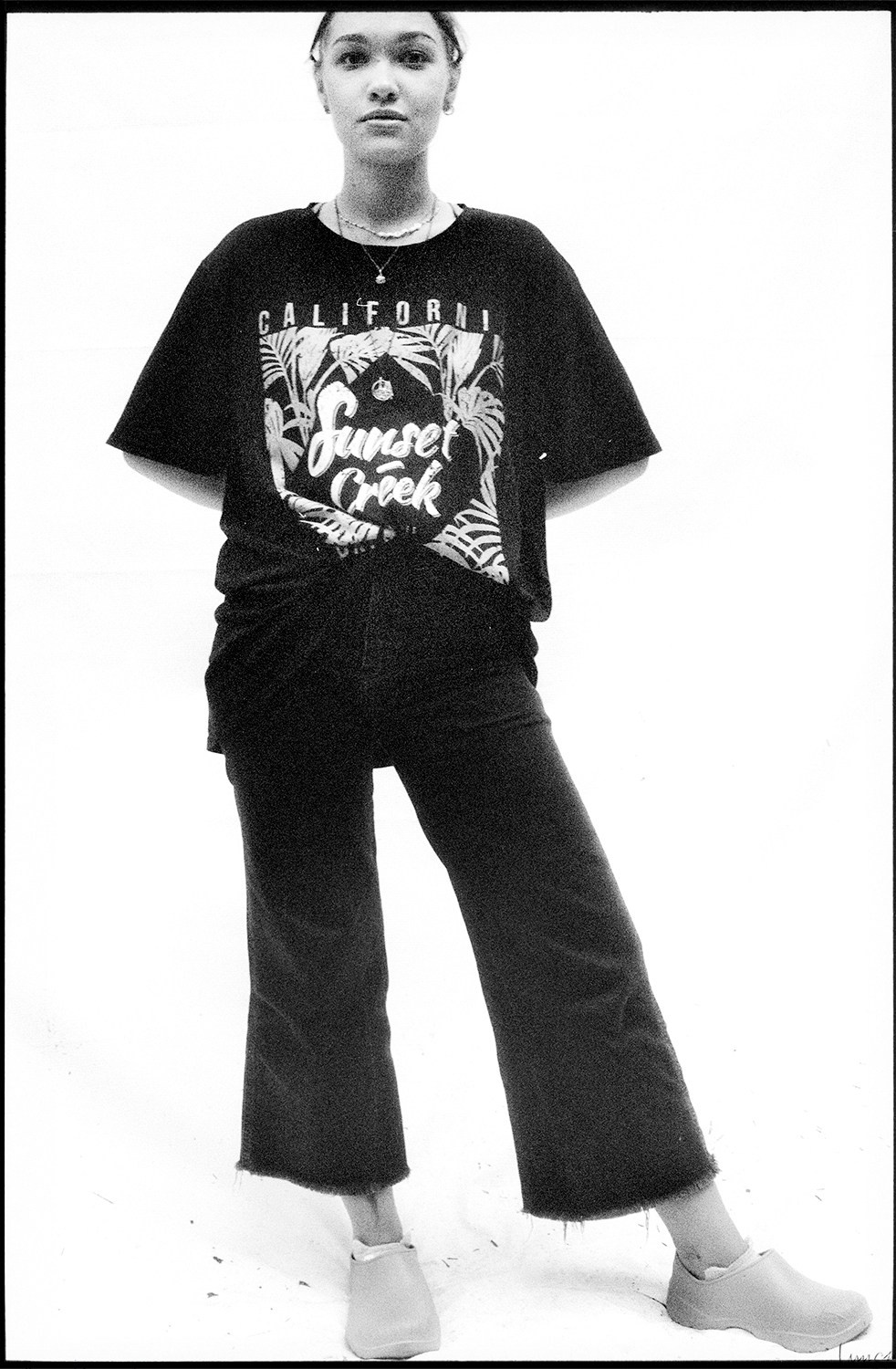
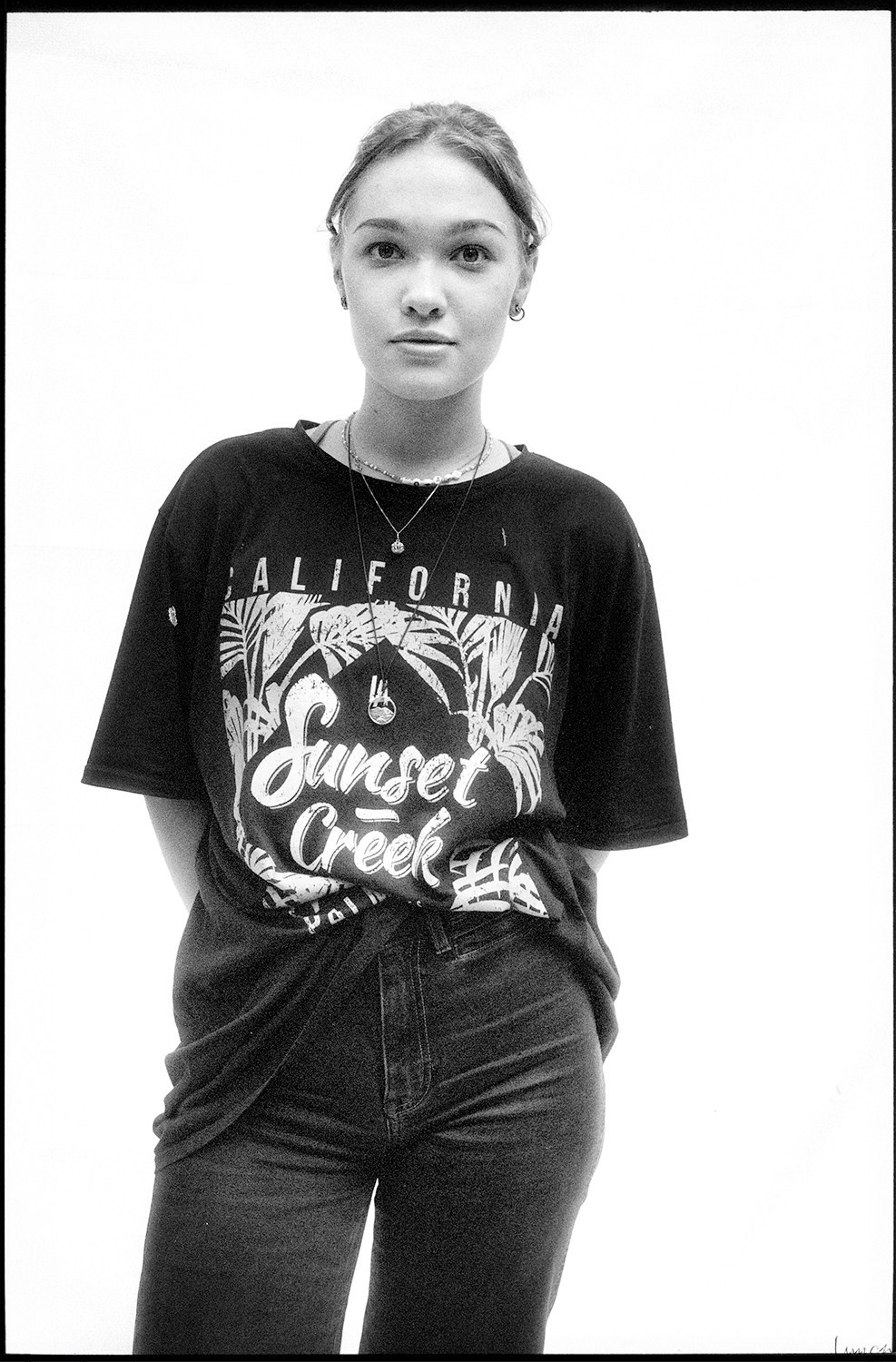
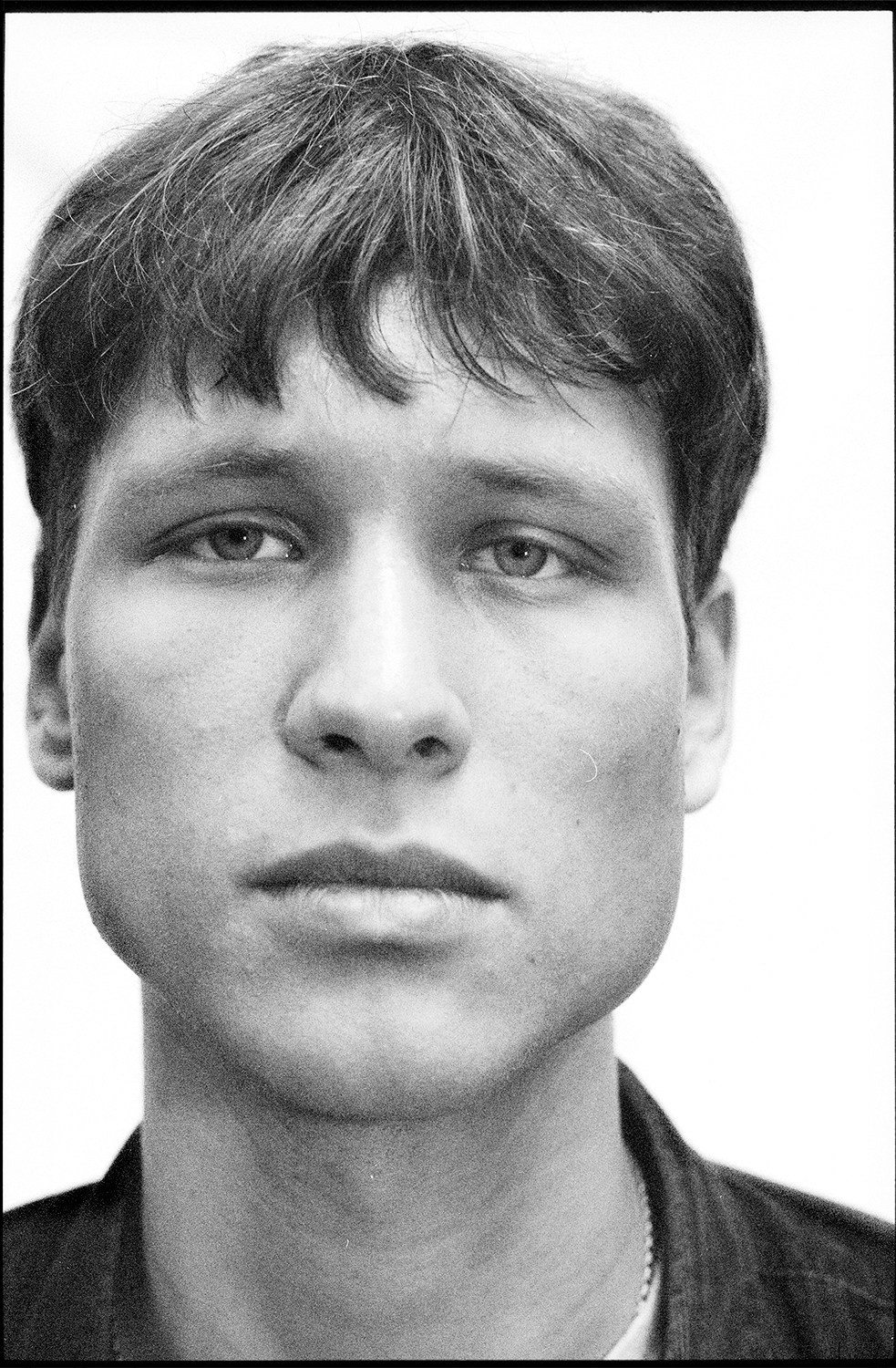
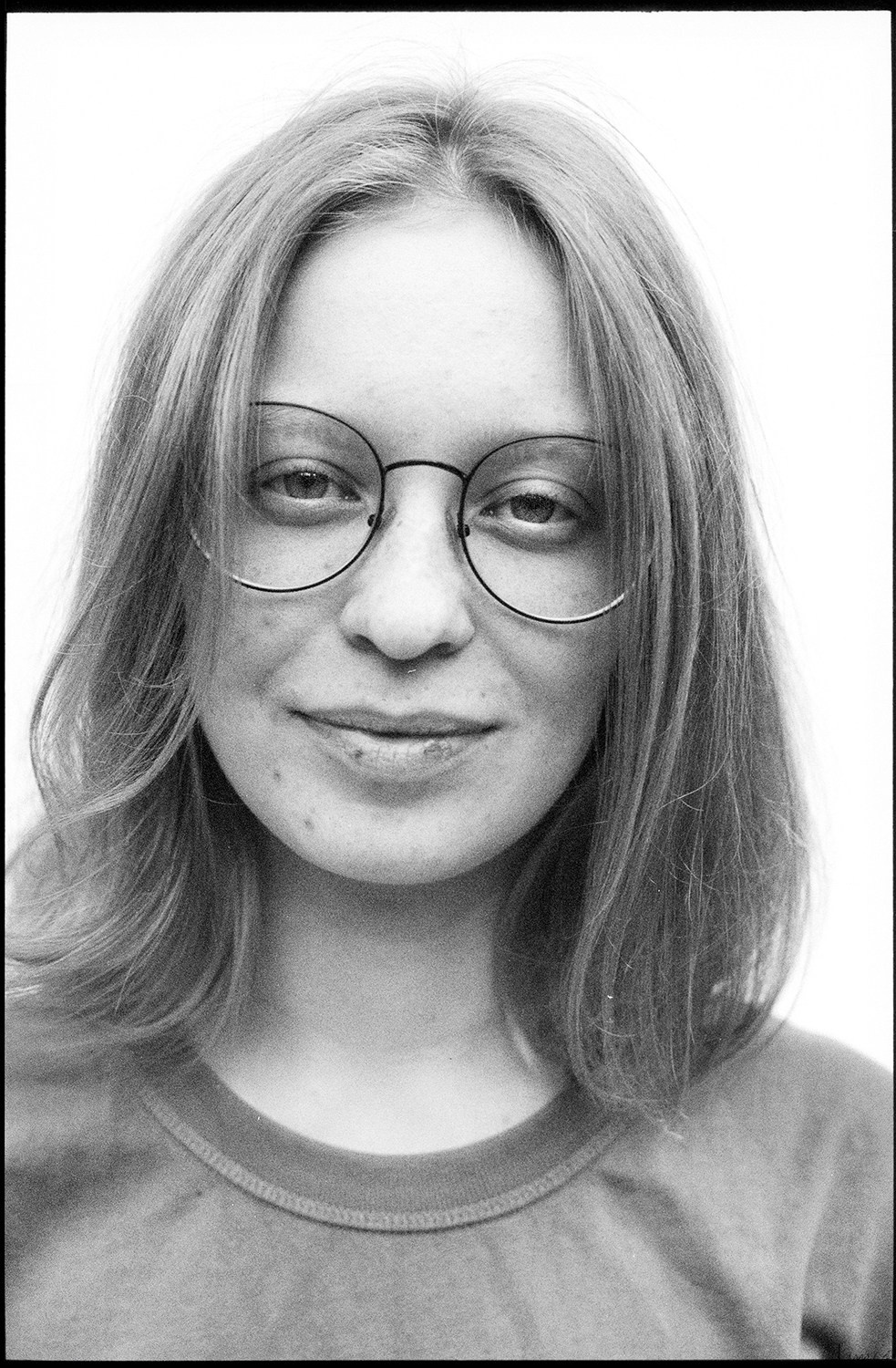
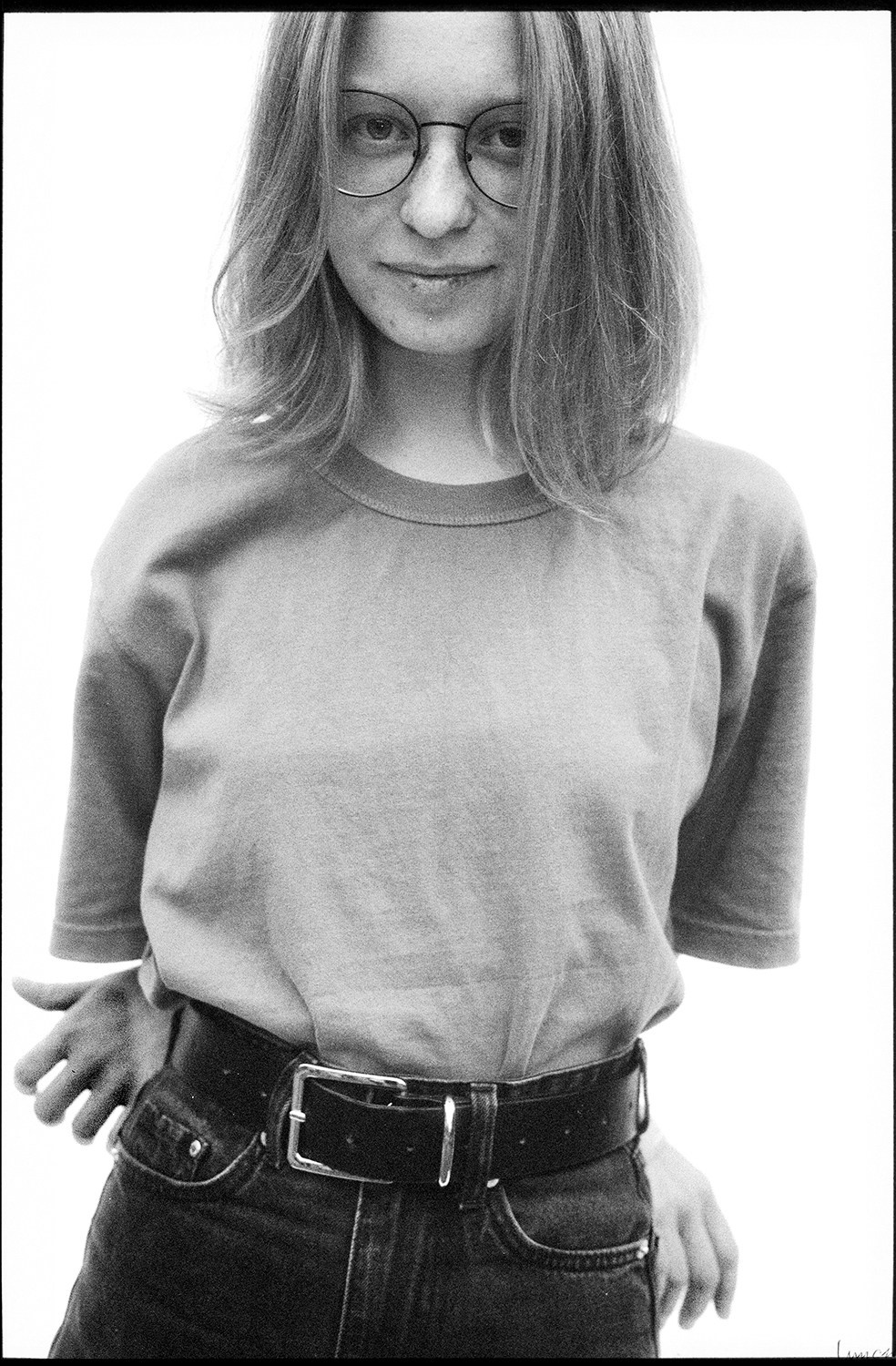
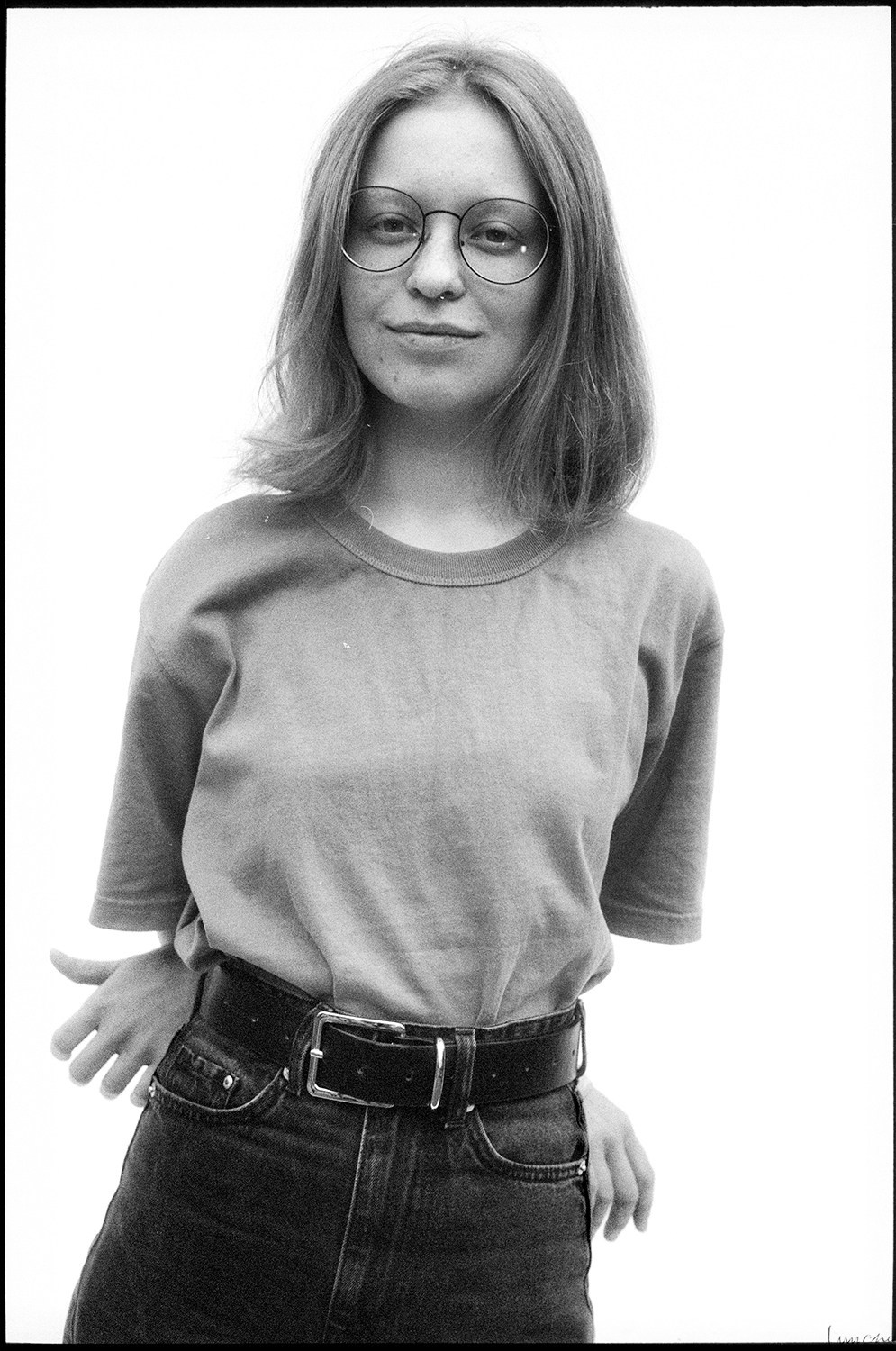
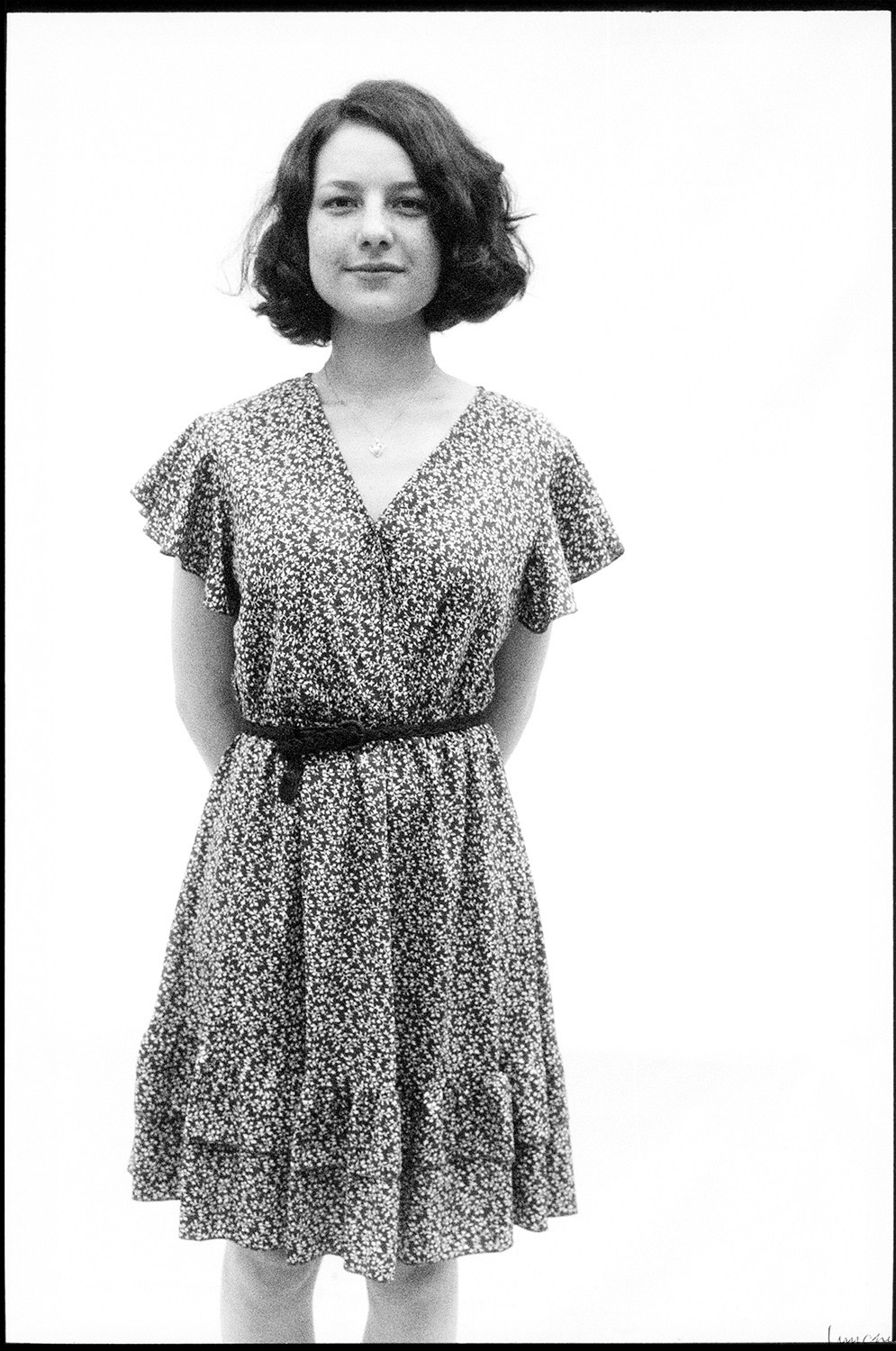
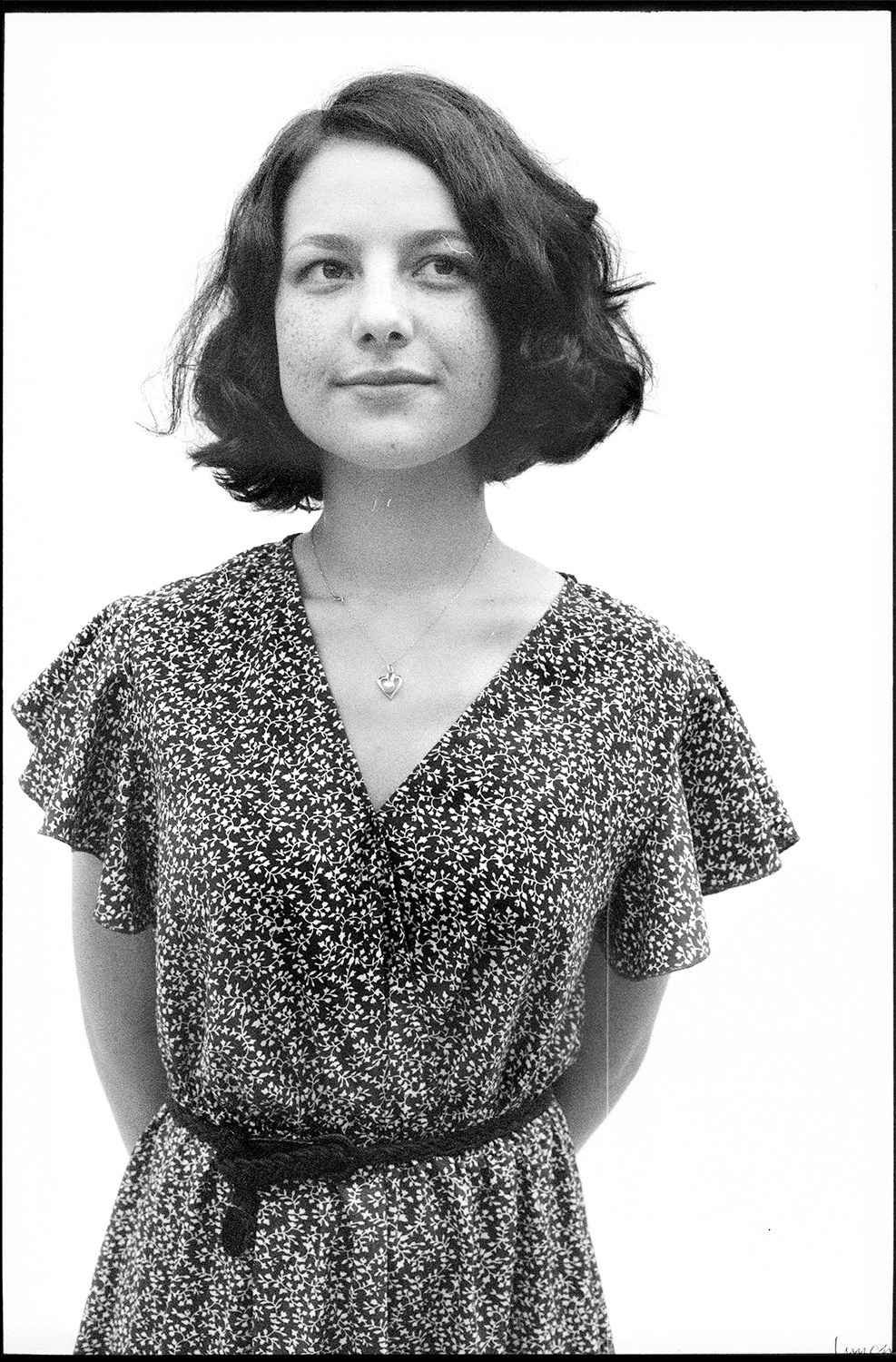
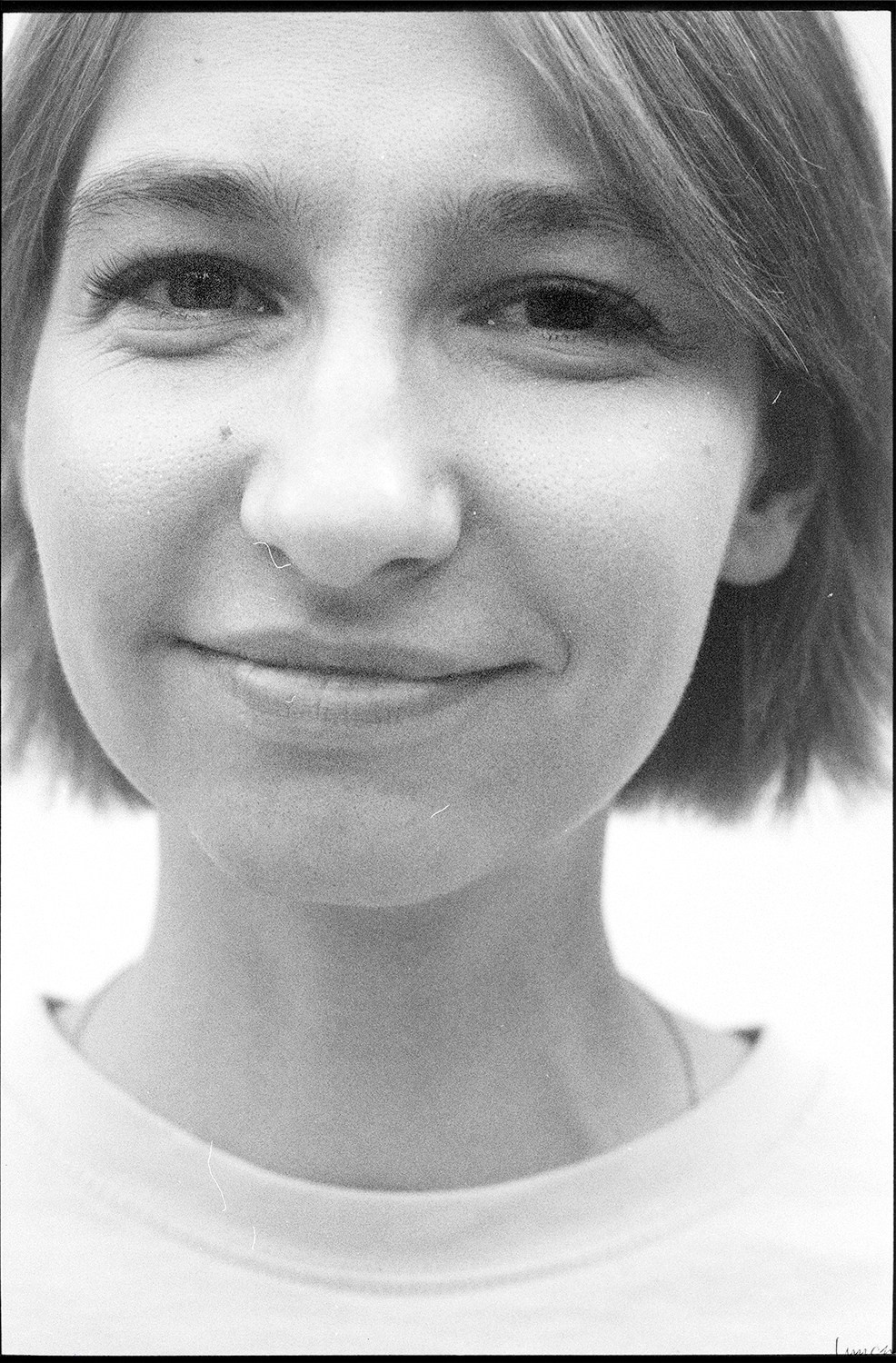
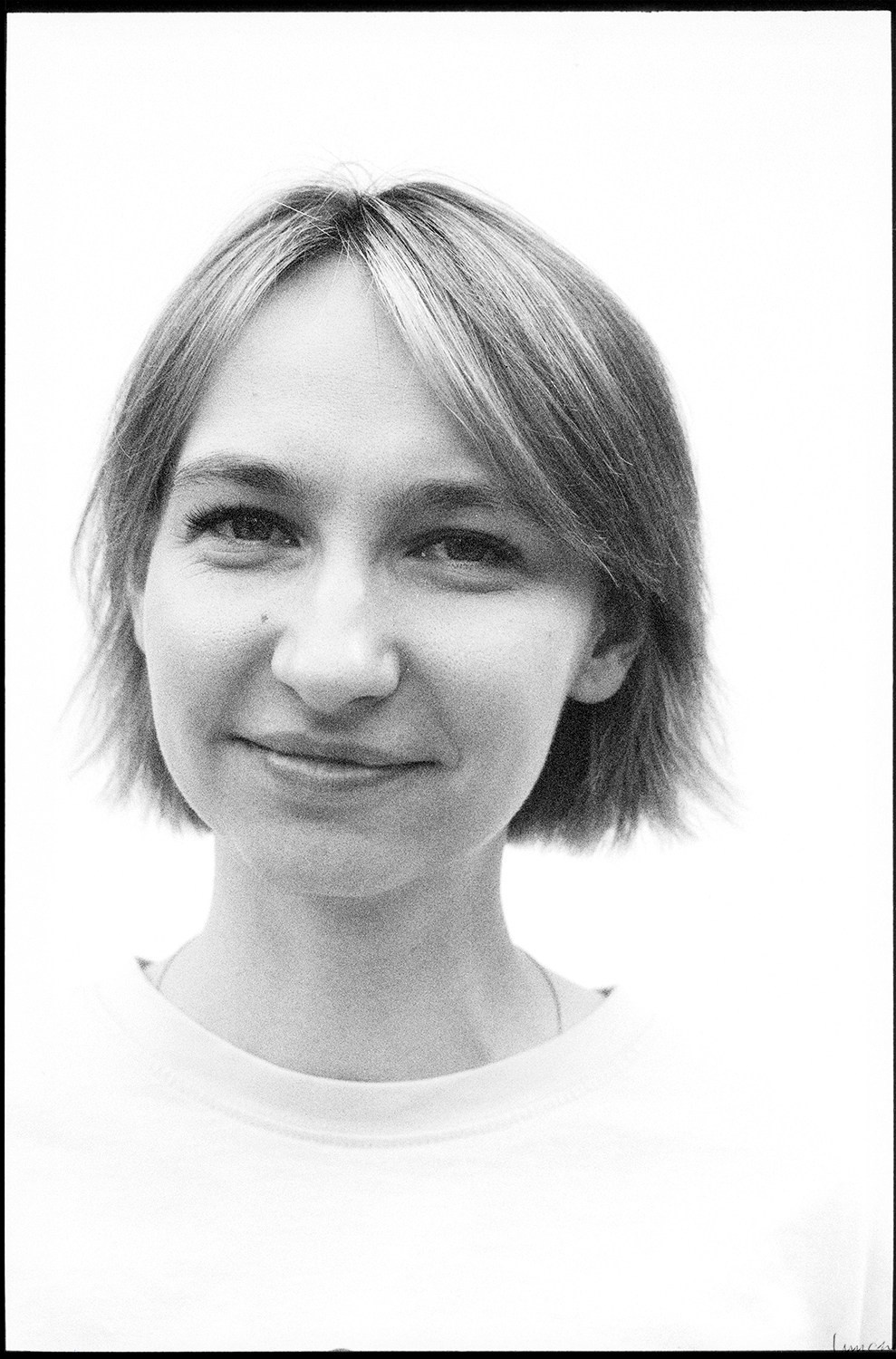
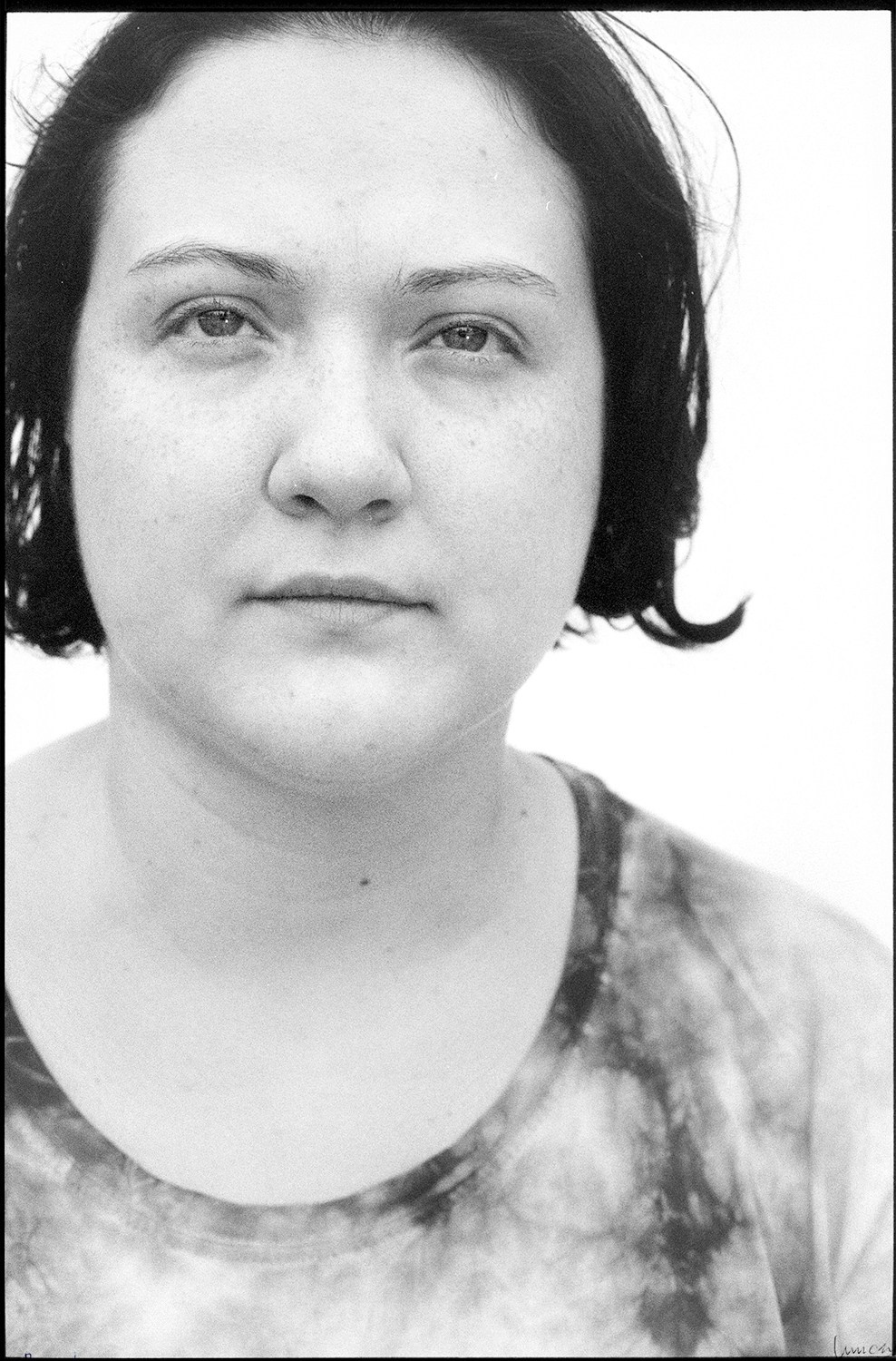
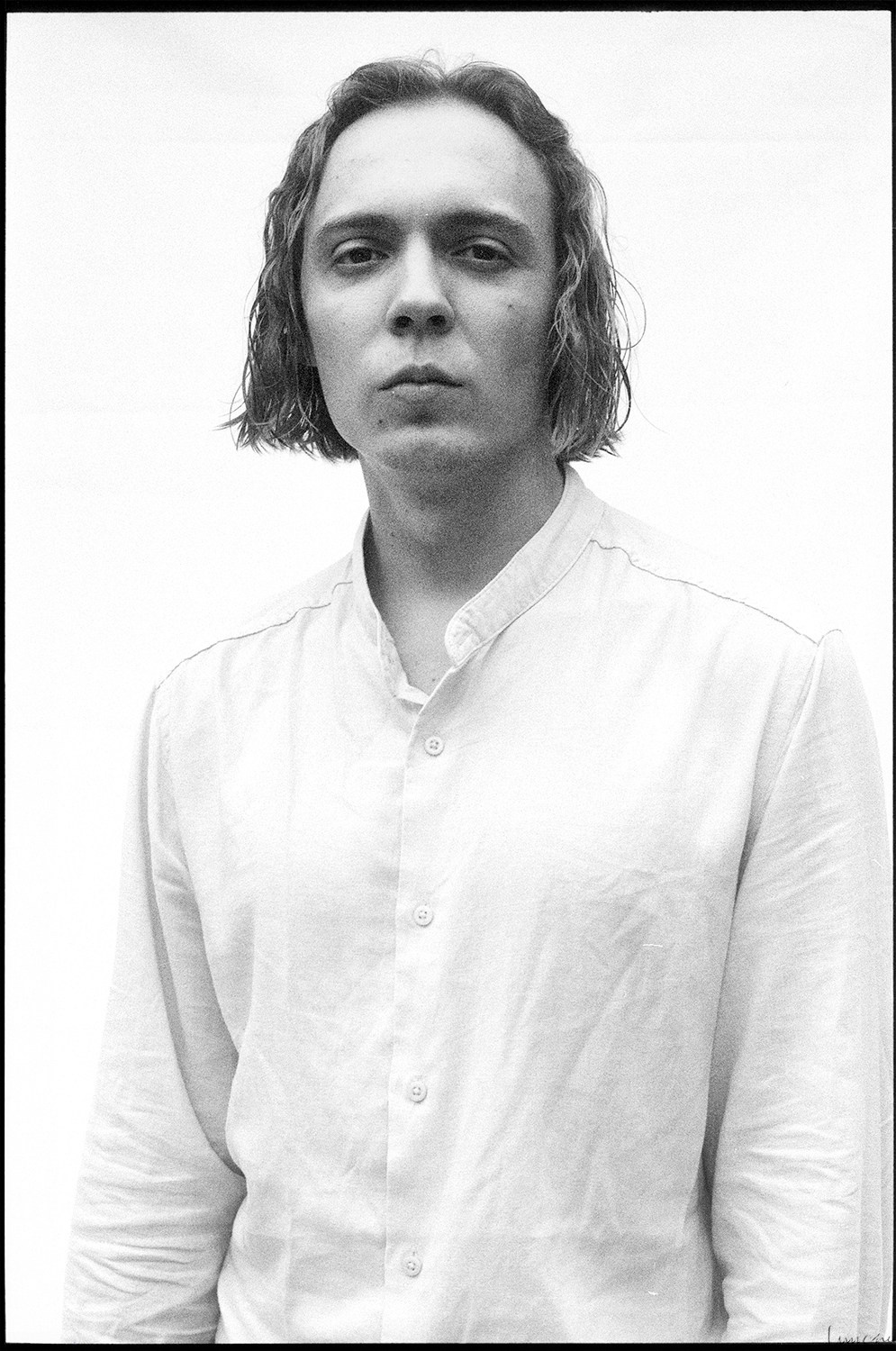
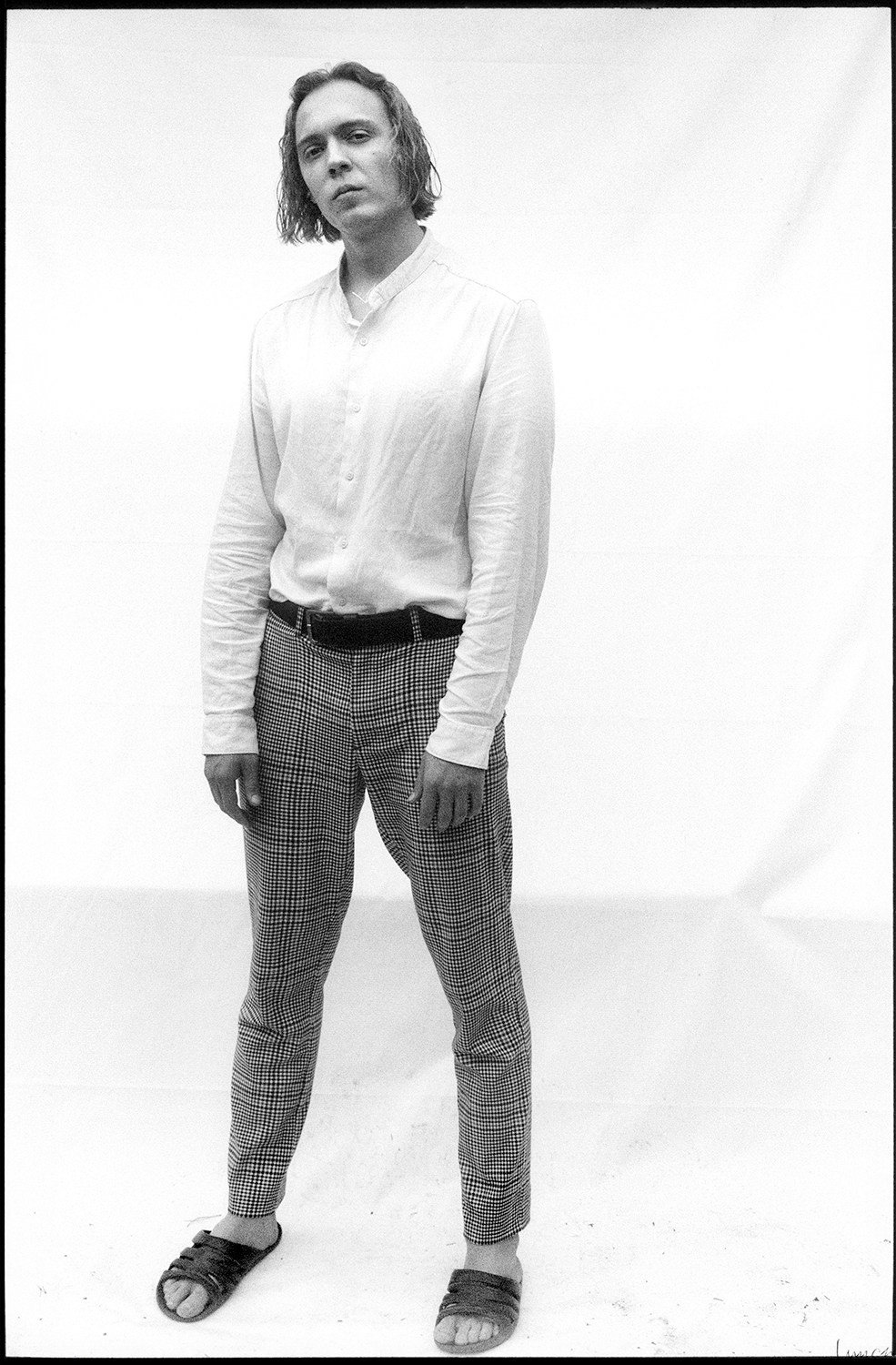
«Luncheon on the Grass»
Le déjeuner sur l'herbe.
The Luncheon on the Grass.
Das Frühstück im Grünen.
Like bathing in the impending eternity.
Like bathing in the impending eternity, is it?
Likewise.
Luncheon on the Grass — what does it mean to the questioning biologist, to the physicist, to the artist? To the philosopher, luncheon on the grass means: on the very skin of the earth, a special skin, always in ASMR state of mind, always the goose-flesh of the earth, in the permanently agitated world-sensing surface of the tufts of grass, the Deleuzian epistemological surface, for the all-sentient and all-permeating Gaea, seemingly so close, but at the same time incomprehensible like Platonic idea, this is tangency and involvemet contact with something huge and extraordinarily complex, but so familiar and so clear and simple since childhood. Luncheon on the Grass is a breakfast in the always unique Umwelt of Jakob von Ixküll, in the domain, house and Eikos of Demeter, in the realm and world of Gaea — it is always luncheon ‘into the’, or ‘with the’ grass.
Gaea, has been seeing that very luncheon on the grass, which became a turning point, was becaming a turning point for thousands of years, while man, already being a plaything (homo ludens), became upright, and looking into the morning distance, epistemologically wondering «where the stars have gone», and the whole «parallel» world that he saw in his dreams, ontogenetically accumulating and phylogenetically consolidating knowledge, and mixing learning and teaching, acquiring by touch the intelligence (sapienceness), luncheon — it is always about horizons and probabilities, it is a kind of multiversal point of origin, the origin of doubts and questions, each time repeated and each day different, the origin of the author, the origin and womb of meaning, the origin of statement and unfolding meaning, it is the chronic point of the beginning of the planetary day, and the achronic point of awakening questioning, it is always both a metaphorical and metaphysical point of transition and a daily universal and particularized habitual ritual or cyclical rite of passage, thus I think that luncheon not vital element in culture but vital element of culture. For thousands of years, philosophers have been asking what is man, what is the world, what is the contact and contiguousness between man and the world, where and how do these boundaries lie. The boundaries of body, world, nature, culture, the boundaries between uniqueness and universality, order (κόσμος), chaos, Joycean chaosmos as a non-equilibrium system, sum of chaos and cosmos, comprehensibility and incomprehensibility, intelligibleness and intelligiblelessness, consciousness and body, inner and outer, meriological, phenomenological, systemic boundaries of the part and the whole, or what in general is the mode and telos of the givenness of all of the above. «Luncheon on the Grass» as an amazing geometric, topological, chronic amalgam, or a kind of superheterotypical chiasmus of irreconcilable systems of metrics and dimensions: luncheon on the grass is space as an experience of space, it is local action as an experience of action, a semiotic event, a sign of culture, a duration and at the same time, very much for each person a special point, a place and trace of daily transfiguration and at the same time every time renewed and at the same time unchanged beginning, as very different experiences.
Bathing in the eternity of the day, bathing in the very possibility and omnipotence, bathing in the achievements of culture and civilization, but it is also always bathing in the always-naked world of Gaea, for we are all a little Hellenic. «Who are we?», «Where are we from?» and «Where are we going?» (D'où venons nous? Que sommes nous? Où allons nous ?) As morning questions, as morning ab ovo posed questions, as the painting by Paul Gauguin states, or to be more precise, asks (D'où venons nous? Que sommes nous? Où allons nous ?) a painting by Paul Gauguin, a painting that he called the main masterwork (chef d'oeuvre) of his entire demiurgic life, and having painted it, he committed suicide but survived — what is the breakfast on the grass of the Tahitians, or of the people inhabiting the Fiji Islands, in the paintings of Edouard Manet, Claude Monet, and what is the breakfast of the icons of structuralism in Maurice Henry's caricature (Maurice Henry, La Quizaine Litterature, July 1, 1967), what was the last luncheon of Plato, Jean-Paul Marat, Janusz Korczak, Pier Paolo Pasolini, and what will be my or you’re the very last luncheon? For the philosopher there are no simple questions, for art all questions are insignificant compared to the infinite difficulty, uniquely disembodied in fabric and flesh, and embodied in the code of the work of holistic and harmoniously realized answer, omni-answer, the answer to all questions at once, and moreover the answer, each time coming from the very beginning, from the very first question.
Peter A. Koren’, Philosophy workshop, «Summer School» 2023
Stories. Shors. Fuzz


