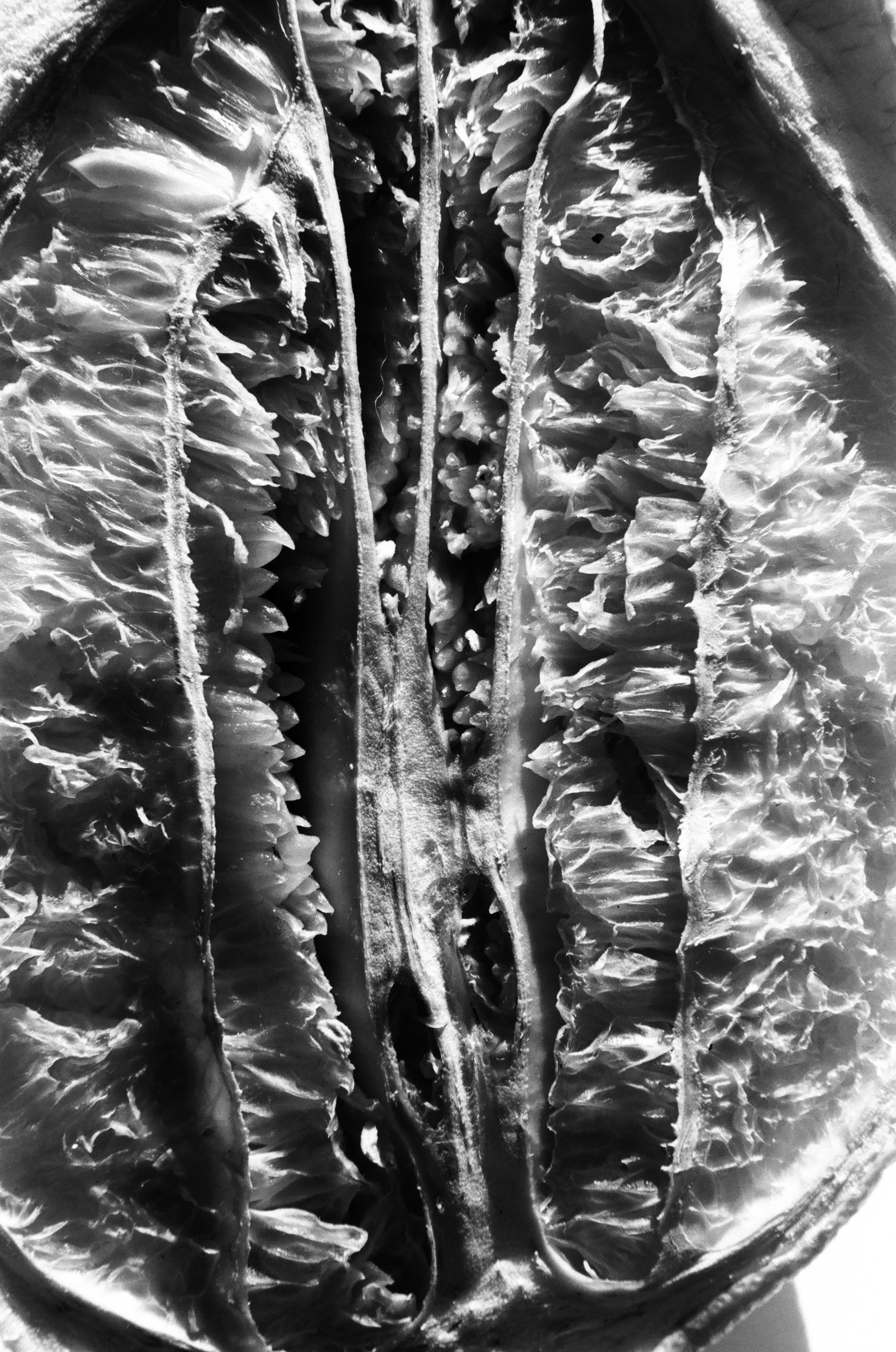
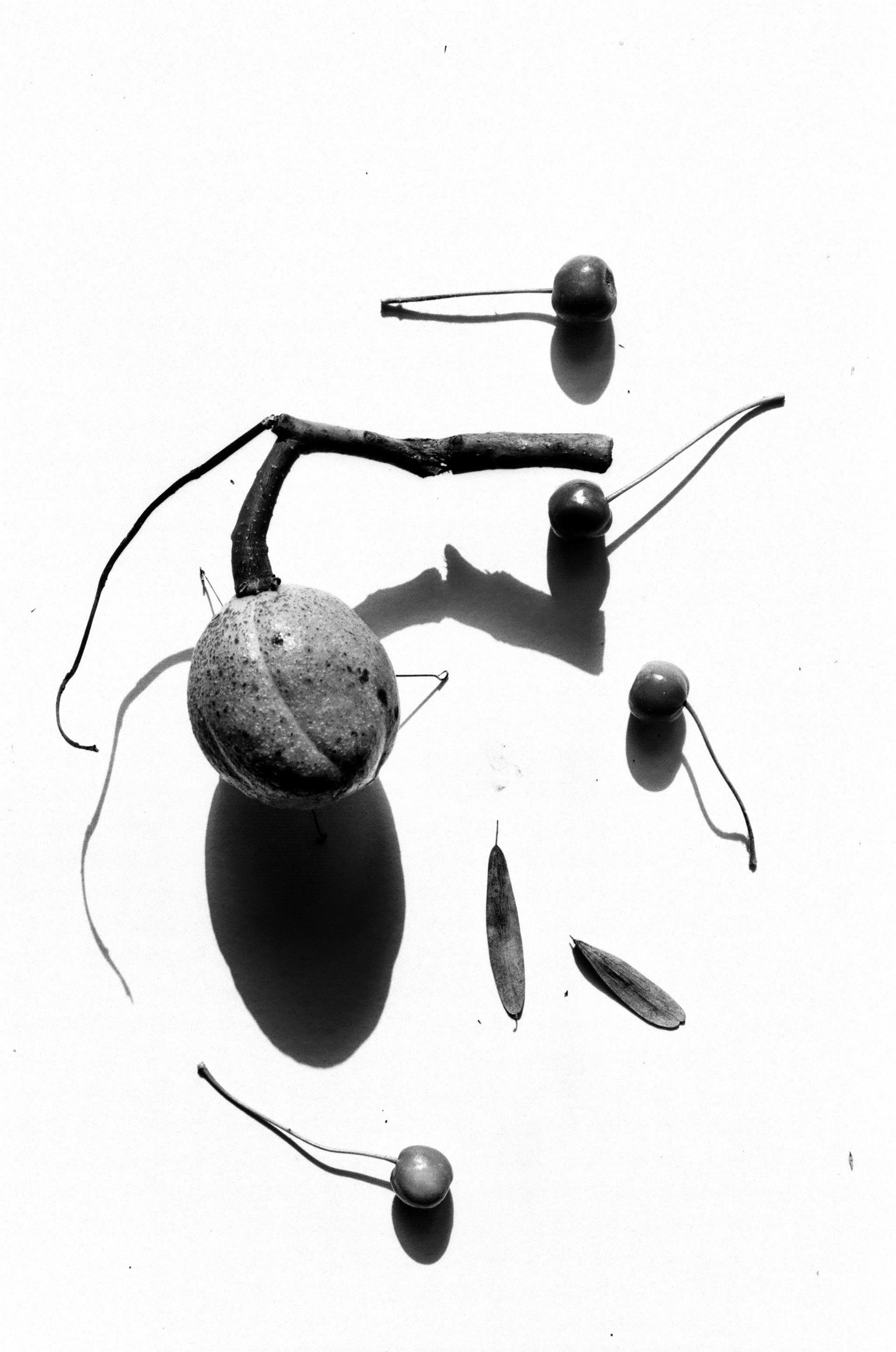
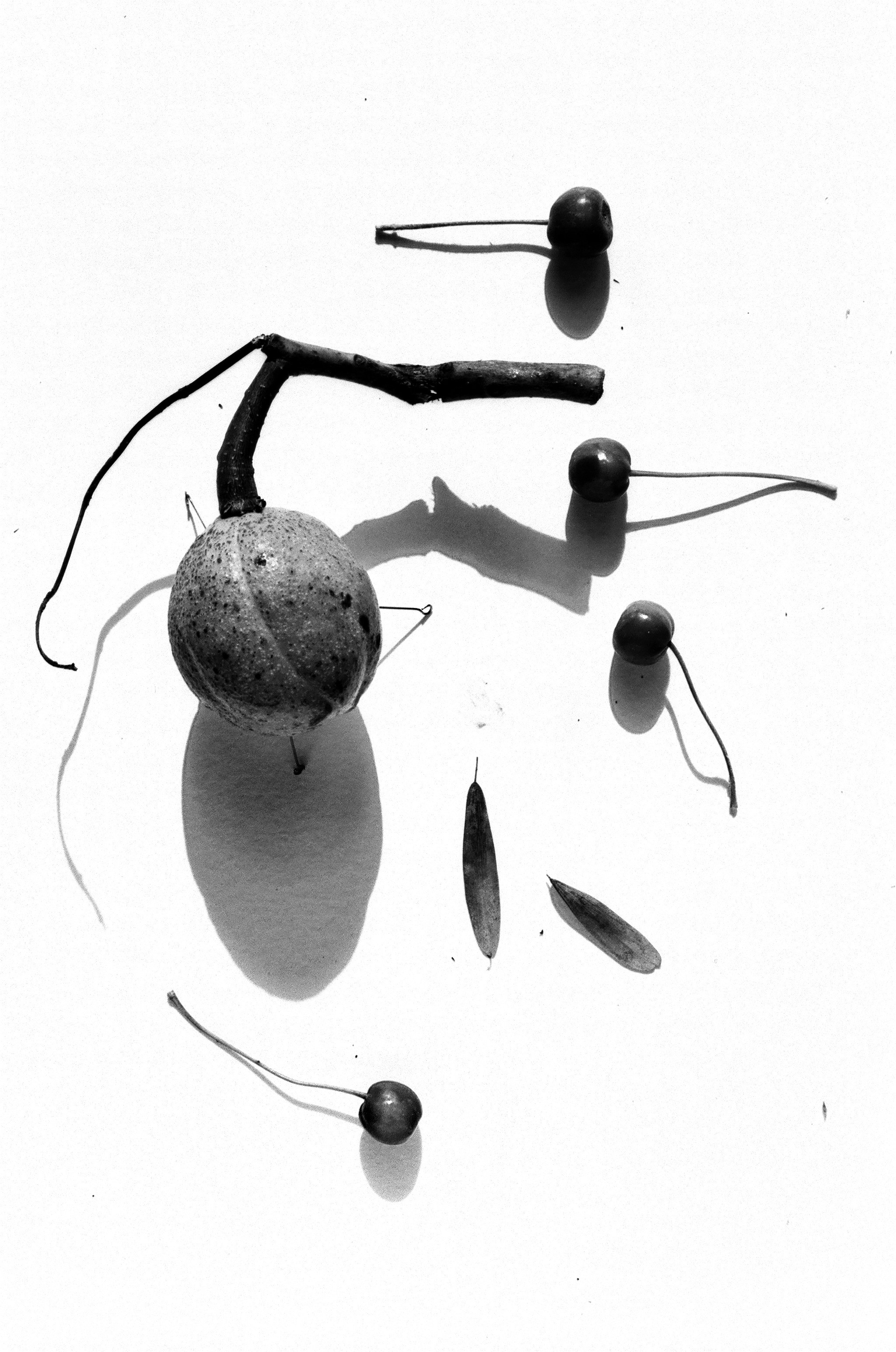
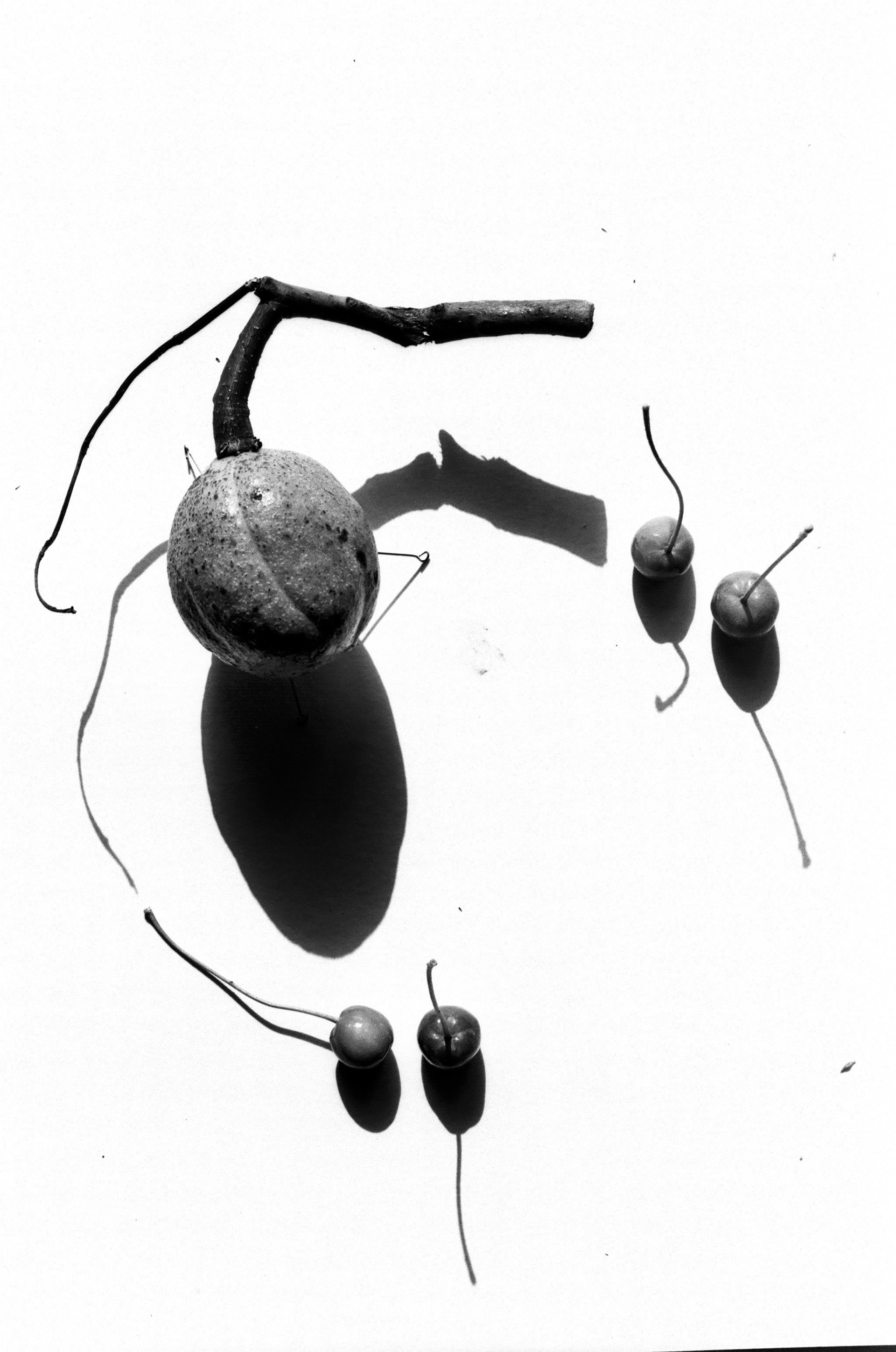
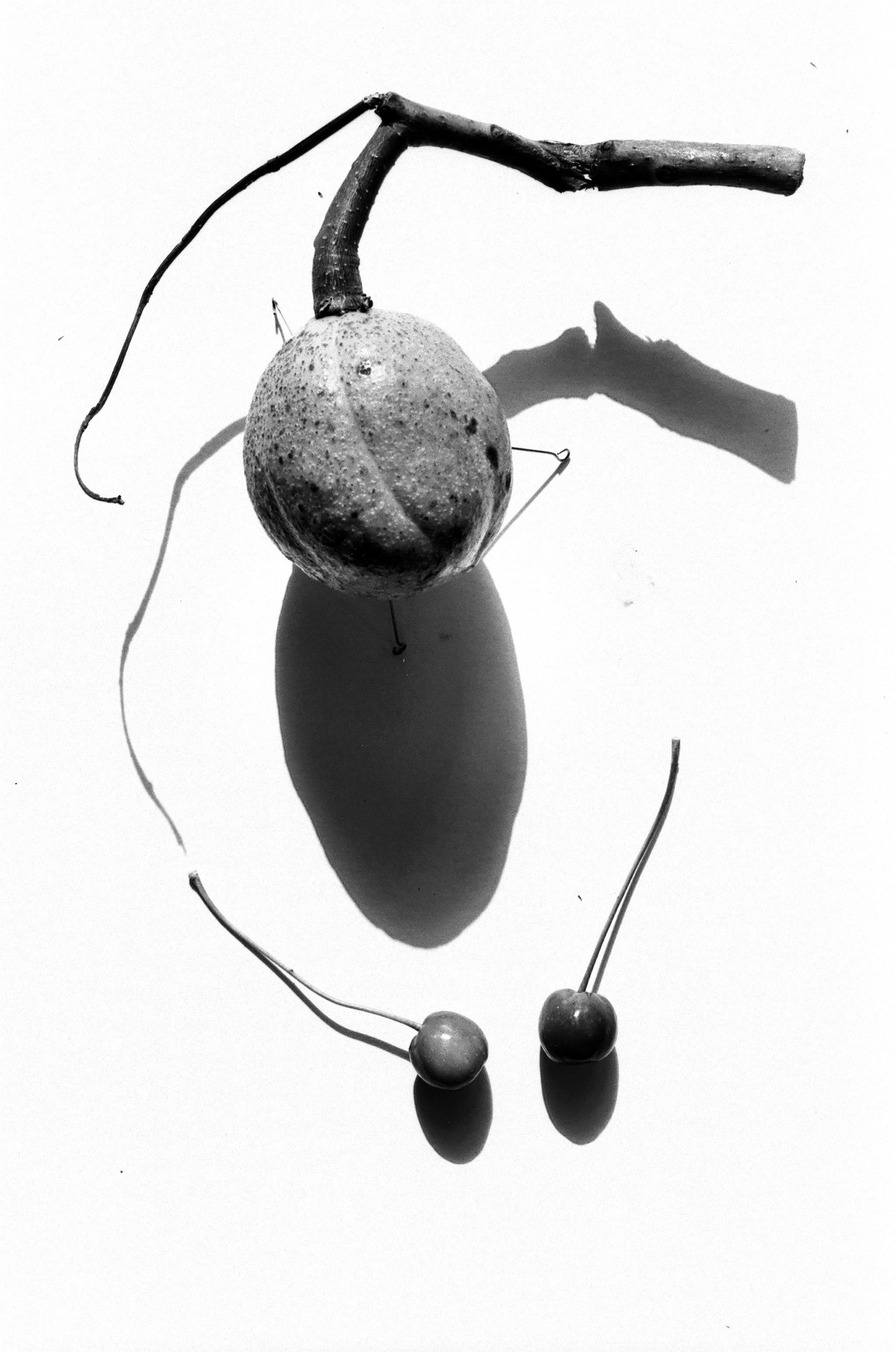
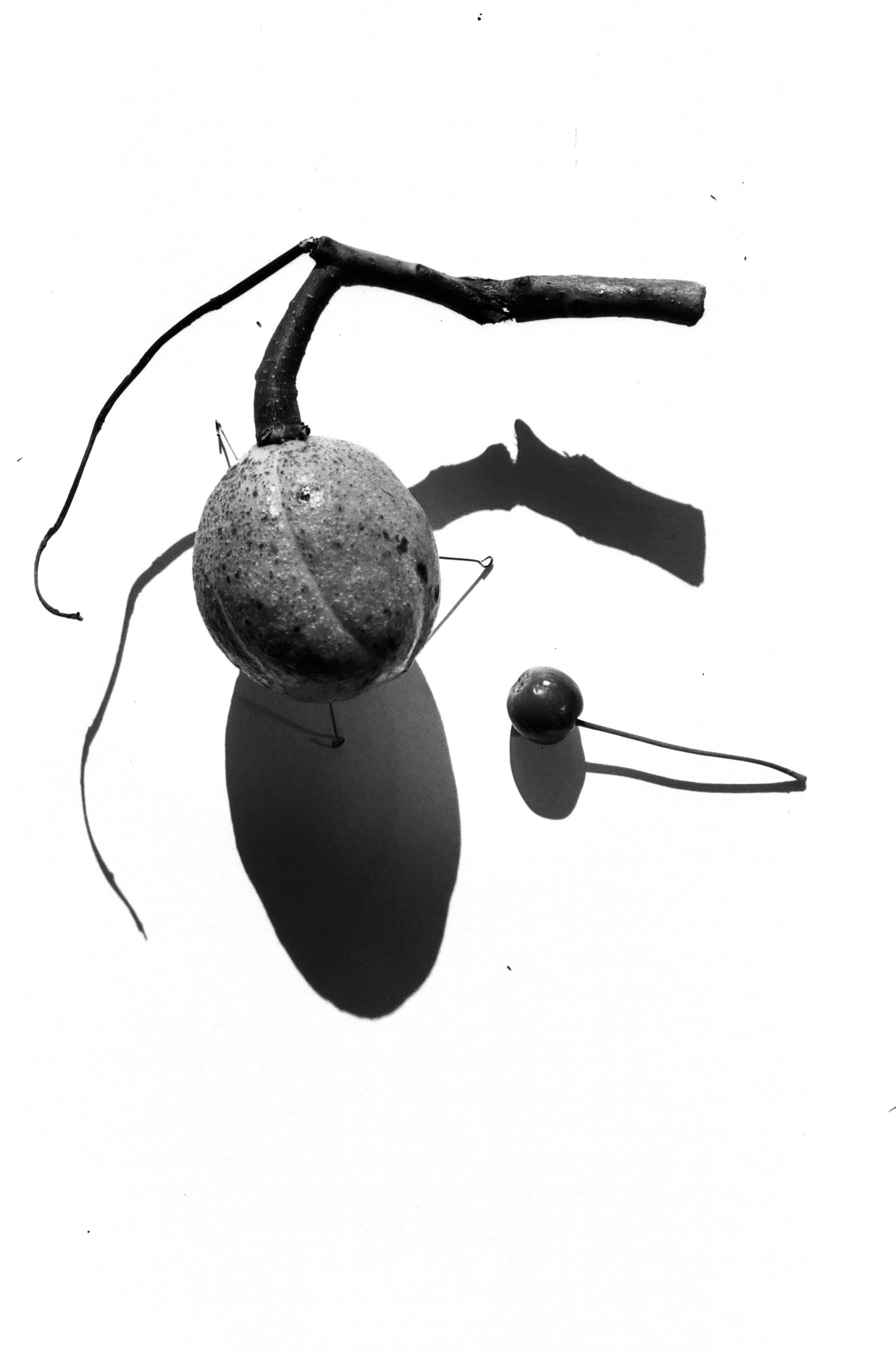
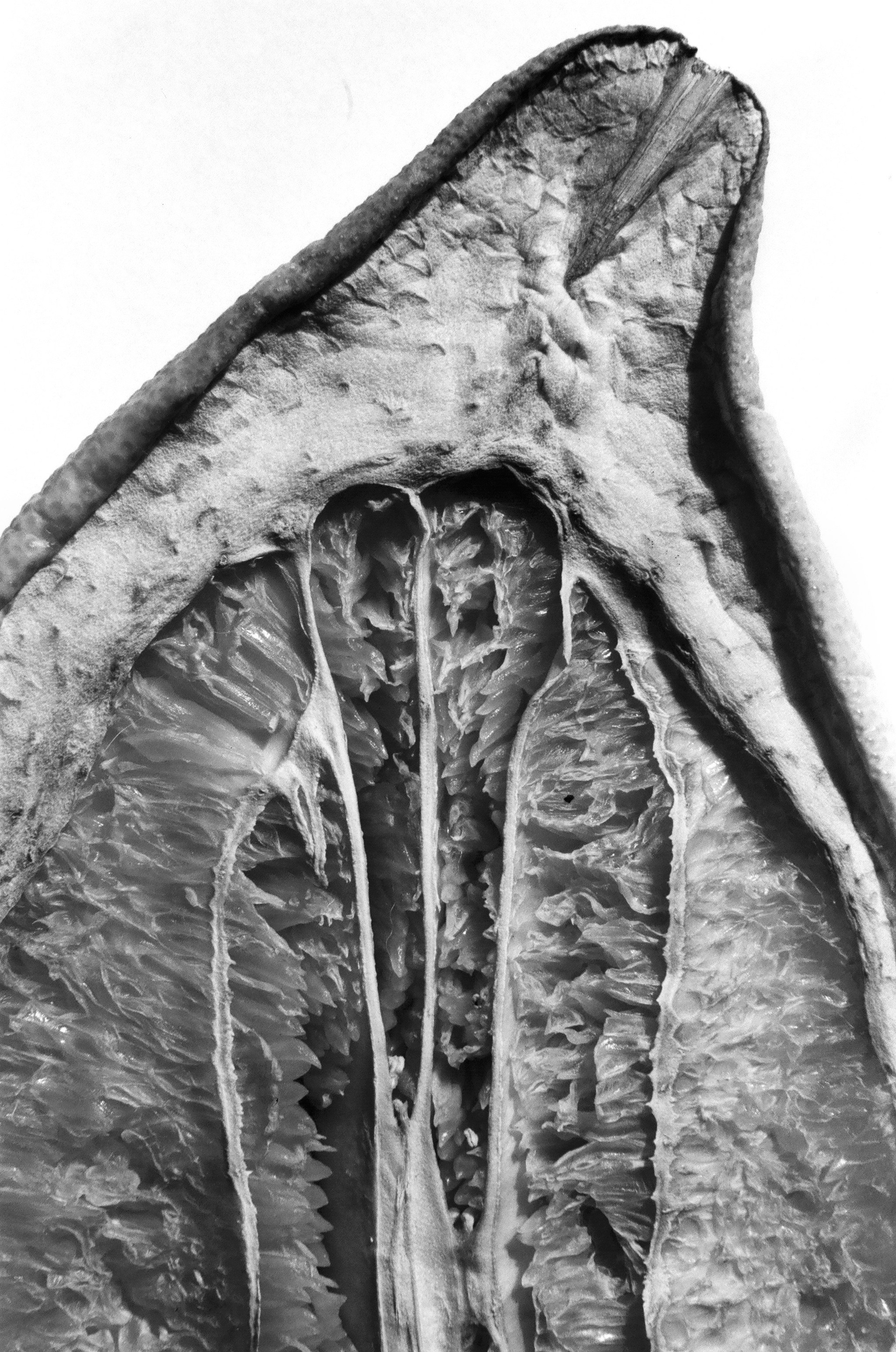
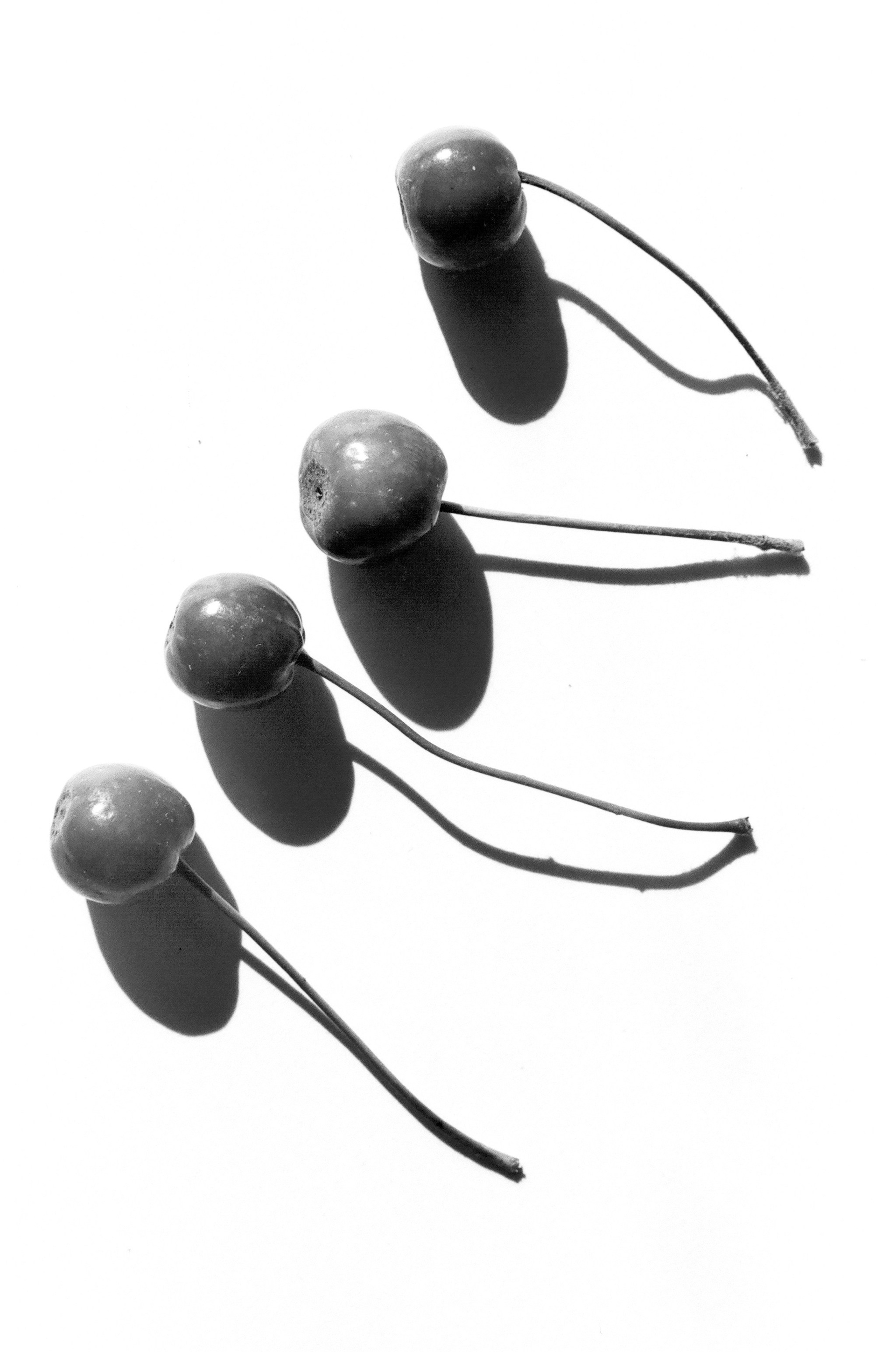
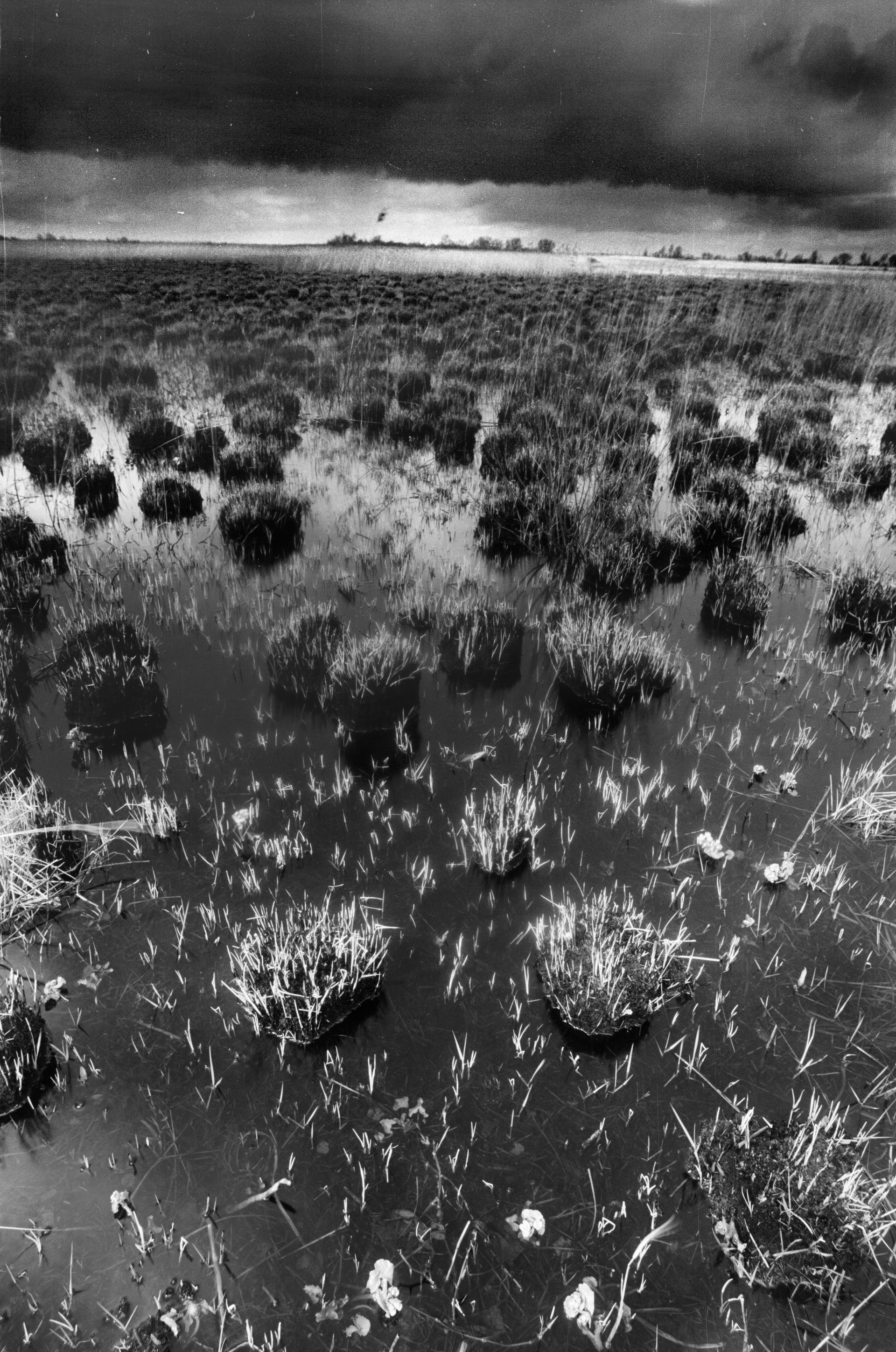
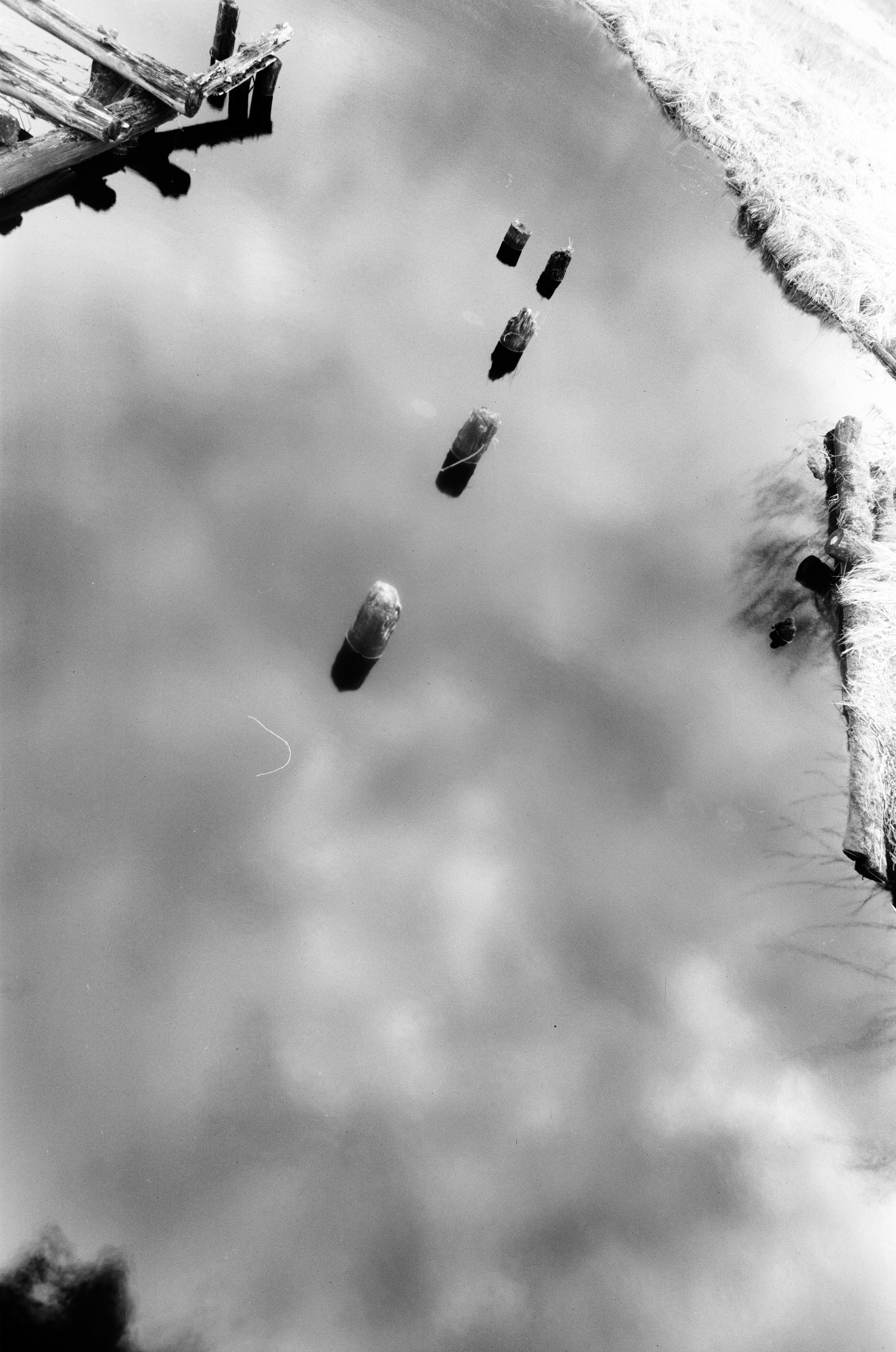
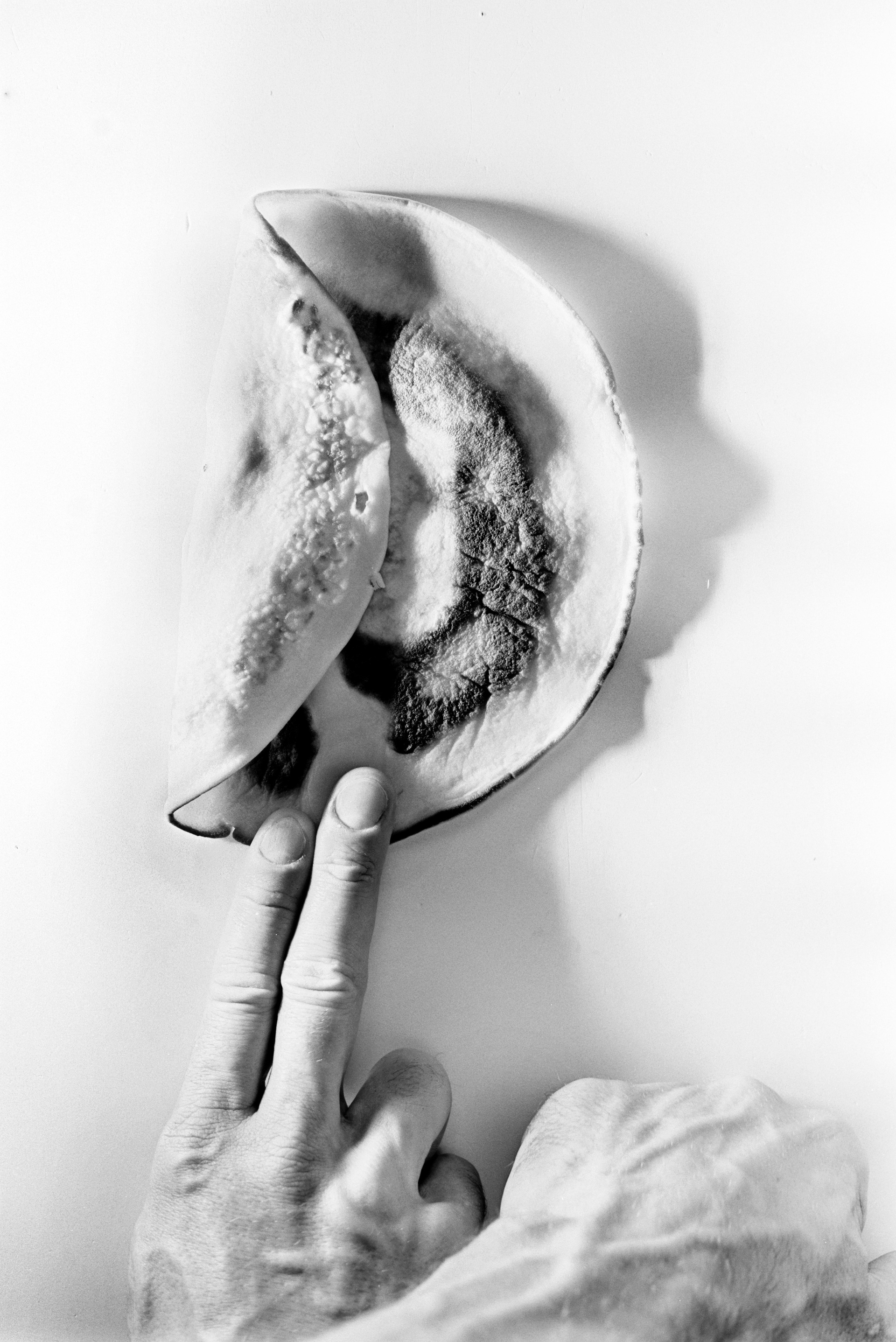
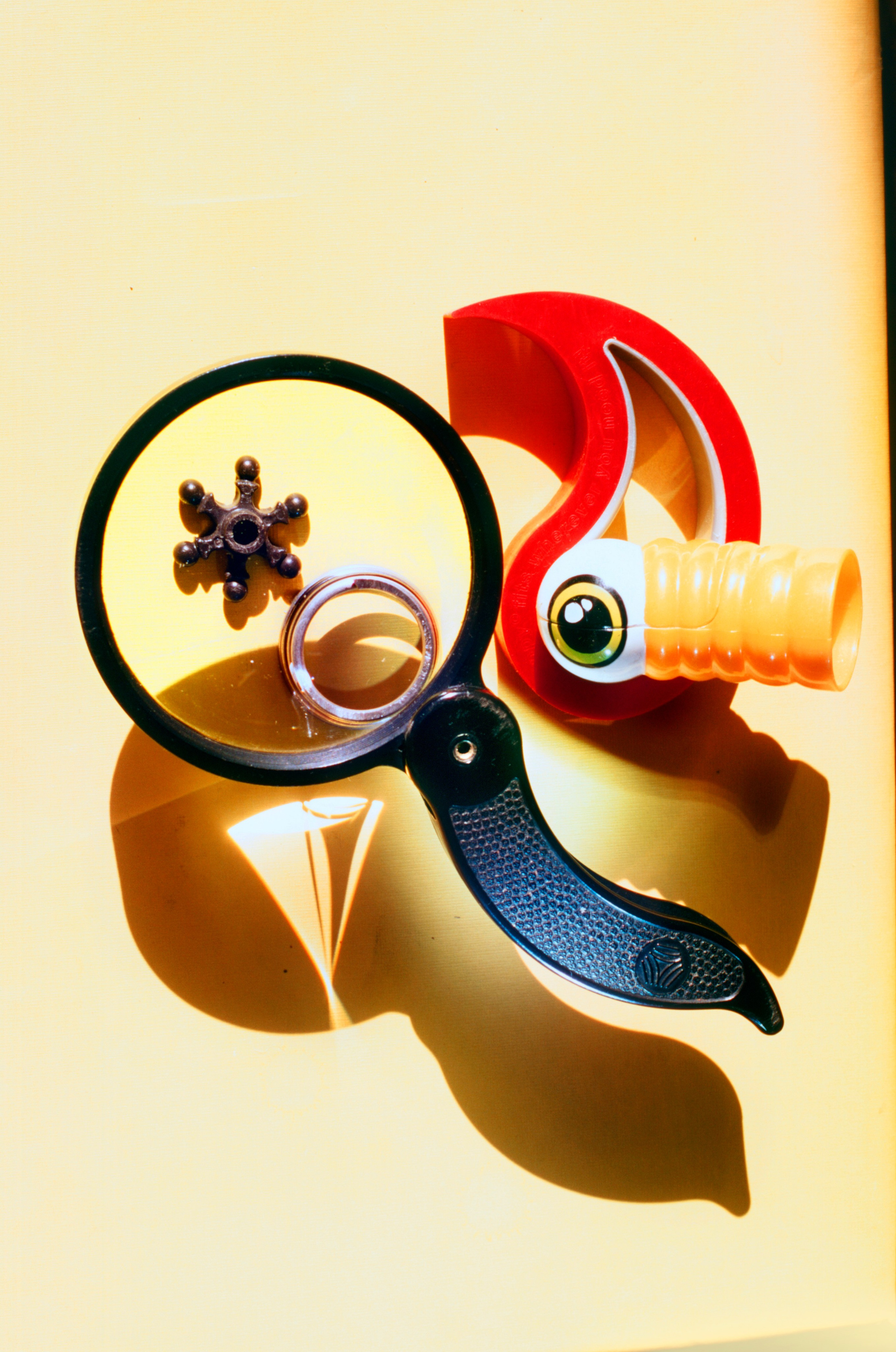
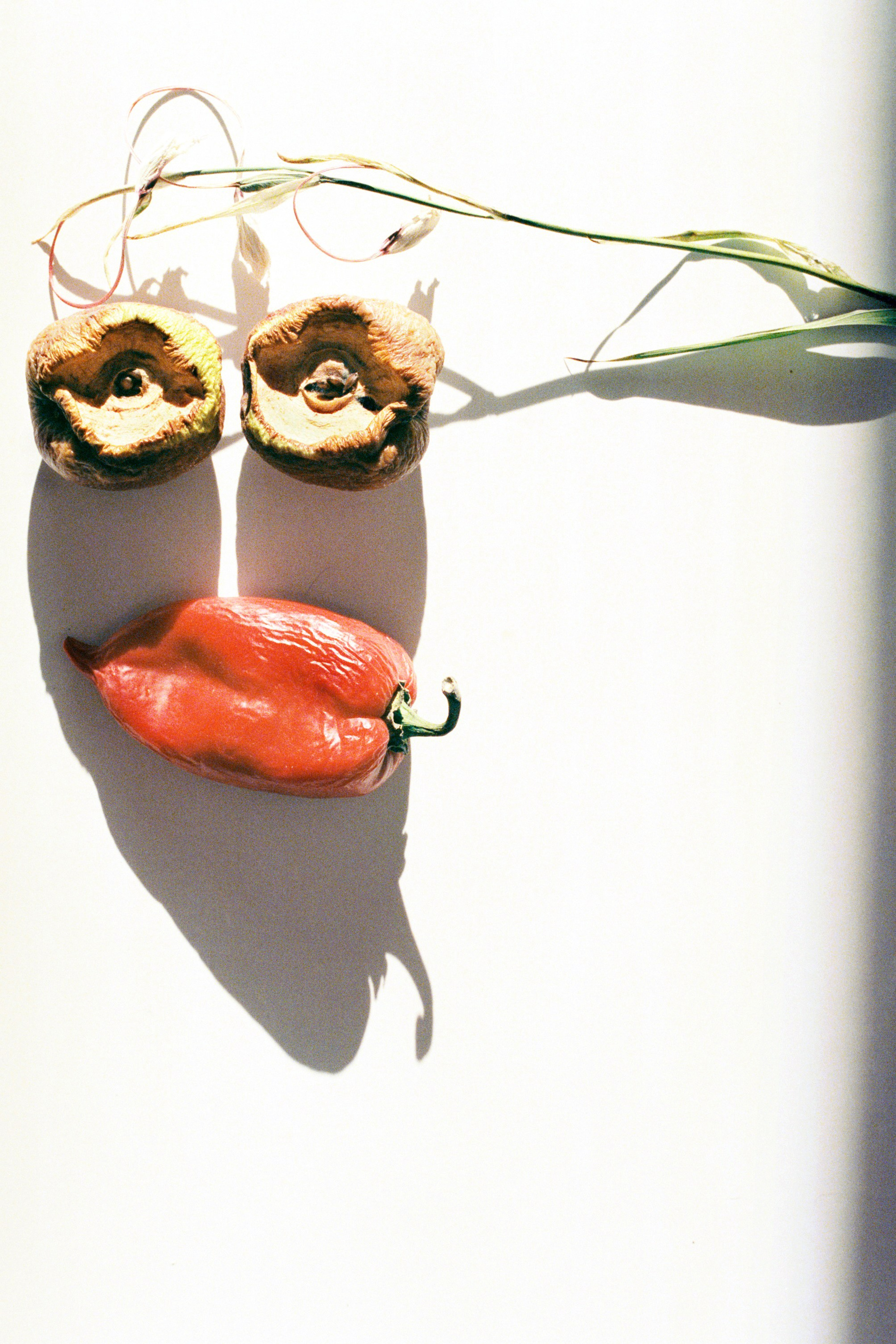
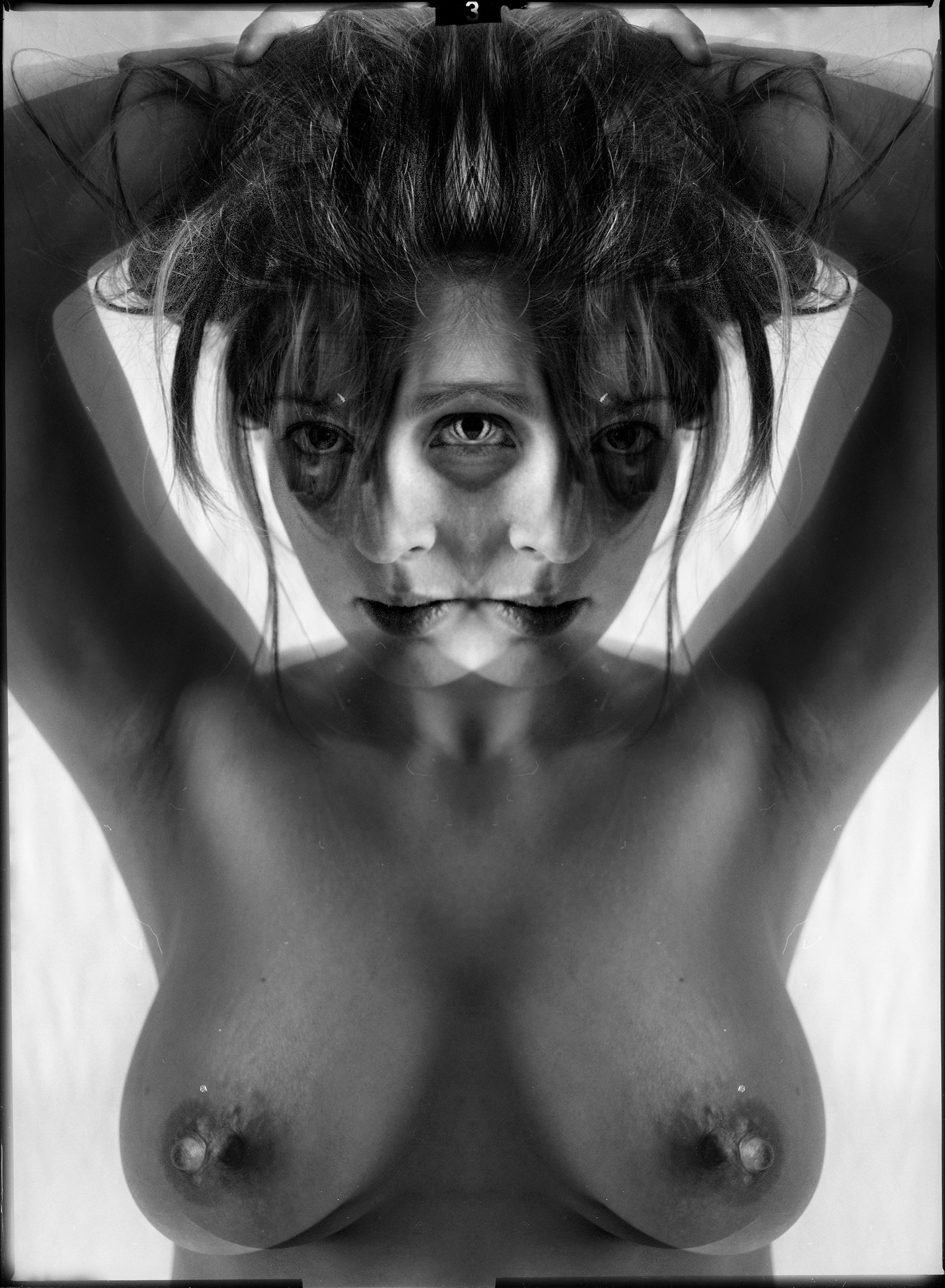
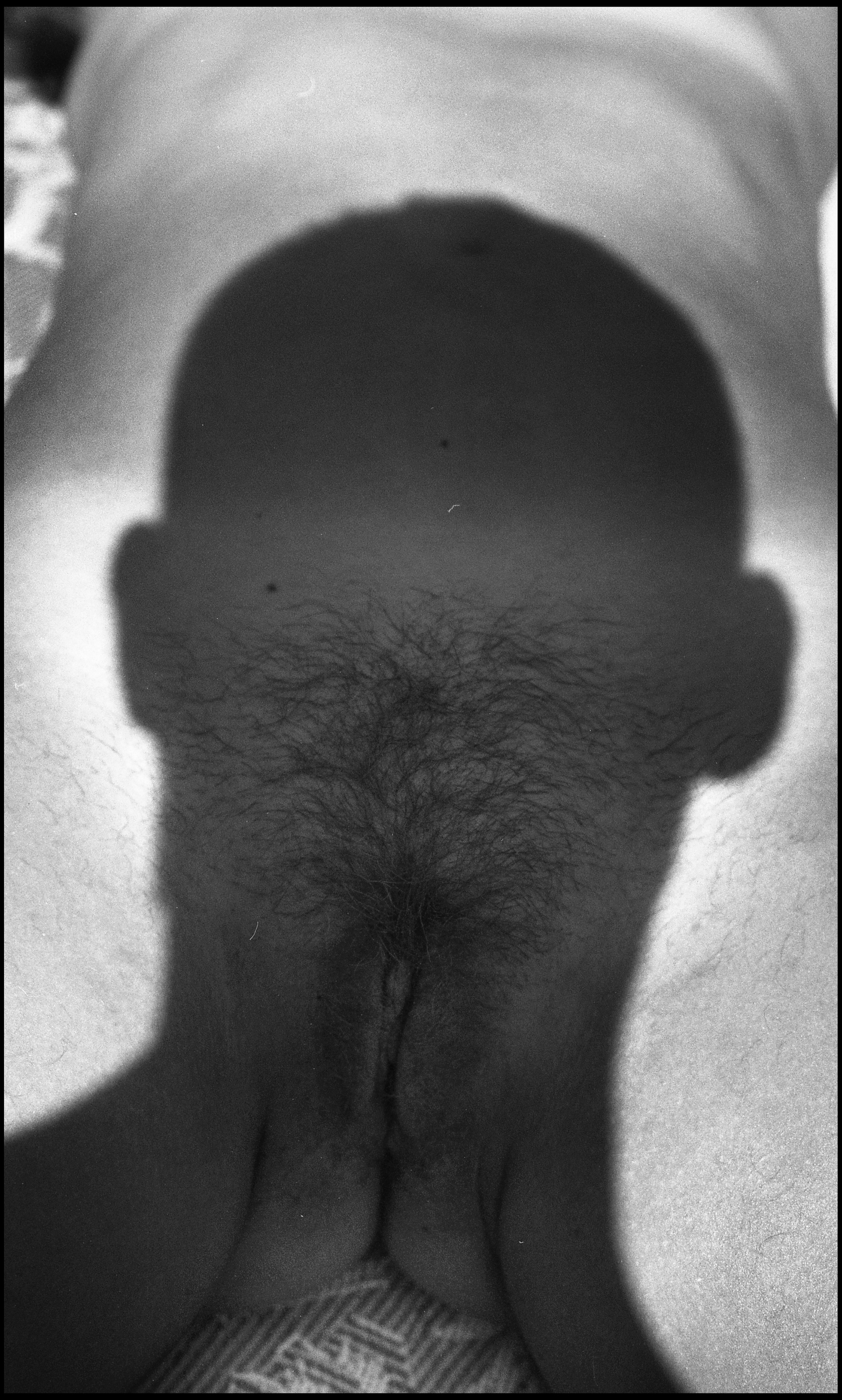
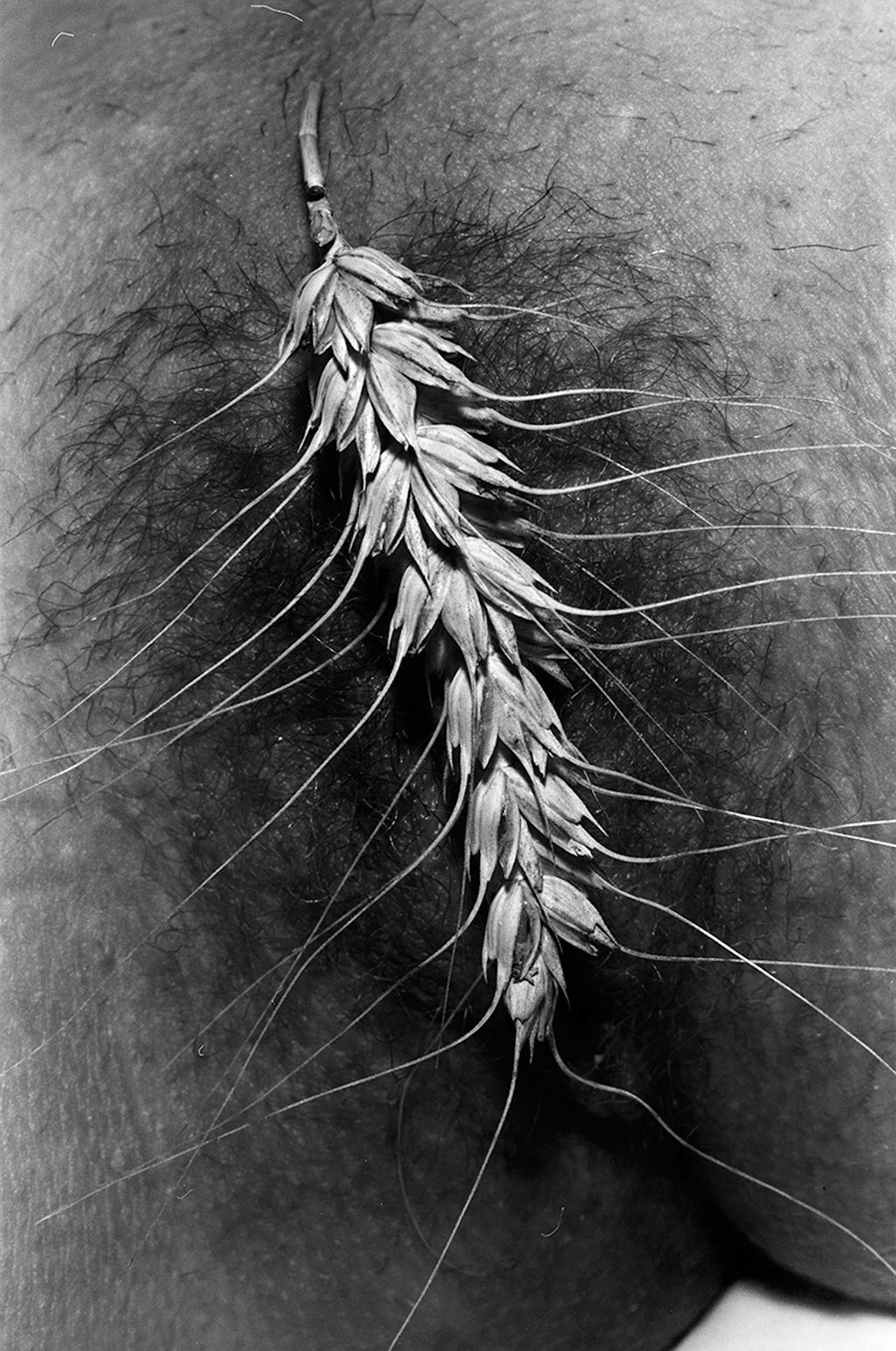
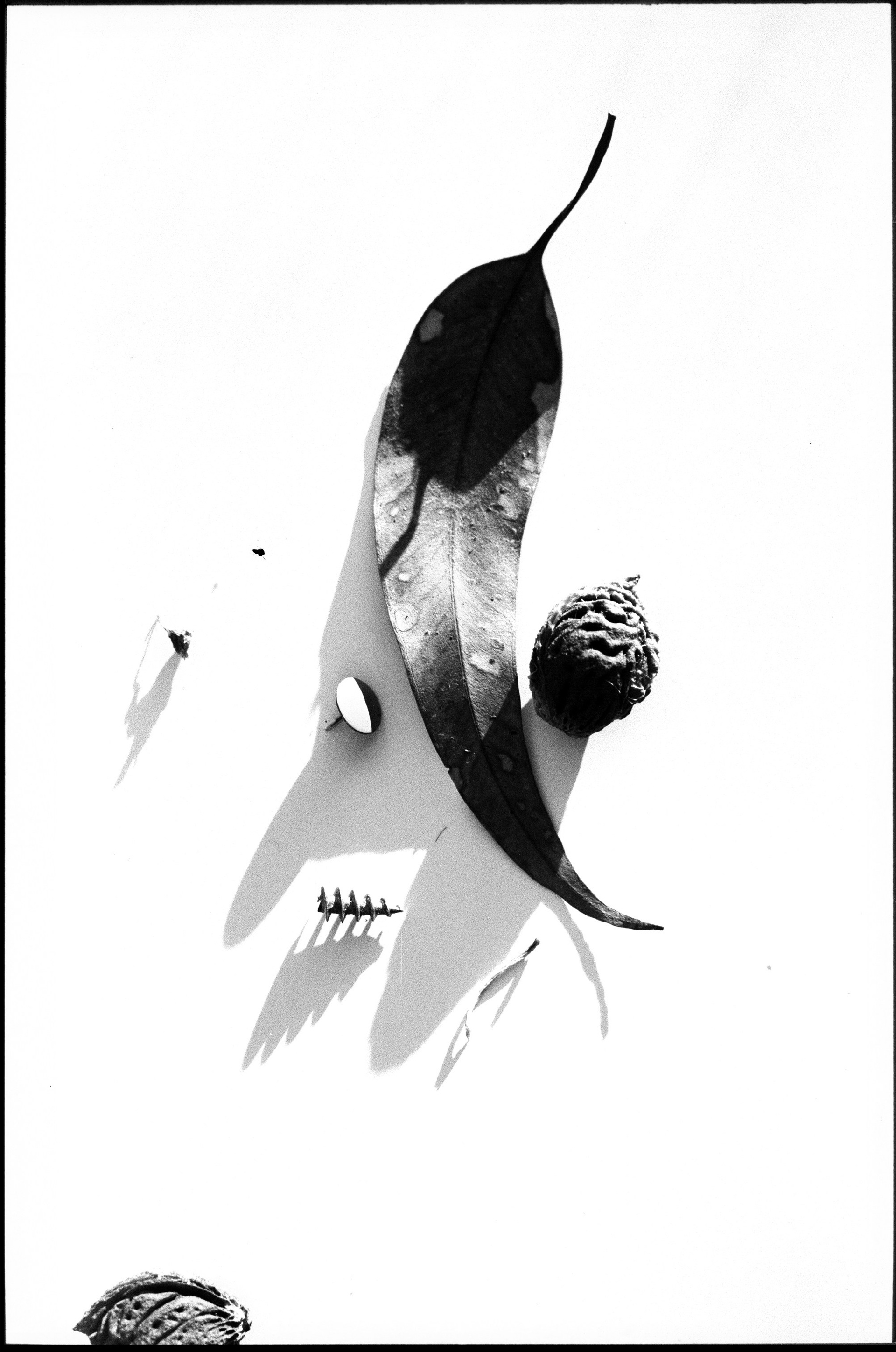
SHADOW
Shadow is Triviality. Teratology. Transfiguration and travesty. Something trojan
There is no acronym, just a soft, quiet, drawn-out, yet utterly inevitable ‘s-s-sh-sh’ of the should and a naïve, childlike O’, or horrendous O in “O, he didn’t know” said by Kevin Spacey. The masculine spelling of ‘shadow’? Any idea?
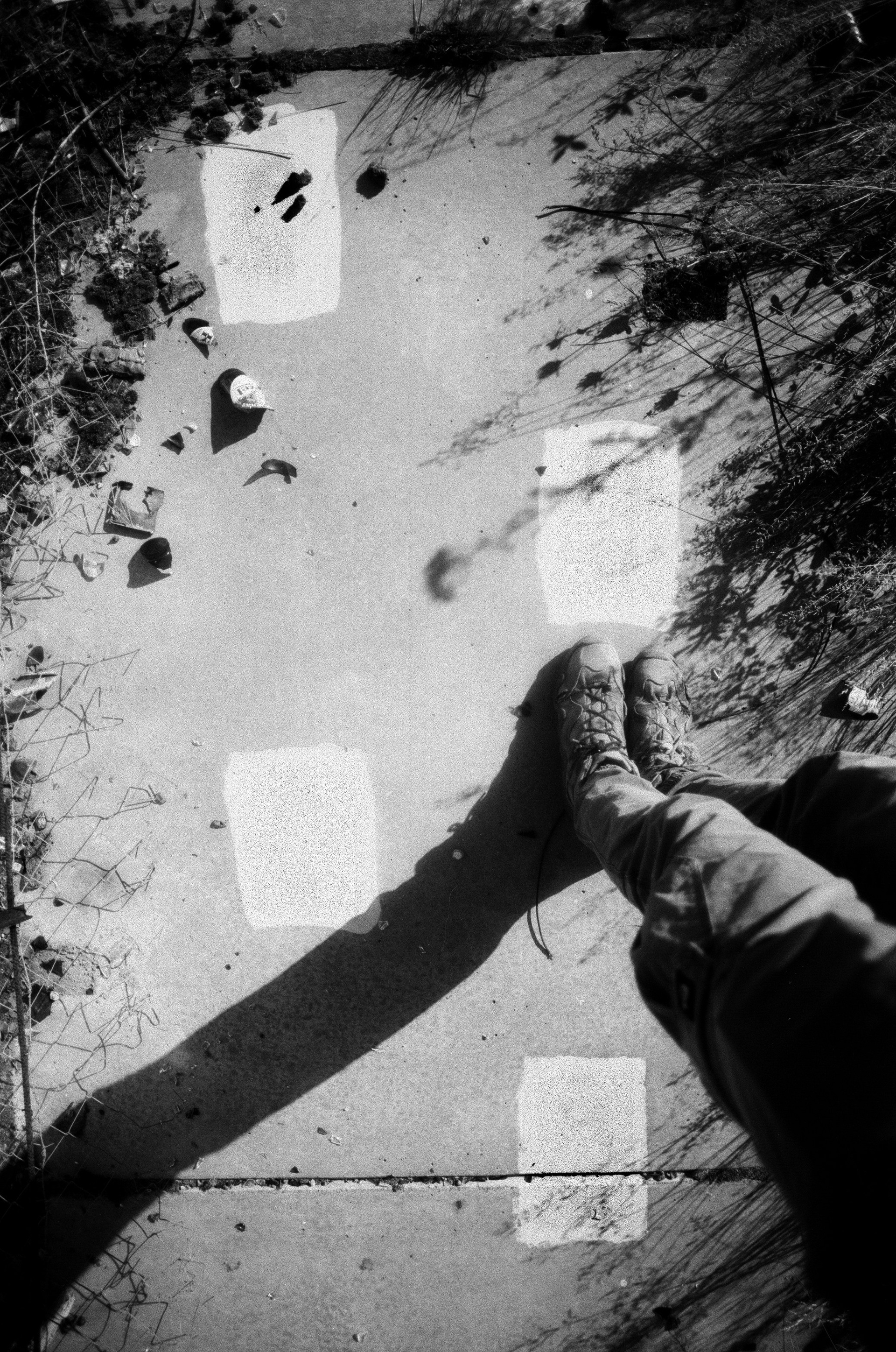
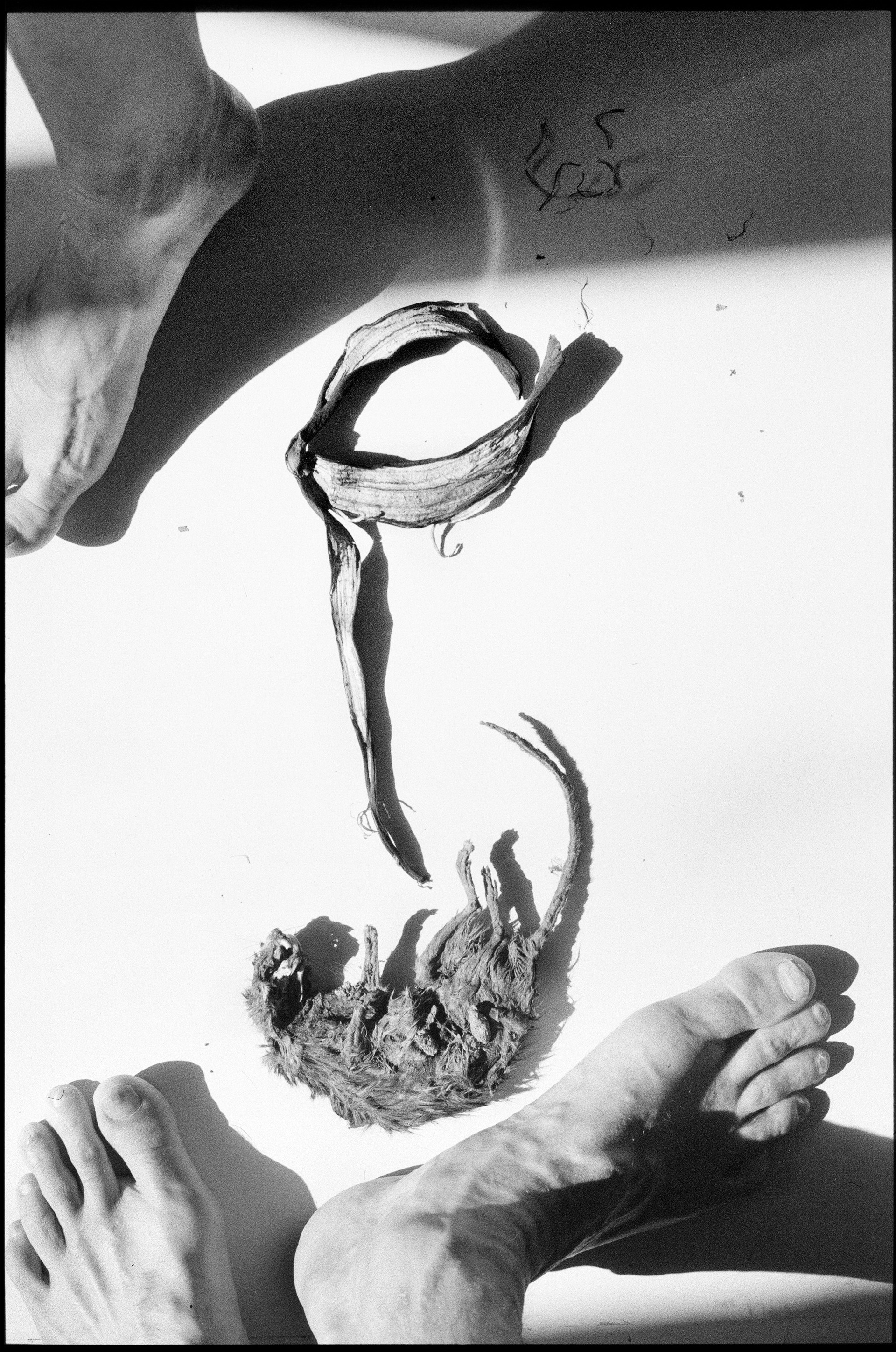
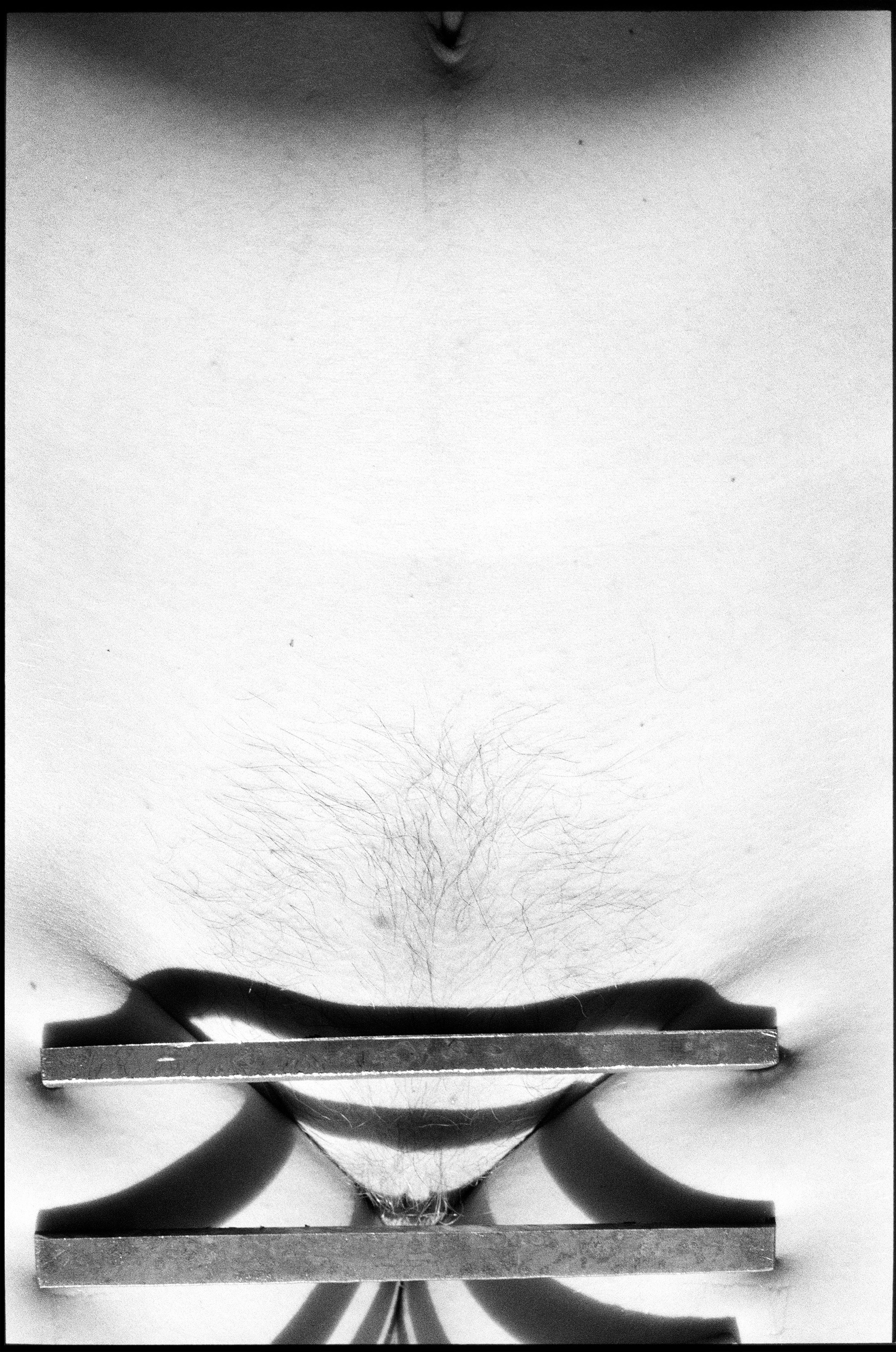
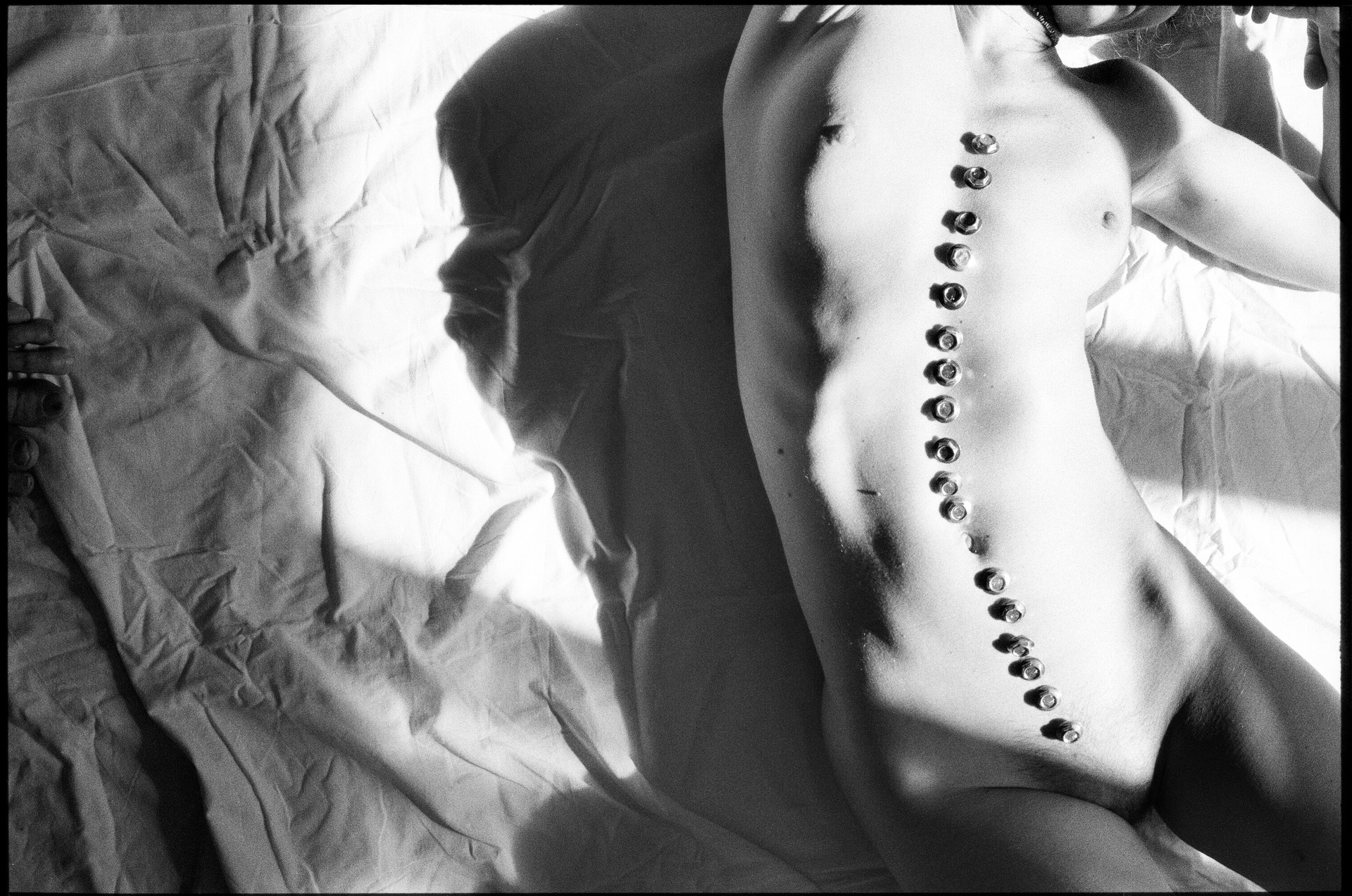
What is a shadow? Something very trivial, very familiar; there is nothing more familiar or trivial than a shadow—save for your own presence within yourself, or the existence of the letters of the alphabet, of words, and of all of us listed here, skipping rope through days, weeks, months, and years. But turn the question on its head, back toward the lines behind, toward what is called trivial—and it turns out that there is nothing more complex for the humanities than the concept of presence, upon which, at the very least, the whole of classical metaphysics was built. There is nothing more complex than yourself, nothing more unknown than yourself, wandering, both close and infinitely distant from the gaze, from the eye, from contact and analysis. You cannot verifiably reach yourself as another; contact with yourself, just as with a shadow, is impossible. This is the eternal, most “other” Other—the most “other” Other—irrevocably and inseparably the closest, of the highest complexity, shifting its contours with every movement, particularly upon encounter, upon drawing near, and dissolving into infinity, into triviality, like a demoted servant, upon removal from it—be it of attention, the eye, intentionality, or sight.
A shadow is a remarkable figure of speech—and one of its remarkable properties is chance. Not the passive chance of a sign’s crystallisation, the sign of passive unpredictability forming on the surface of a pattern: from a scattered grain, from a broken necklace, from a living creature that has fallen from the tenth floor, expressively and stochastically spilling its life onto the surface in the graphism of its departure. That is a weak form of randomness, easily but exhaustingly described by a finite algorithm. There is, rather, a strong form of randomness, and it is this that the shadow is: a certain ontological principle of existential-geometric-metaphorical action, an actor, an object, a trickster—seizing total control from the artist, from the gaze, from the eye, from the subject and the sign, over the visible, over the known, over that which appears so precisely definable. A shadow is an intrinsically unpredictable two-dimensional transformation of an outwardly predictable three-dimensional form; a structure both separable and inseparable from its n-dimensional host, like skin, like a sexual fantasy. The shadow of a letter is simply—as trivial as it gets. The shadow of a word, and all the more so the shadow of a work, is an indefinable, non-linear jumble, magic, an array of third meanings, arcades beyond letters and beyond words, multiple, multidimensional propylaea of non-linear—more energetic than semiotic—signification; a receptacle and repository of imprints of autochthony, authorship, his hand (the poet’s, the seer’s, the pioneer’s, the genius’s), his handwriting, his voice, his intentionality, his incomprehensibility, and non-linear structures of extraordinary complexity. All that which makes the work of the author, the demiurge, the non-neurotypical individual—a work that is irreproducible and unique, emergent and enactive.
An eclipse is the
geometry of triviality and trivial geometry: the position of one body relative
to another body and a light source—as seen through the Apollonian eye. An eclipse
is the discovery of another, reciprocal, recursive
gaze-into-the-abyss-gaze-of-the-abyss; a loss of control, a loss of identity
and wholeness, a loss of the Real, a splitting of the self as subject—such is
an eclipse, from the Dionysian perspective. A shadow is the duality of
geometric triviality and semiotic, symbolic infinity. A shadow is unpretentious
in its symbolism; a shadow is physical: a mirror, a sort of symbolic and
cultural chiasmus, a Trojan sign, a sacred punctum for Homo sapiens and his culture—so insensitively cast aside, by an entity so
profoundly mystical and culturally symbolic, the profane shadow, the shadow of
the primitive. An ellipse, a metaphorical “ellipsis” if it is
circular, a sort of circular nothingness; quadrangular if it is rectangular. A
shadow can be as simple as a space or a bagel. But “we see only what we
see, only what allows us to be seen as ourselves; the shadow refuses to accept,
within itself, that which, in the study of us, was created by it"—to
paraphrase Dragomoshchenko. In every shadow lies a chasm as vast as God—to
paraphrase Kant.
“I want to be a doctor, ” said the shadow—my shadow—"and I also want to experience an anal orgasm in a polyamorous, not superficial but deep and intimate, amoric, all-pervading, three-bi-way MFM scenario.”
Stories. Shors. Fuzz


