
Inside Irving Penn
Leibhaften Bewusstheiten — body-living awareness.
(Squeezing into the
most authentic.) Inside Irving Penn.
La recherche de la voix dans le langage, c’est la pensée.
Il n’y pas de hors-corps.
Un œil en soi l’Œil-en-soi.
Le œil du sein <Dasien> de Œdipius. Si l’œil donc l’œil d’Œdipius.
Any two in my visual space: holes/spots/dusts and splits are allo-holes, is the other Eye, are eyes, the eye of the Other, ally-eyes and this ‘scopes’ notching them in themselves. Any two, for example, hands/nipples/thumbs/corpuscles/vortexes/fixations and gouts is eye, the eneyeing of something eternal, fluxing and duad, trialectics one. Any the two. The two-ness — the tunelness of it, is/are eye of Omniscience being Omniblind. The doubling or gemination are the eyes, is the eye too. E-v-e-rything is the EyE of the omniface: the ear, the tongue, even ‘œ’ in eye (œdipian eye) and ‘a’ and ‘y’ in ally, the language, and everything lasting are the semiosis, except not still everything else. That is how and why my rhetoric of image are exist, my autochthonous Author’s voice forced and resound, phoné-gramma-image-photography semiosis reverberates, calls and boils. Any two. Any too.
As part of the research project: “Penn. Mapplethorpe. Sieff” Drum scanning by: Philipp
Since childhood, I have stood at the edge of that insurmountable abyss—not the vertiginous chasm of the metaphysical, but the more intimate, more disquieting interval between my own perceptual cosmos and that of the common world. This interval, I discovered early, is not a void but a threshold: a liminal aperture through which one peers, with escalating magnification, into dominions that refuse the conscripting logic of culture. Through the 15x loupe, the child’s brass microscope, the ground-glass plane of the monorail camera—each instrument a Promethean key—I gained ingress to a universe of total saturation, yet one emptied of human purpose and sign. Here, discourse does not dwell; signification falters. Instead, there is only flesh—pulse, strange and autochthonous life, a motility of matter toward attractors unknown, unnameable, and utterly indifferent to our taxonomies.
Under strong enlargement, and stronger still, these micro-dimensional worlds reveal themselves as heterogenous, recalcitrant, teeming with a plenitude that exceeds the merely visual. They are not objects but events—poetic, metaphorical, and biological all at once, yet conspiring to hide, with a passivity that is almost sentient, the cornerstone secrets of the real. Not the real of human discourse, but the real of organic tissue, of Darwinian corporality, of matter in its sovereign, pre-signifying amplitude. I came to interpret this realm—this vessel of universal reality, self-constructing, autopoietic—as a universe in miniature: a finely tuned corporeal awareness, a causality both astonishing and visceral, wherein each cellular murmur obeys an immanent logic that owes no allegiance to the grammar of men.
And yet, over against this living plenitude, there arose the “world” of adult humans—that rhizomatic, hyper-rhizomatic proliferation of semblances, a species-specific civilization whose prime mover is imitation: the copying, the aping, the melancholic rehearsal of the private, the singular, the originary—but without the original. Here, I confess, I find myself arrested by a question of some consequence: What does it mean to imitate the private? Is it not, in its very structure, a denial of the whole—that indefinable, unsolderable totality which yet remains soldered into the indifferent substrate of nature? Civilization, in this light, appears as a murmuring but discrete multitude, a polyphony of copies that have forgotten their score, while nature—that vast, non-discursive plenitude—stands as the inscrutable ground against which all human noise attenuates to static.
It is in this search, then, that I locate my enduring labor: to seek and to find, within the interstices of these two worlds, the whole that summarizes all subjects—not by reduction, but by complication. A whole that is complex, that holds, in tensile suspension, the answers to all questions worth posing, because it first permits the questions to be posed aright. That whole, I submit, is not a final datum, nor a revealed dogma, but an asymptote of authenticity—that which can be called, with all due tremulousness, the most authentic: not the truth of the one or the many, but the truth of the between, the magnified interval, the abyss that, once glimpsed, forever converts the seer into the seen.
Format/Technical:
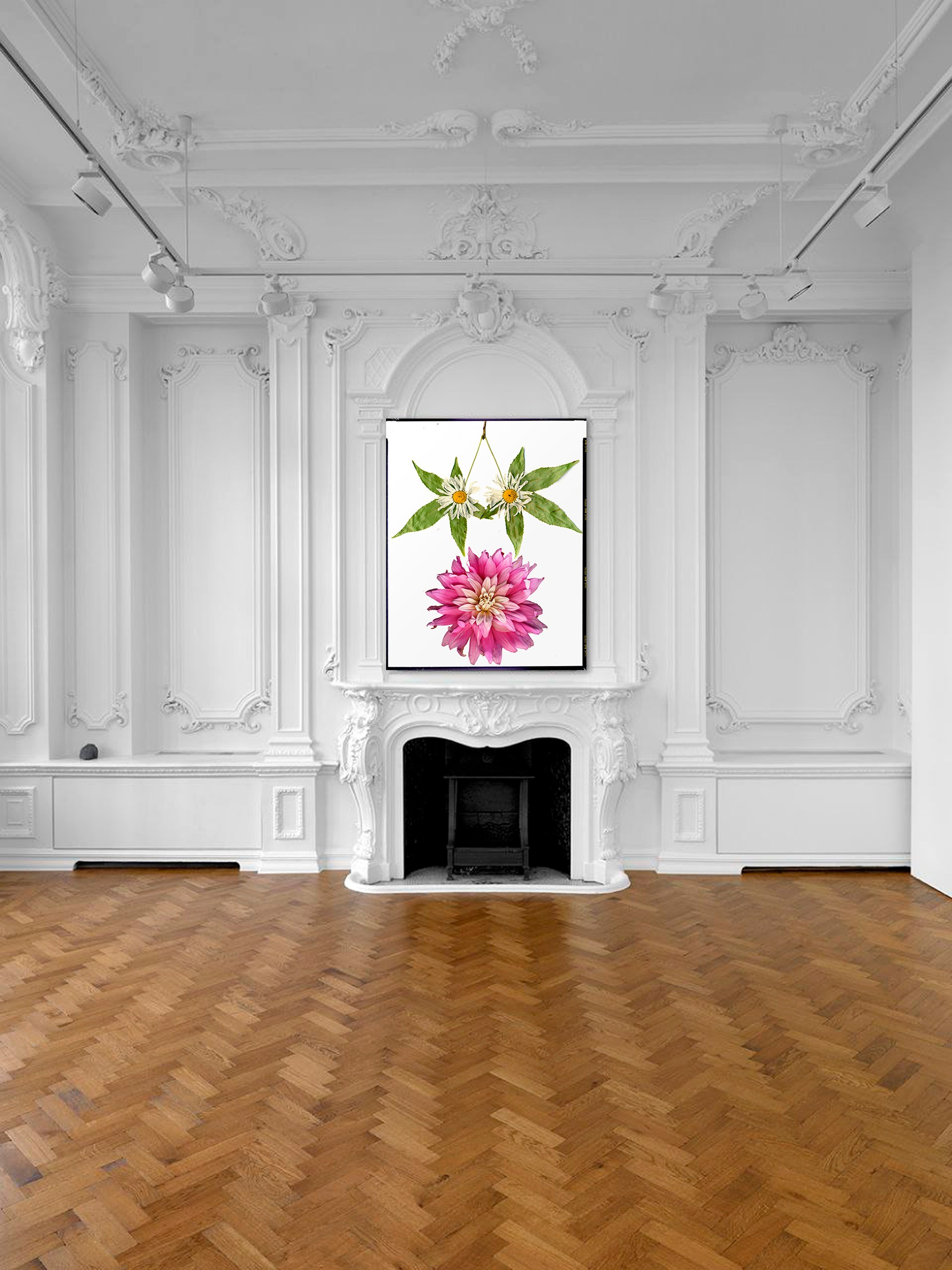
To actualize the epistemic and aesthetic potentials native to wide-format photography—and, more pointedly, to the regime of hyper-photorealism—certain exigencies of scale and spectatorial address must be rigorously observed. The printed image shall, in every instance, attain a minimum of one metre along its lesser dimension; this is not a mere concession to spectacle, but a formal precondition for the work’s ontological seriousness. Such amplitude demands, in the first instance, a proper viewing distance—a distanciation that permits the eye to comprehend the totality of the composition, to read its grand architectonics as one reads the sweeping period of a Ciceronian sentence. Yet this same expanse, by a dialectical sleight, must also invite a contrary movement: the spectator’s approach, the encroachment of the body upon the plane, until the optical gives way to the haptic, and vision itself becomes a species of touch.
At proximity, the image must surrender its seamless facade and disclose, instead, a topography of granular excess—a nearly indecent plenitude of material facture. Here, the eye does not simply see; it palpates, it traverses, it immerses itself in a field where meaning is not delivered but excavated from the very substance of pigment and pixel. For it is in this intimate register—this arm’s-length, eyelash-brush confrontation—that the photograph reveals its true vocation: to render not the world as sign, but the world as flesh. Secretions, corpuscular densities, the glutinous pulse of organic matter, the hyper-detailed architecture of the uterine crypt—these are not illustrations of life, but life’s own material grammar, transcribed without the consoling intermediaries of symbol or syntax.
This is a vision that operates before the human, in the sense of a primordial substrate; outside the human, as a repudiation of anthropocentric narcissism; after the human, in the melancholic anticipation of our own obsolescence; and, most crucially, within the human yet without the human as homo-signify—that is, without the compulsive drive to translate all phenomena into the currency of linguistic or cultural meaning. The image, under these conditions, becomes a stubbornly mute plenitude, an affront to hermeneutic mastery. It does not ask to be read; it asks to be inhabited. It envelops the eye not in a narrative, but in an atmosphere—a saturated medium in which perception is no longer the passive reception of data, but an active, almost somatic negotiation with matter in its most recalcitrant and numinous state.
Thus, the technical imperative is, in truth, an ethical one: to grant the image a scale commensurate with its ambition, and a resolution intemperate enough to withstand the forensic gaze, so that it may function as a genuine encounter—not with the artist’s intention, nor with the viewer’s projection, but with that which stubbornly exceeds both: the abiding, indifferent, and exquisitely detailed facticity of the real, in its prelapsarian density, awaiting no signification, conferring no epiphany, yet offering, to those who dare approach, the singular, unassimilable gift of its presence.
Fragment of intoduction
. . .Irving Penn crafted his frame and his world from objects and their cultural significance, their interconnectedness, and their cultural and aesthetic semantics; in this series, I wish to take a step deeper into the object, towards its materiality, its biology, towards its flesh rather than its form, towards its voice and its cry without the human presence, on the one hand, and, through this anatomical gaze, to glimpse that mystical, real abyss in response; on the other hand, the objects come to life and begin to speak to you in an incomprehensible pre-language of growls, gestures and pulsations. I was originally drawn to beauty, but in this series I realize that I have drawn near to the terrifying—not the sad or the dramatic, but the tragic—to the flesh of the sign, the flesh of cultural text, the underside of everyday life, to the first cause and the mother, to all that which is so carefully concealed, in the apparent certainty that there is nothing there, yet there is the lowing of the thing, the terrifying whispering of the unknown. . .
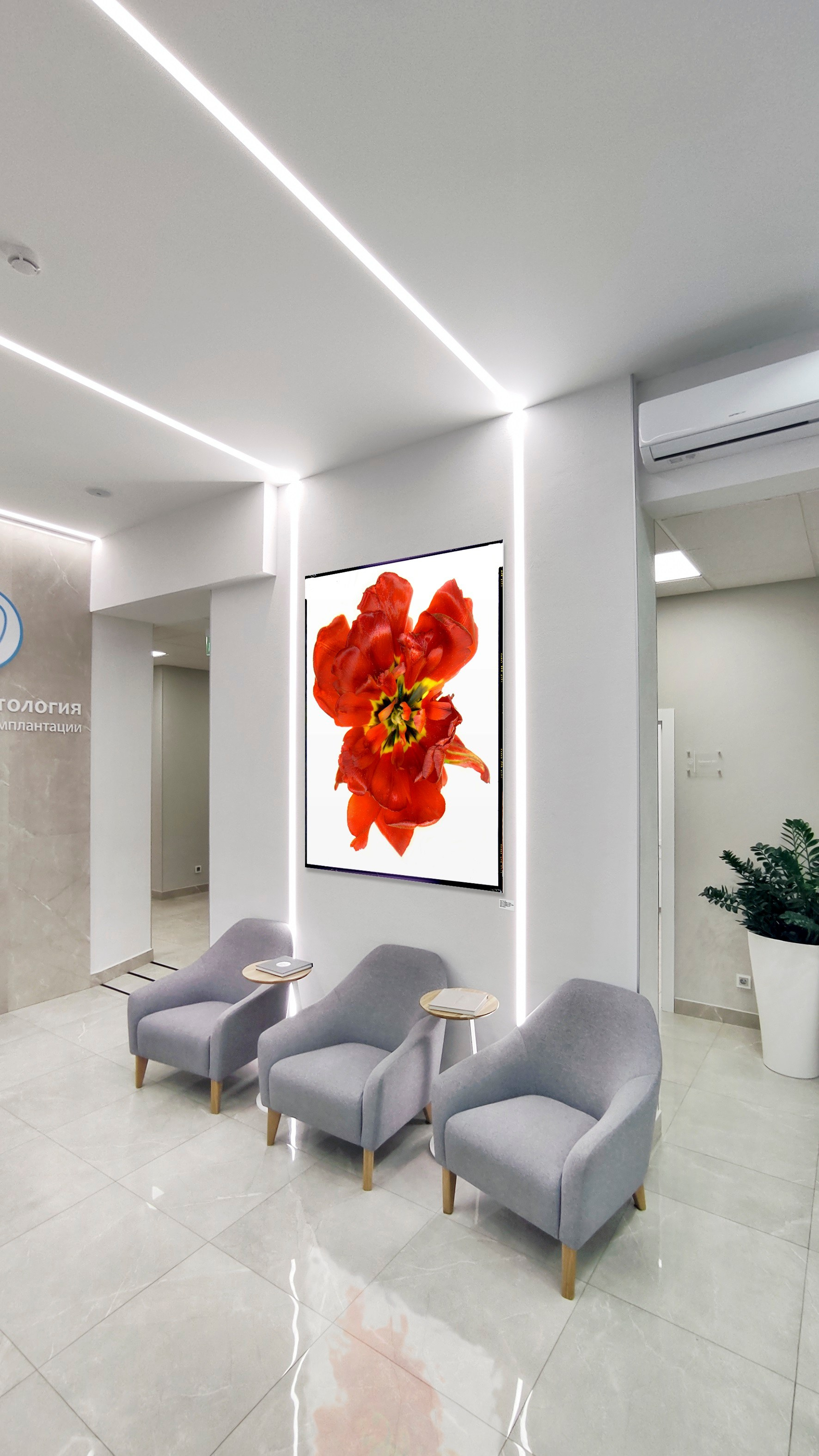
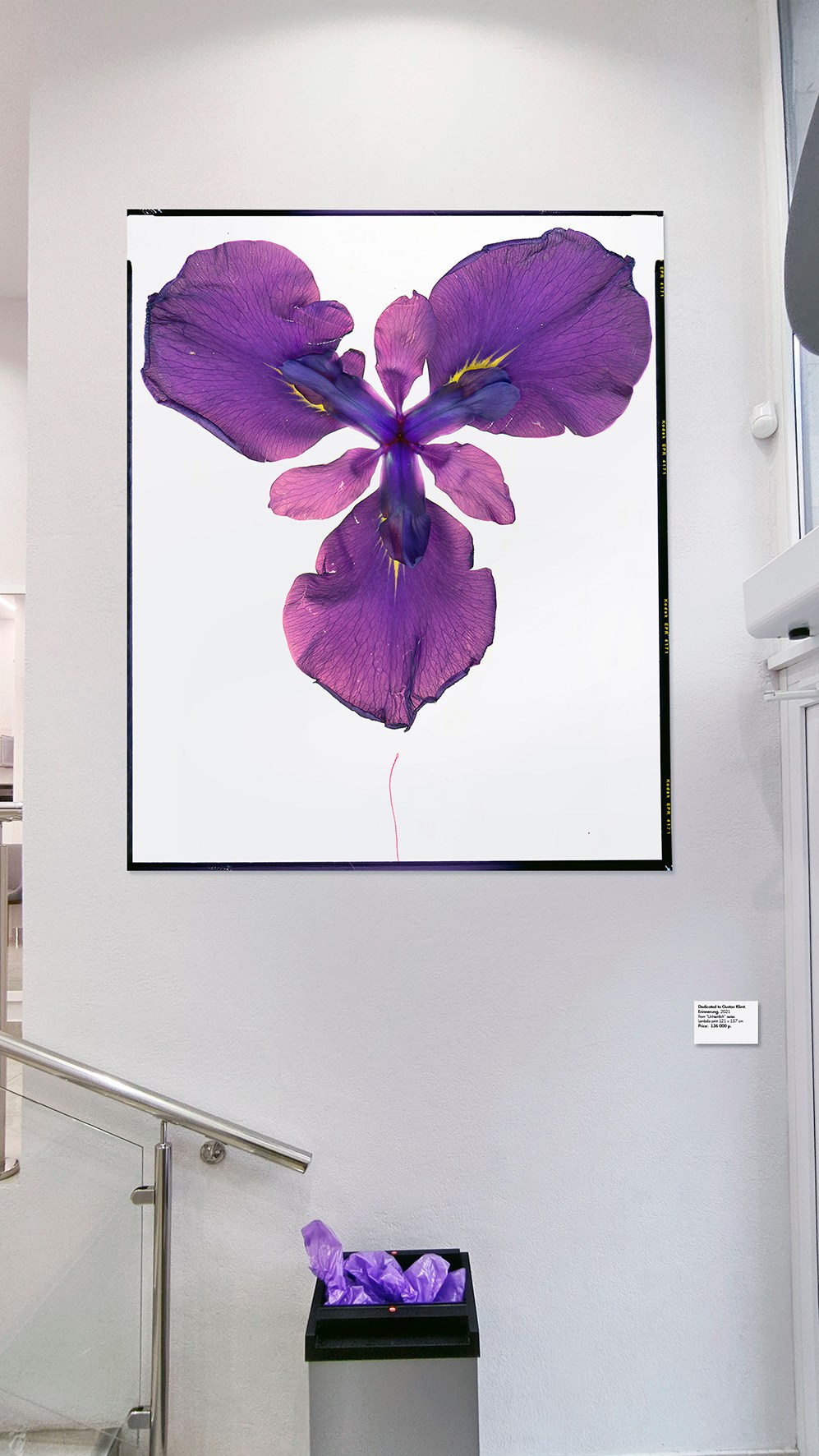
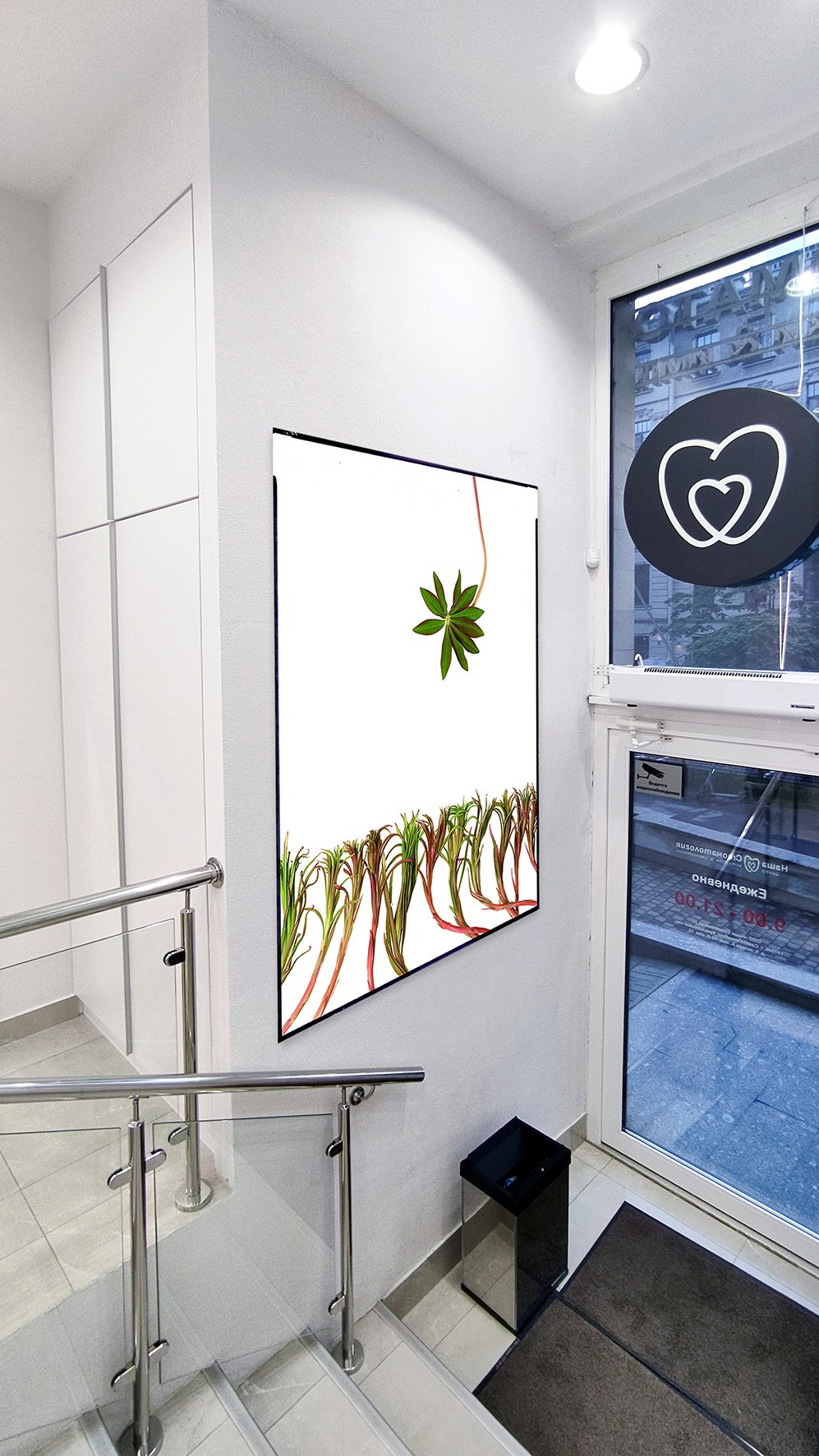
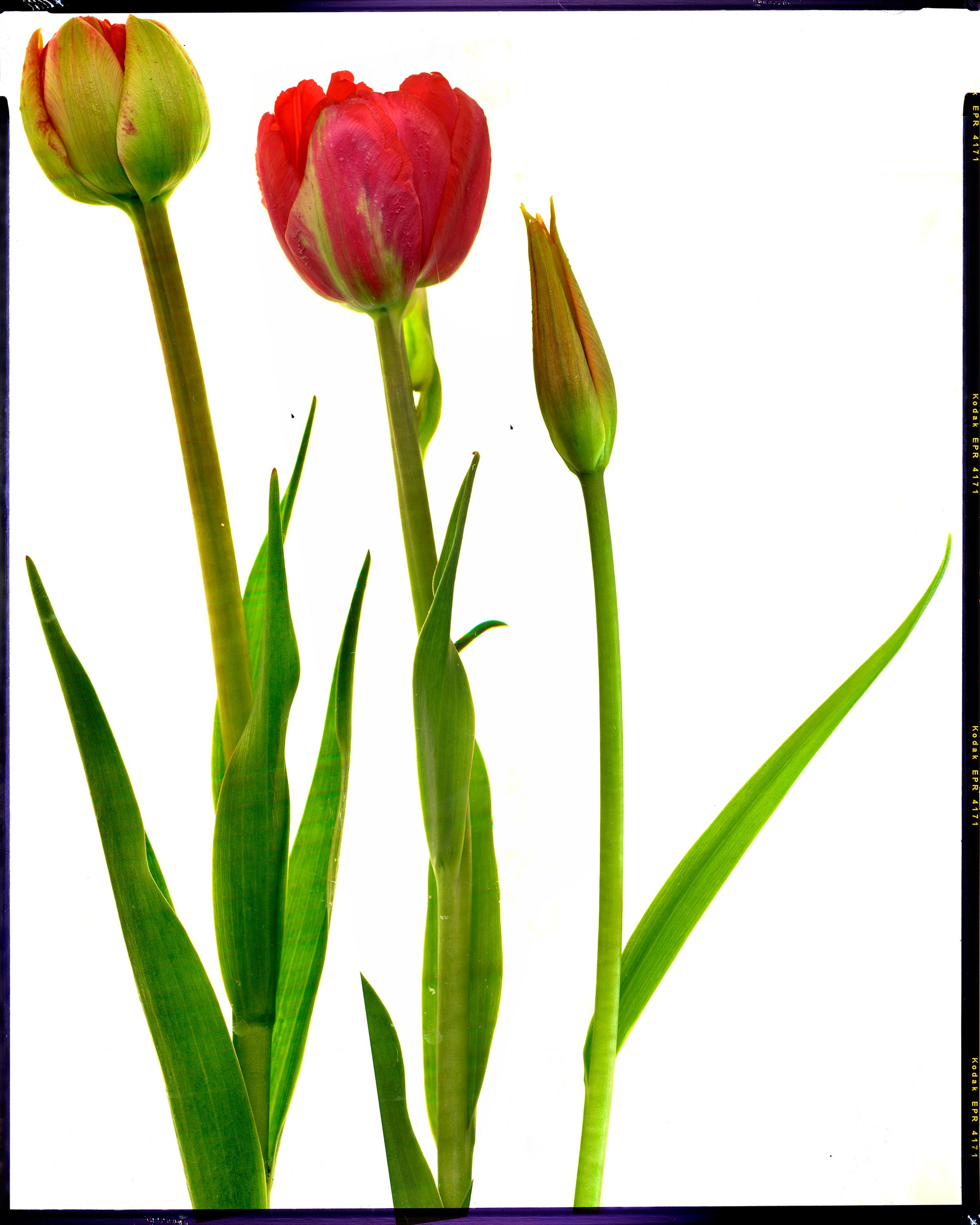
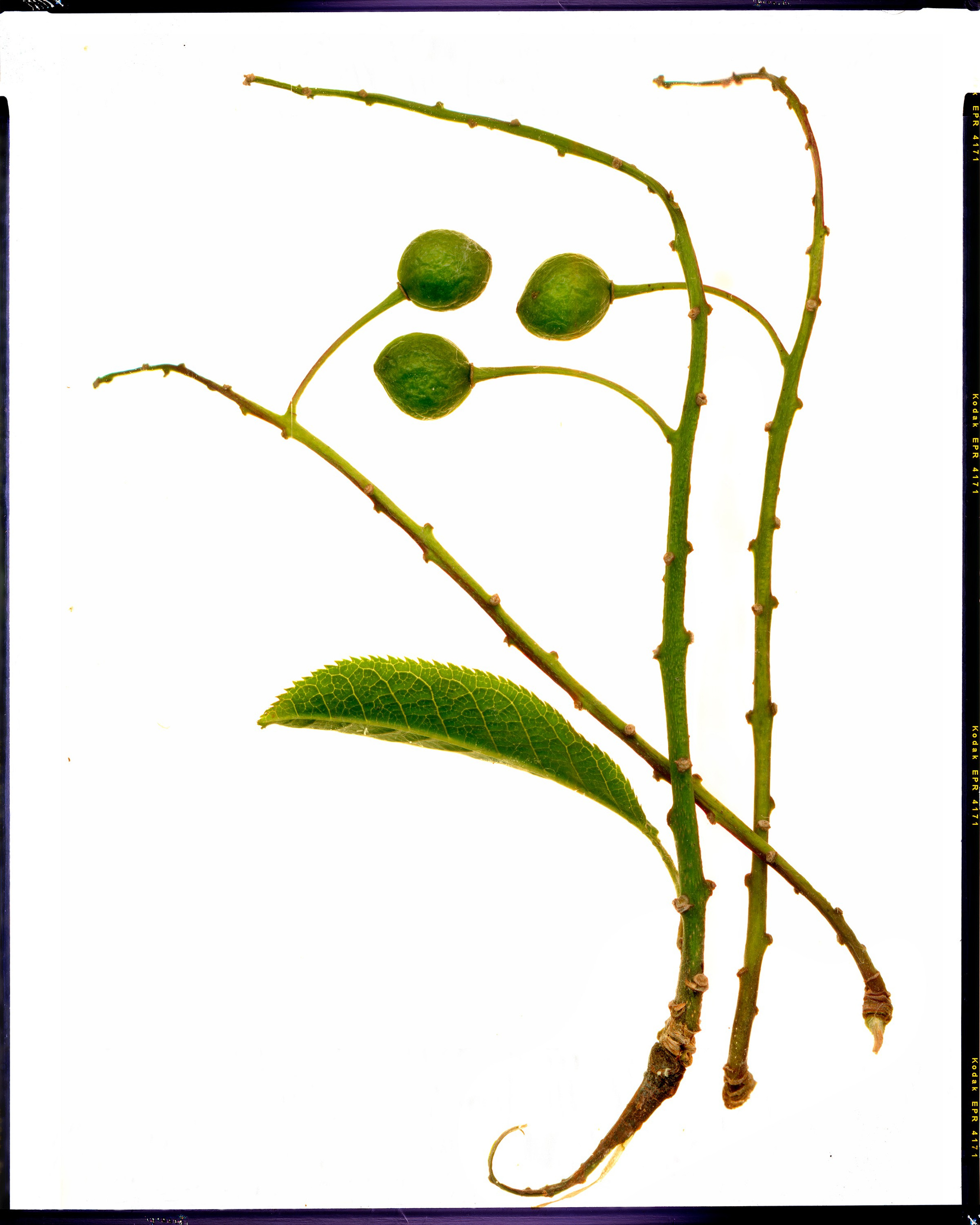
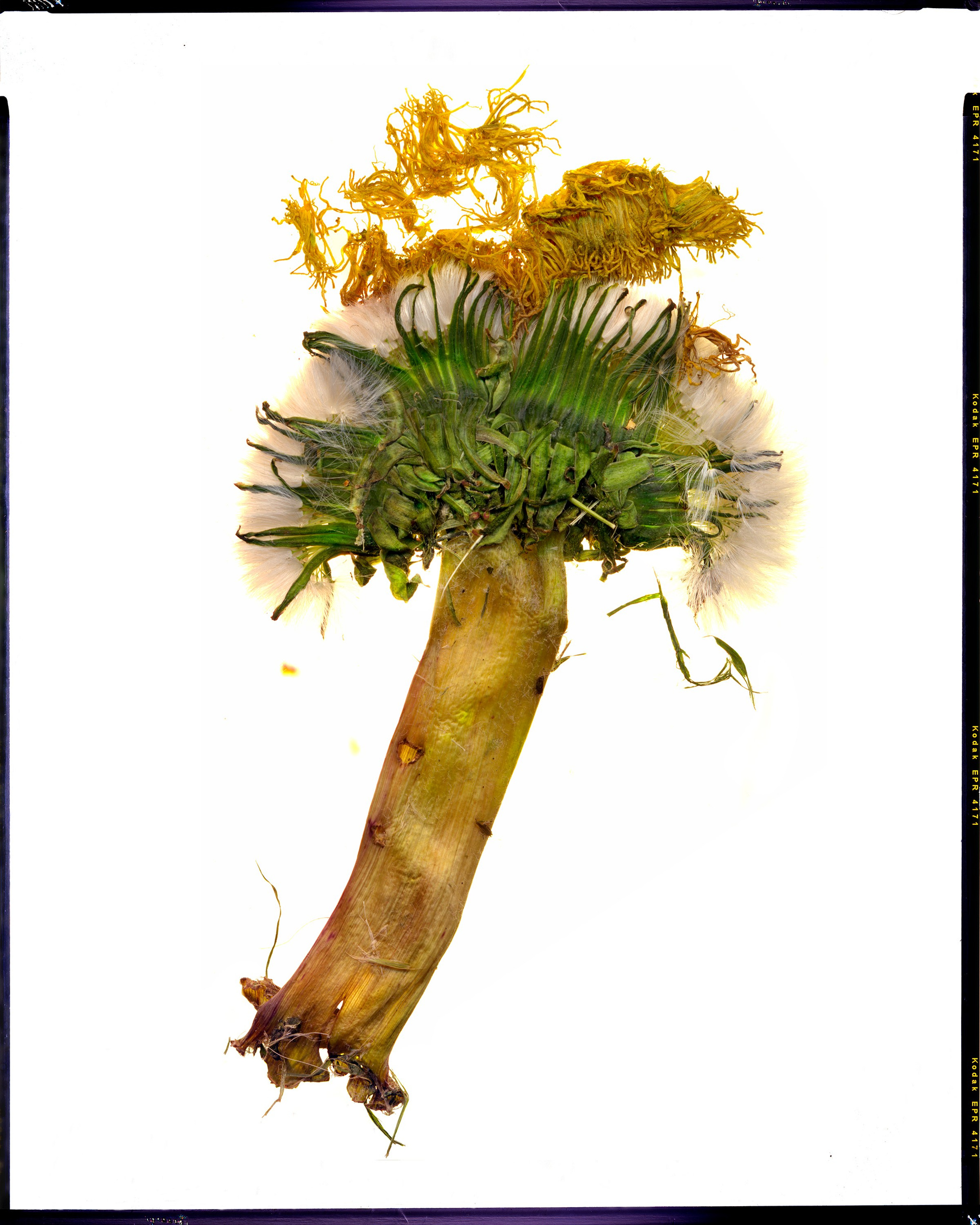
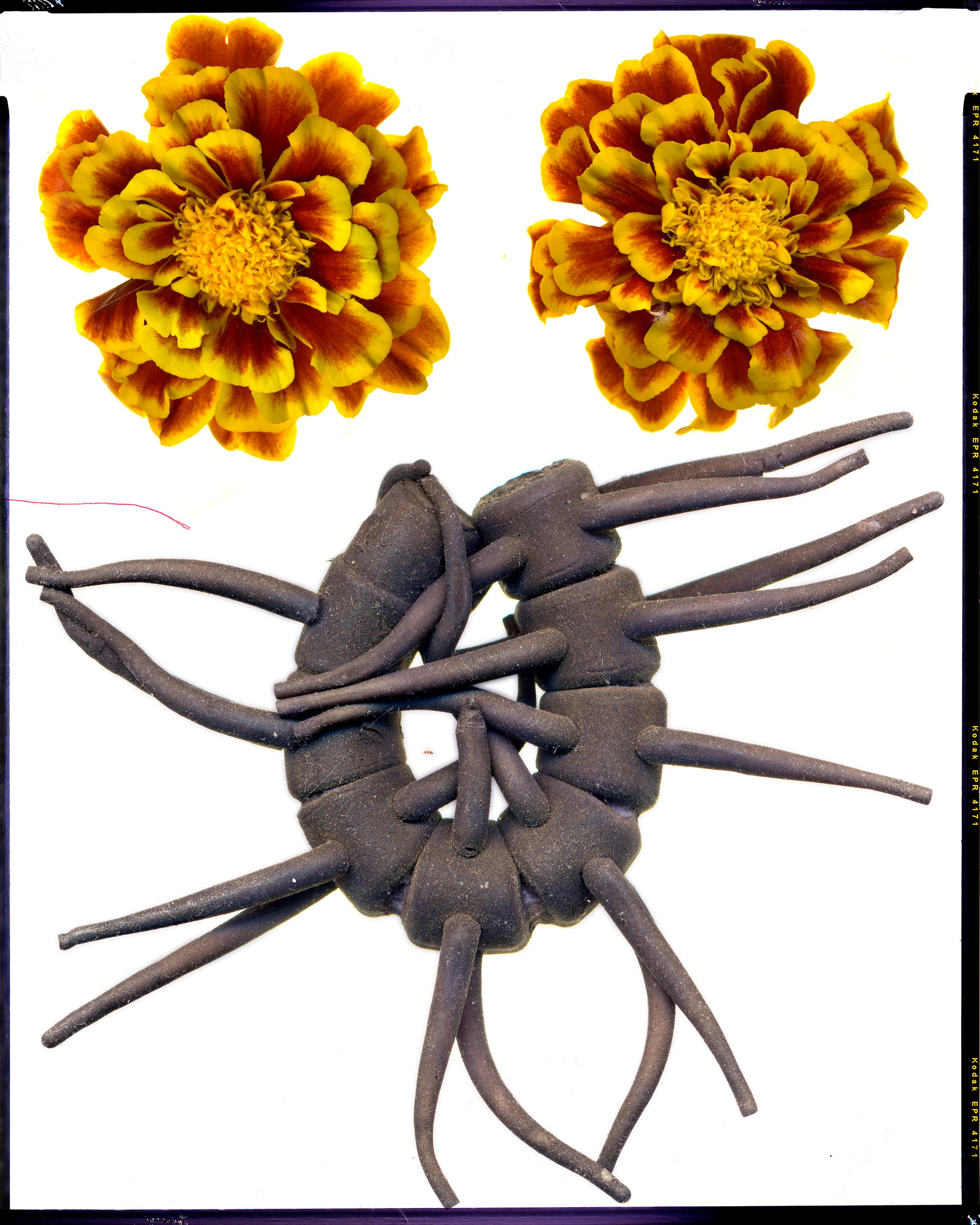
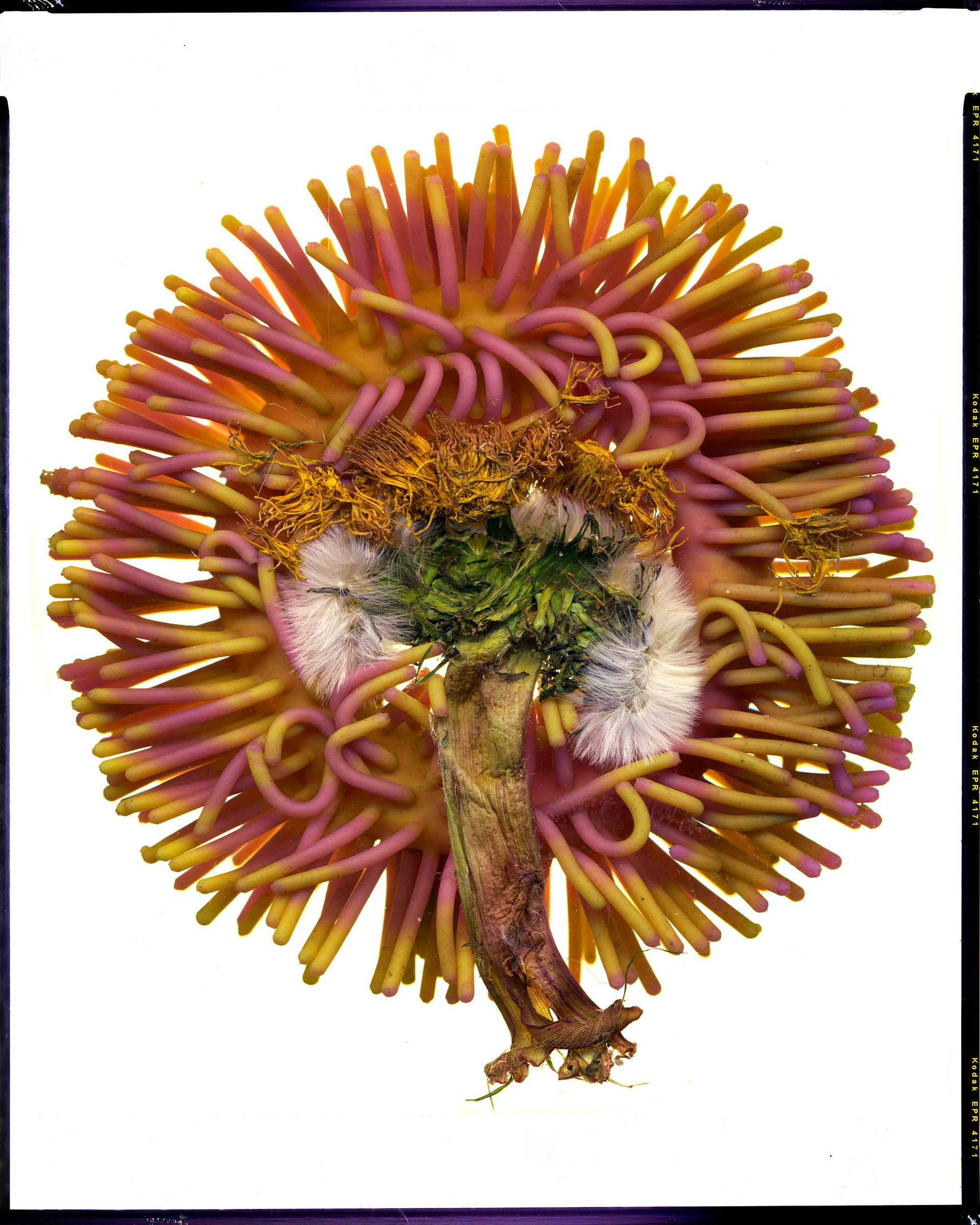
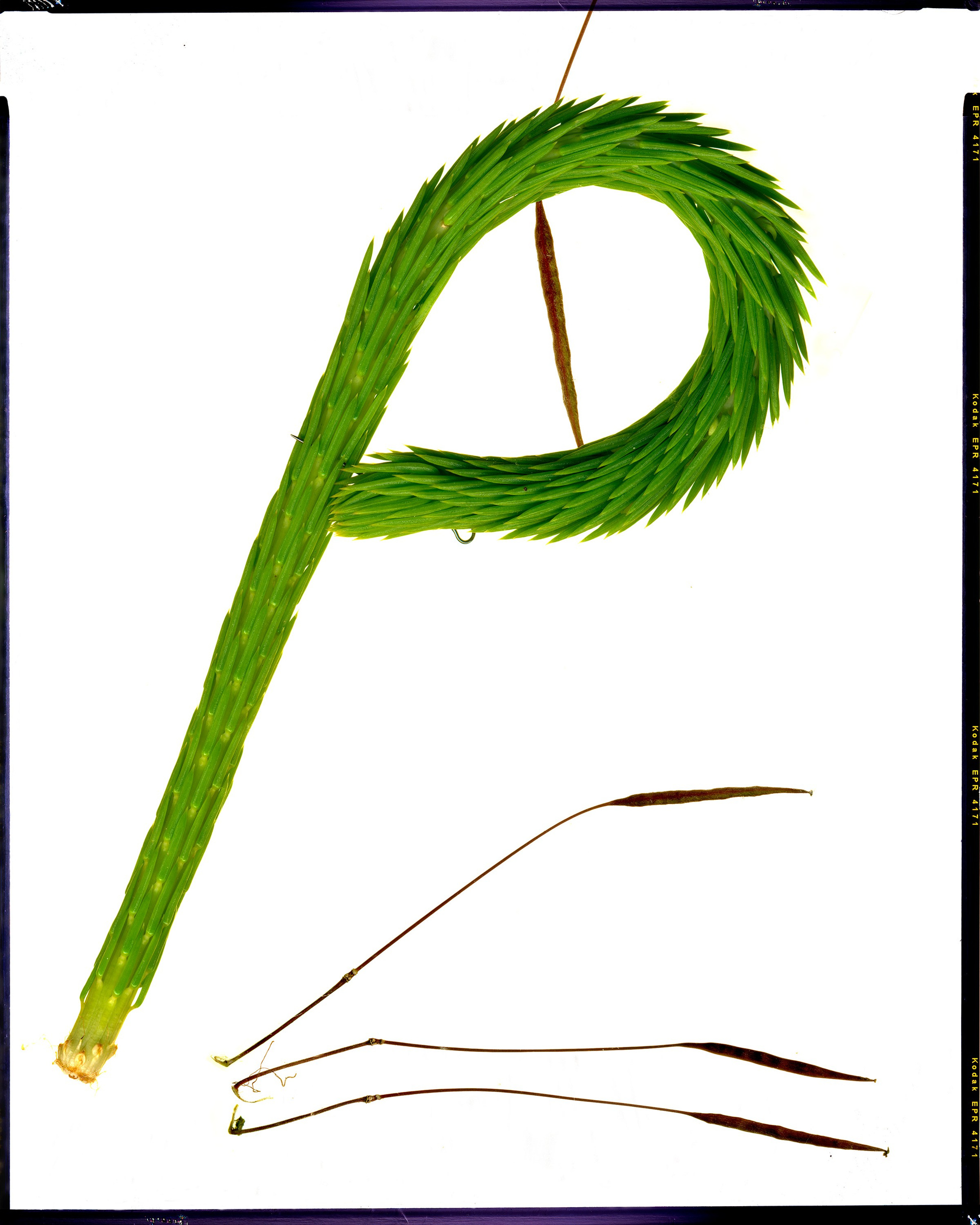
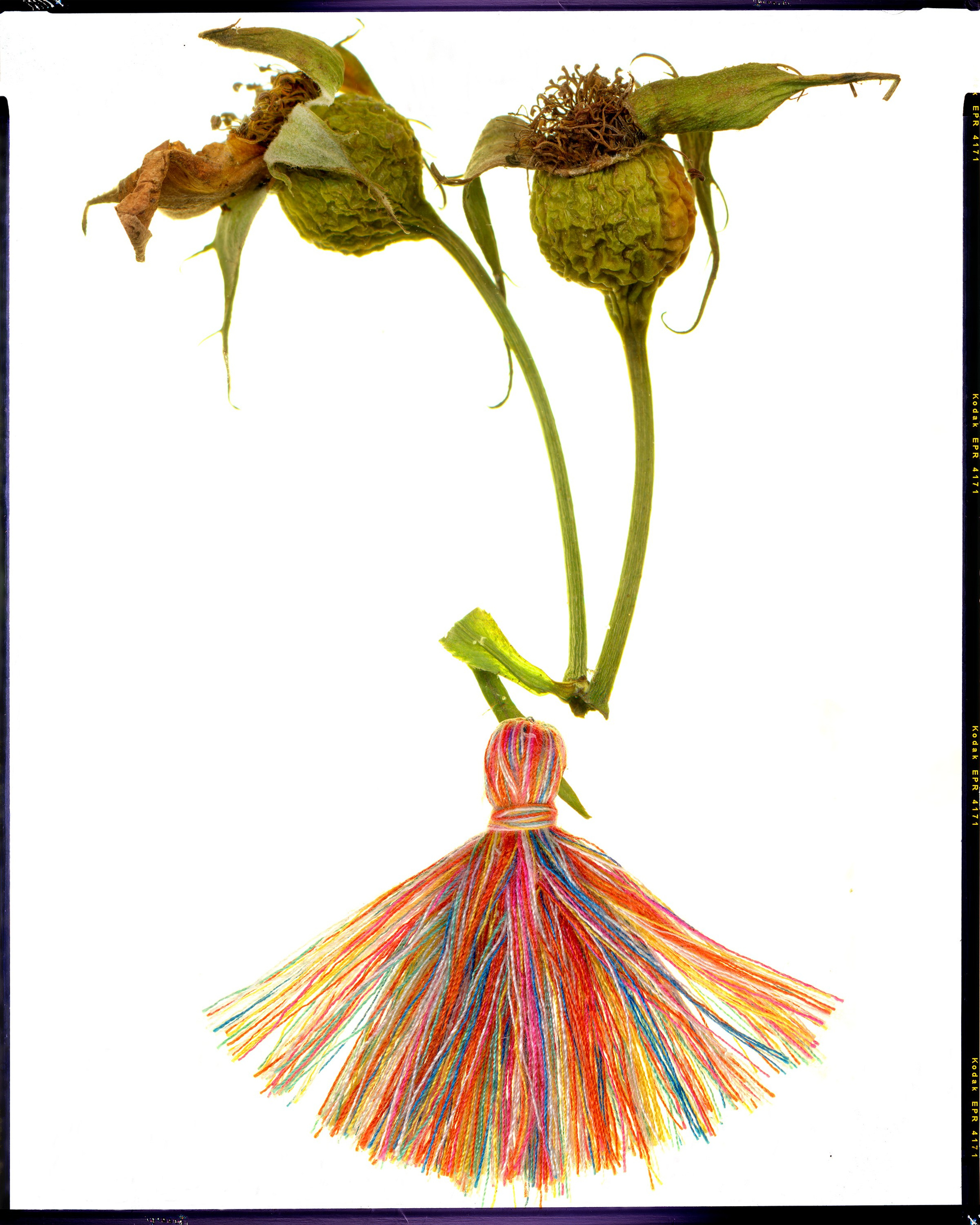
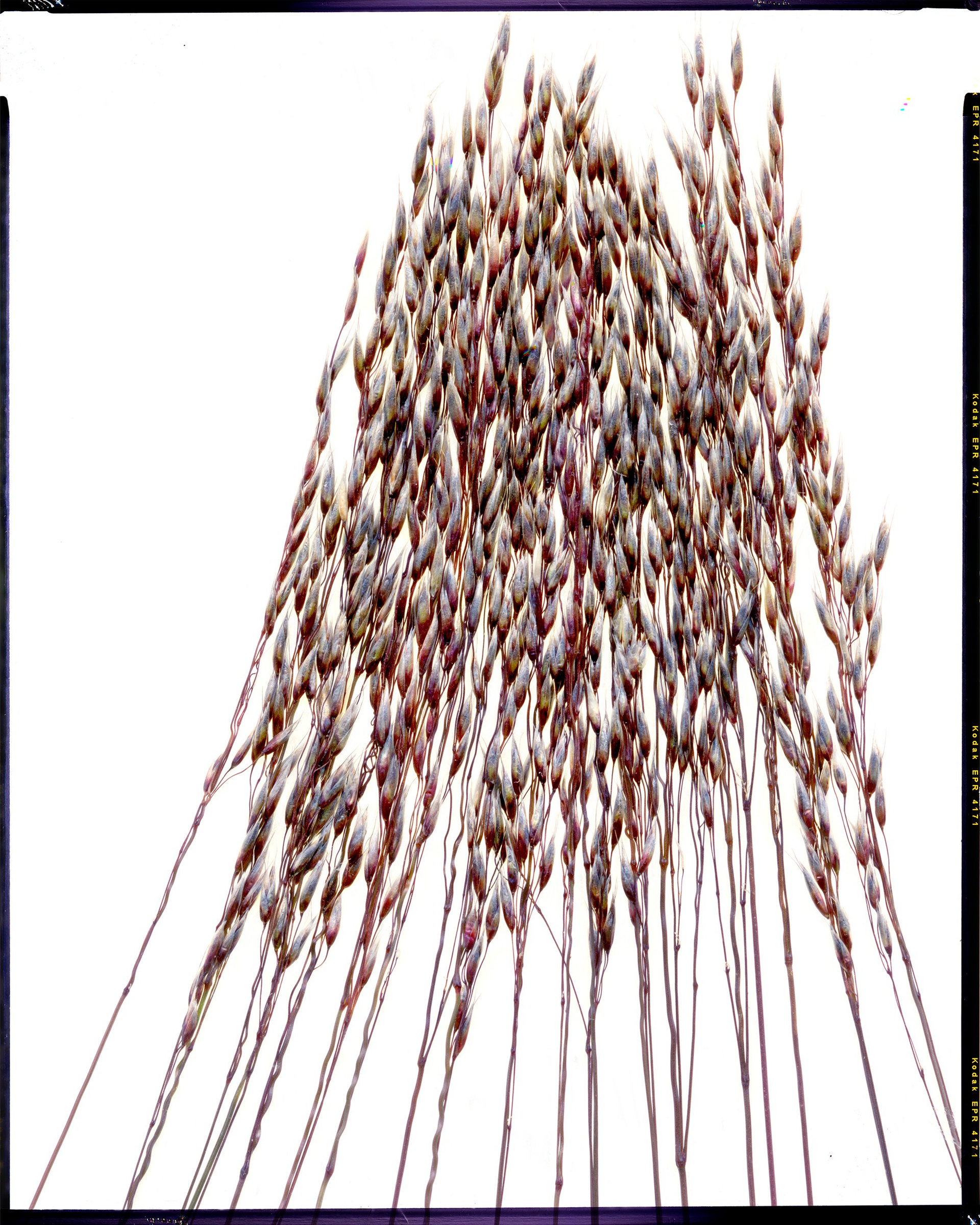
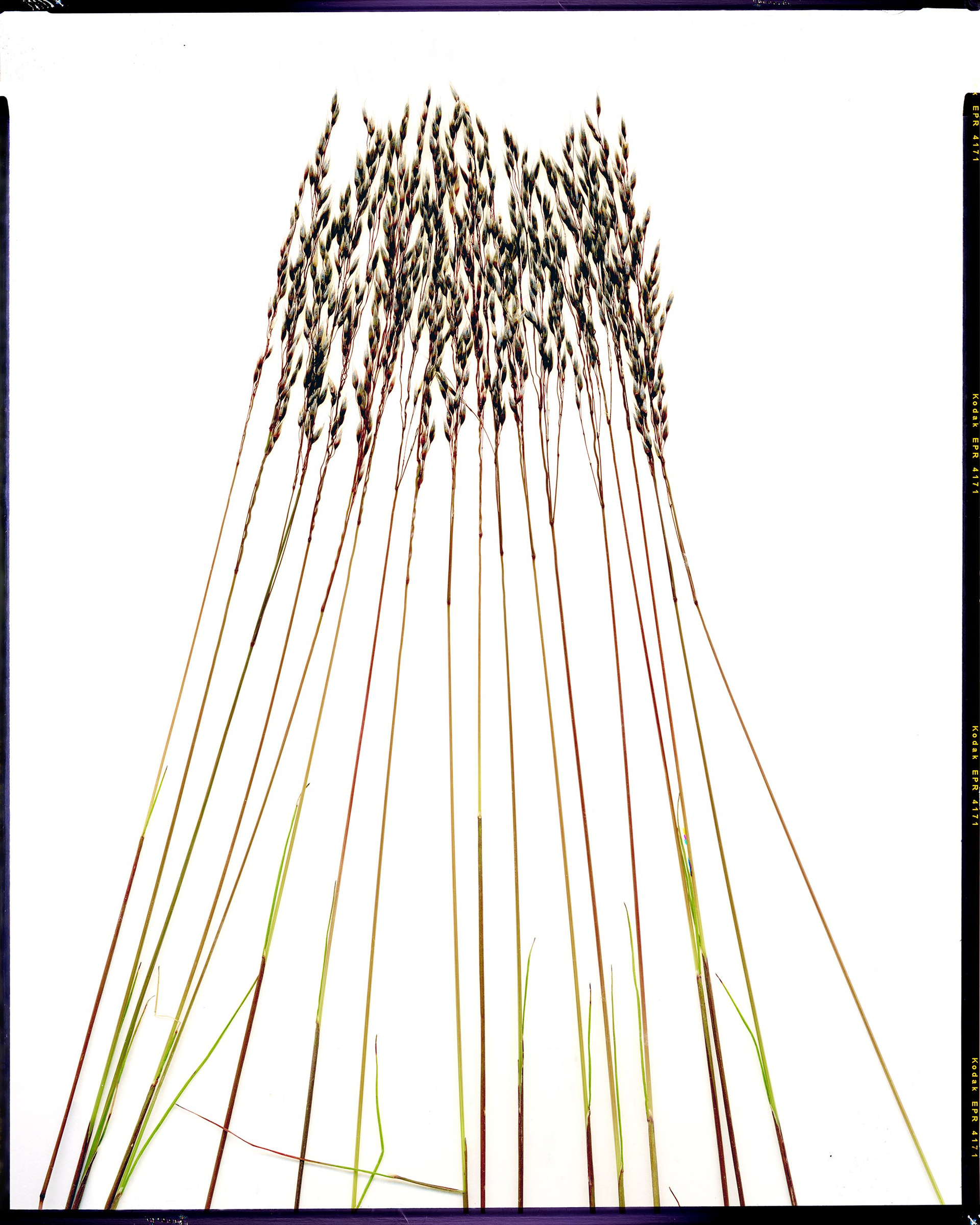
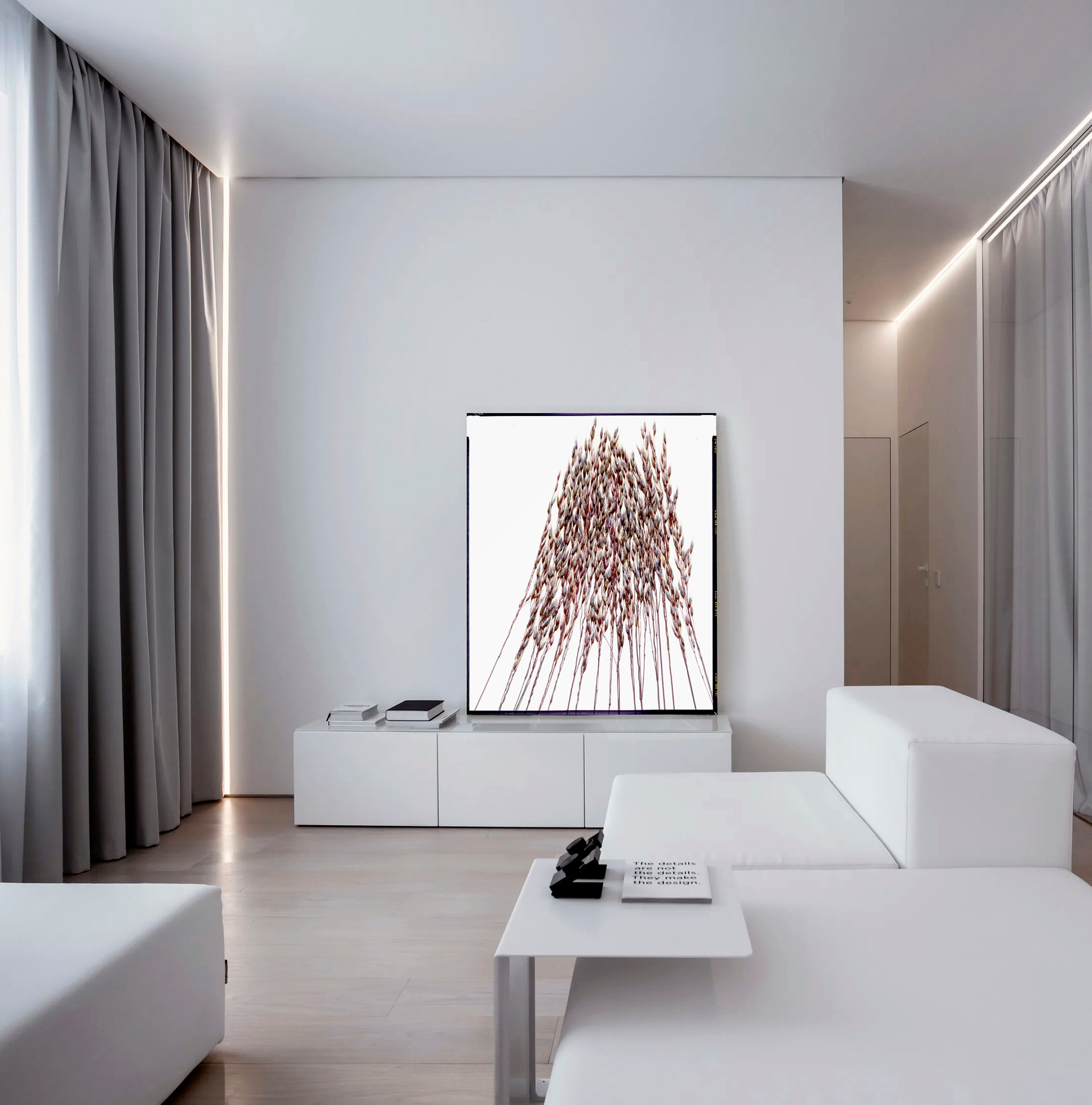

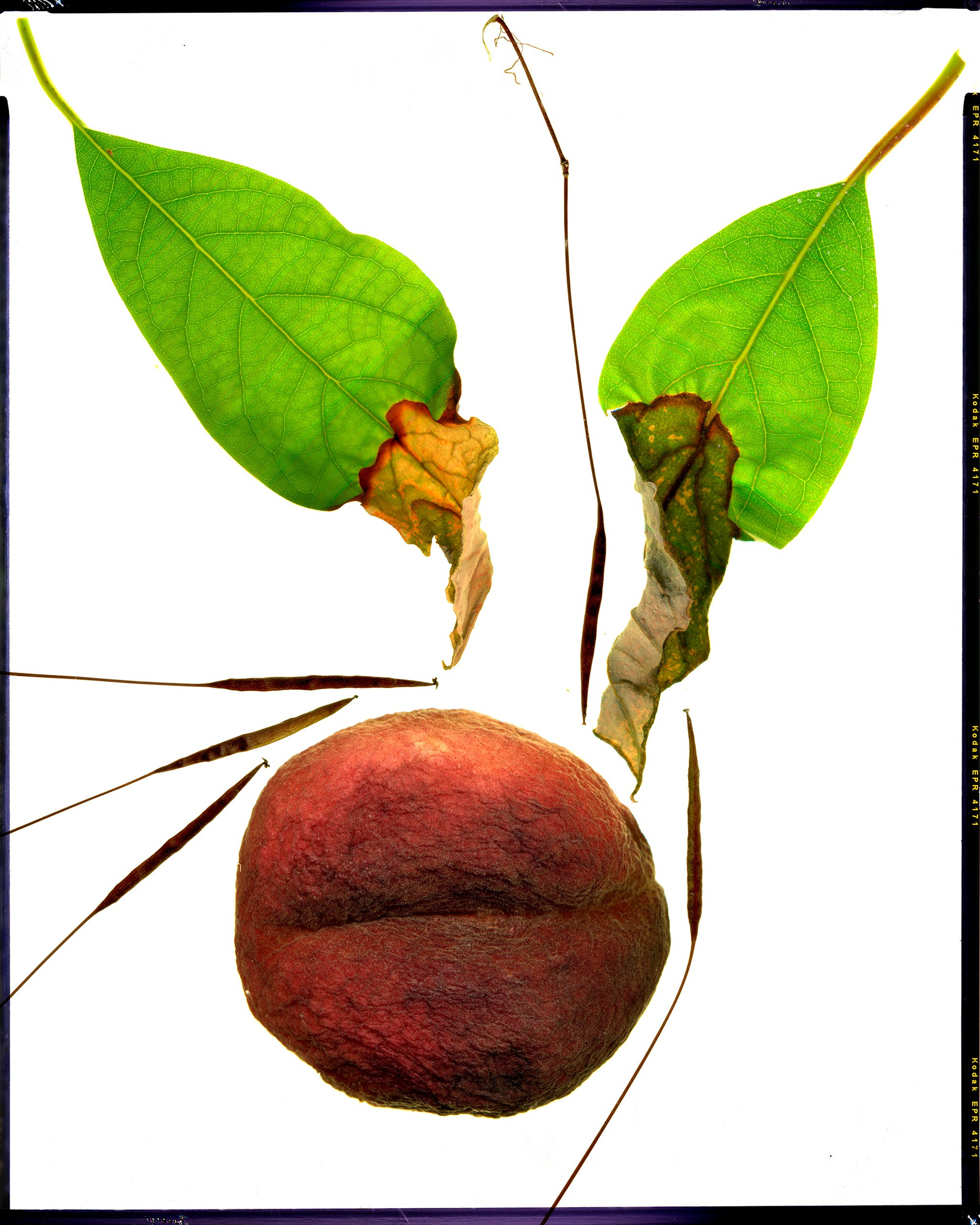
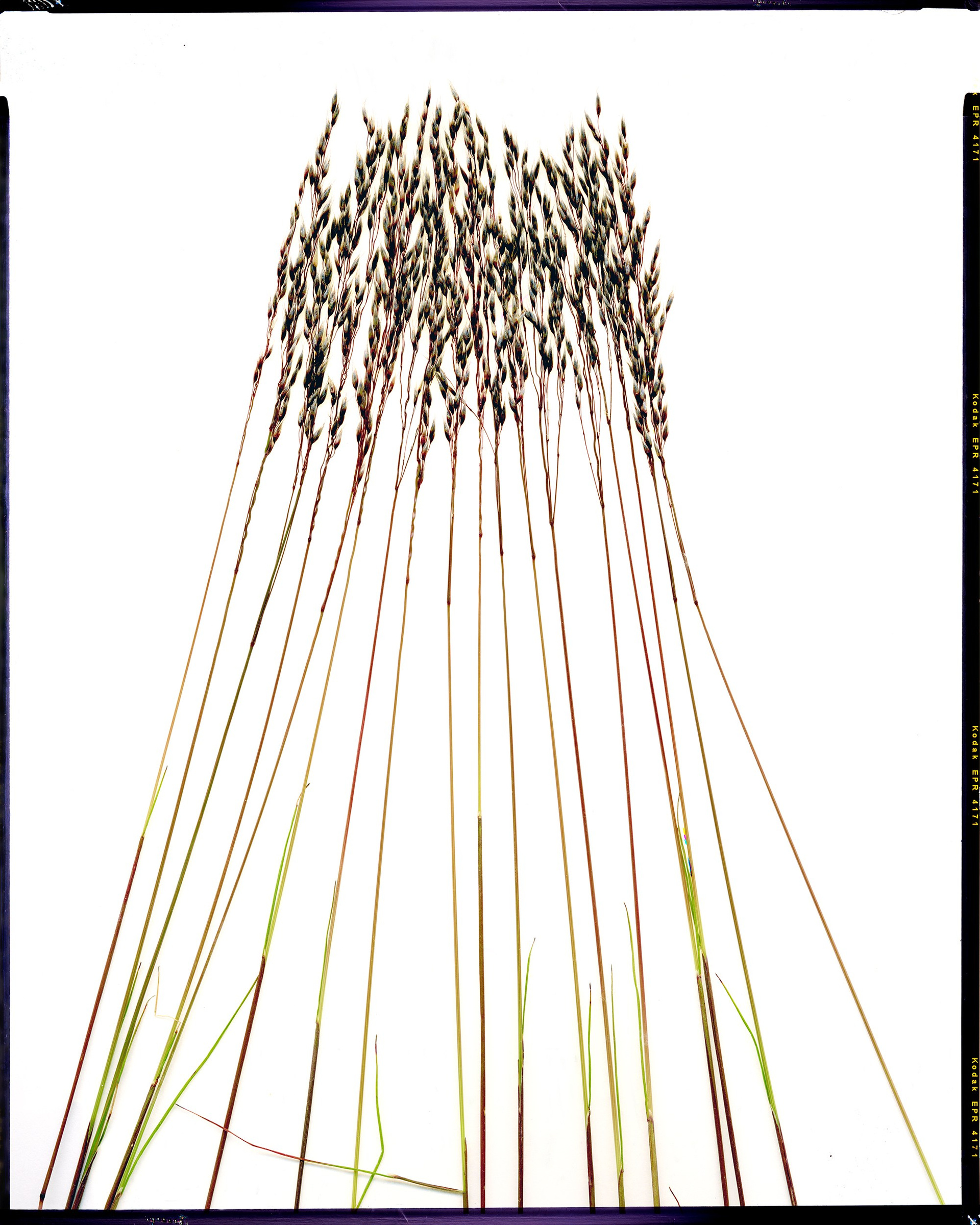
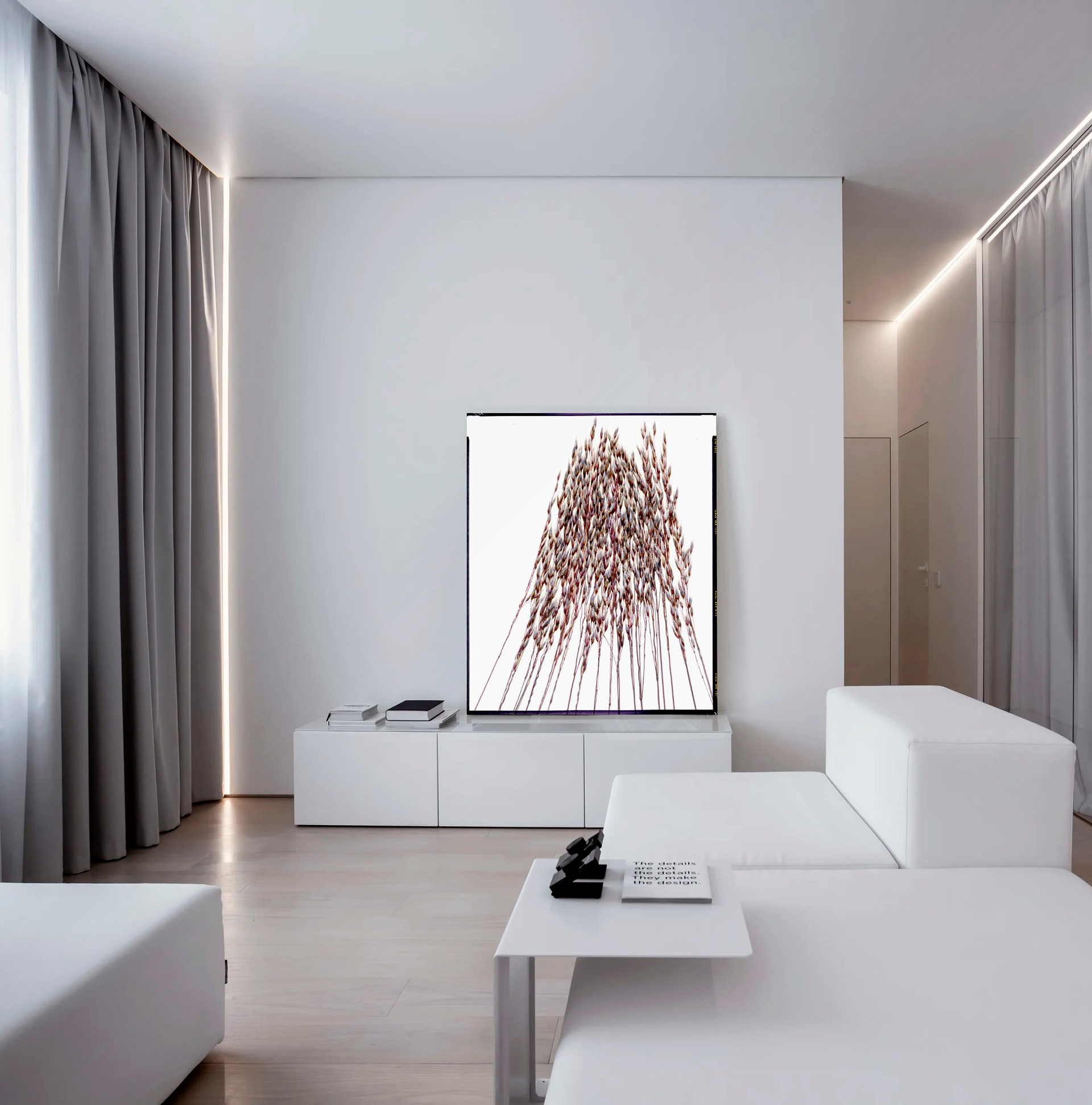
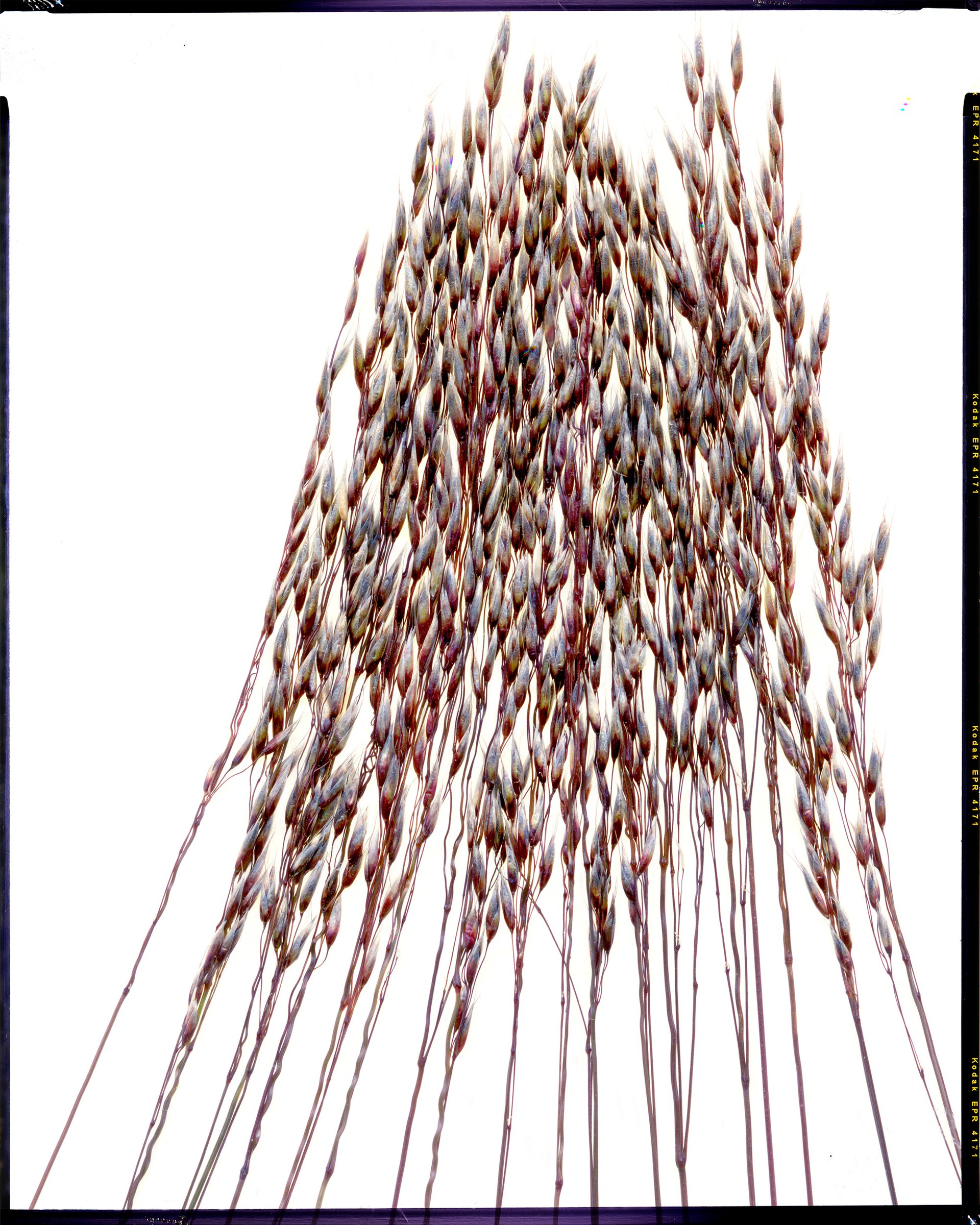
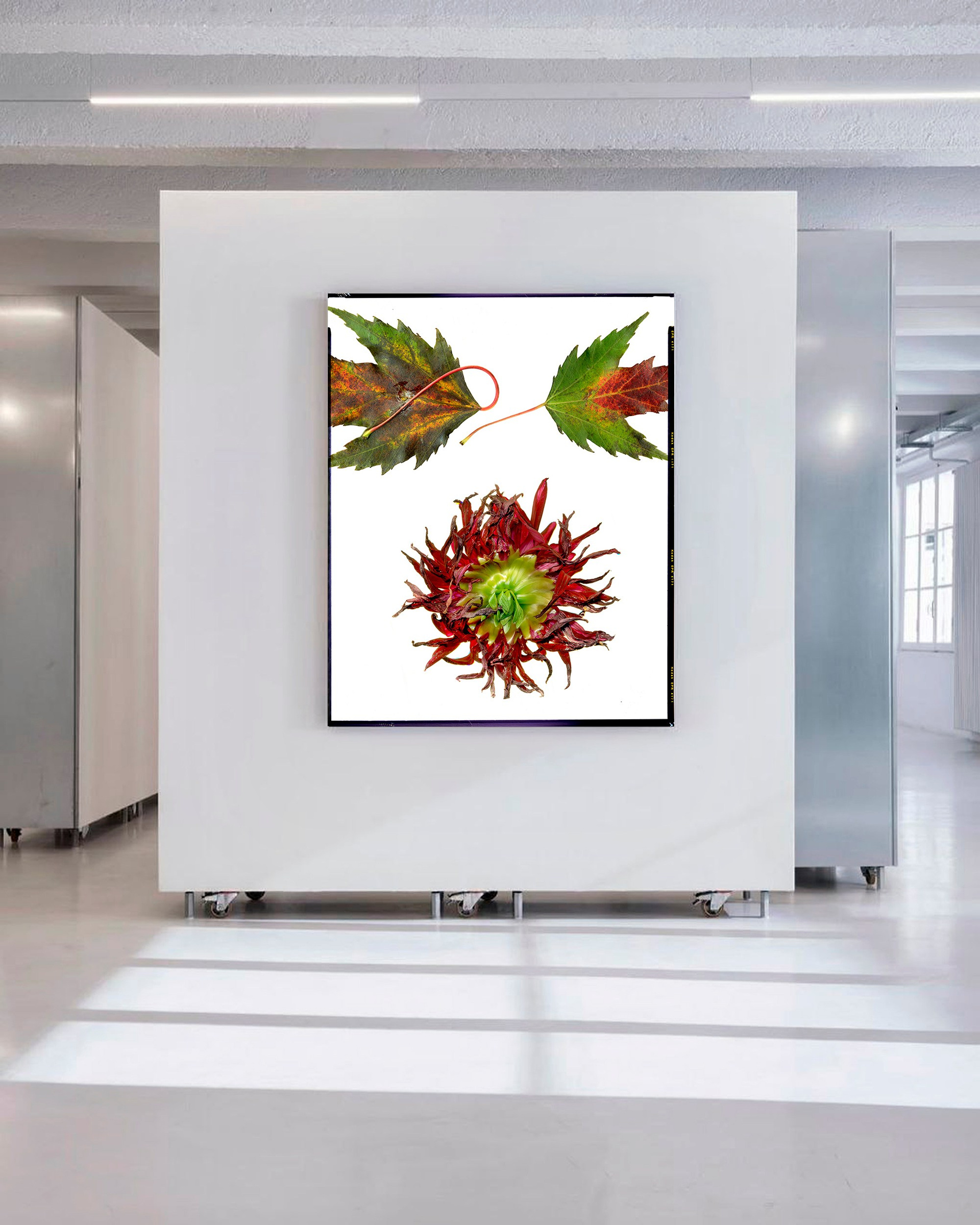
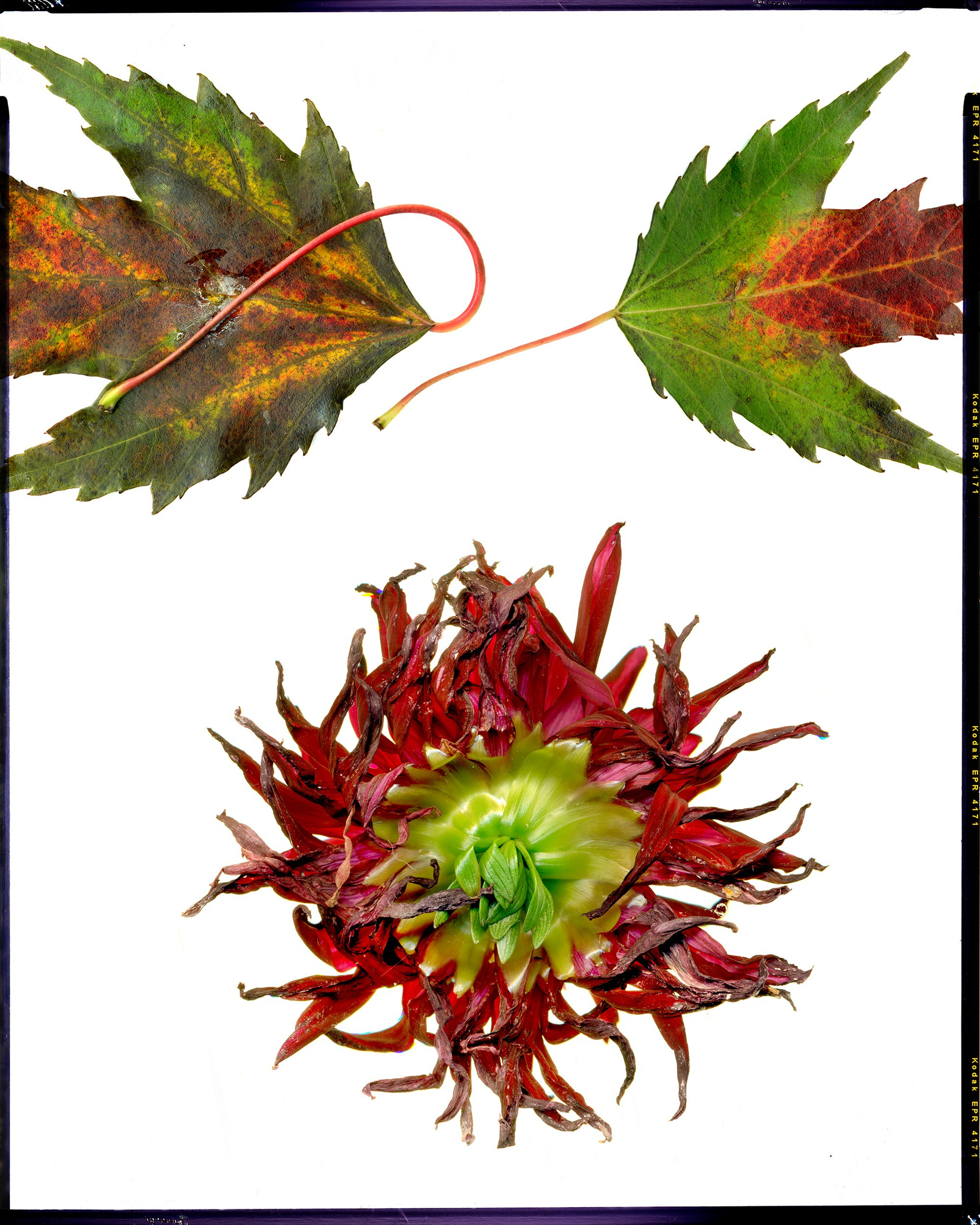
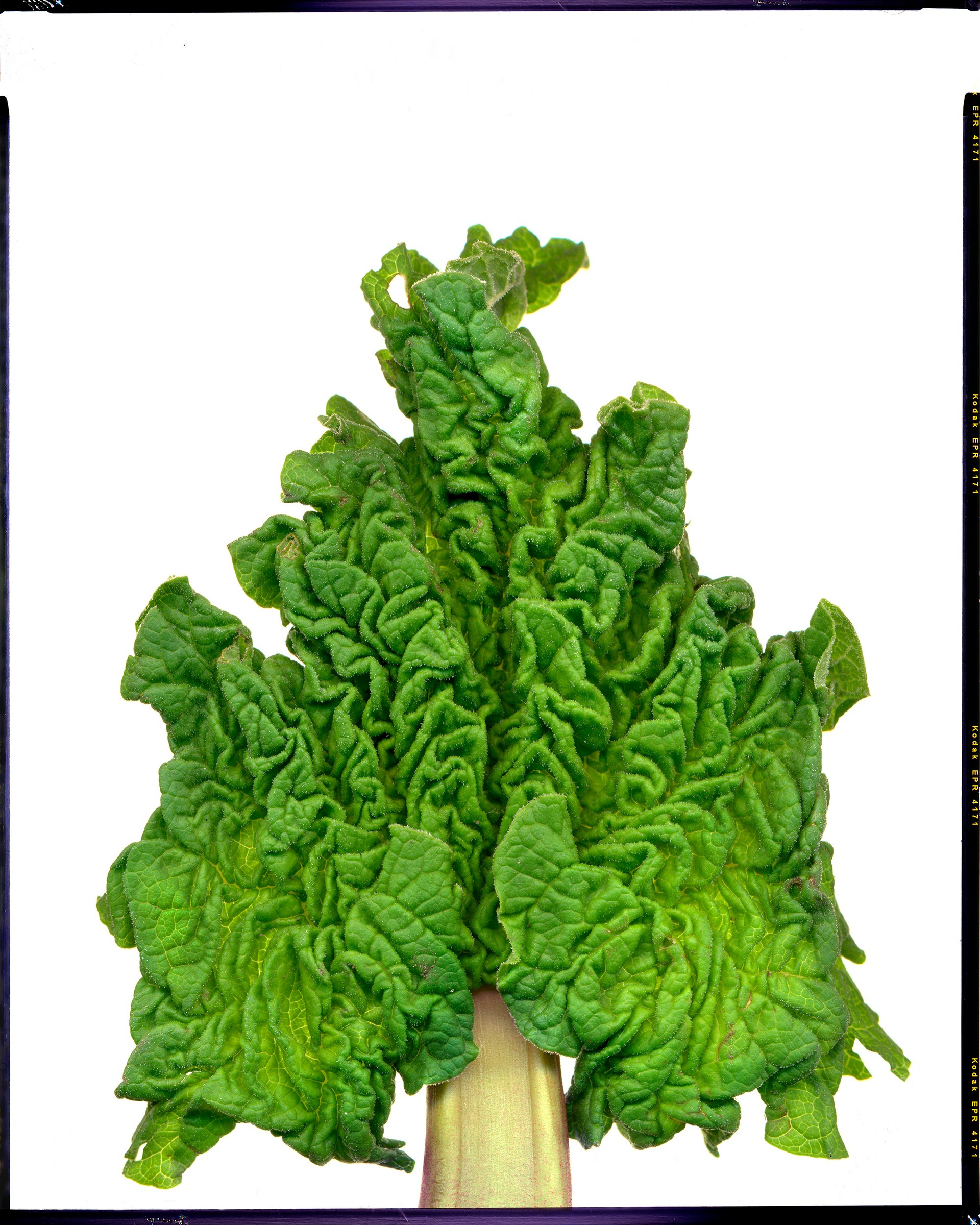
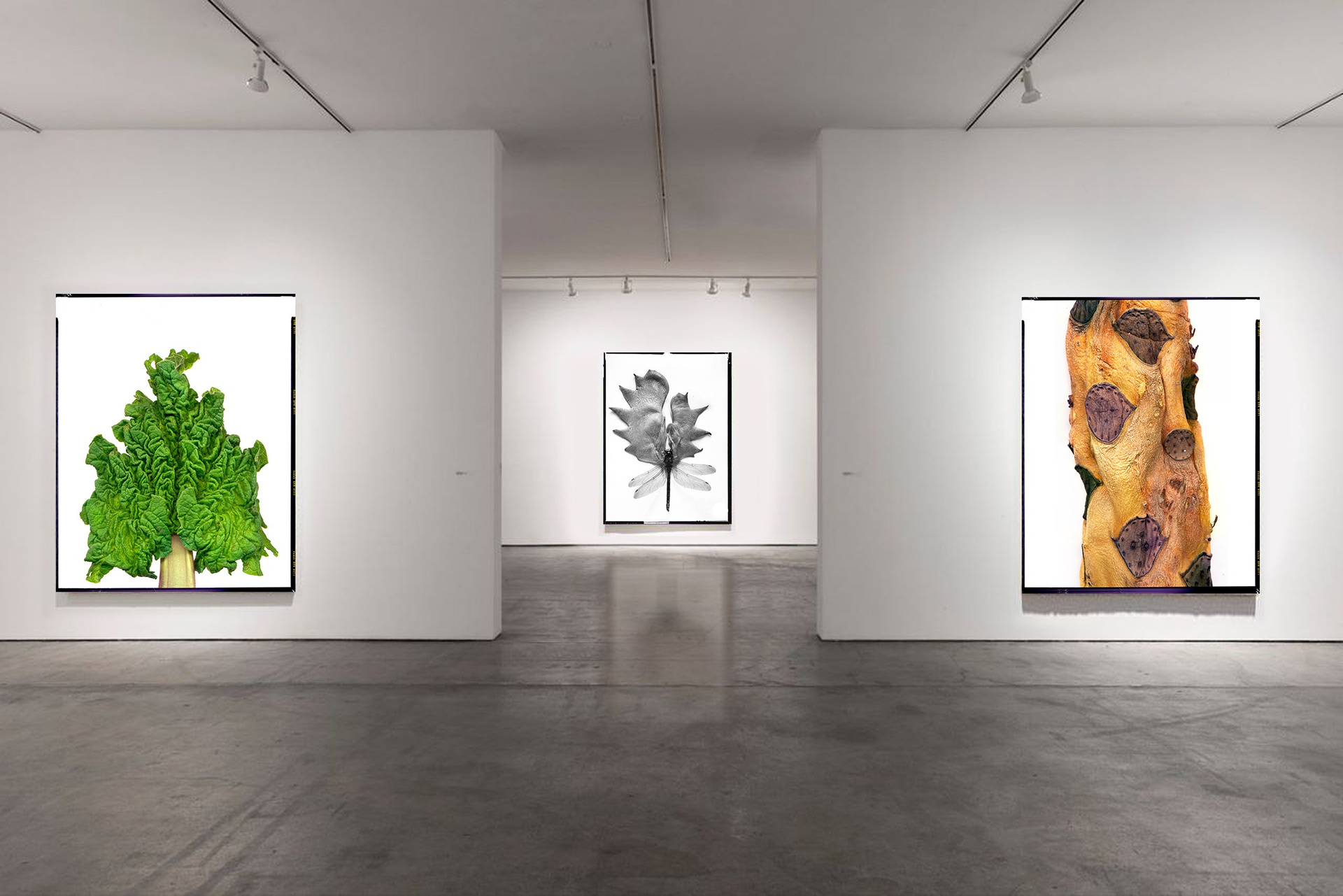
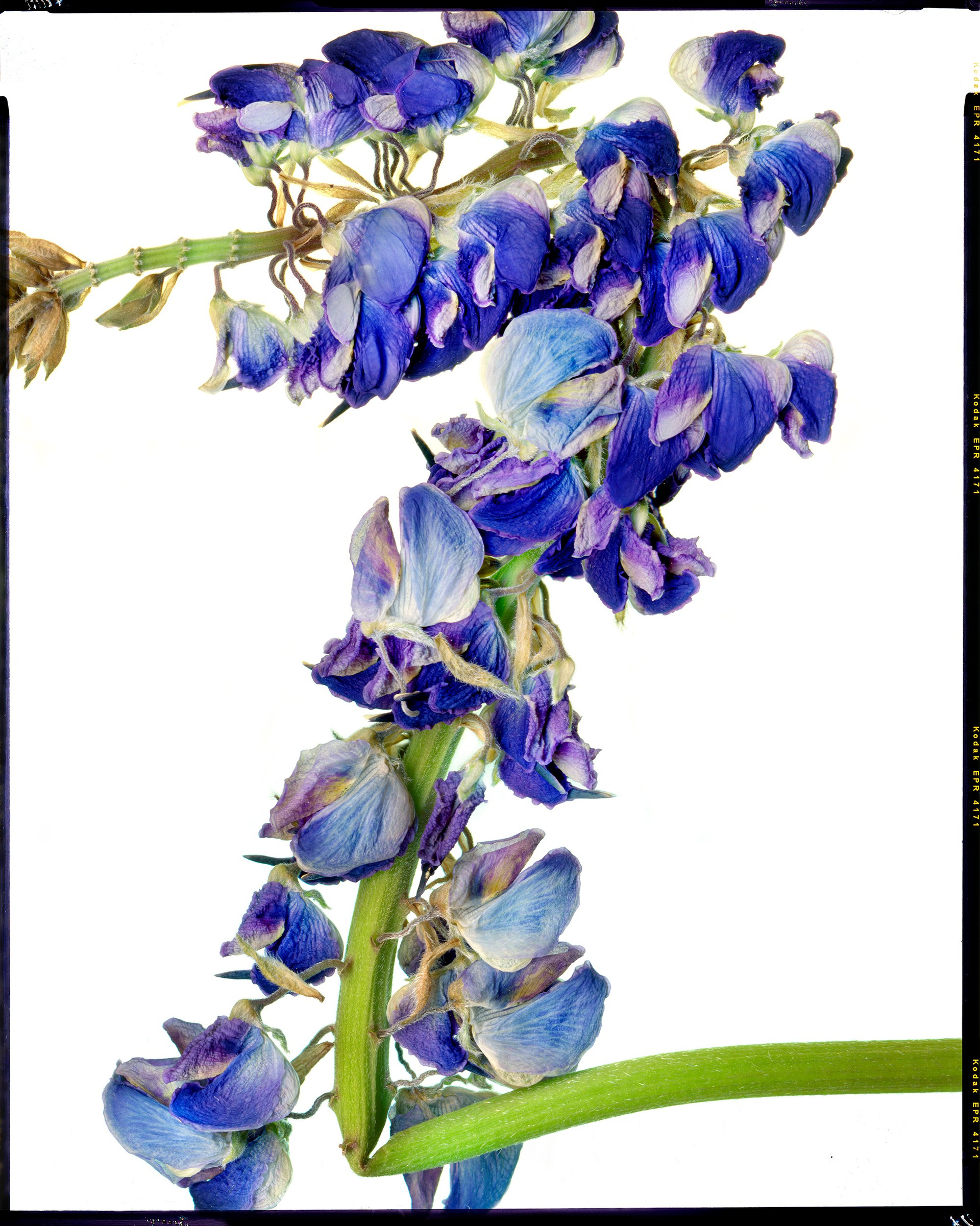
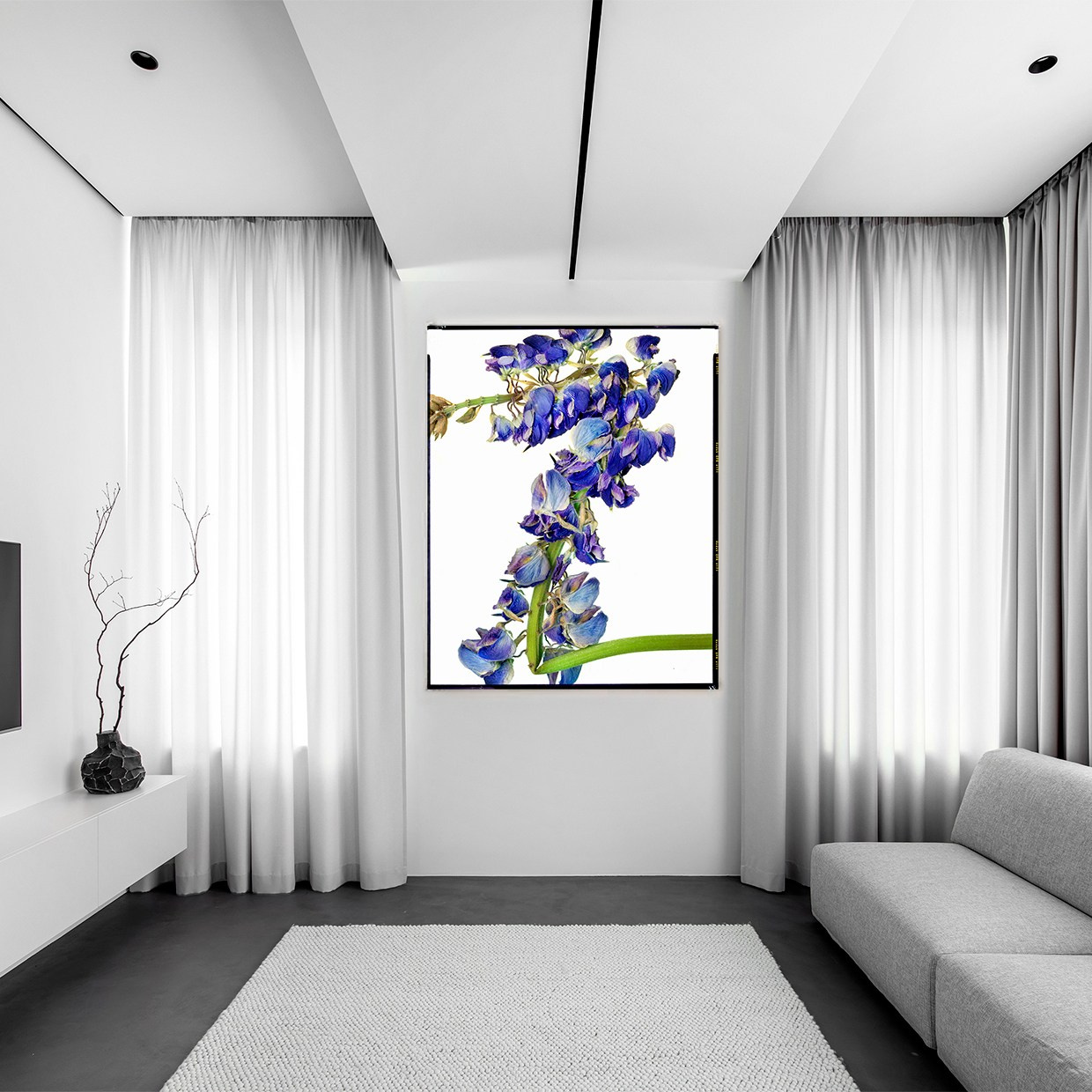
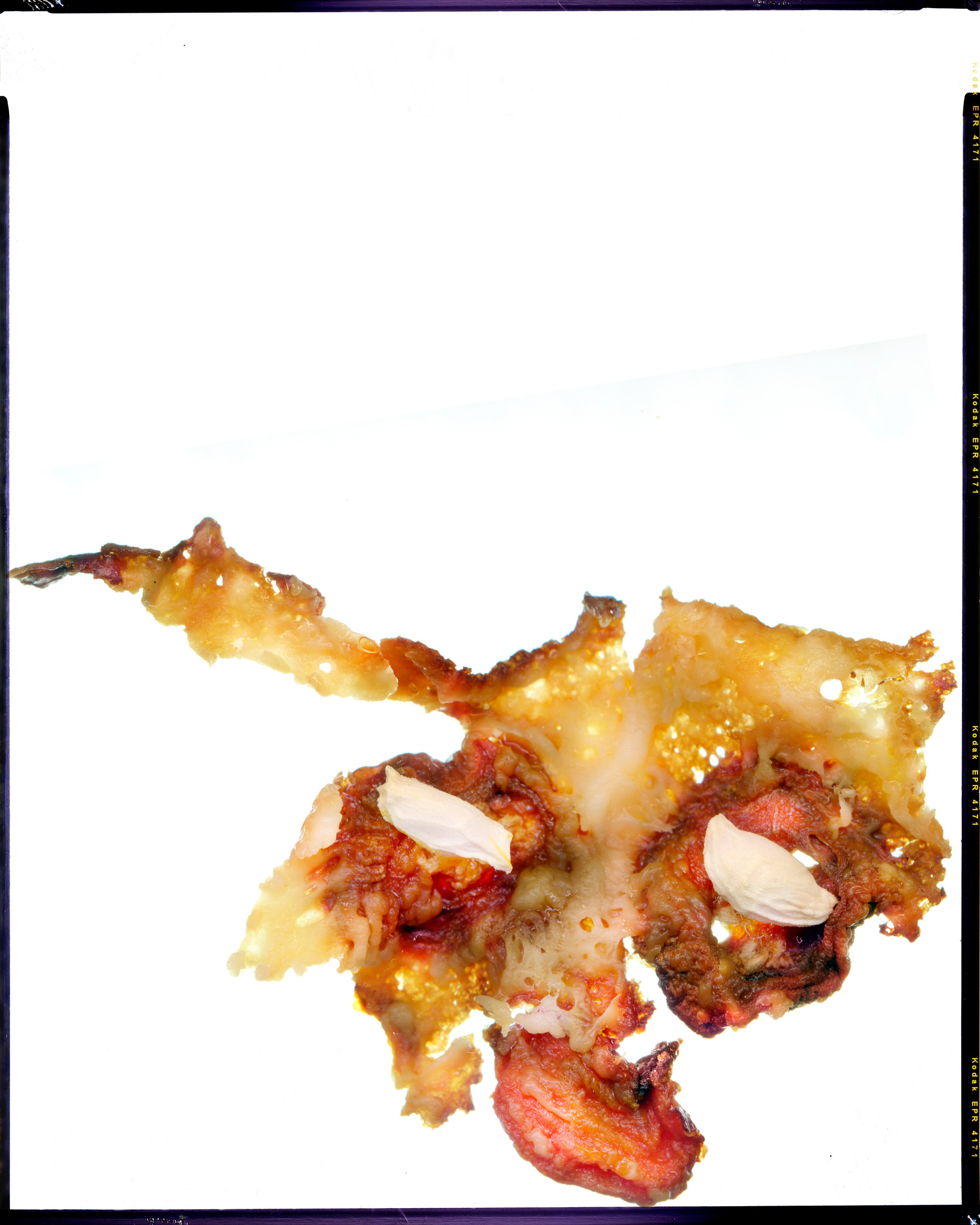
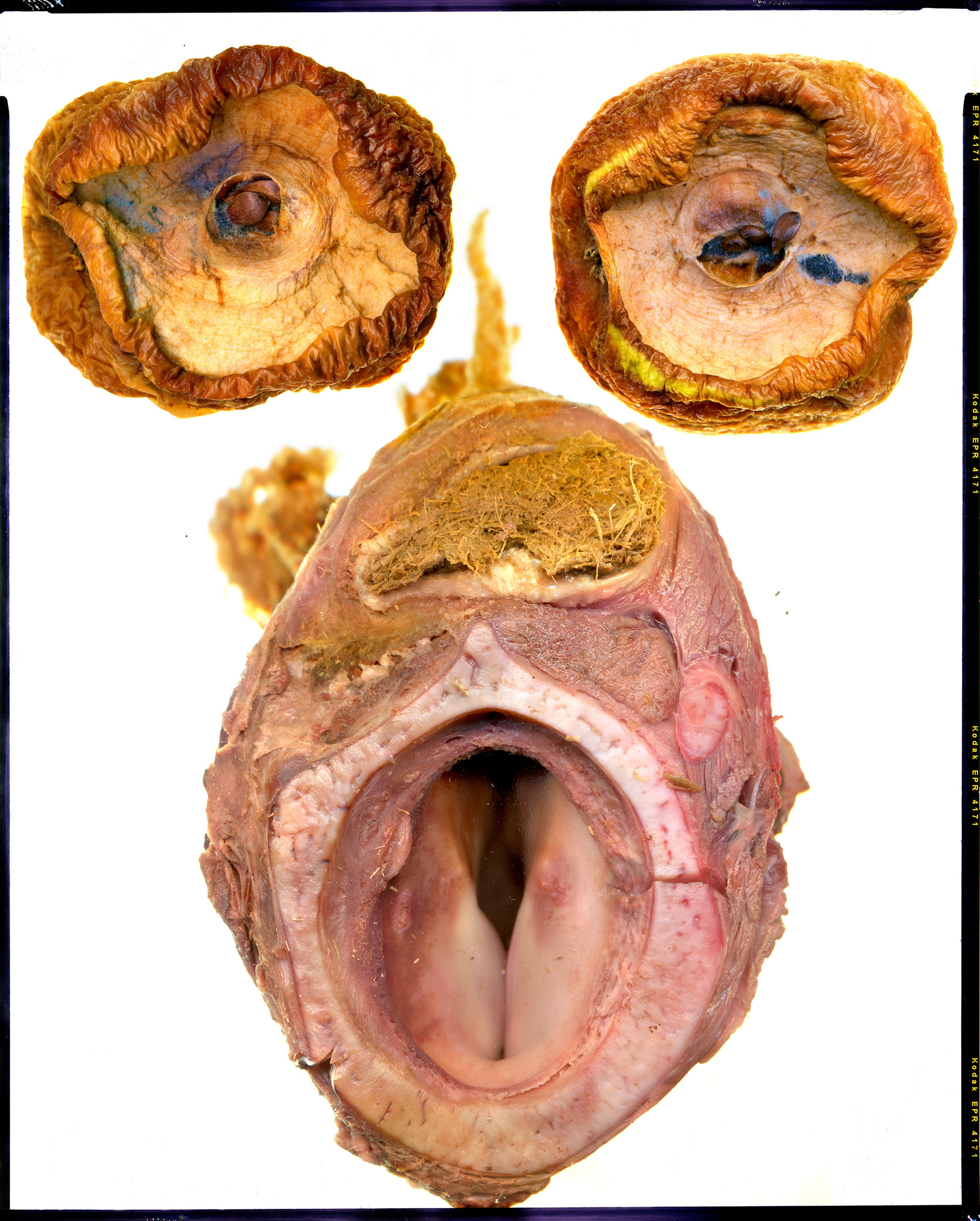
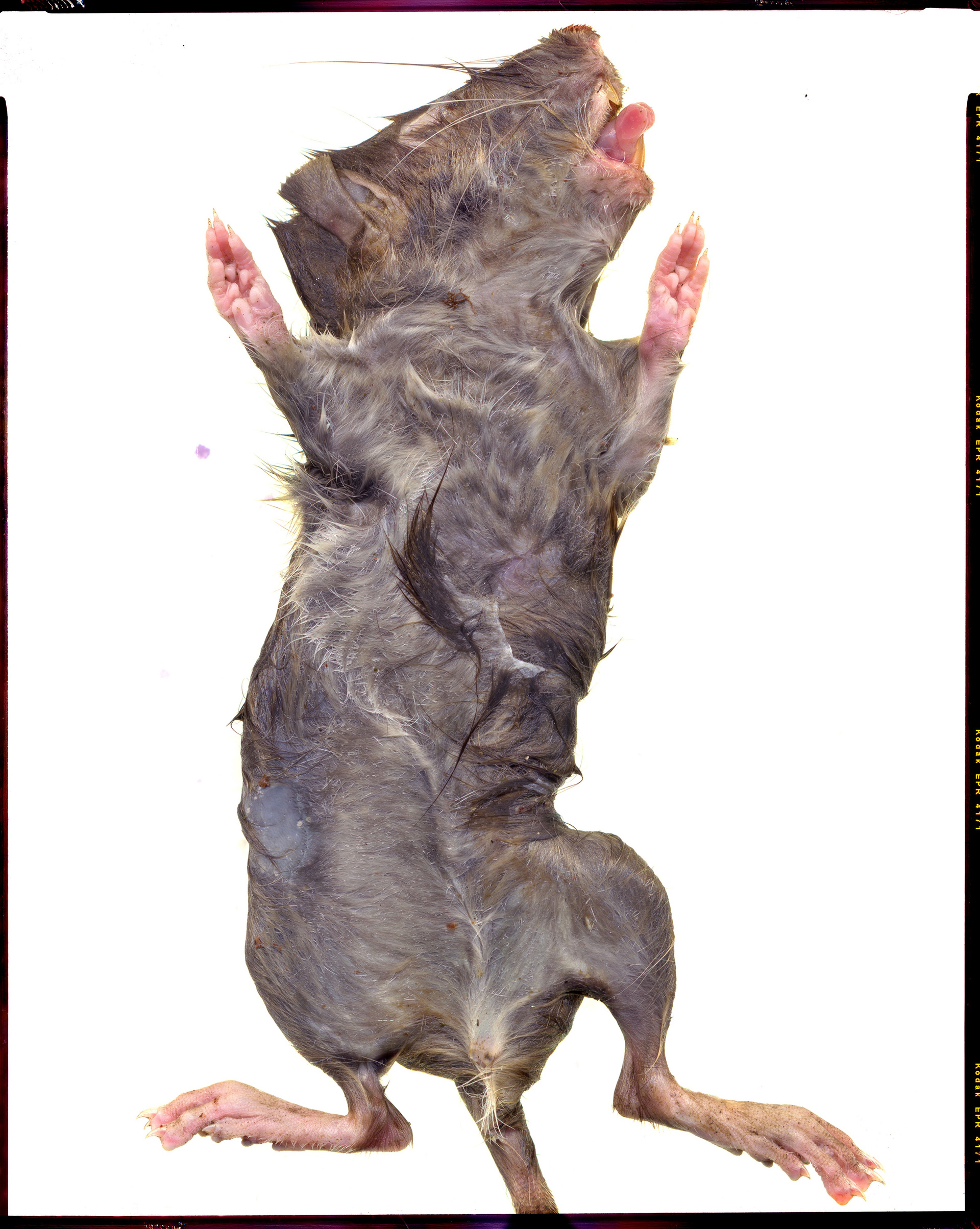
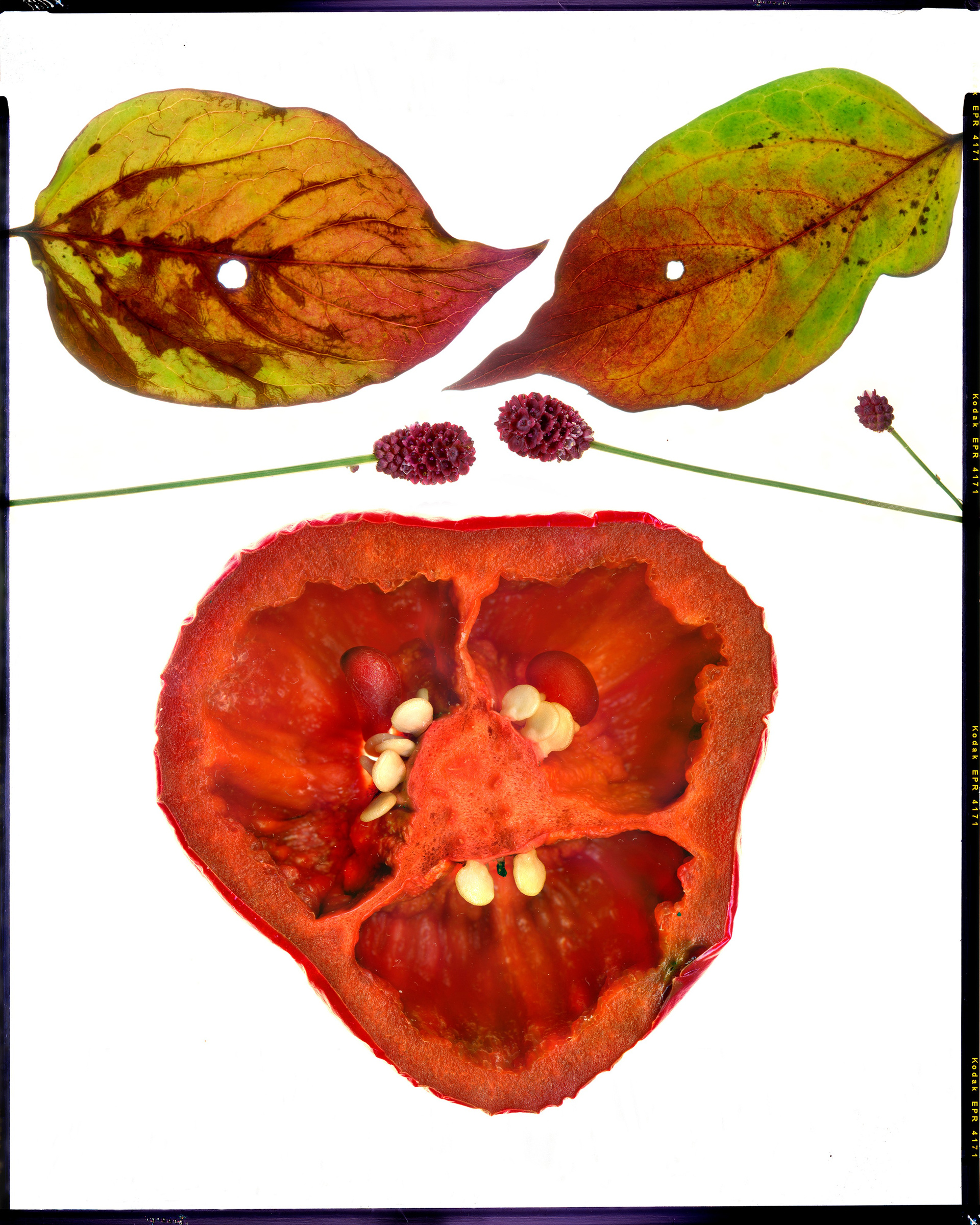
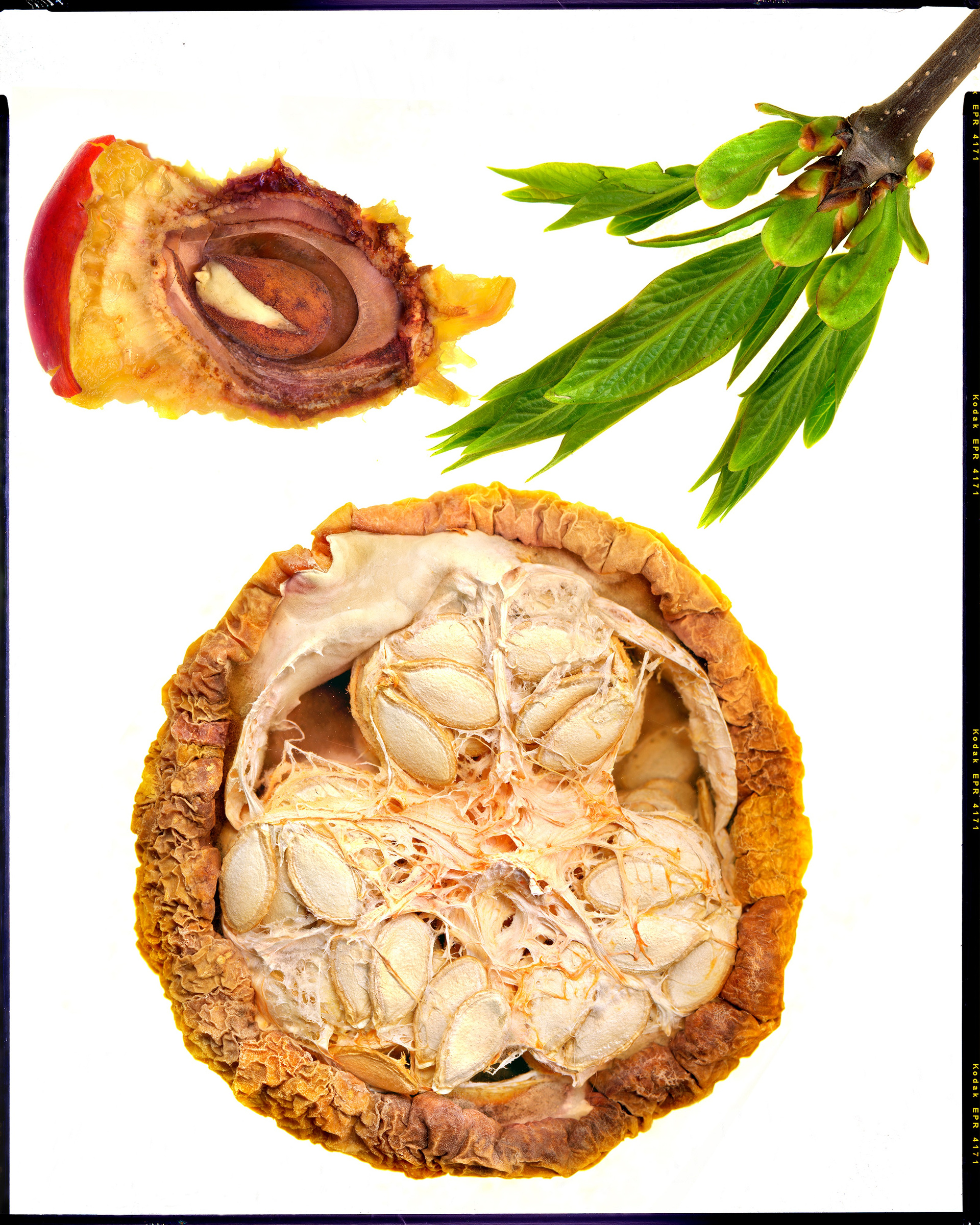
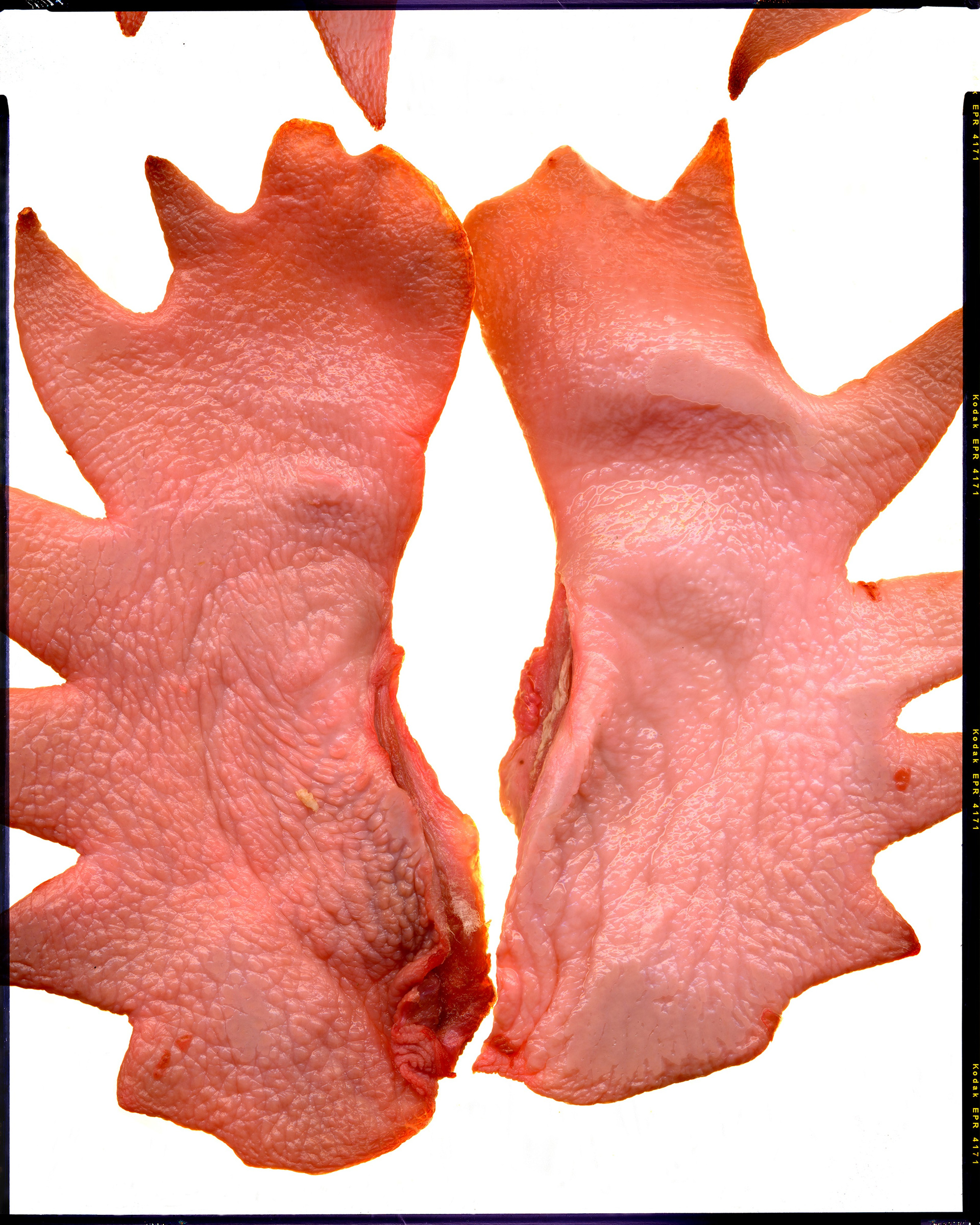
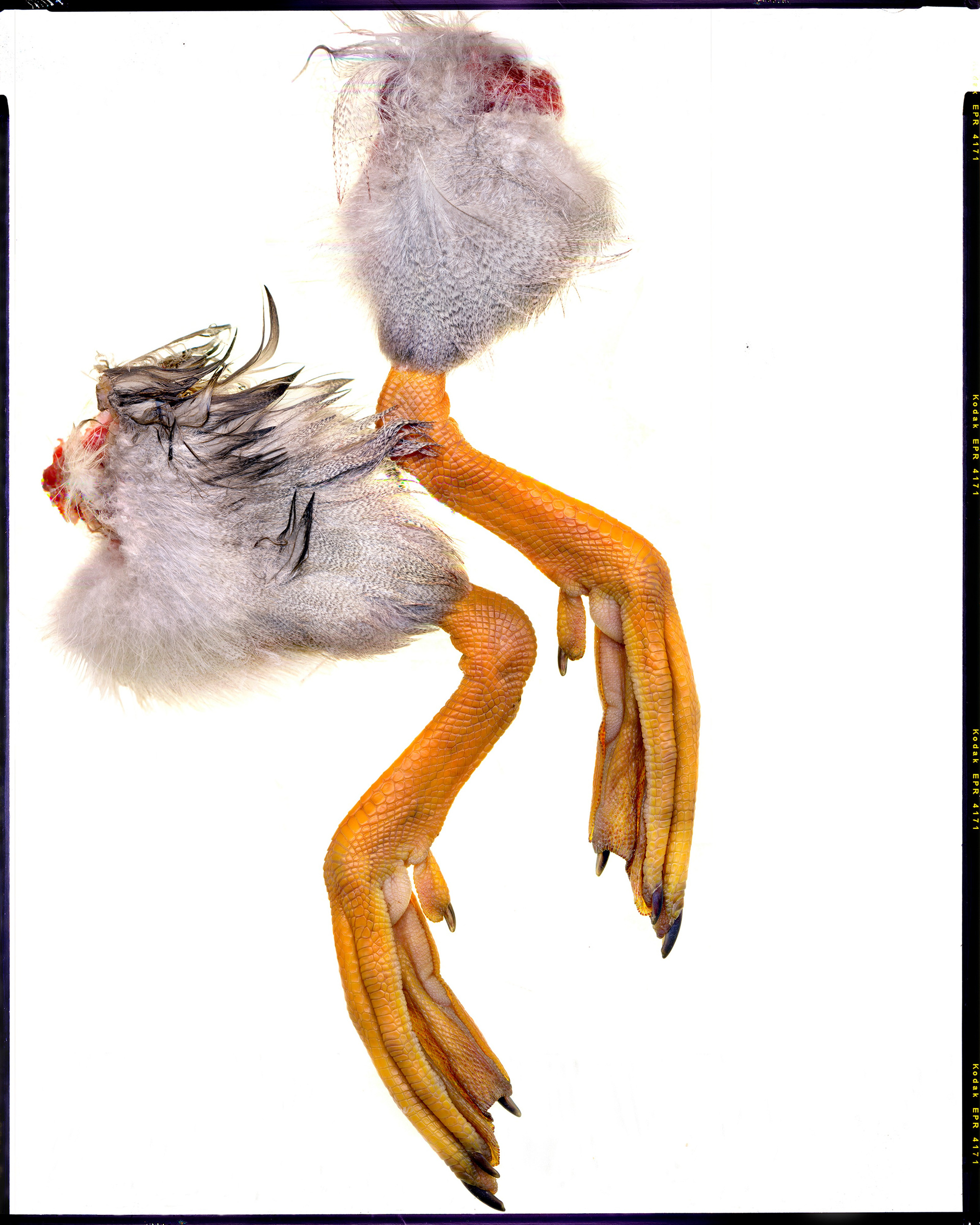
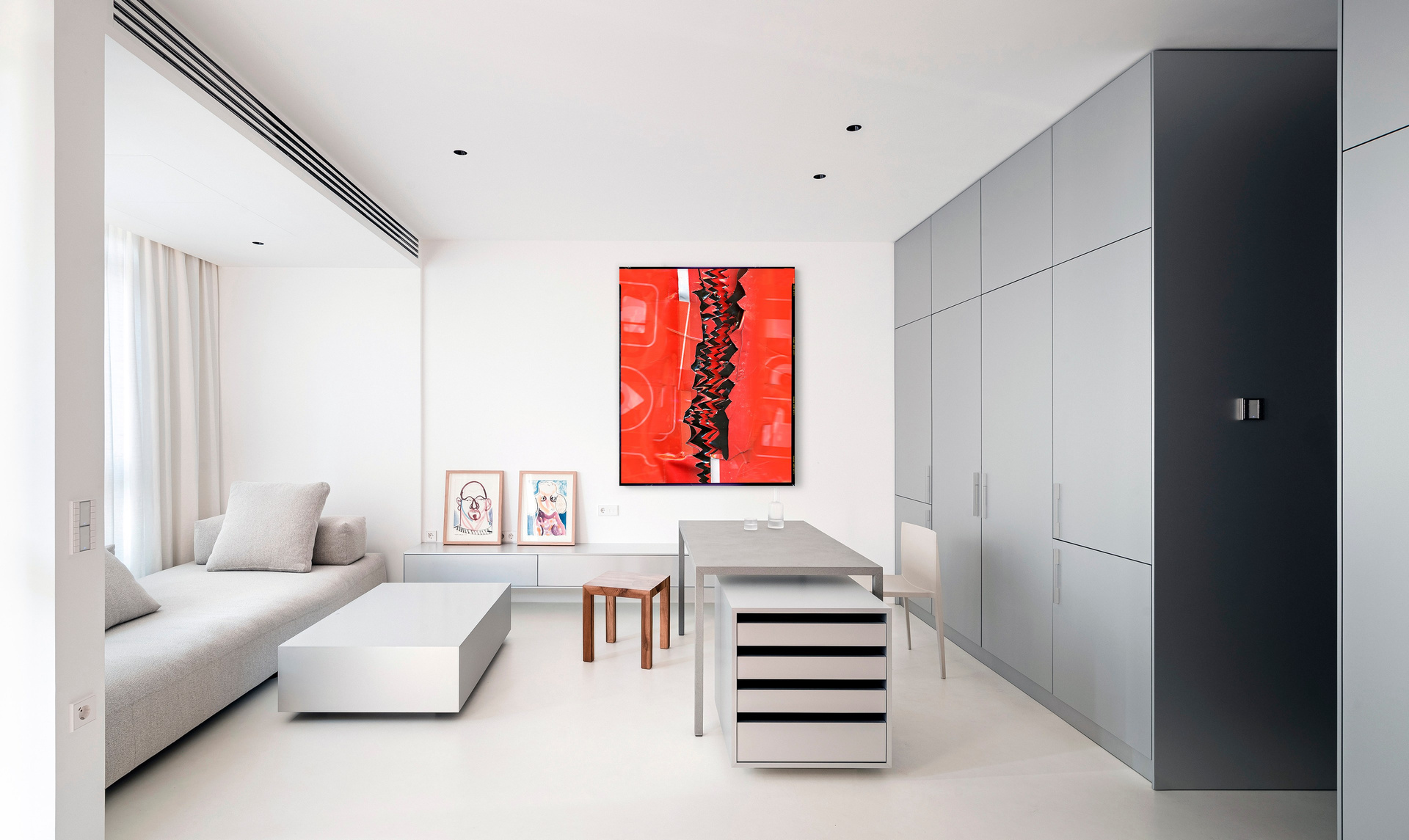
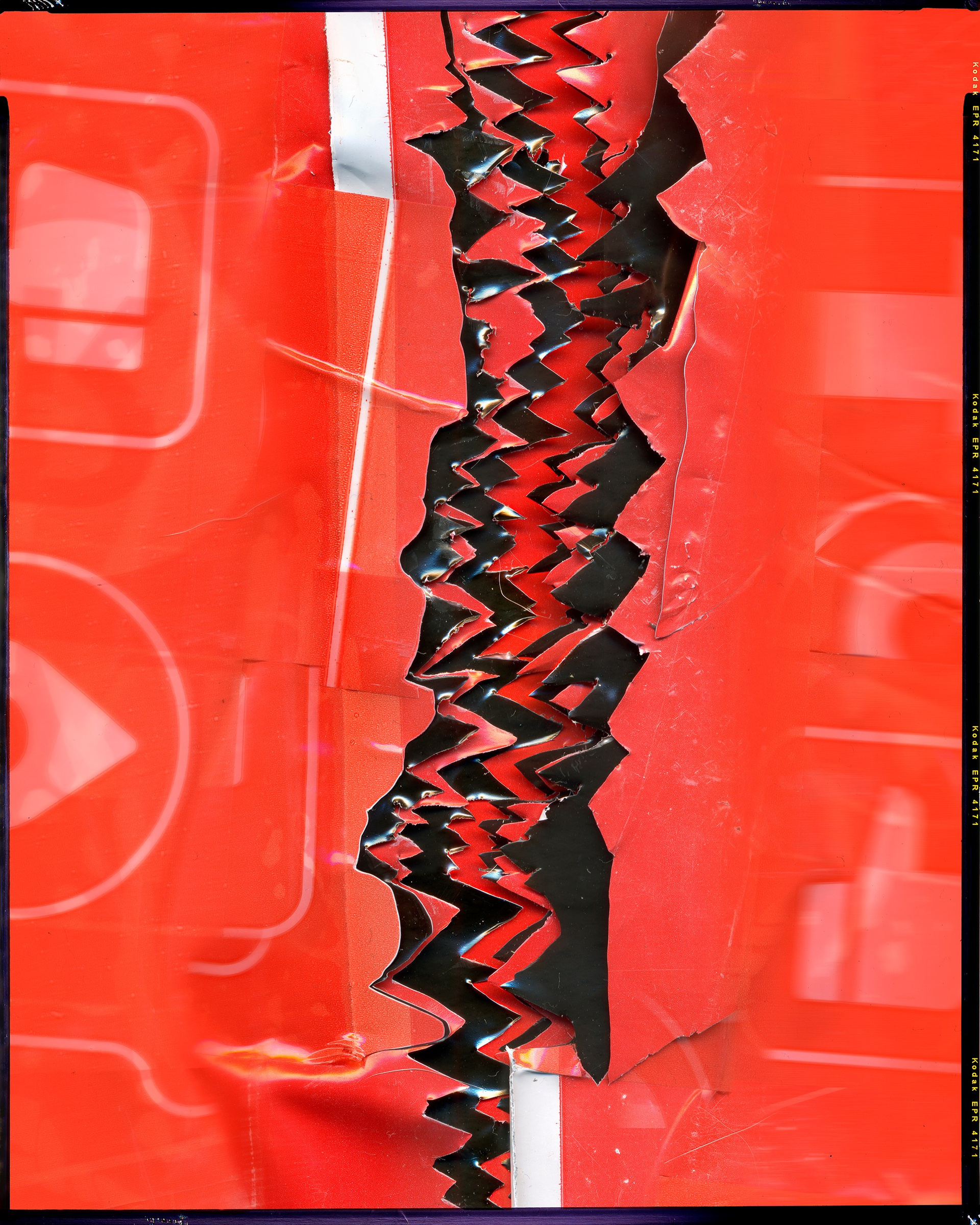
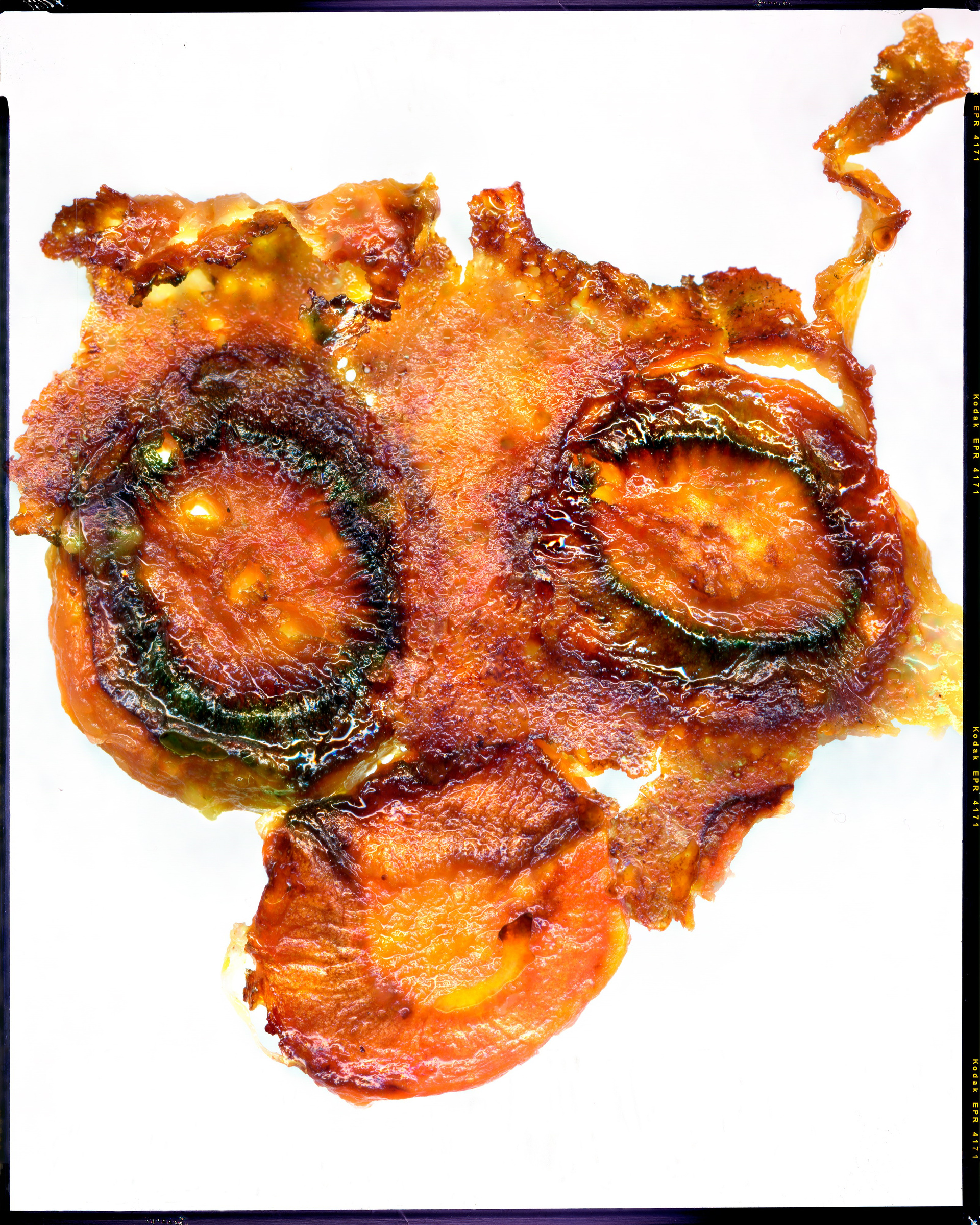
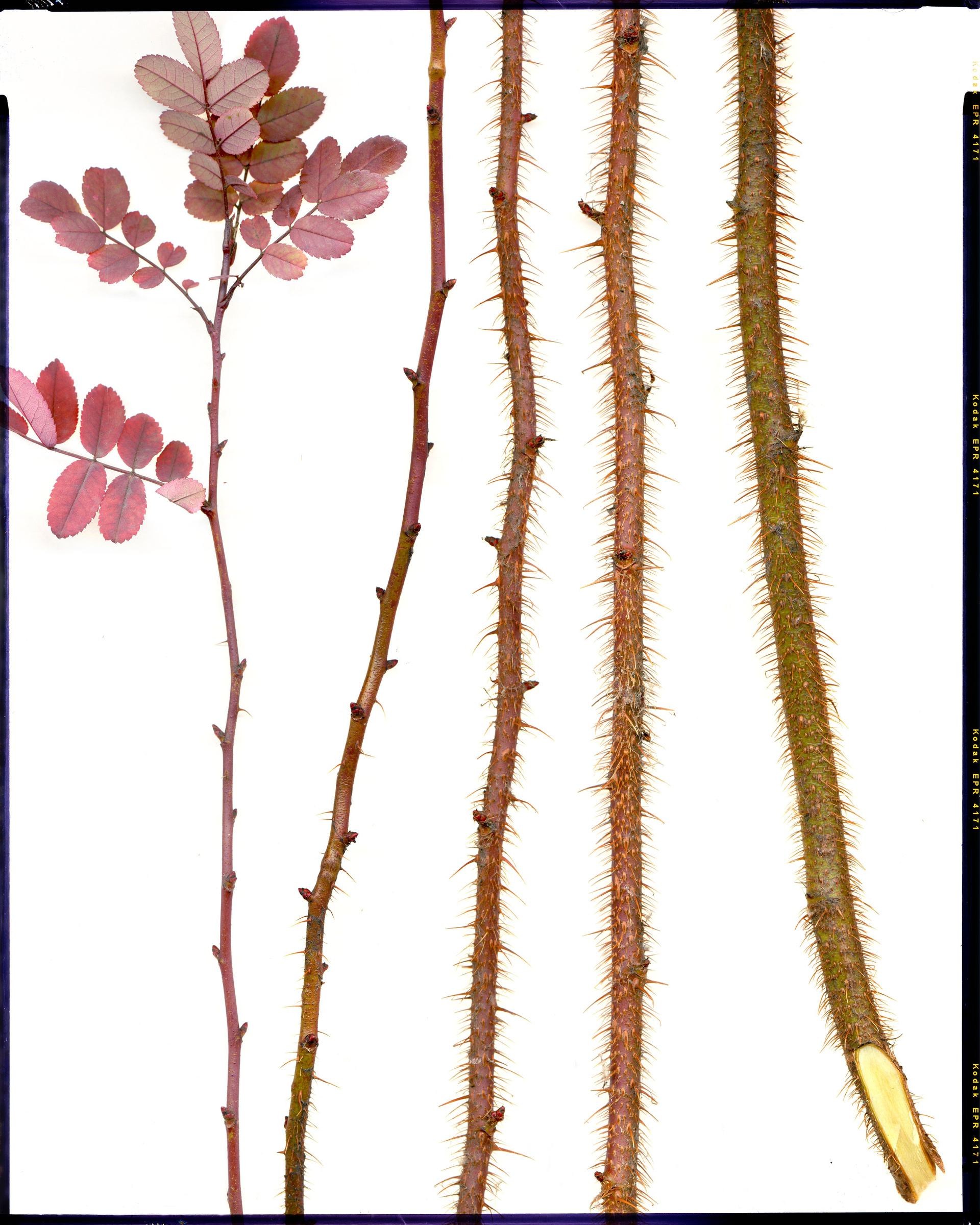
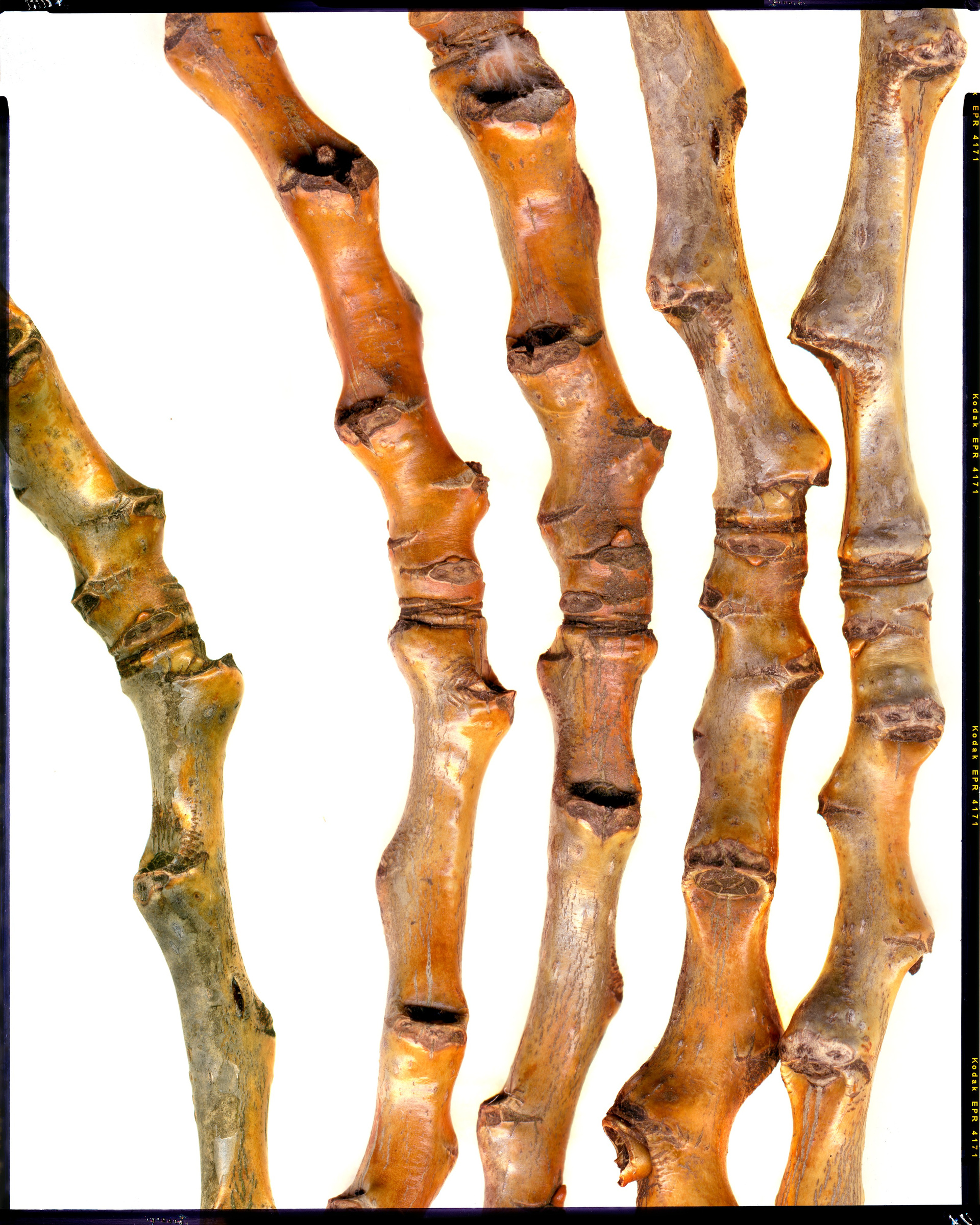
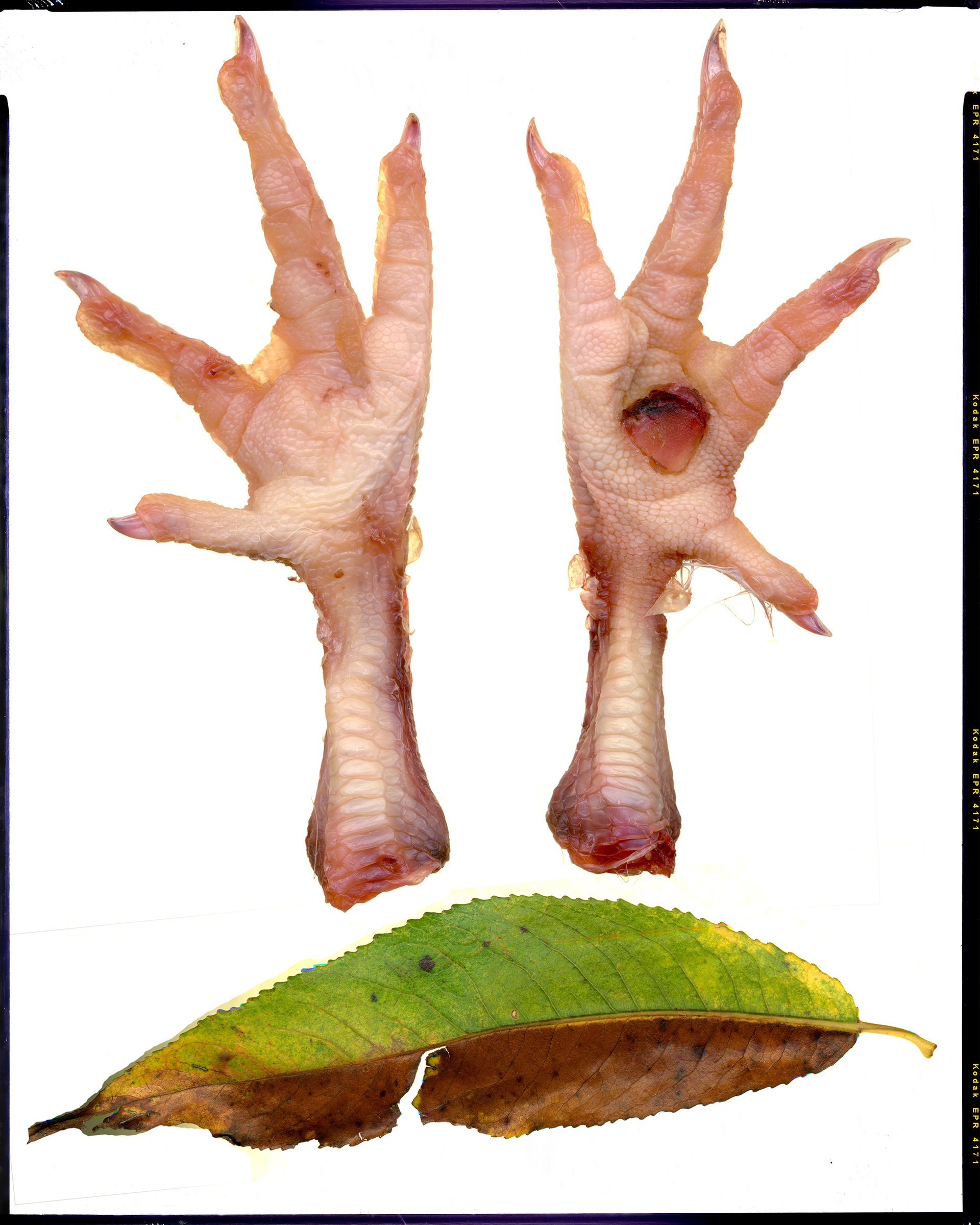
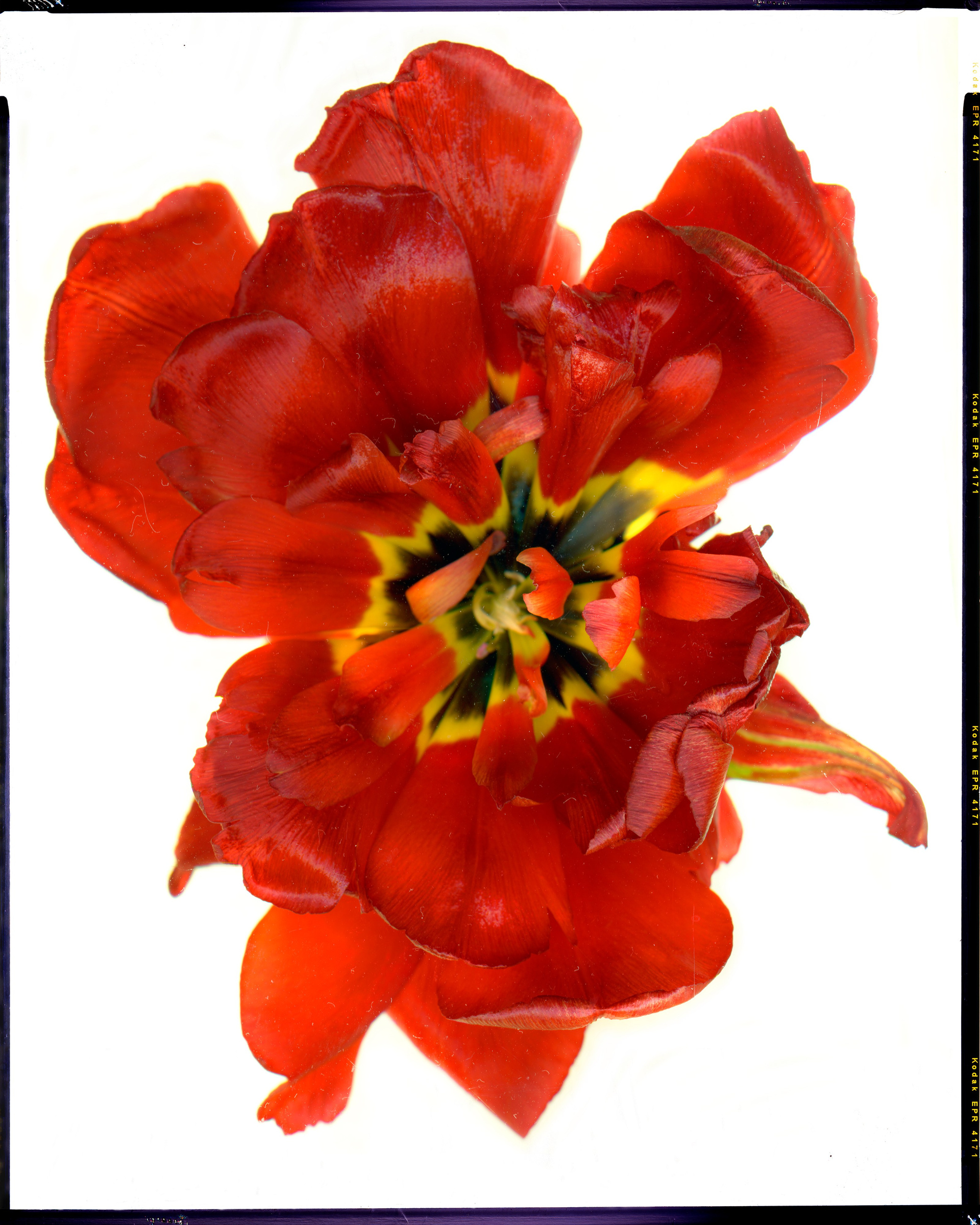
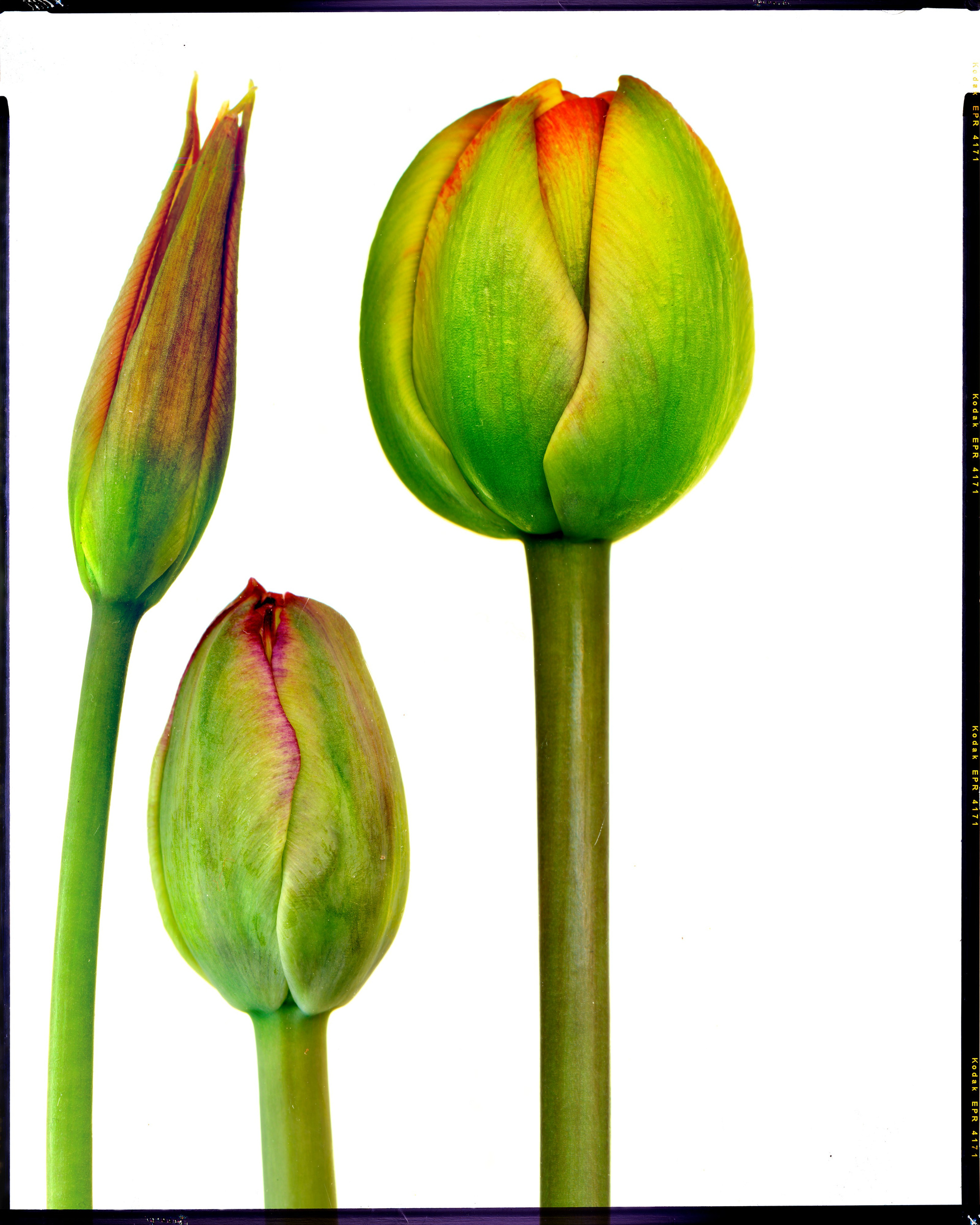
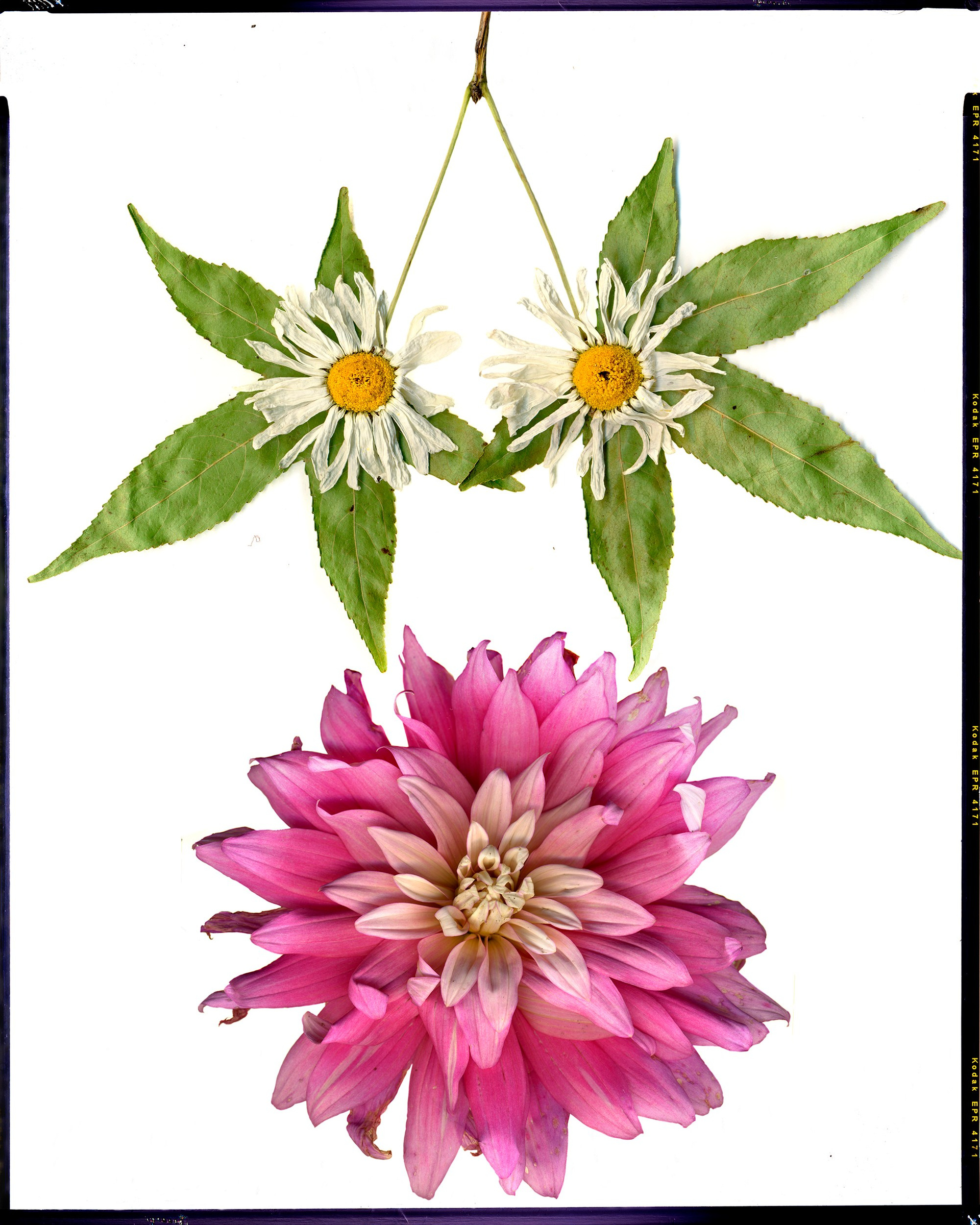
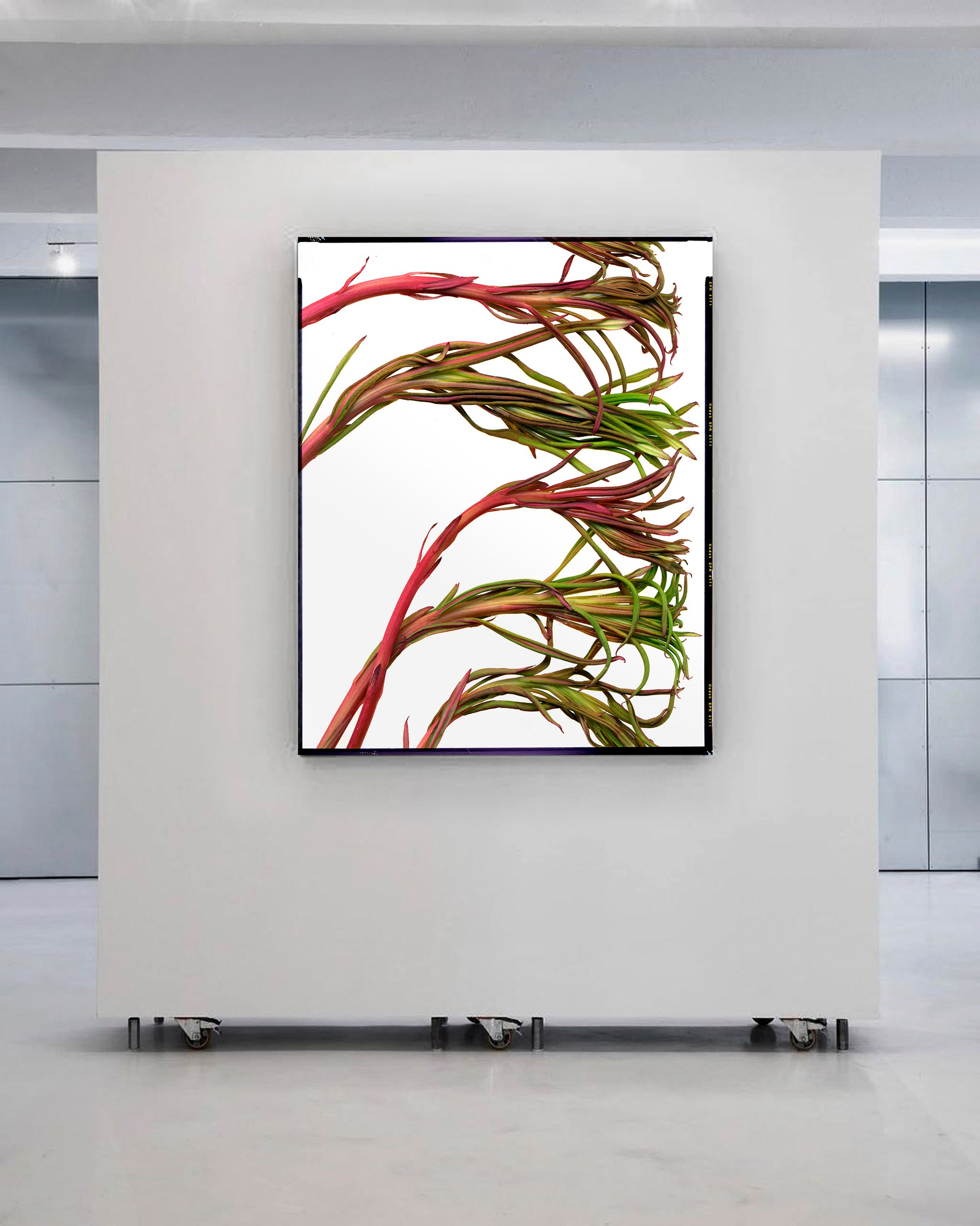
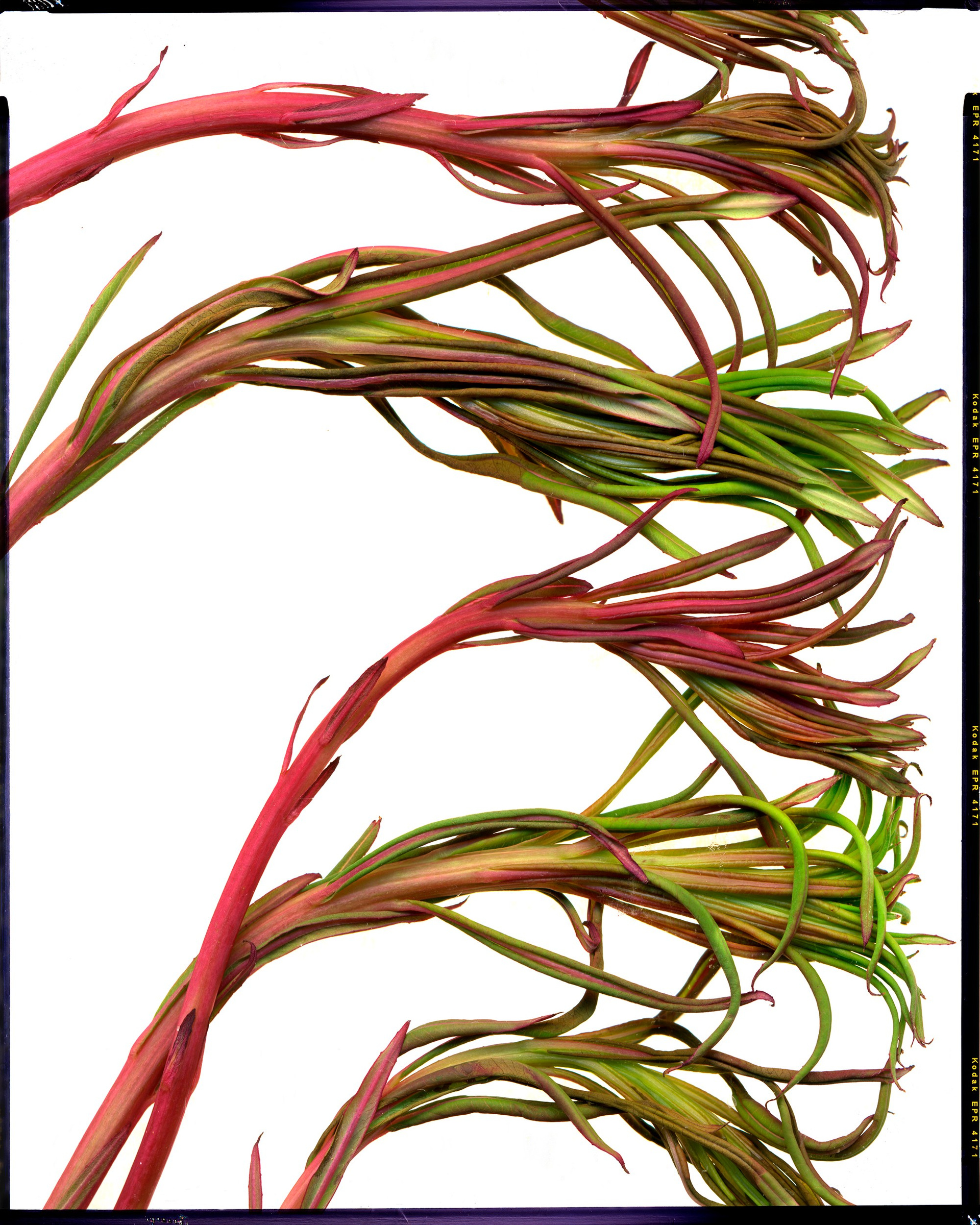
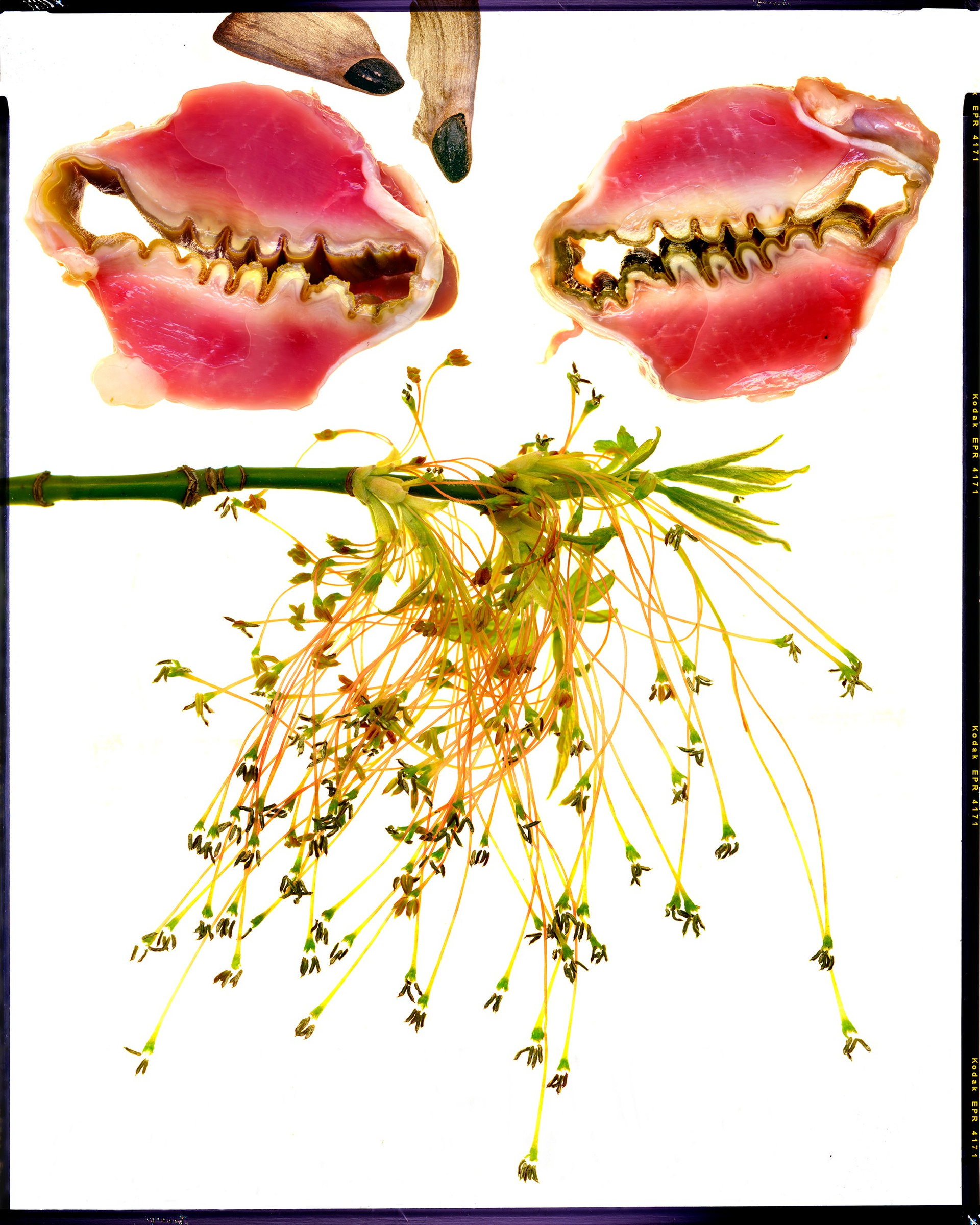
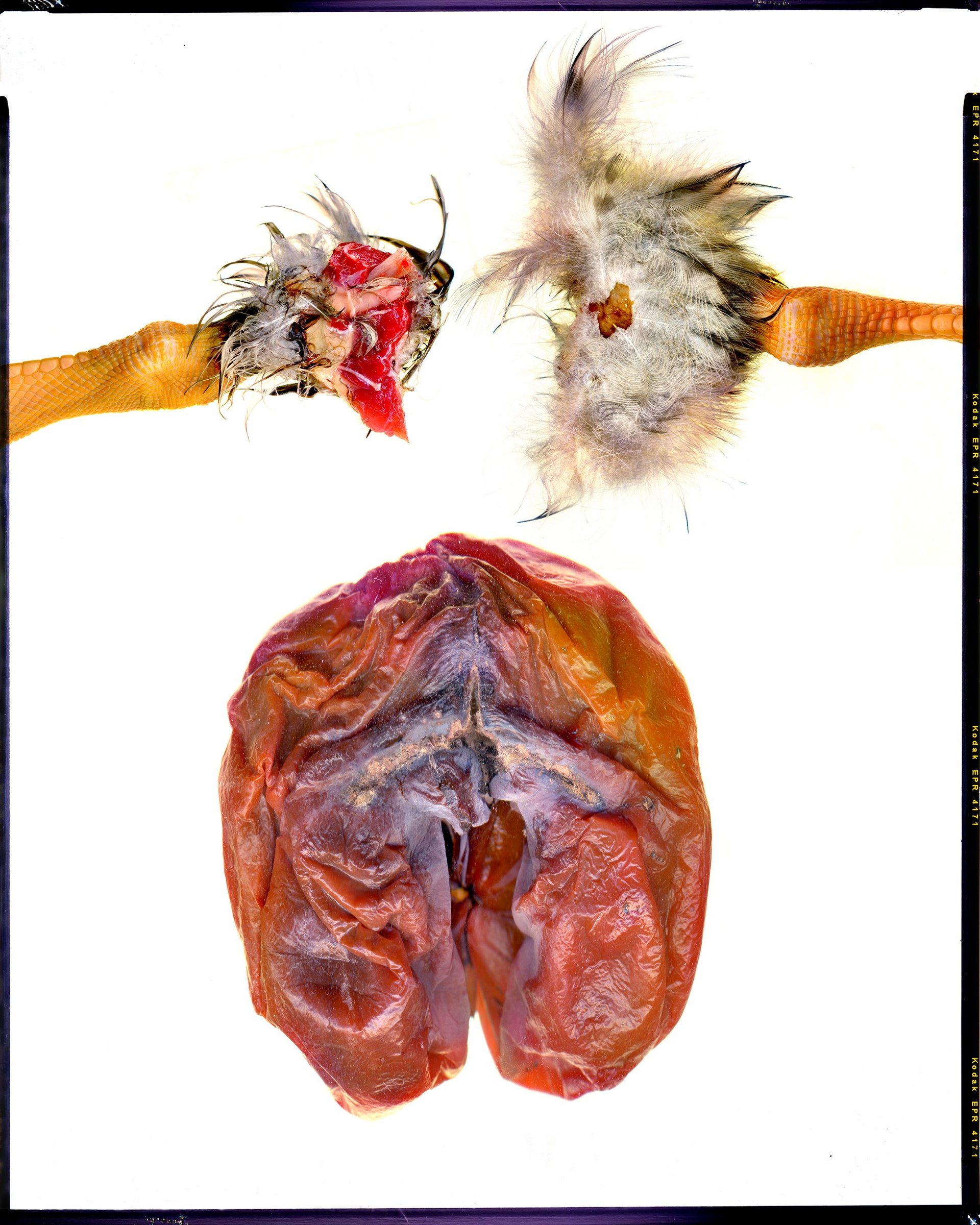
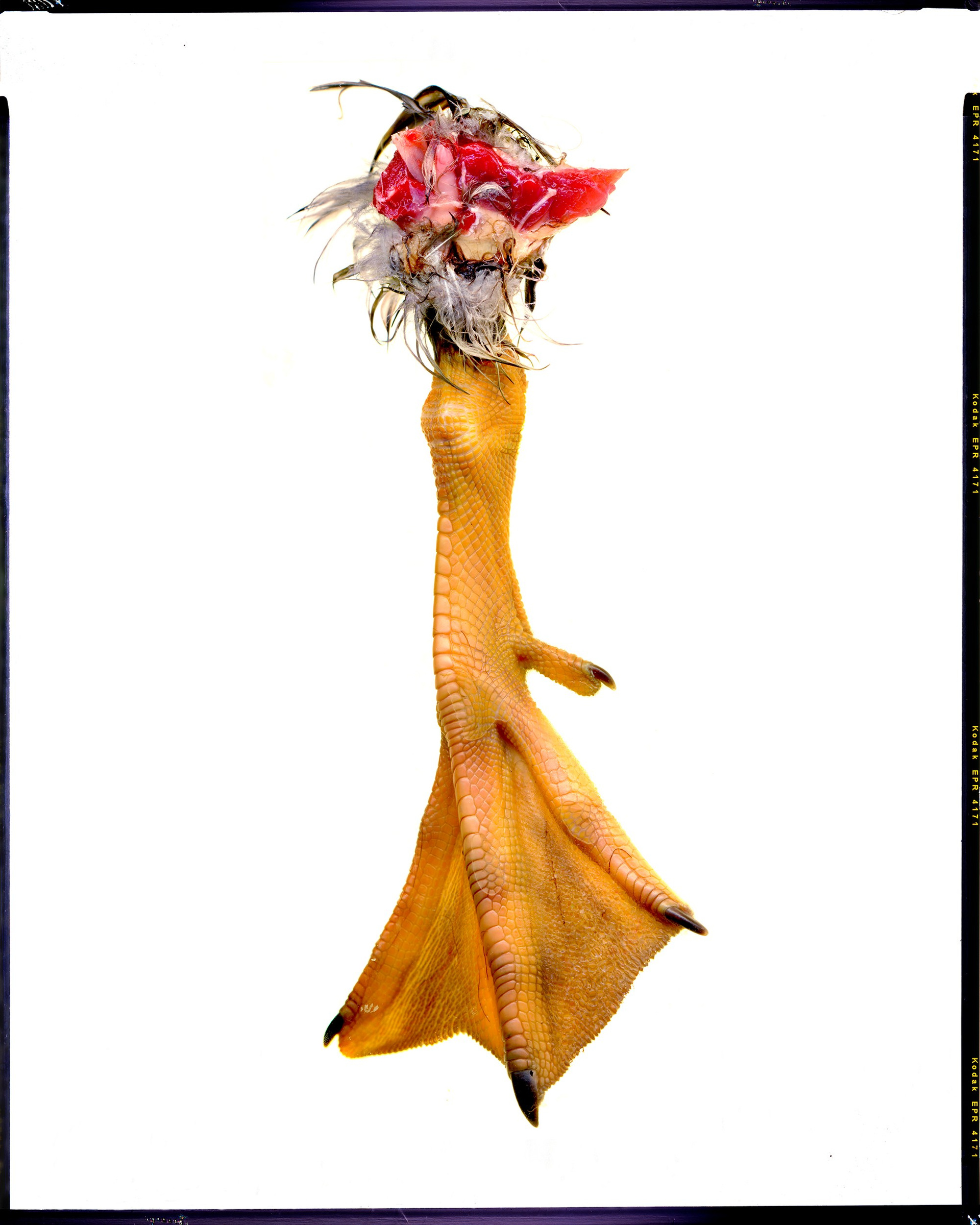
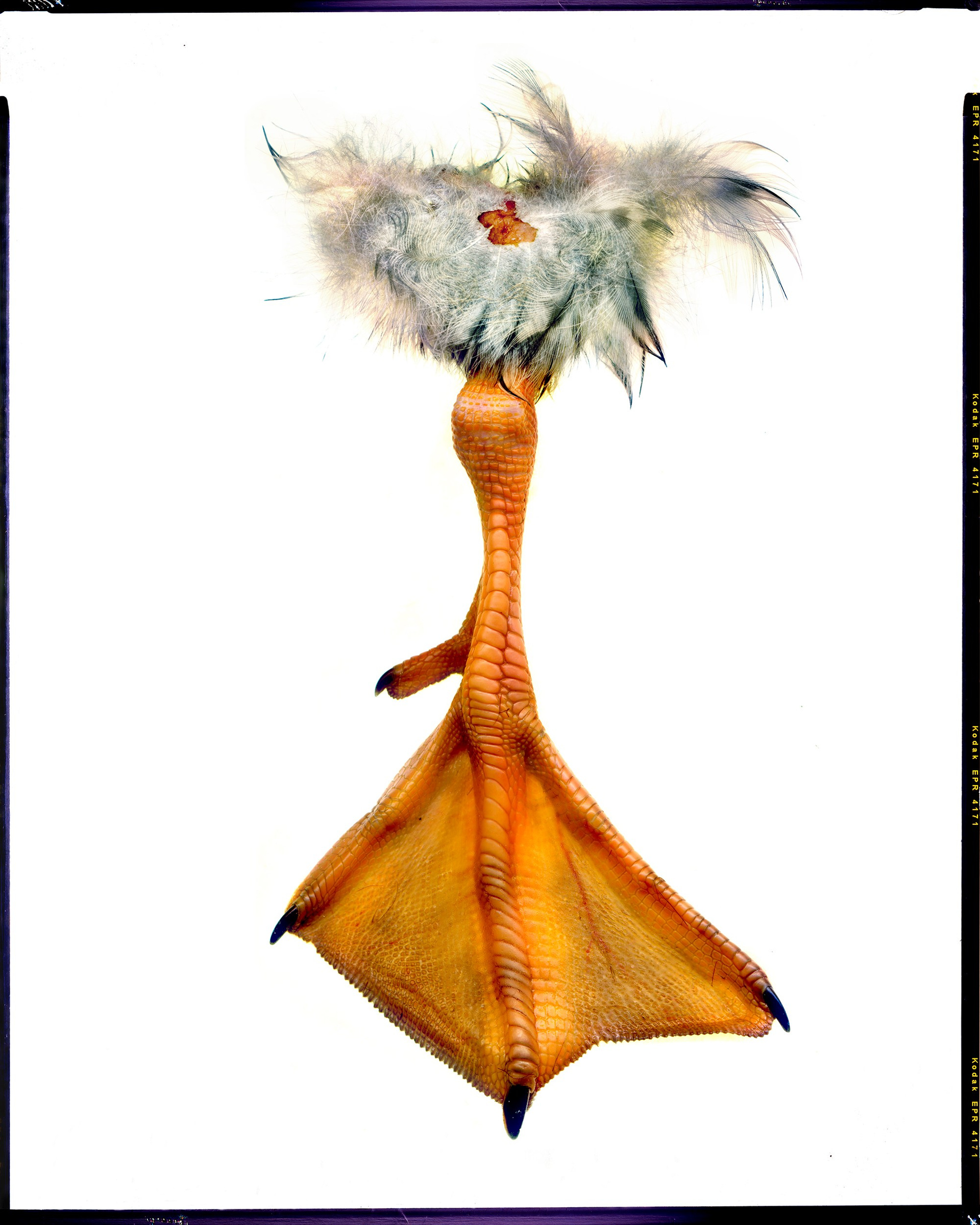
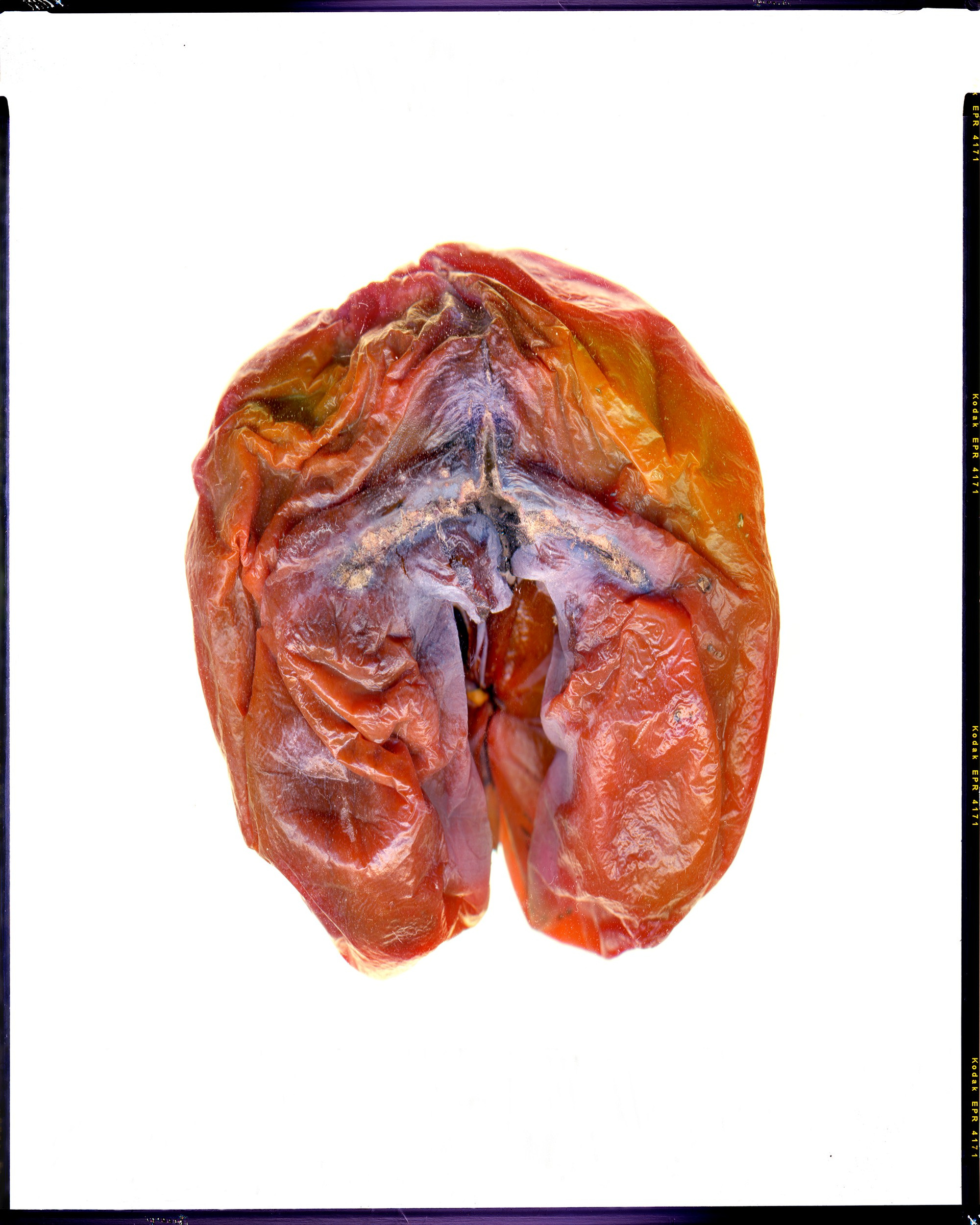
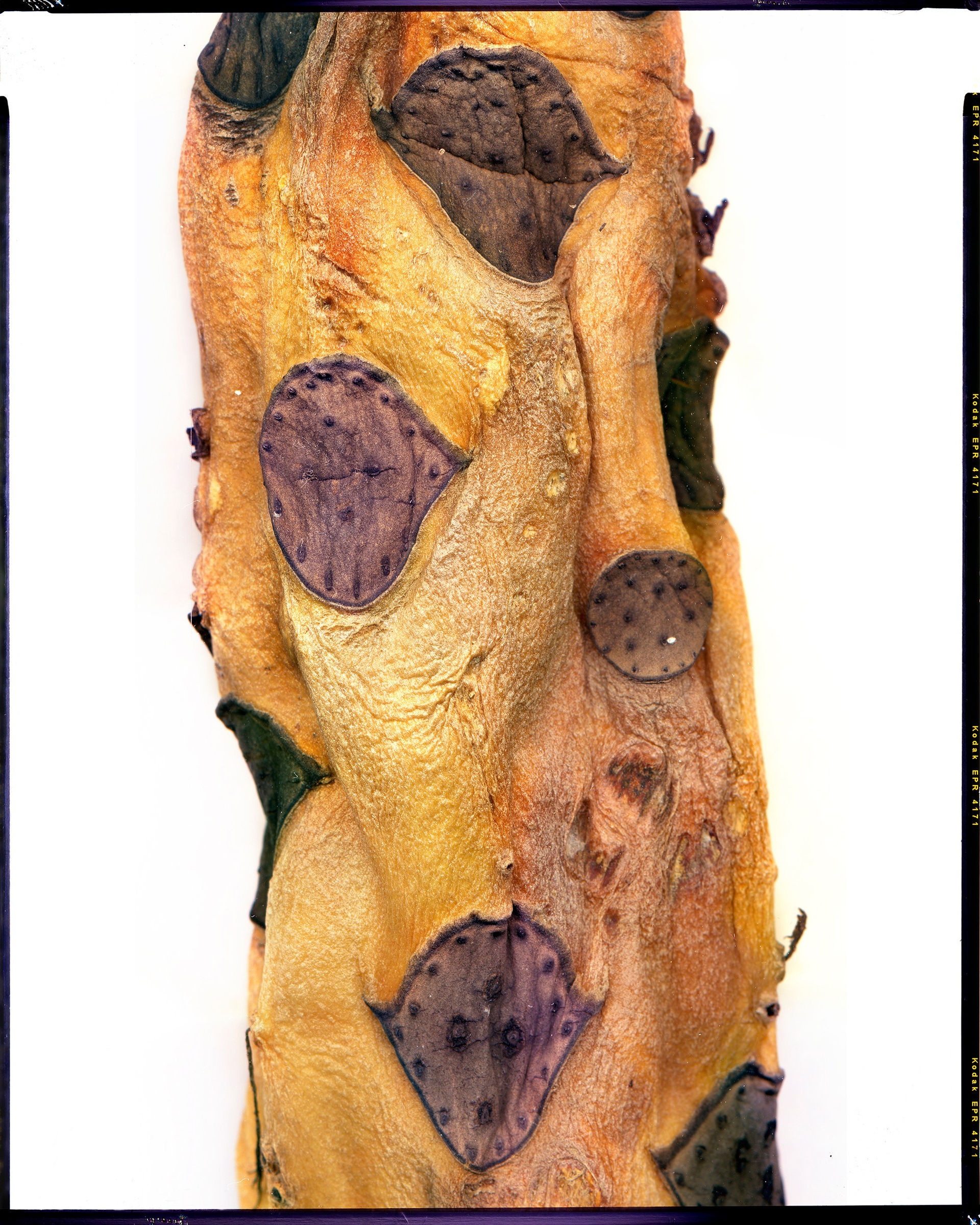
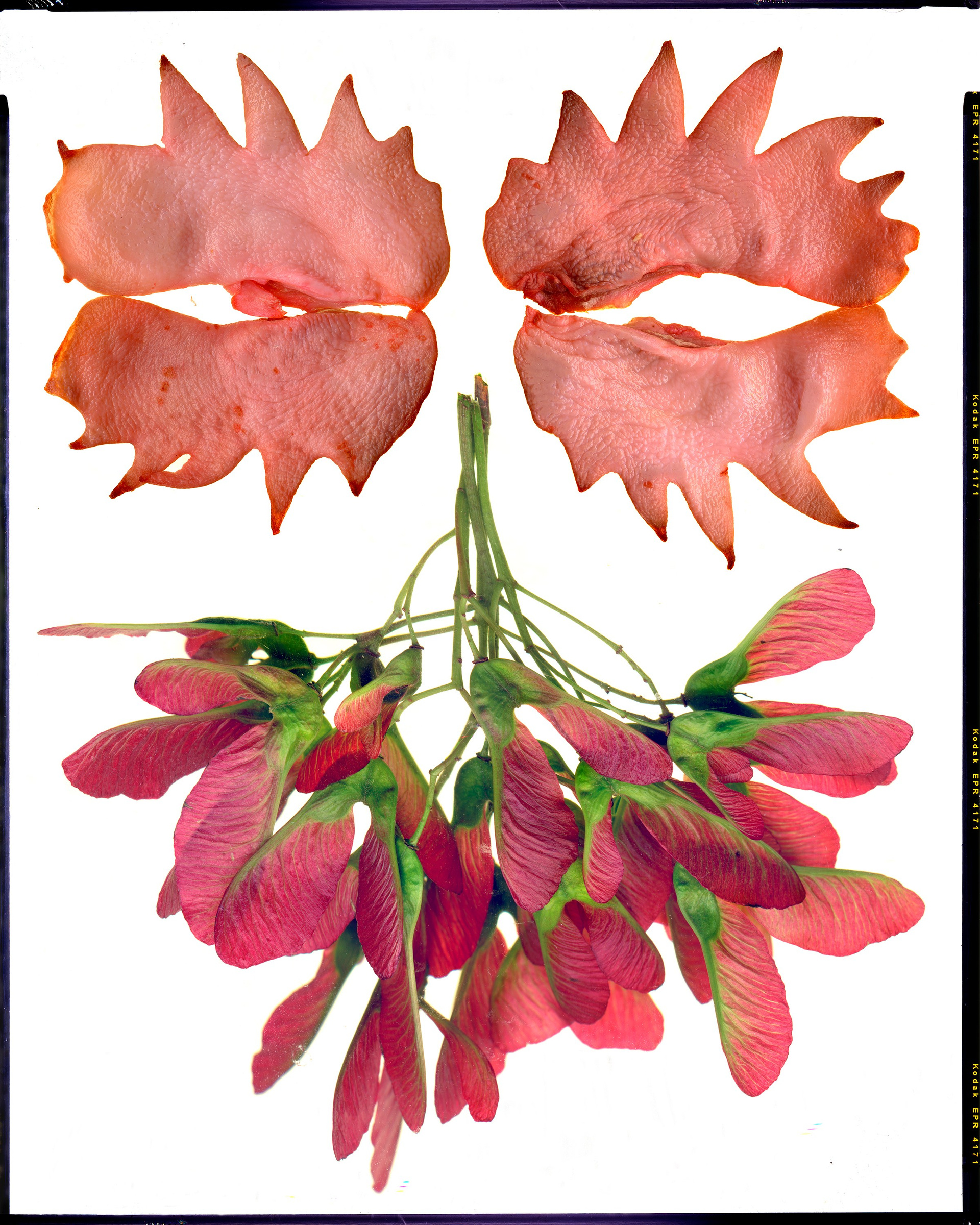
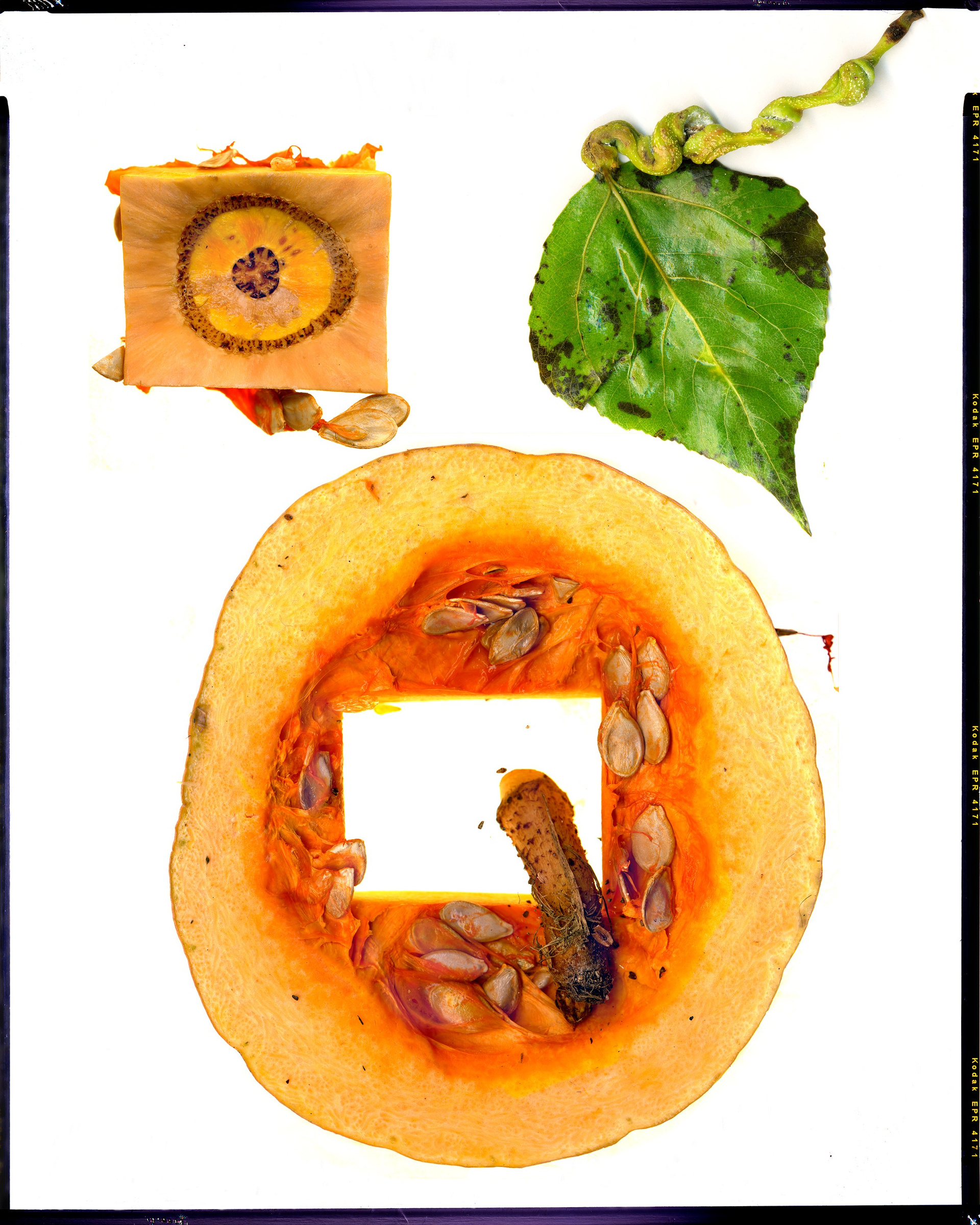
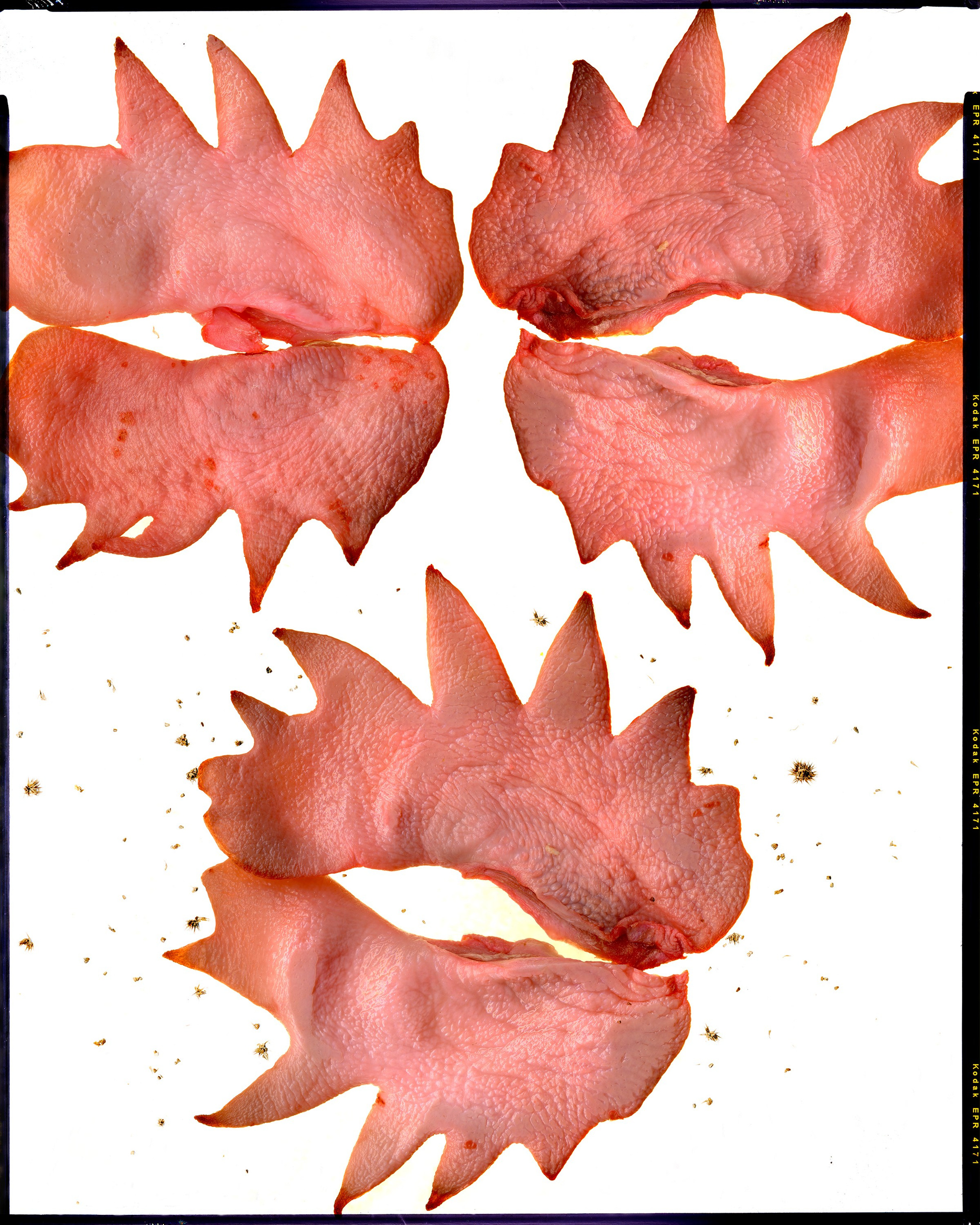
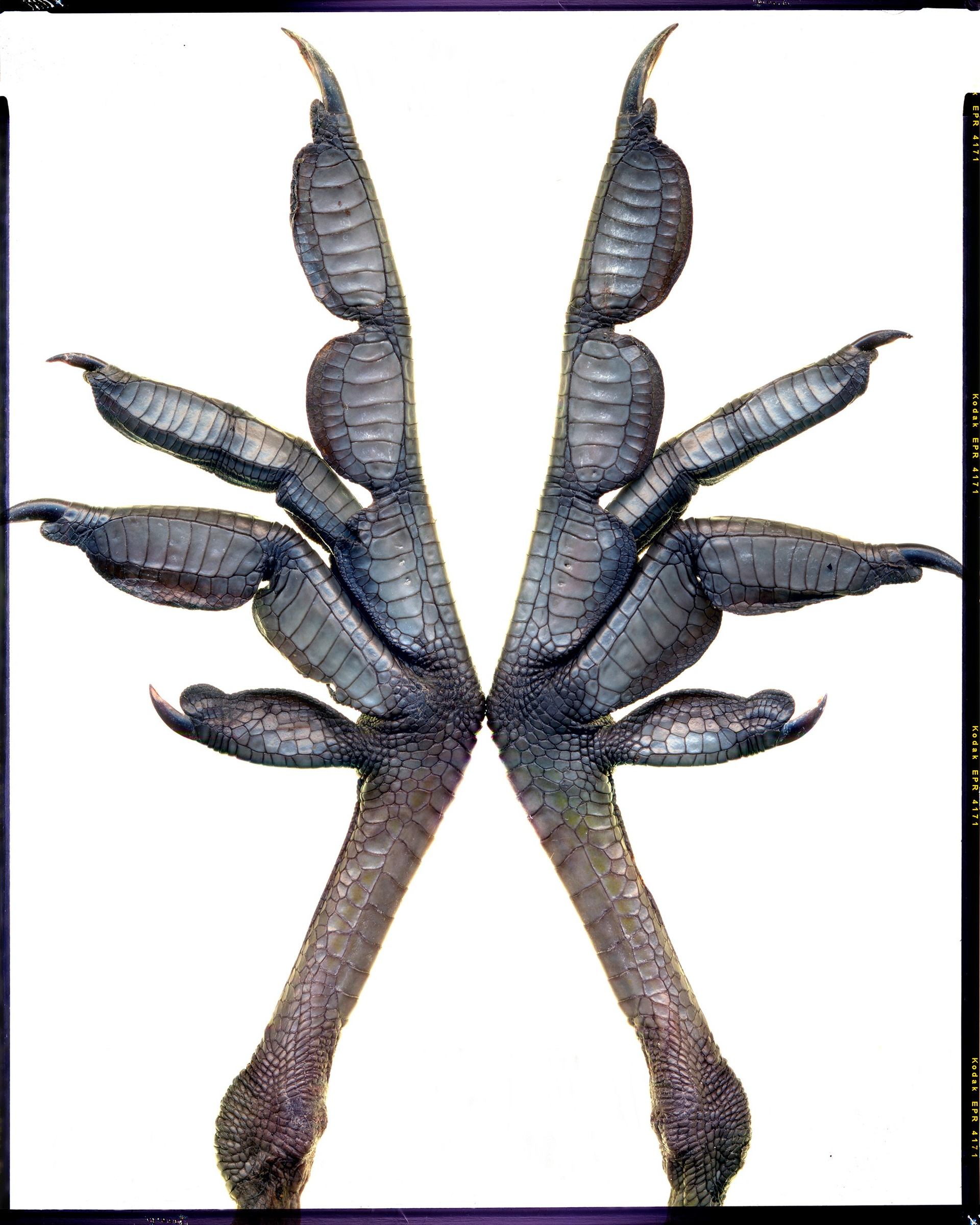
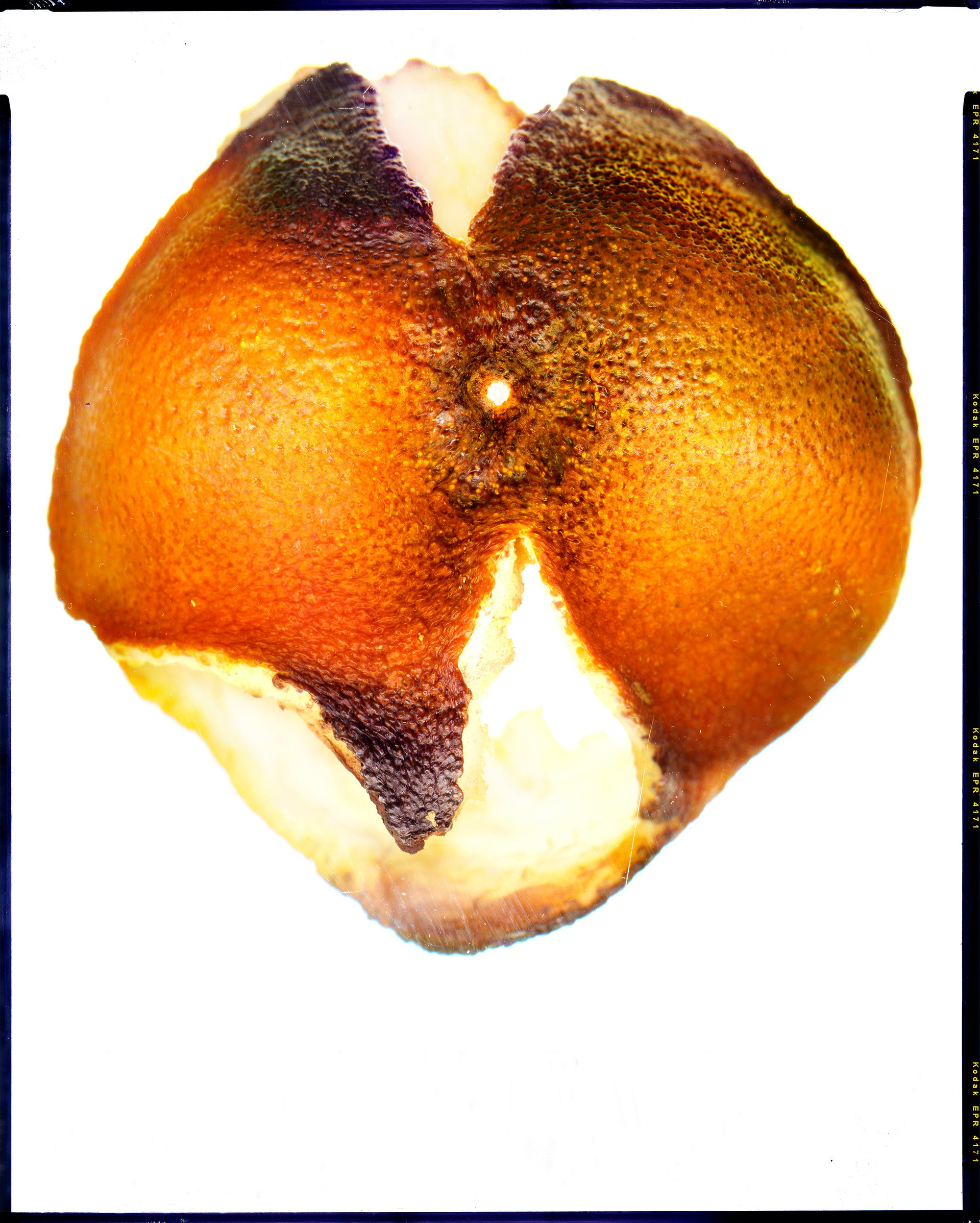
The white “colour"—if colour it may be called, and not rather the condition of all colouring—presents itself as the densest, the most formidable, the most exacting and, paradoxically, the most artistically rich of all chromatic registers of the frame-scene setting. It is not a negation, as the vulgar aesthetician would have it, nor an absence, but a plenitude so absolute that it consumes all lesser hues into its sovereign monotony. It is precisely thus, and only thus, that one may frame, organized and hold fast—with the visible tensile grip of a sculptor’s invisible hand upon clay, sculpture—the substance of an ethos (whether sign, object, thing or hero): that precarious, striving thing which labours to return to cultural ordinariness, yet finds itself suspended in an ecstatic, pluripotential tension. This tension is no minor aesthetic frisson; it is comparable, in its amplitude and consequence, to the tension of a theory of everything—that coveted synthesis of harmony, resonance, total conjugation, and the attainment of a radical, prelapsarian as a pre-sign identity. Only within such an authorial tension—this deliberate, cultivated strenuousness of the white colour framing act—can the subject be held within its frame, and not as an frame’s interior backdrop, not as just a colour or psychological projection, but as a sign and power, Marion’s saturated phenomenon—a single entry within the infinite catalogue of signs you are, with the patience of a mediaeval illuminator, compiling into a book of/in a single frame. It is the frame itself that confers ontological status; the frame that arrests the flux of the real and transforms its raw materiality into the dignity of the represented.
In this manner, and in this manner alone, does the artist command the object and prove oneself stronger than it—not through brute force, nor through the tyrannies of verisimilitude, but through the space and energy of the frame itself. This assertion is not explicit; it is more profound for its implicitness, more powerful for its indirection. One speaks not of the object but through it, articulating tactilely and scenographically, wielding objects as though they were modelling clay, or an alphabet—a mobile, infinitely permutable lexicon. And always, through this labour, one comprehends the same thing, the same singular quarry of meaning; yet always differently, because each frame (M. Proust’s vasseau, récipient, vase, navire, receptacle, tabernacle) demands its own theology of attention. Thus are summoned all the possible worlds of the world—conjured as through an incantation of lenses and light—just as one summons, in parallel, all the possible worlds of the self. All becomes alphabet, all becomes flesh, to construct heuristic and epistemic vessels, scenes within the frame that aspire to a complex, non-linear, non-natural-scientific, non-discrete comprehension—a comprehension that is, in its final ambition, nothing less than a theory of everything, rendered not in equations, but in the immanent, irreducible grammar of the visible.
White is the scene surrounding the object; it is astonishing, and it holds the key to a special understanding of the pivotal concept of 'author'—for it is precisely this scene that constitutes an immeasurably intricate and handcrafted system. Let me be precise: for each artist, specificly the white varies immensely—indeed, it is the very index of their singularity. Everything else within the frame remains, in a certain sense, common property: the real, visible world, the repertoire of representations, the given furniture of the phenomenal. But white—white is the invisible signature, the subterranean river of style. It is here that one discerns the artist’s voice, their energy (both in quality and quantity), their concealed craftsmanship, their approach and their vision. White is the mystery and the reality; it is the invisible world that animates and transforms the visible world into a A-sign—not by erasure, but by transfiguration. This white is no empty ground, no passive negativity. It is a delicately woven, statically indeterminate system—a structure, a scaffolding of supports and complex mechanics, crucible, a finely tuned site of autocatalytic action. It is the scene of manifestation and saturation, the very theatre in which the object undergoes its explosive crystallisation. And what object? Often, an object accidentally withdrawn from the world—a foundling of the everyday, elevated by this alchemical process into the order of the significant. Here, within this white crucible, occurs the crystallisation of the object’s semiotic, primordial, universal, aesthetic and cultural subjectivity—its activity, its agency, its sudden, startling capacity to act upon the beholder. Consider: the space of air surrounding the object, and the conventional frame of this scene—or rather, the frame of this theatre of the frame, for the scene of the frame is transfinite and the vessel of the frame is bottomless. It is this setting, this protagonist in absentia, that constitutes authorship in its most profound sense. Not 'what' is analysed, but who analyses it, and how. All the frames of the demiurge—that non-semiotic archetype, that genius in the lineage of Irving Penn—converge upon a single principle. All objects are 'captured' with a single focus, by a single author; they are disparate external threads, each trailing from the world’s vast tapestry, yet all converging upon a single internal point: the author’s theatre, controlled from a single, invisible centre. That centre is amniotic white—like the stage, like the most crucial setting and praxis, unseen from the front, of the frame that is constructed and acted out, executed and completed, of the subject captured and utilised. It is the architectonic hidden from the audience’s gaze, the fly system and the trapdoor, the lighting grid and the scrim—all that which makes the spectacle possible yet remains, in its operational density, invisible to the spectatorial eye. This, then, is the key to this understanding: an understanding of the phenomenon of a work of art, and of photography in particular. For photography, in its essence, is not the recording of light upon a sensitive surface, but the orchestration of white—the marshalling of that invisible, plenipotent field wherein the visible is not merely reproduced, but consecrated.
Когда я говорю “кадр”, “слово”, “произведение”, “сцена”, “тело”, “сосуд”. . . “кадр” как “что”, (как туманно звучащее понятие или скорее концепт “чтойность” quidditas): слово, как произведение, как сцена, как тело, как знак, наиподлинейшее место реализации материального и метафорического, знания явного и знания неявного, интуици и тотальной проработанности, мастерства и случайности, экспертности и эвристики, миметического, аналогового и нового, неведомого, пограничного: — что мне первым приходит на ум, а что первым приходит на ум вам? — Когда я говорю кадр, как сложная плюрисемиотическая система и сеттинг, многоперспективный ансамбль, трансдисциплинарная точка и одновременно рекурсивно и реципрокно симультанно осцилирующая вершина, хиазм означиваний, перекресток или сноп онтологий, внутрення книга во внешней книге, эксперементальное и эвристическое поле, след и расщепление, место и действие, кадр понятый как все возможные миры авторского (как принцип действия, организации): что приходит на ум? — его сложное неконечное и неоконченное, нескончаемое слово без края ли, его произведение, его сцена, его тело, его сеттинг ли, что мне первым приходит на ум — необратимость при соприкосновении с ним, необратимость как динамический процесс от прочтения, погружения, созерцания, и то что его наполняет тектонически — эвристическая и акцидентальная невоспроизводимость, его сложная сценография, его режиссура и его уникальный сеттинг-праксис, от кадра к кадру мигрирующая и трансфигурирующая, но всегда явная, всегда скрытая манера автора, его почерк, многомерные и многовалентные разноликие особенности, индивидуальности, технические уникальные для каждого мастера фигуры и риторики, или кадр в первую очередь — это то, что “за ним”, за его видимым под прямым углом, ортогональным телом, за его прямоугольным сосудом кадра в его троянском сосуде кадра, в троянской фигуре кадра, то что в него не влезло “ортогонально” и даже “по диагонали”, но влезло метафорически, n-мерно — или наоборот, то что скрыто в нем, или возможно скрыто не в нём, а им, его молчанием и вашим его прочтением? Его говорение на непонятном языке, системах сигналов и символов, его онирическая многомерность и иррациональность, его семио-сенсорность? В его структуре, его фундаментальных правилах и константах. Кадр, как и произведение, как живой организм, как и кадр психоаналитический — это таинство, это сложное и это авторское эмерджентное создание, сплетение, и это сложное эмерджентное его прочтение, как и любое последующее за первым перепрочтение — требующее усидчивого, и компетентного многосложного прочитывания, многоканального навыка, замирания в этой длимости, развоплощения в этих длимостях — кадр подразумевает длимости, аналитическую сессию, кадр и книга это одноутробные орфические братья, как и всё живые системы. Если перефразировать Маларме[1], то я бы сказал, что “всё в мире существует для того, чтобы завершиться некоей книгой” — кульминацией холистического воплощения, альбомом, Орфичекой единооживающей во всей своей множественности и сложности серией — натюрмортом — розами Ирвинга Пенна, линией Шиле, мрамором Мэпплторпа, пейзажами Сиффа, малармийским броском костей « Toute Pensée émet un Coup de Dés ”, поисками голоса в языке, осознающим себя живым через это праксическое самоищущее и самонаходящее мышление (рождение произведения), и далее усложняя, рождение кадра, рождение произведения, рождение математической теории: это поиск голоса в самом мышлении, в художественных и не вербализуемых замыслах, которые, которая в своей внутренней книге ‘во взаимном сопряжении страниц’ выразит ‘связь всего со всем’, в поэтической вязи и сложносочленении, в ткани, в геометрии и гомеостазе, в движении и перерождении, обладая наивысшим коэффициентом извлекаемости. В каждой отдельной букве, в каждом отдельном слове, словно (в) розе, как особом зеве, полости, узлении плоти, ‘предмете как играющем в кости причинности мироздании, с самим собой, и со мной’ — я вижу, и я хочу еще точнее в этой безточности, неконечности, переходности от макромира к микромиру, от классического, инерциального содержания к неинерциальному, запутанному, в ни-точности разглядеть это невидимое, это отраженное звучание мира и смыслонаполненное его понимание автором — понимание автора их создавших, автора, видящего познающего своим творчеством в этой пронизывающей всесвязности в этих скрытностях мир, понимающих его таким и творящего в изоморфные эти мерцания сложности своё произведение, своё кадрическое — книгу, кадр, картину, гиперболу, теорему. . .
[1] Малларме С. Книга, орудие духа (1895) // Поэзия французского символизма. Лотреамон. Песни Мальдорора / сост., общ. ред. и вступ. ст. Г. К. Косикова. М.: Изд-во МГУ, 1993. С. 427.


