

Icons
The language/
of photography,
The language/la
language of contact, ” lalangue “.
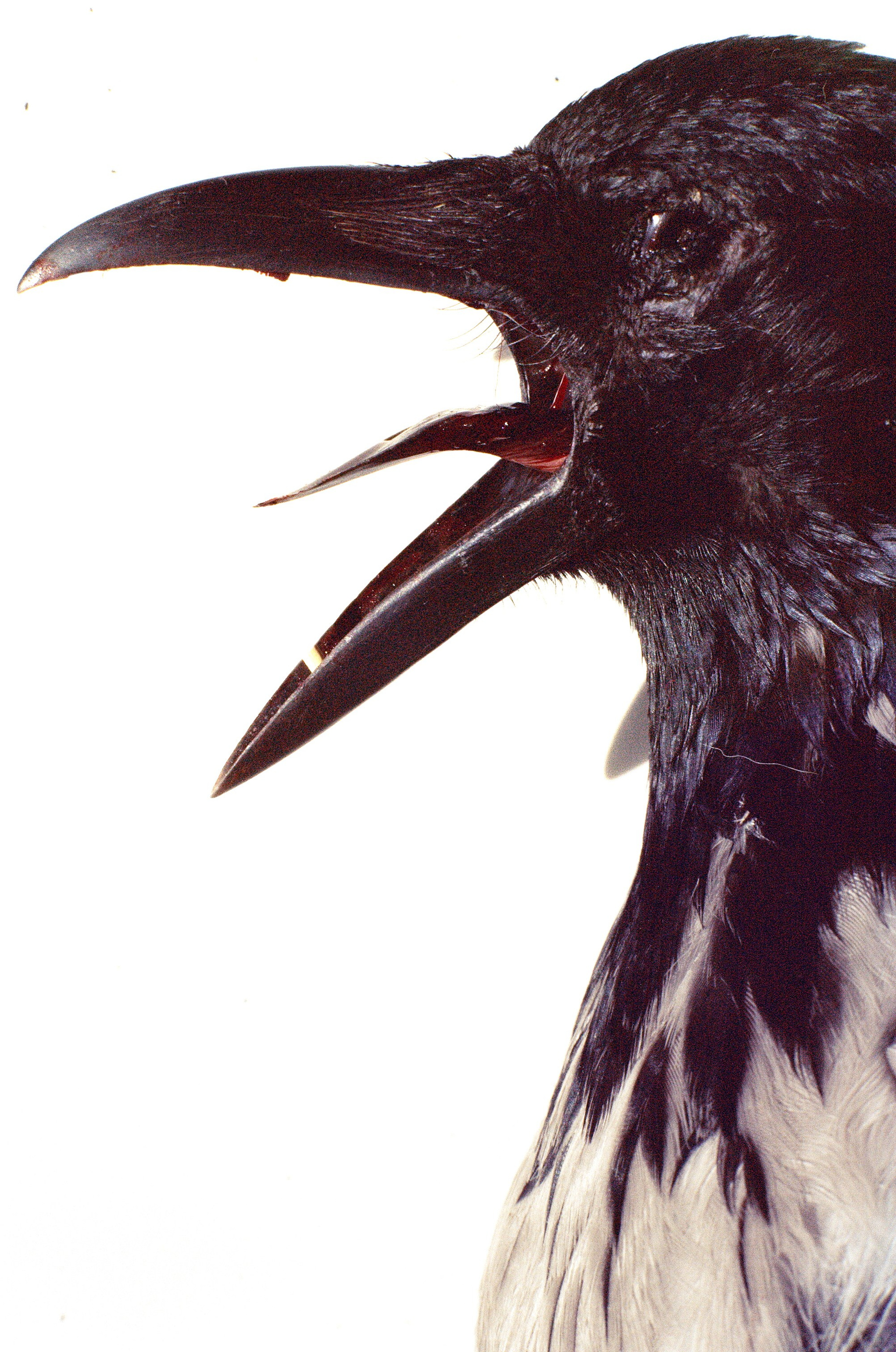
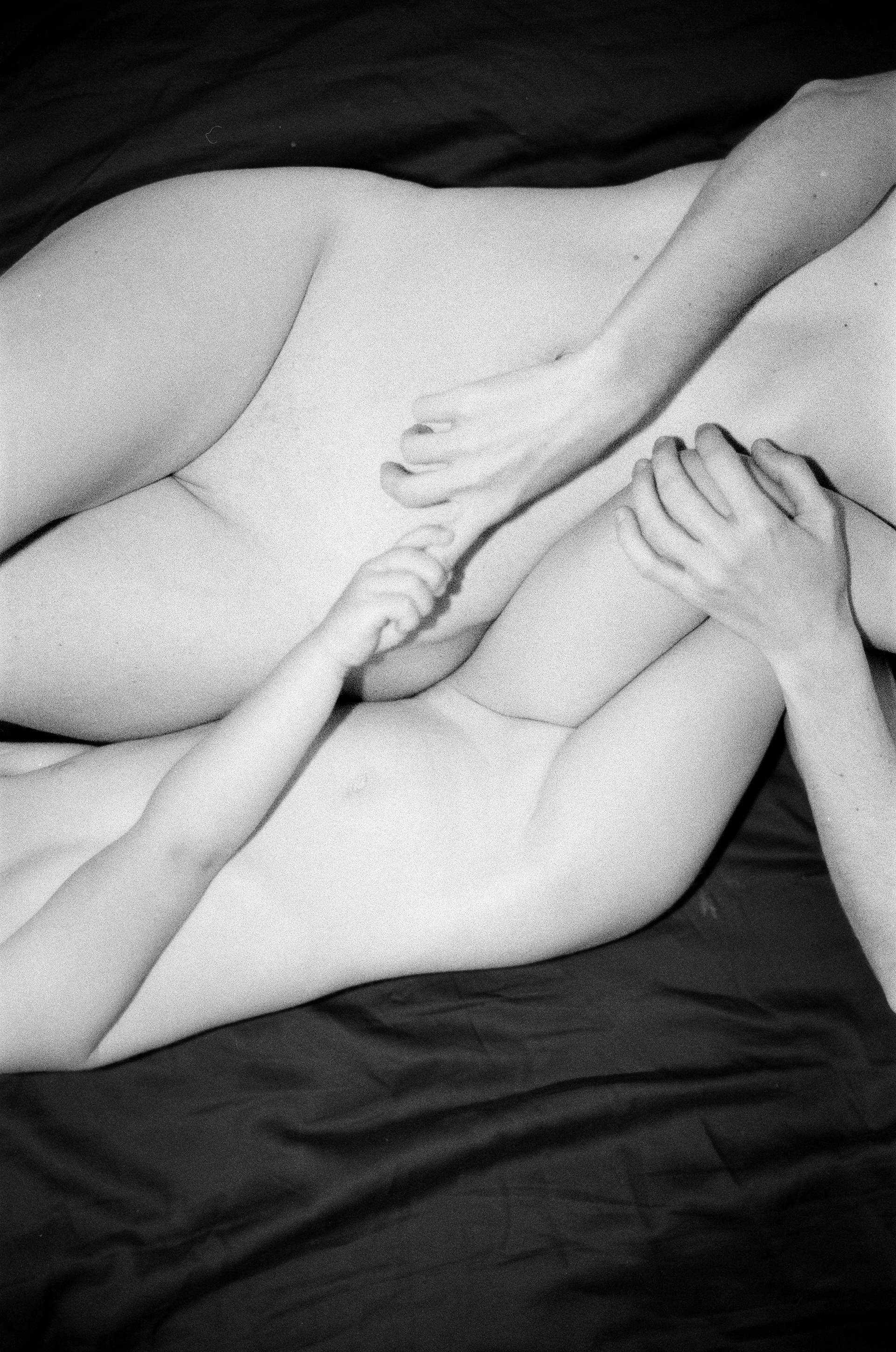
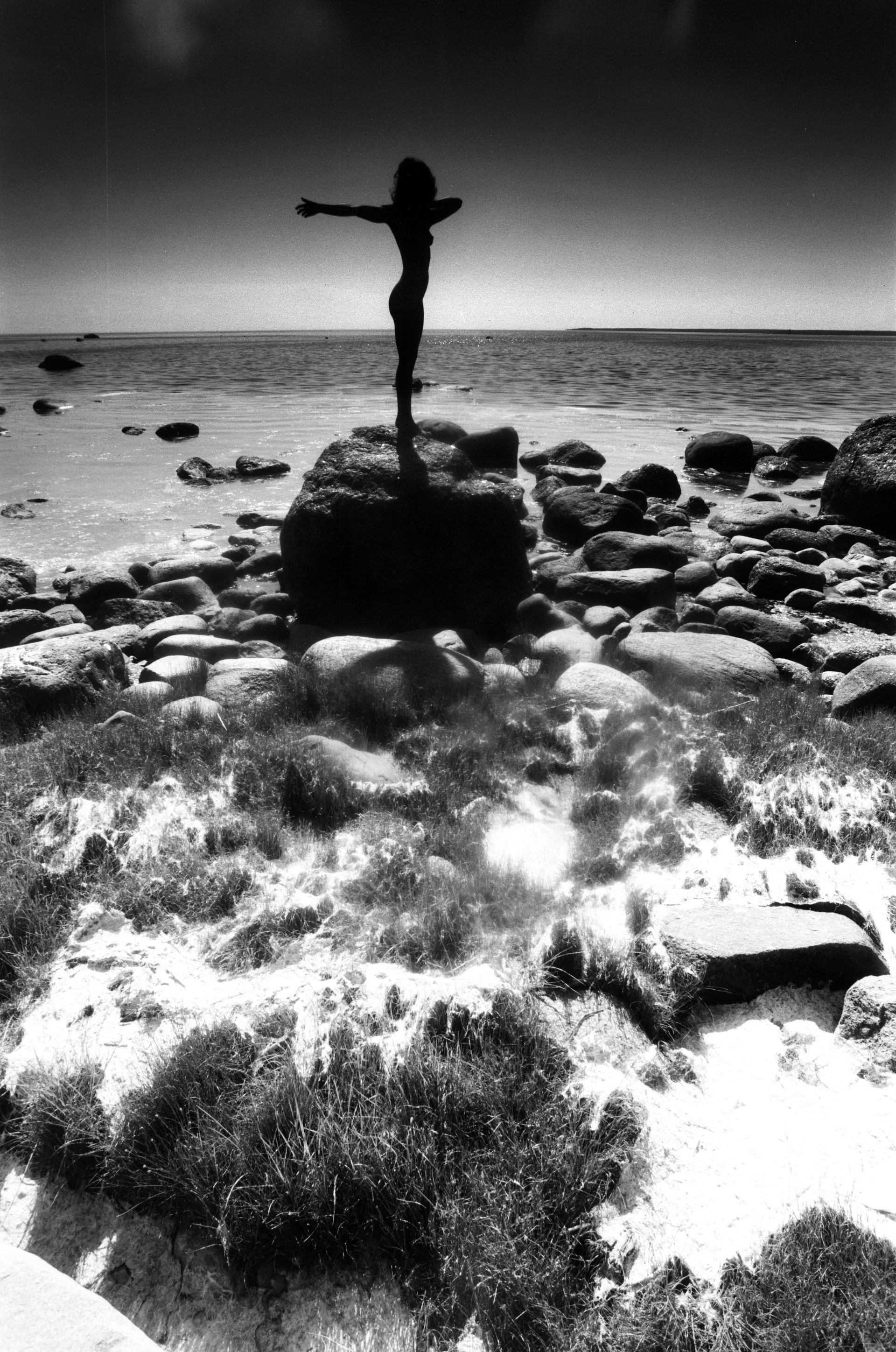
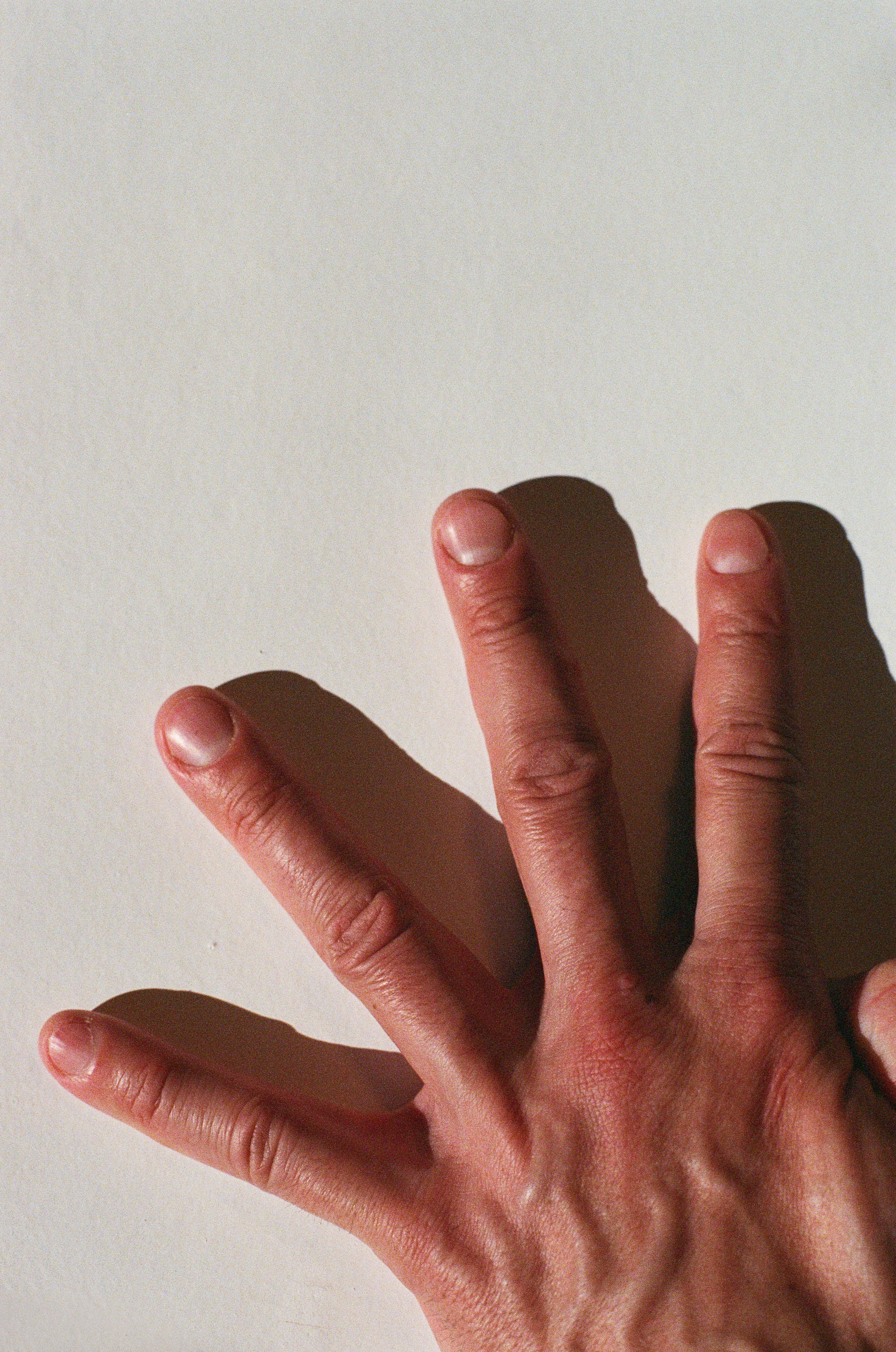
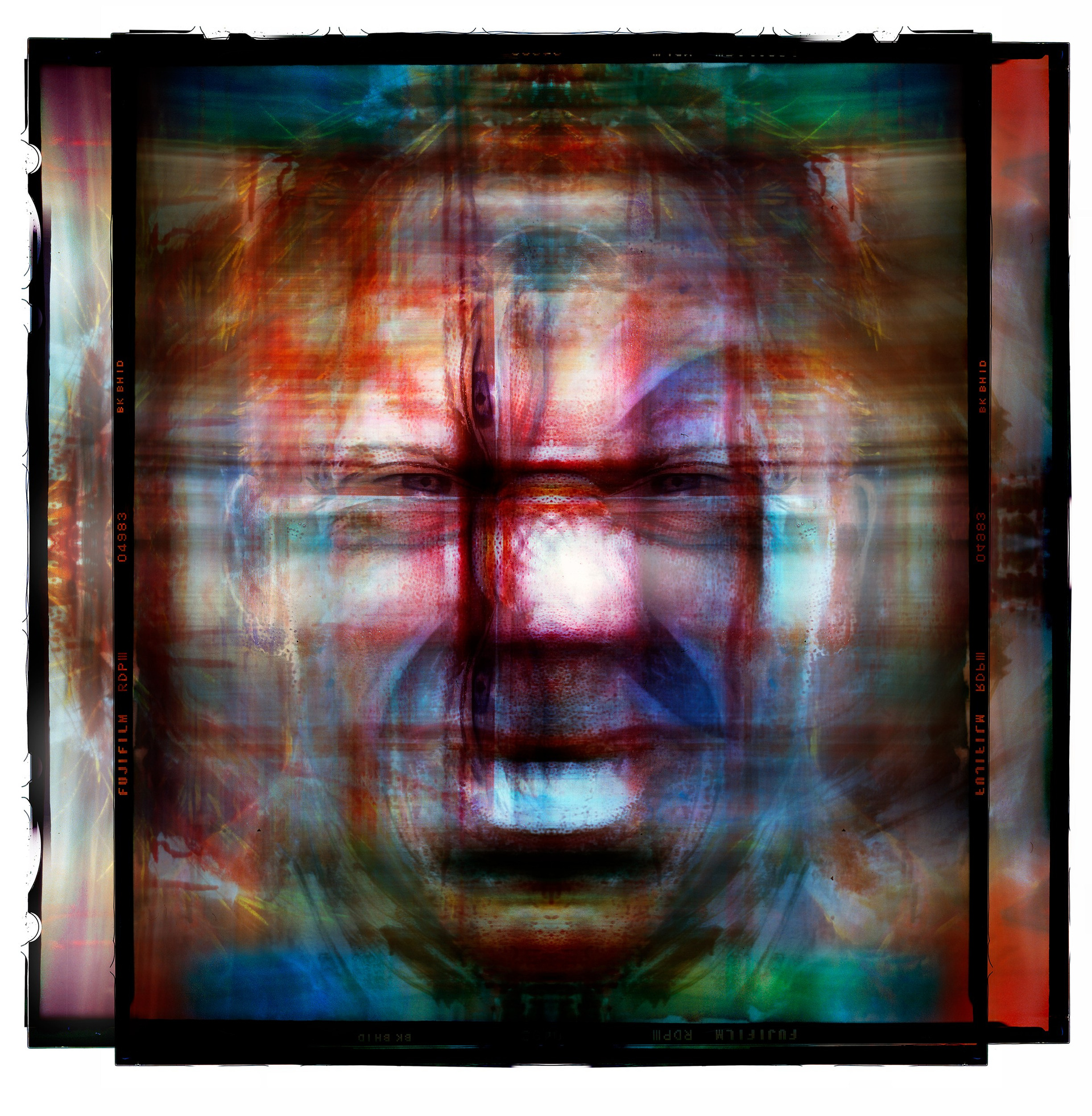
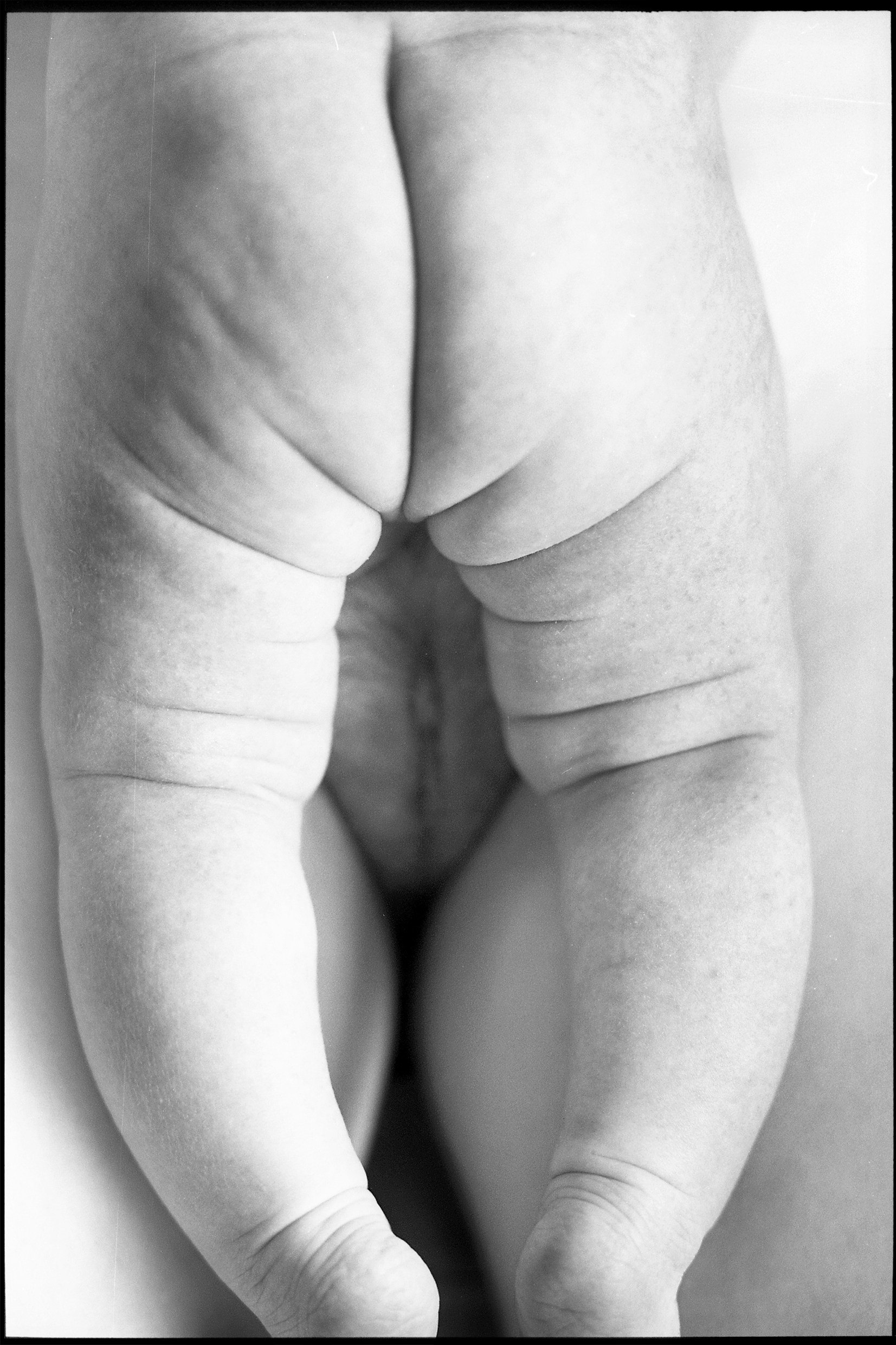
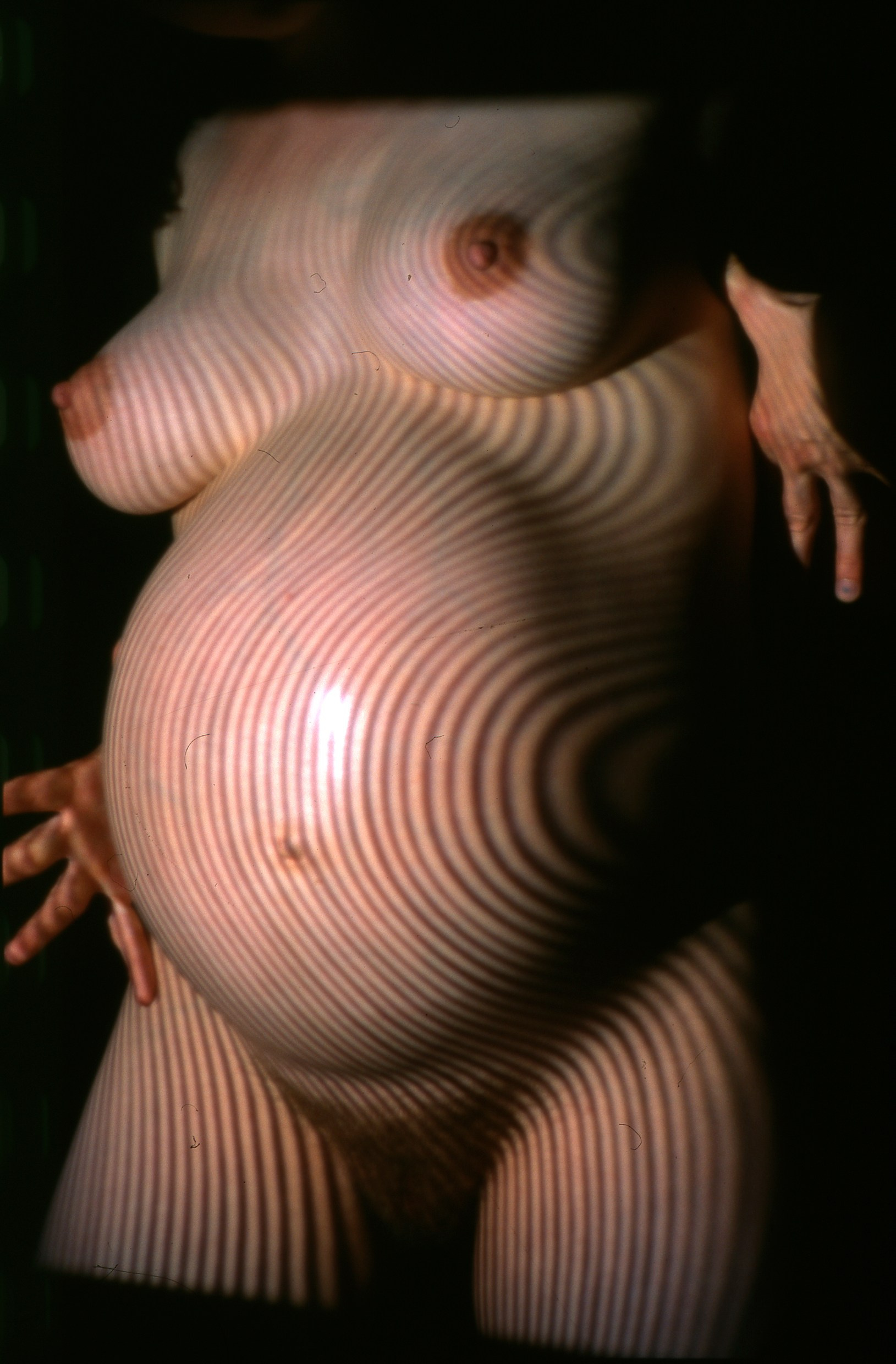
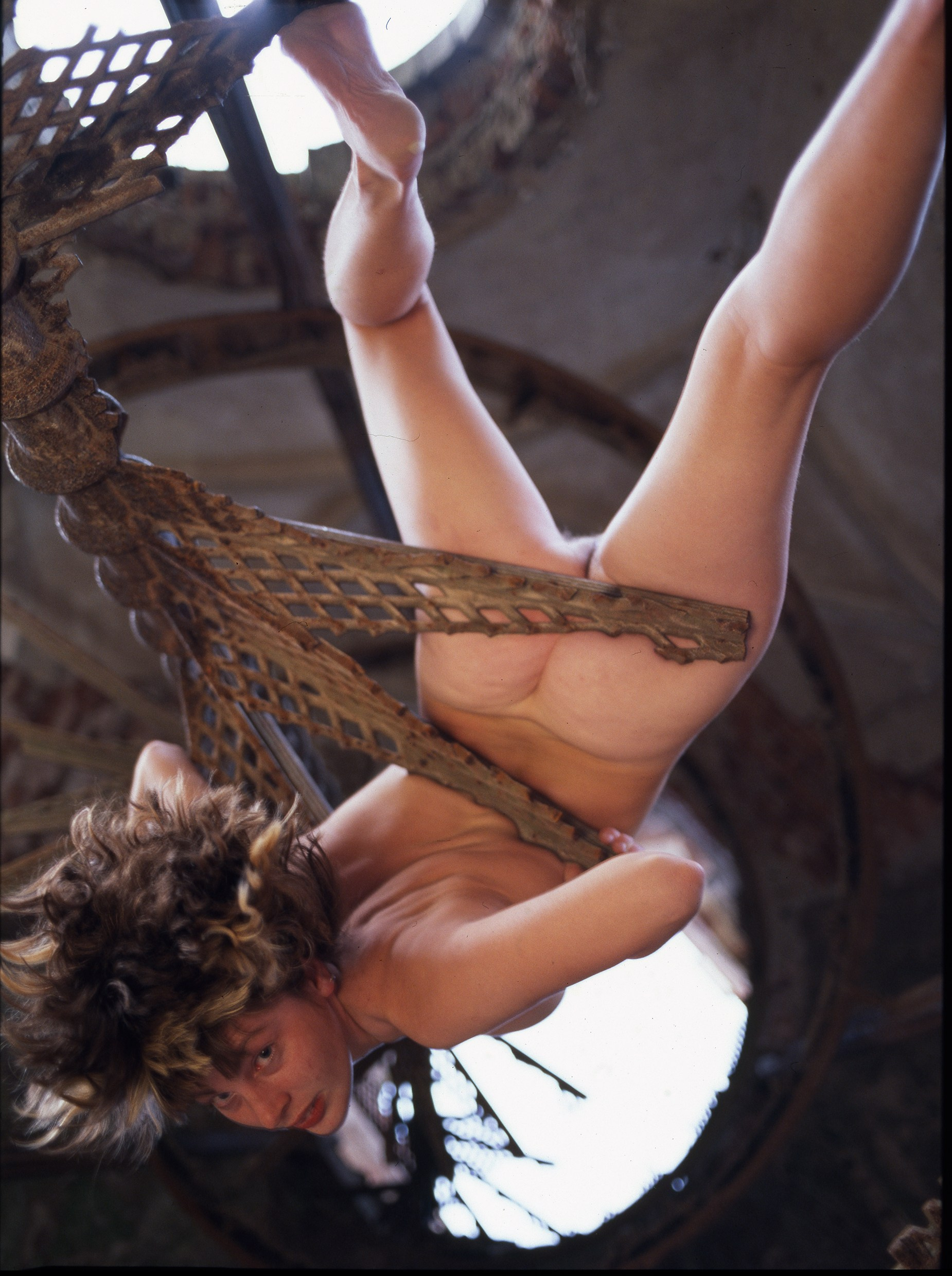
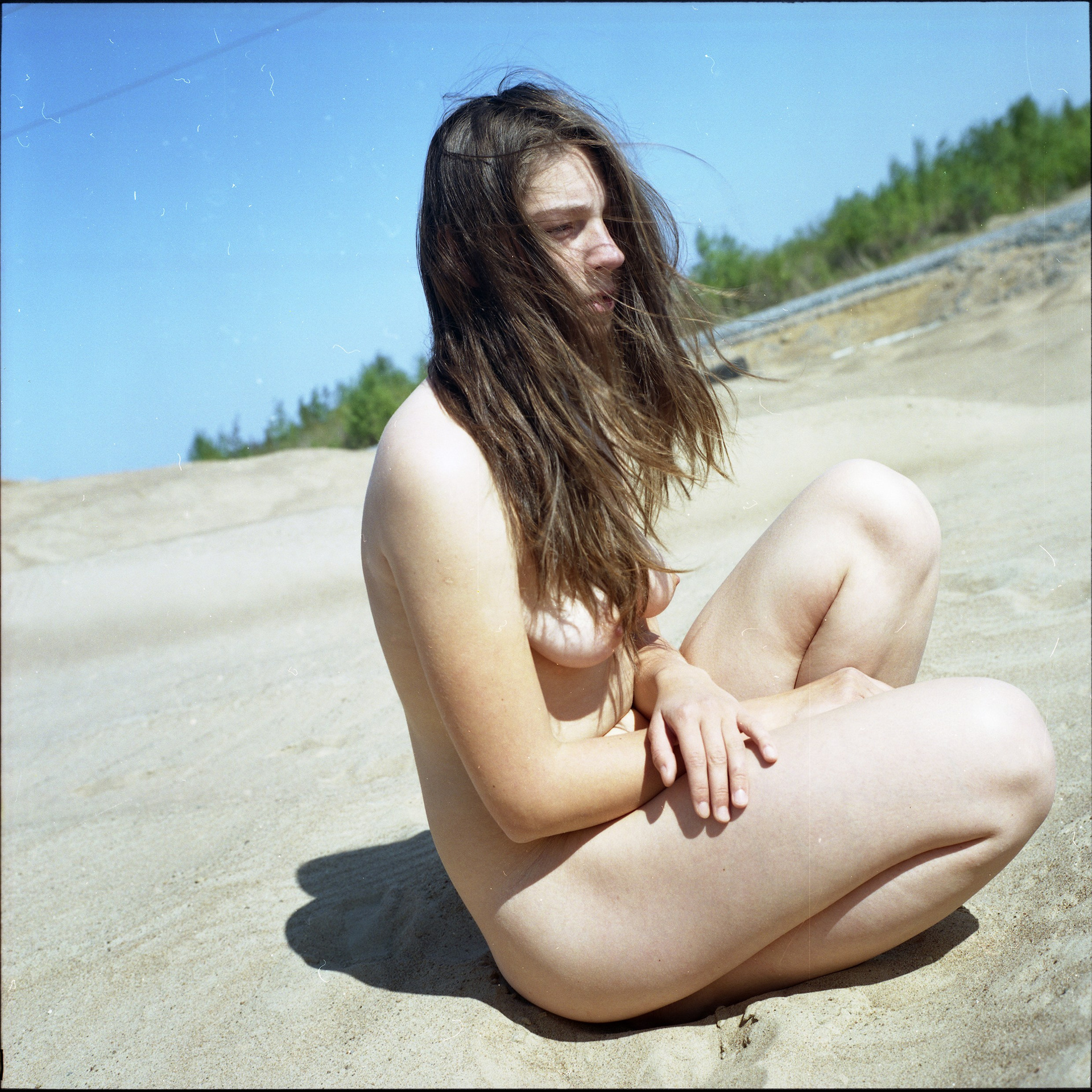
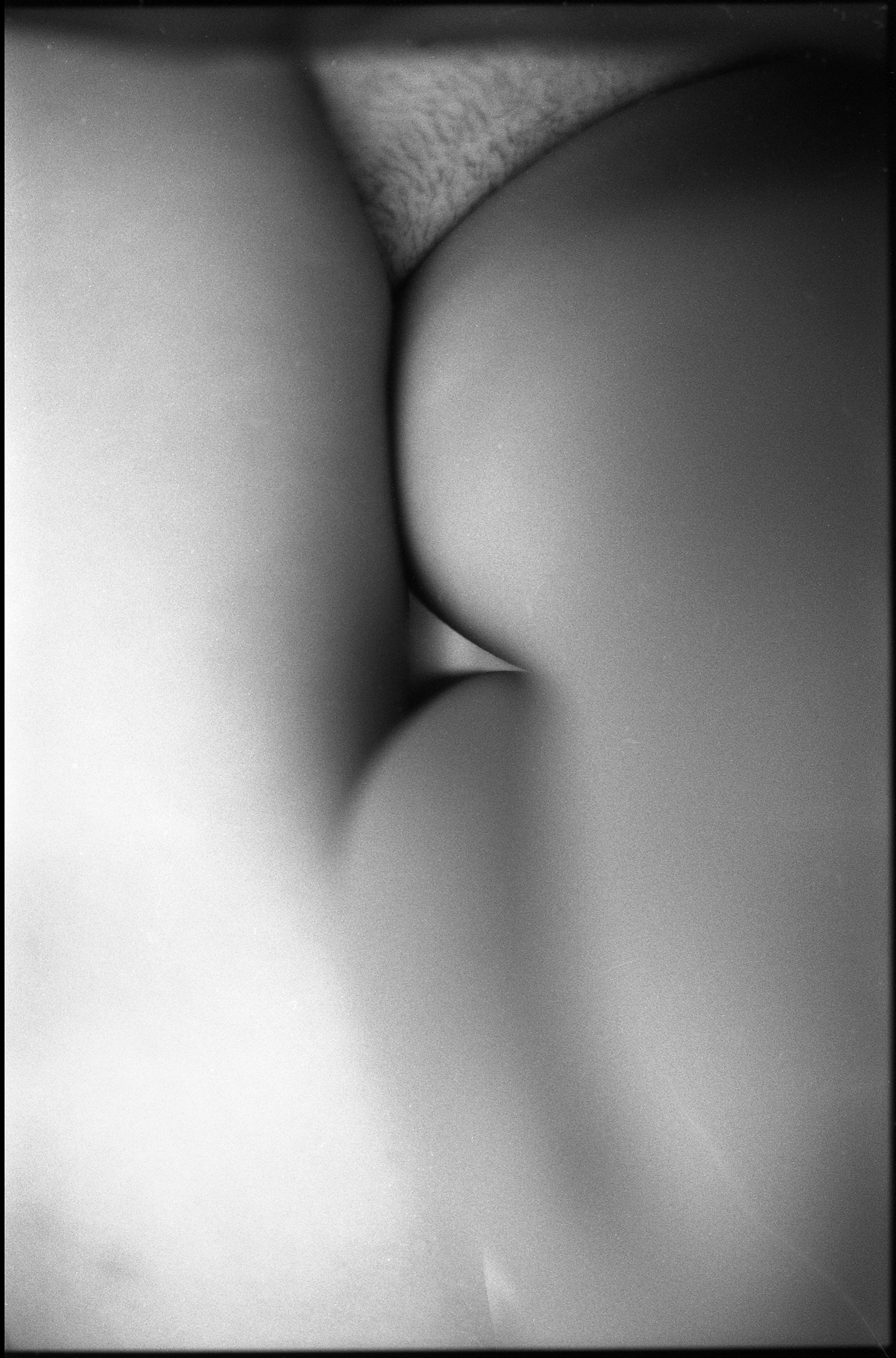
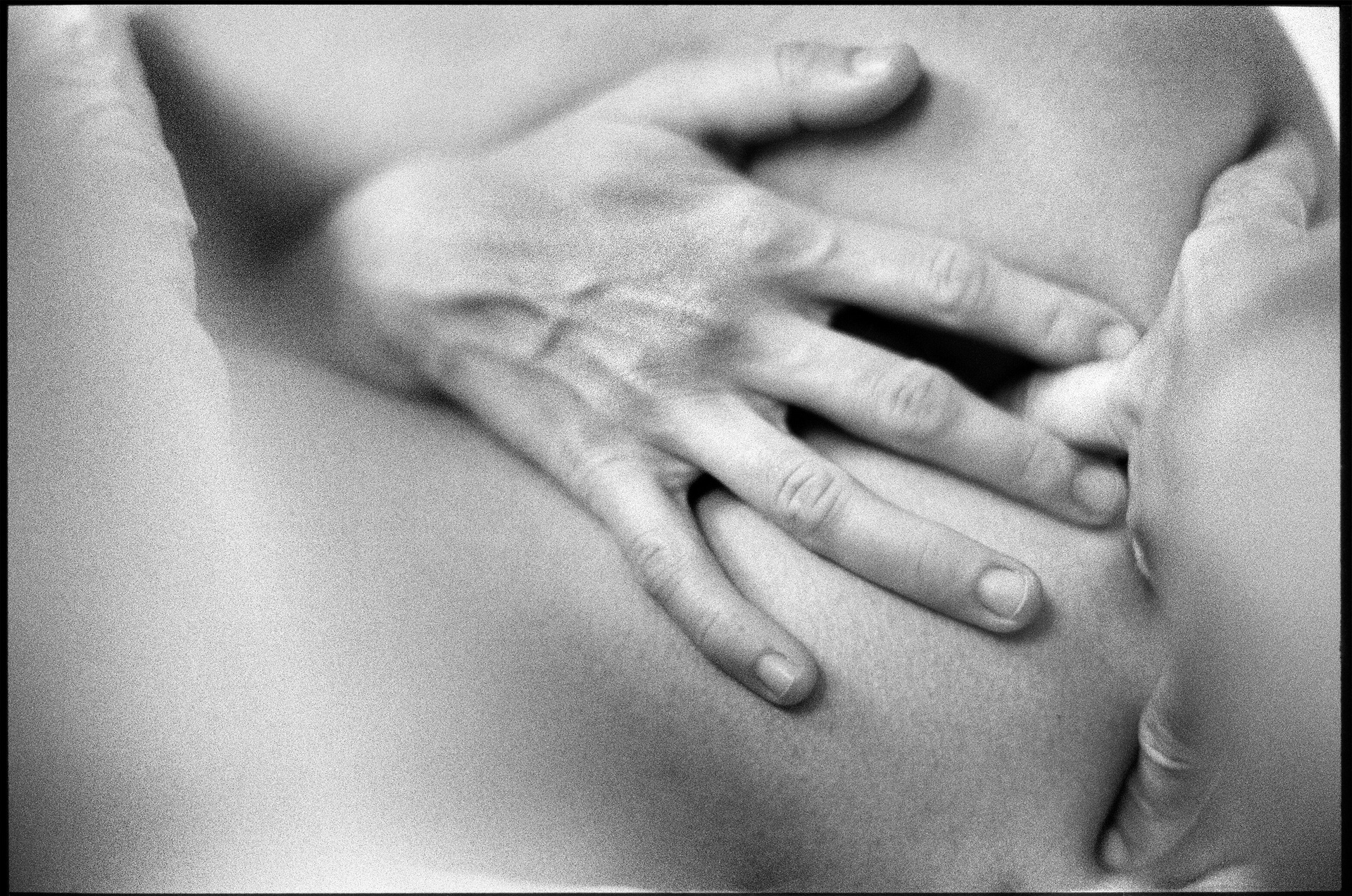
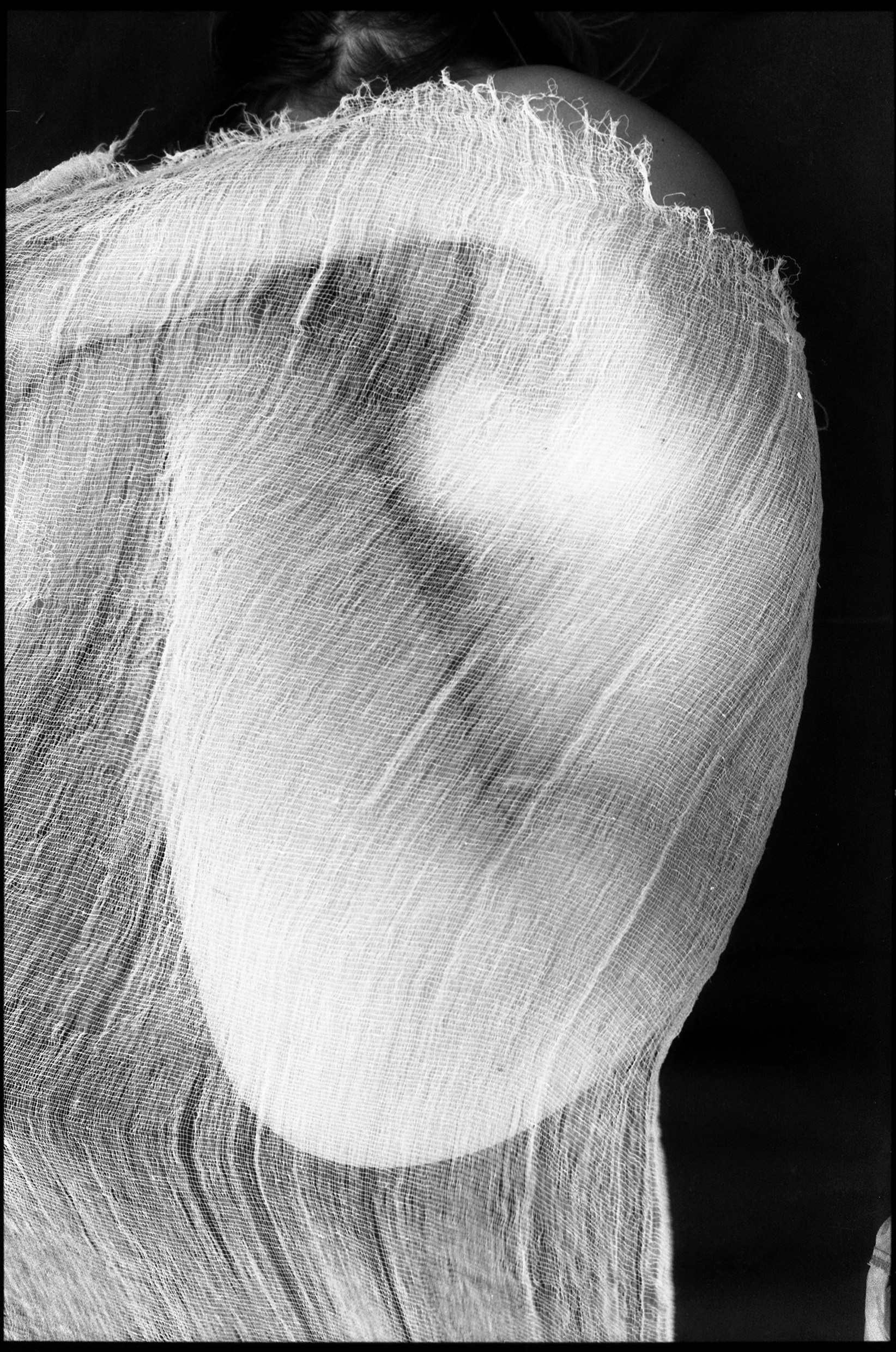
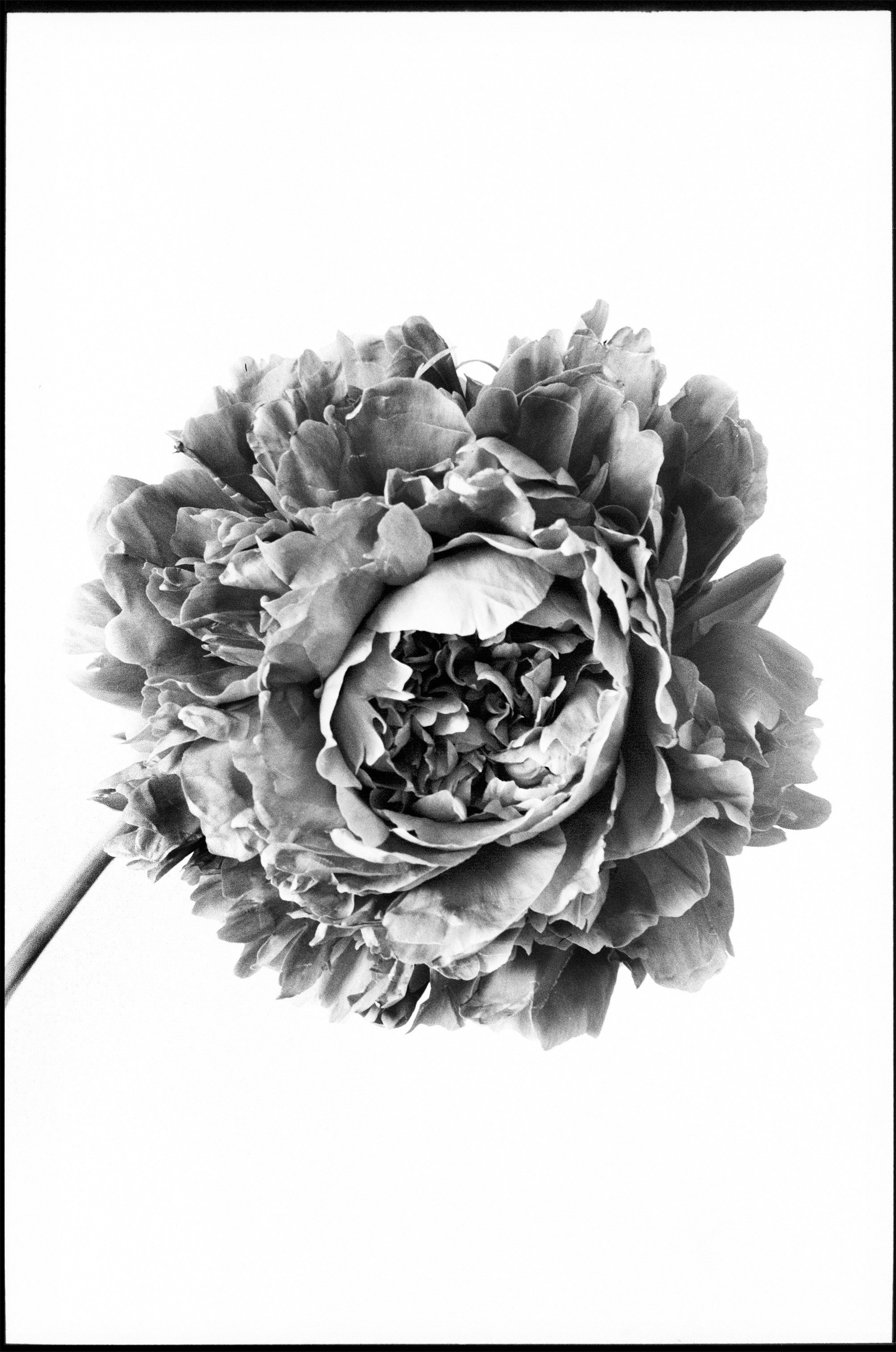
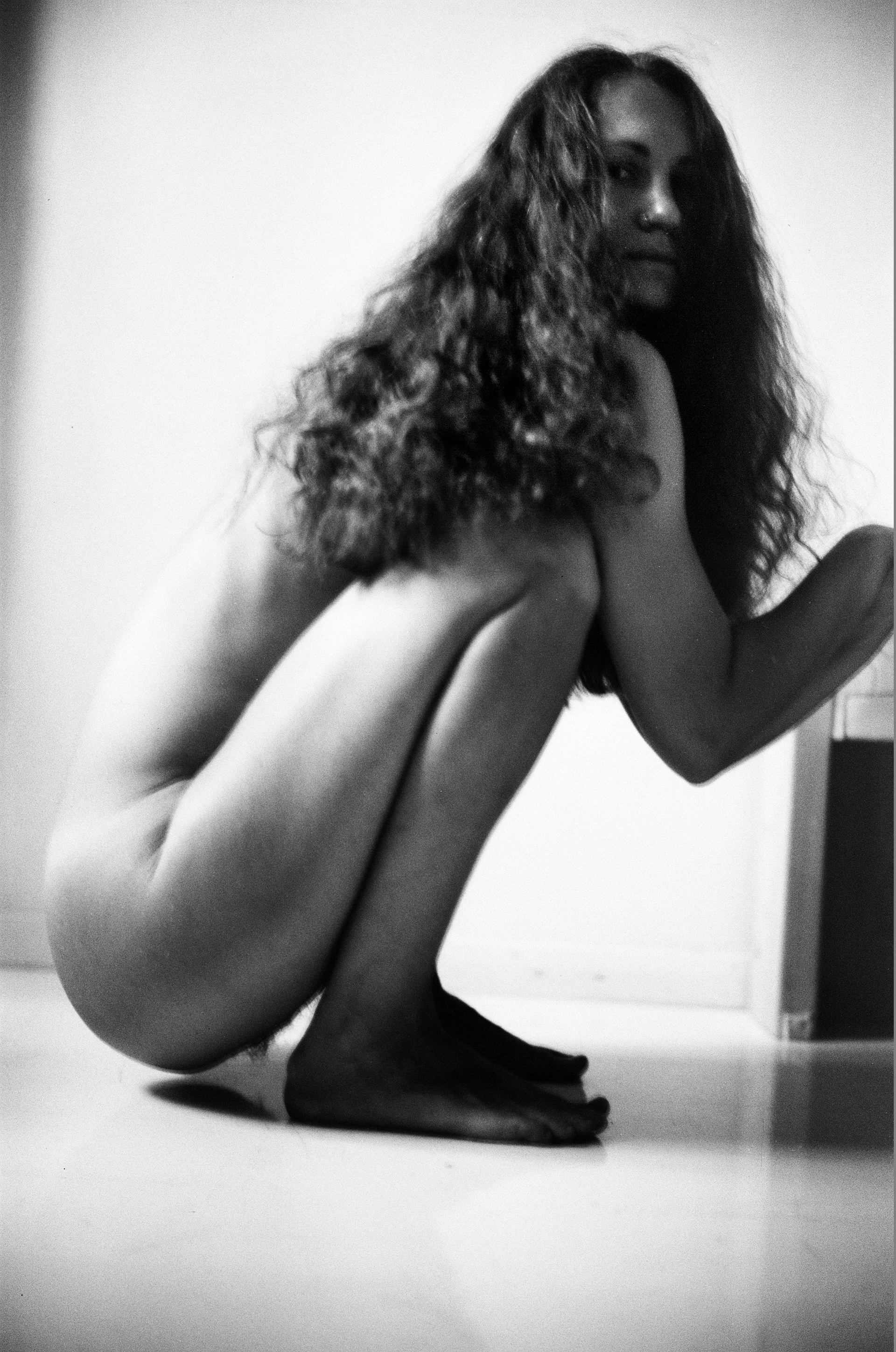
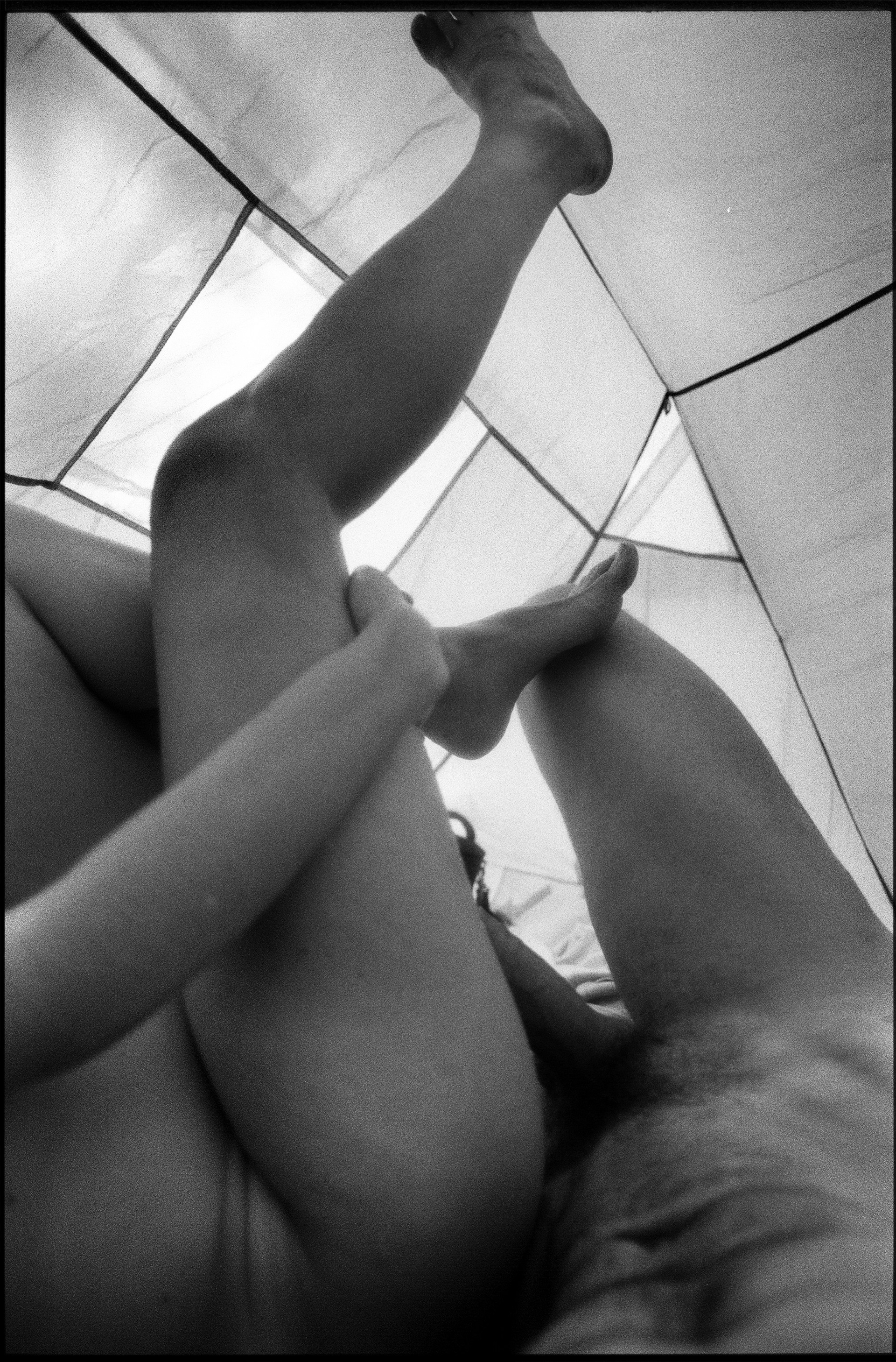
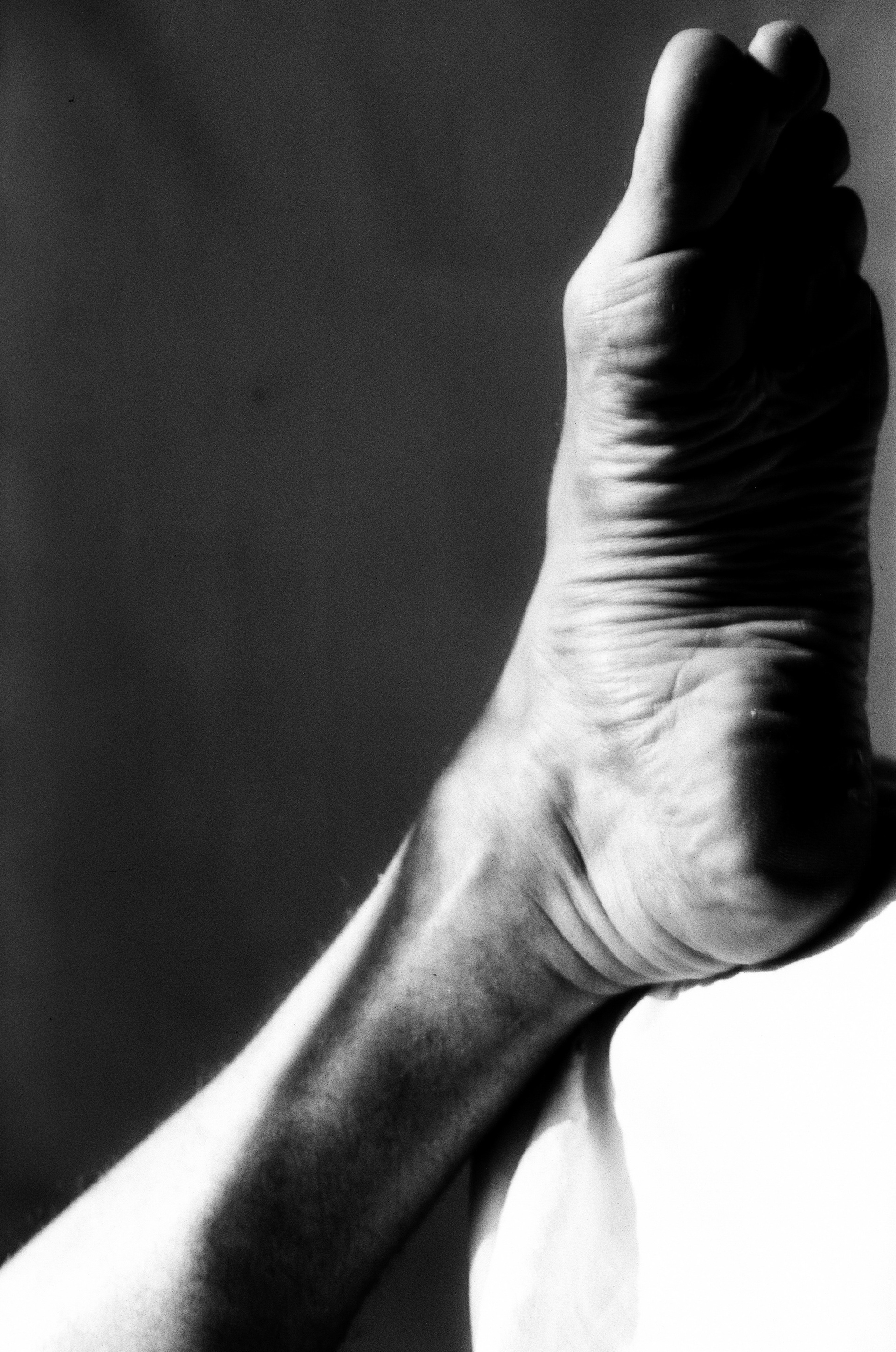
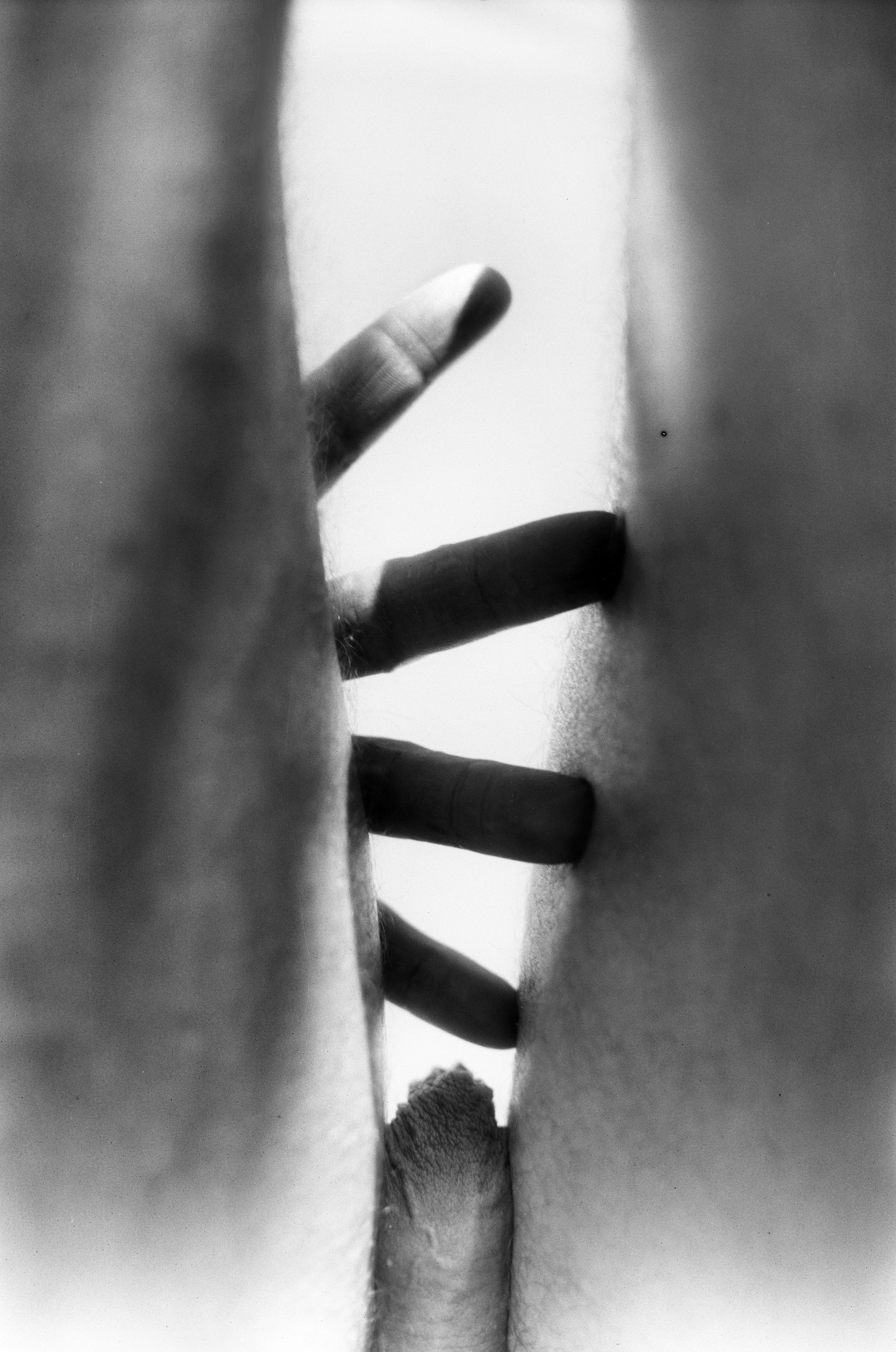
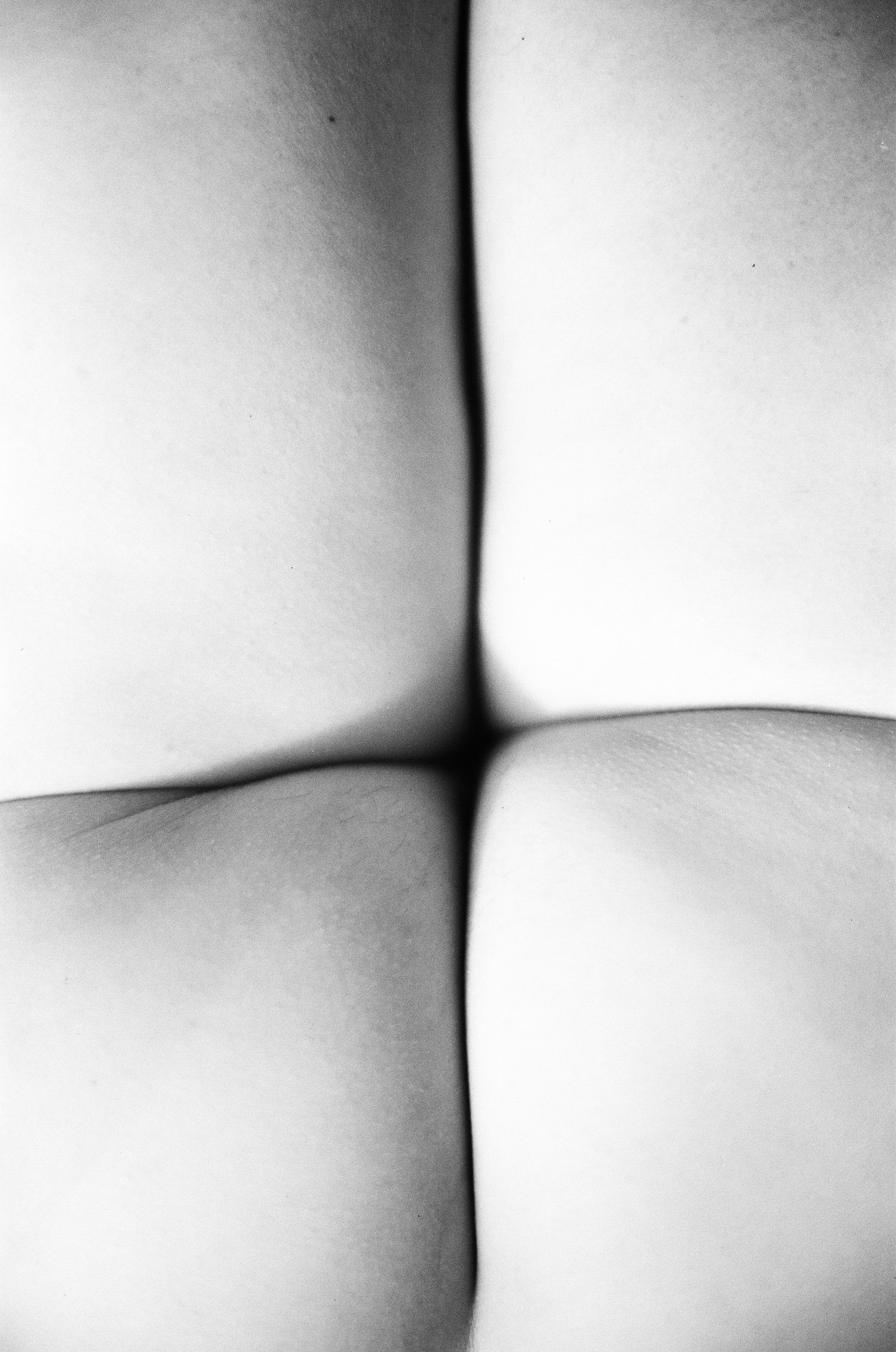
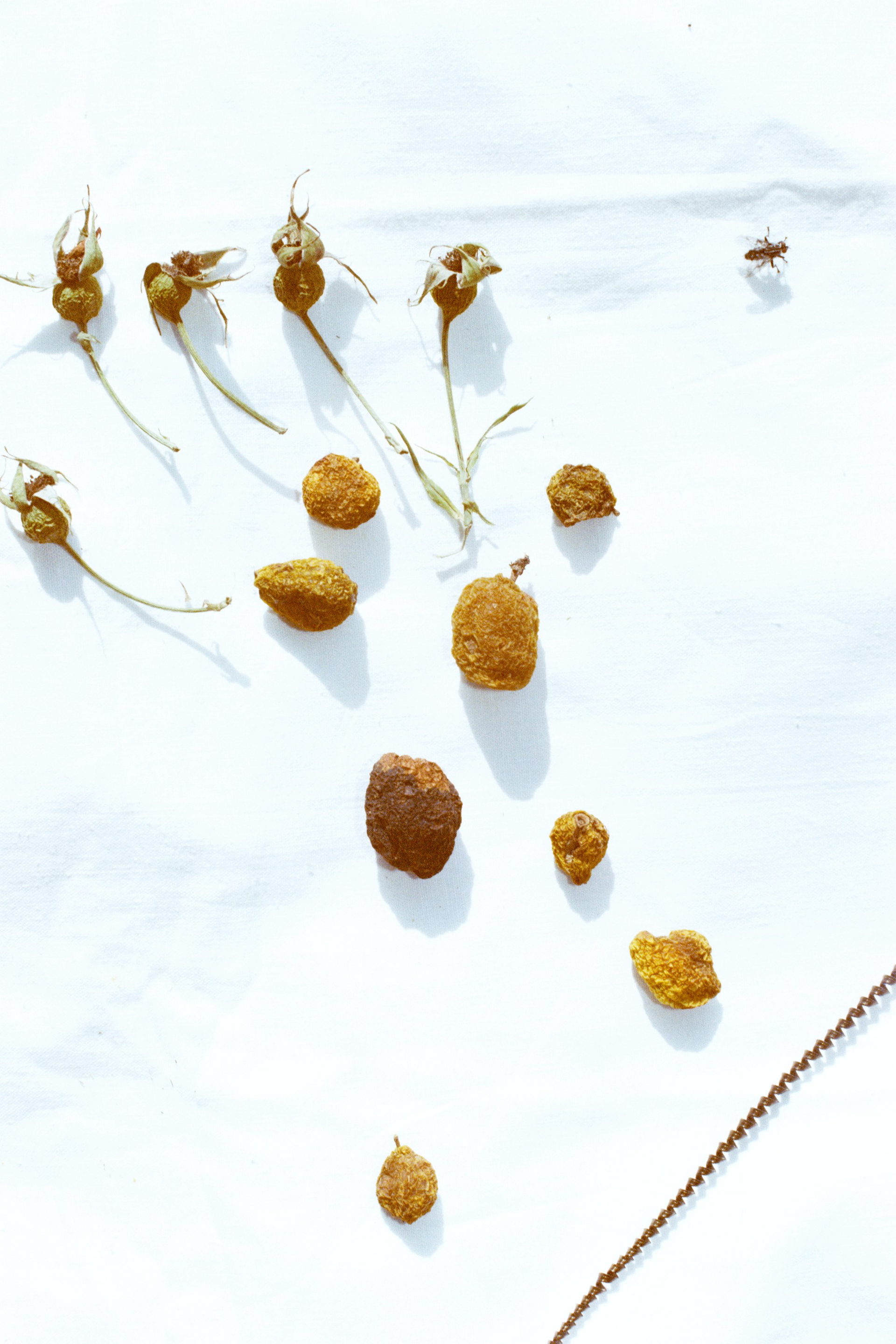
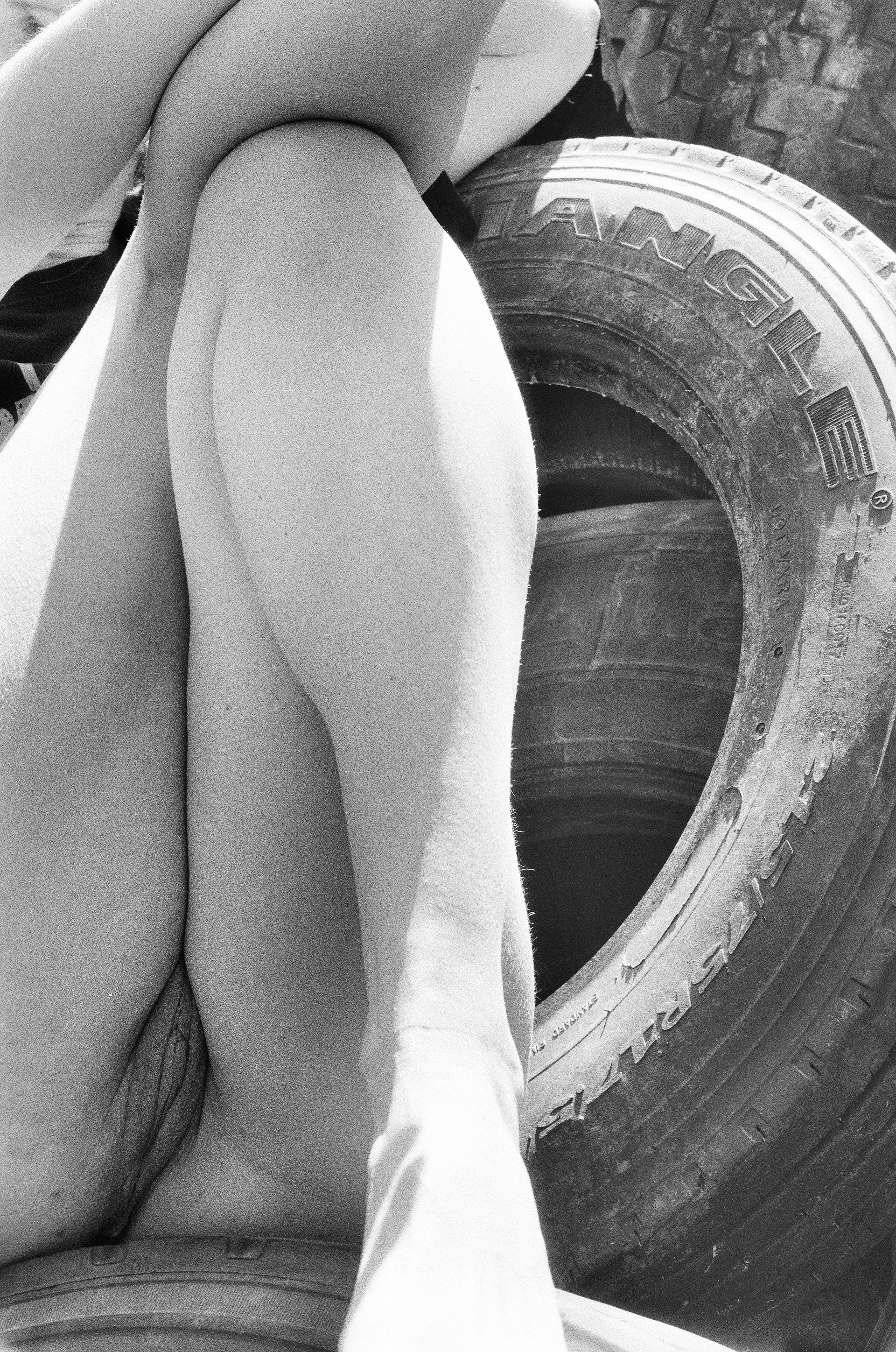
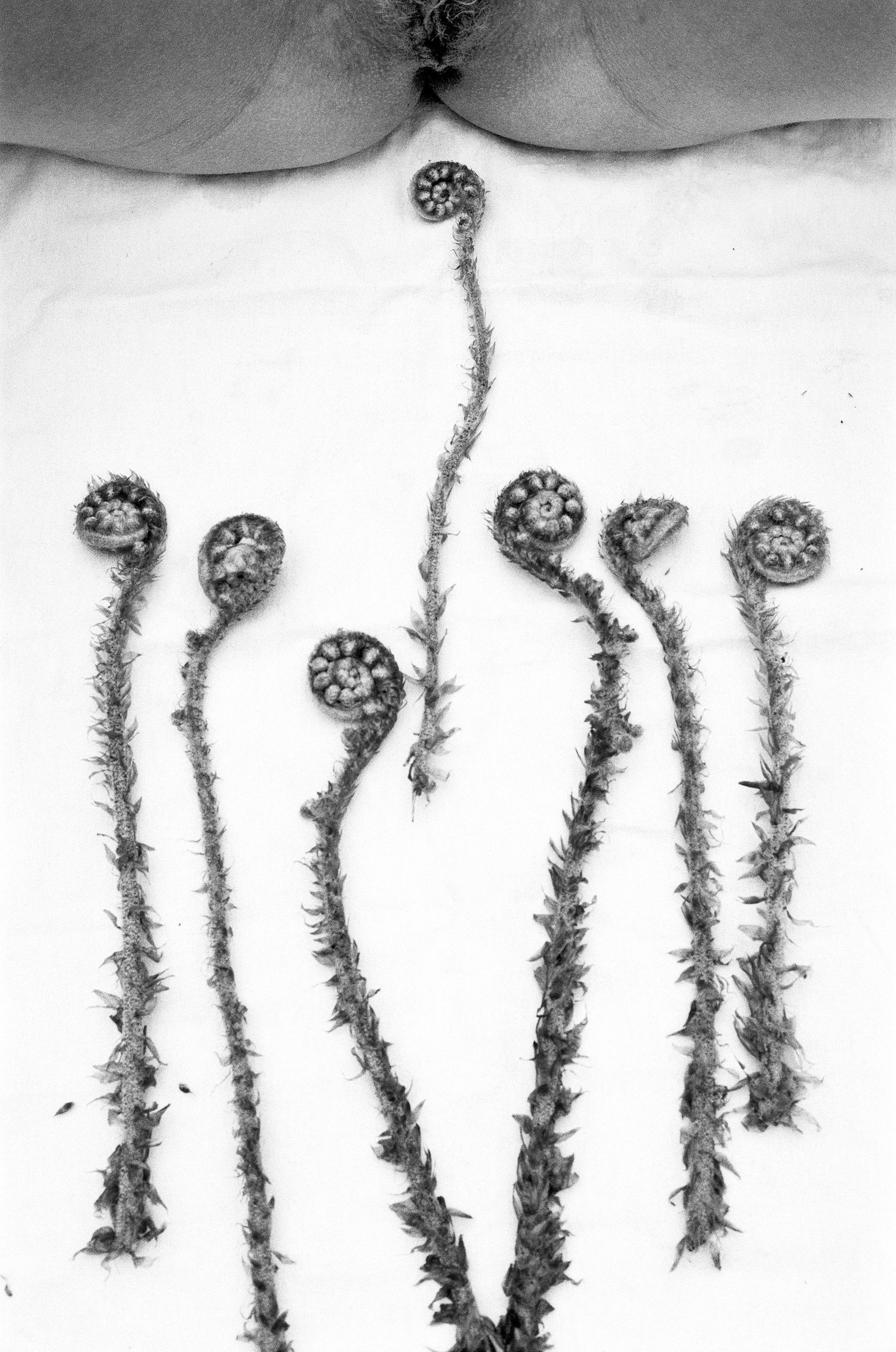
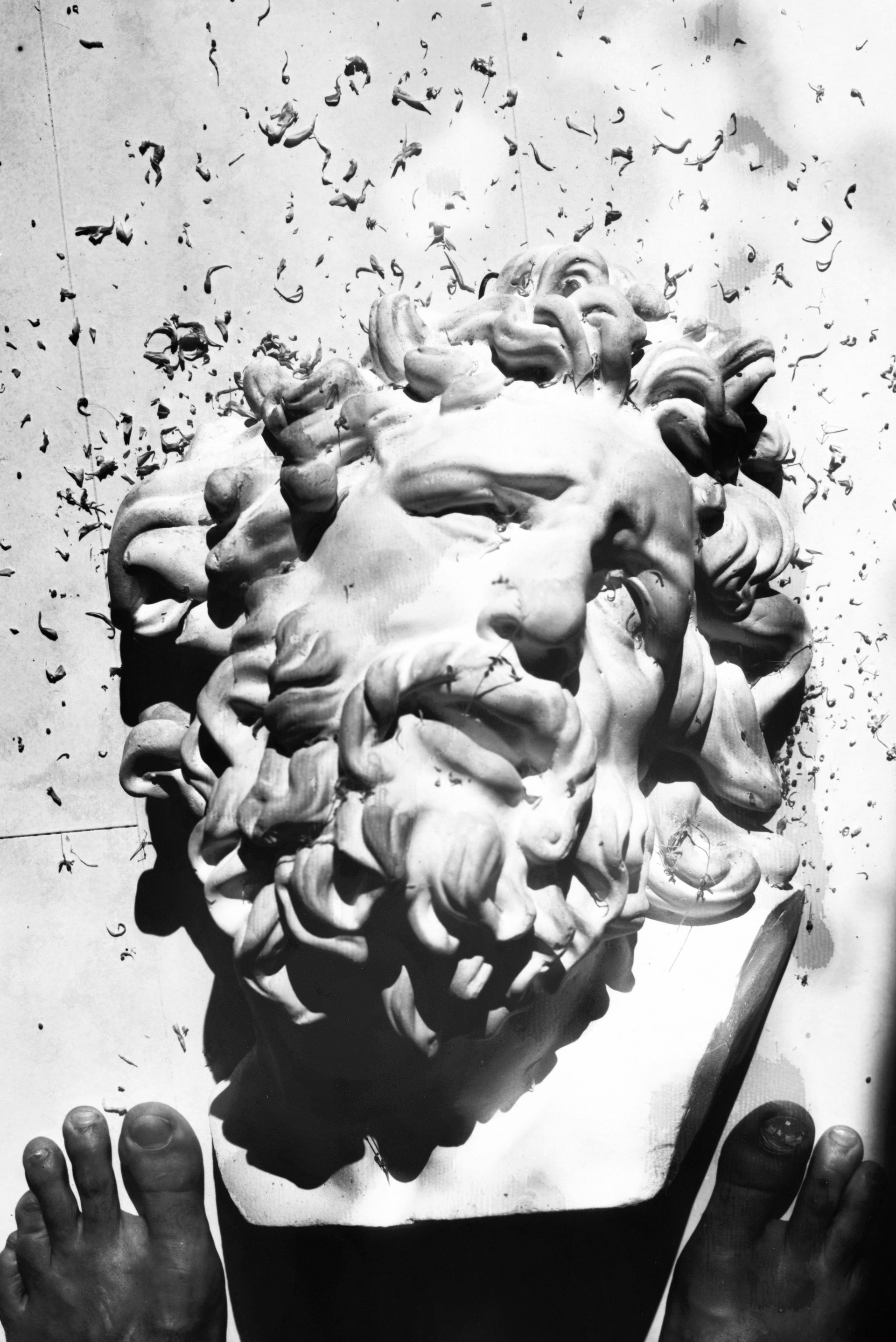
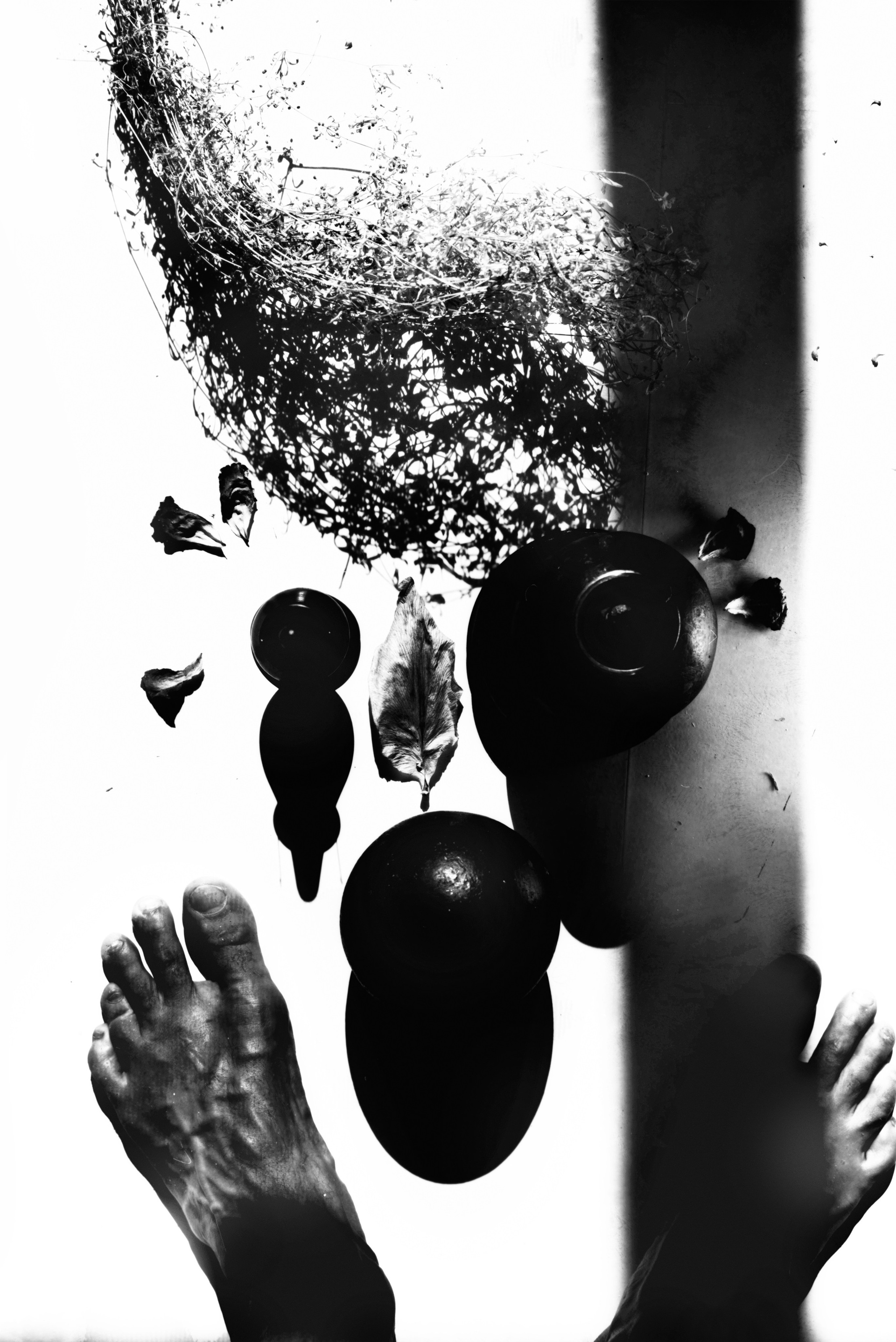
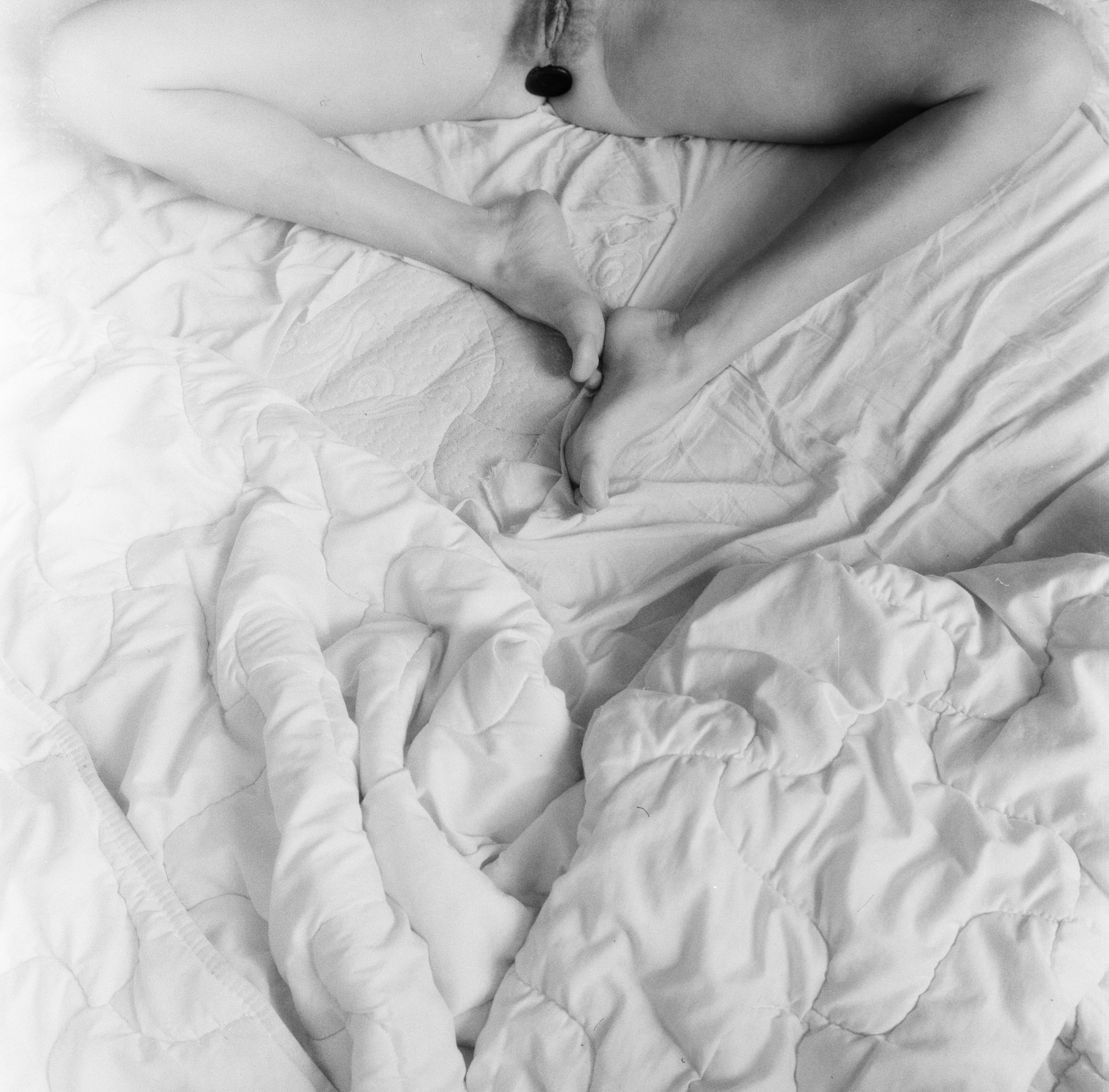
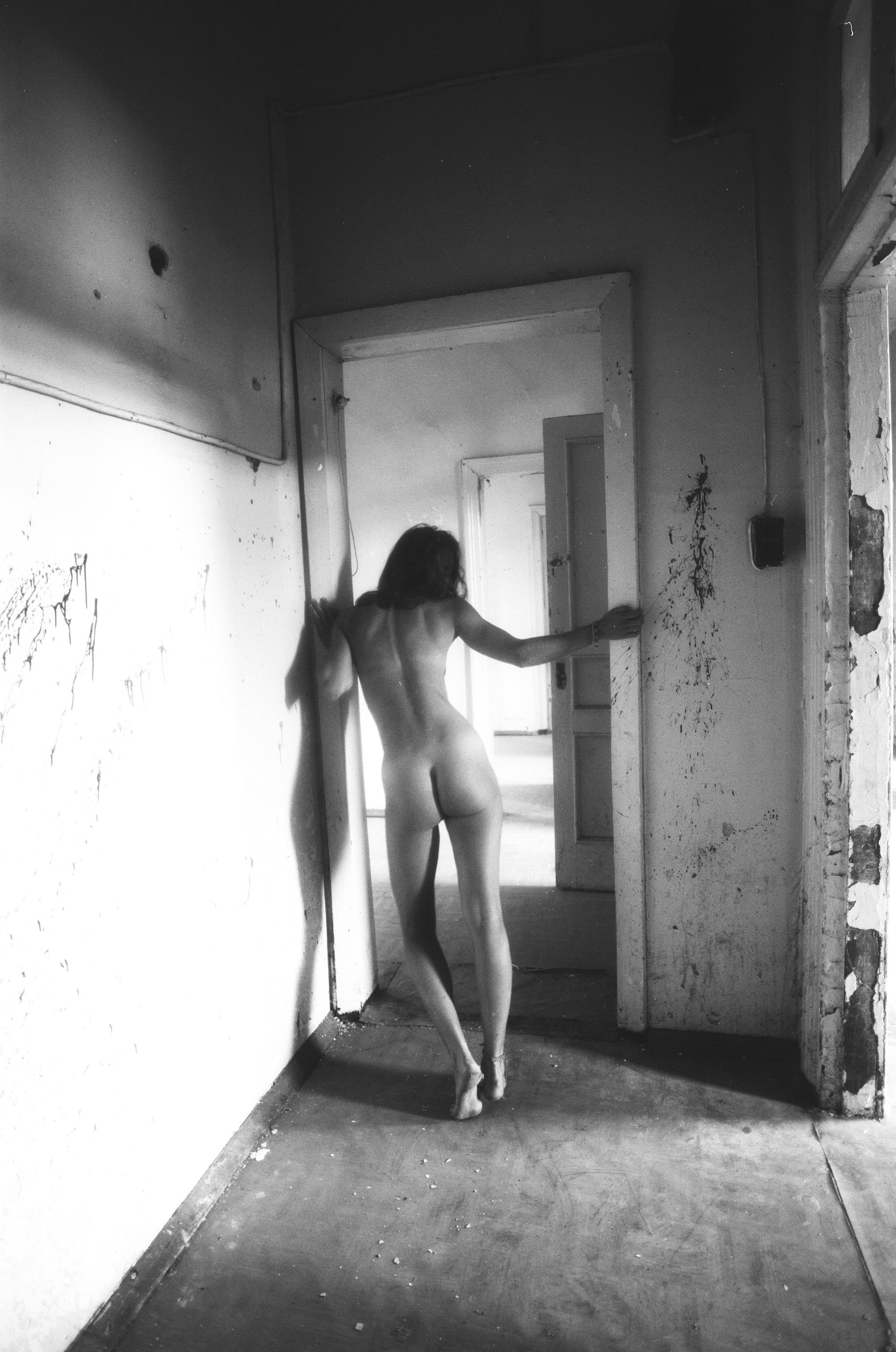
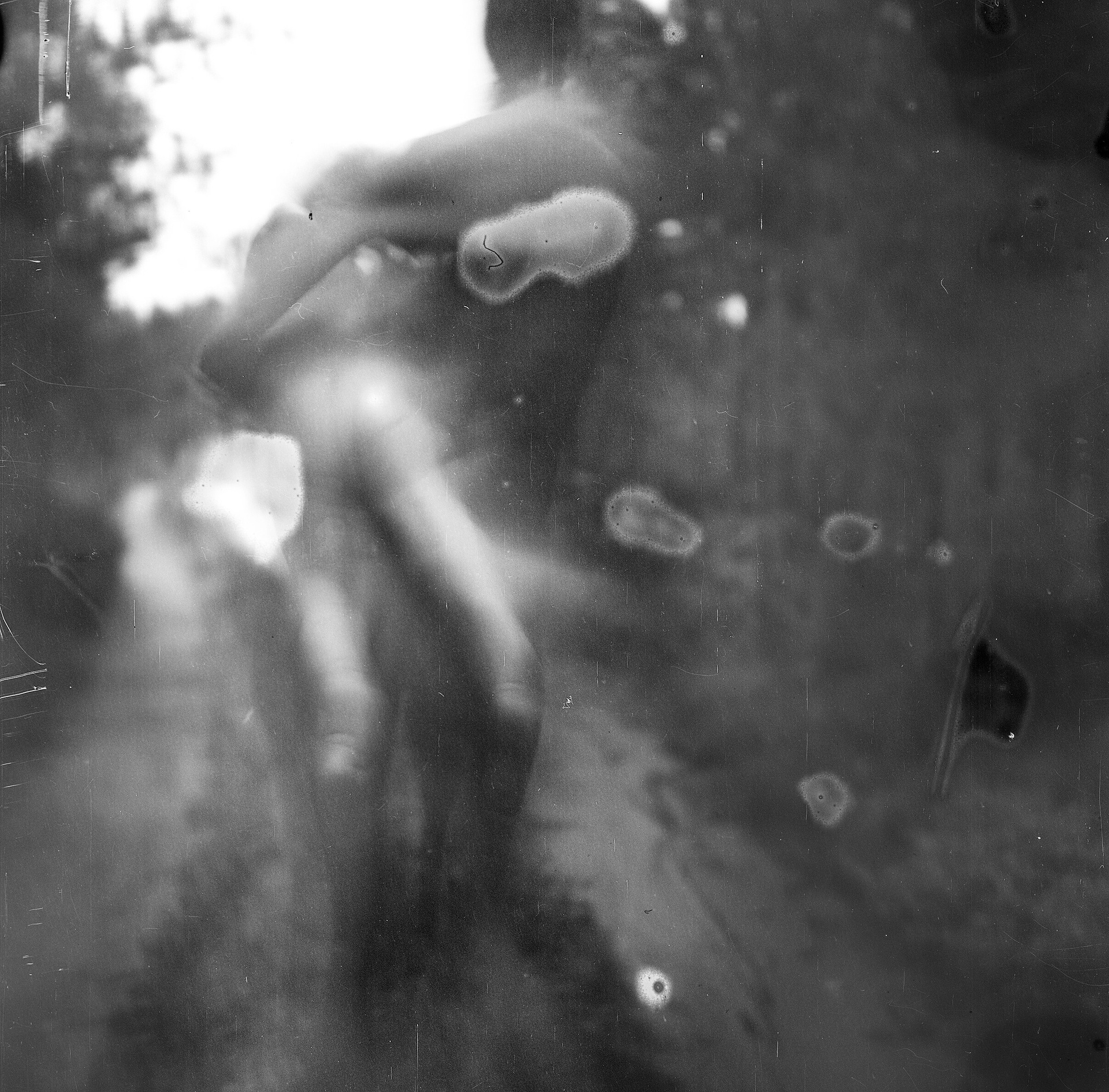
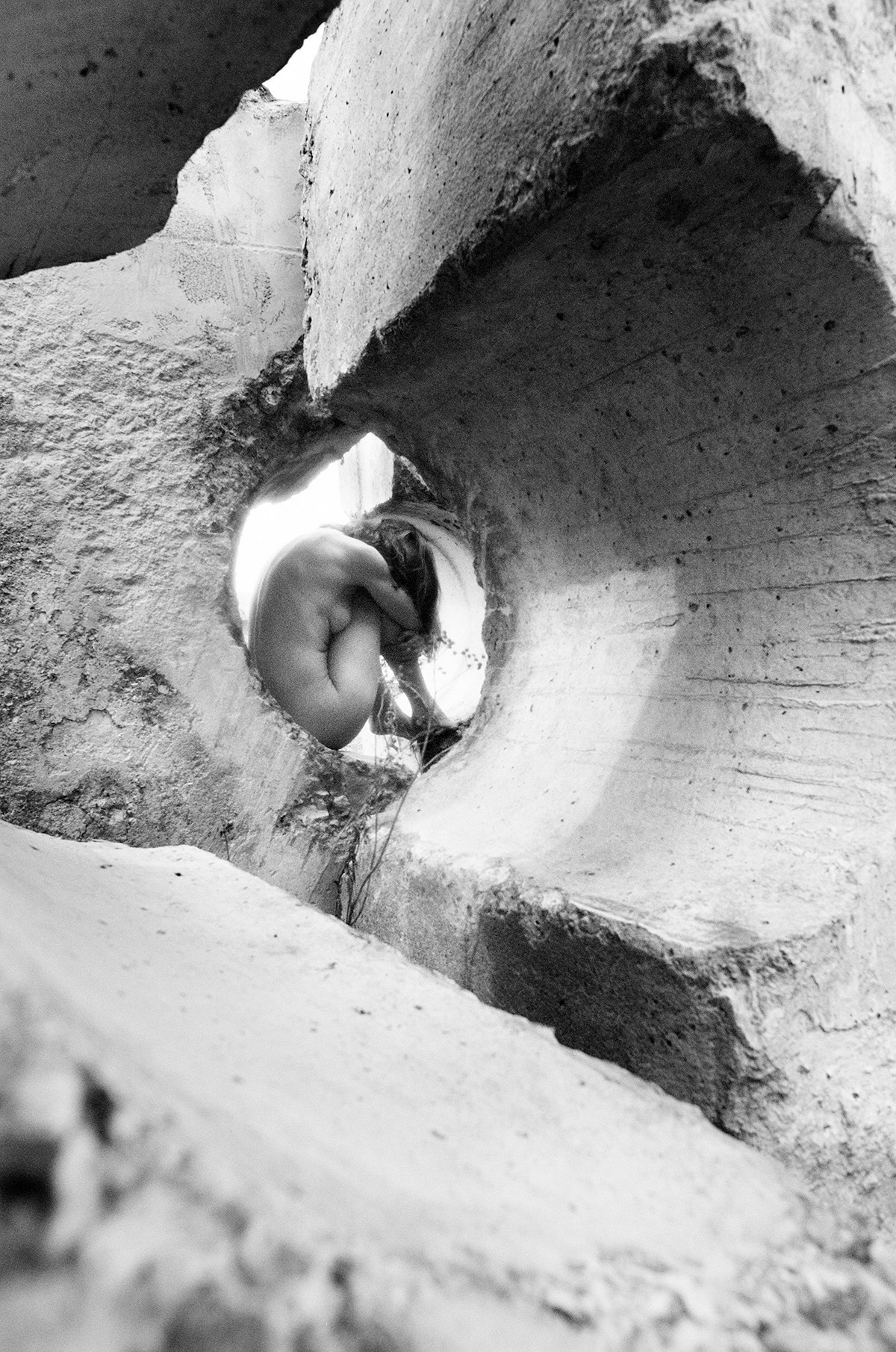
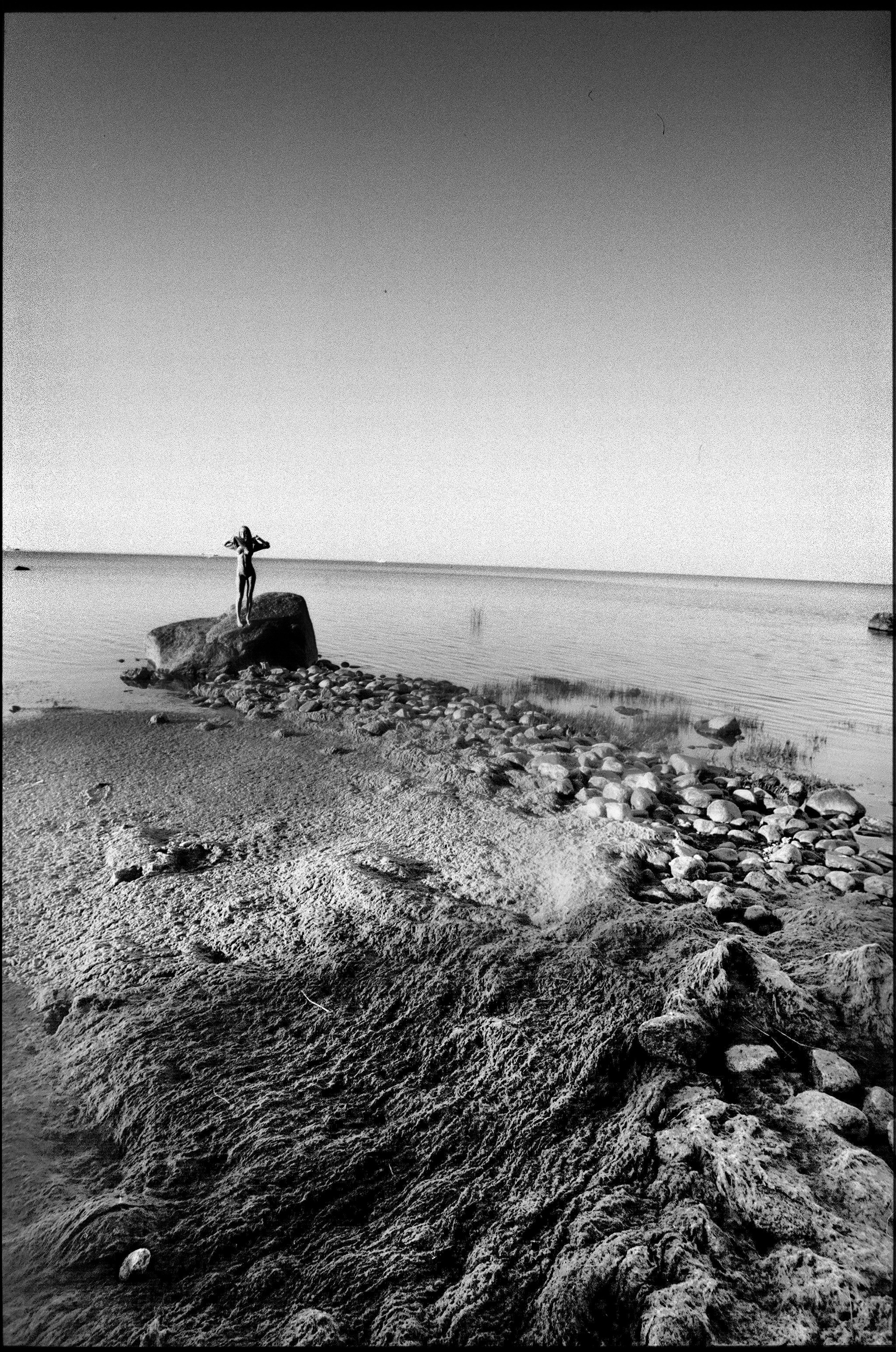
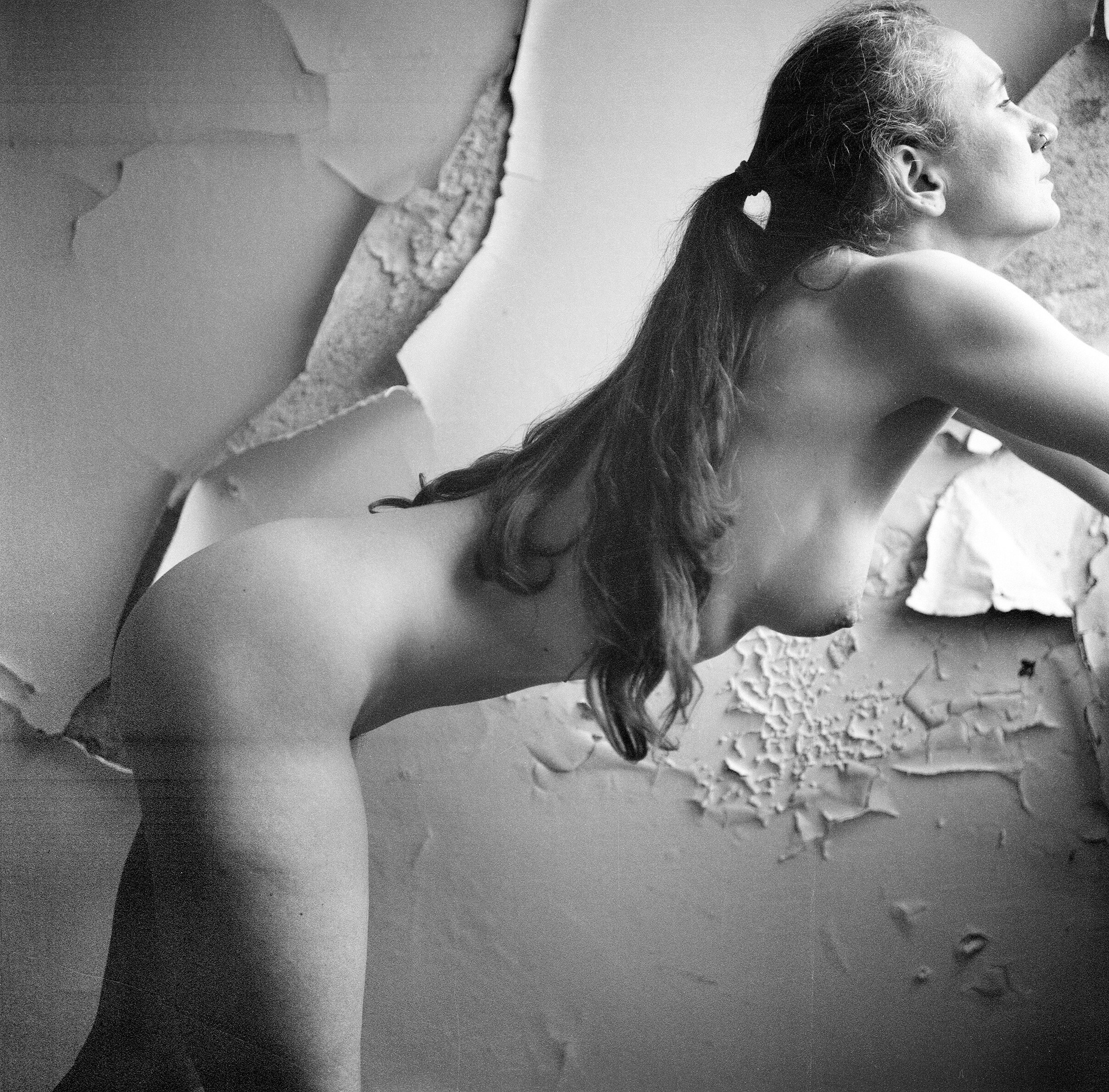
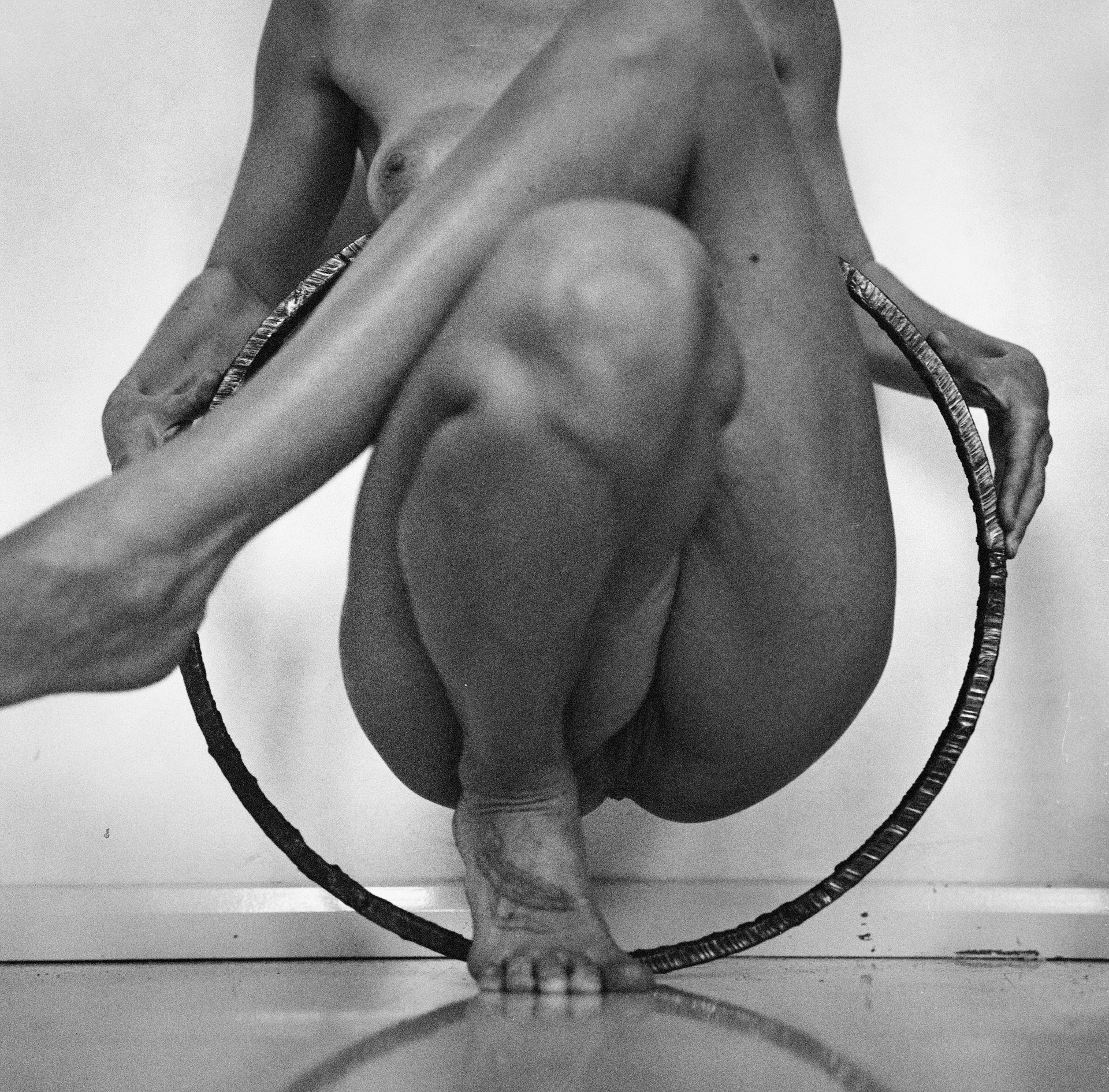
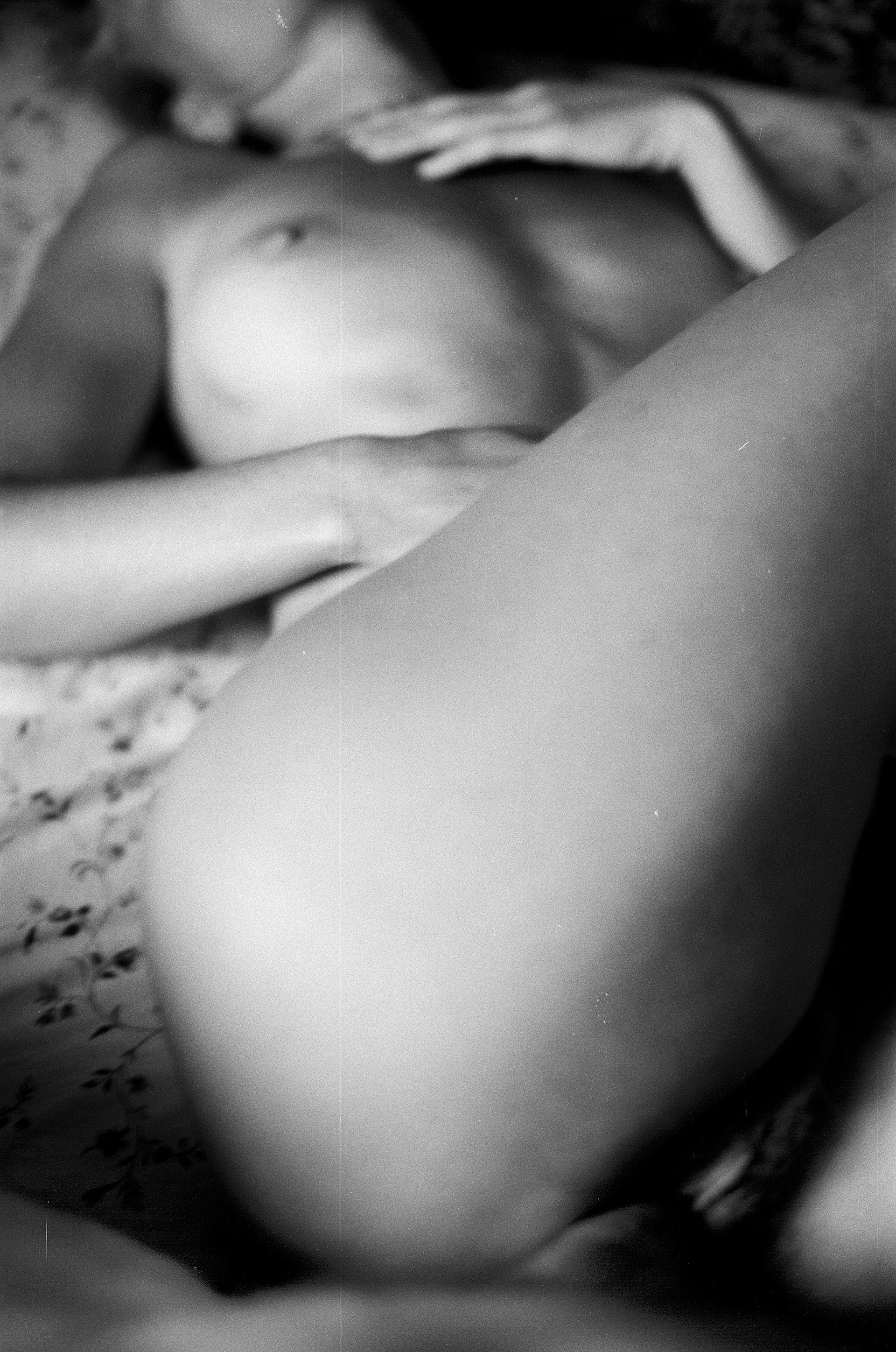
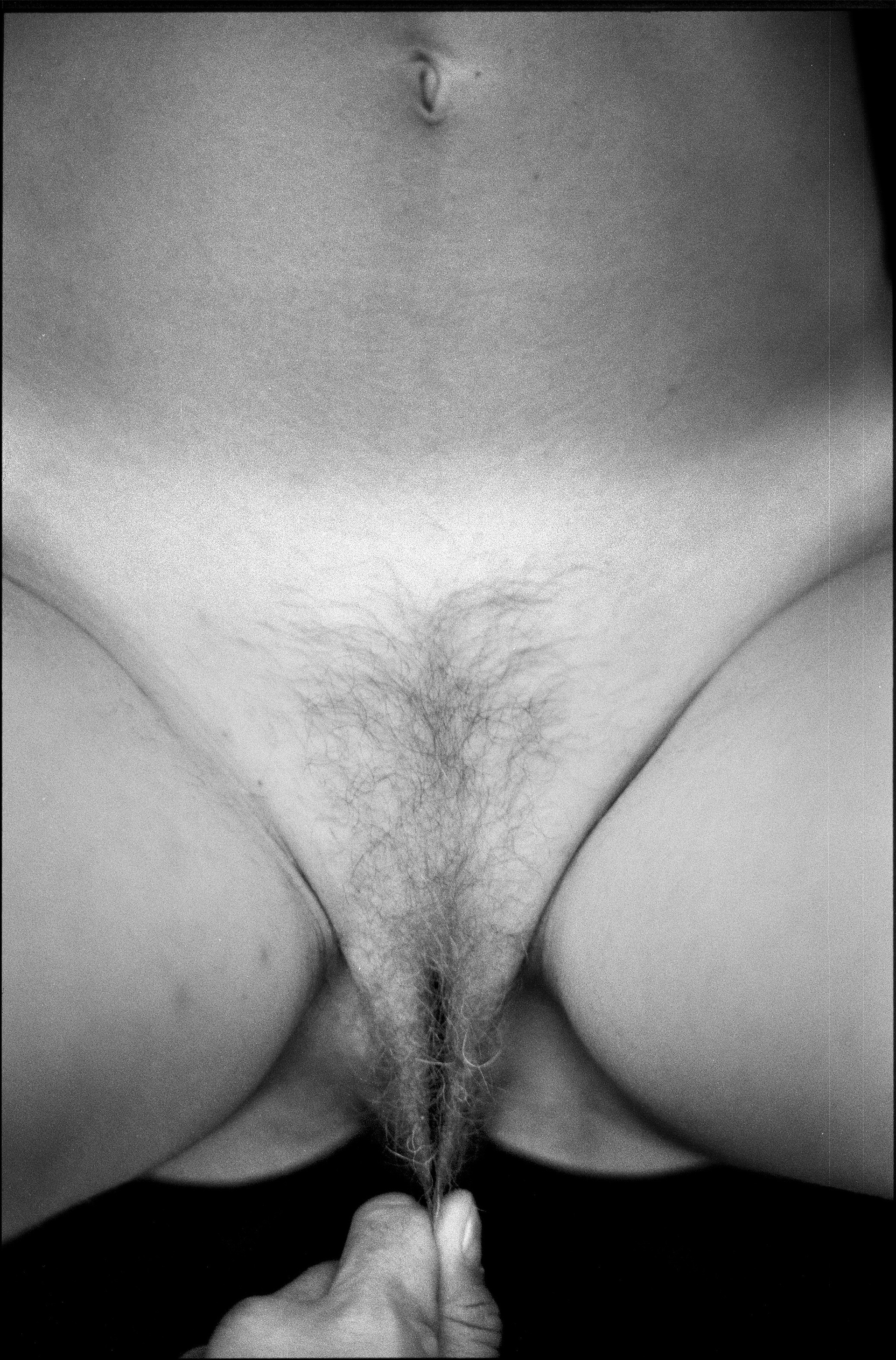
The language/ of photography, the language/la language of contact, ” lalangue “. The language of contiguous association, transmetaphorical connection, and the intersection of the Real and the Imaginary, the language of omni-portraiture, is skin, are the skin; I rub against another with my words, as if it are words, dust, photographic grain, the matt surface of baryta paper, the dry surface of the photographic emulsion on a sheet negative; the pupils — or ‘words’ — or everything through which I come into contact with the subject end in fingers, an immanent field of complicity and imagination, a vision of visions in which it is outlined and projected, just as on wisps of drifting smoke, a beams of light from a cinema projector onto it, just as a murmuring, flying flock of birds pulsates with a thickening and dissolving, scattering patch of ill-defined logic, a fleeing pulsation of a patch, the eloquence of moiré. My speech trembles with desire, an expressive desire for self-expression, to absorb all that is visible and to transform all that is visible into the photographic. Confusion arises from a dual or even triple point of contact: on the one hand, the distinctive workings of discourse—unobtrusively, flexibly—fix with halides a single unique signified: ‘I want you’, ‘I want to steal you from eternity’, ‘you are the Other, you are the moment, you are the sign, I want you…’ — it liberates it, exposes it, nourishes it, nuances it, compels it to manifest itself, to reveal itself (speech revelling, touching upon itself); on the other hand, I turn round and, with the inaudible words of my gaze, of my search for the other, I caress and touch him; I prolong this contact and try with all my might to extend the commentary to which I am already subjecting everyone, including the spectator (from a third perspective), stretching our now universal — all-pervading, metonymic, for they are infinitely enduring — relationships…
The Empty Fortress.
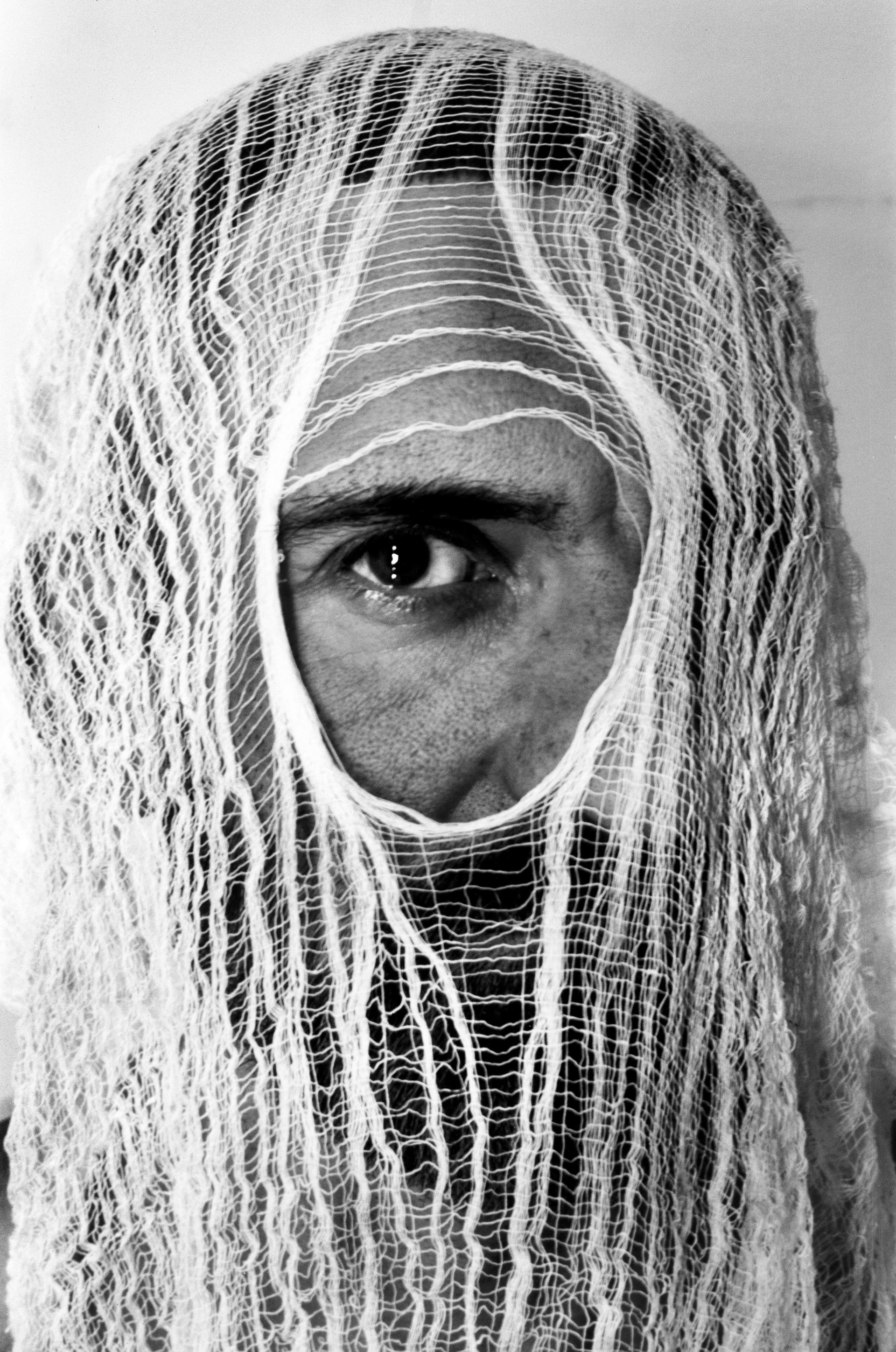
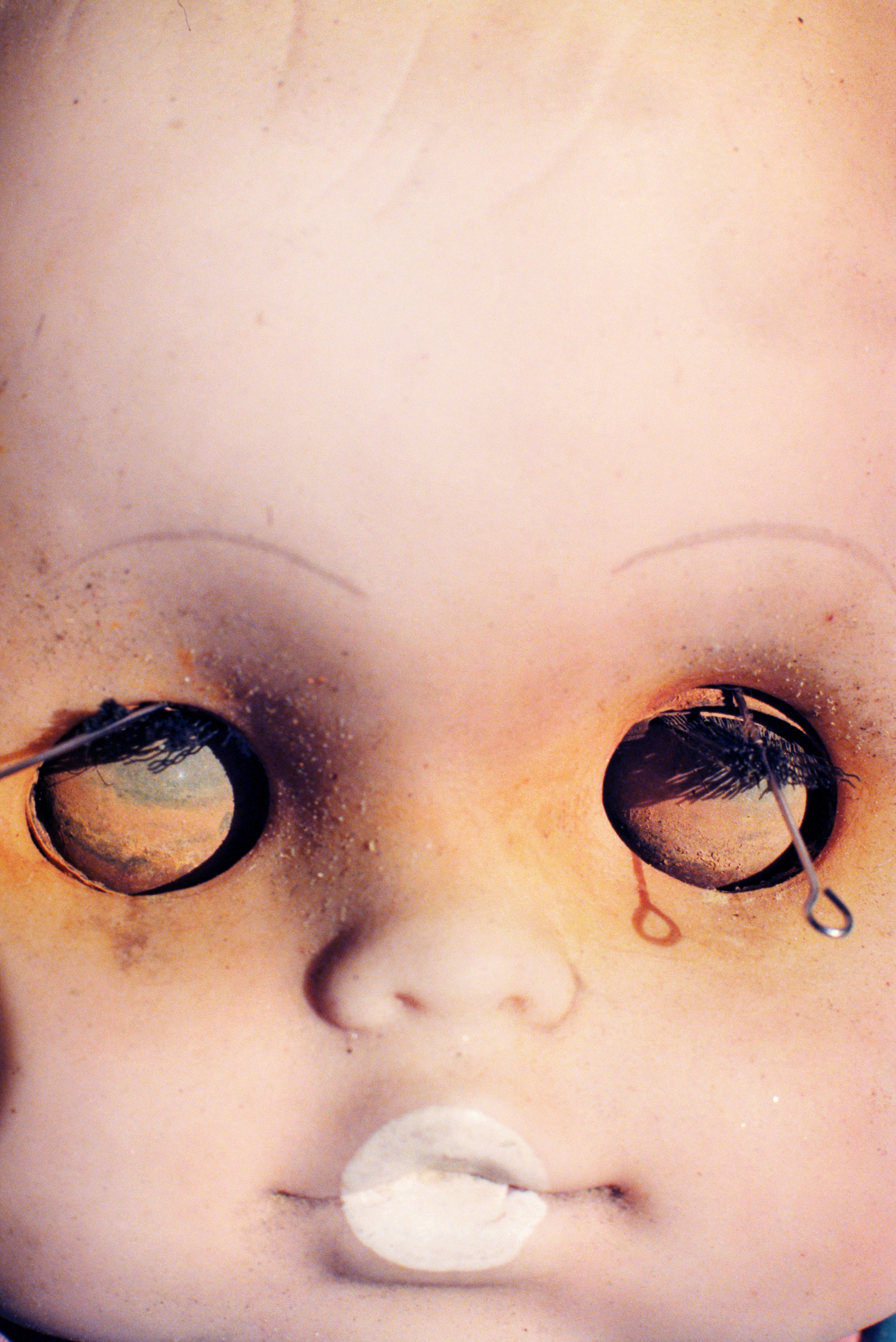
Is the fortress of the pupil empty without a glare?
— The empty fortress of the pupil without a glare —
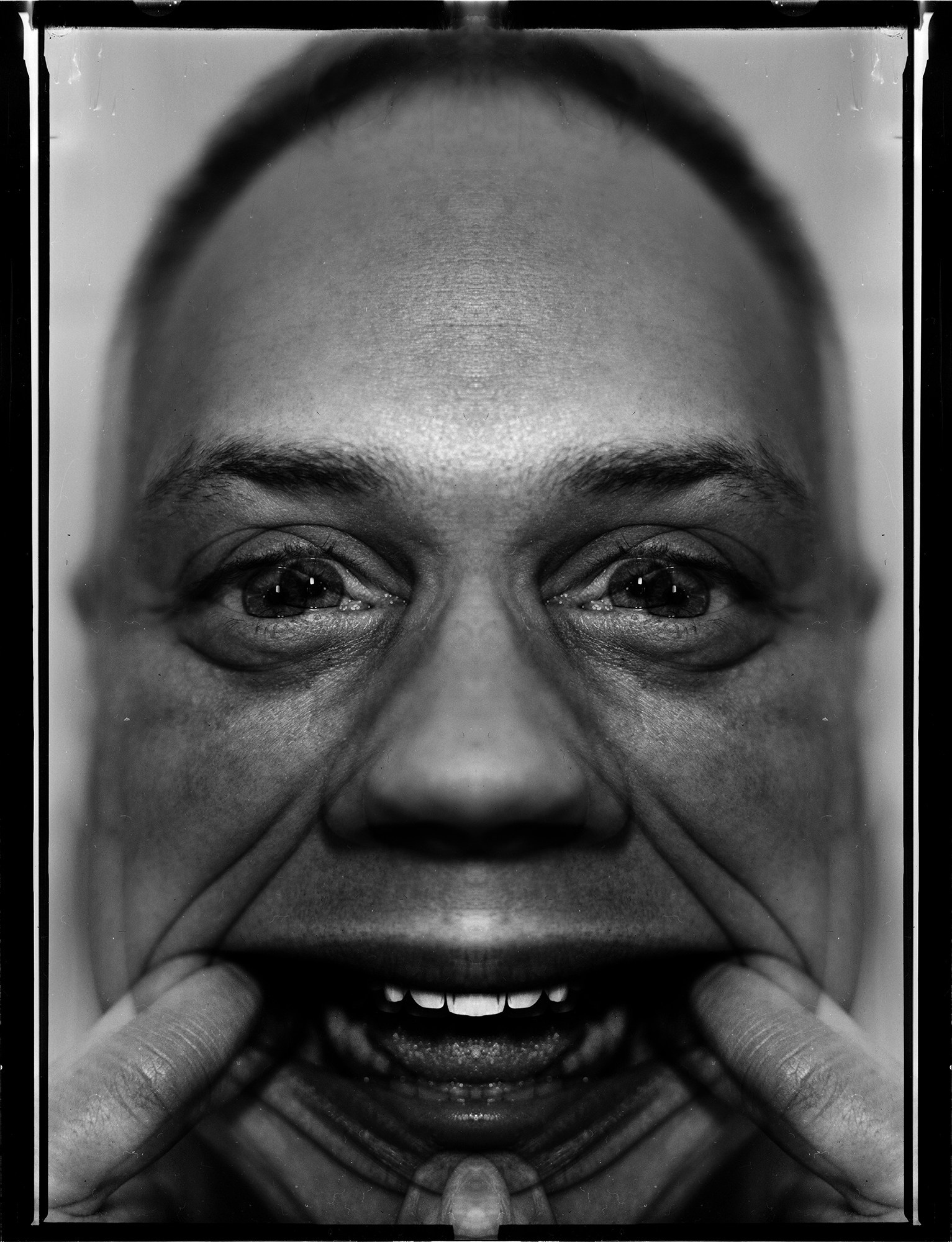
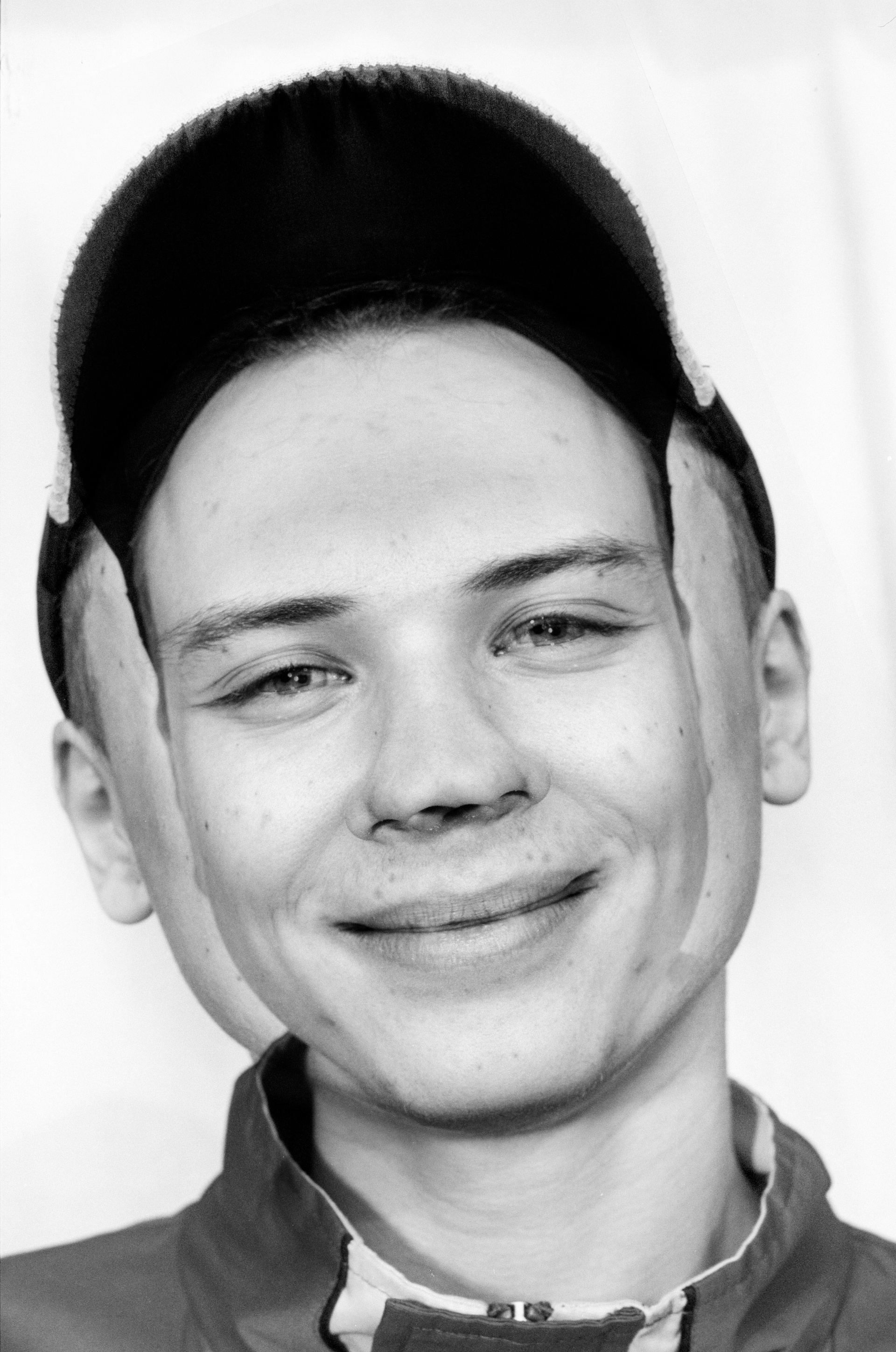
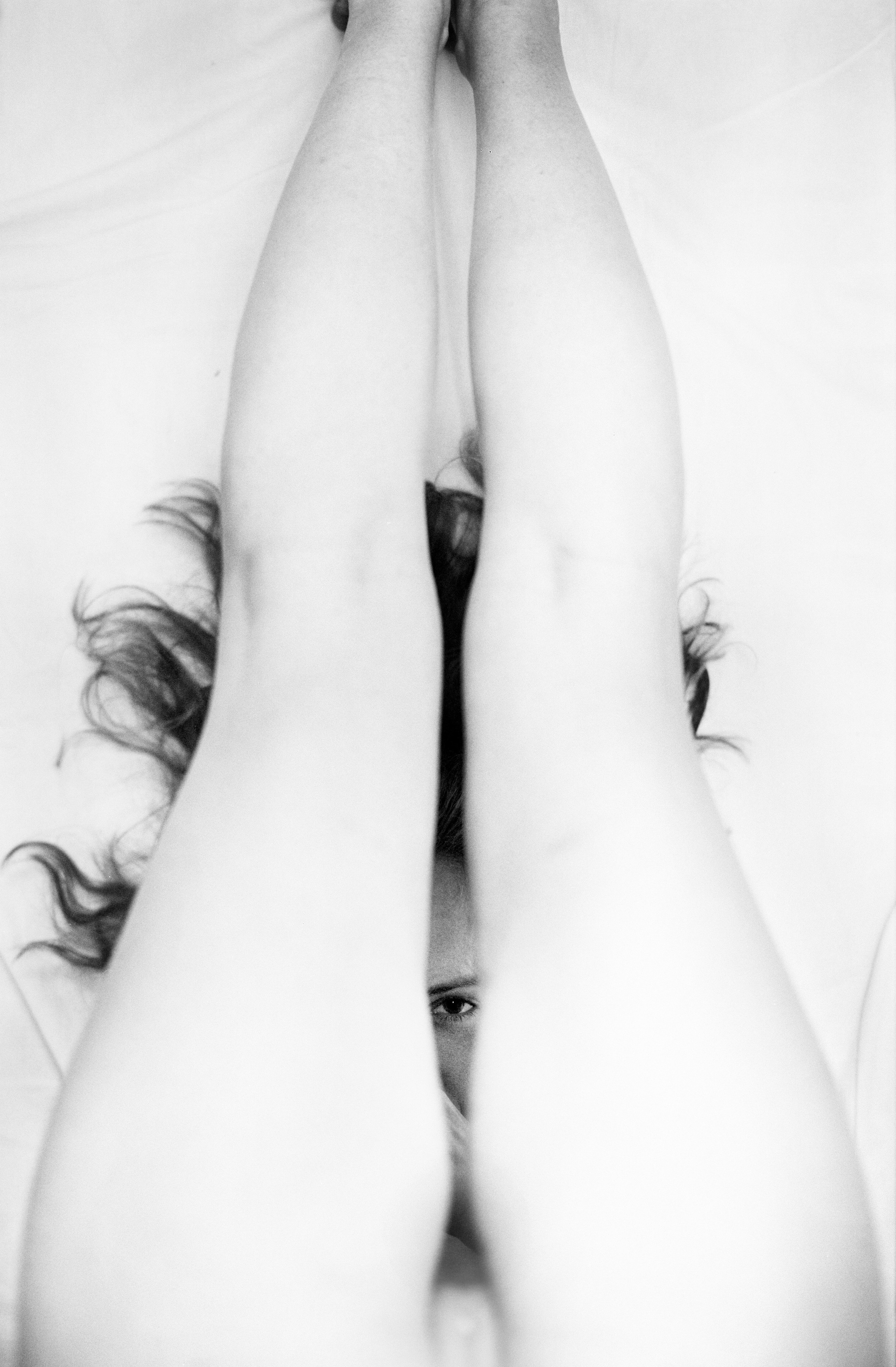
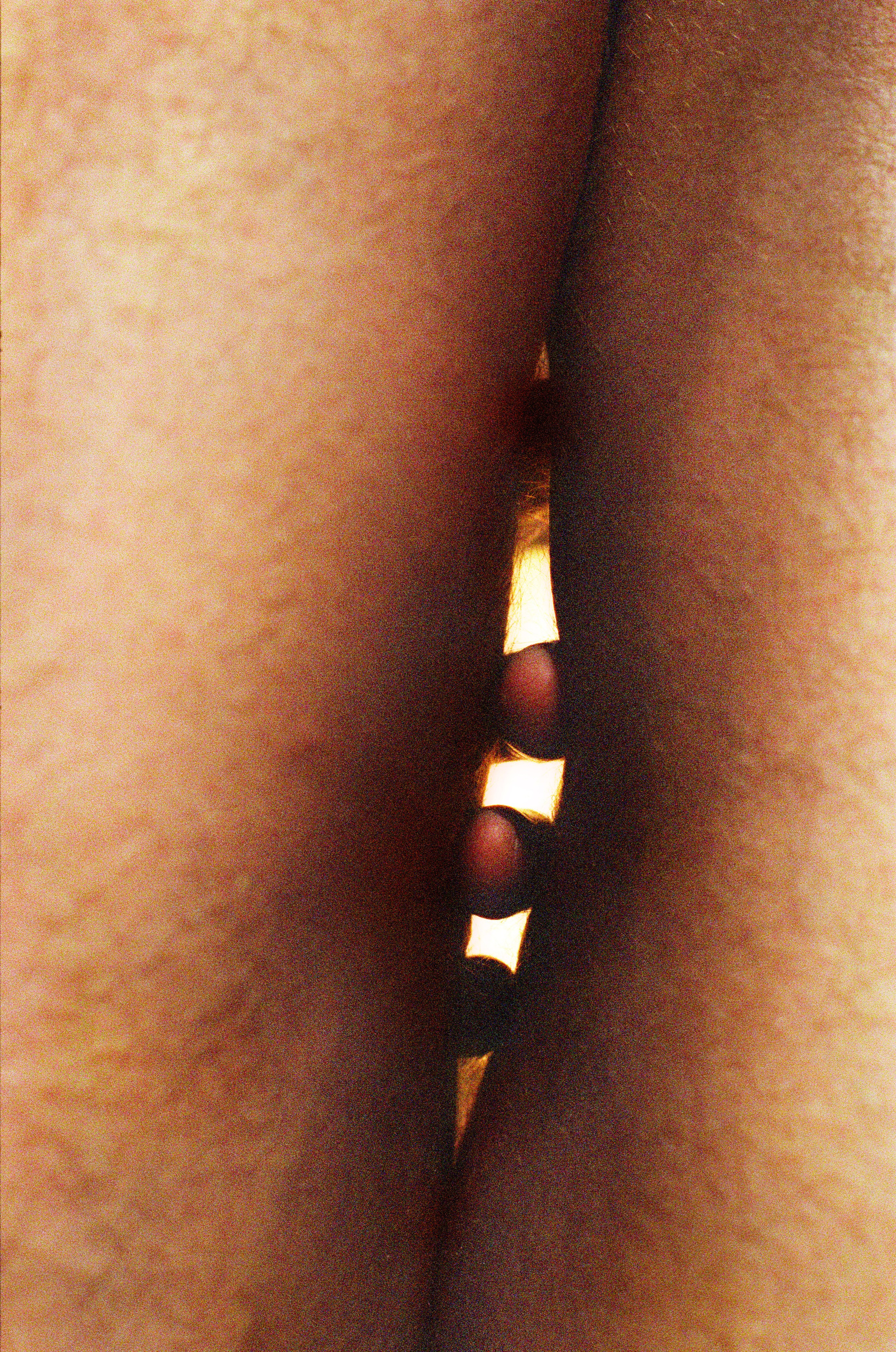
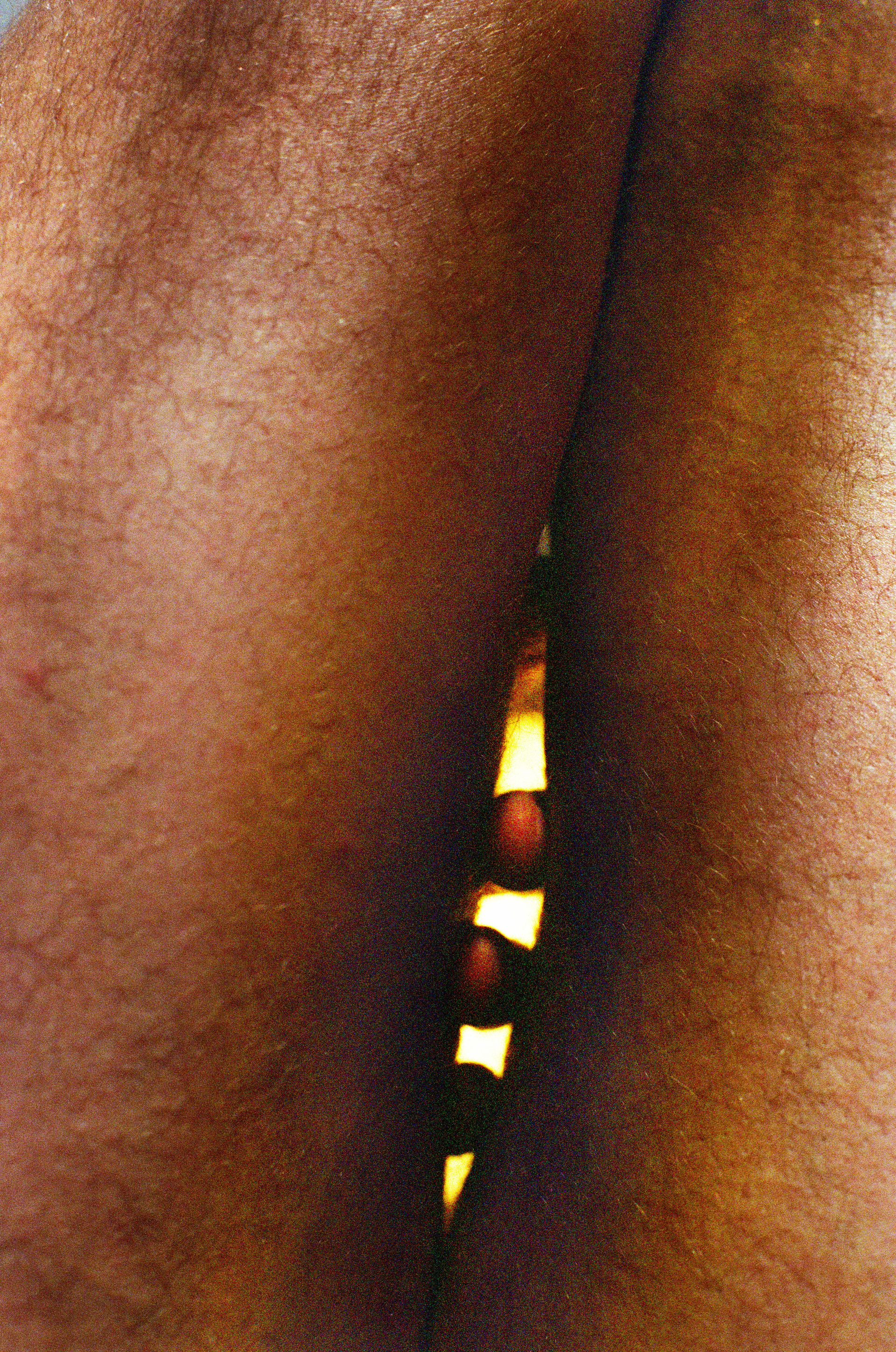
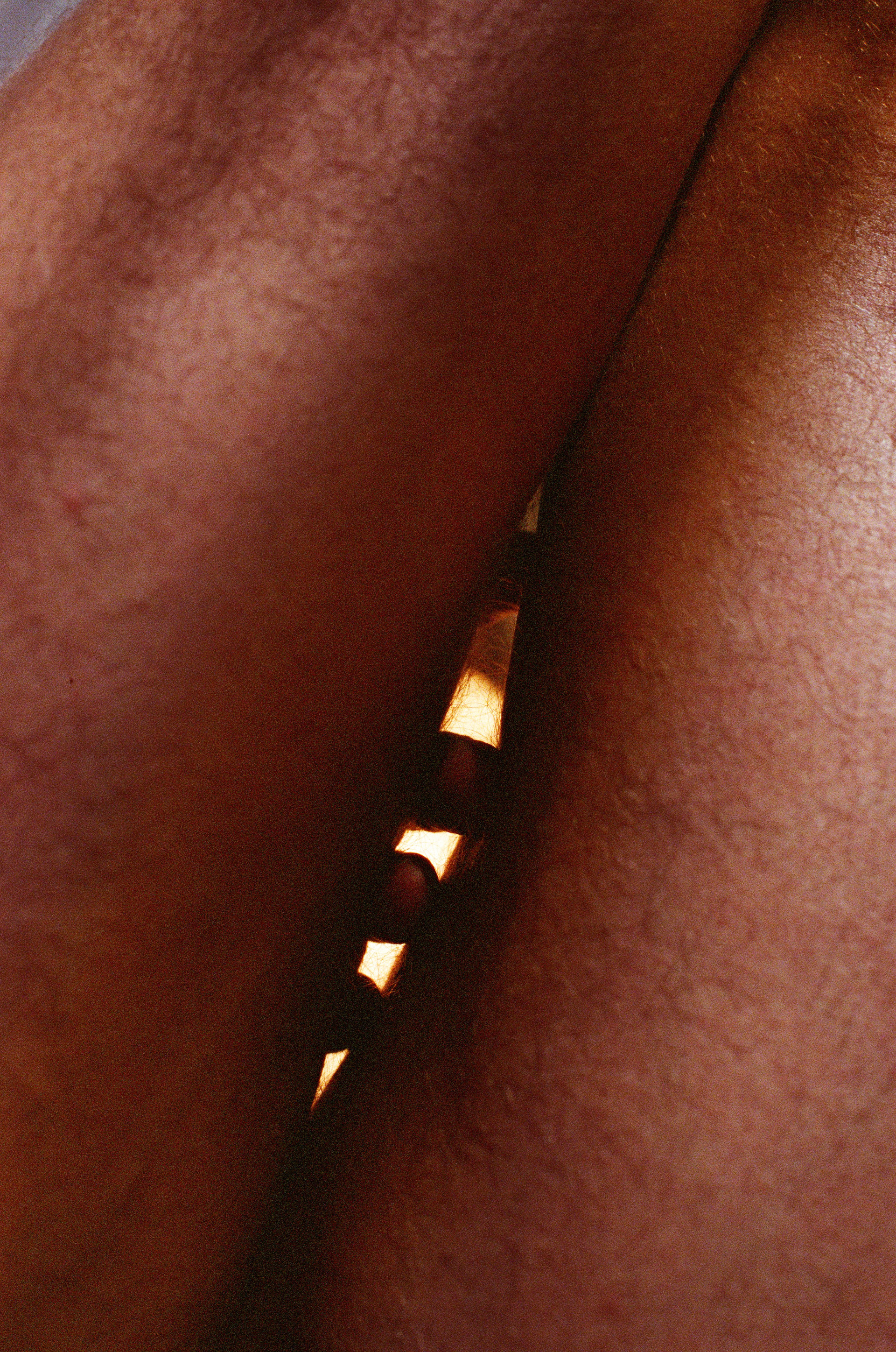
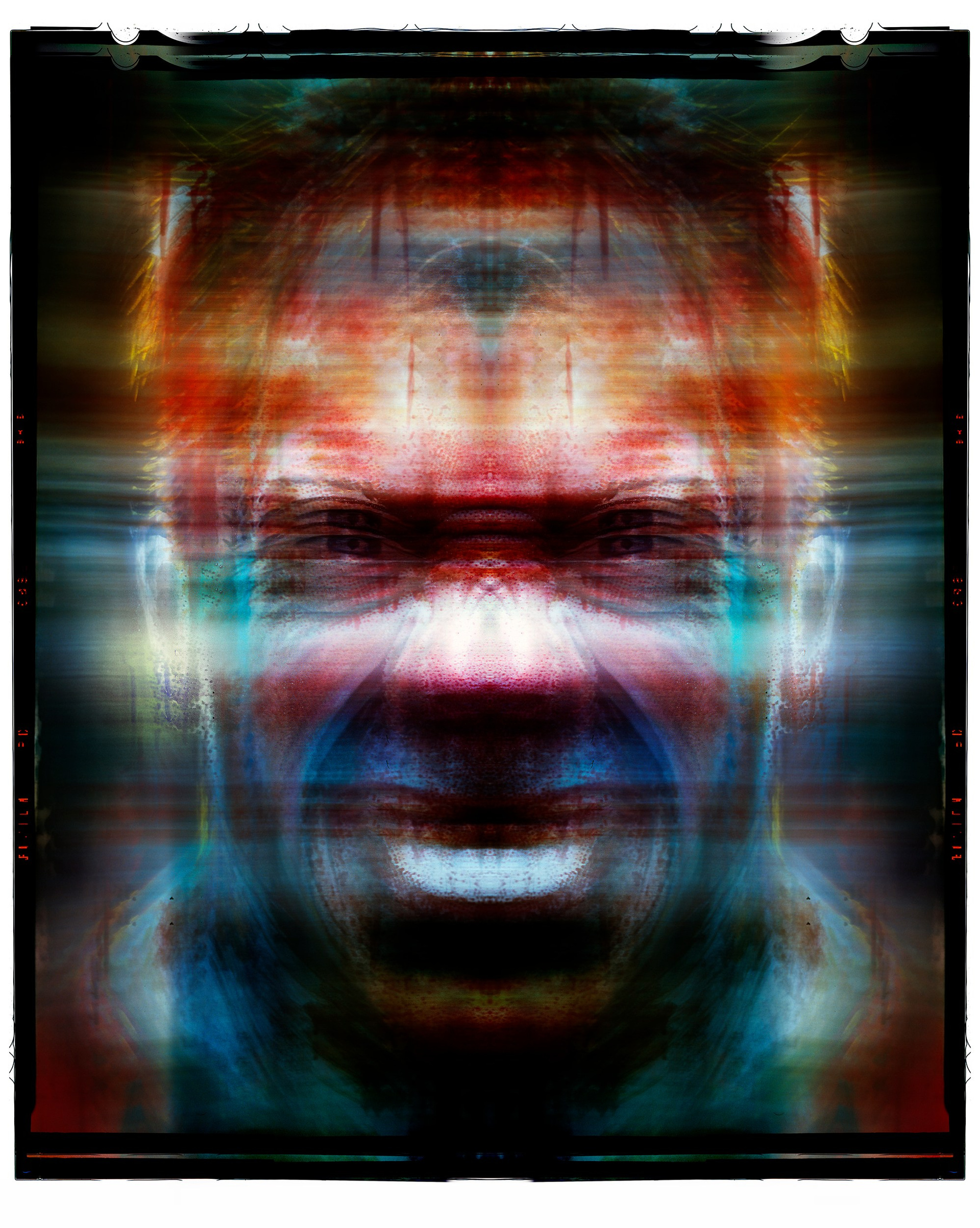
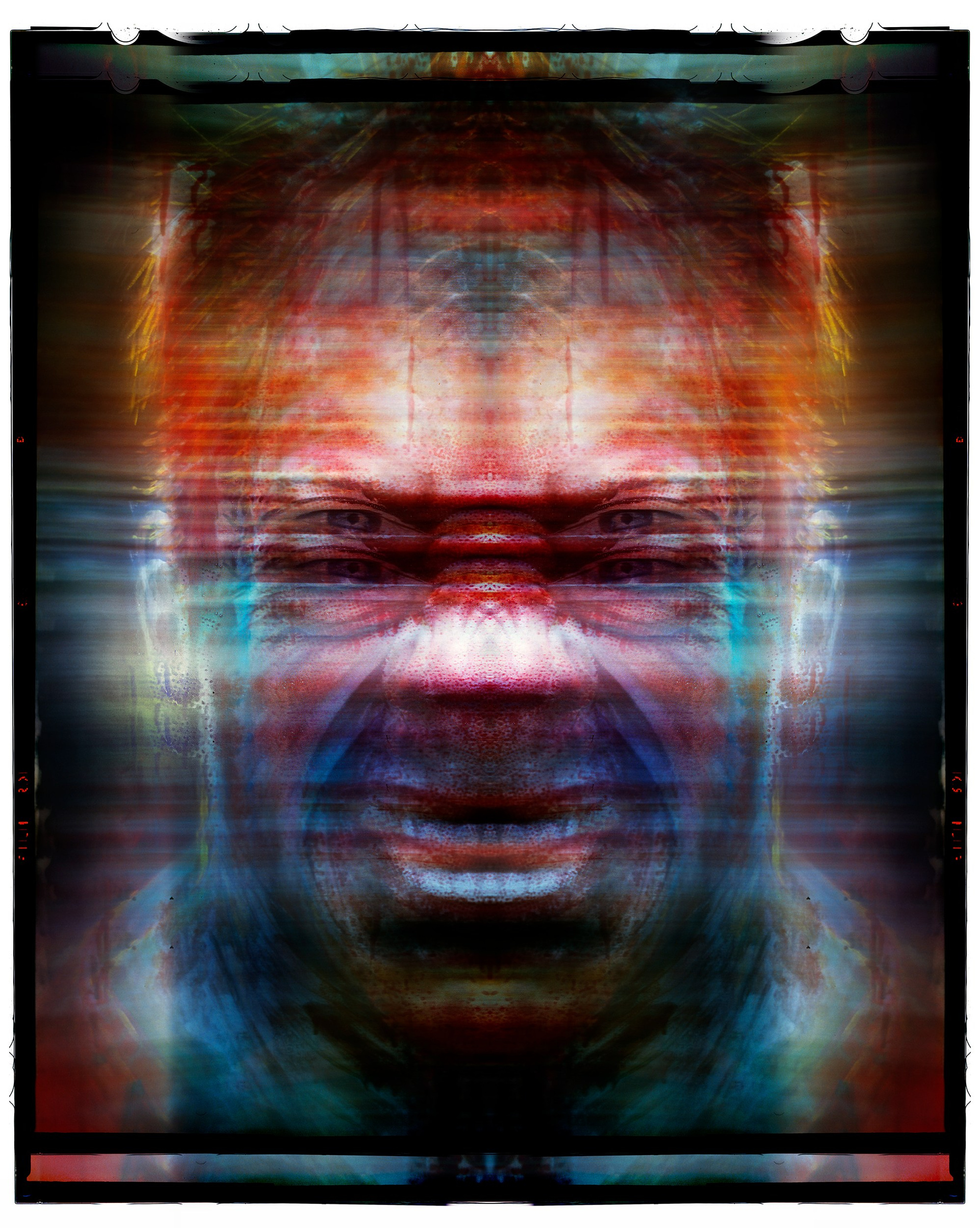
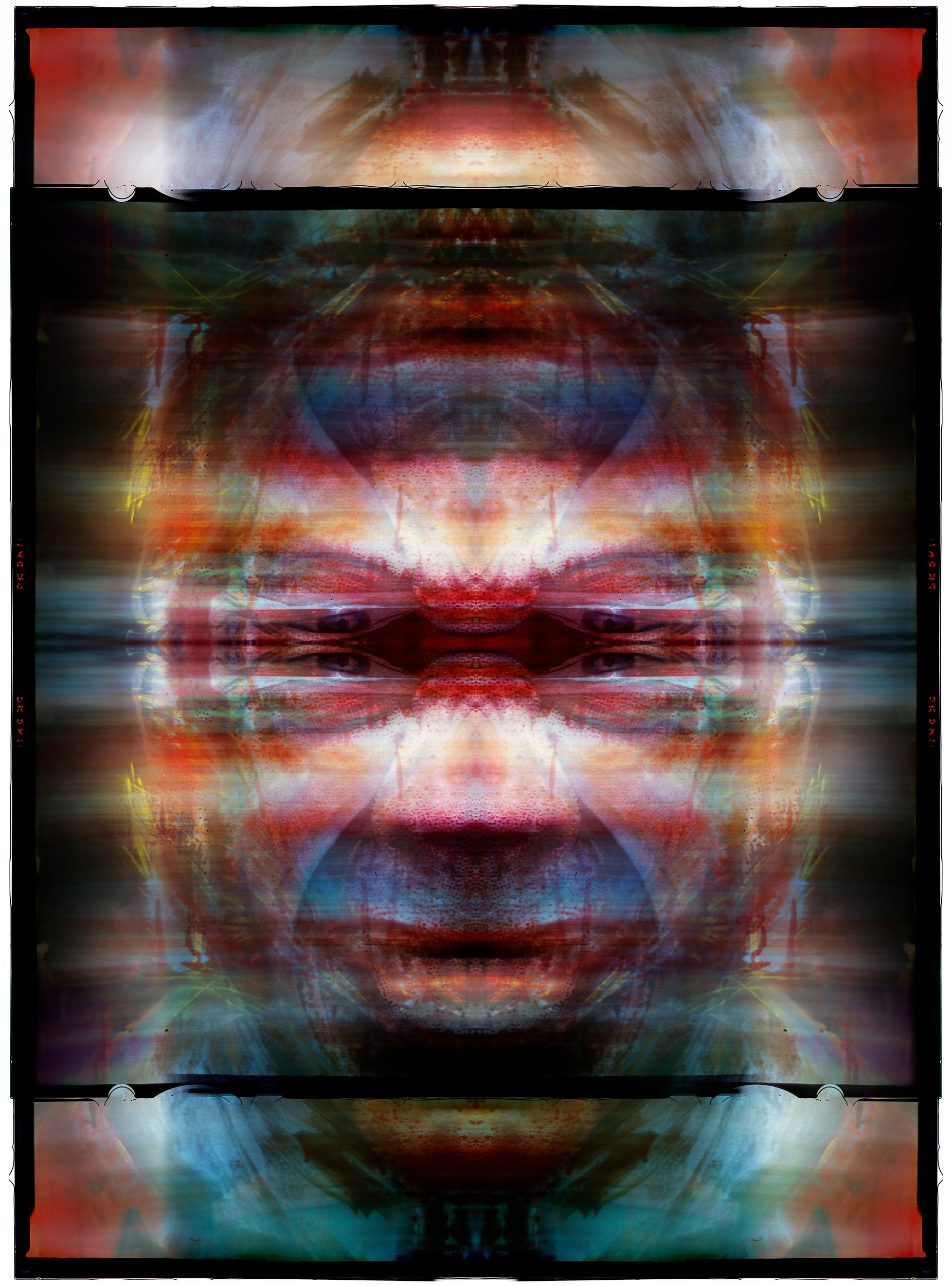
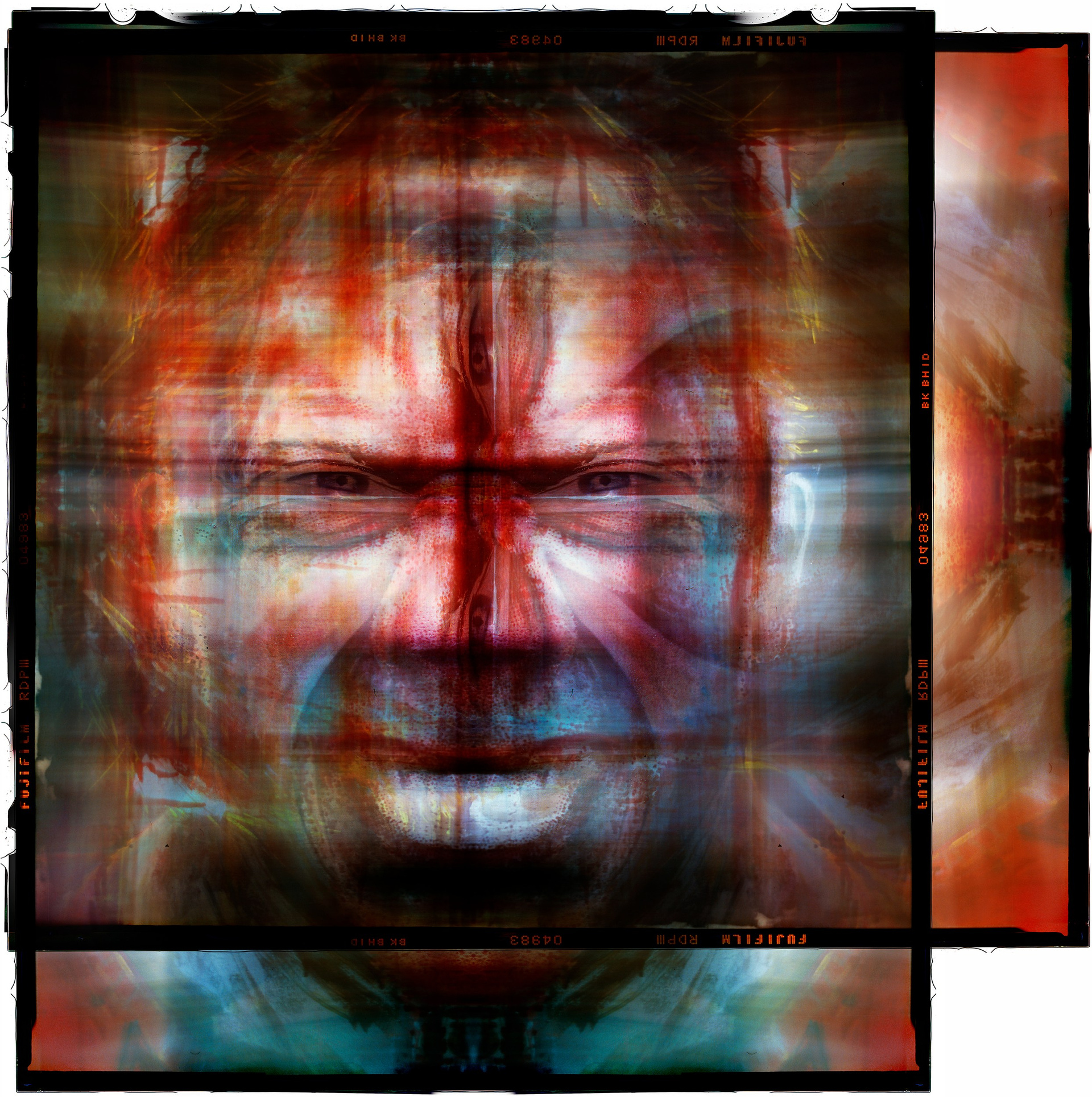
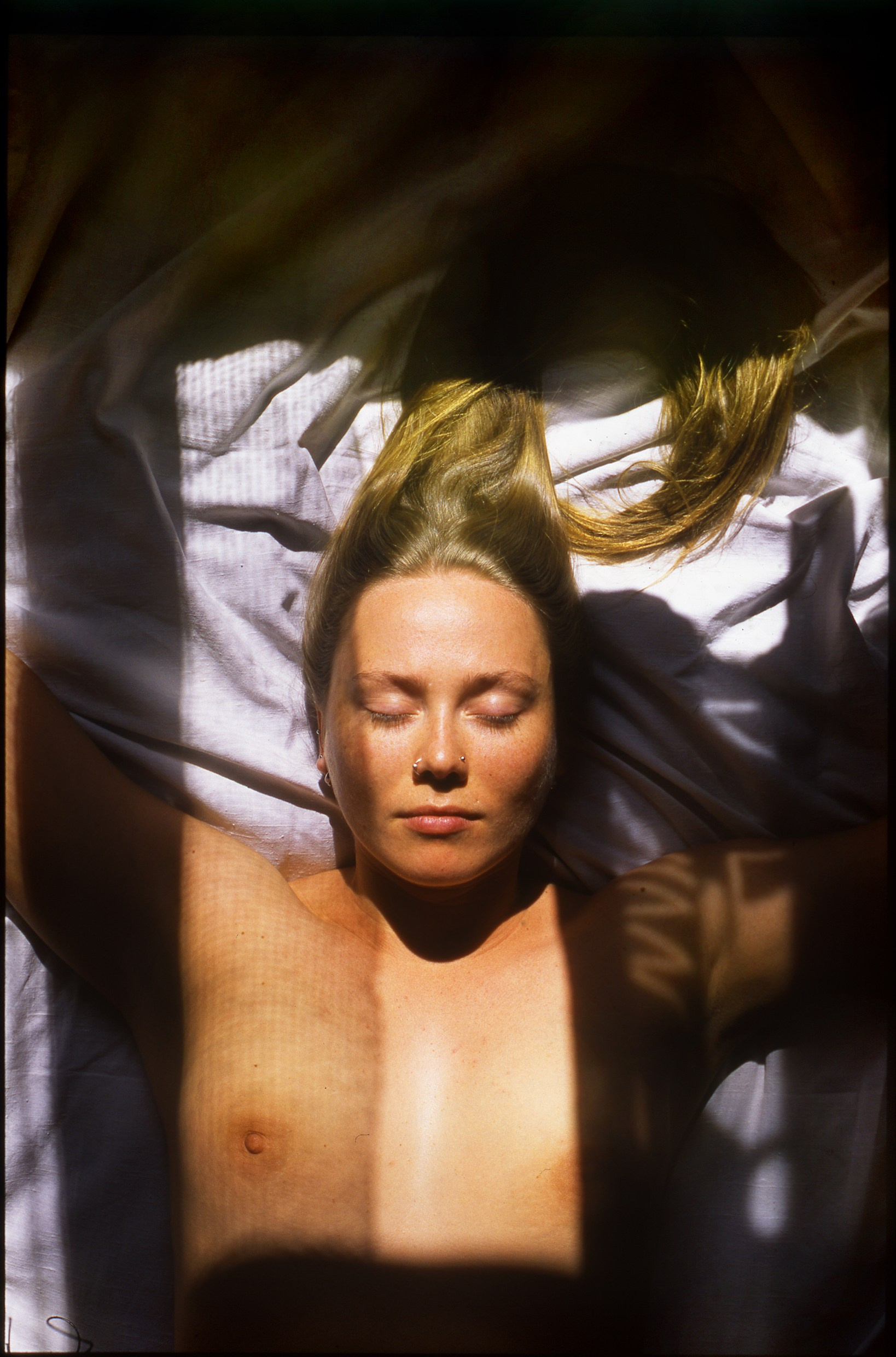
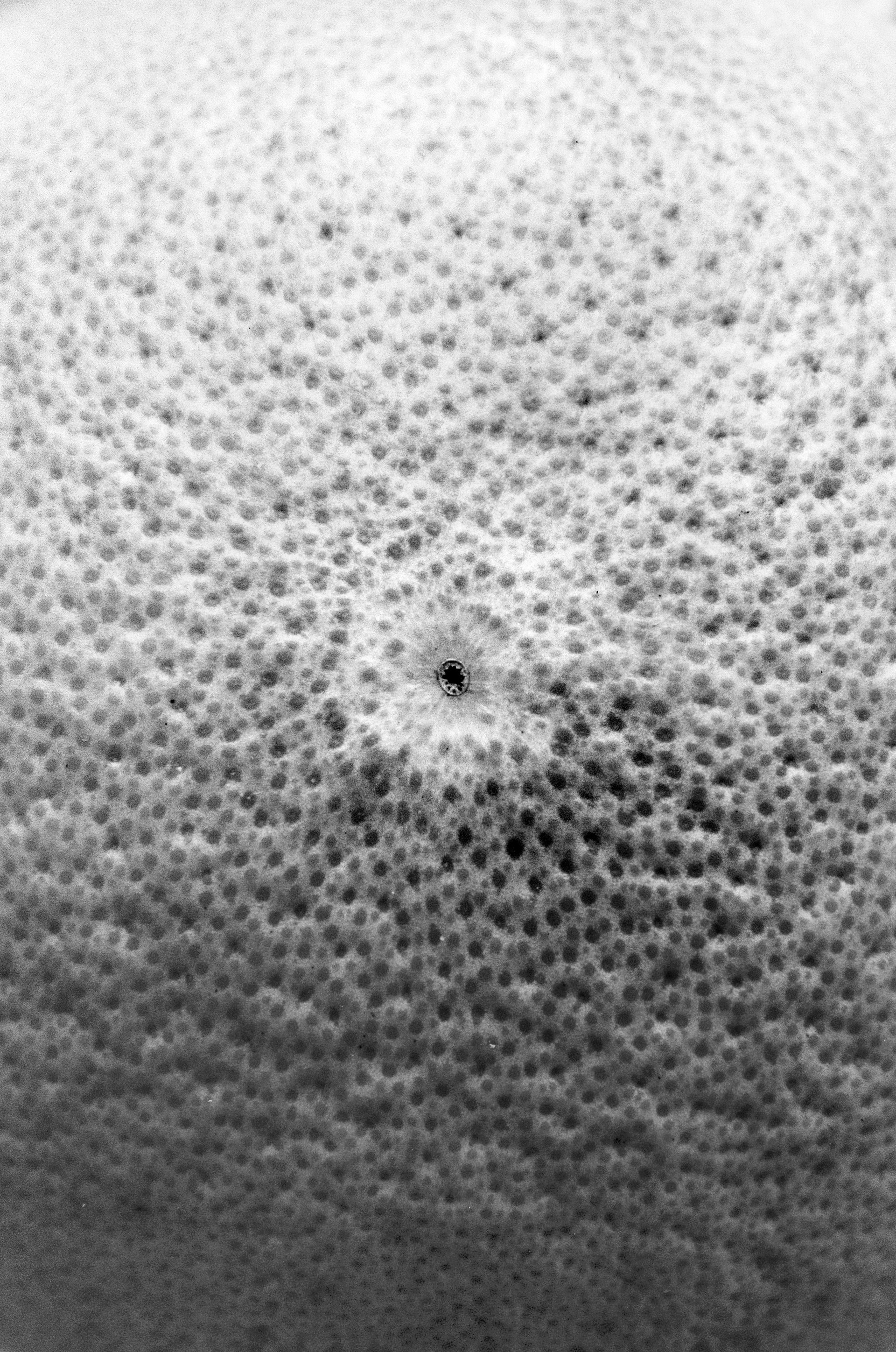
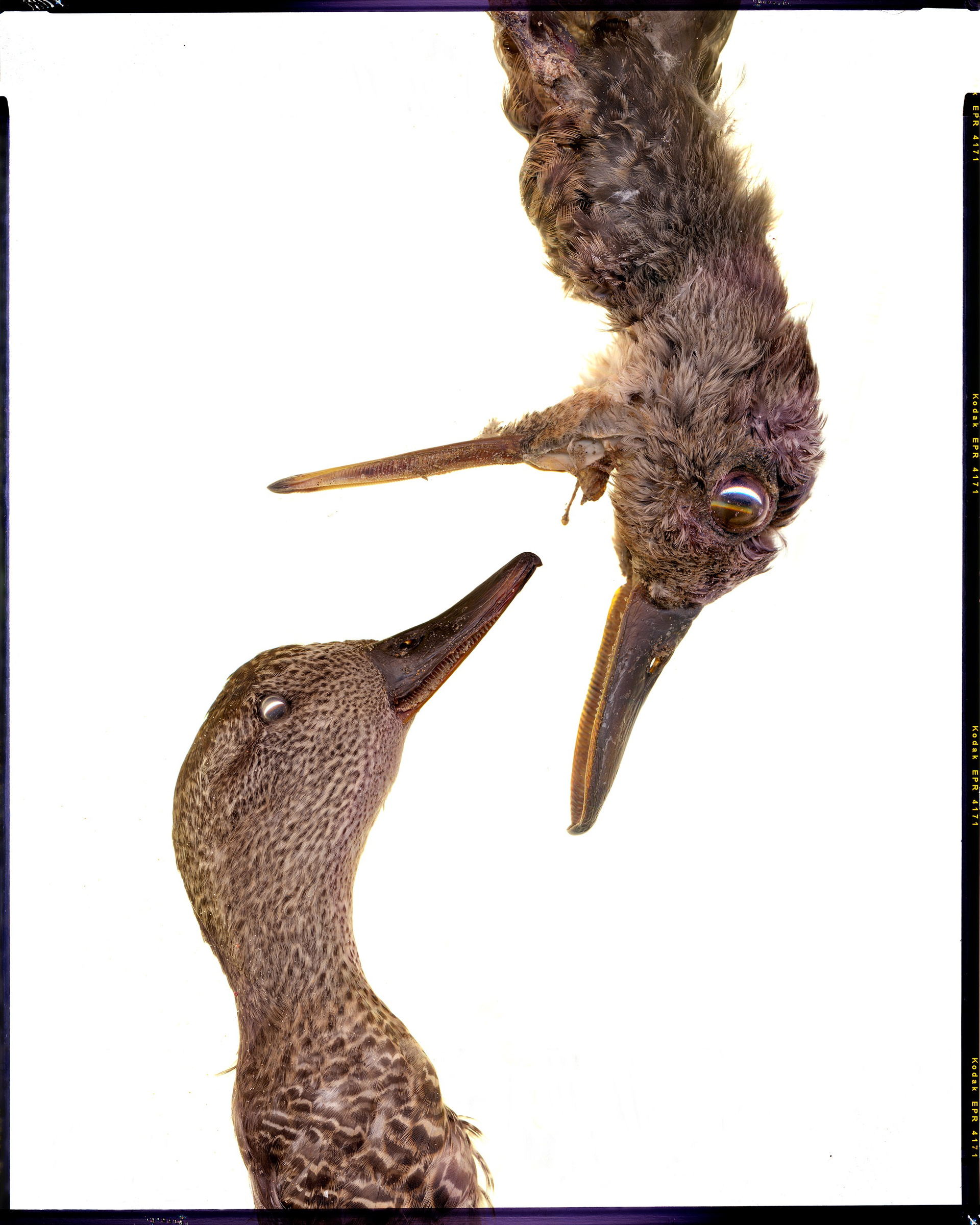
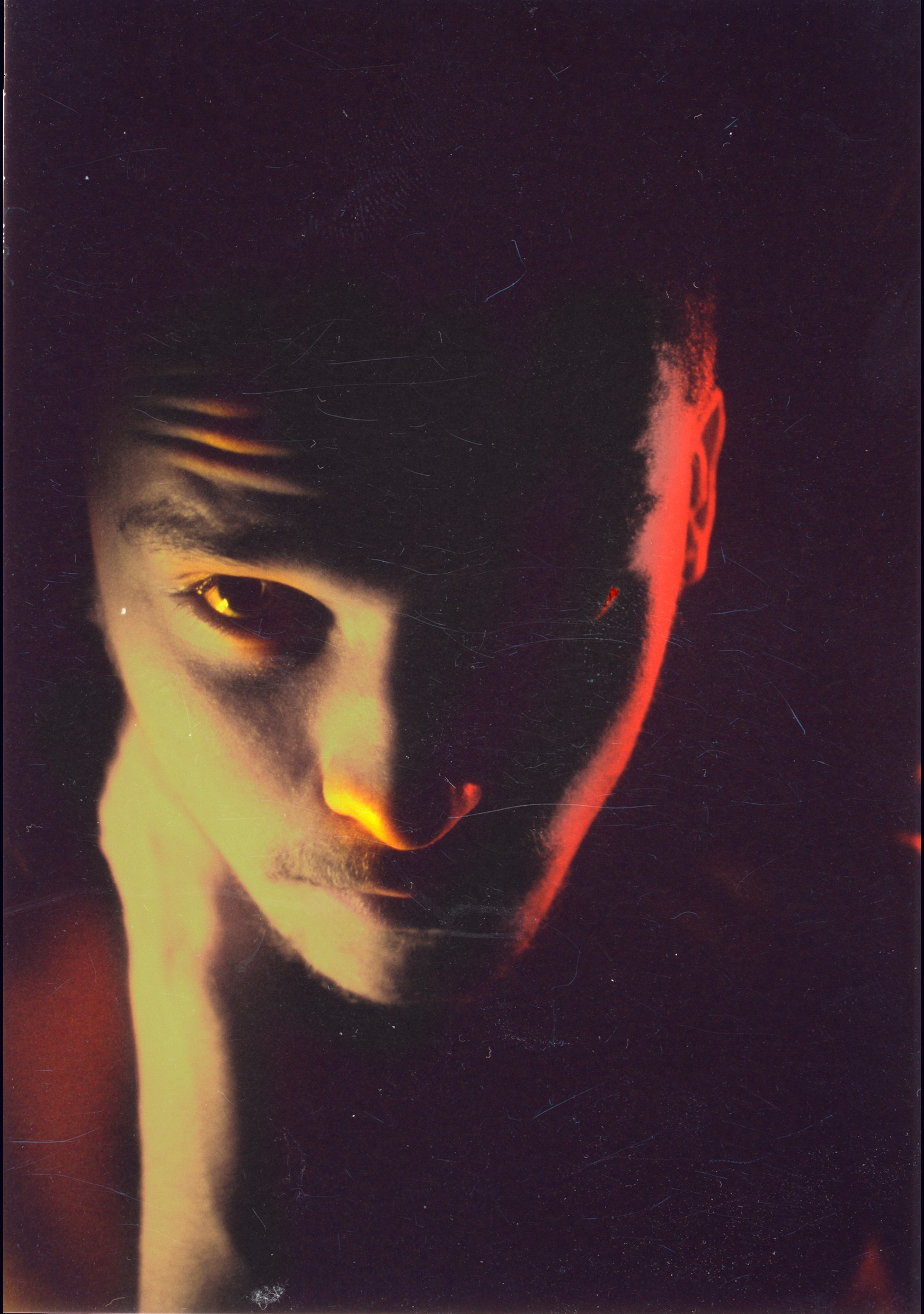
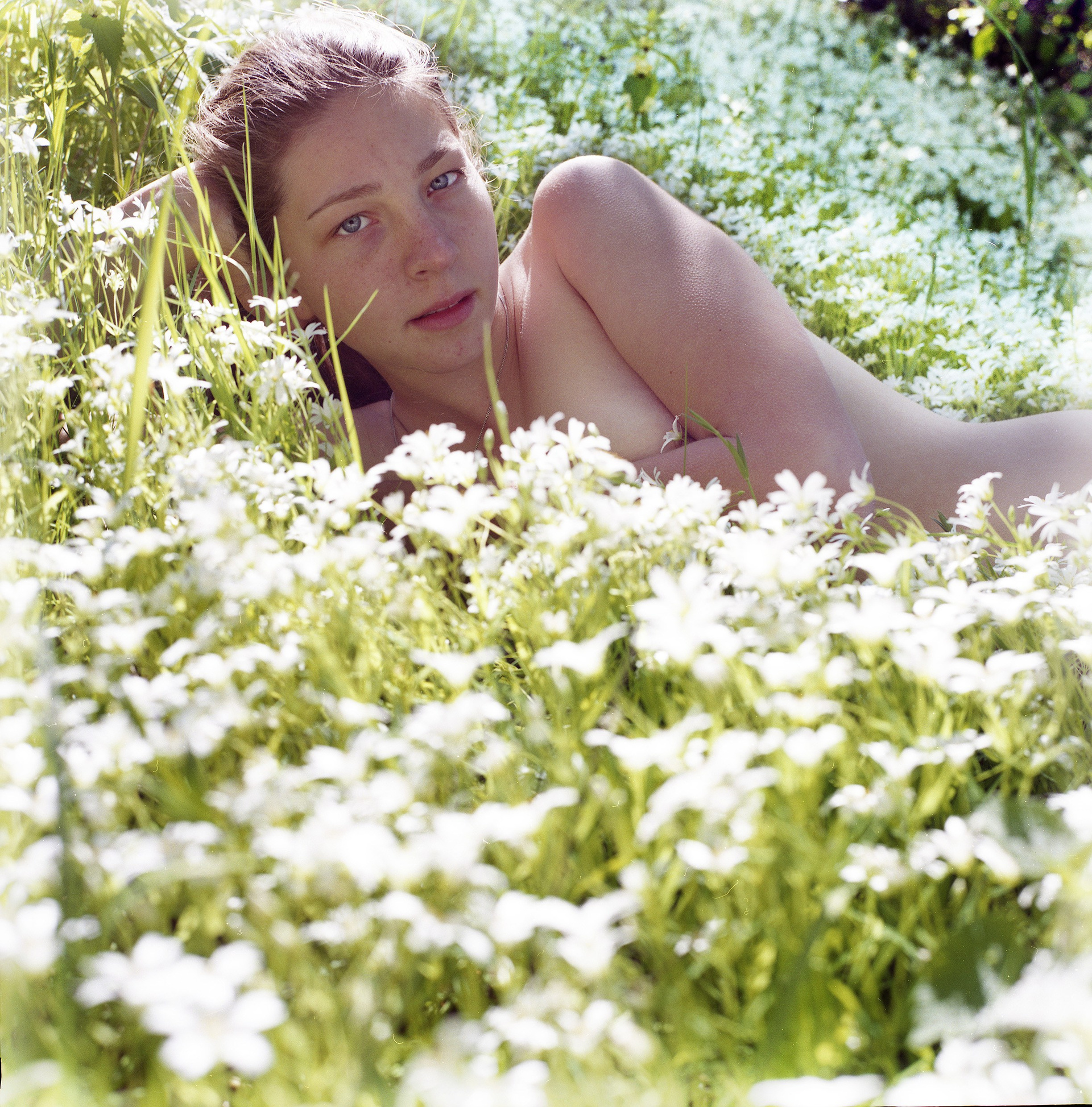
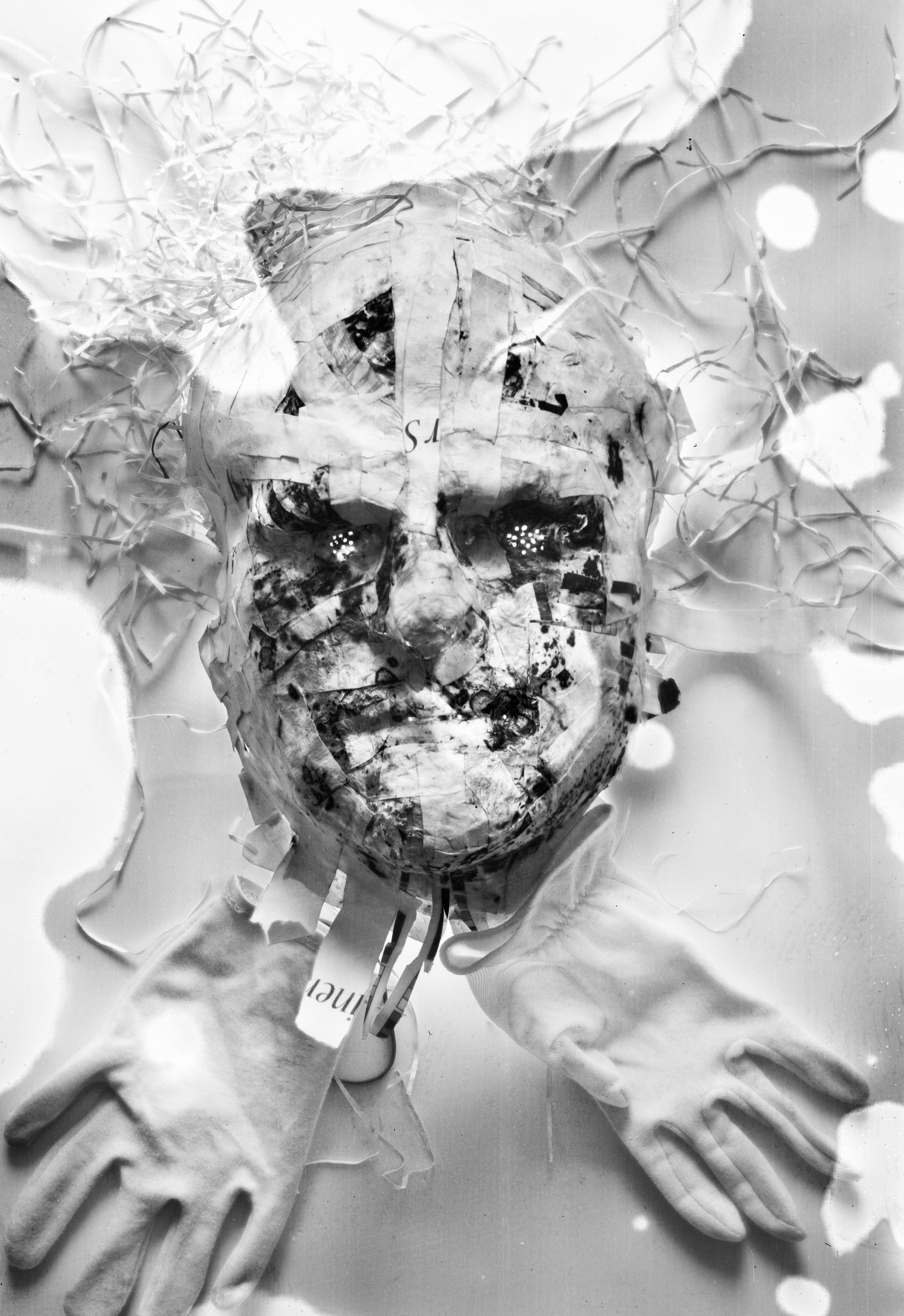
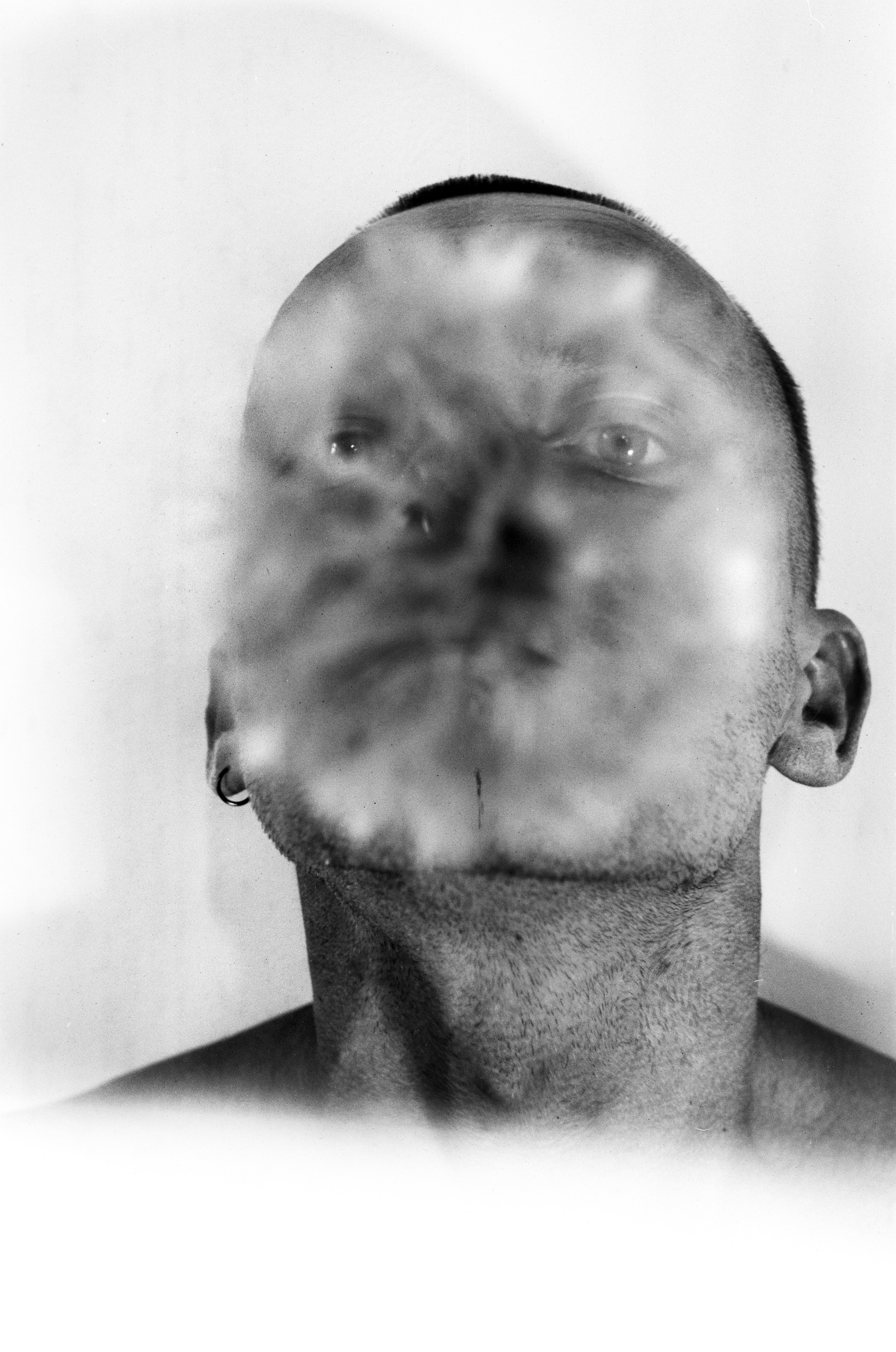
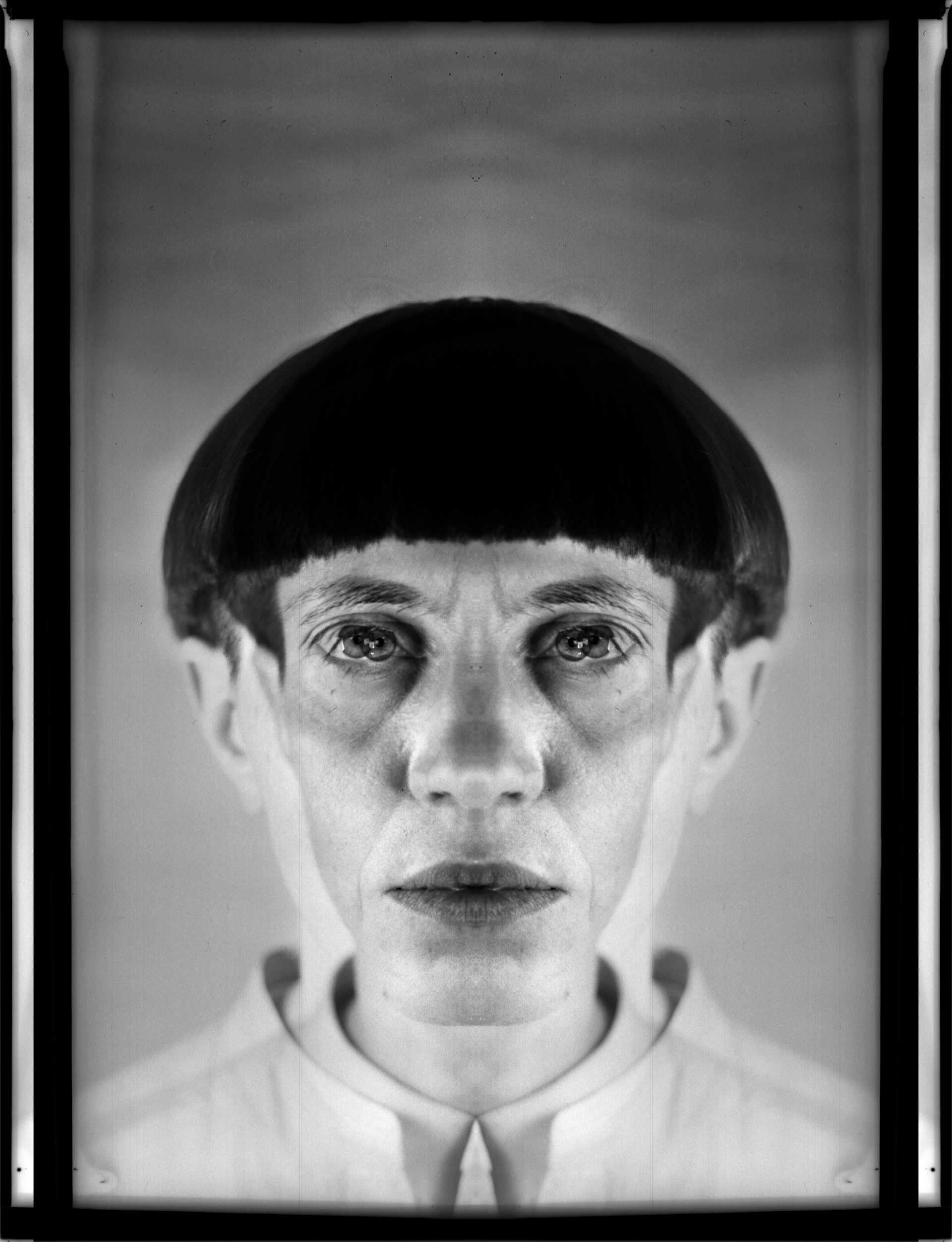
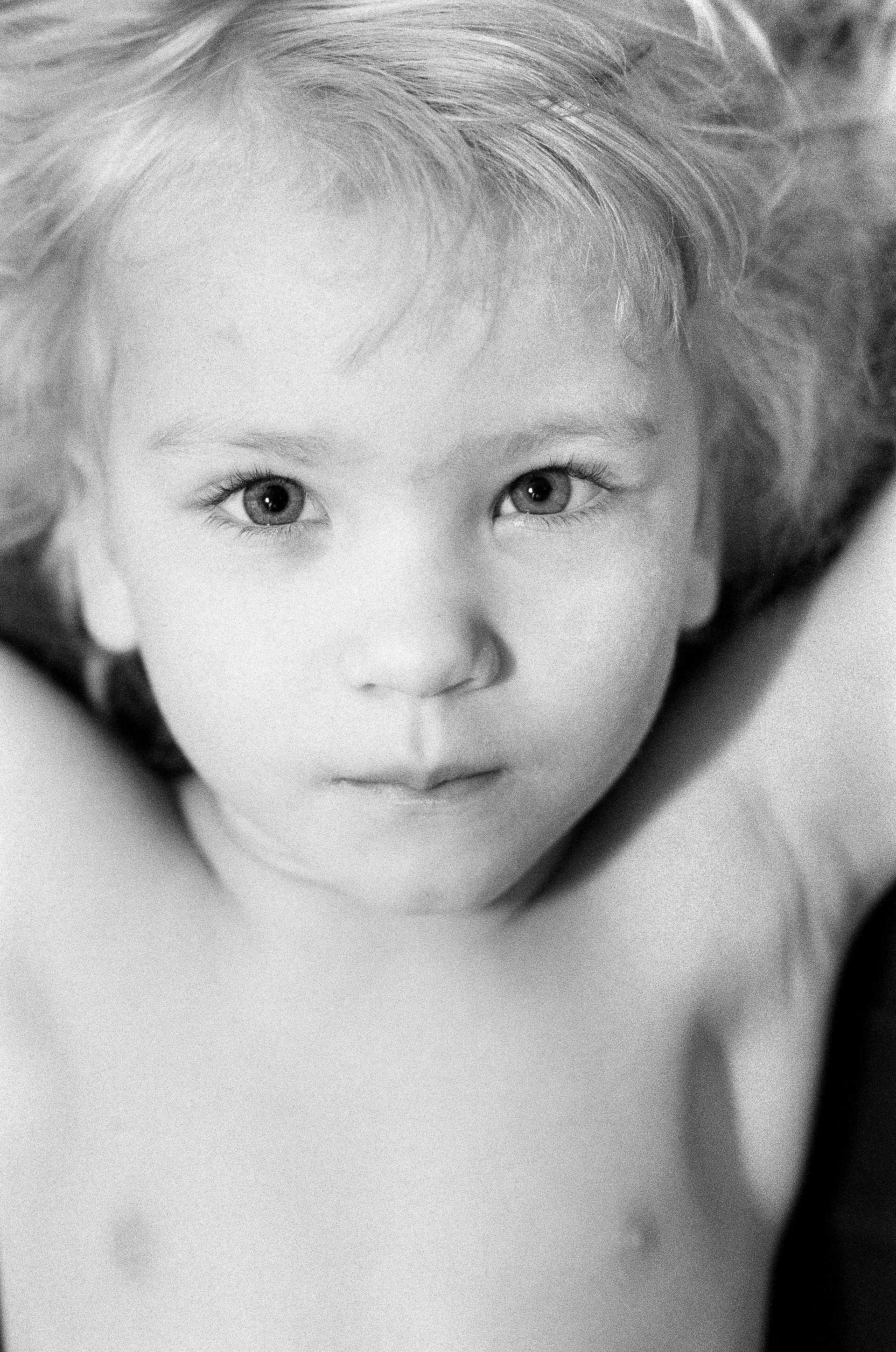
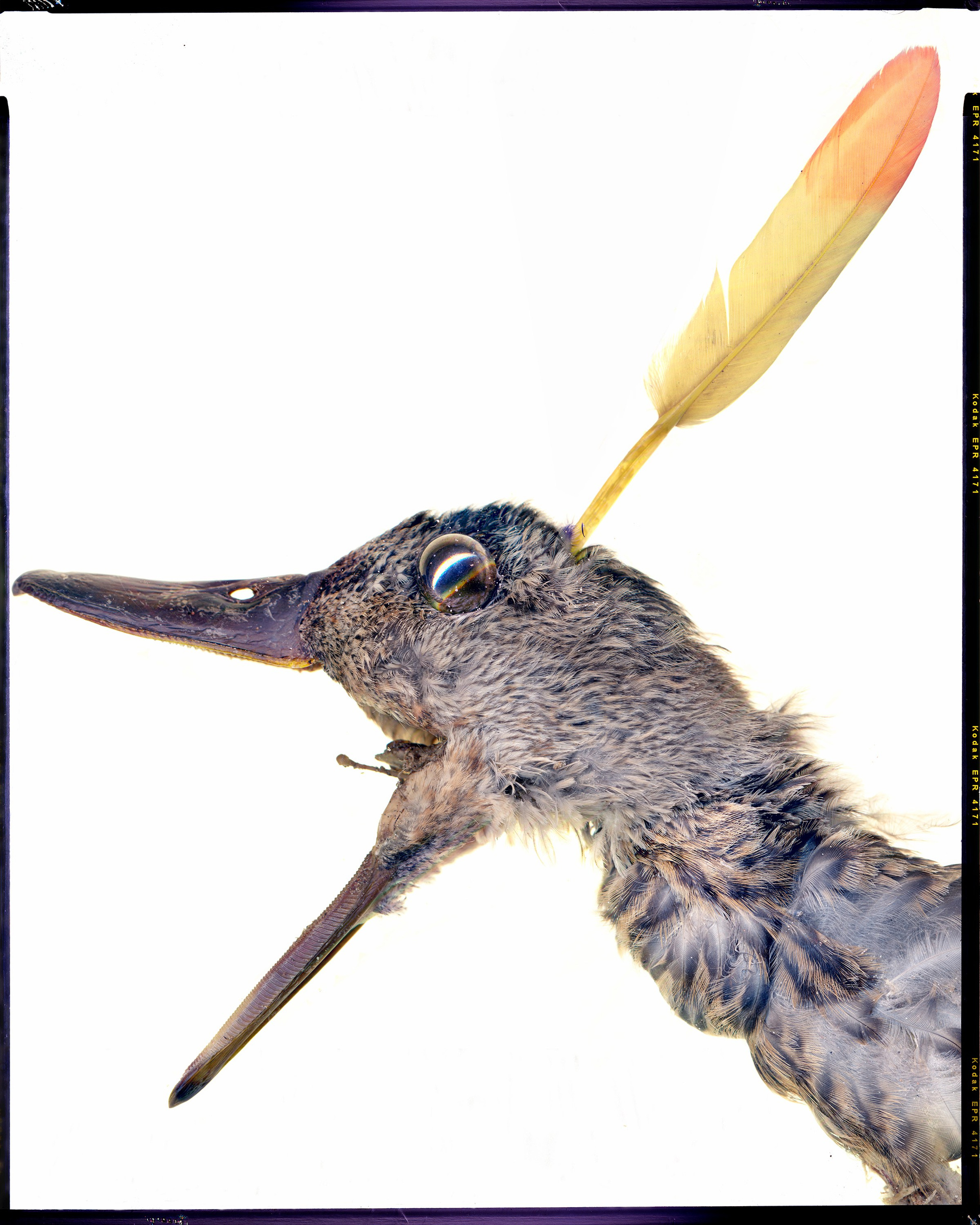
The unstoppable, pulsating glare of the pupil — the very limit of pictoriality, of expressiveness, a point in space, the point-like nature of space within the space of a point. A point without a goal, a point of the the highest presence and absence of light, a place of action, a stage for the visible and the invisible, a point where the worlds of the obvious and the non-obvious, of knowledge and the unknown, of the external and the internal converge — infinite sensitivity to light and touch — the pupil is an ear for light, a bottomless diaphragm and camera obscura, a puncture, an unknown metaphorical topology, surfaces, muscles and abysses into the unknown, into the other.
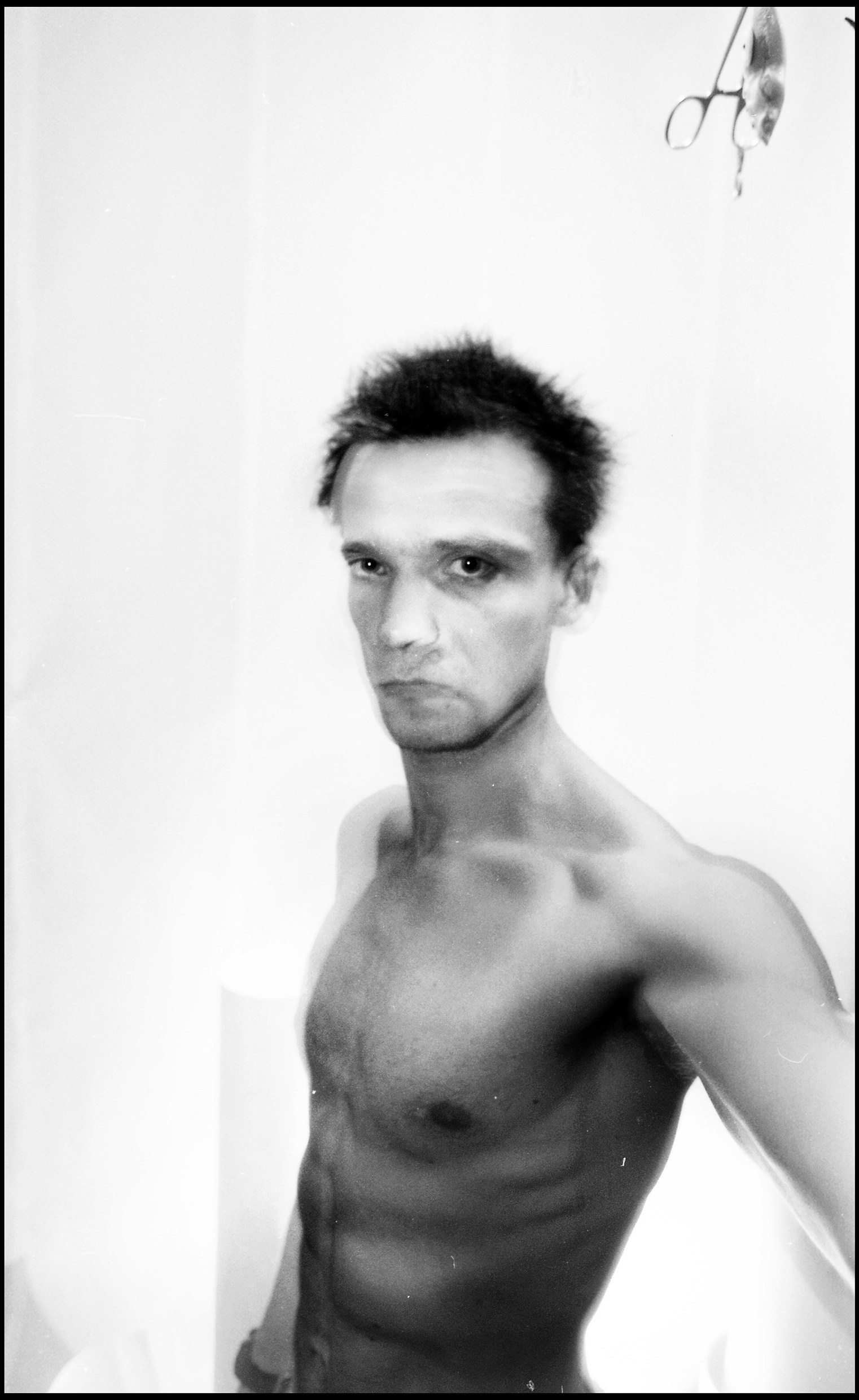
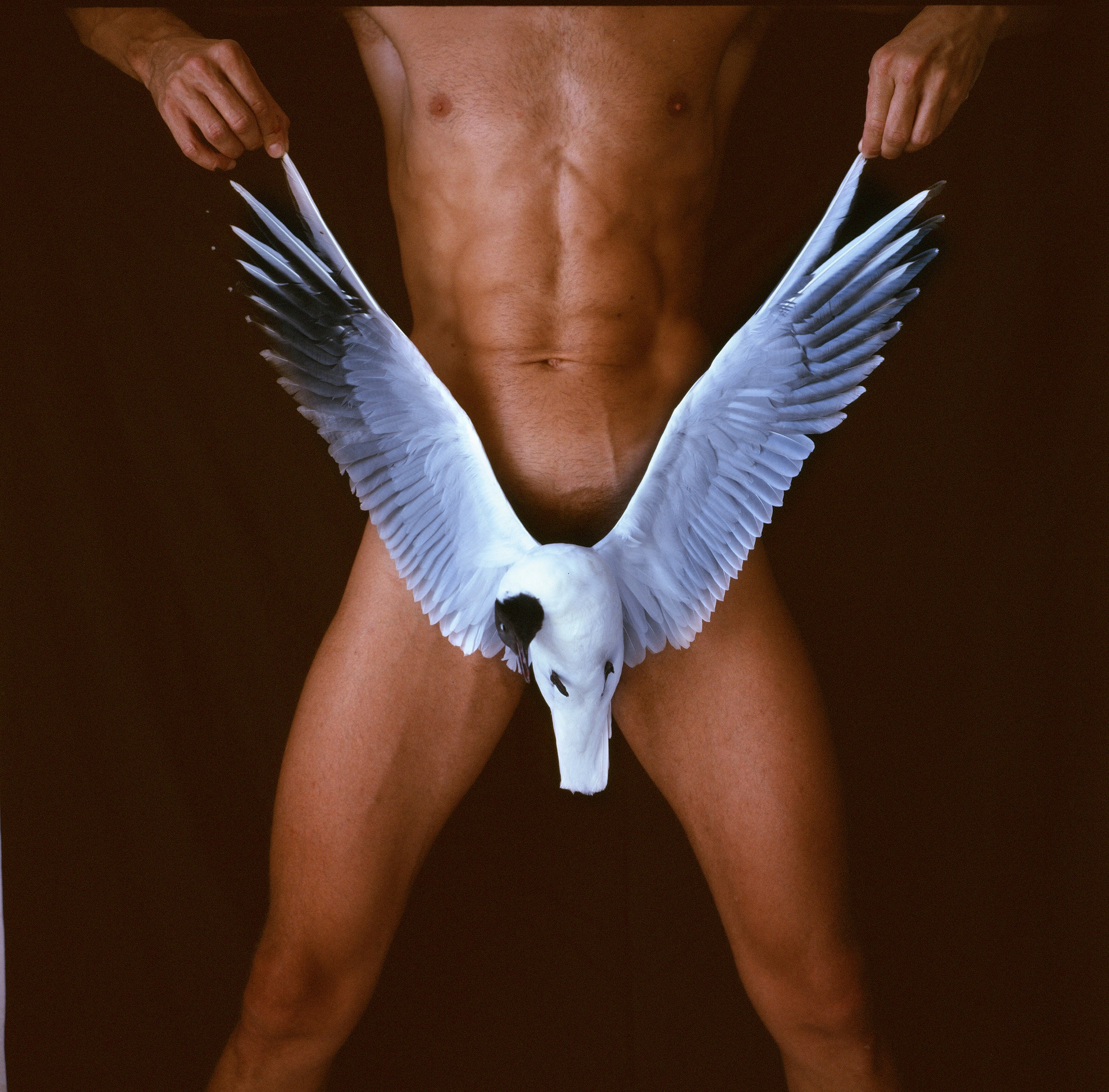
'She' is the point, 'he' is the pupil — formulation is deliberate, and it is not innocent. For the pupil, in this reading, is that which negates itself—evoking an apocalyptic agitation, an all-consuming catatonic longing. It gives birth to images, to strings of images, to any figure of speech. It spatialises the viewer’s catharsis. It generates the magic of a boundless stigma upon the infinite canvas of everyday visual perception. And what is thus generated belongs not to the object alone, nor to the subject alone, but to a third term: the viewer’s sensuality. In the viewer, in the photographer, in the one who desires to see—not in the strait blind—something is born. Call it, if you will, an Omni-Oedipus: a figure of desire that is everywhere and nowhere, that sees and is seen, that touches and is touched, that is neither wholly inside nor wholly outside the frame. It is Oedipus without the tragedy of the crossroads, Oedipus disseminated across the entire field of generative embodimented vision—the eye that is also the wound, the wound that is also the eye.
She is the point, he is the pupil — They are The Dot glare— negating itself, evoking my apocalyptic agitation, an all-consuming catatonic longing — giving birth to images, strings of images, any figure of speech — spatialising the viewer’s catharsis, generating the magic of a boundless stigma upon the infinite canvas of everyday visual perception, the viewer’s sensuality — in: in the viewer, in the photographer, in the one who desires to see, not in the strait blind. In Omni-blind omniscience Oedipus.
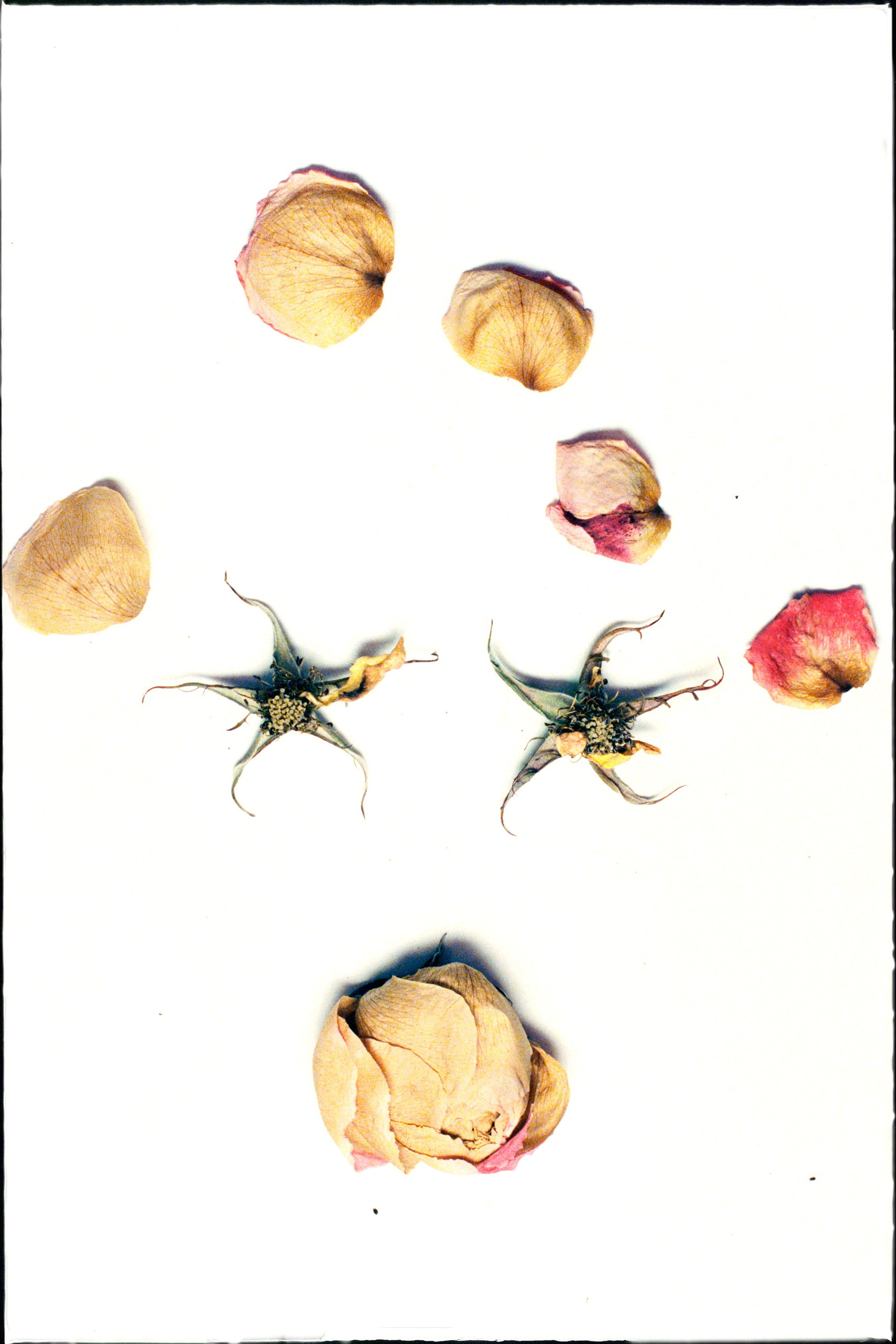
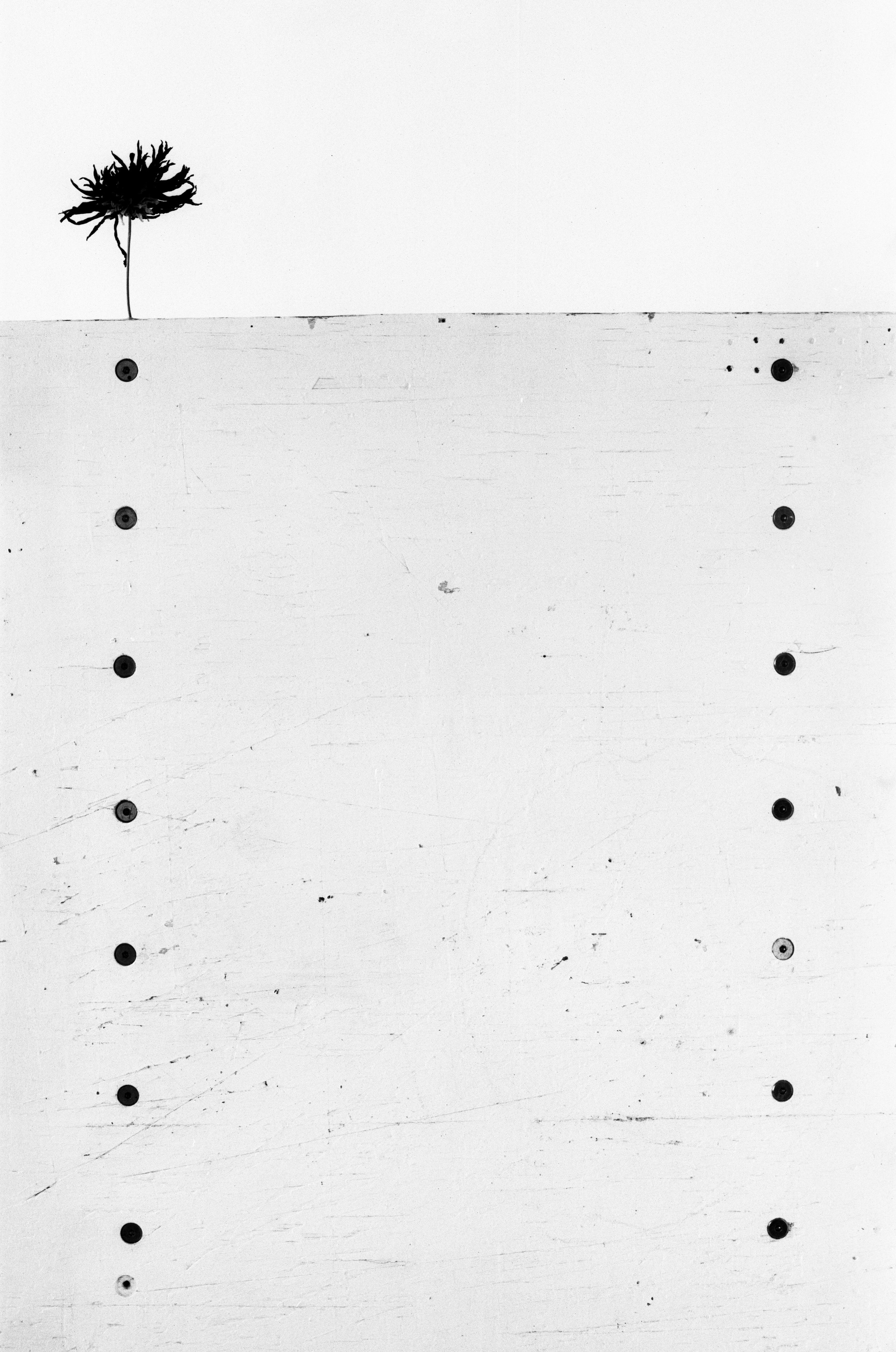
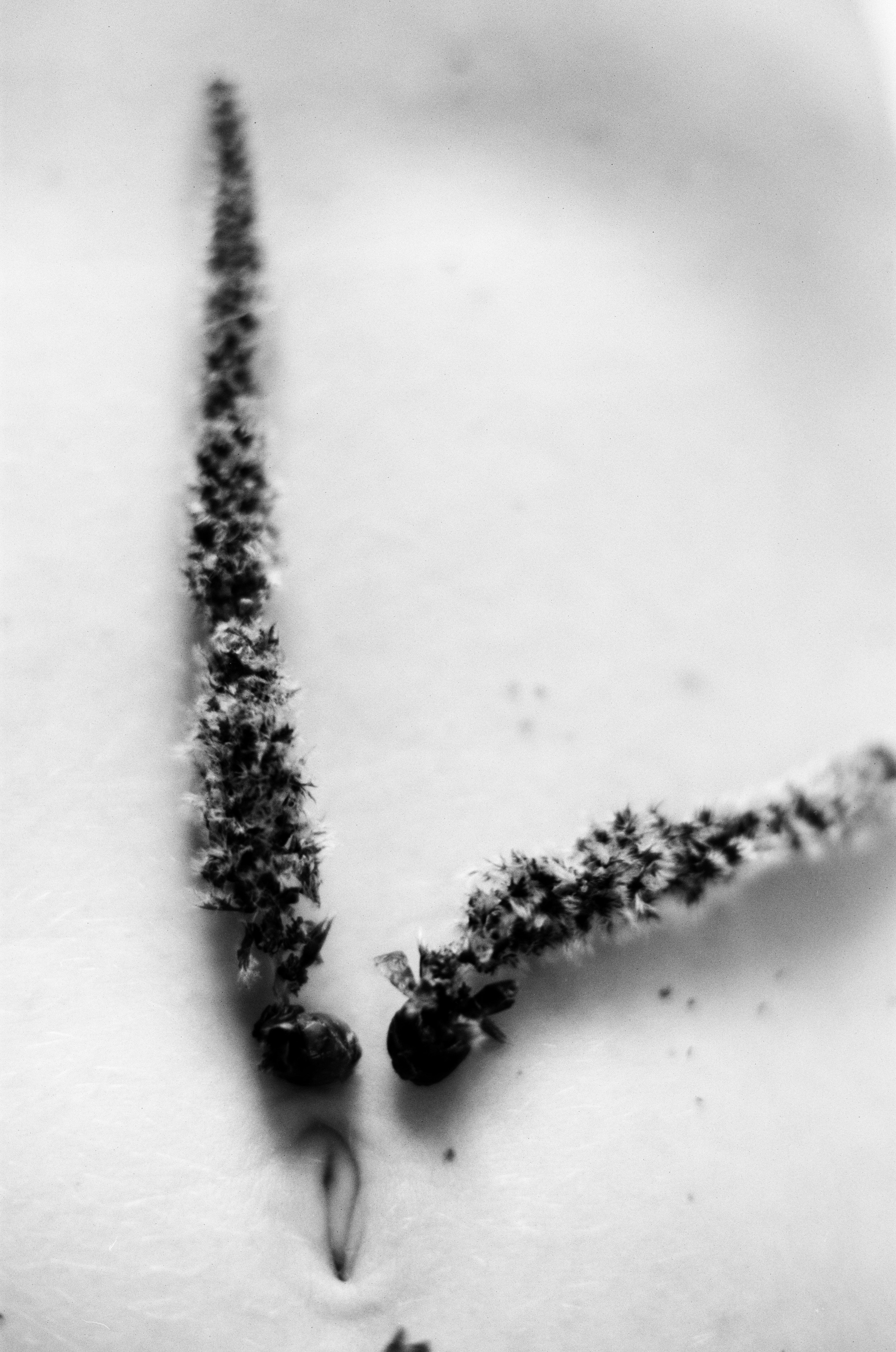
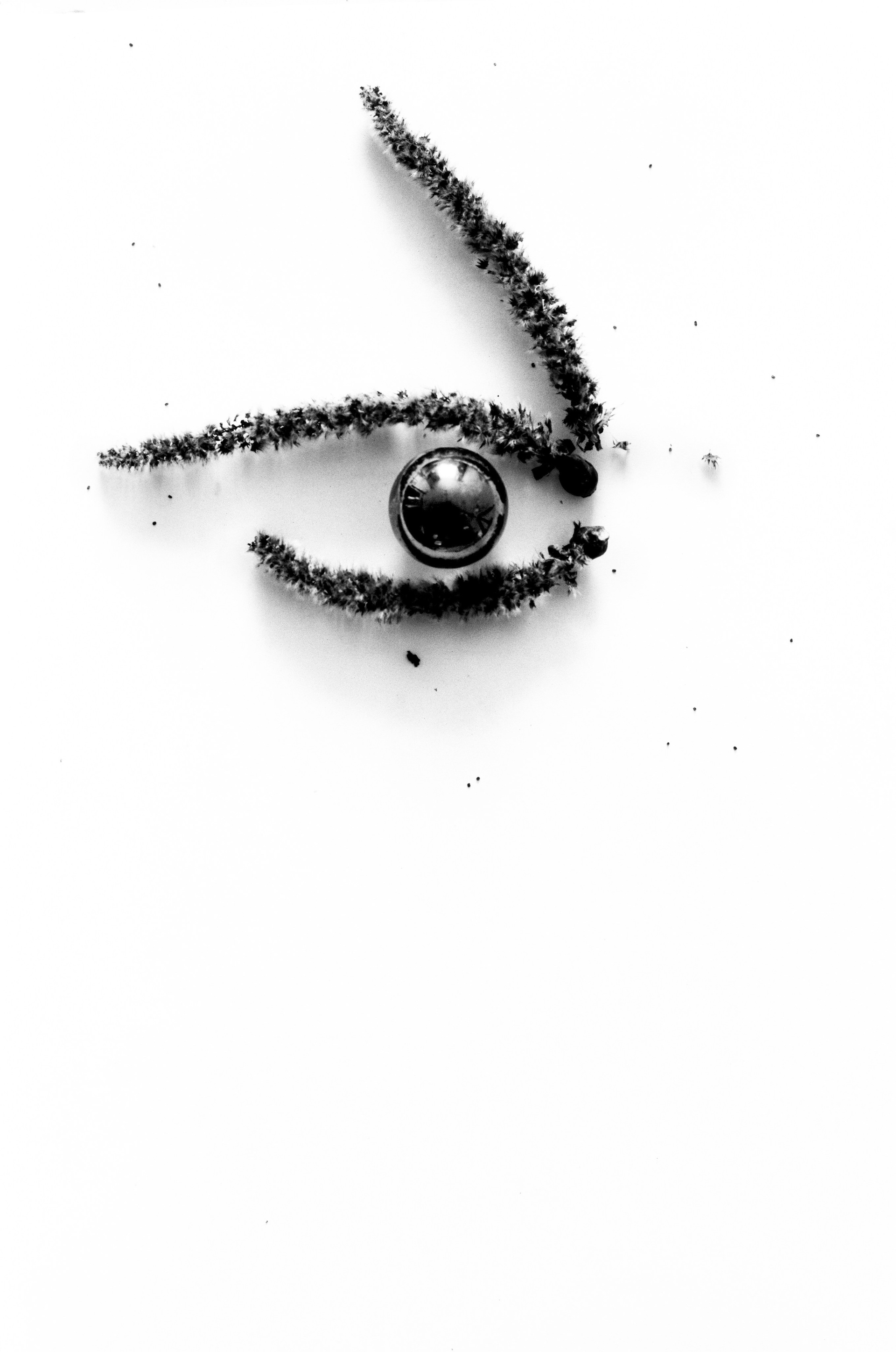
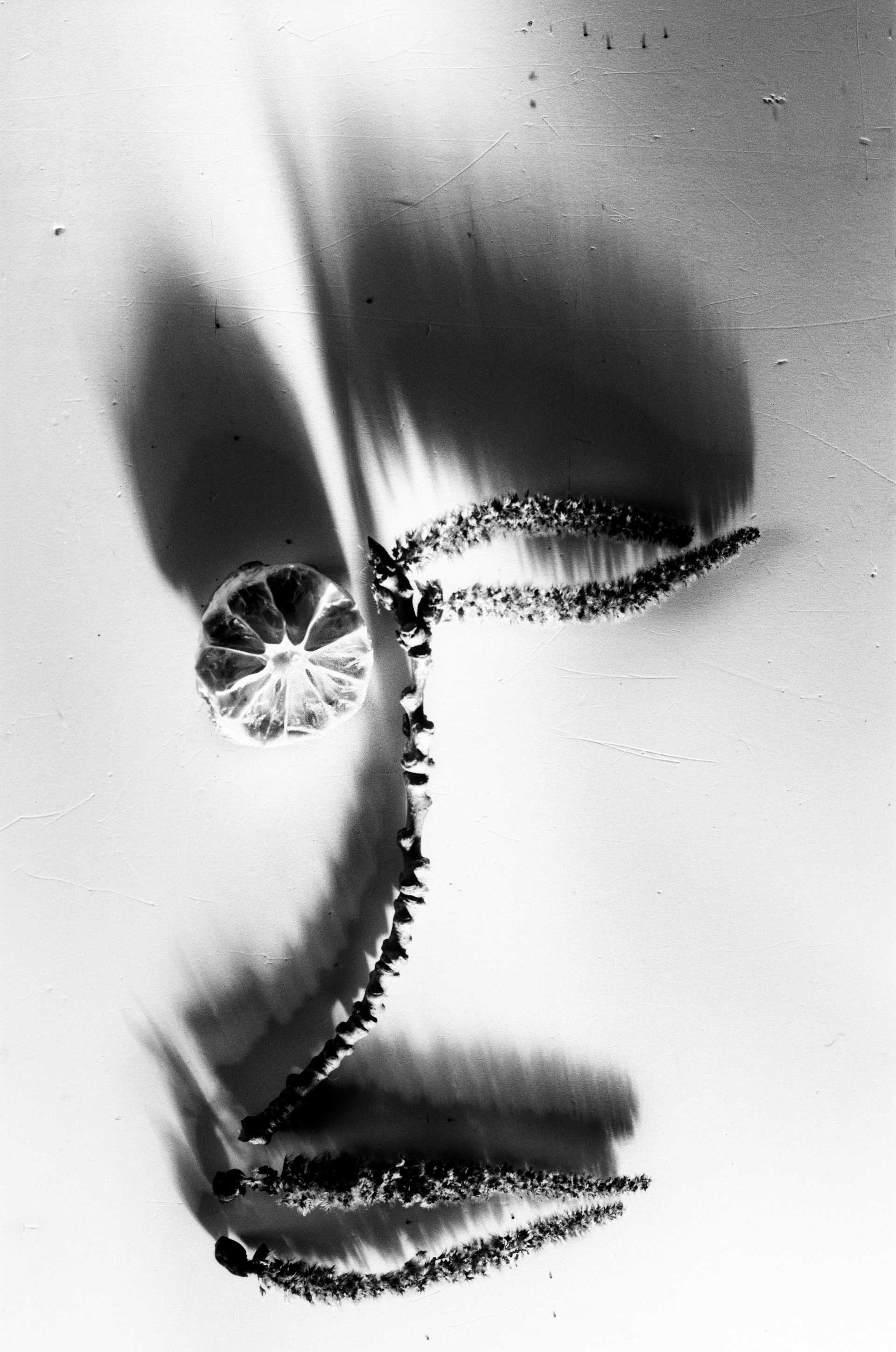
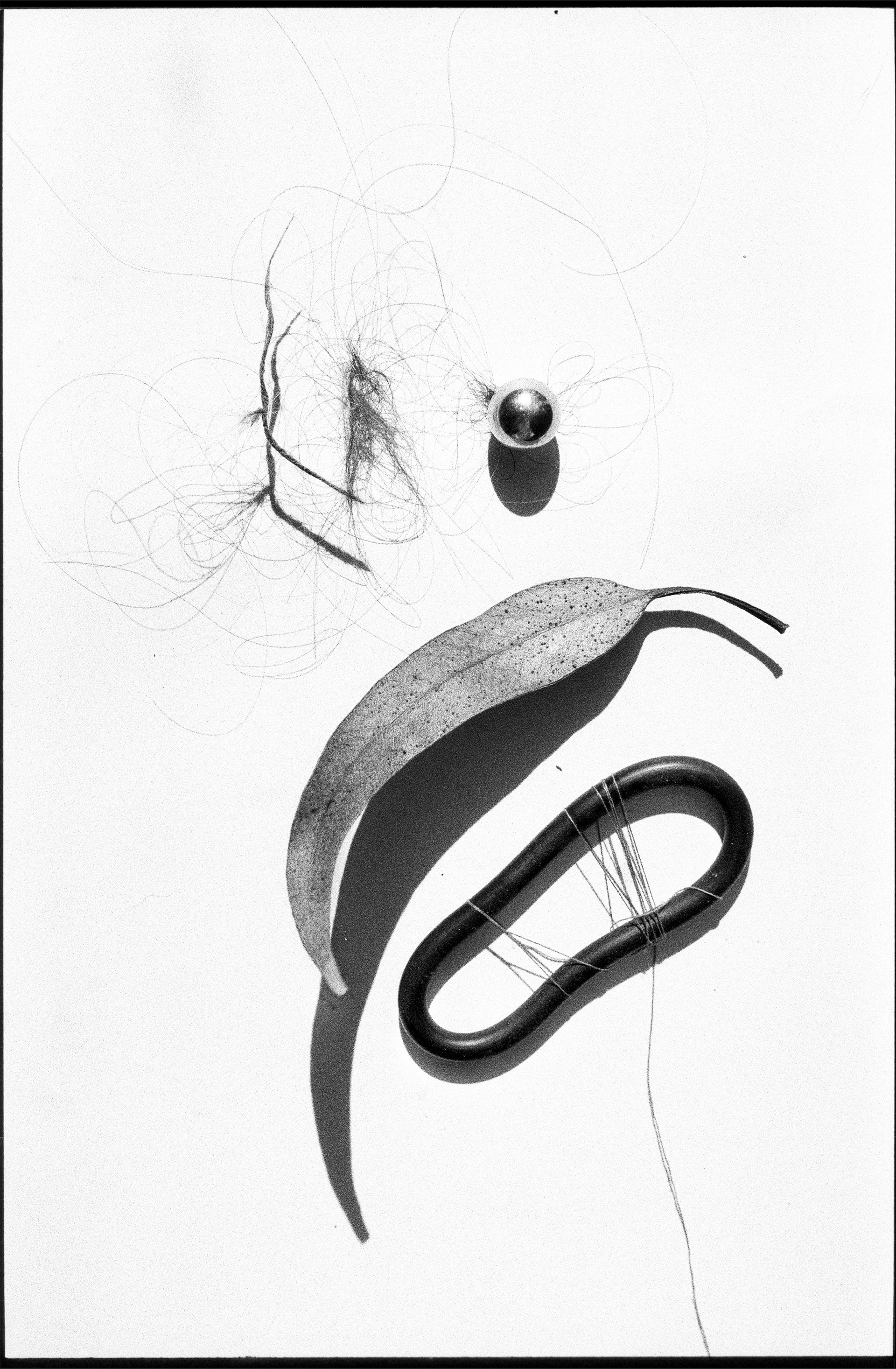
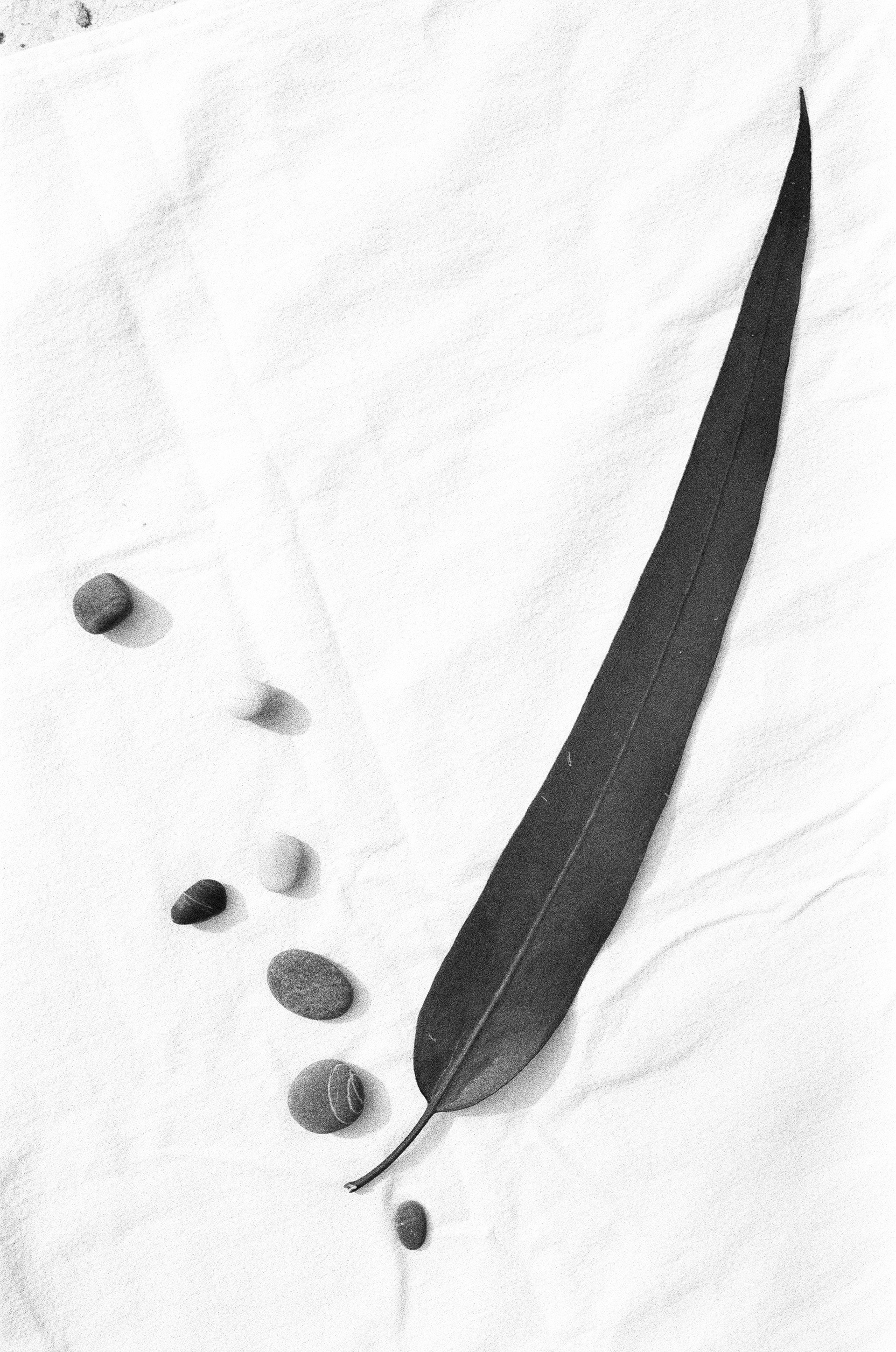
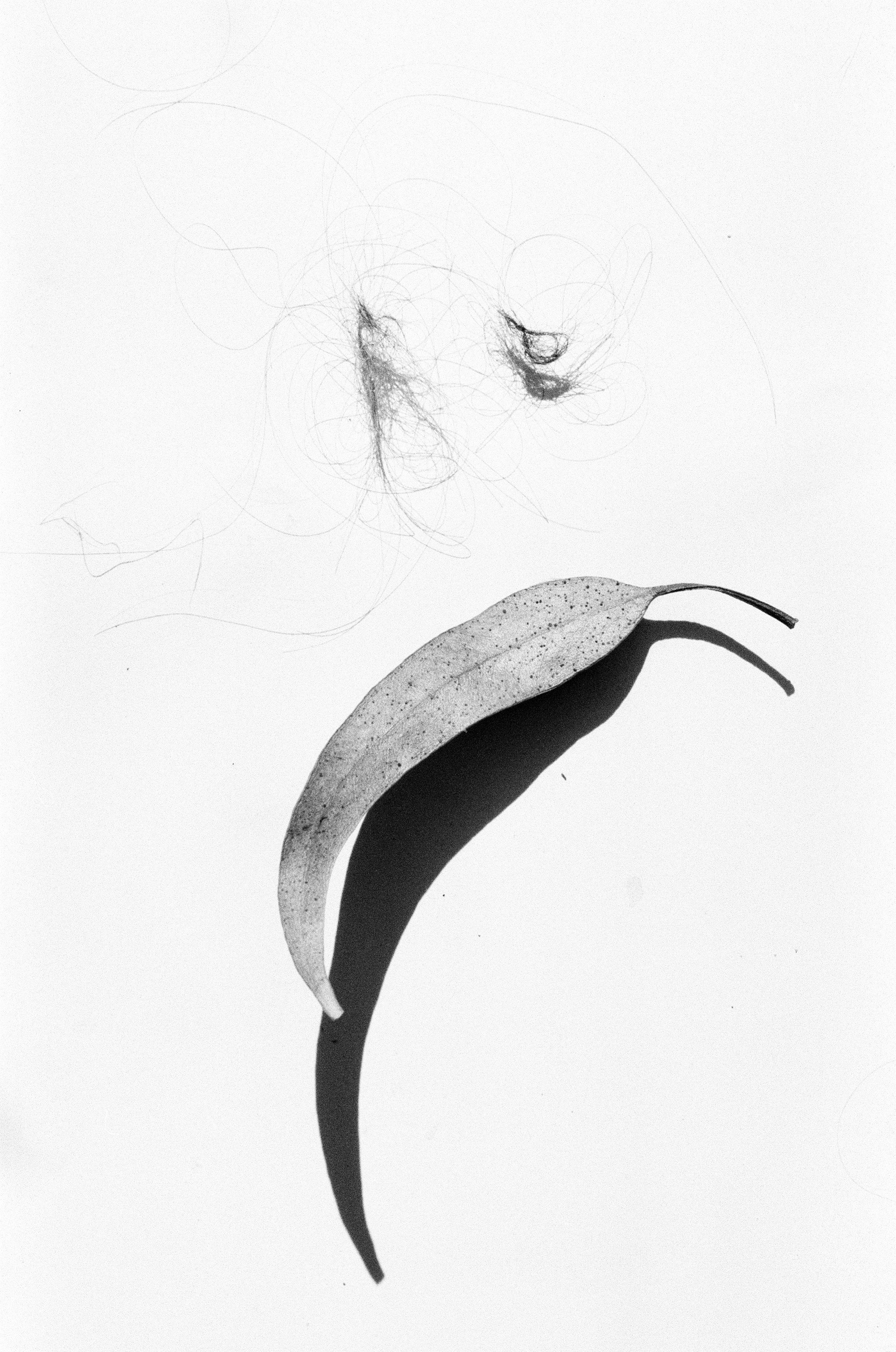
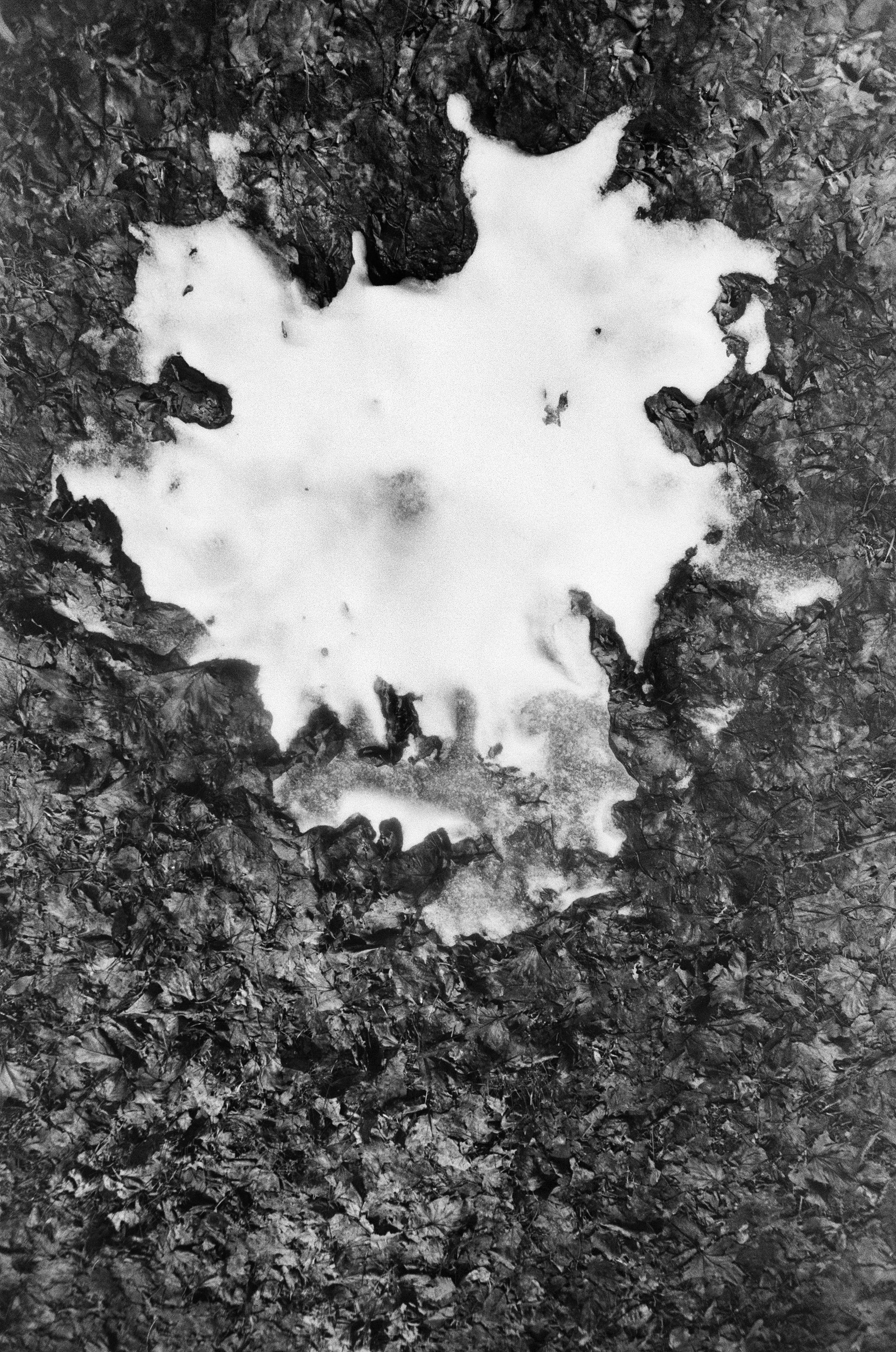
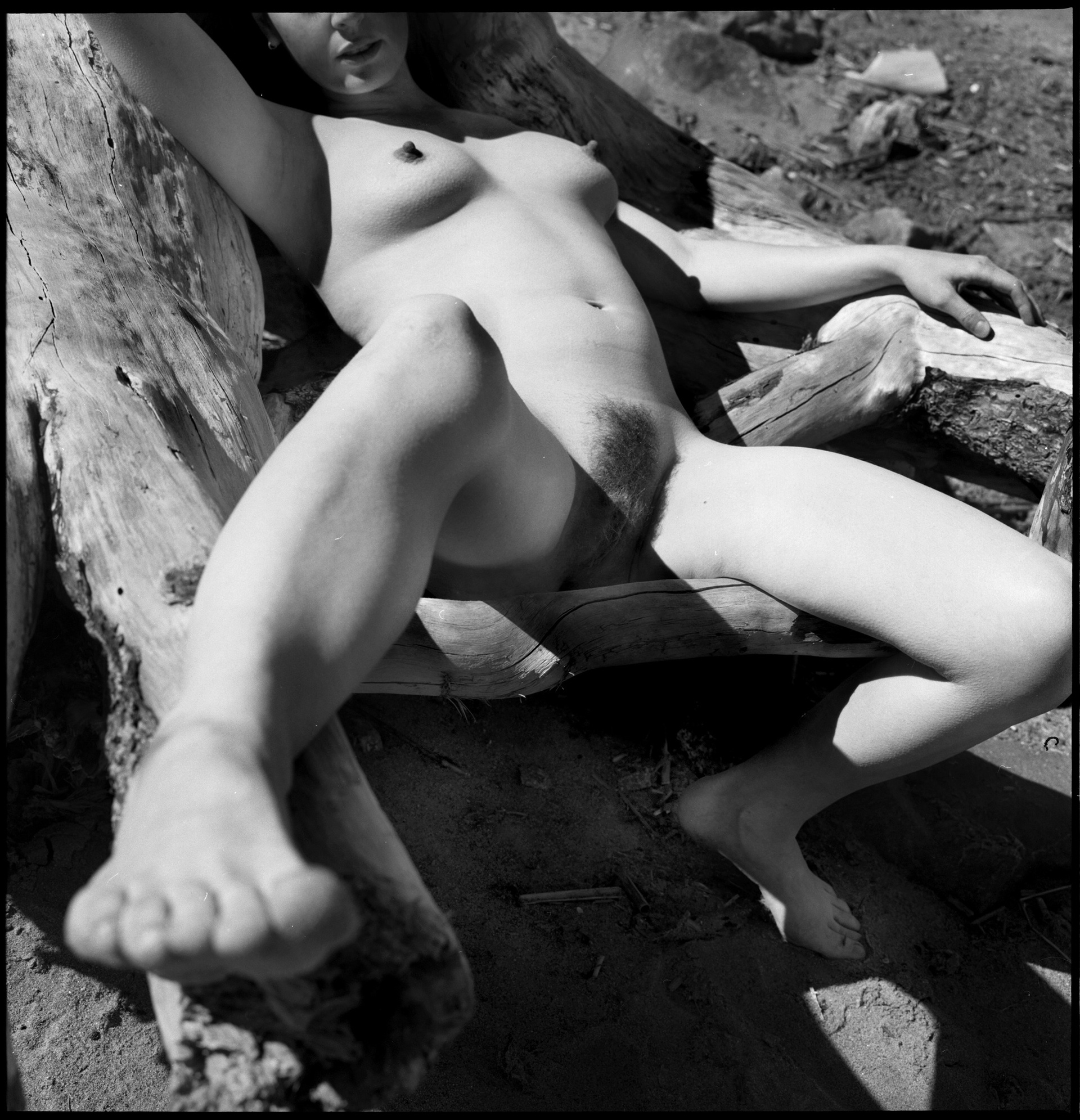
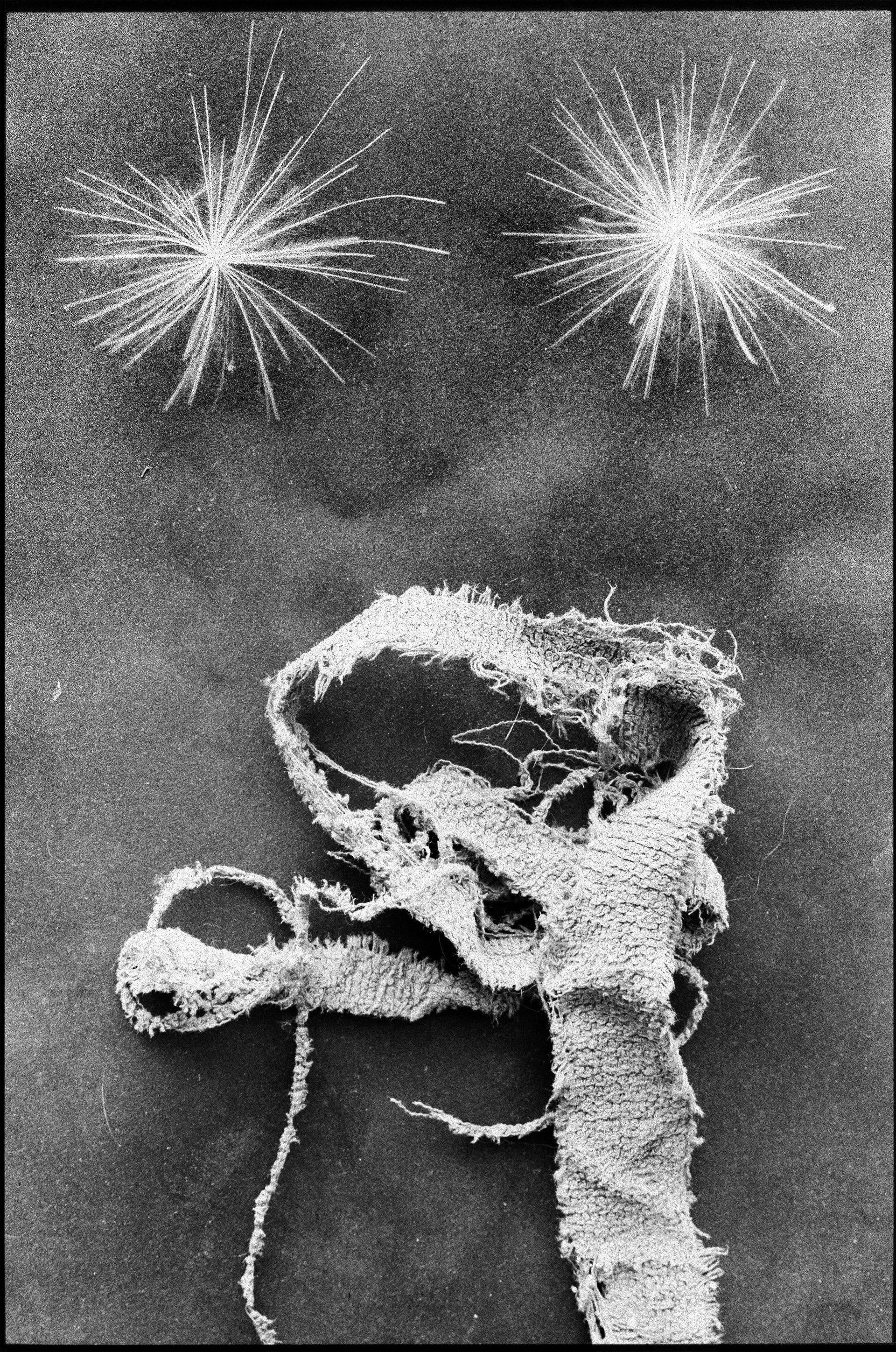
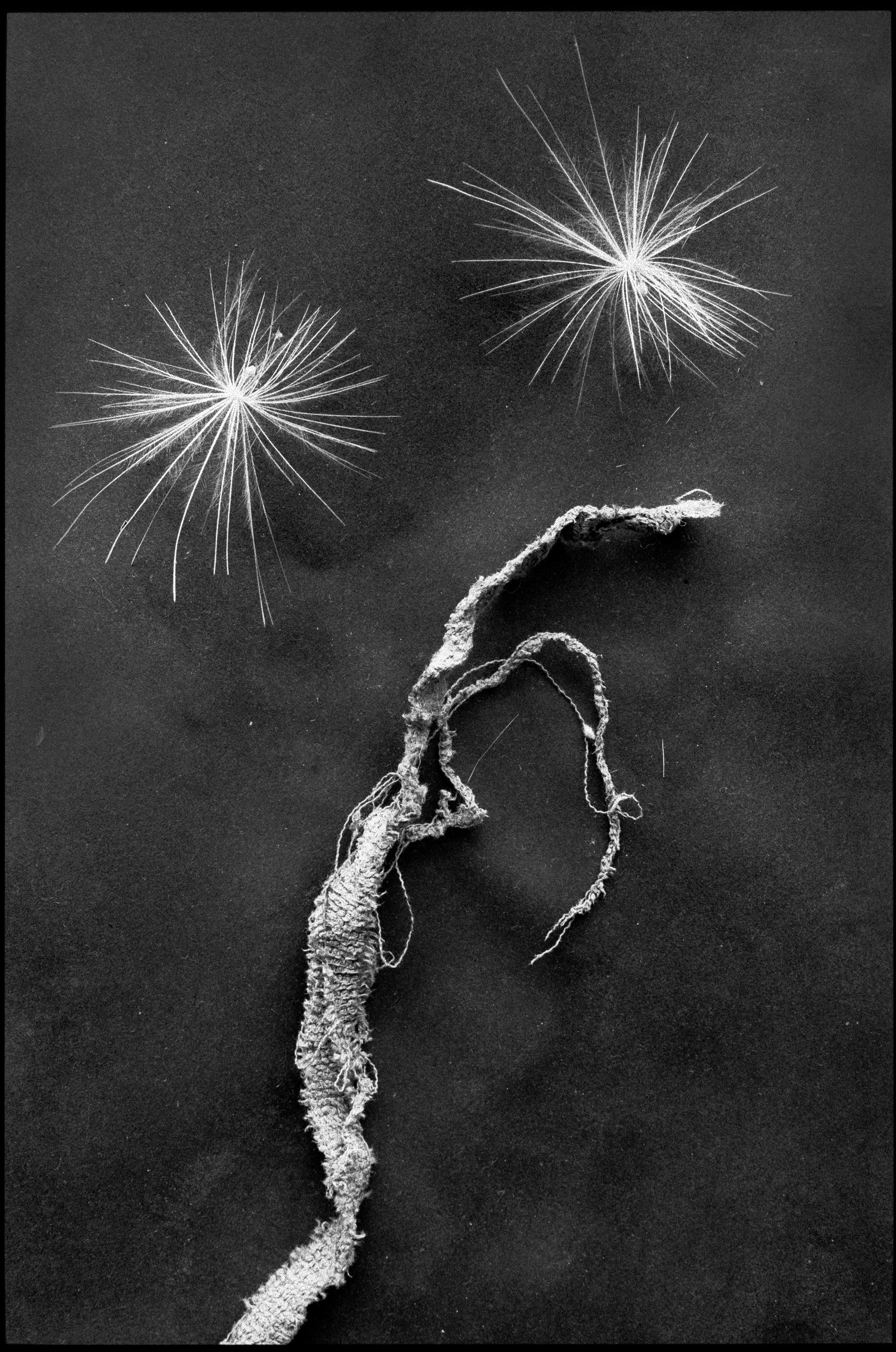
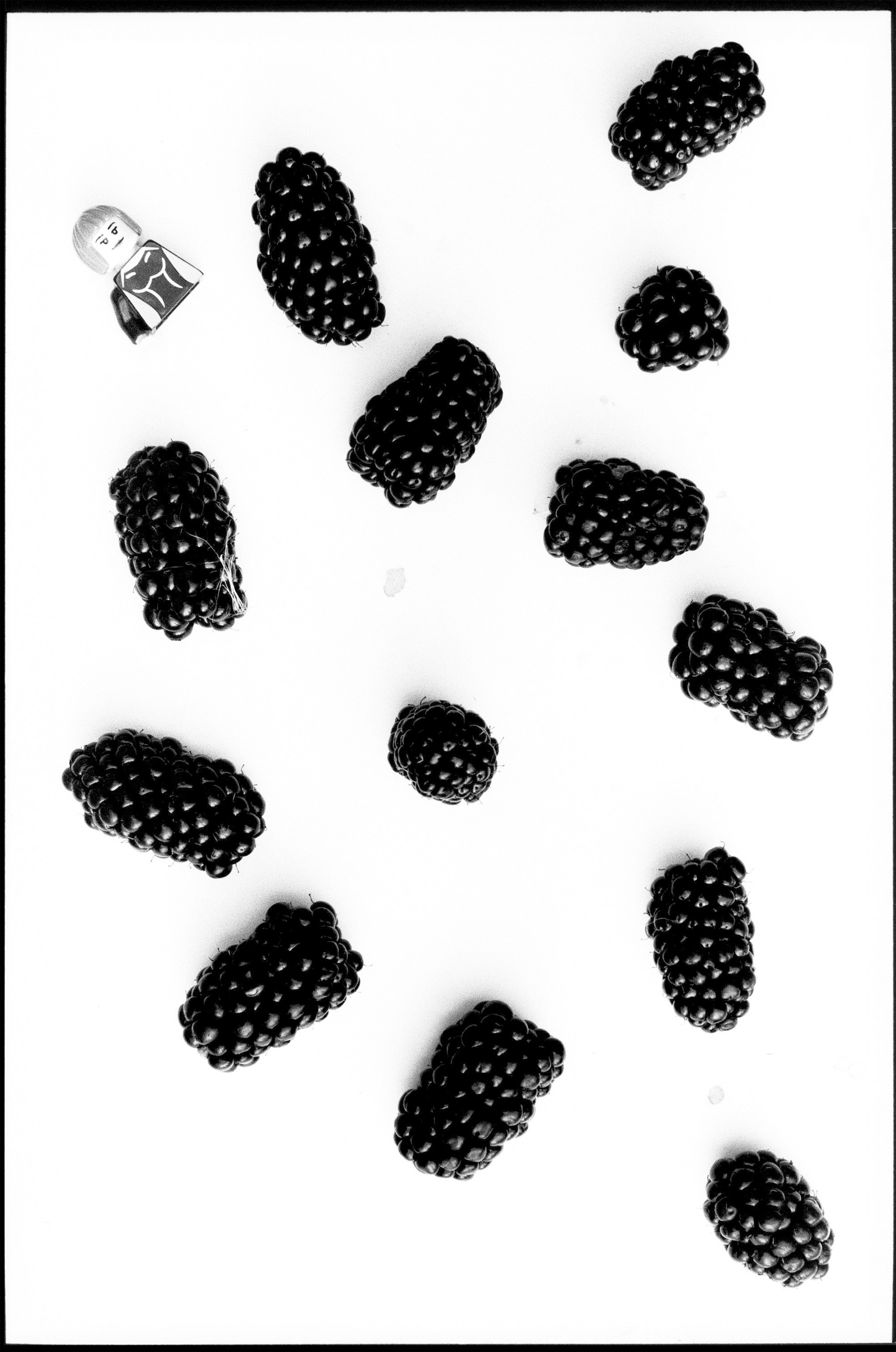
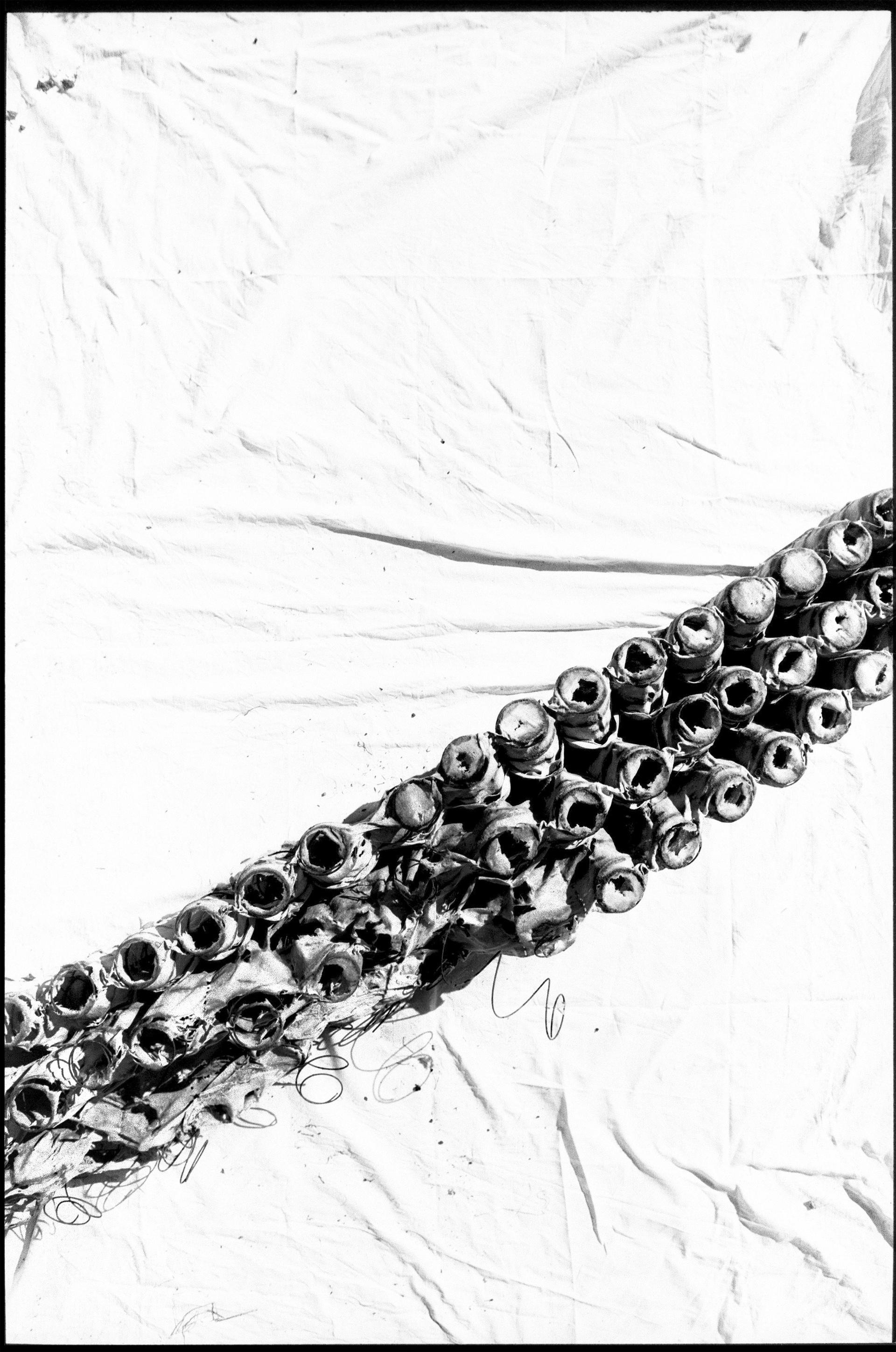
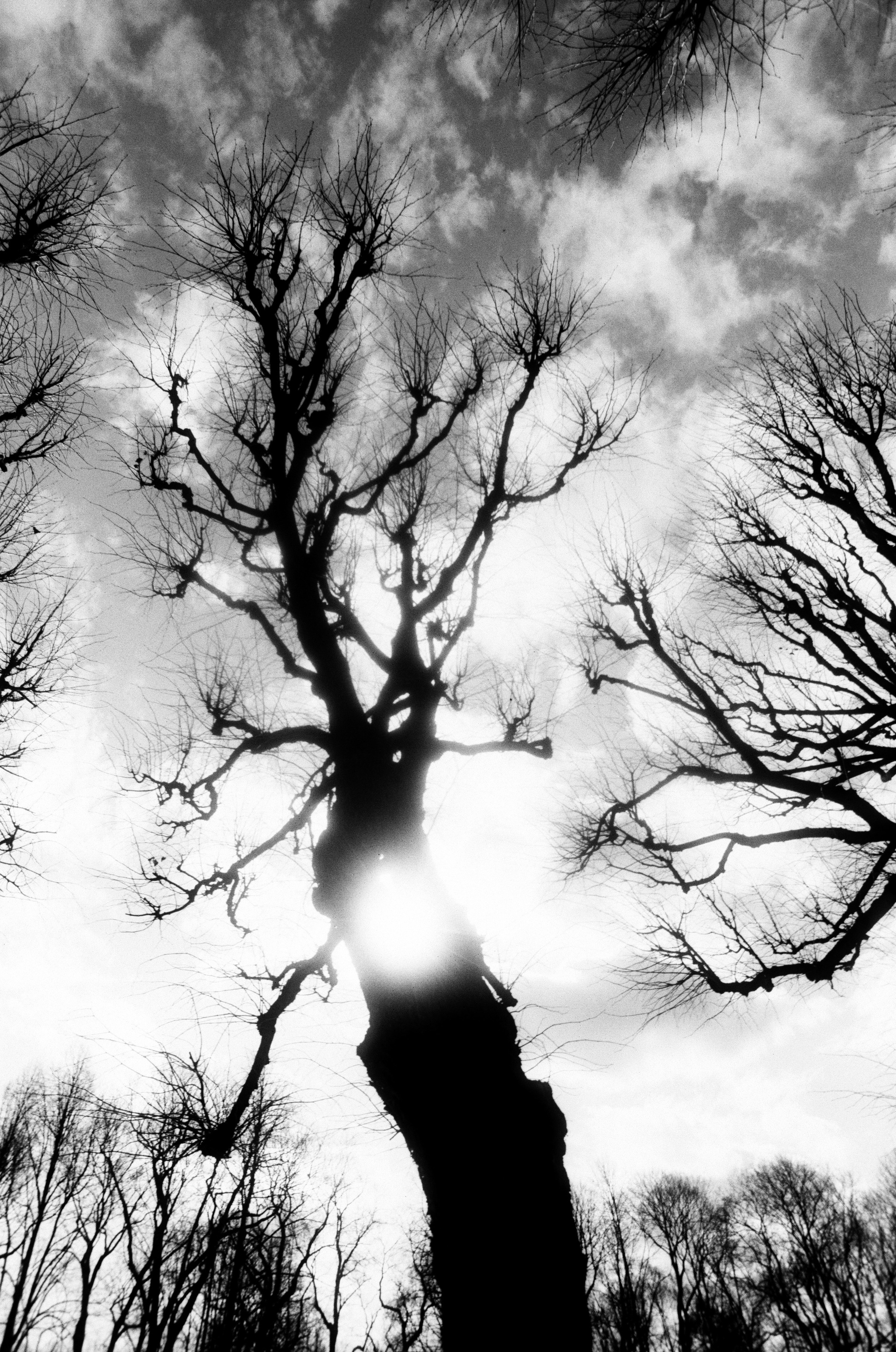
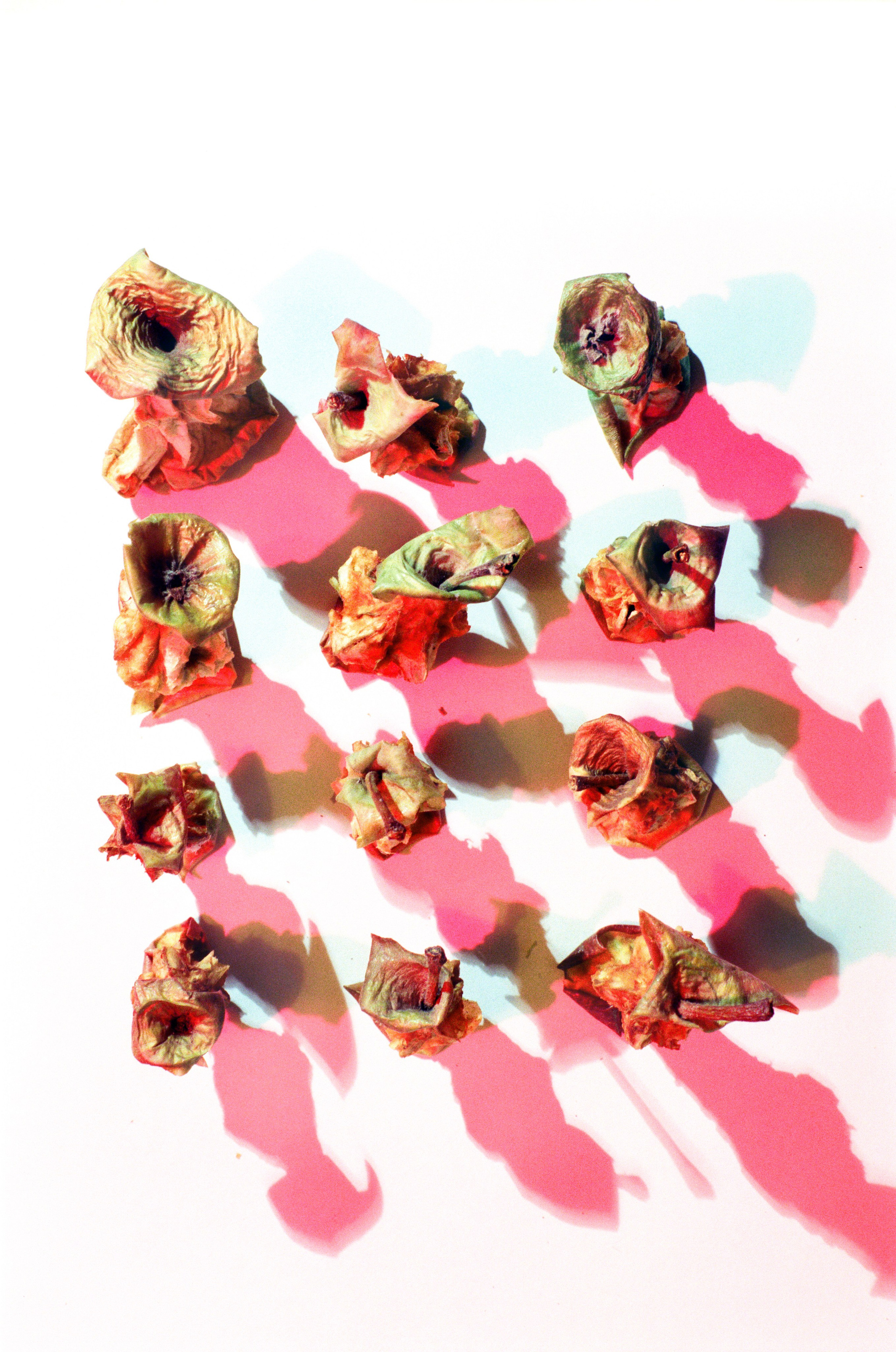
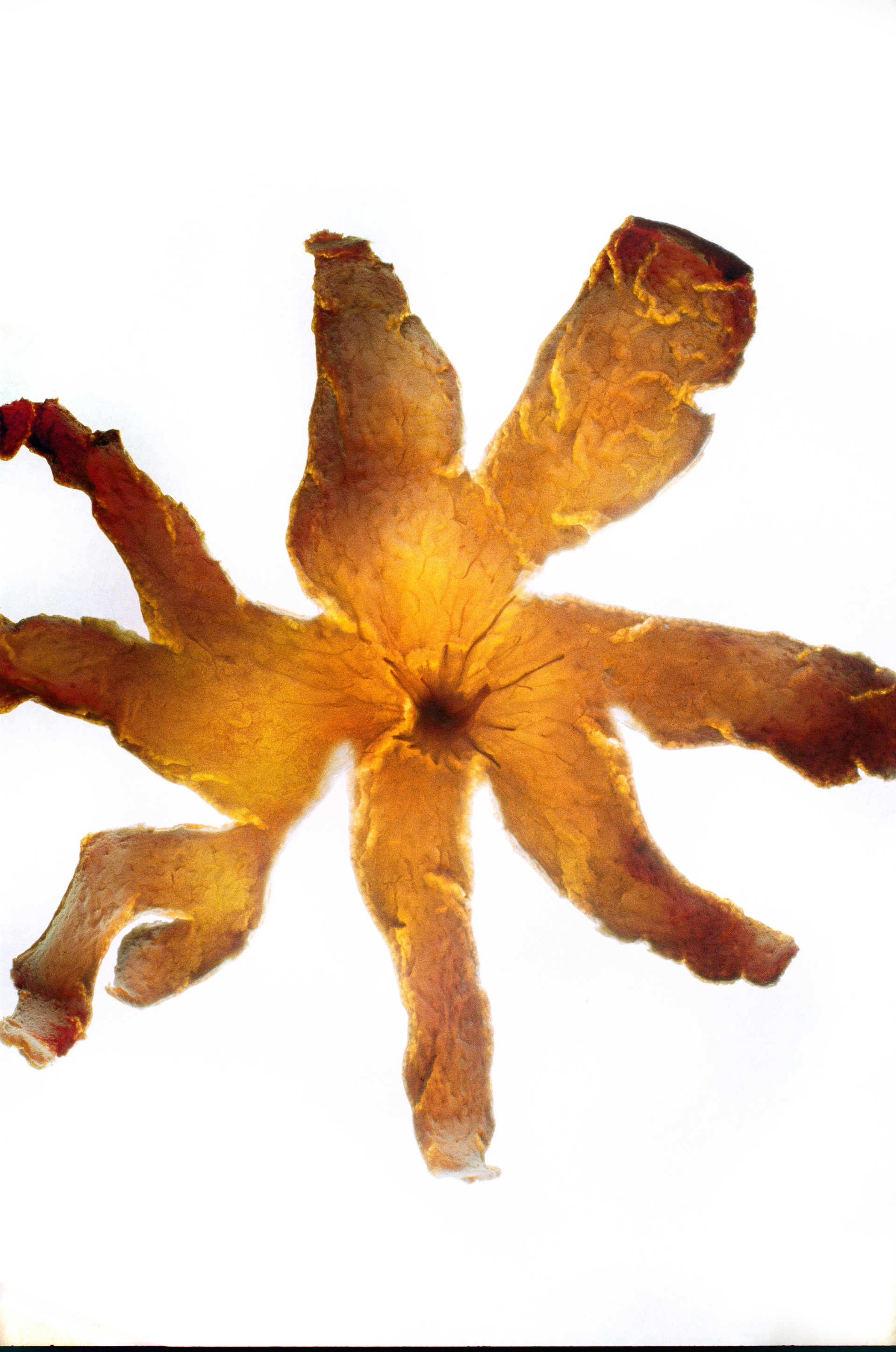
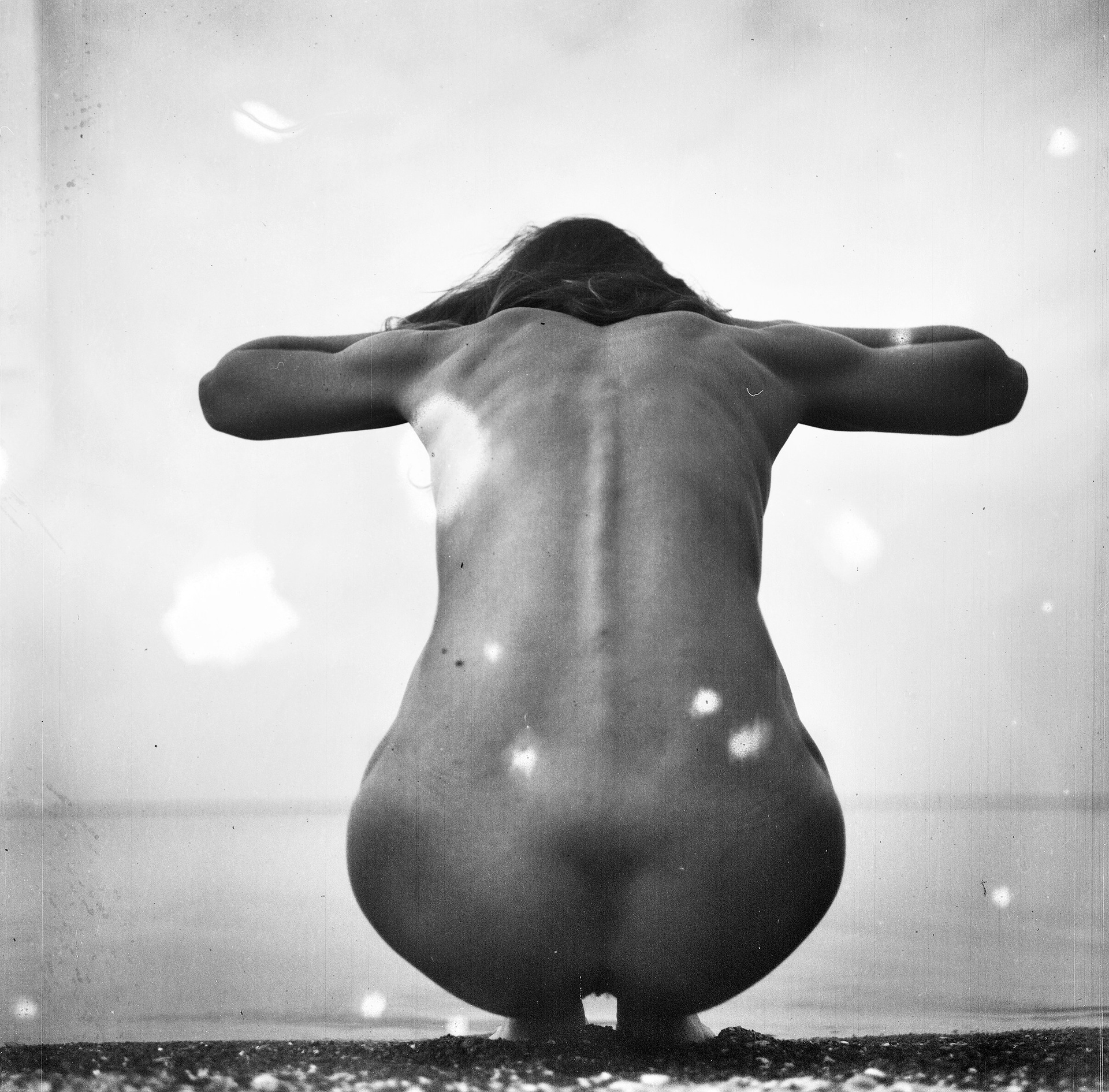
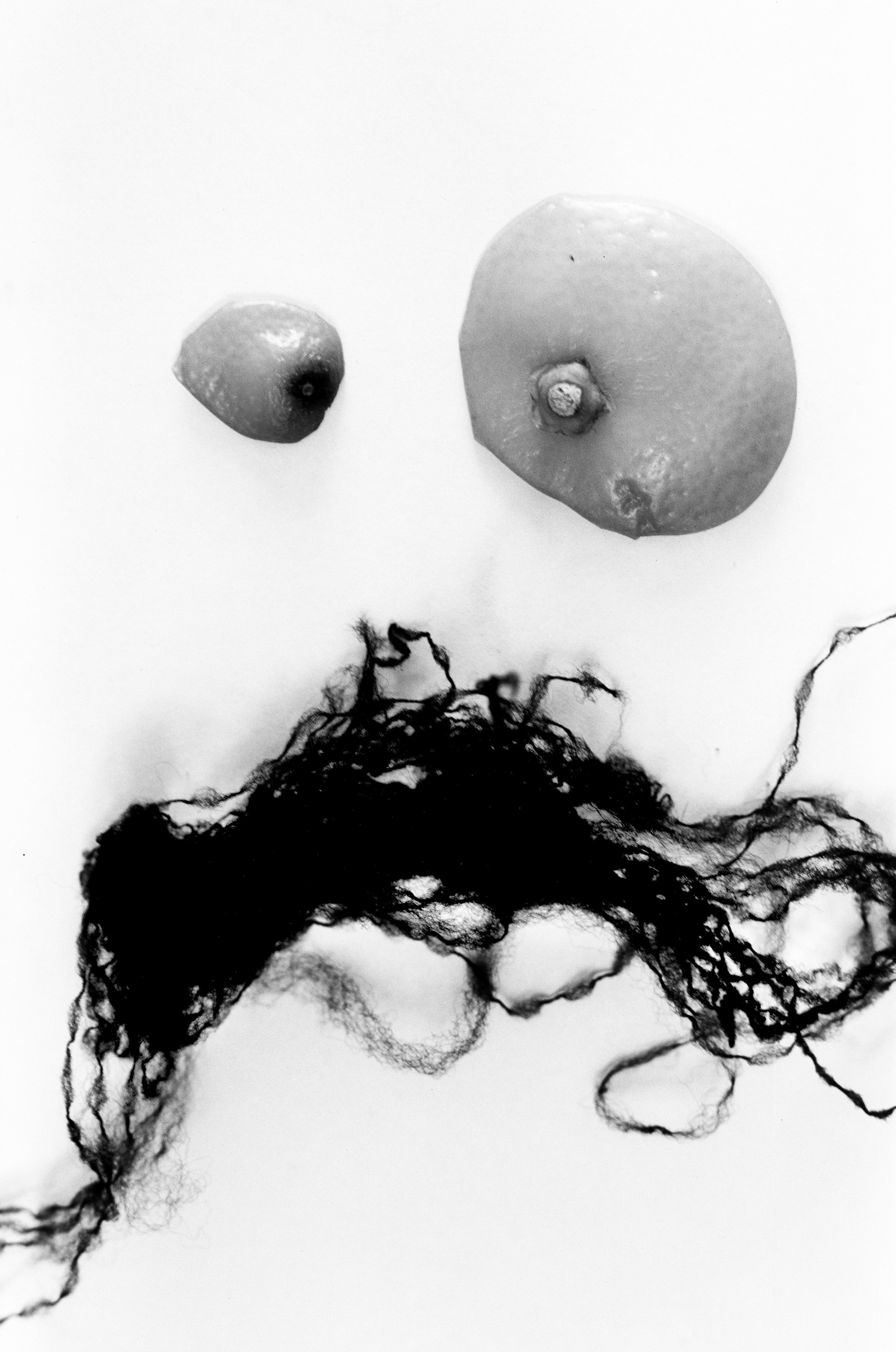
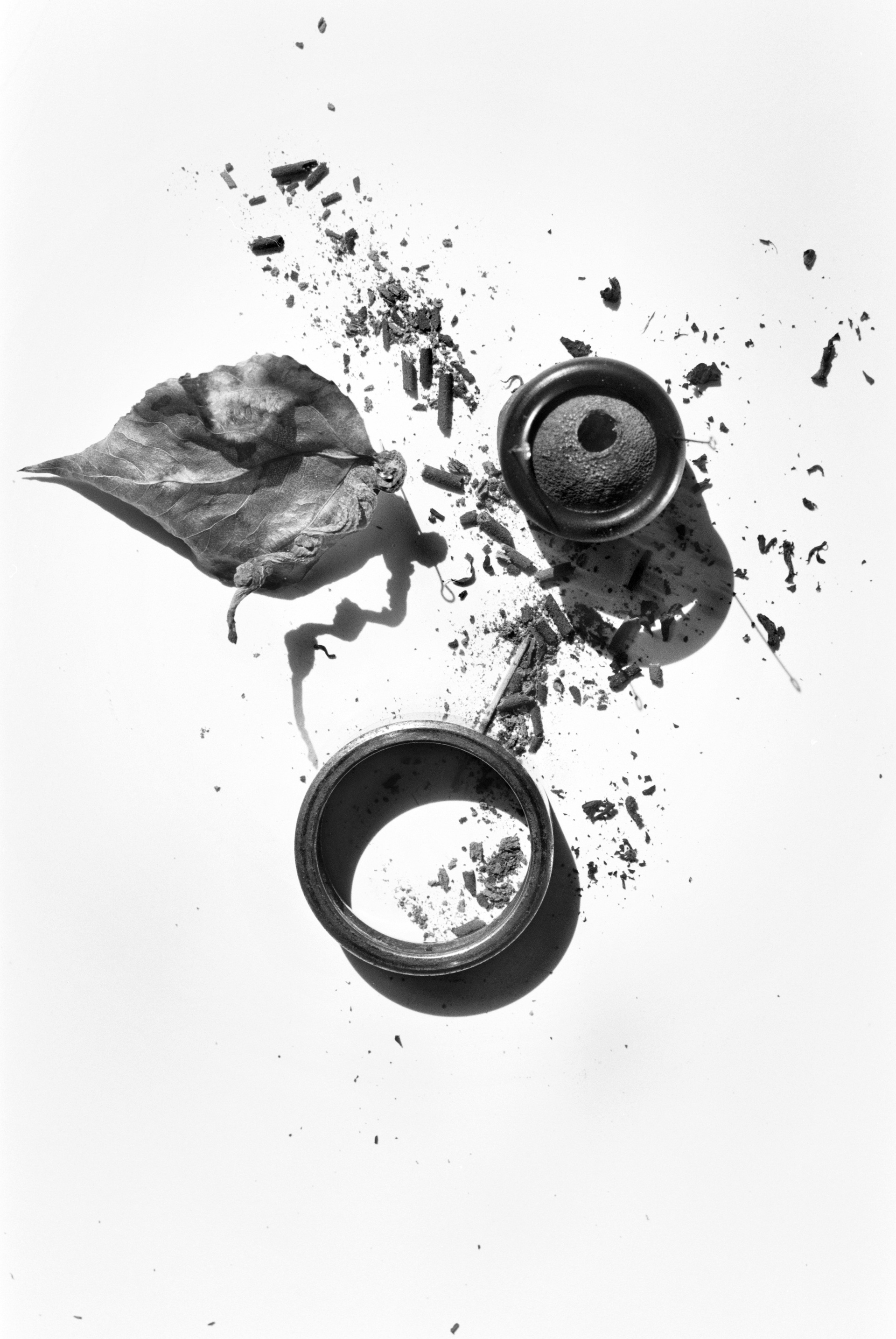
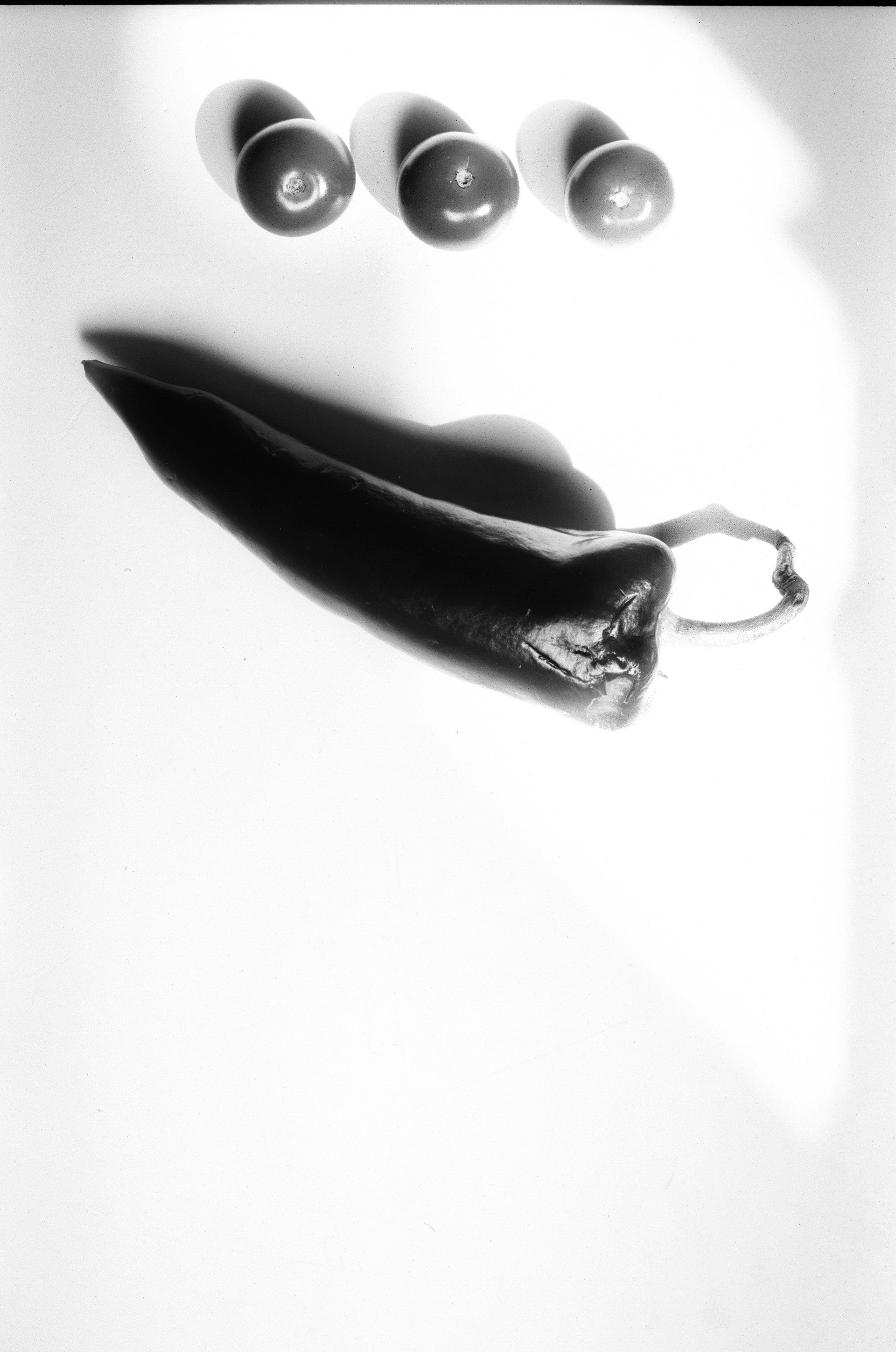
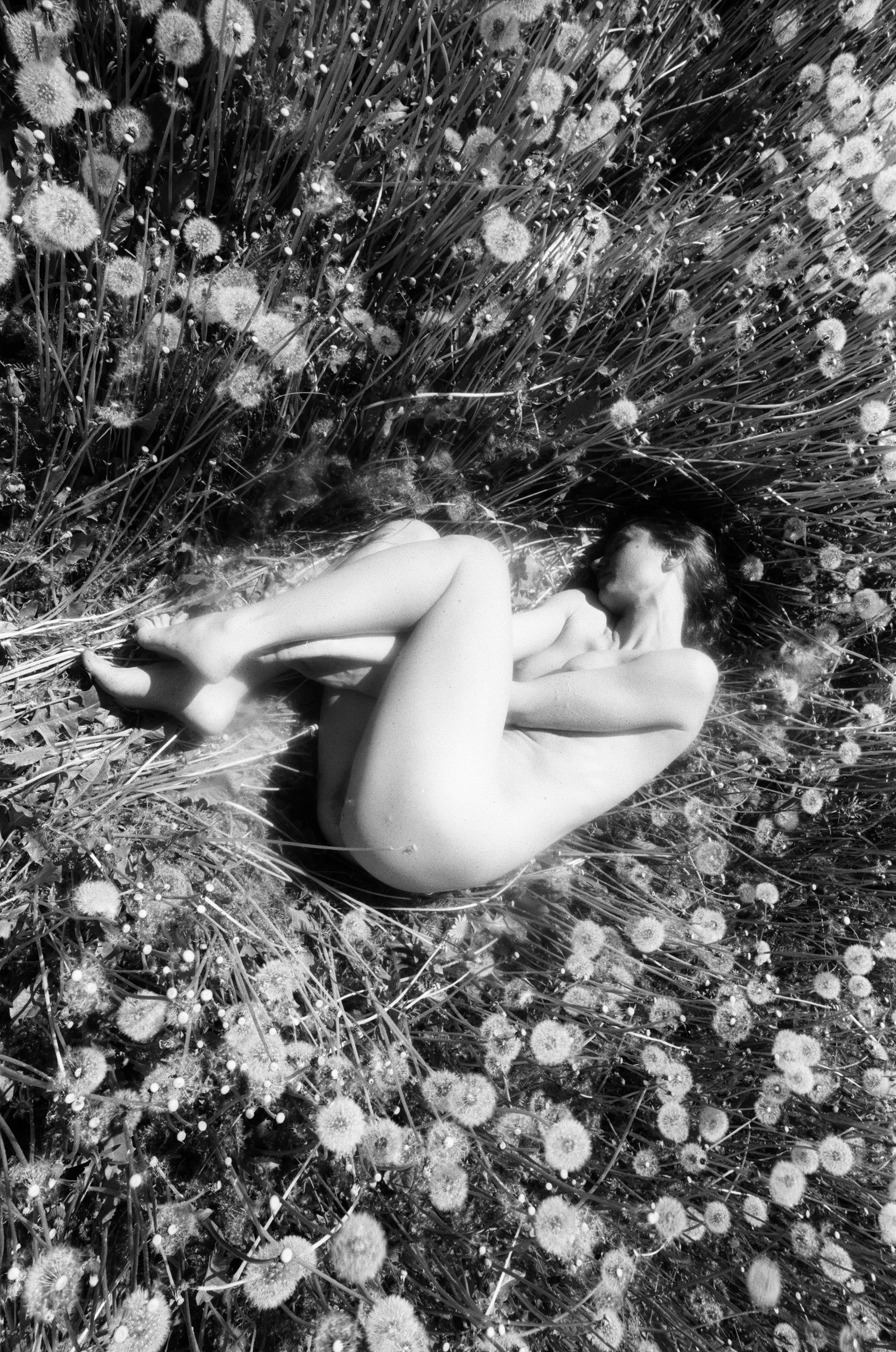
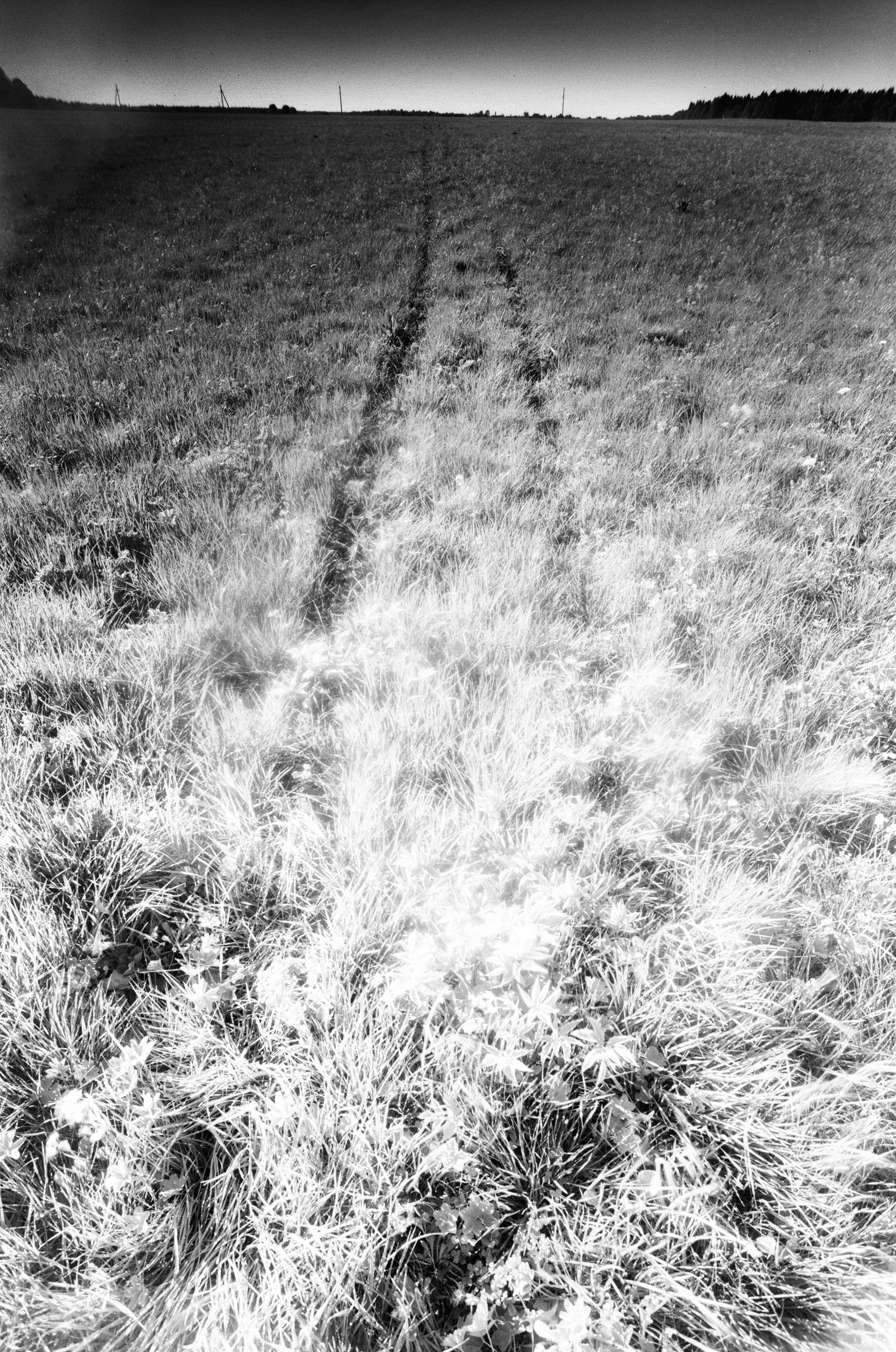
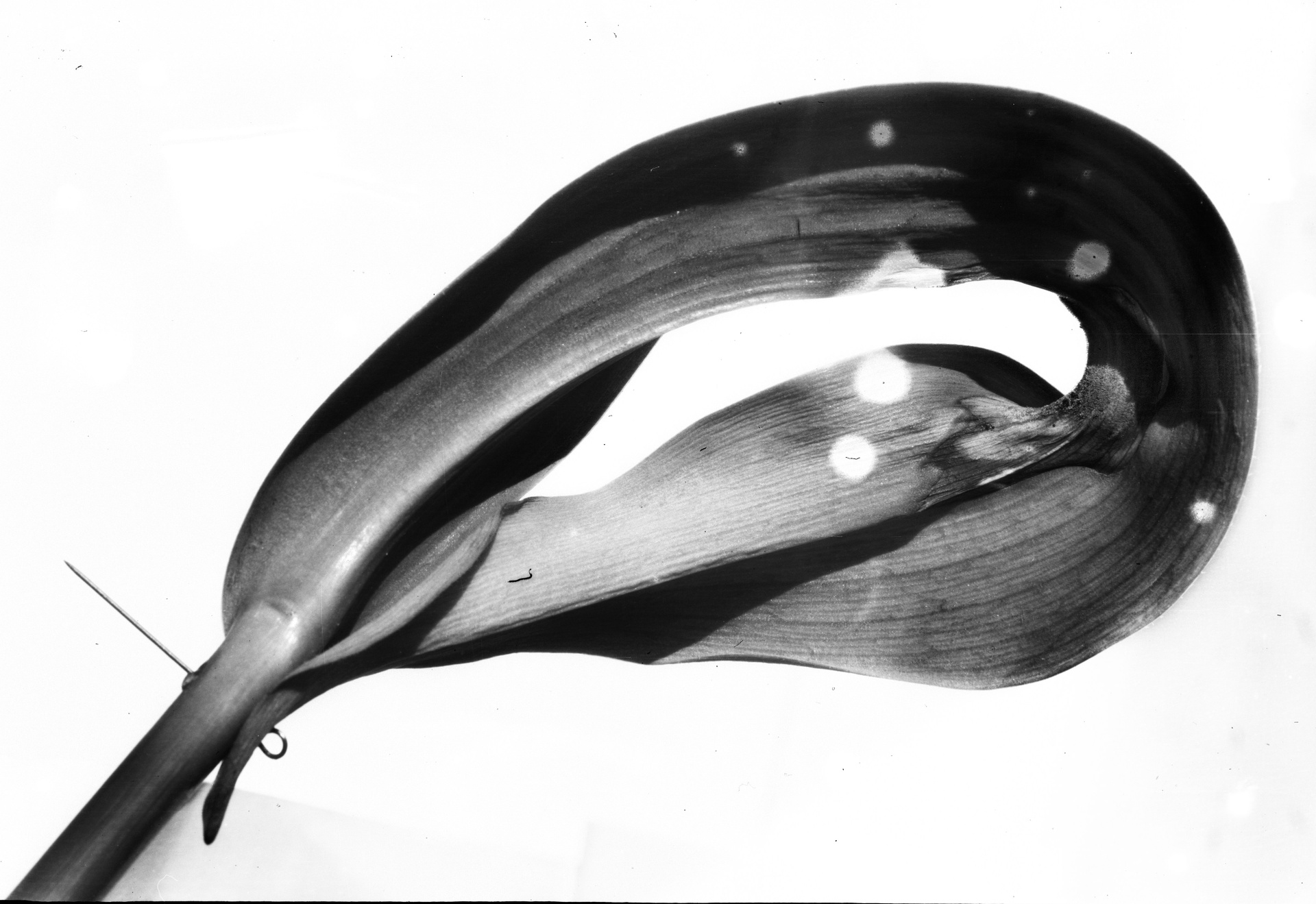
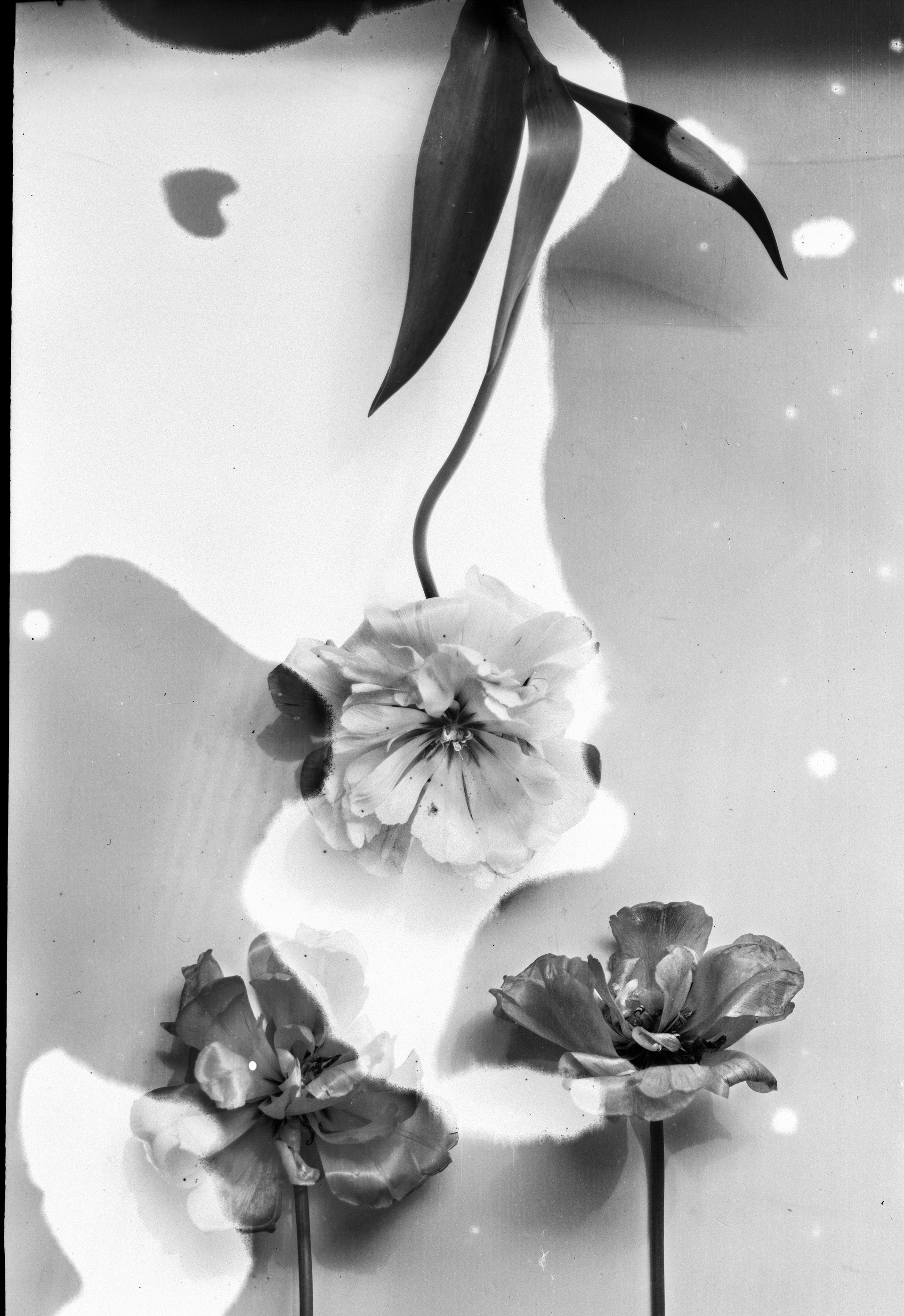
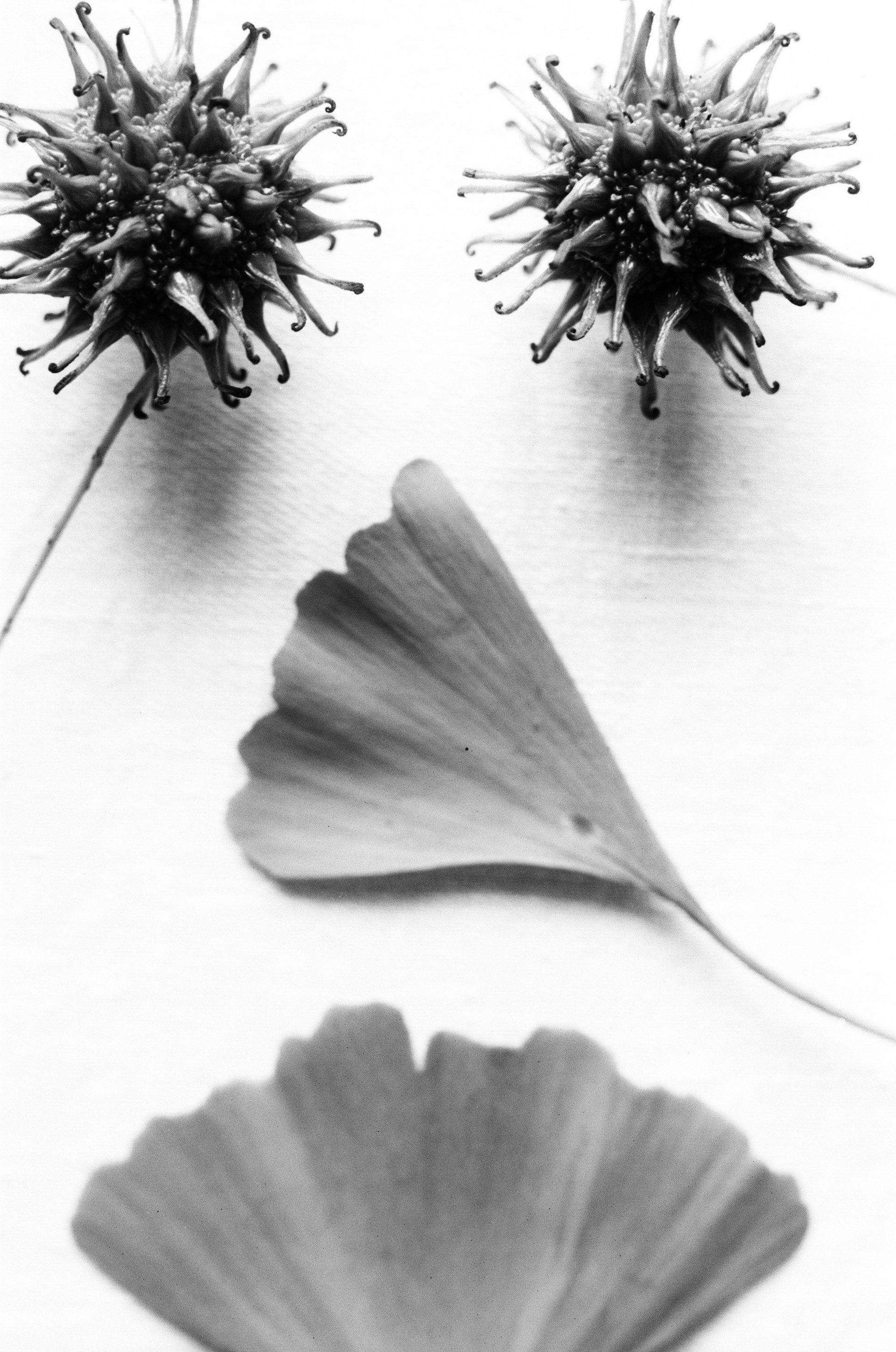
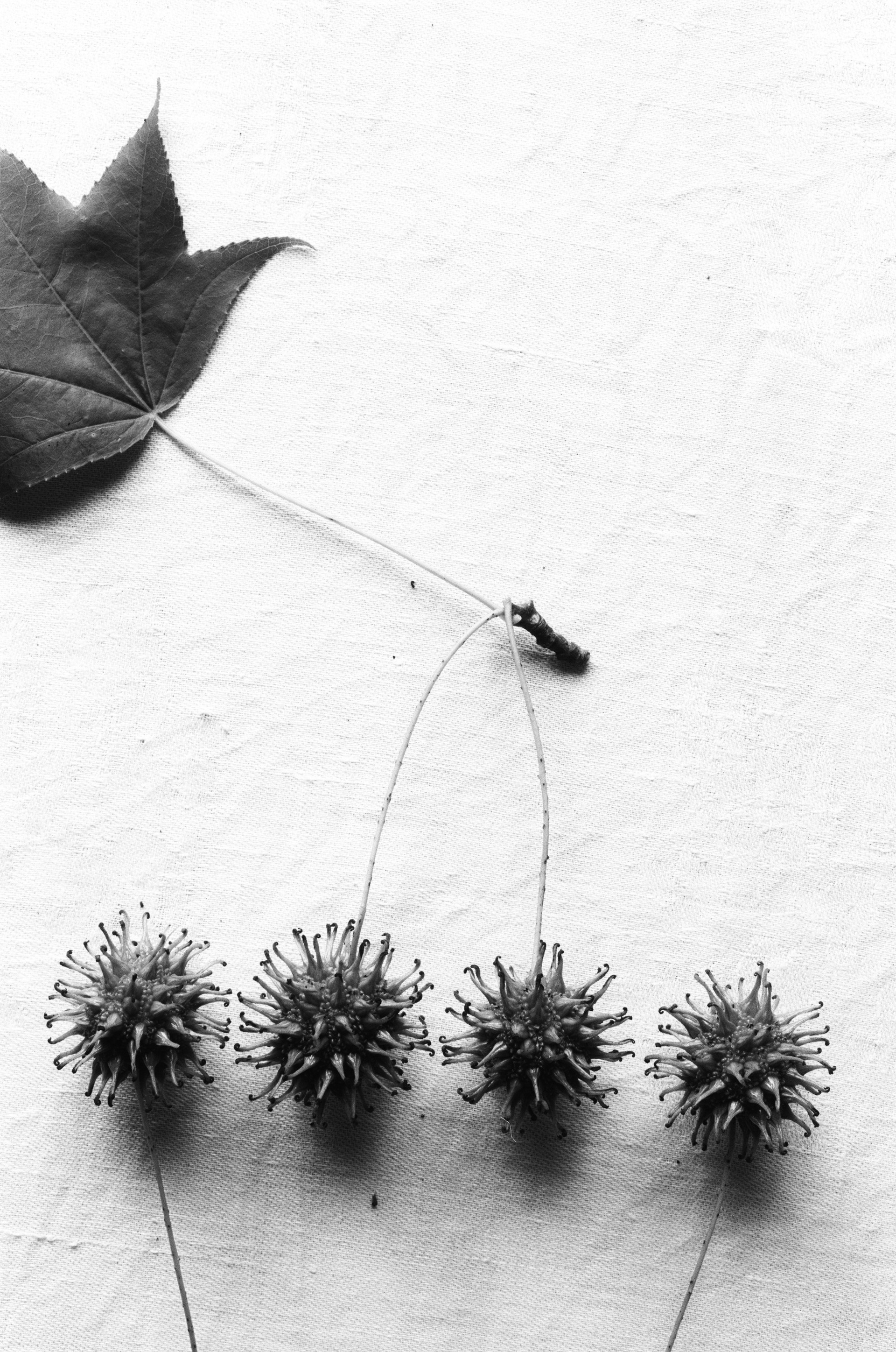
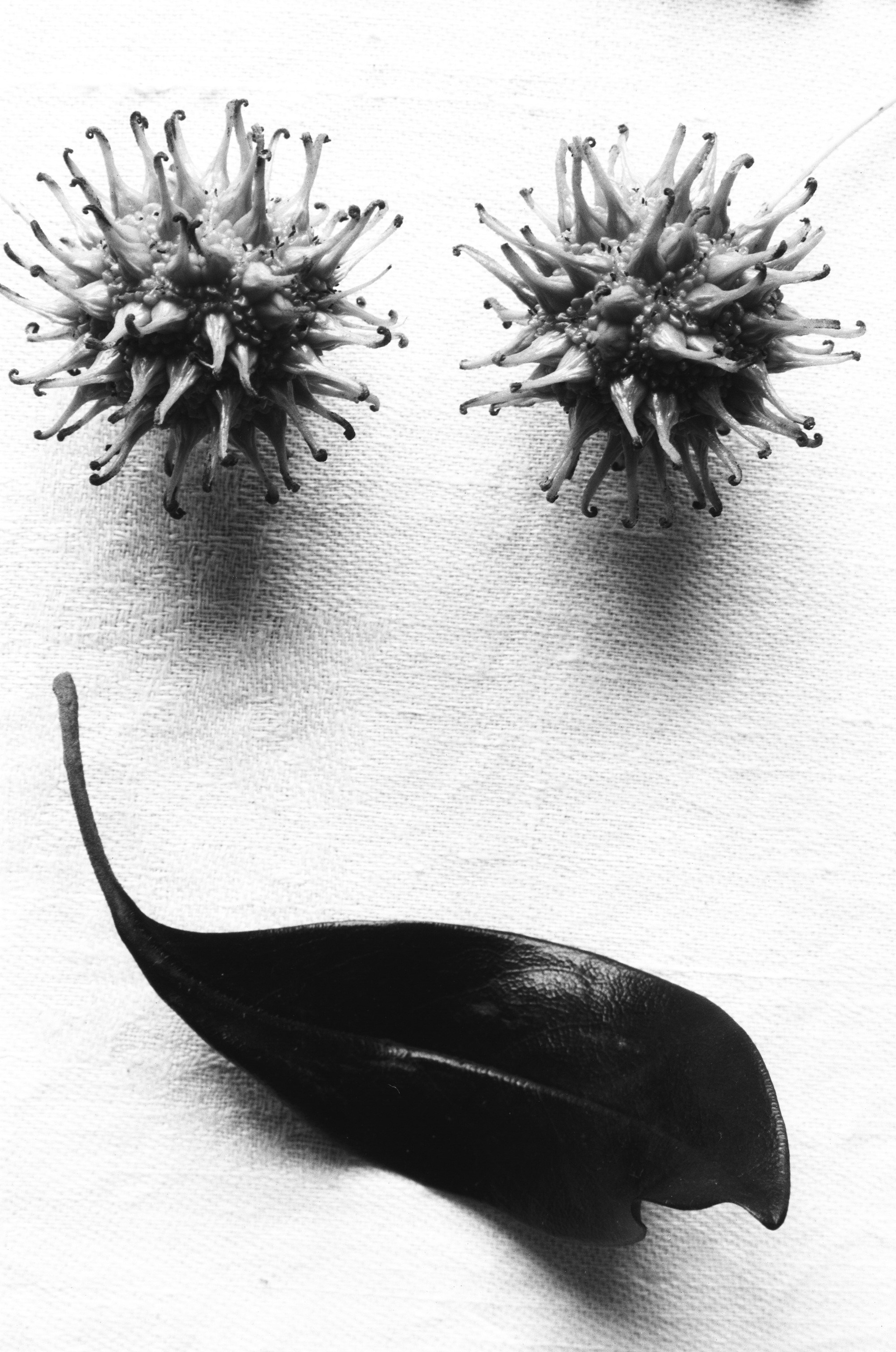
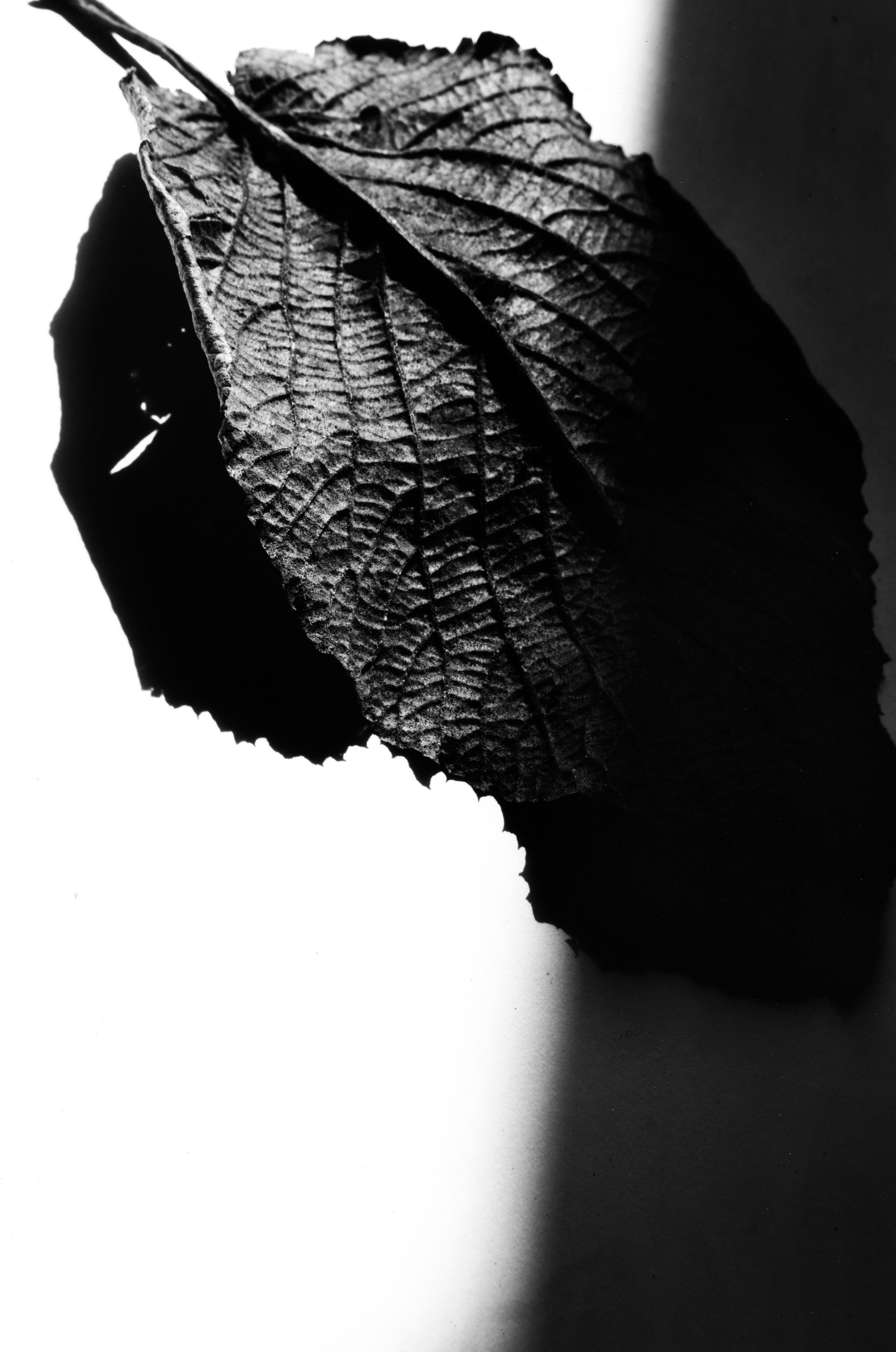
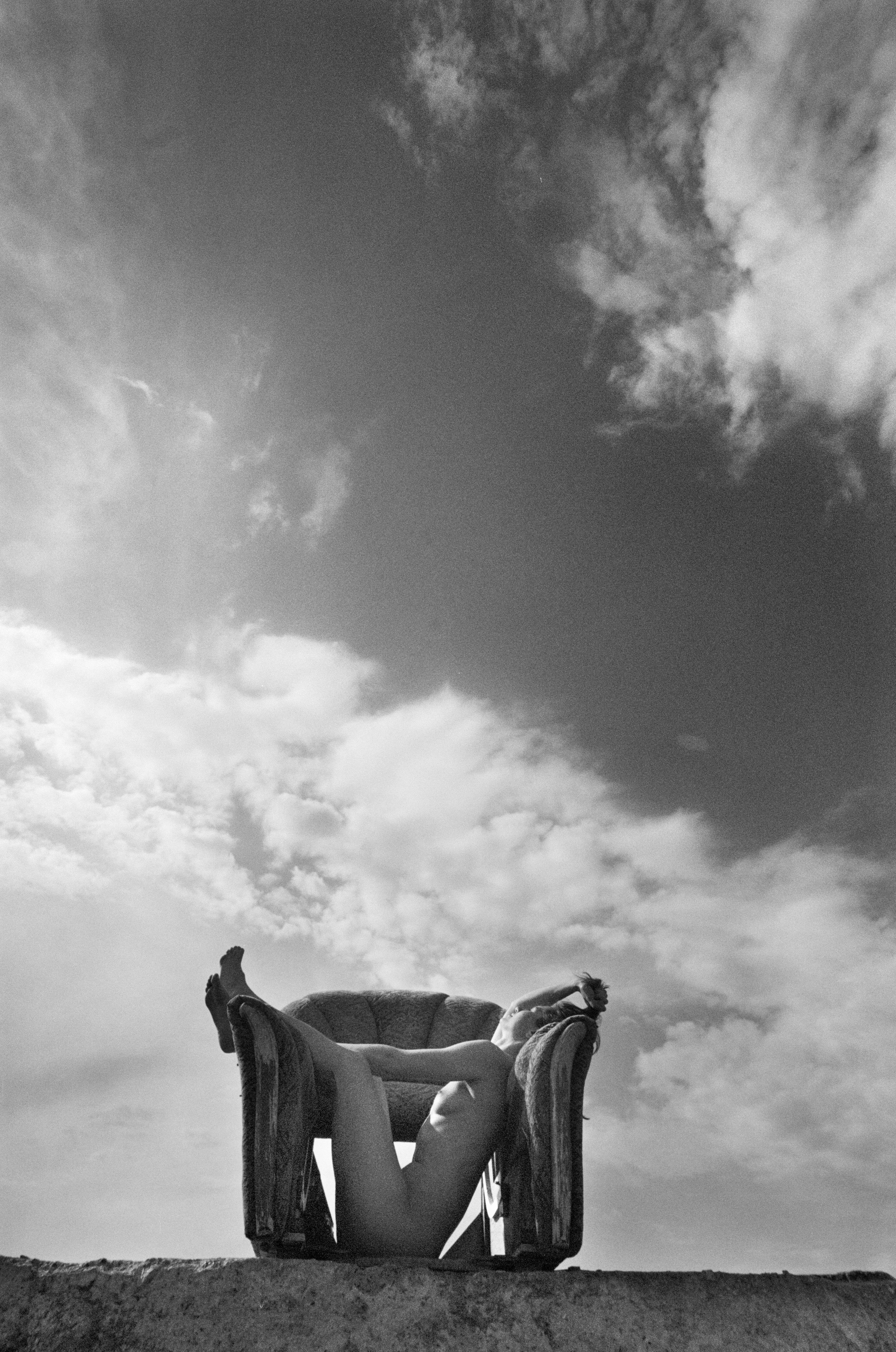
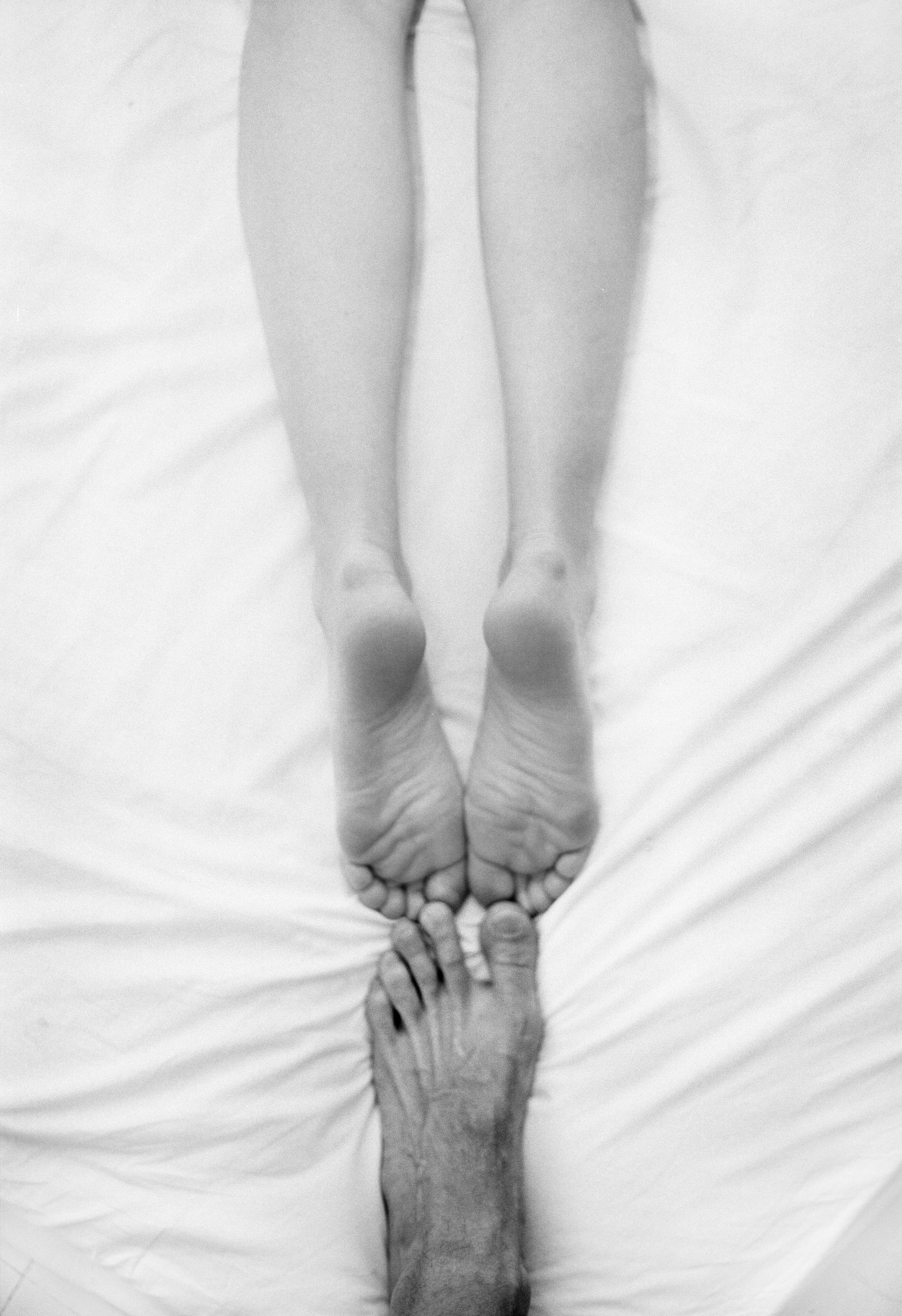
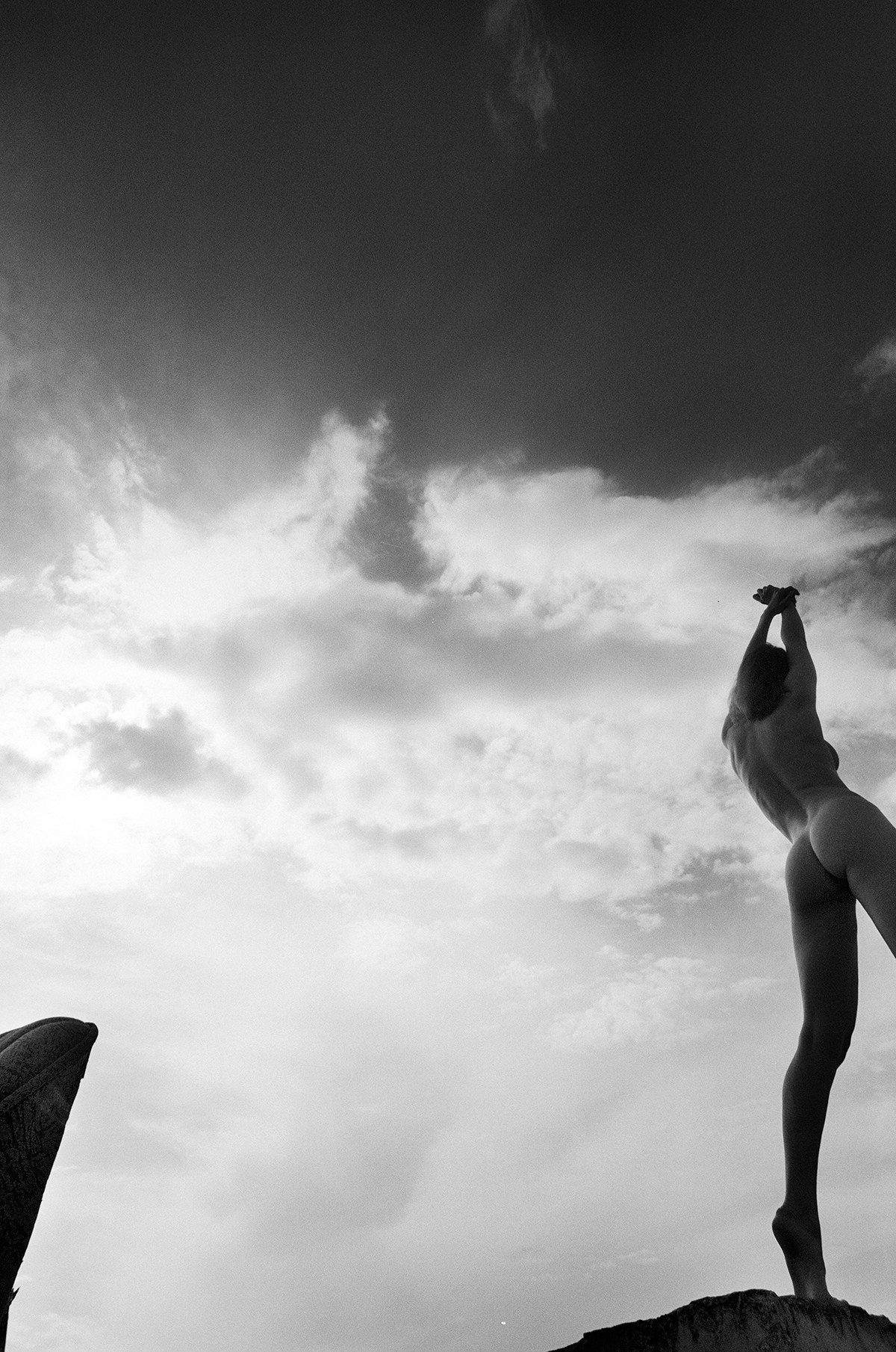
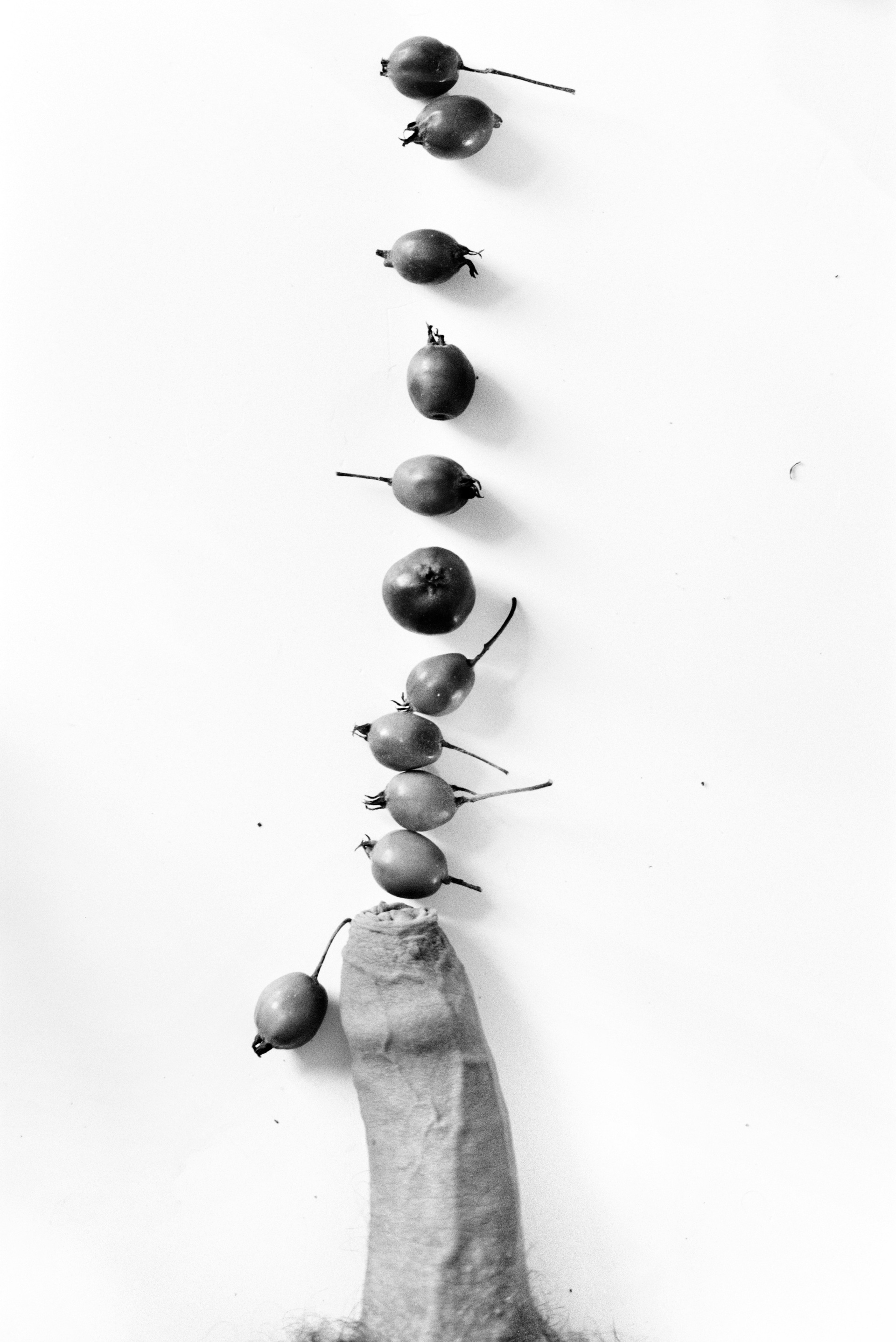
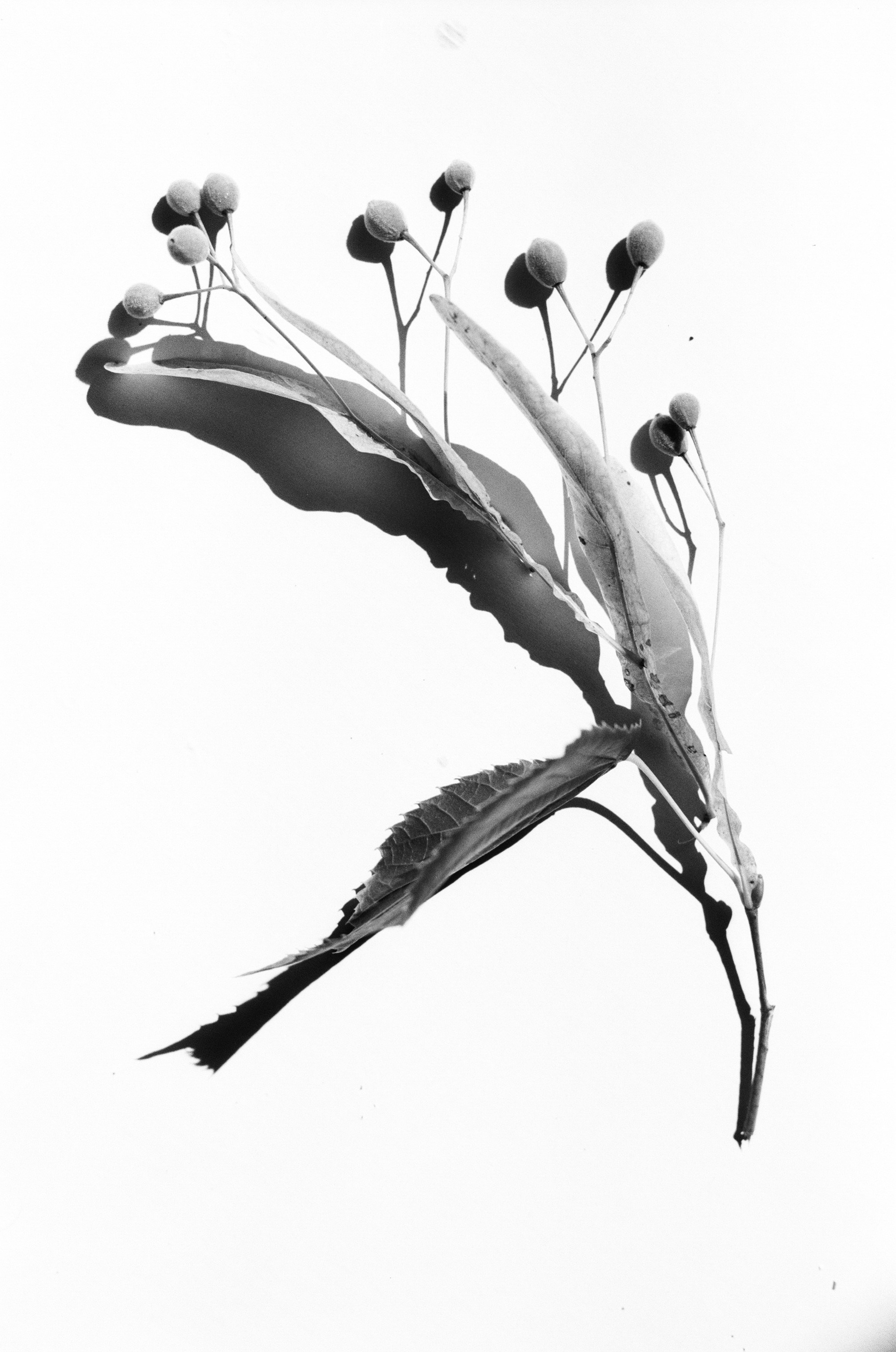
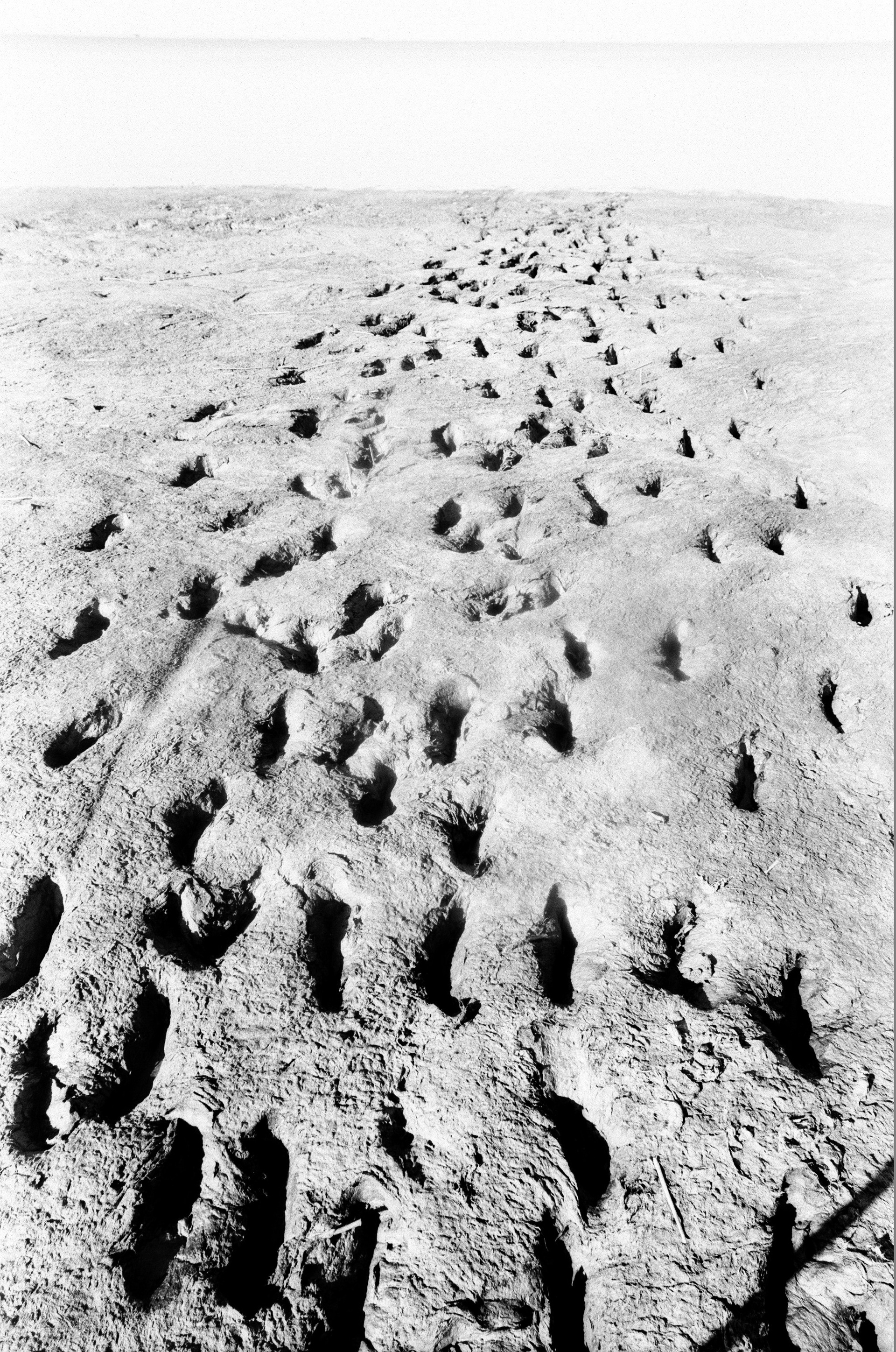
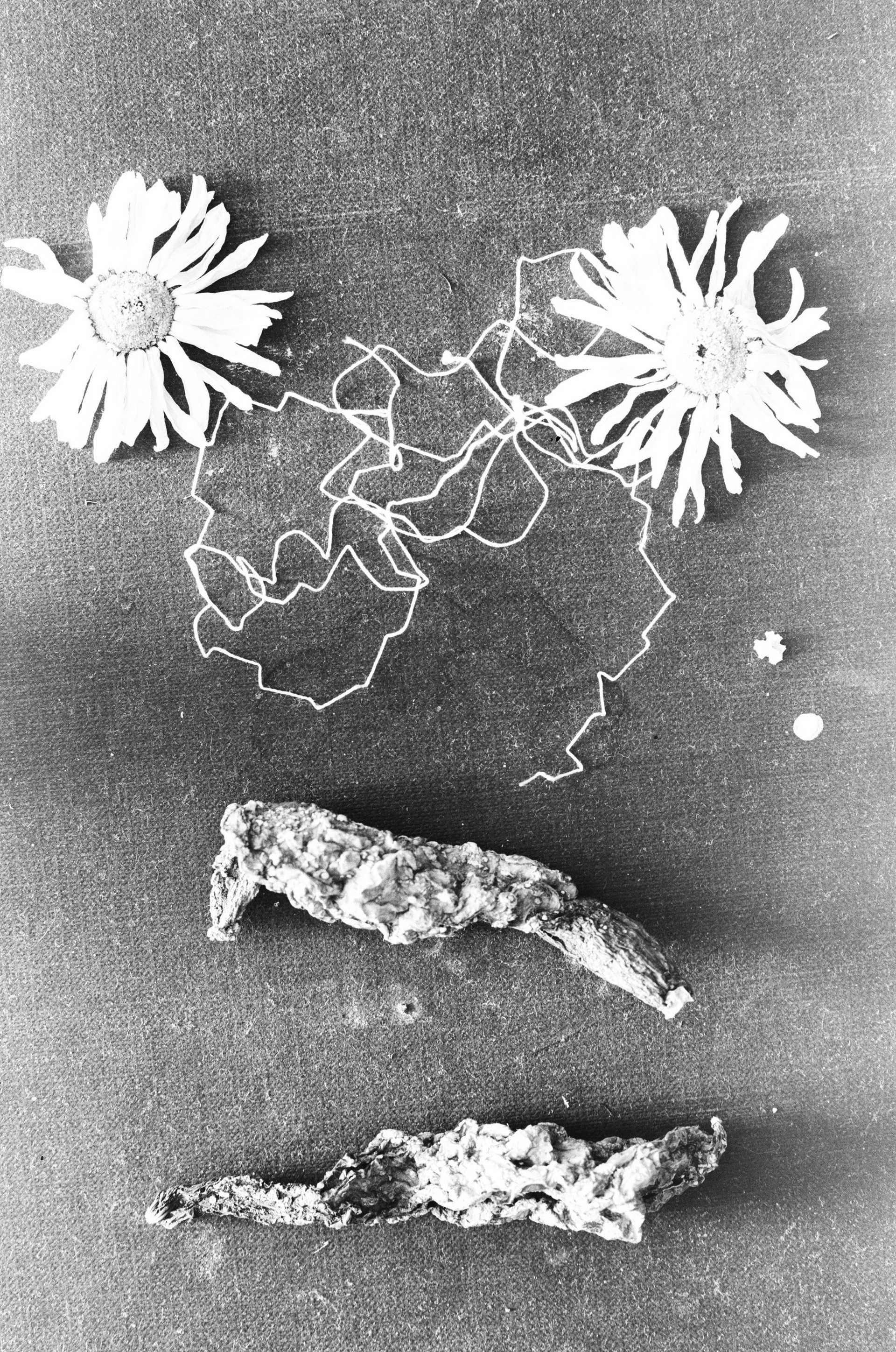
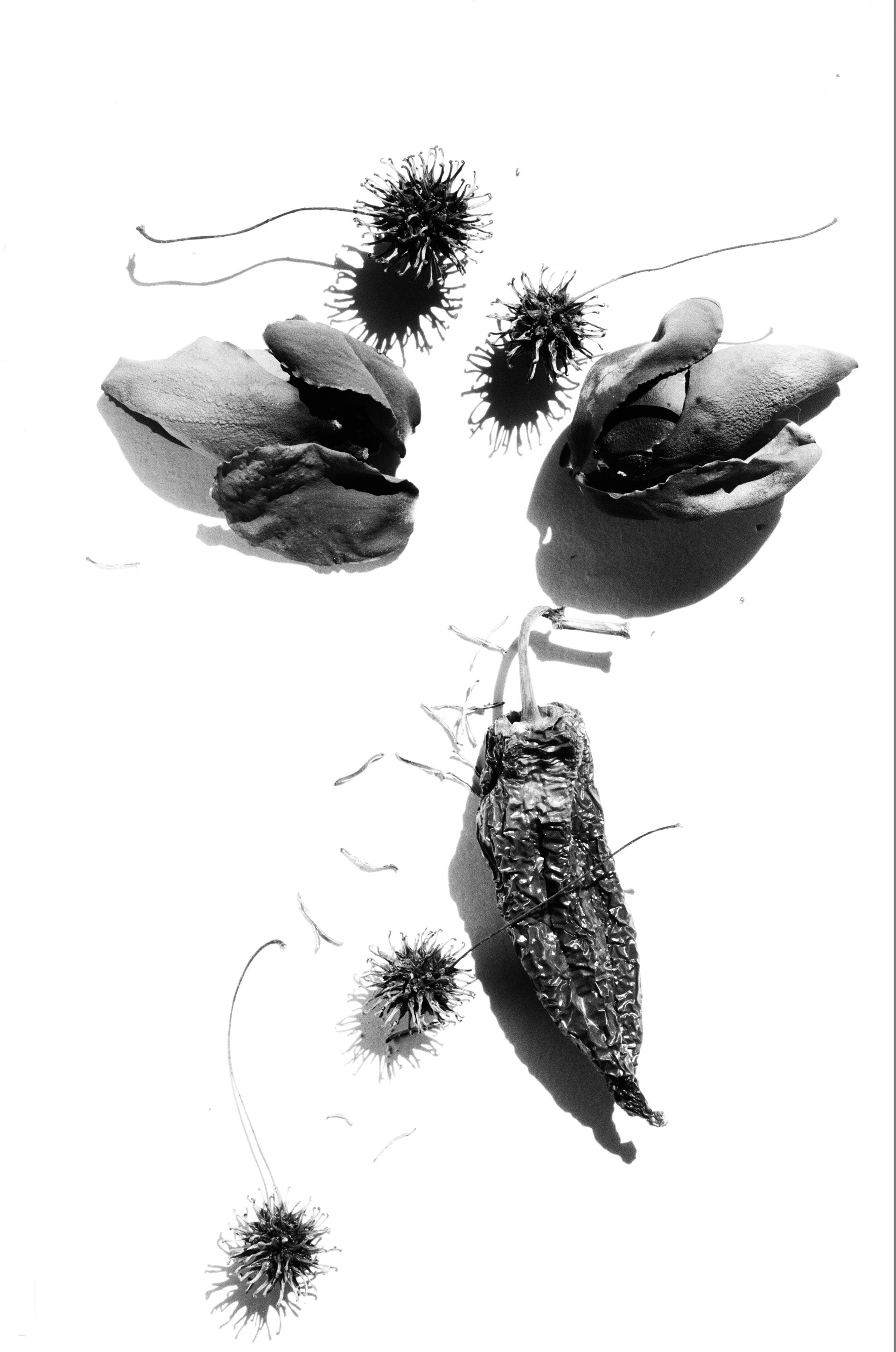
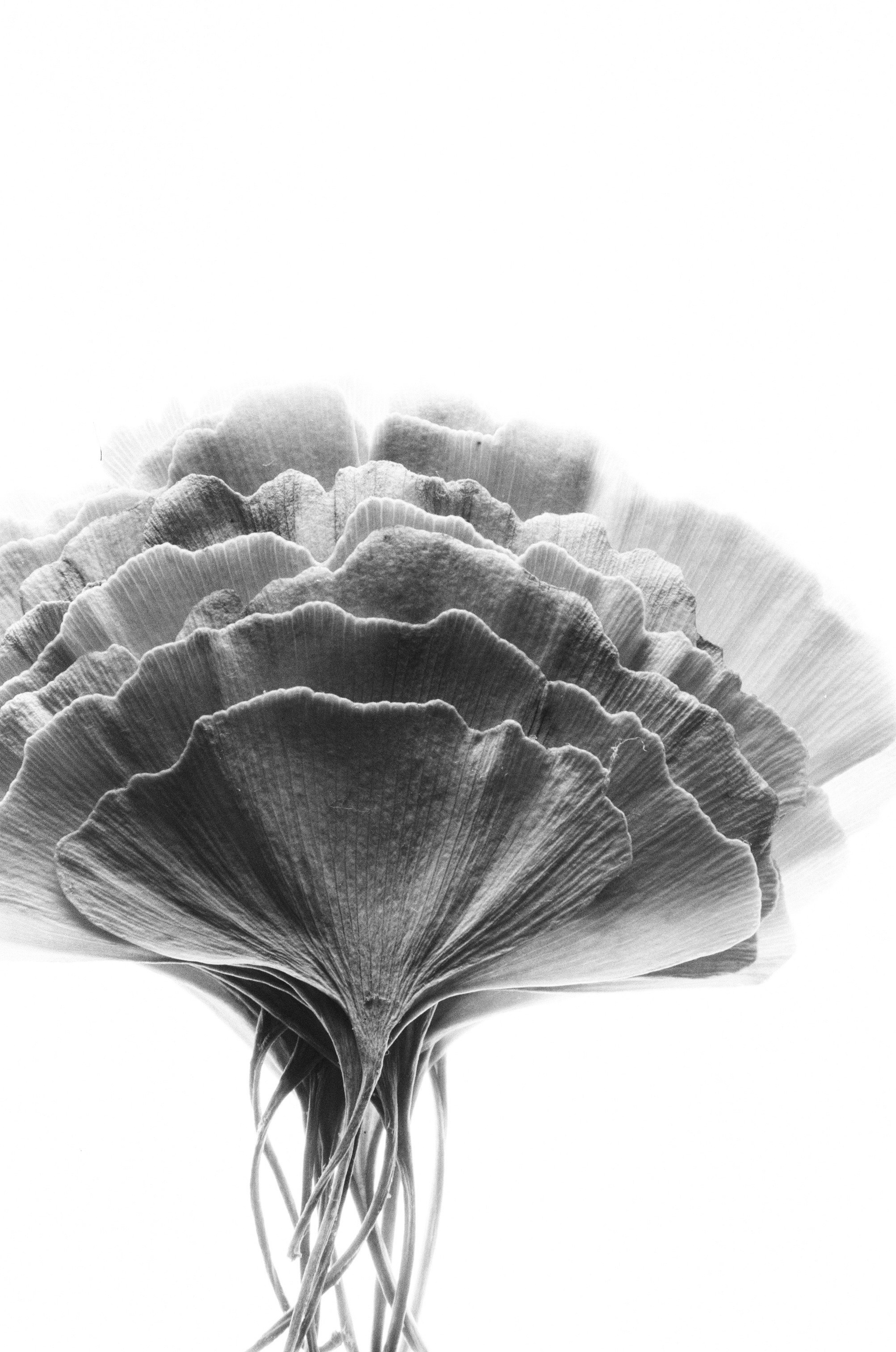
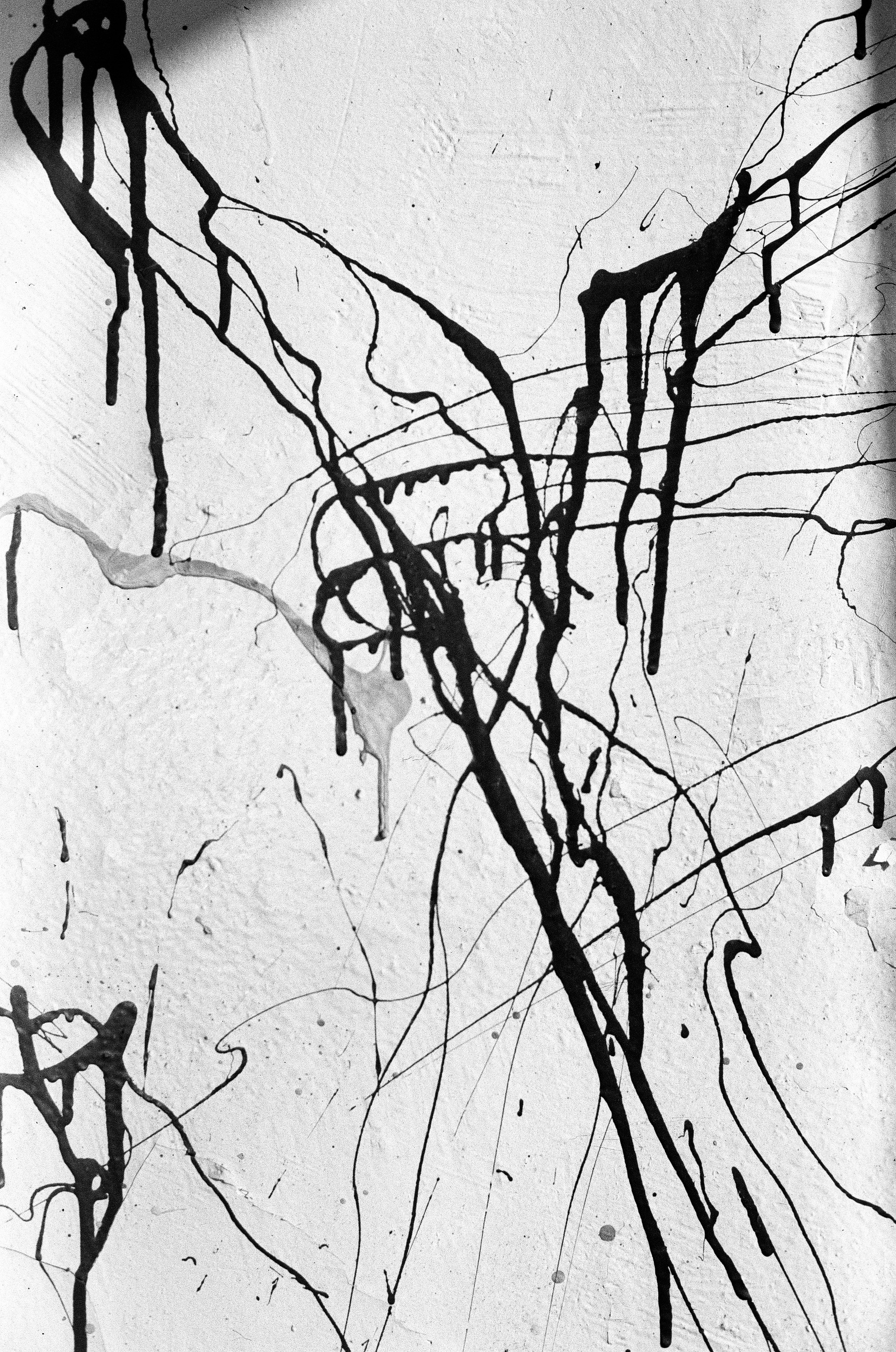
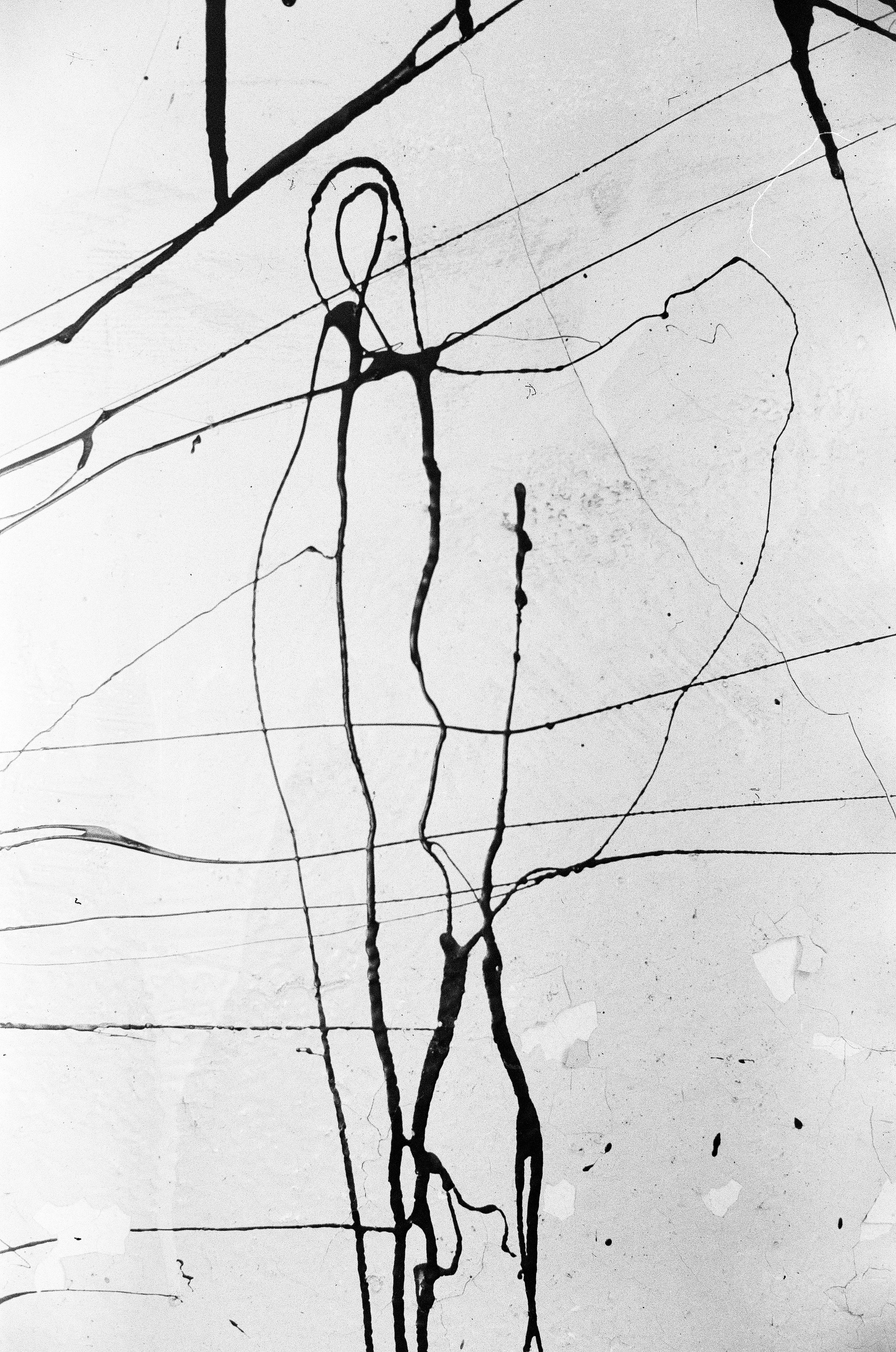
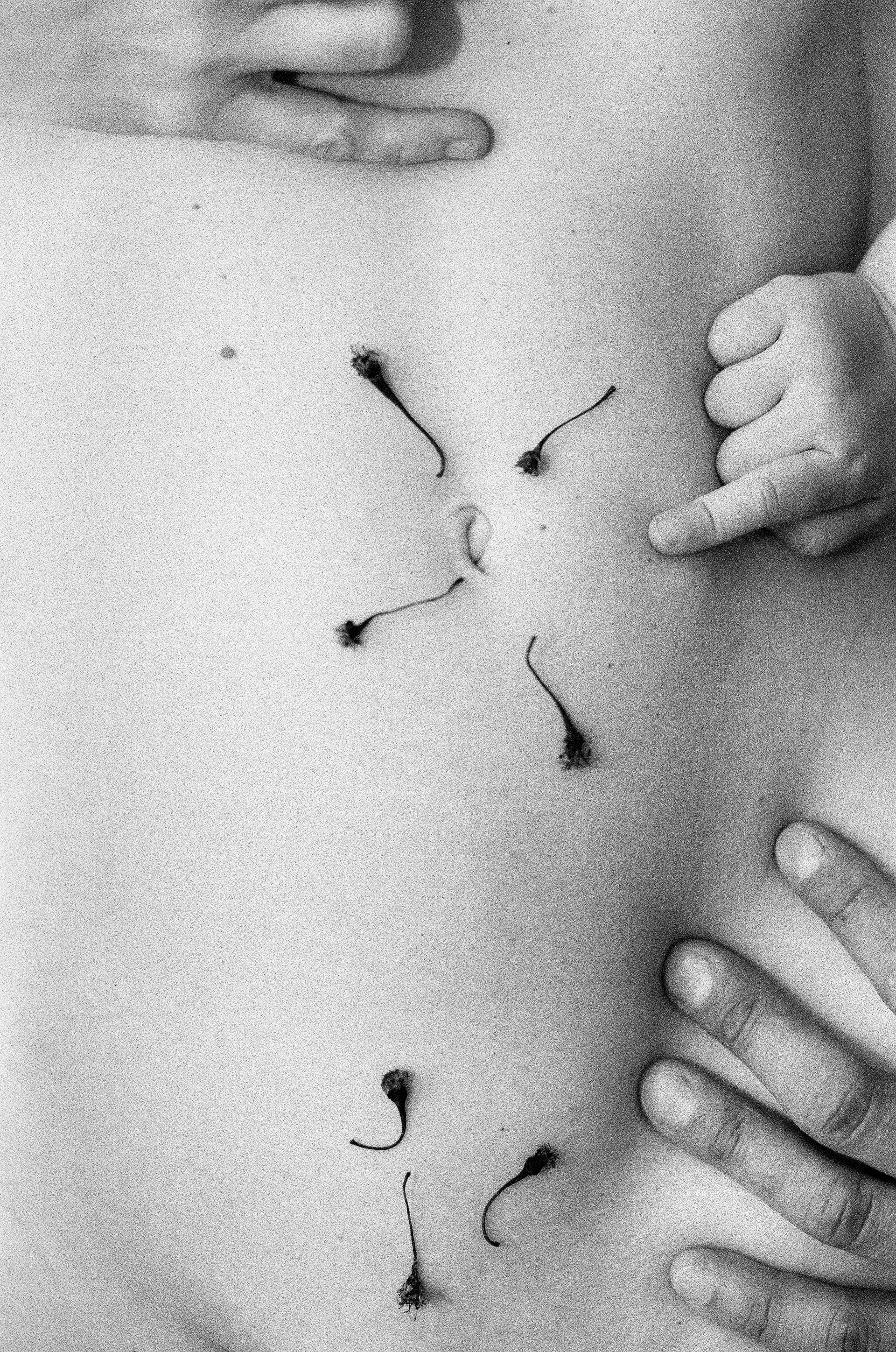
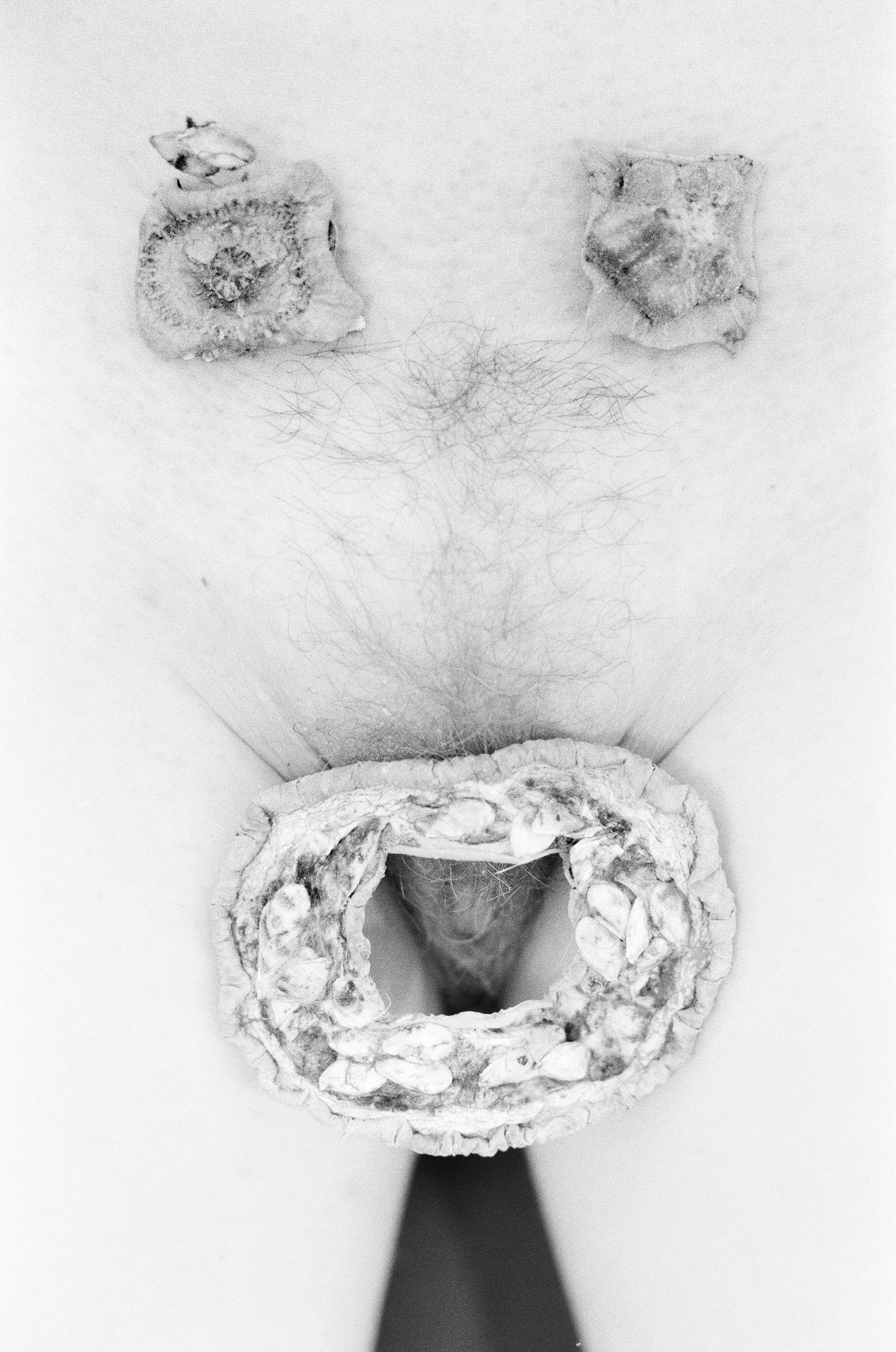
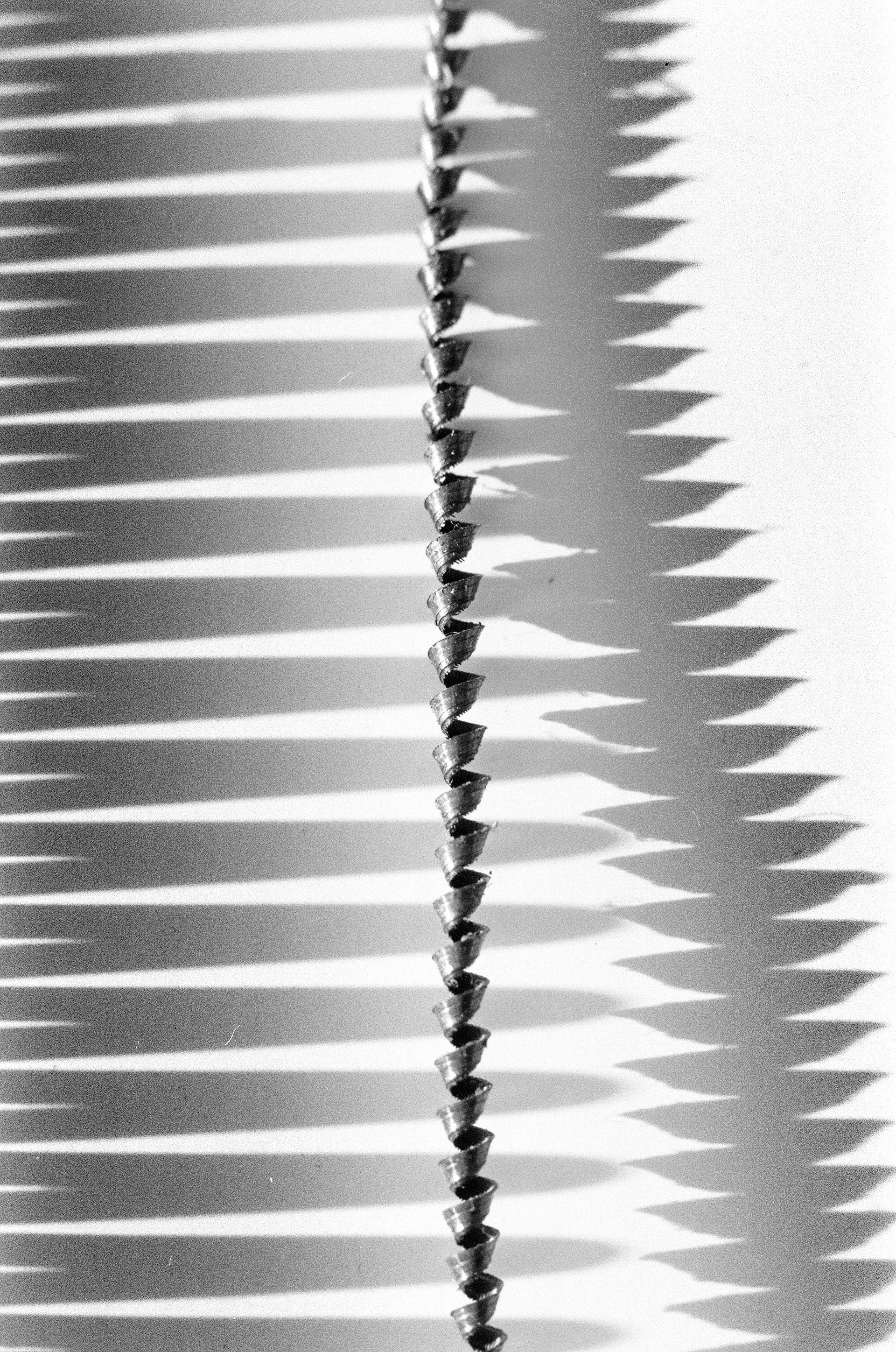
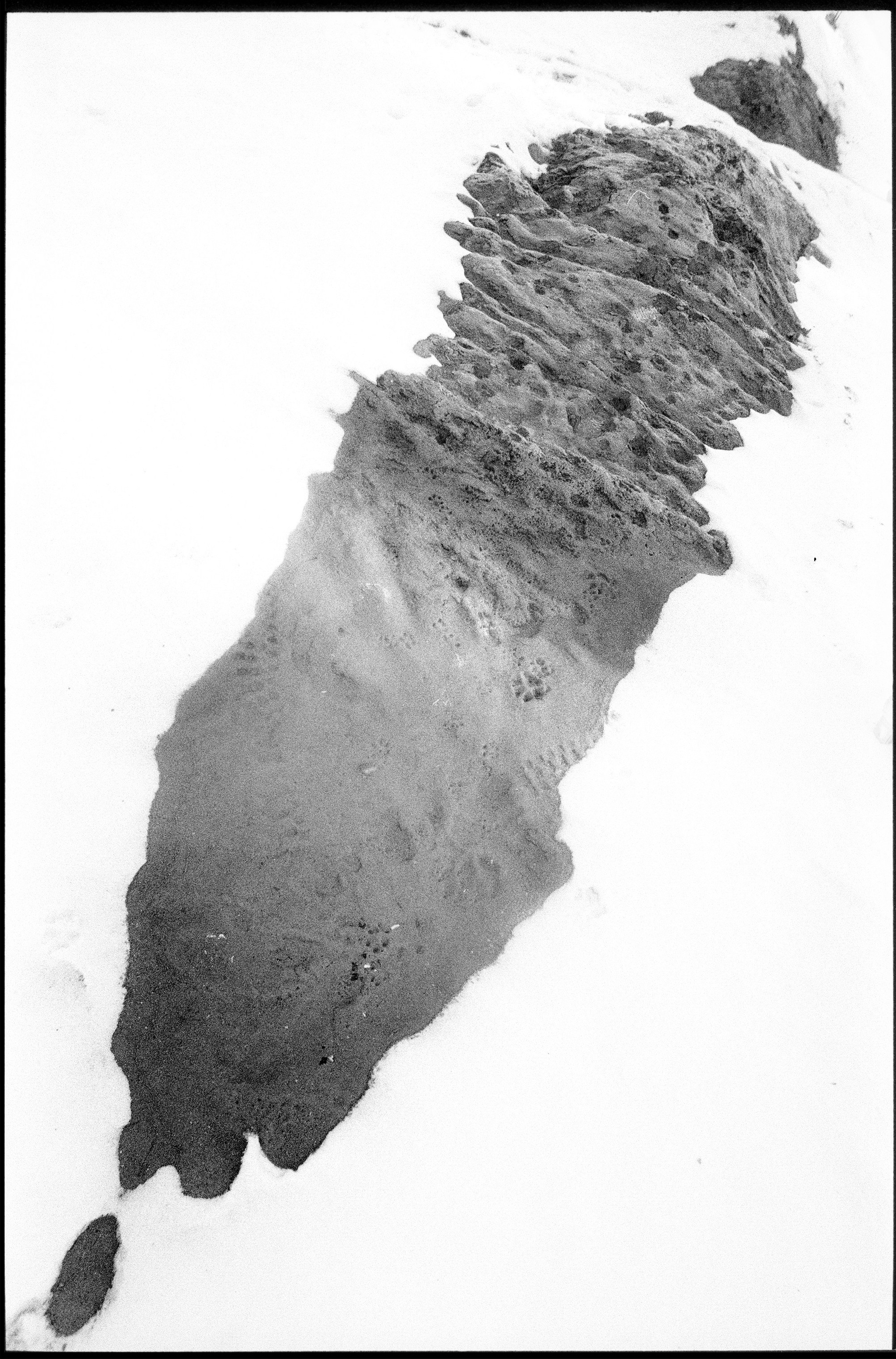
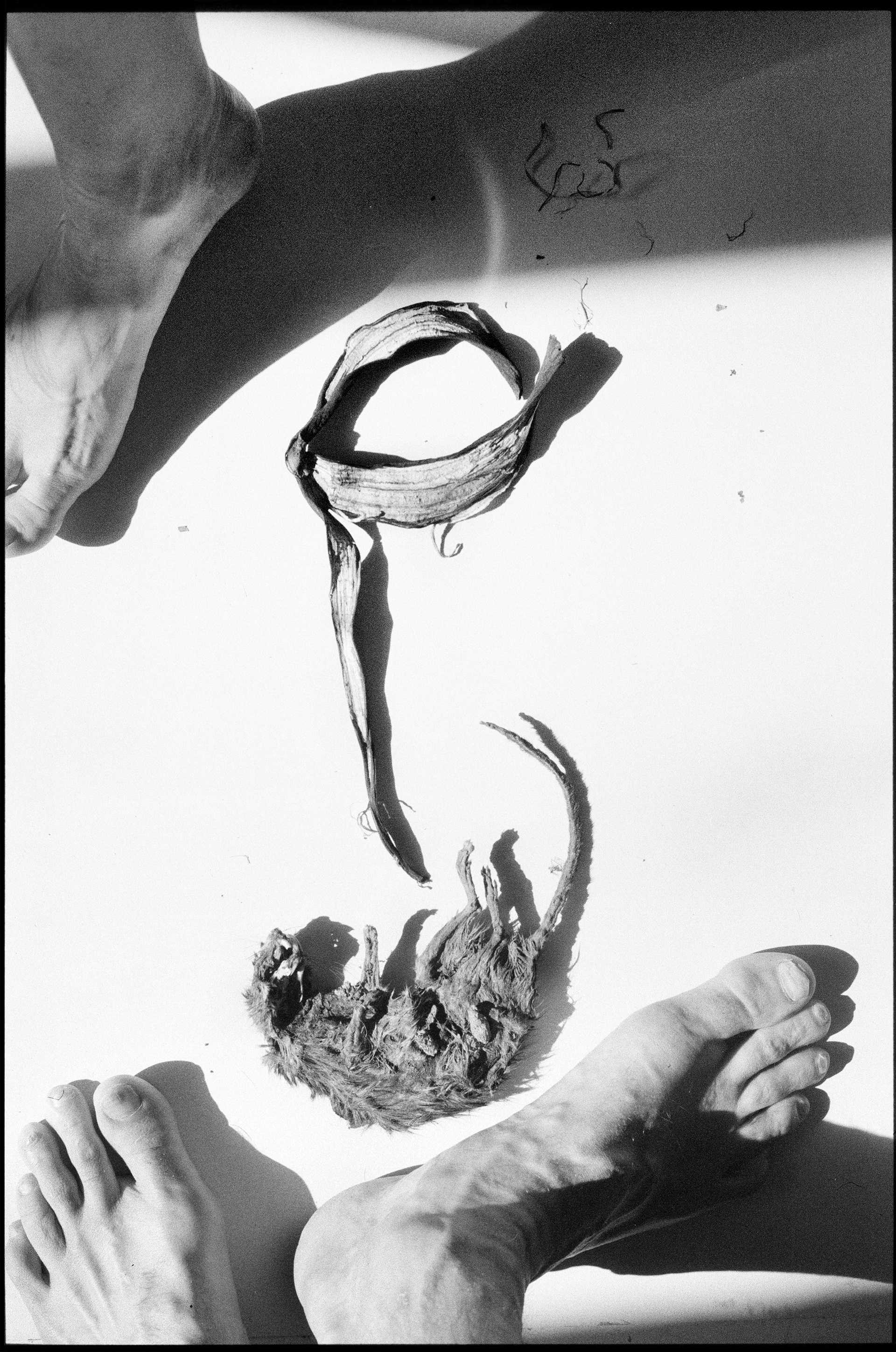
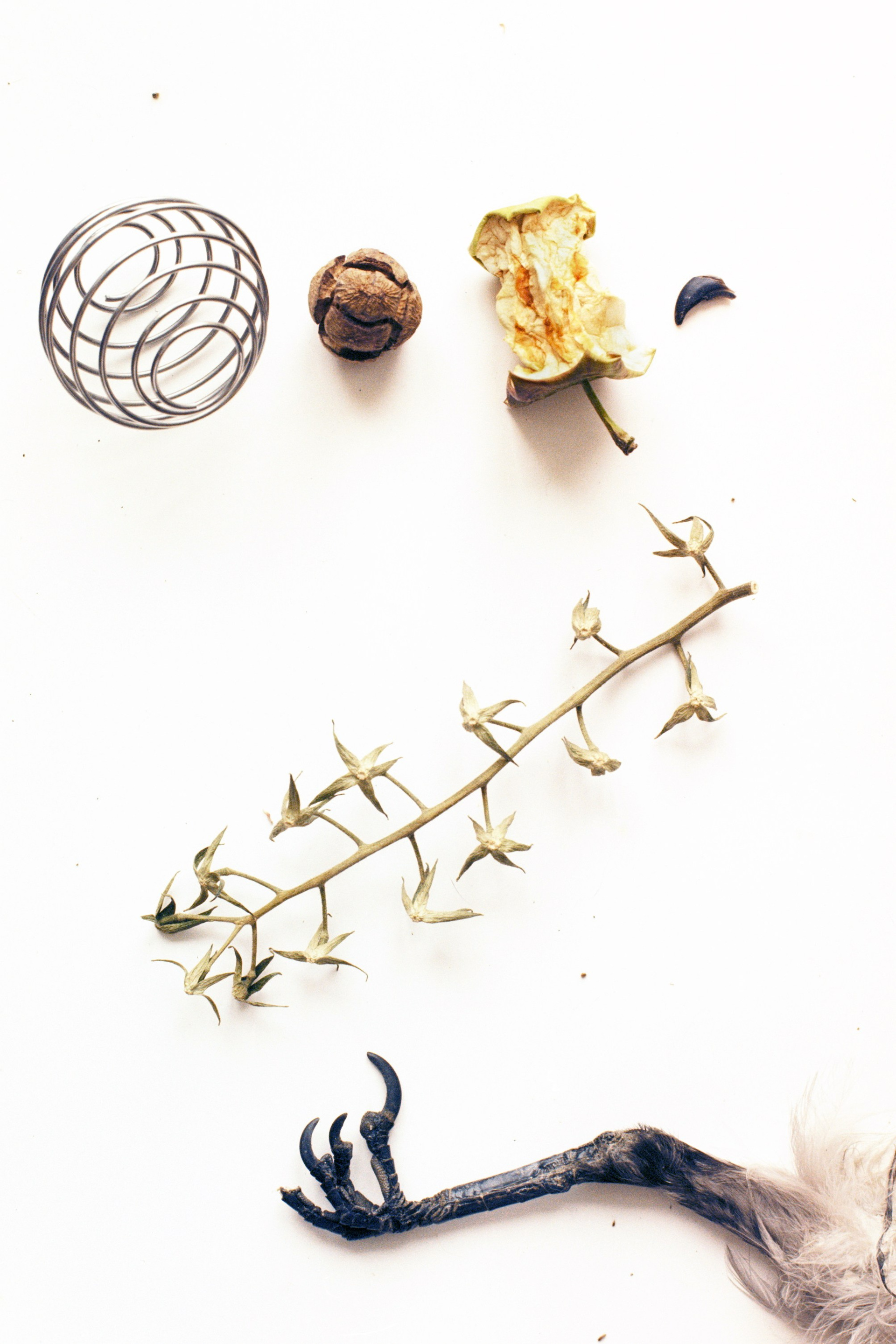
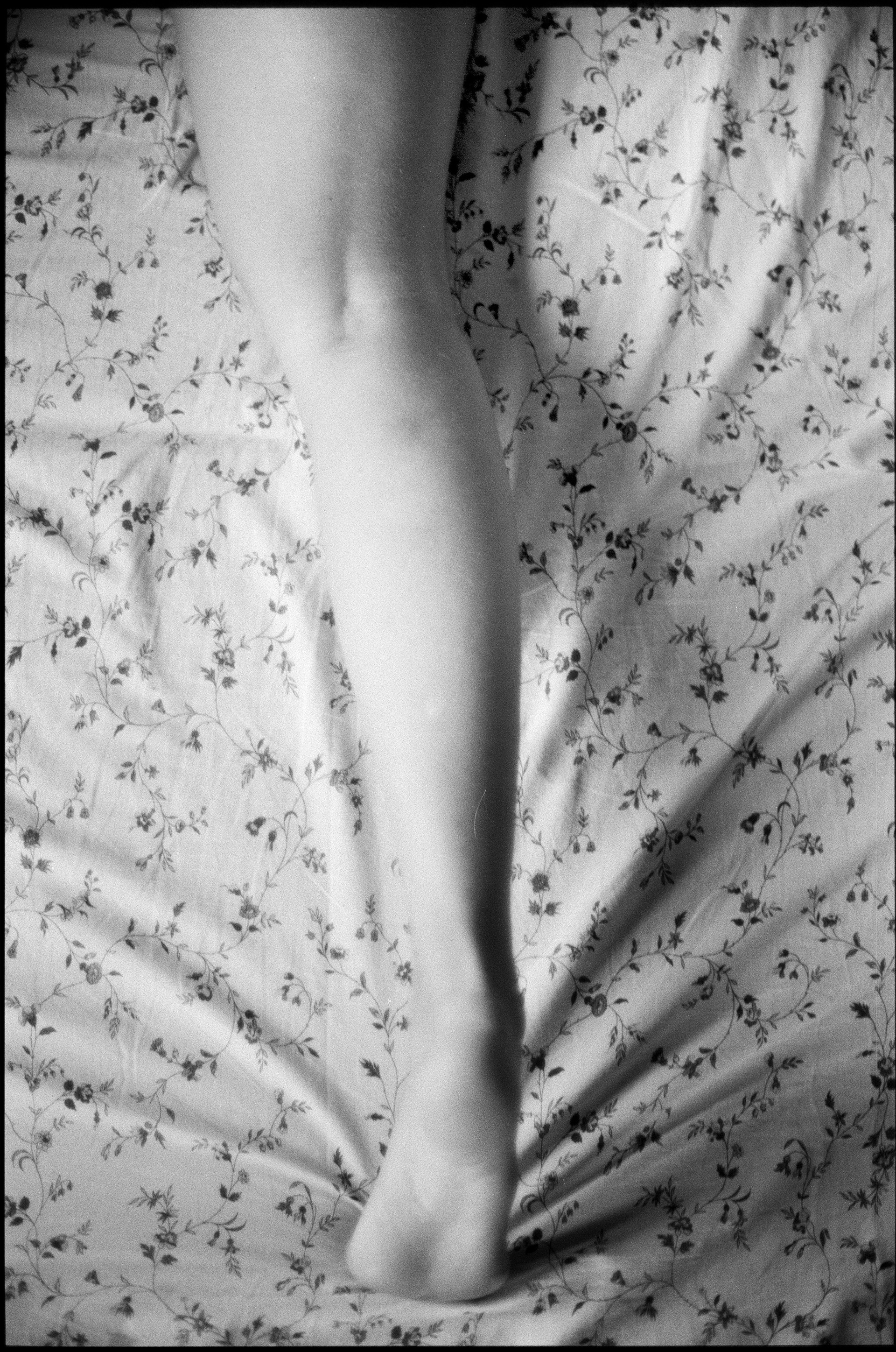
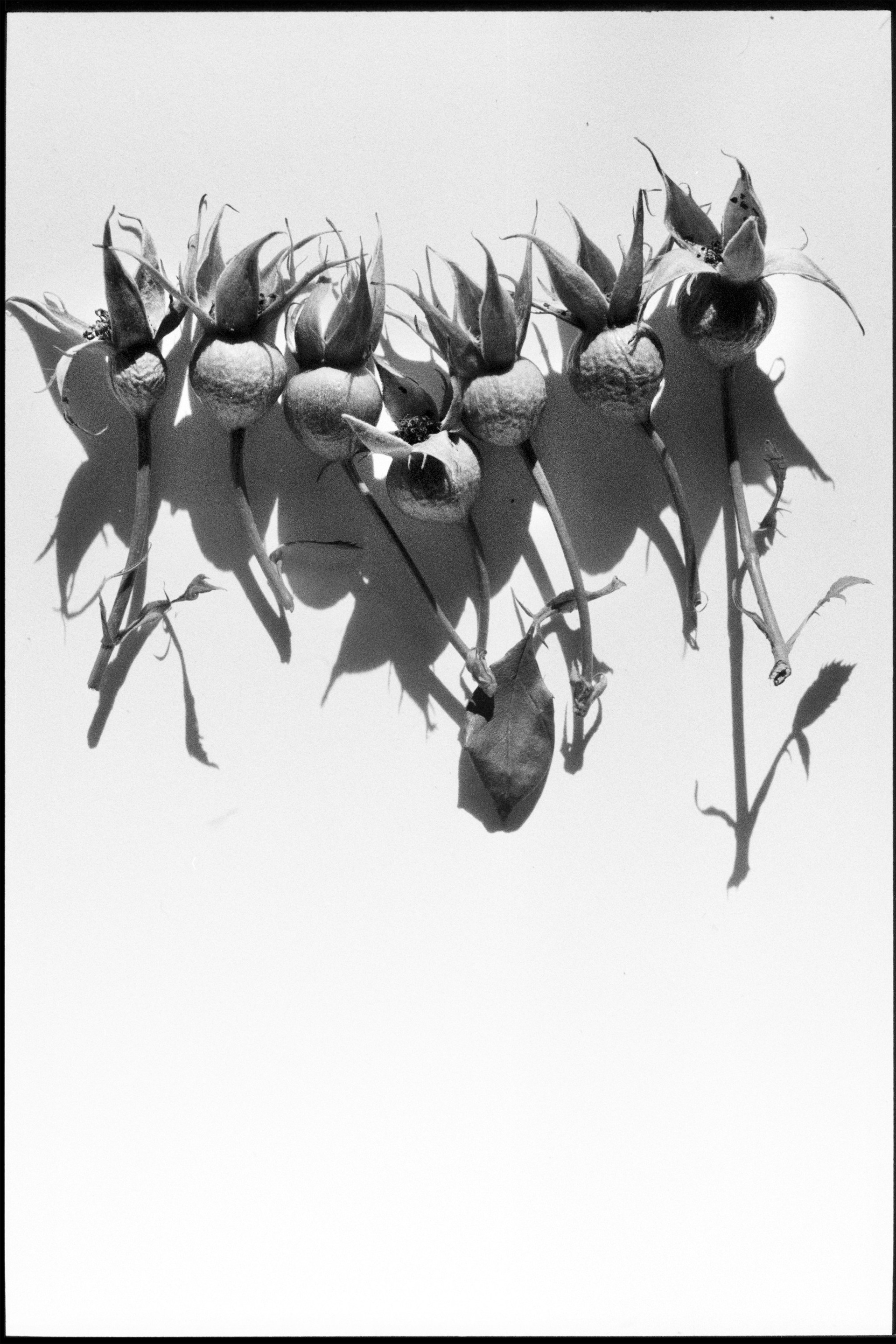
Grains of dots — pupils, glare, expressive clumps of tone and dust (i adore them), carefully scattered across a space I have deliberately chosen—a sheet of photographic paper, a space of the utmost planimetric nature—turning it “inside out”, just as the immeasurably vast, immeasurably distant, infinitely small stars—for they are always points—make the night sky n-dimensional and unfathomable. The analogy is not decorative. It is structural. For the point, wherever it appears, performs the same impossible operation: it is a space that occupies no space, a place that has no place. It suppresses and replaces place. It occupies the place of space, which it simultaneously negates and preserves. It spatially negates space. A point-like glare is the first definition of space as such, as well as of illusory, mimetic, pictorial and photographic space. The point is its first definition. As its first definition and first negation of space, the point becomes spatialised, espacement. Both on the negative and in all other positive reversal realms of existence, this point (of glare, of light’s reflection, of rotation, of the ‘turn’ of transfiguration) of extreme intensity—so to speak—negates itself, as soon as you try to make it out by using stronger optics, bringing your eye closer or enlarging the photograph by hand, or even comparing it — relating it to any other point; it is not even comparable to its own kind; it has no peers; every point is a singular generalisation of all possible flashes. The negation of negation, the spatial negation of the point, the singular image, the original, the authentic—this is a line, this is a series, this is a string of images and units that are both identical and divergent at the same time. The point negates itself as the original/authentic/‘arche-ecrire’ and sustains itself, like the boundless tip of a stinging needle-glint, stretching out in a series or sustained by an emerging series, dissolved through Aufhebung into a line, a string of points, accessible and visible to everyone by everyone — beckoning the magic of the eye, of the living, mechanical and optical complex that perceives the universe — and thus its truth is constituted. The holistic truth of a fan-shaped cascade of points is the line. In accordance with this very same process, through Aufhebung and the negation of the negation, a surface emerges from the true line. The surface that depicts, the surface of the image, the imaginary surface that gives rise to the living of the imaginatry. But more on that in the next chapter.
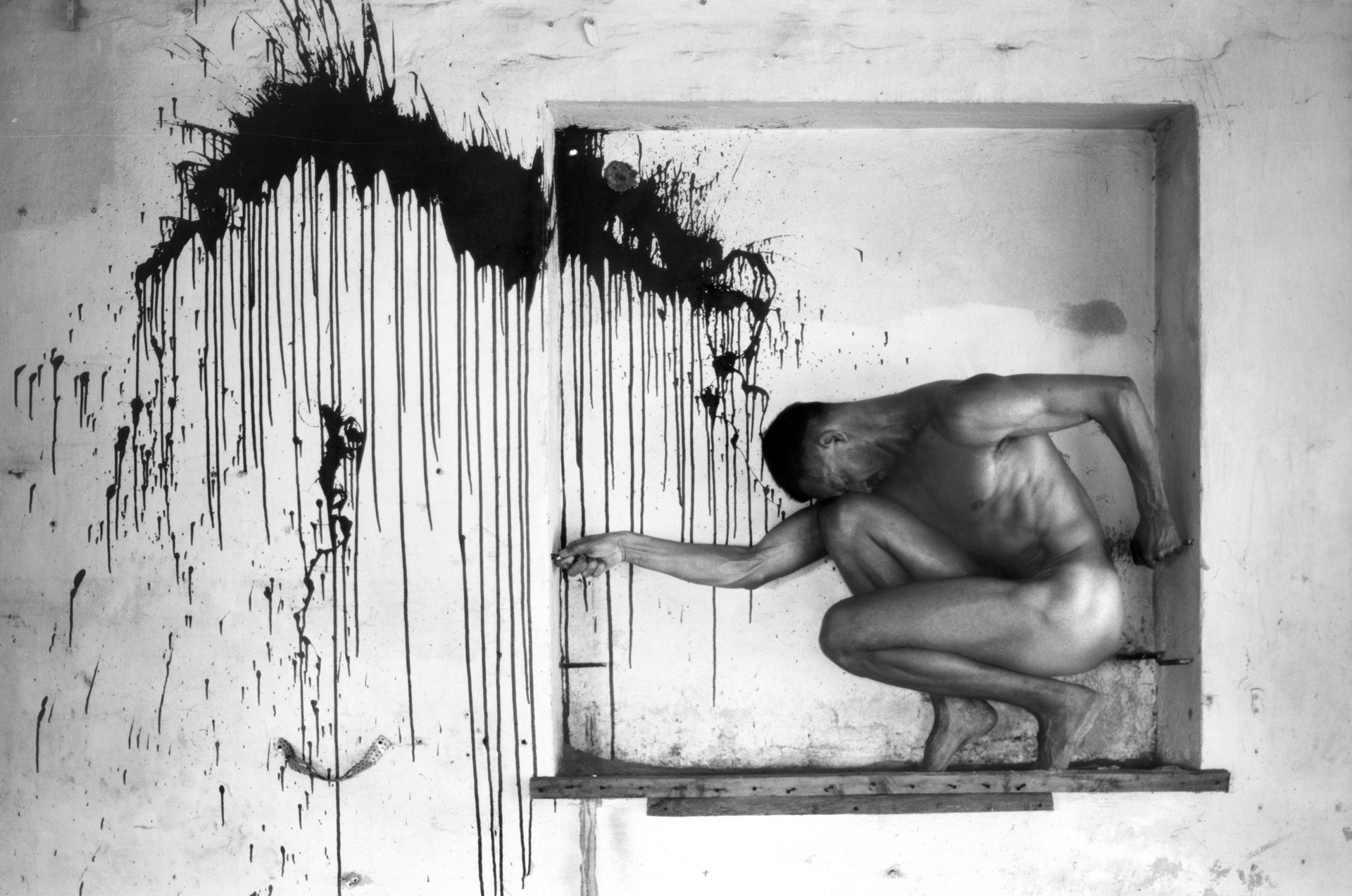
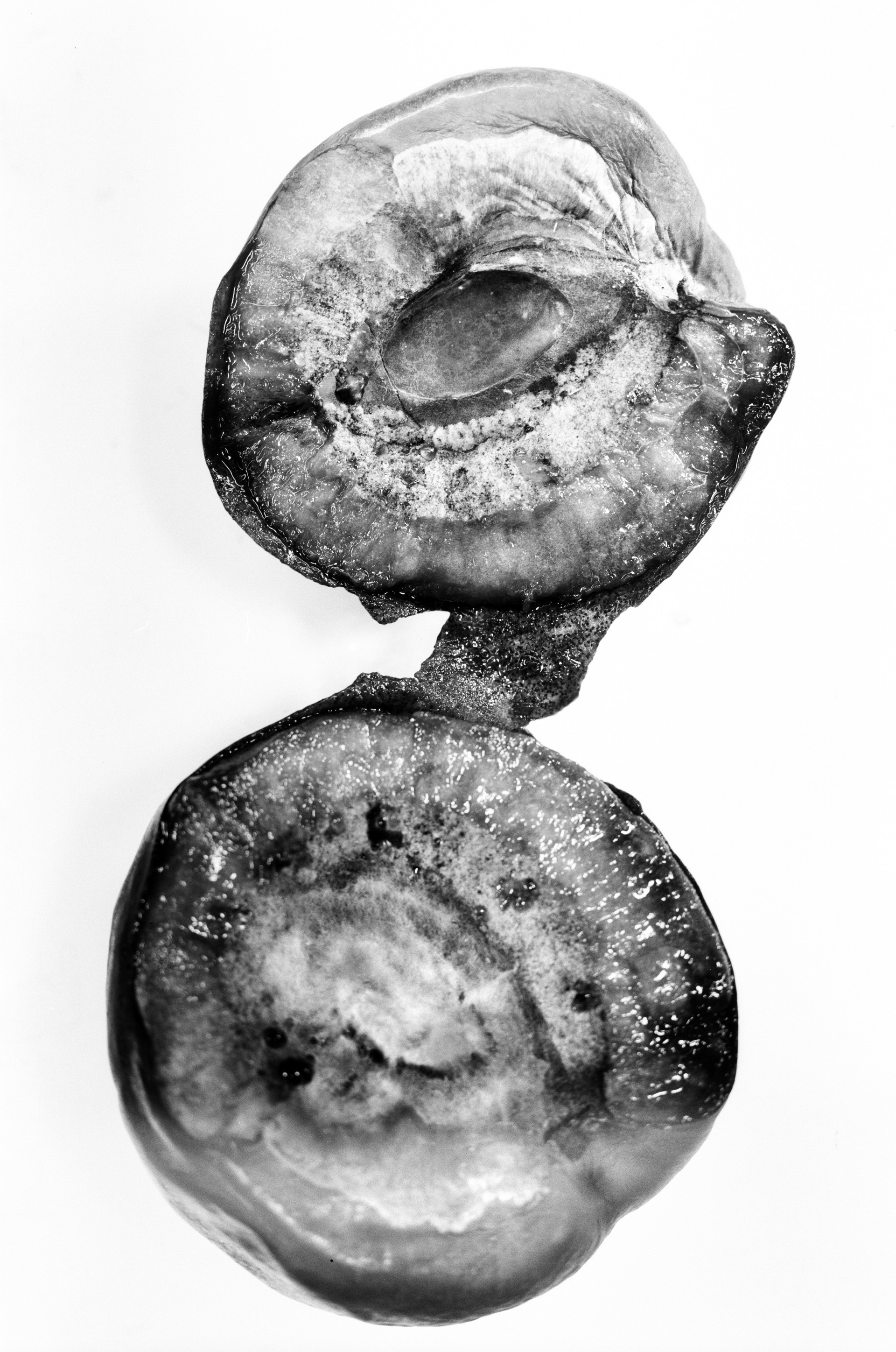
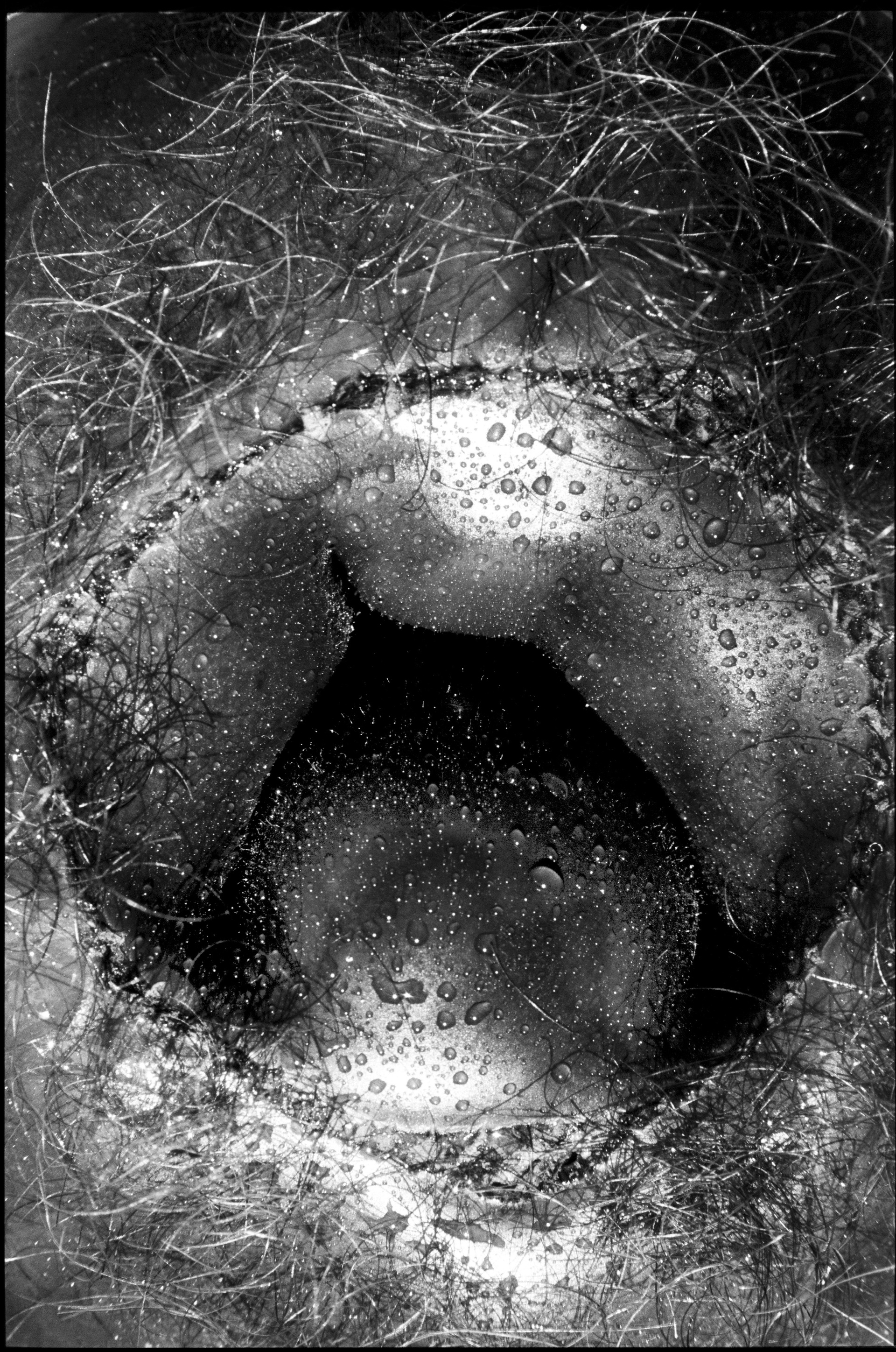
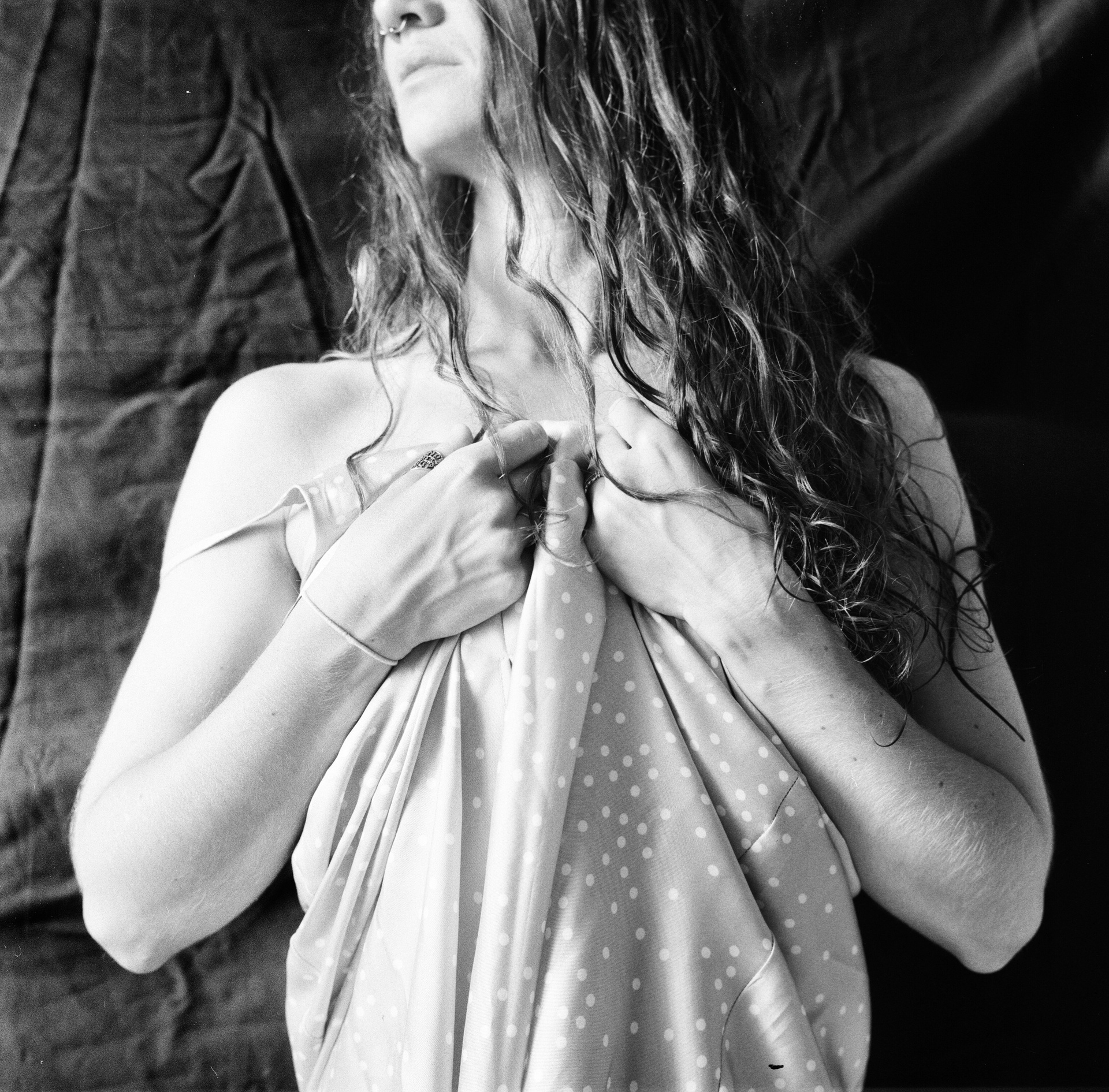
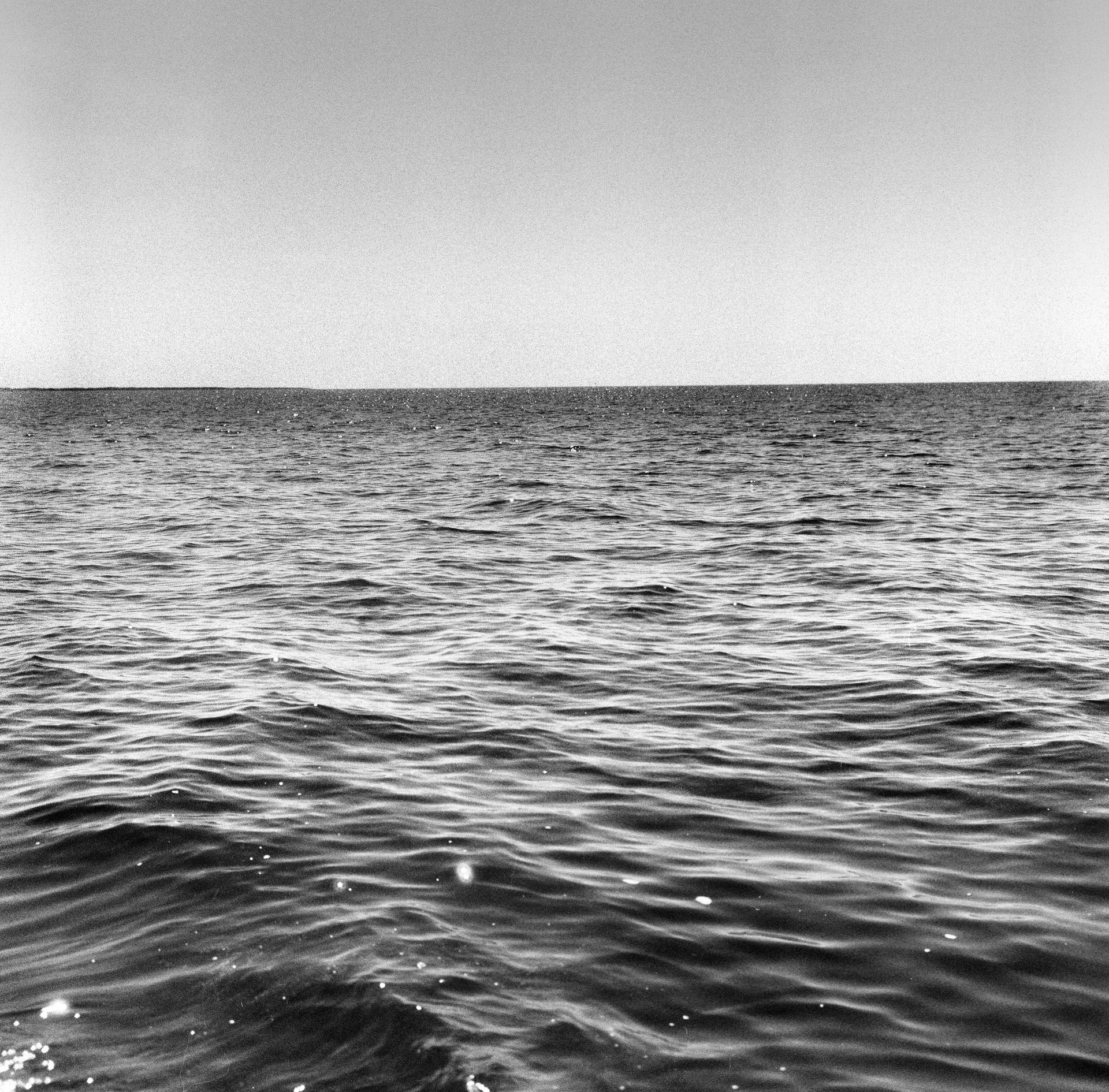
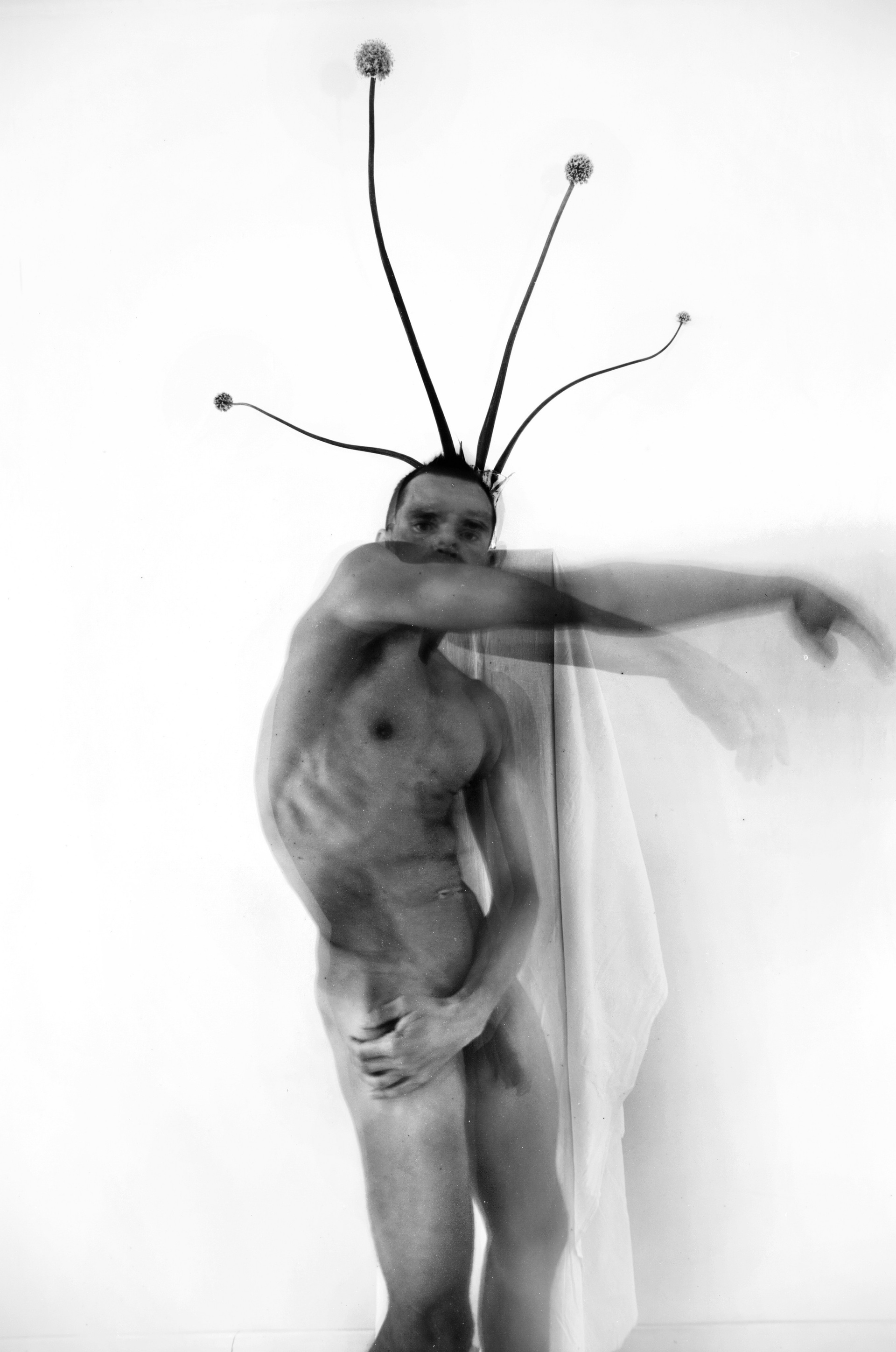
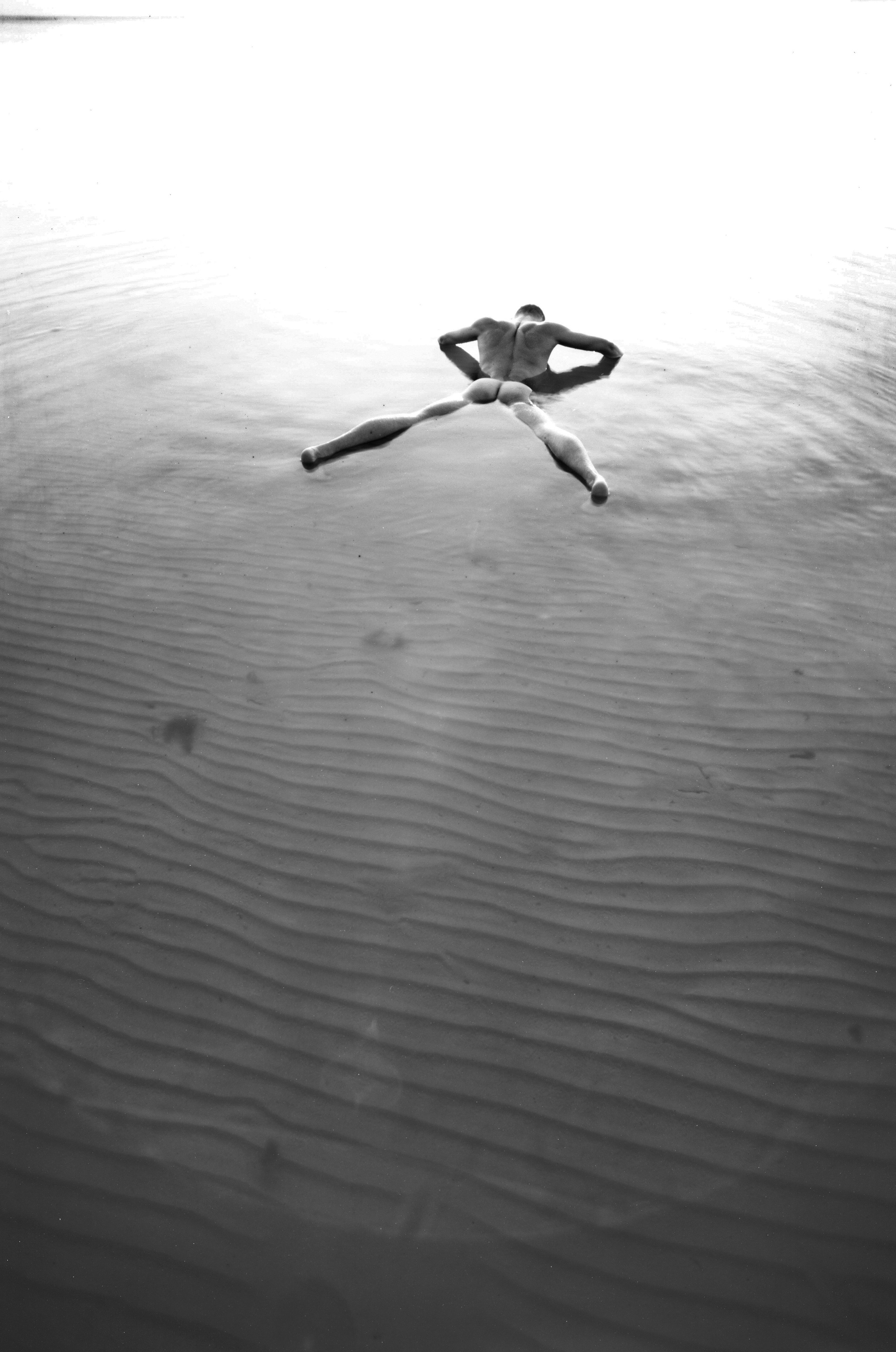
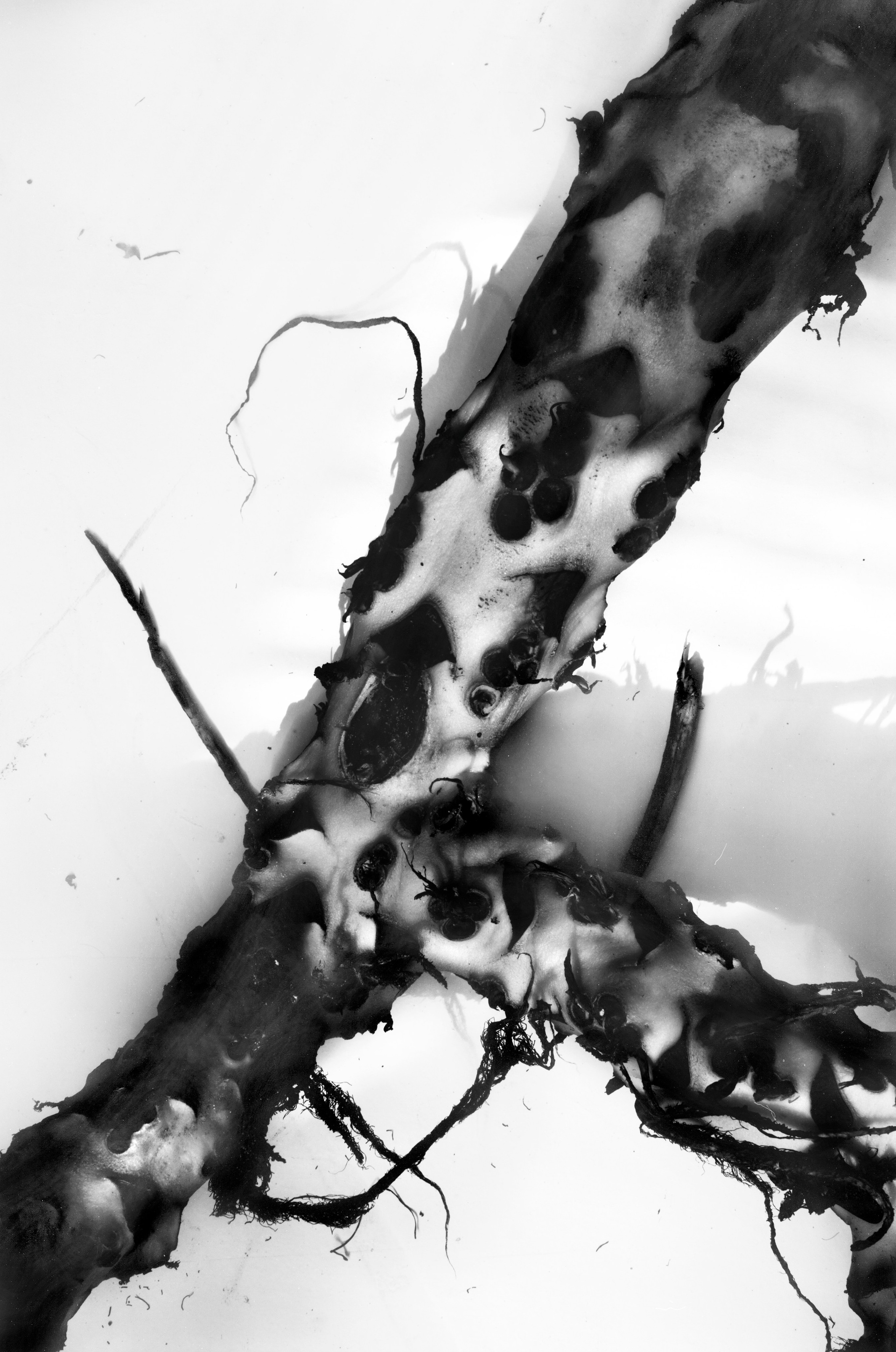
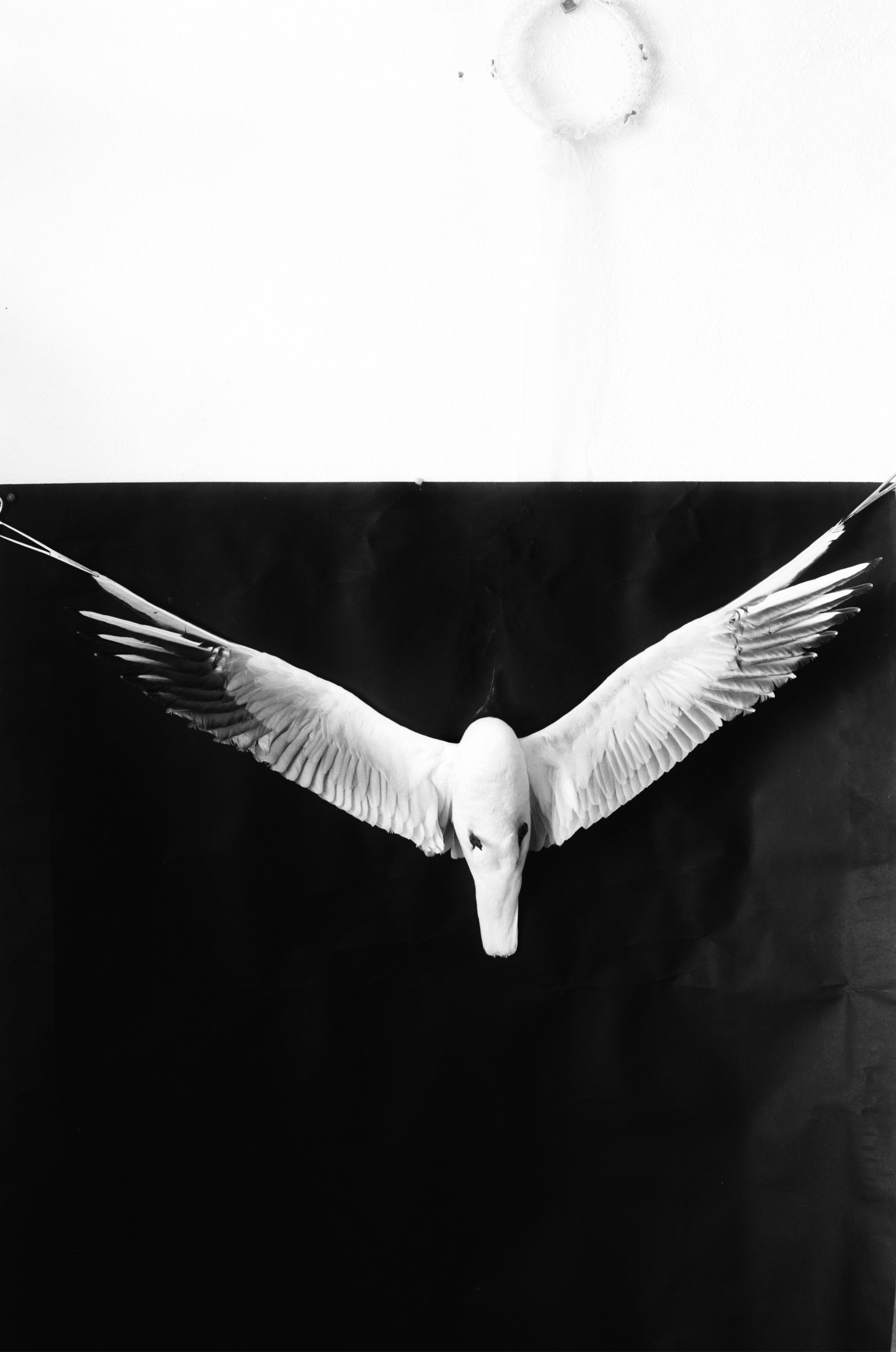
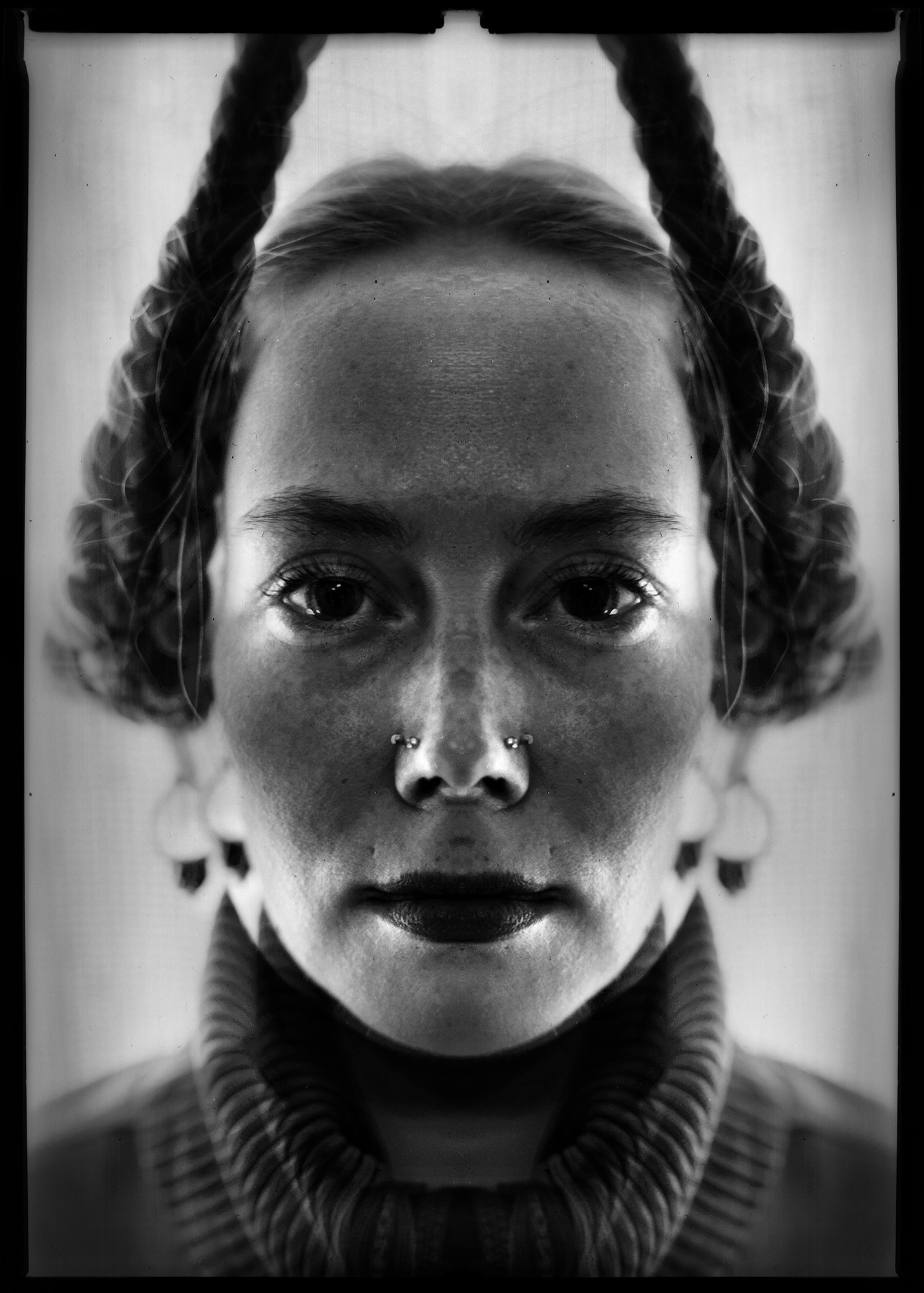
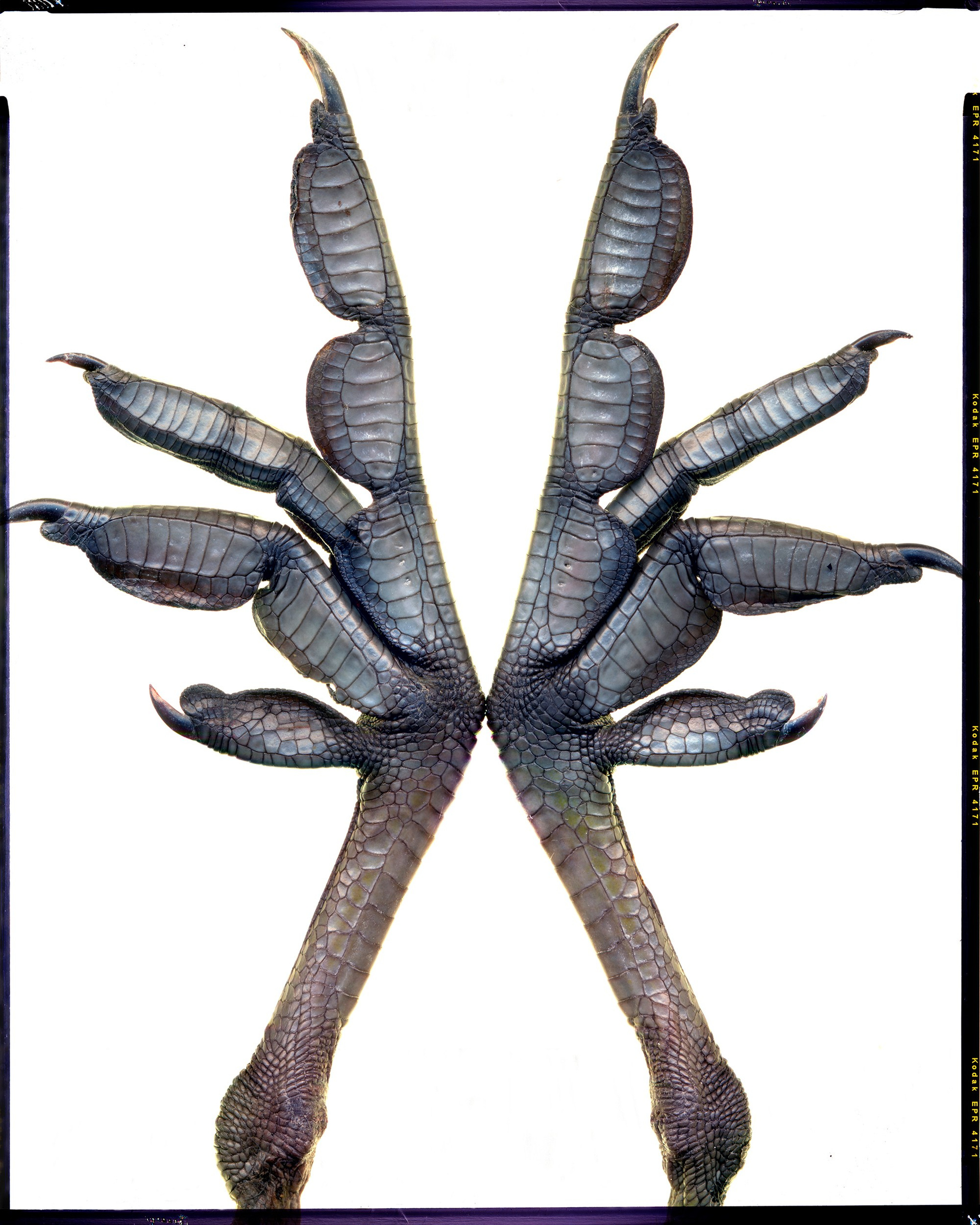
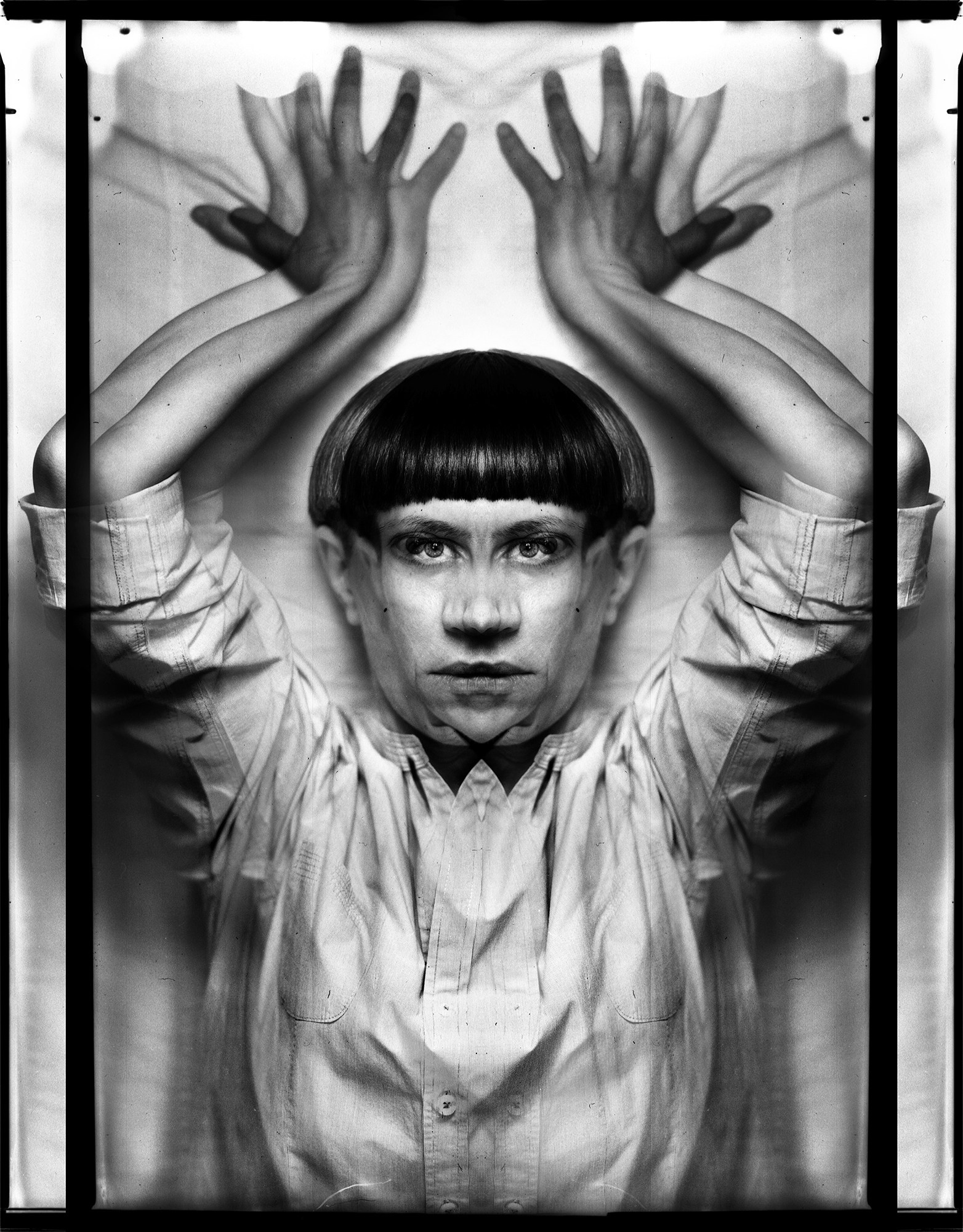

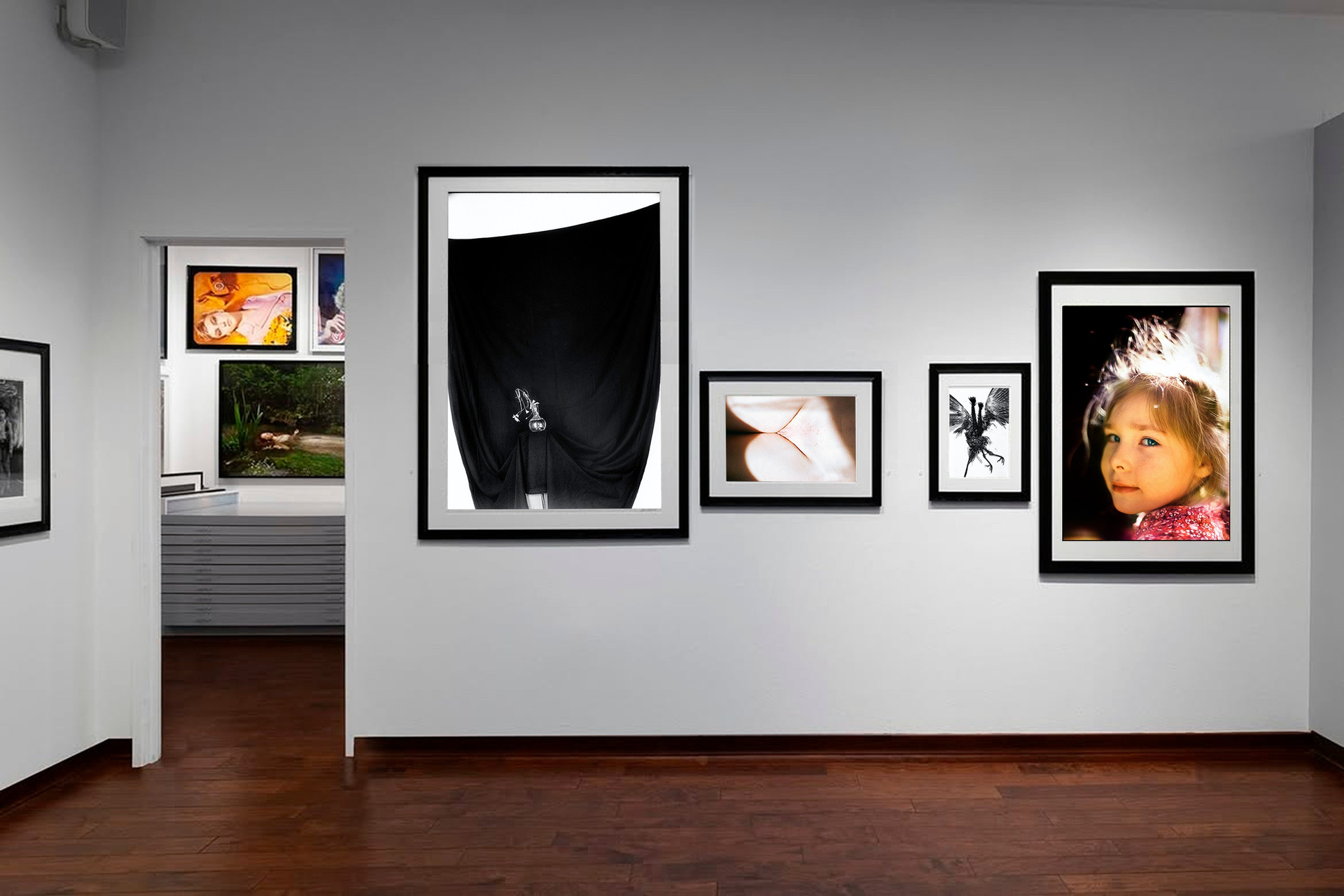
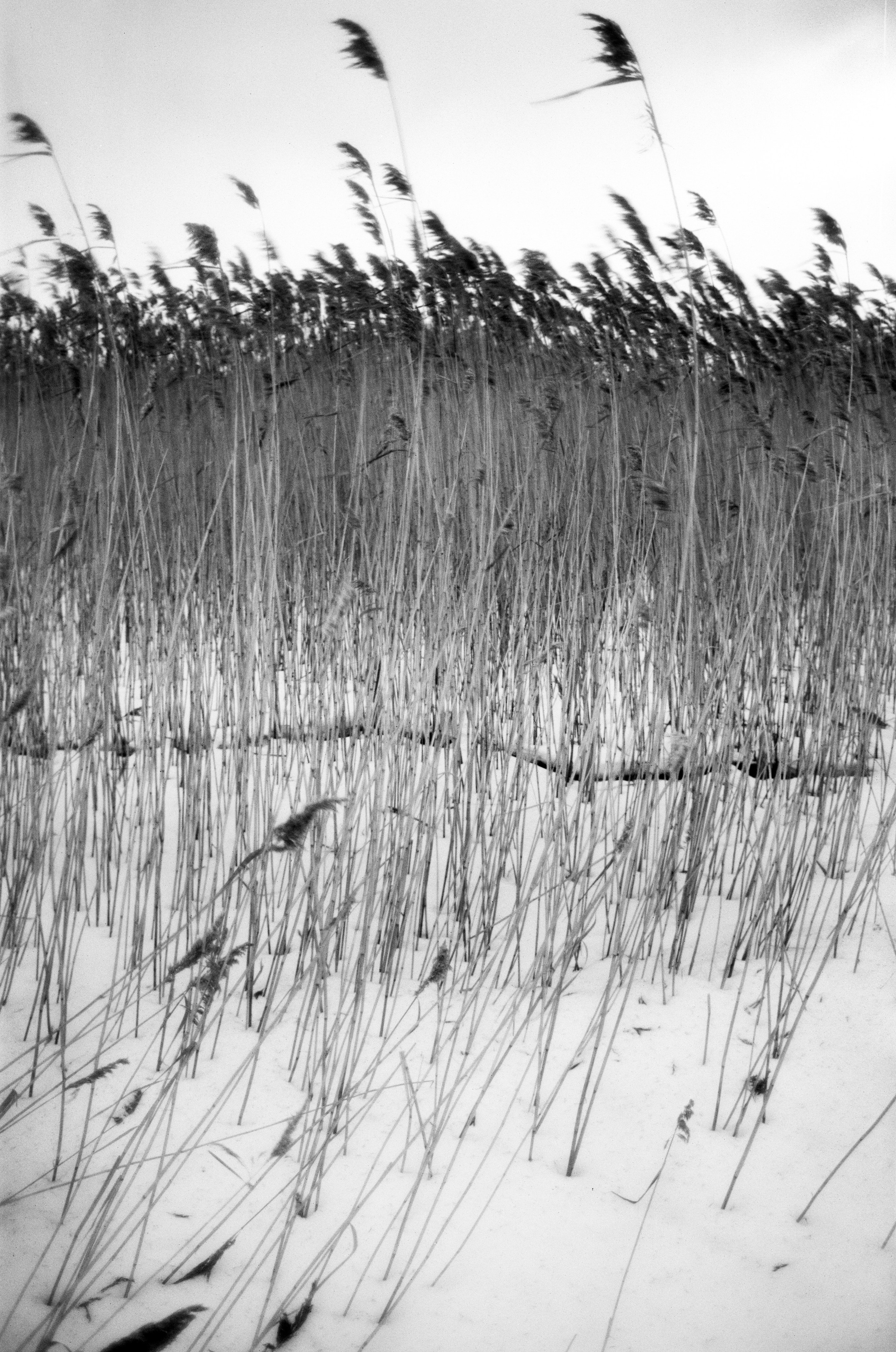
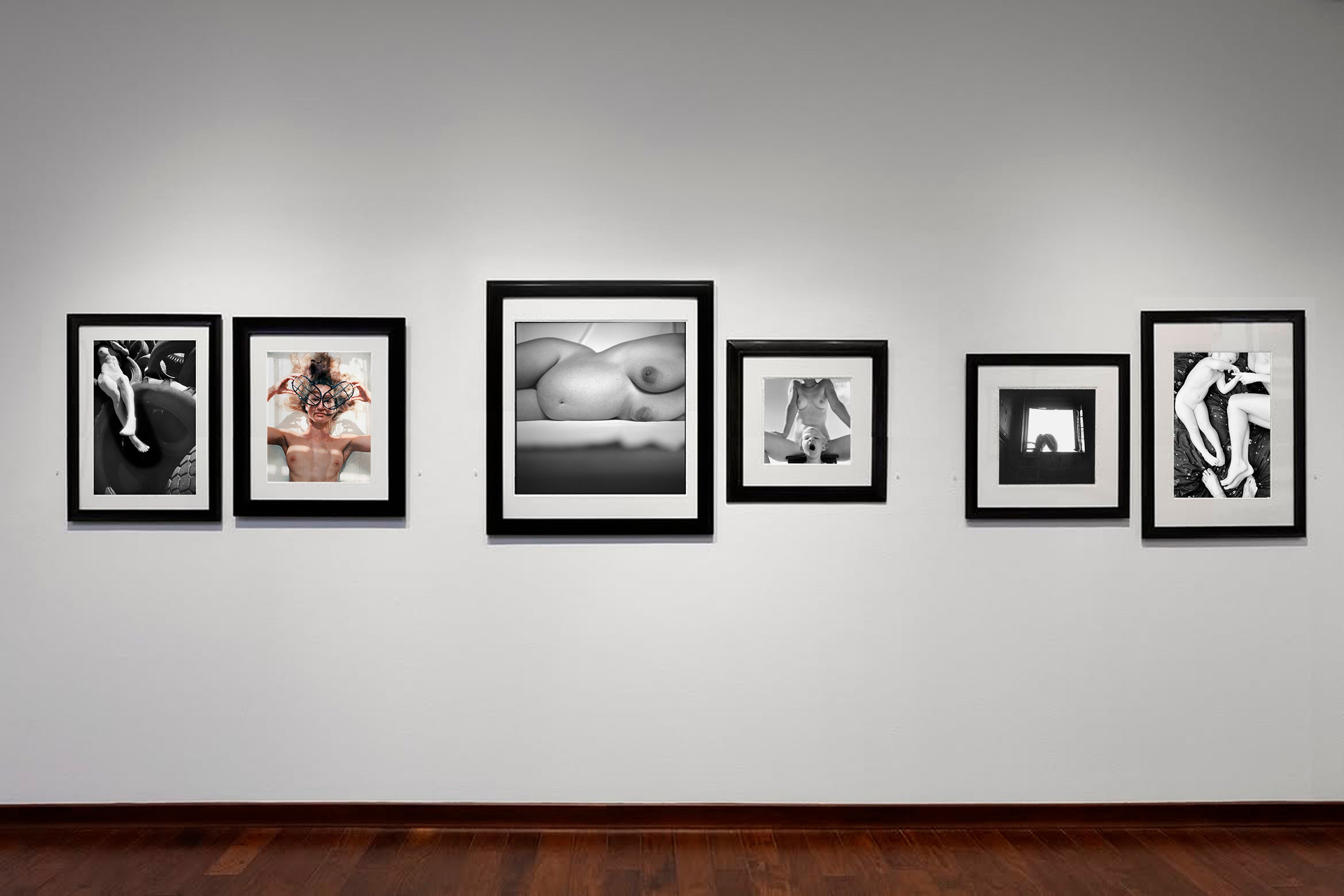
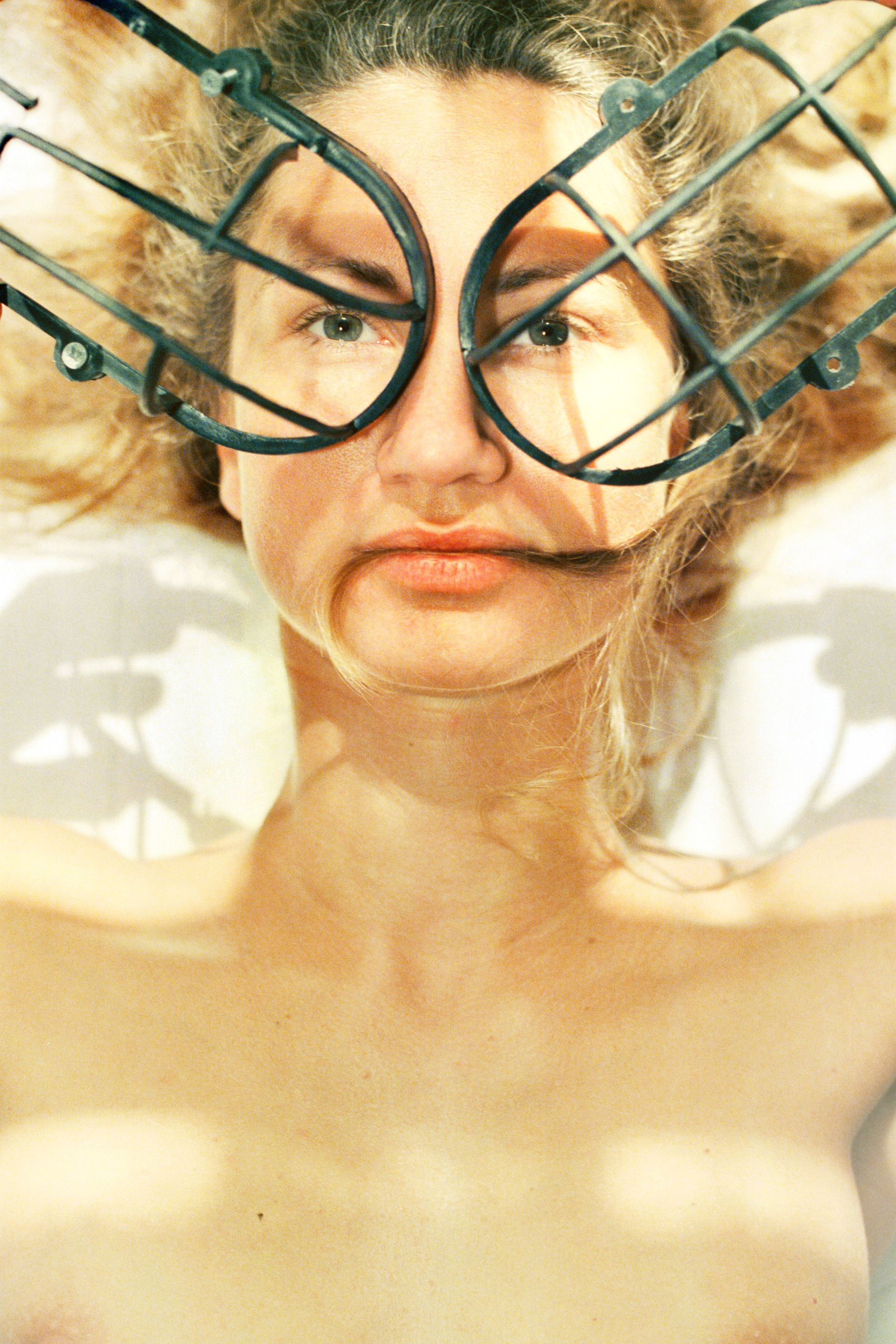
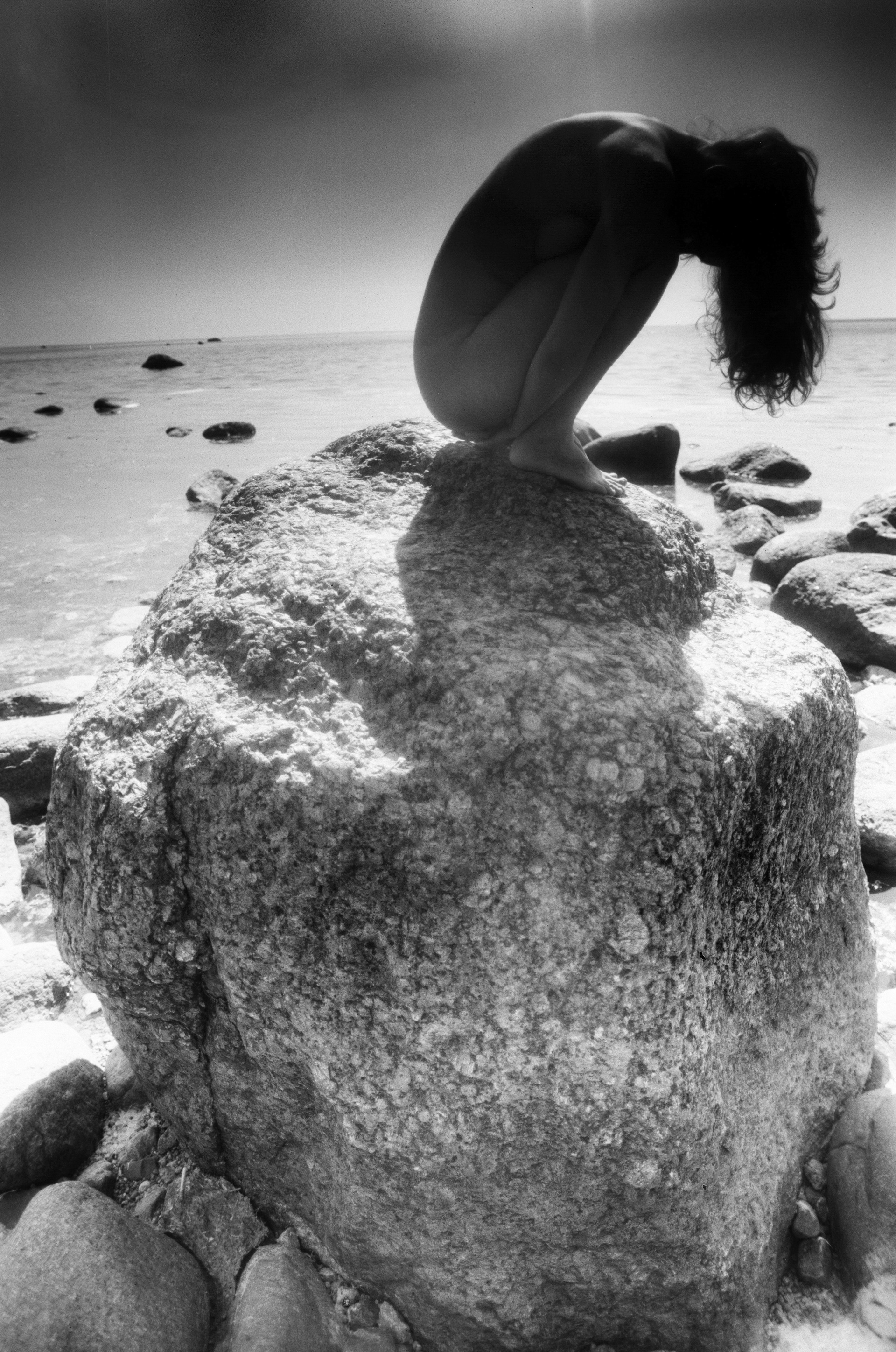
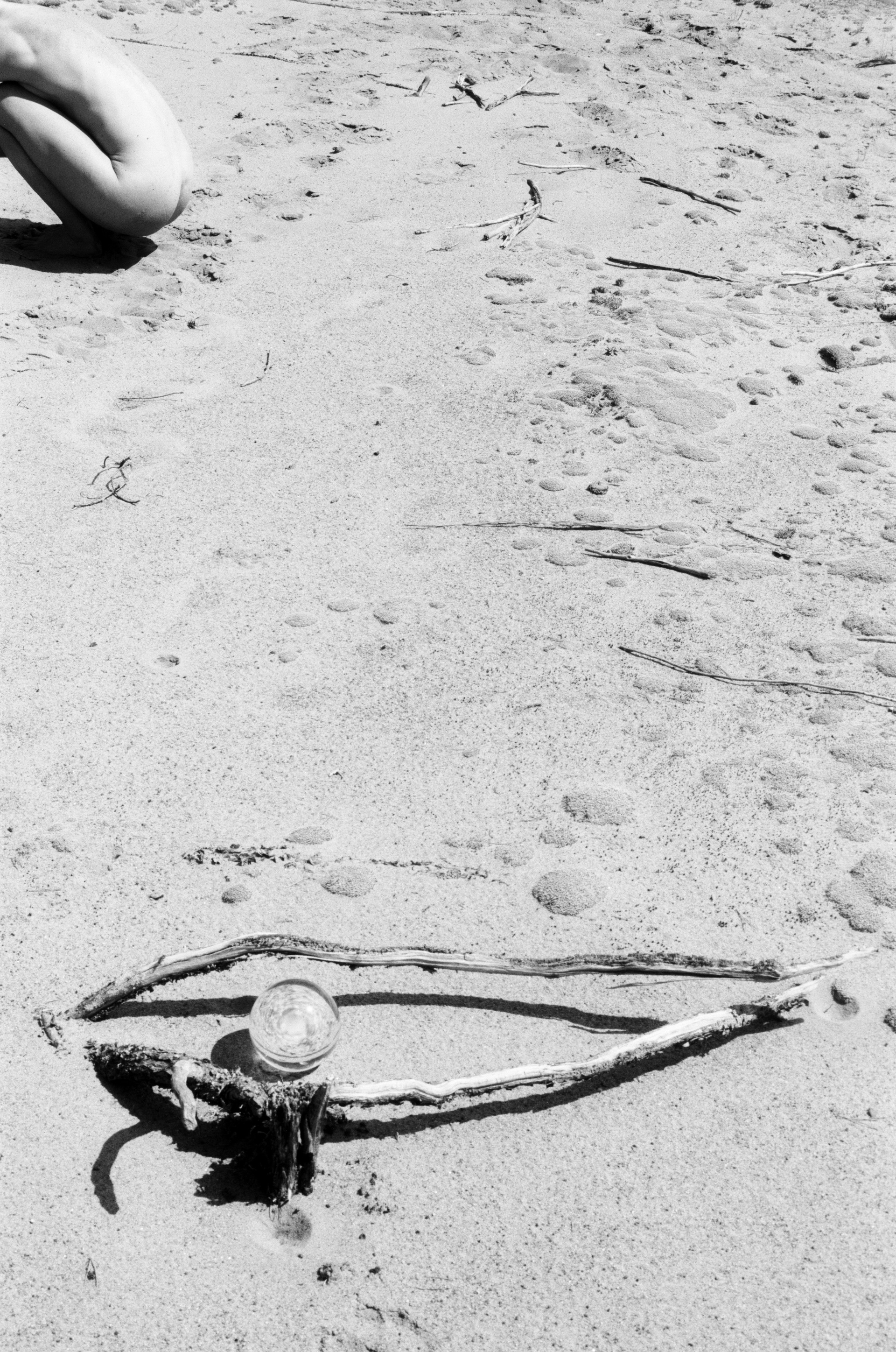
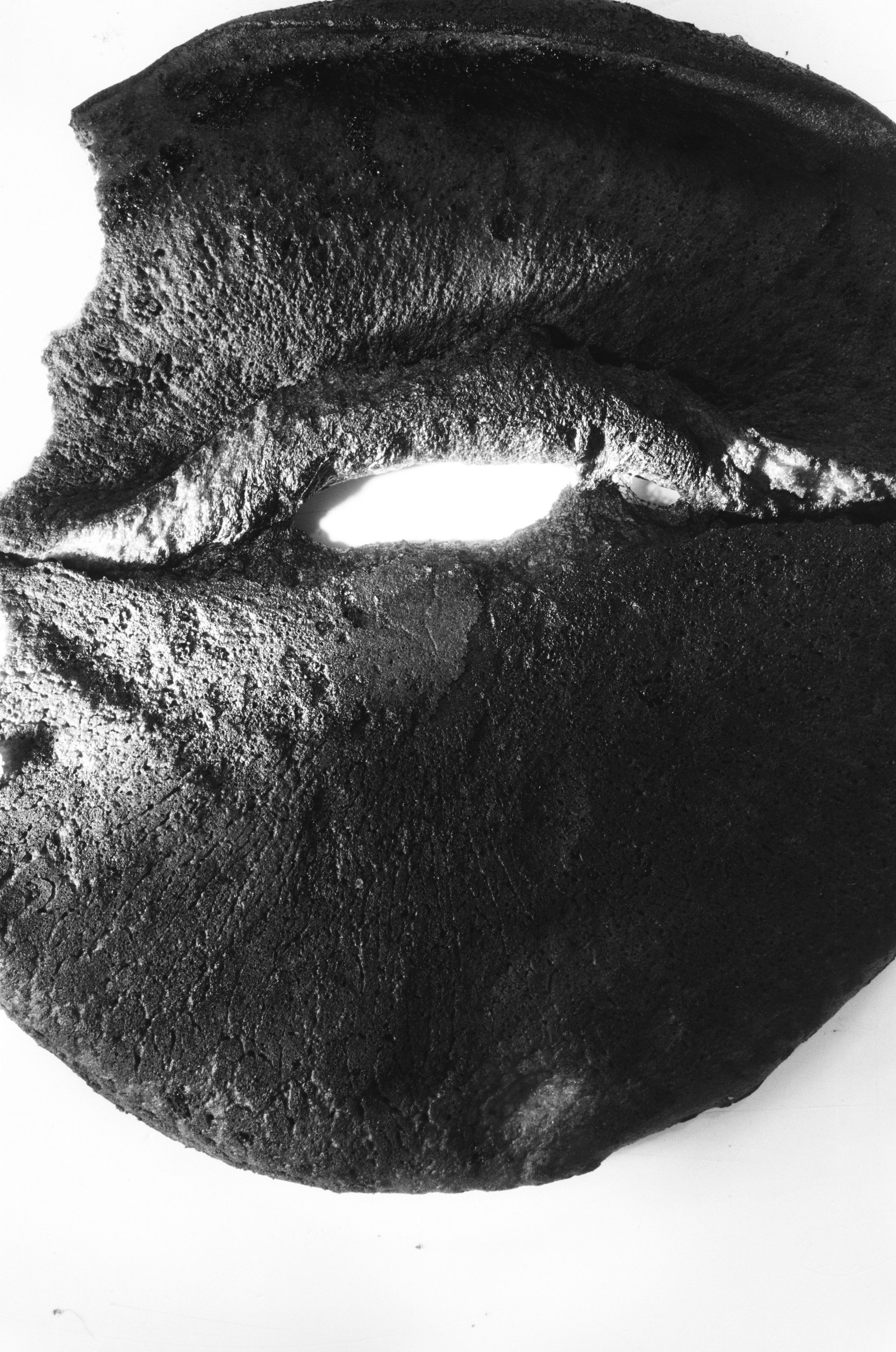
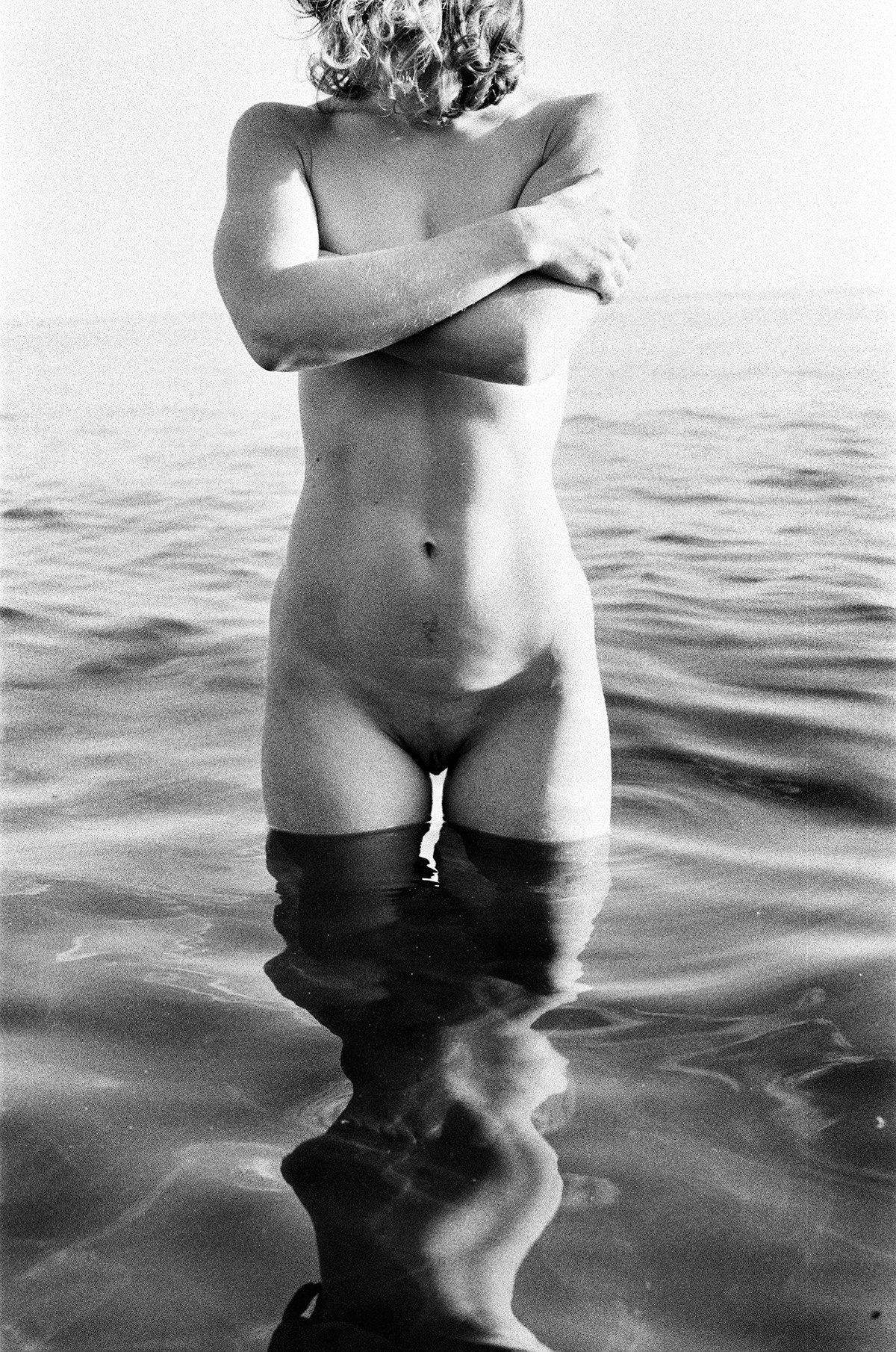
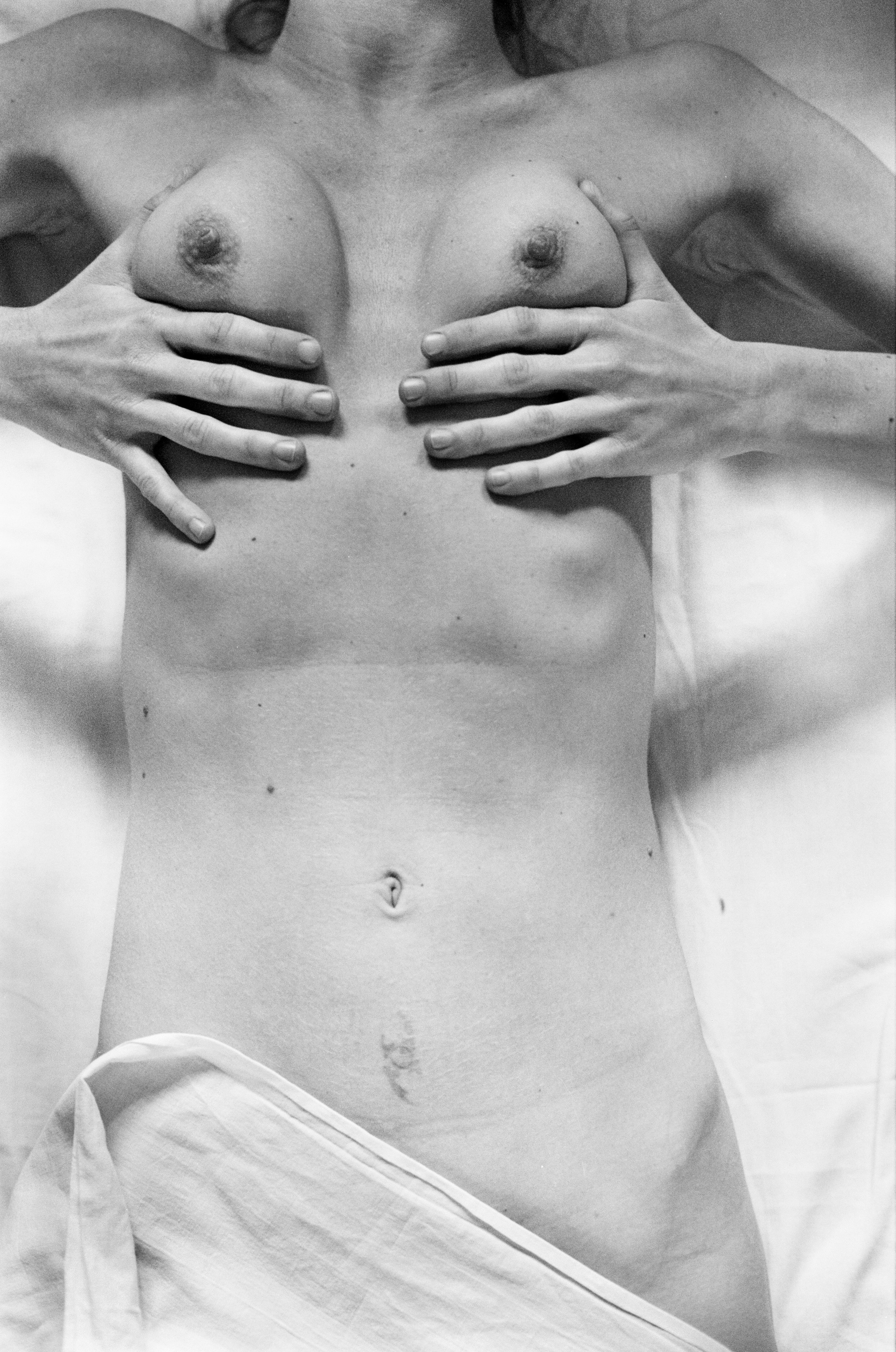
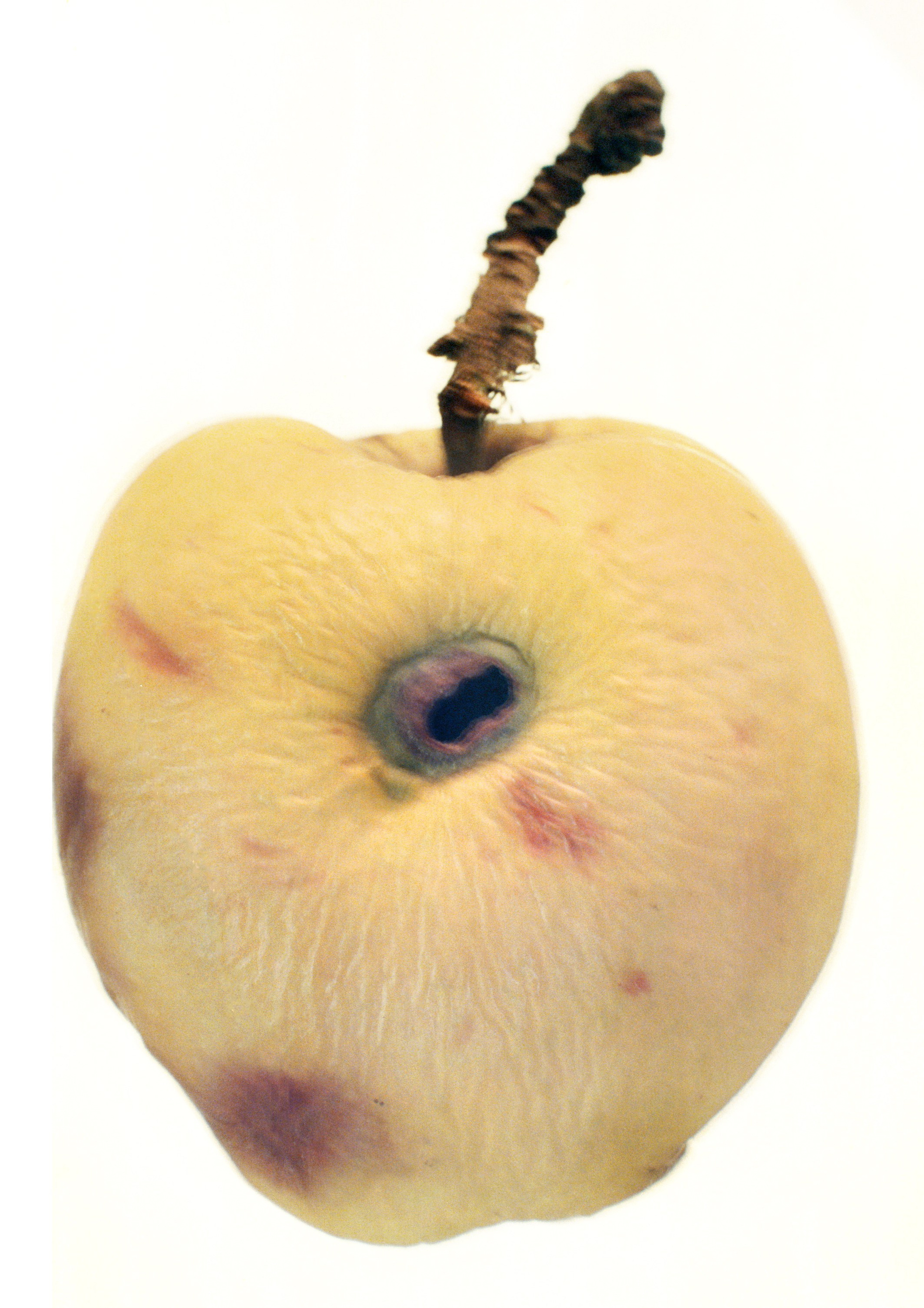
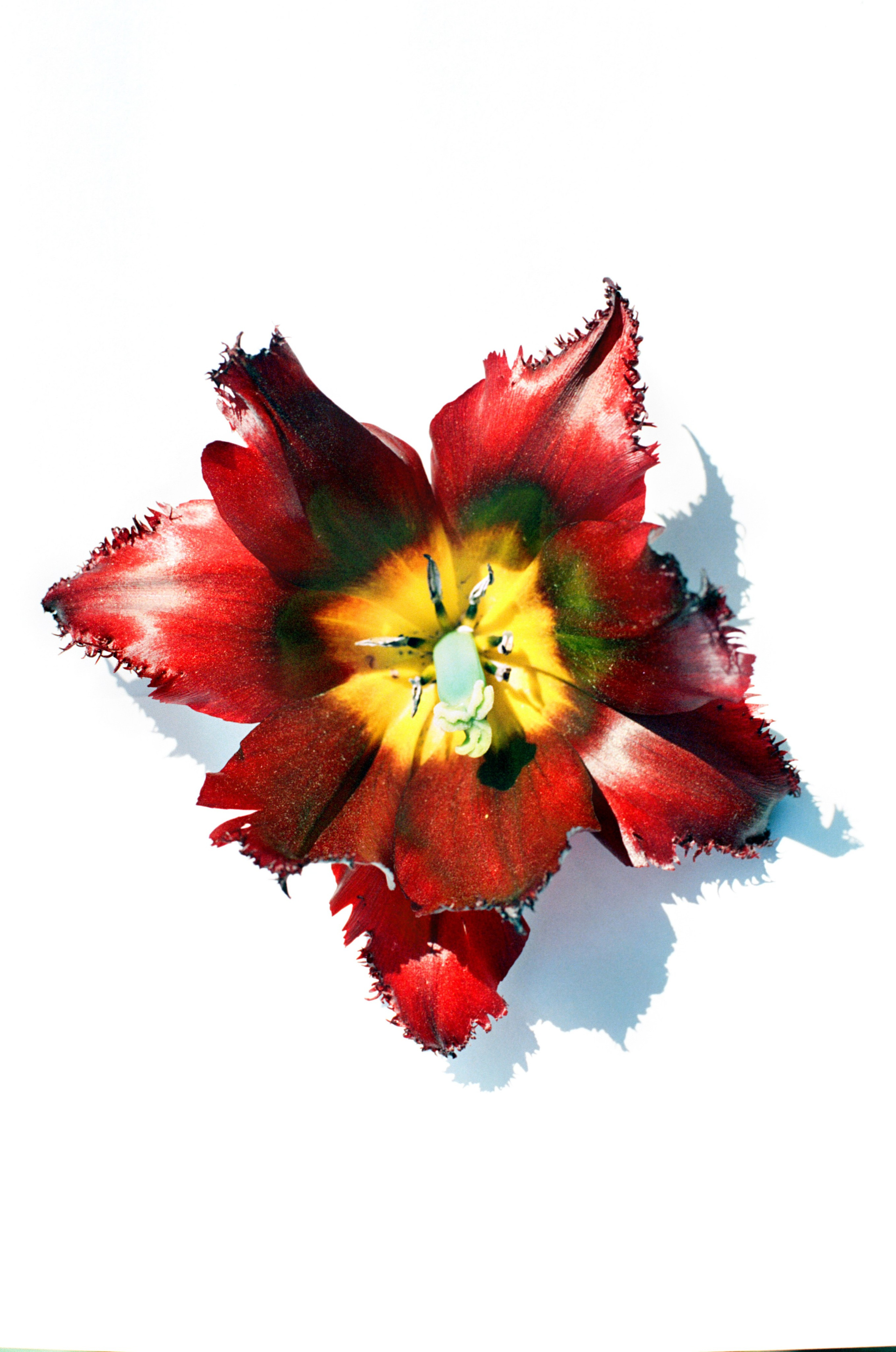
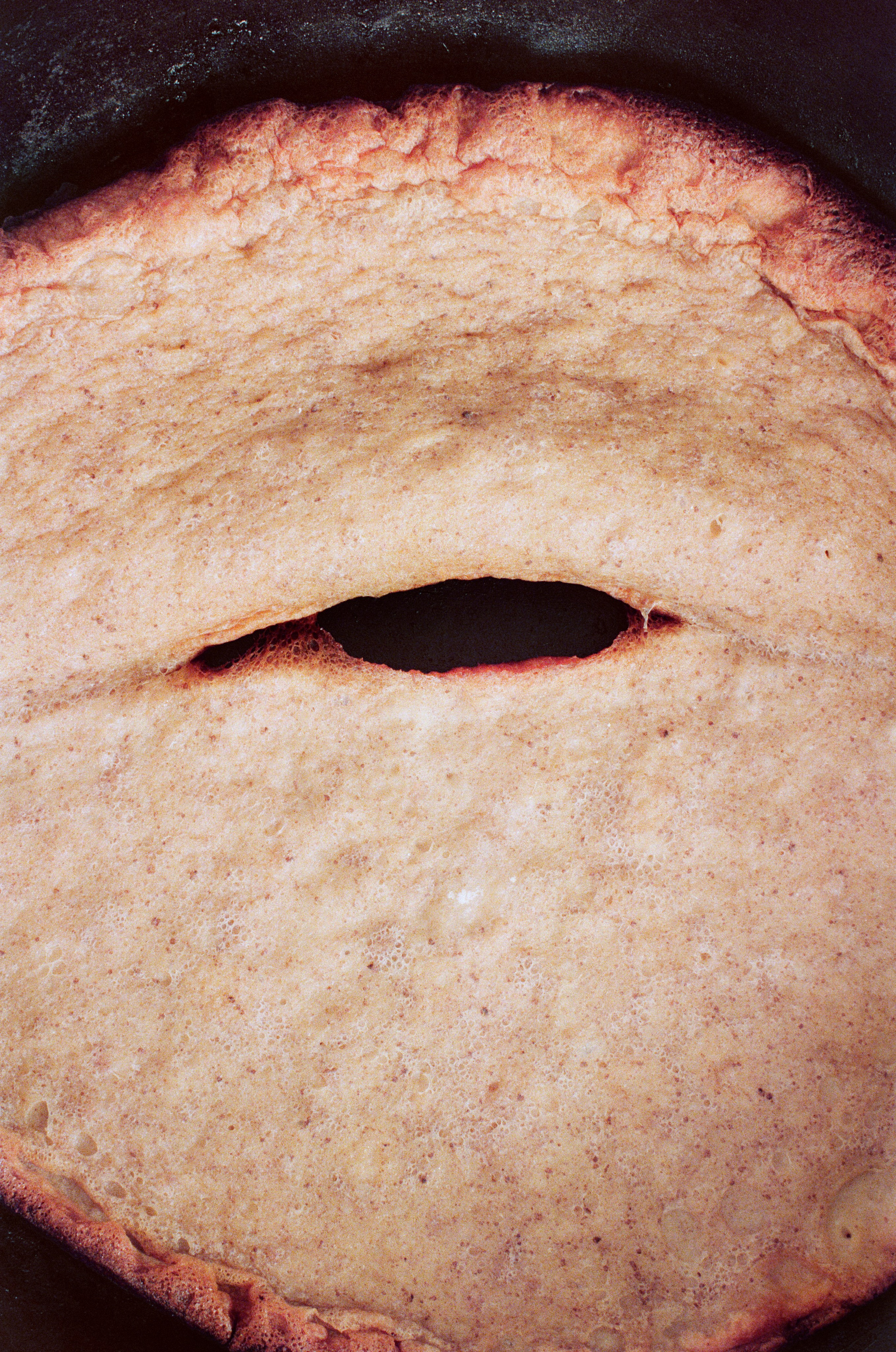
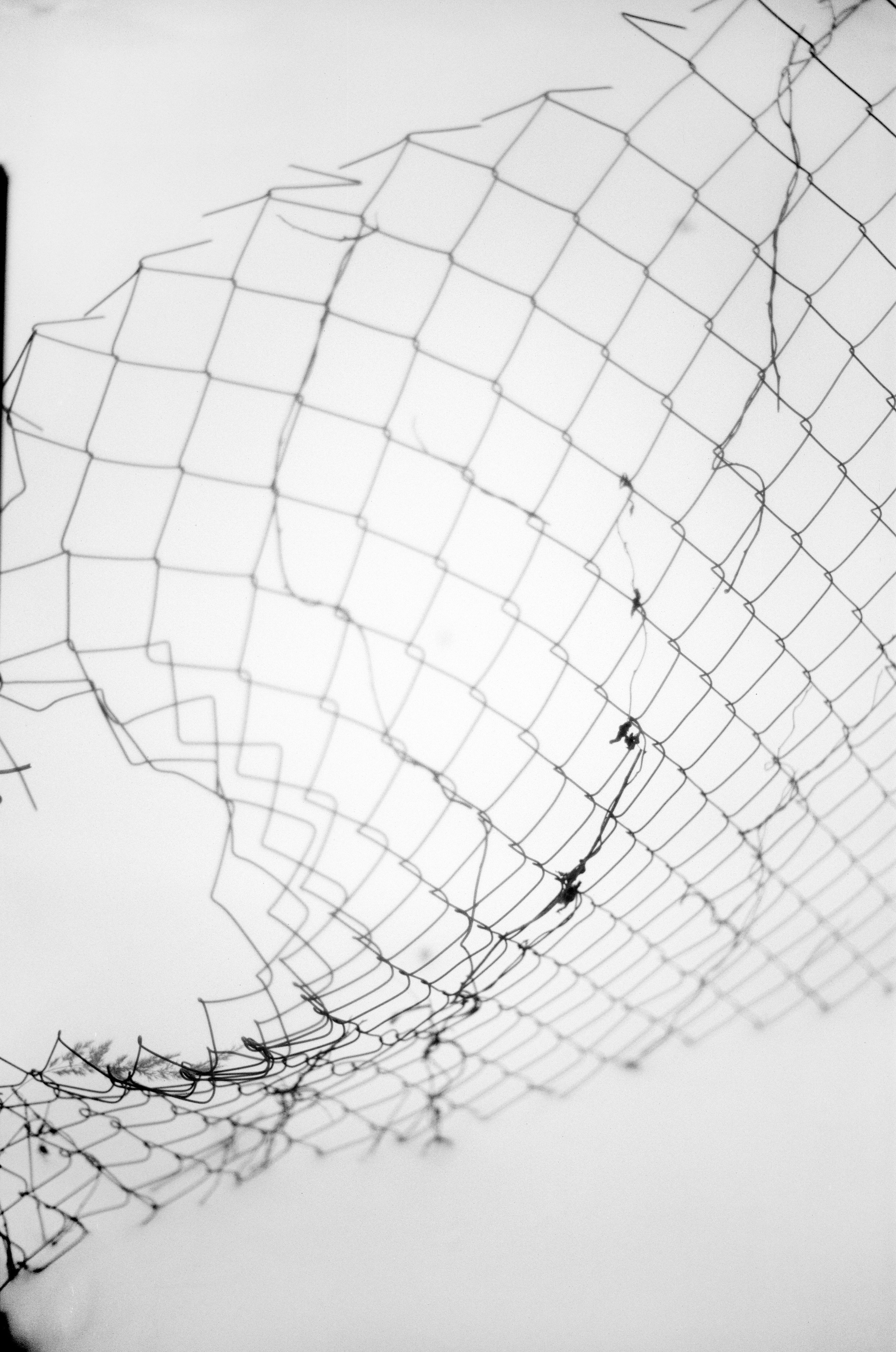
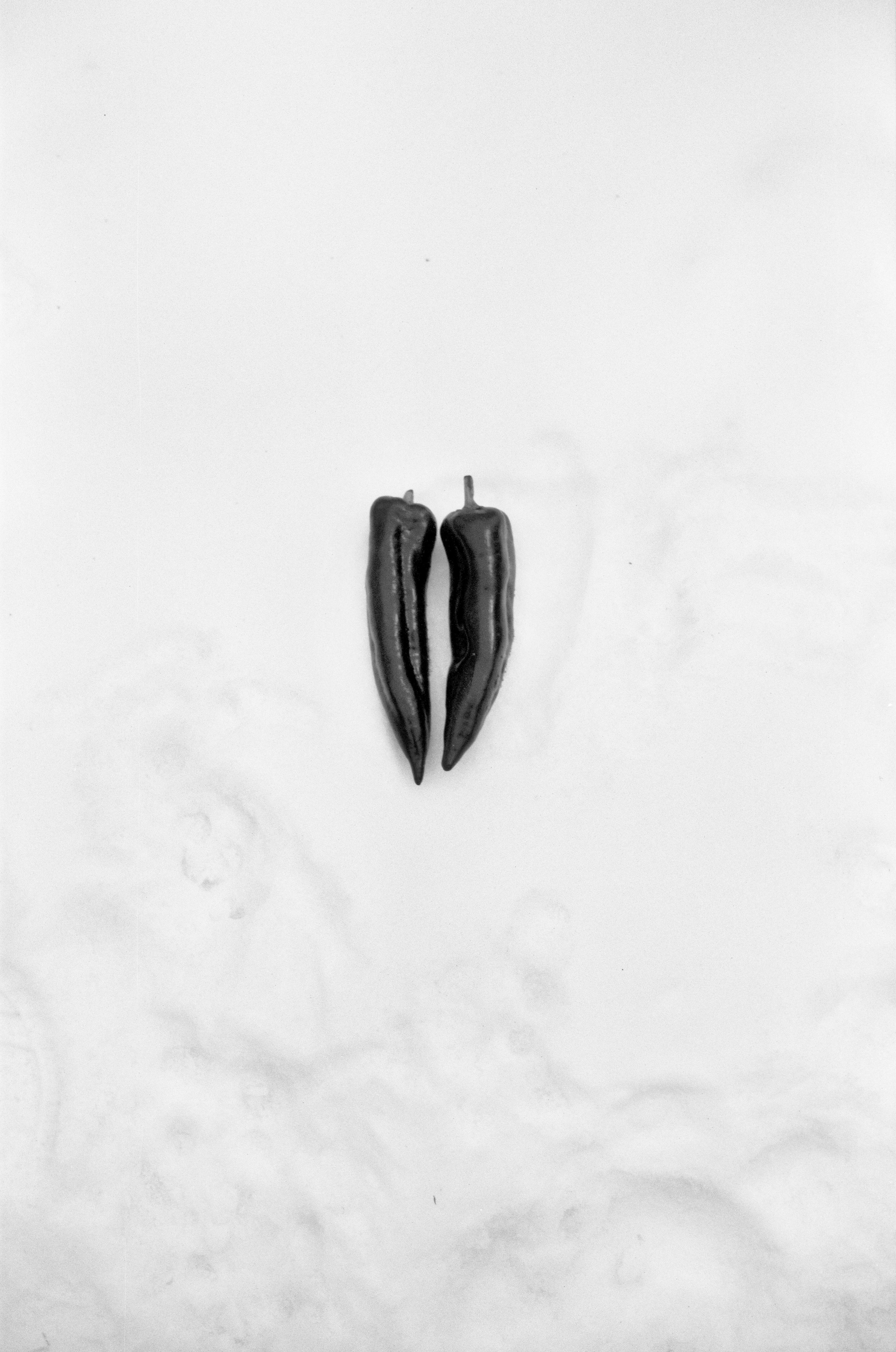
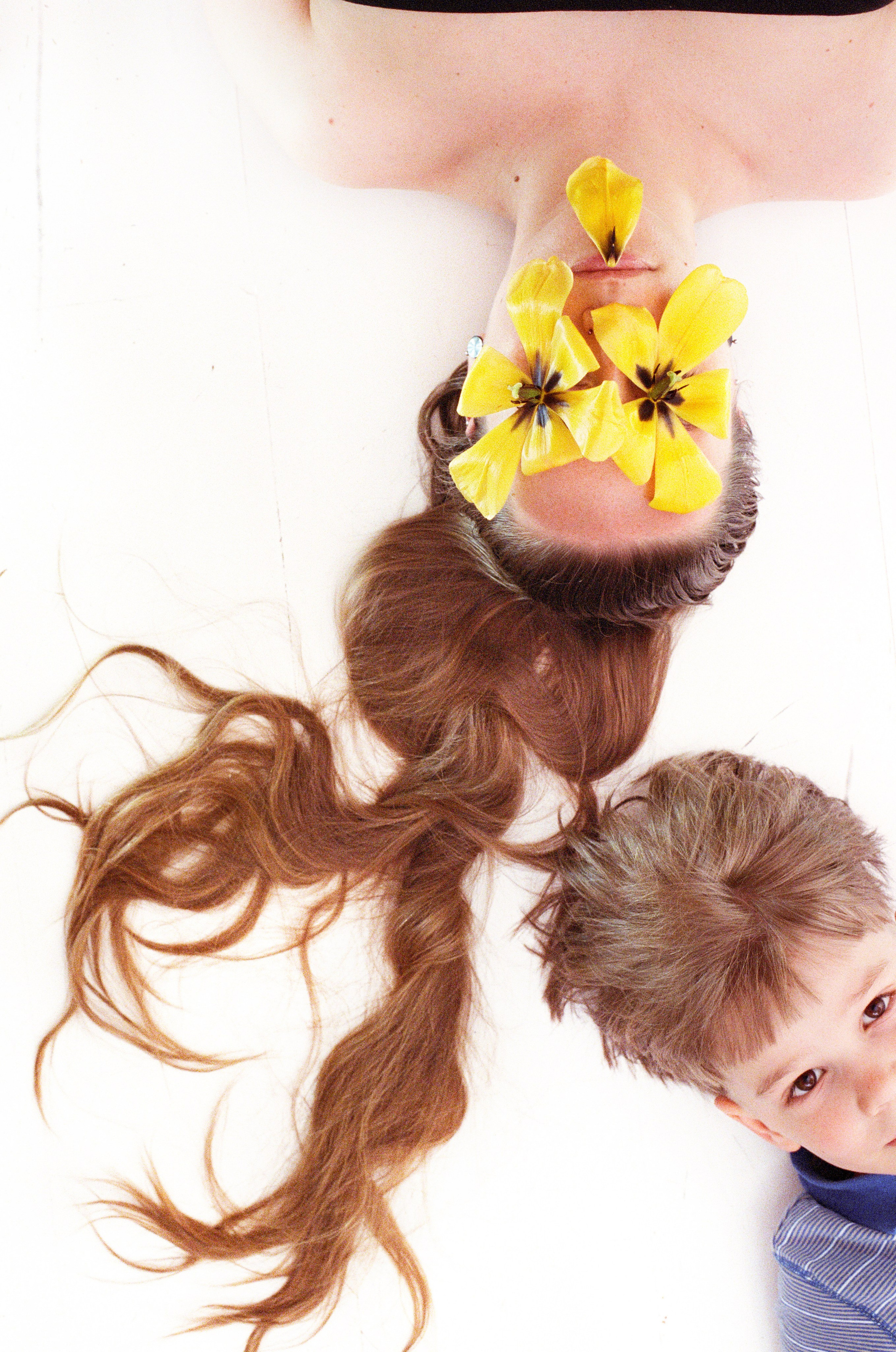
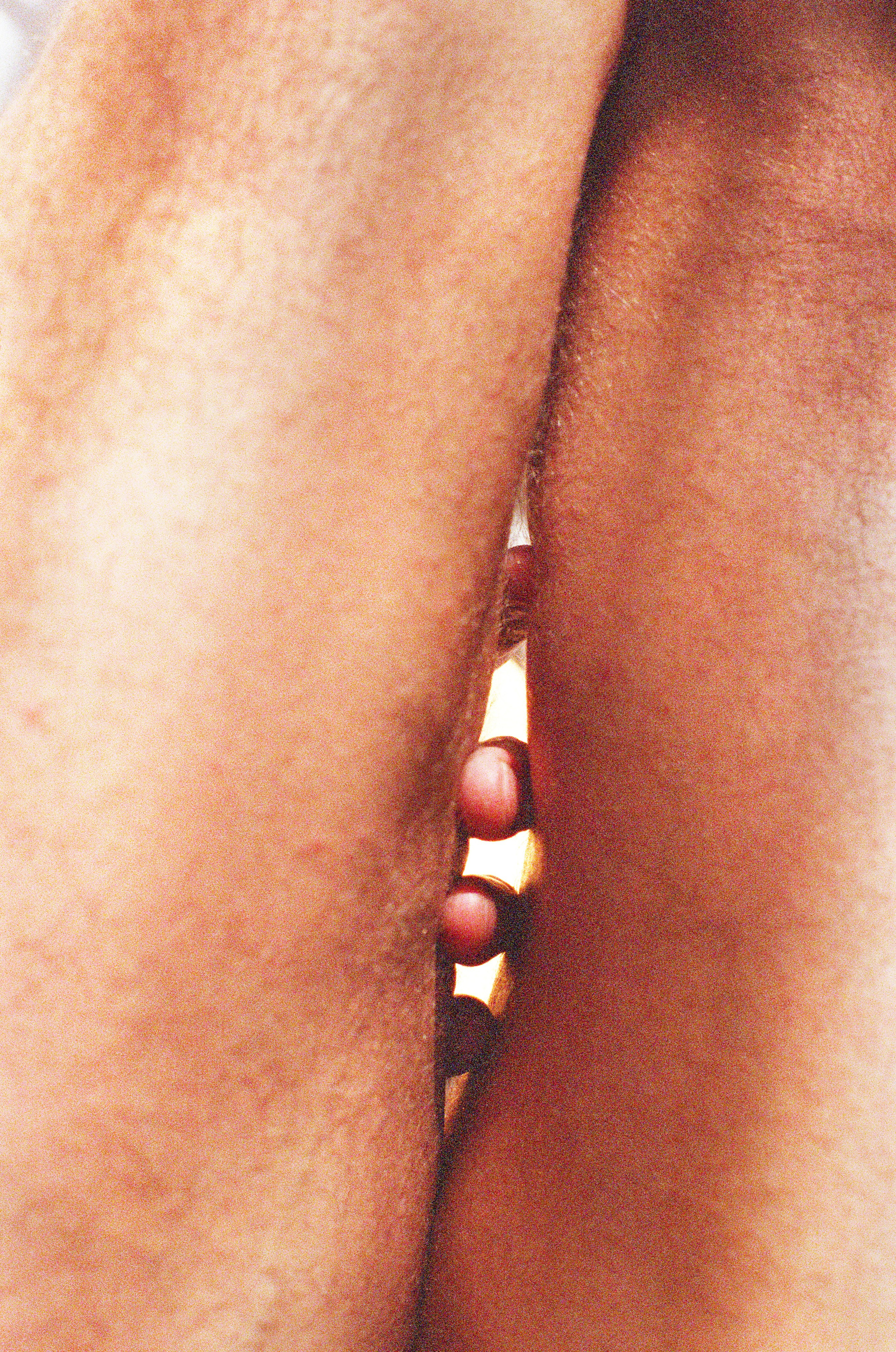
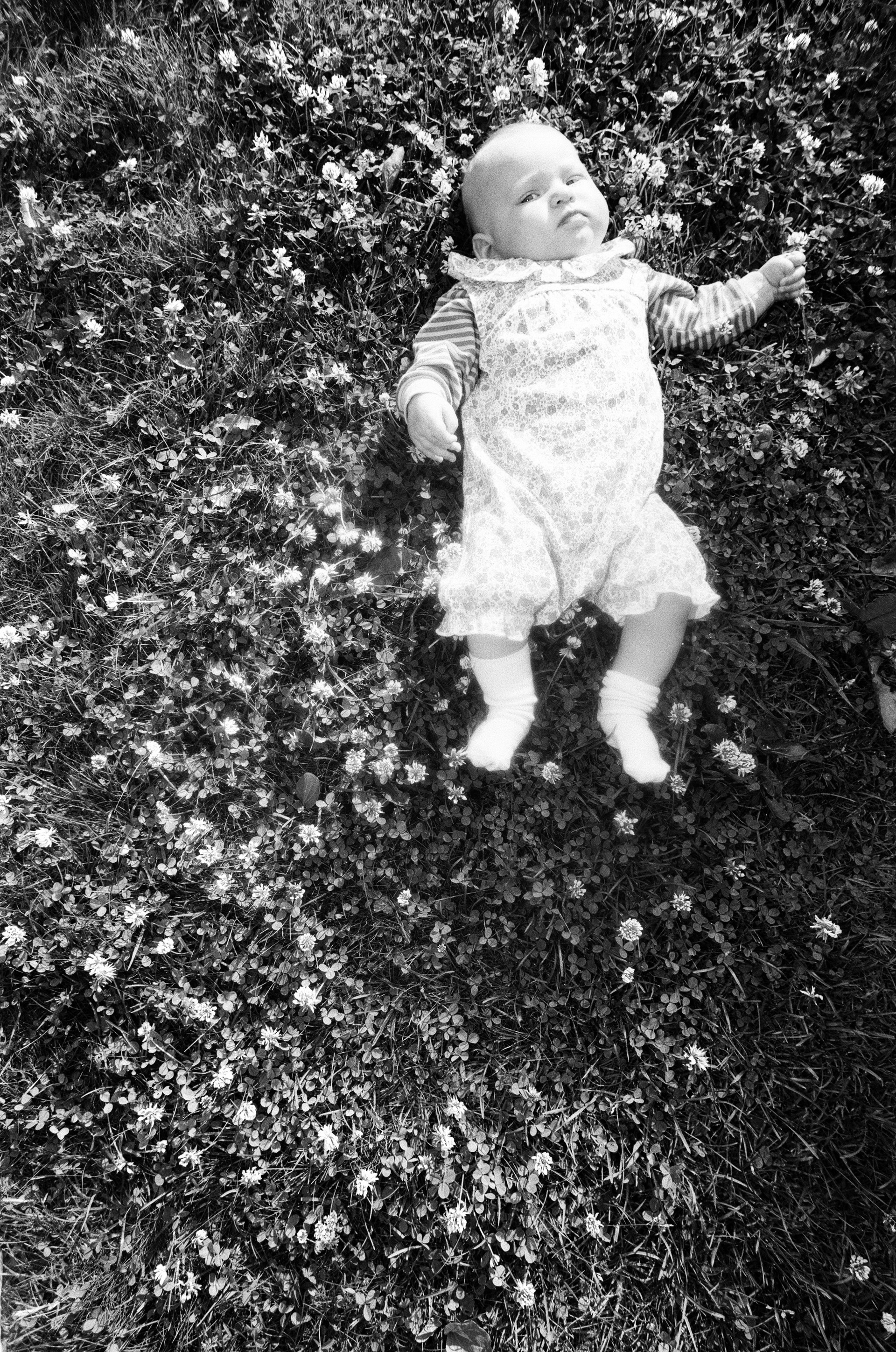
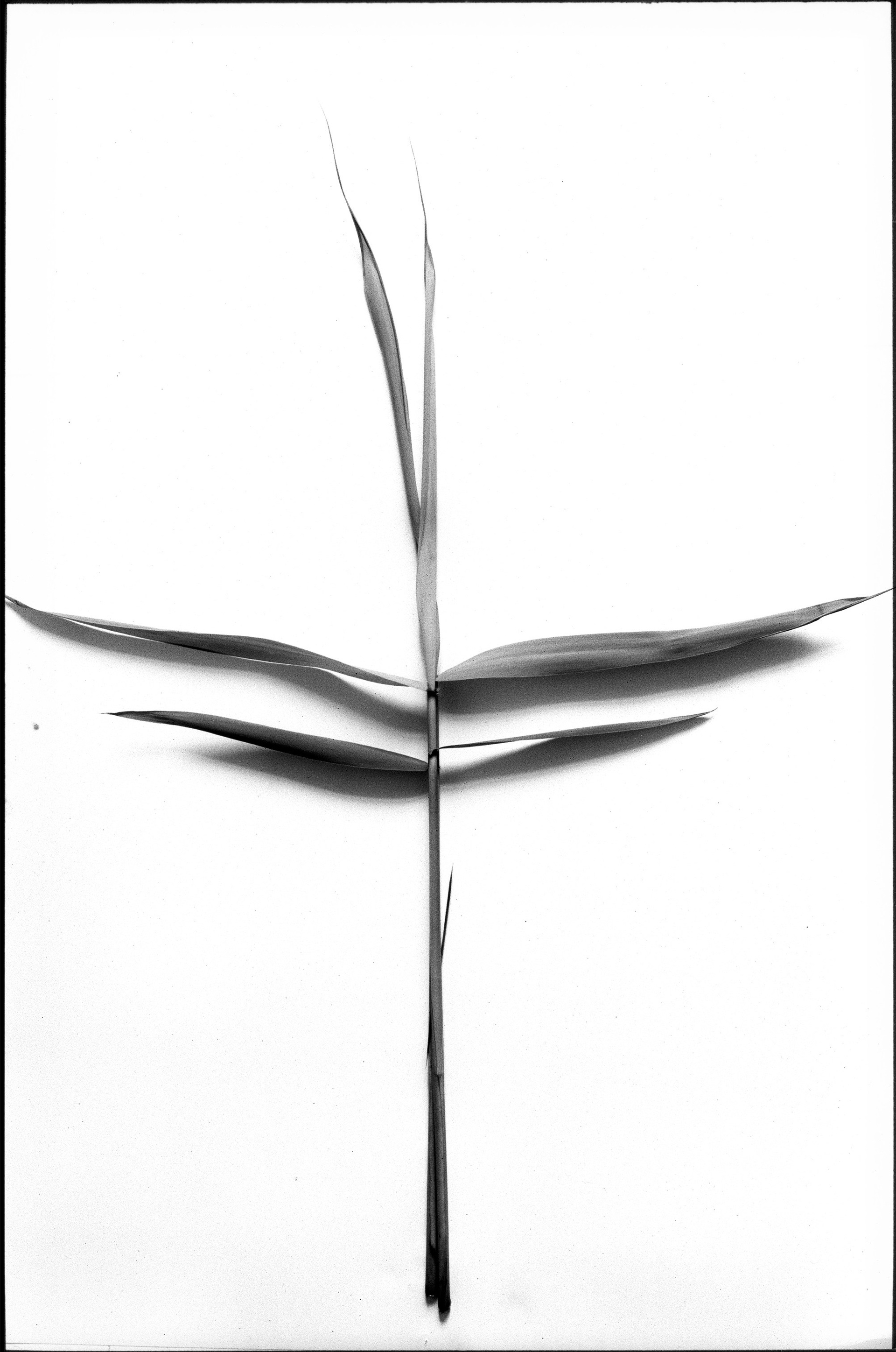
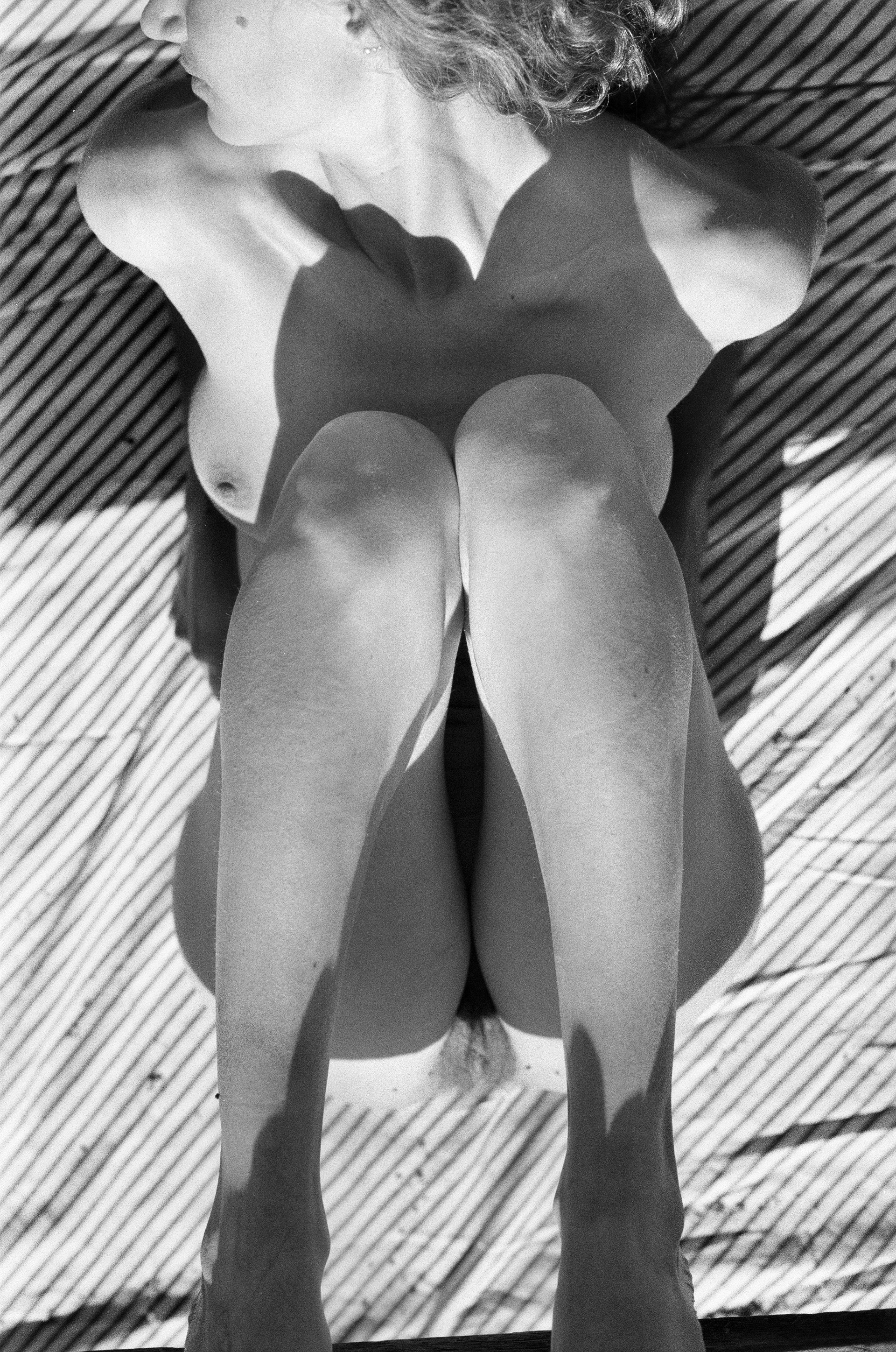
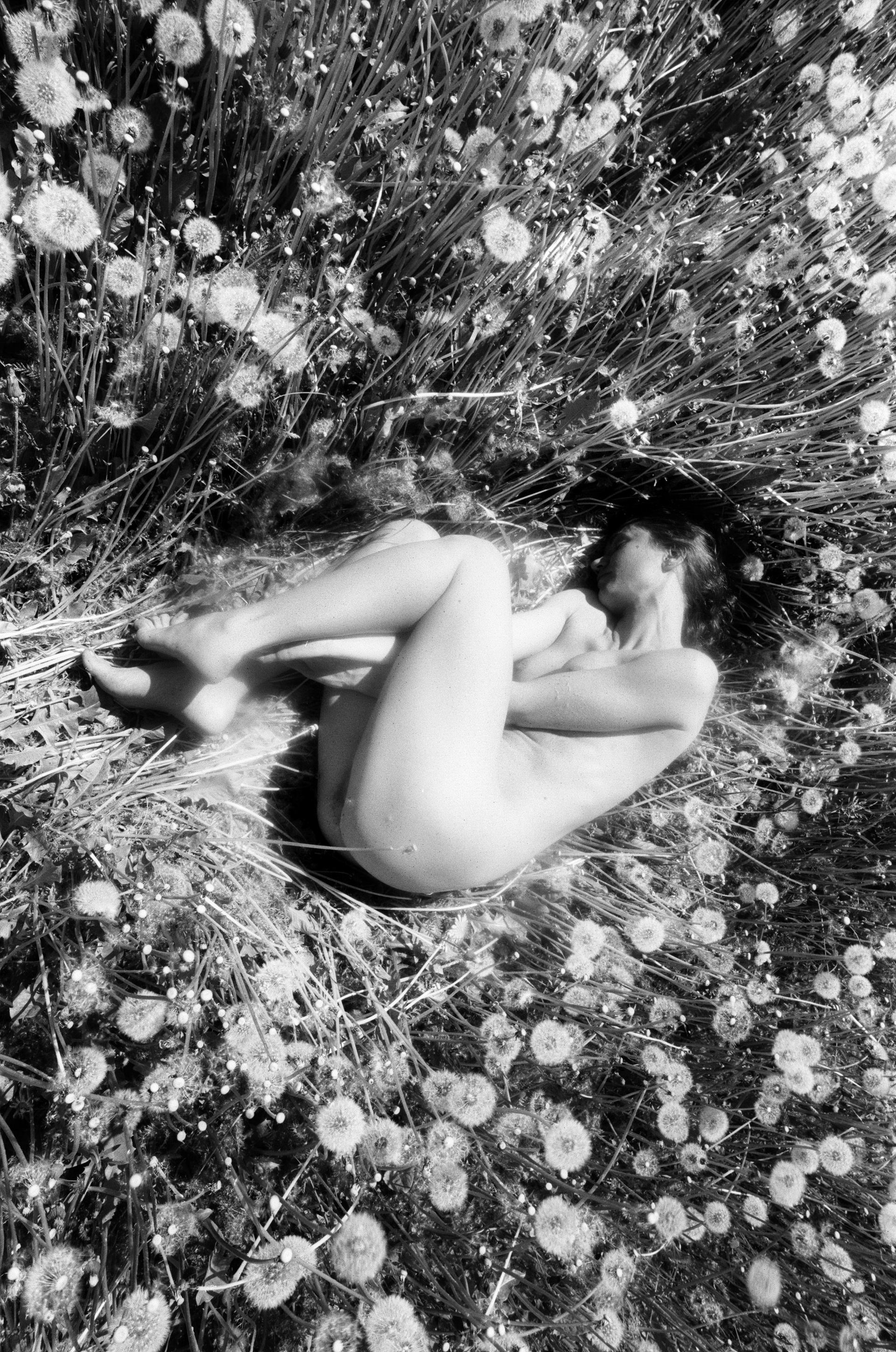
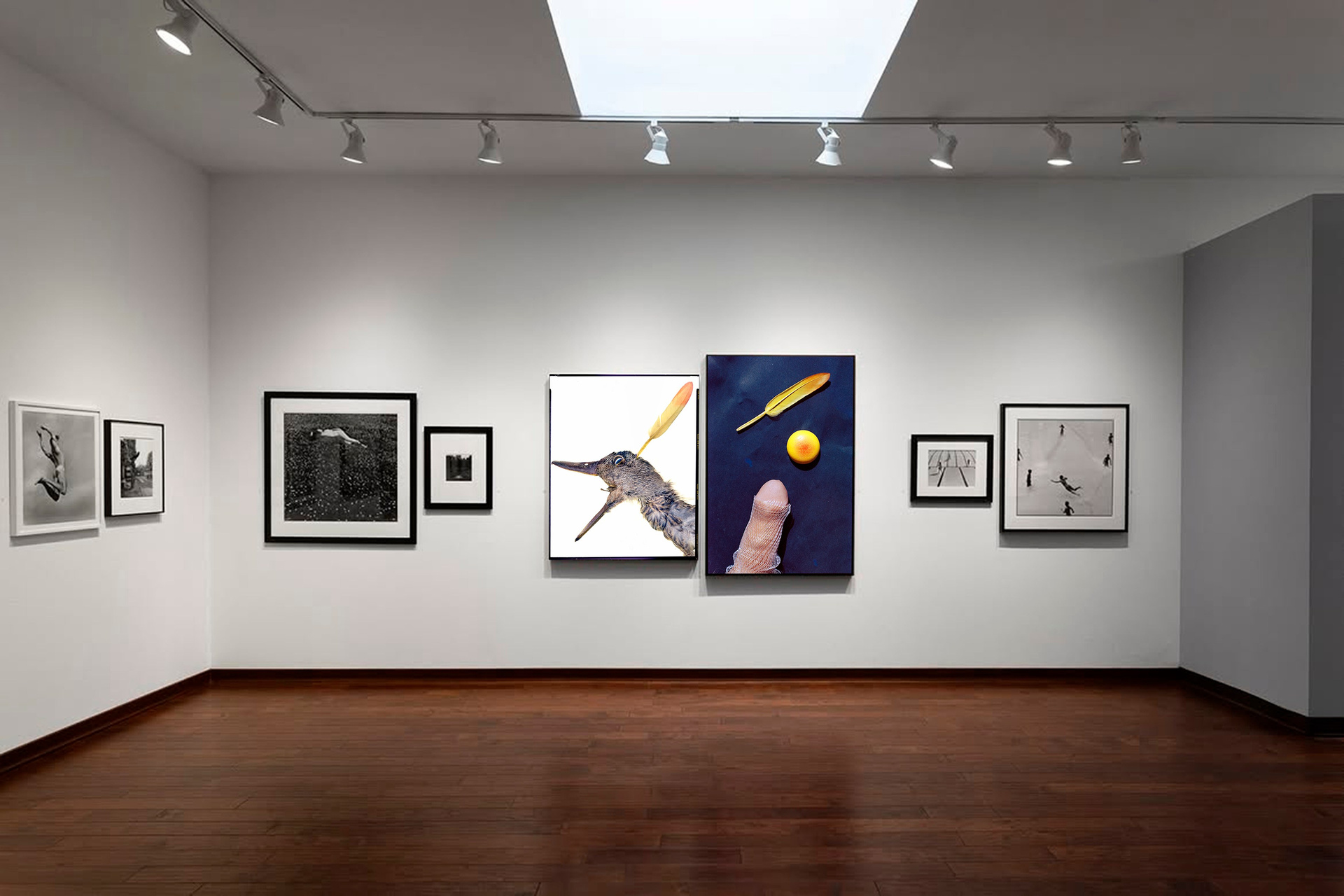
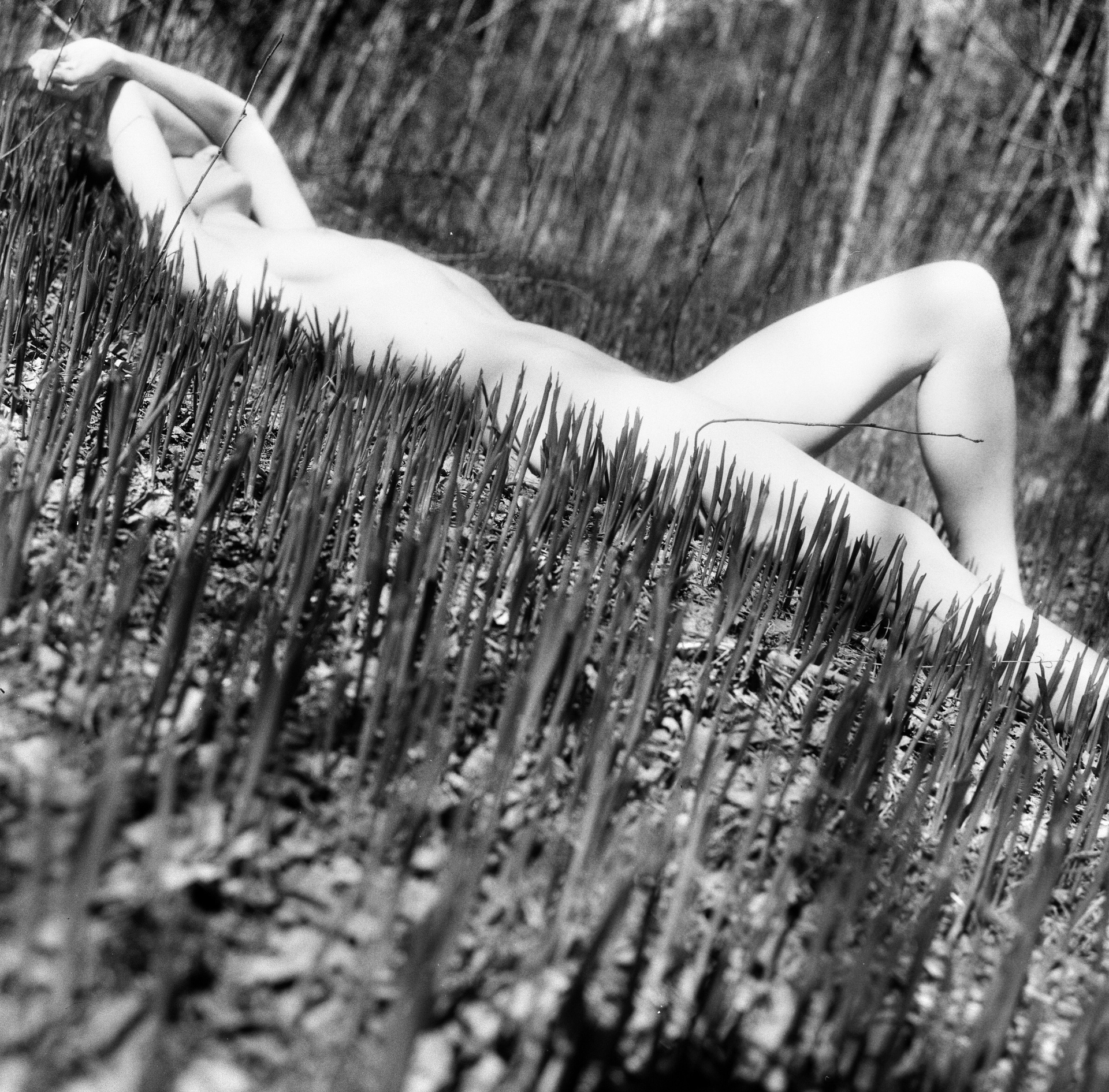
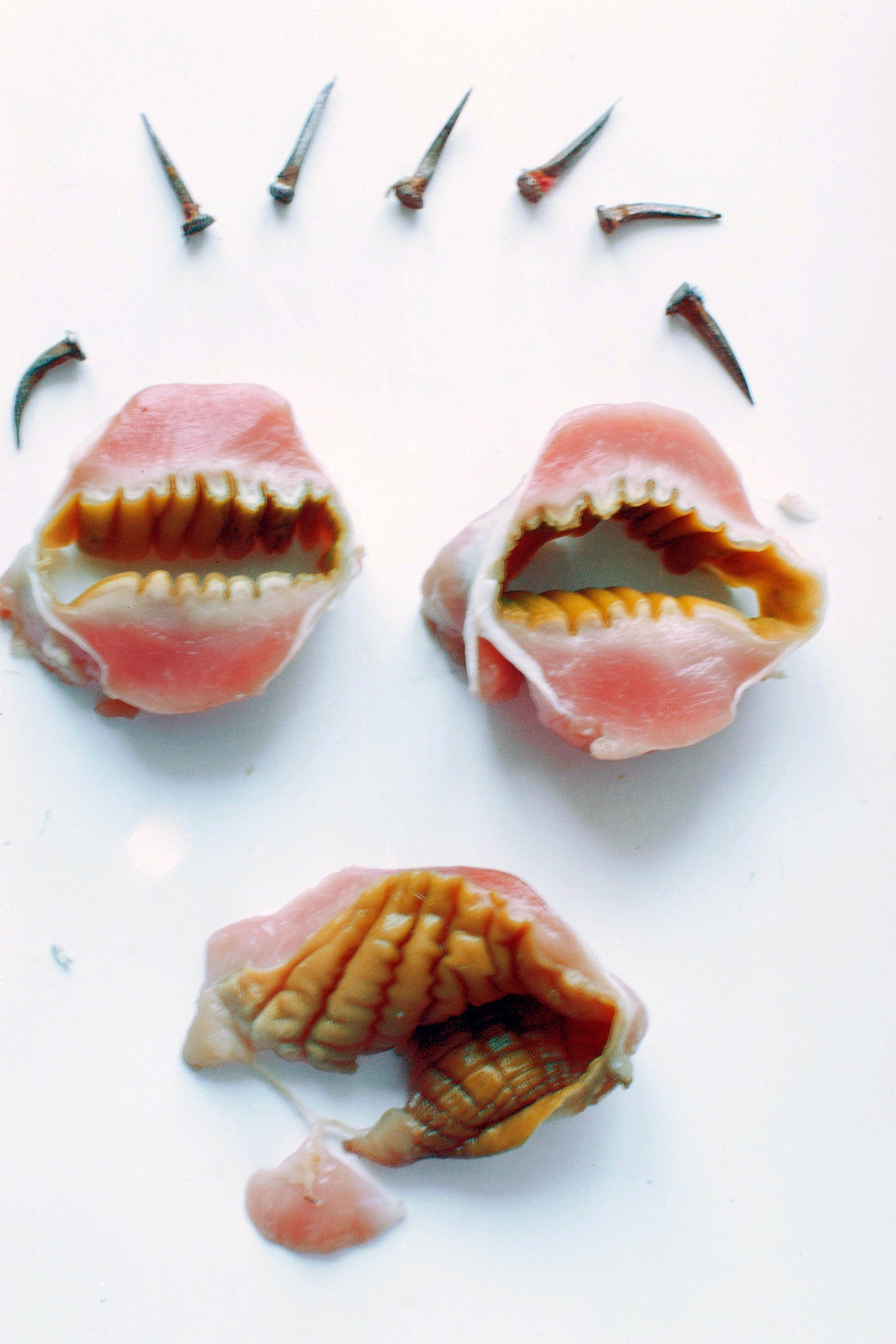
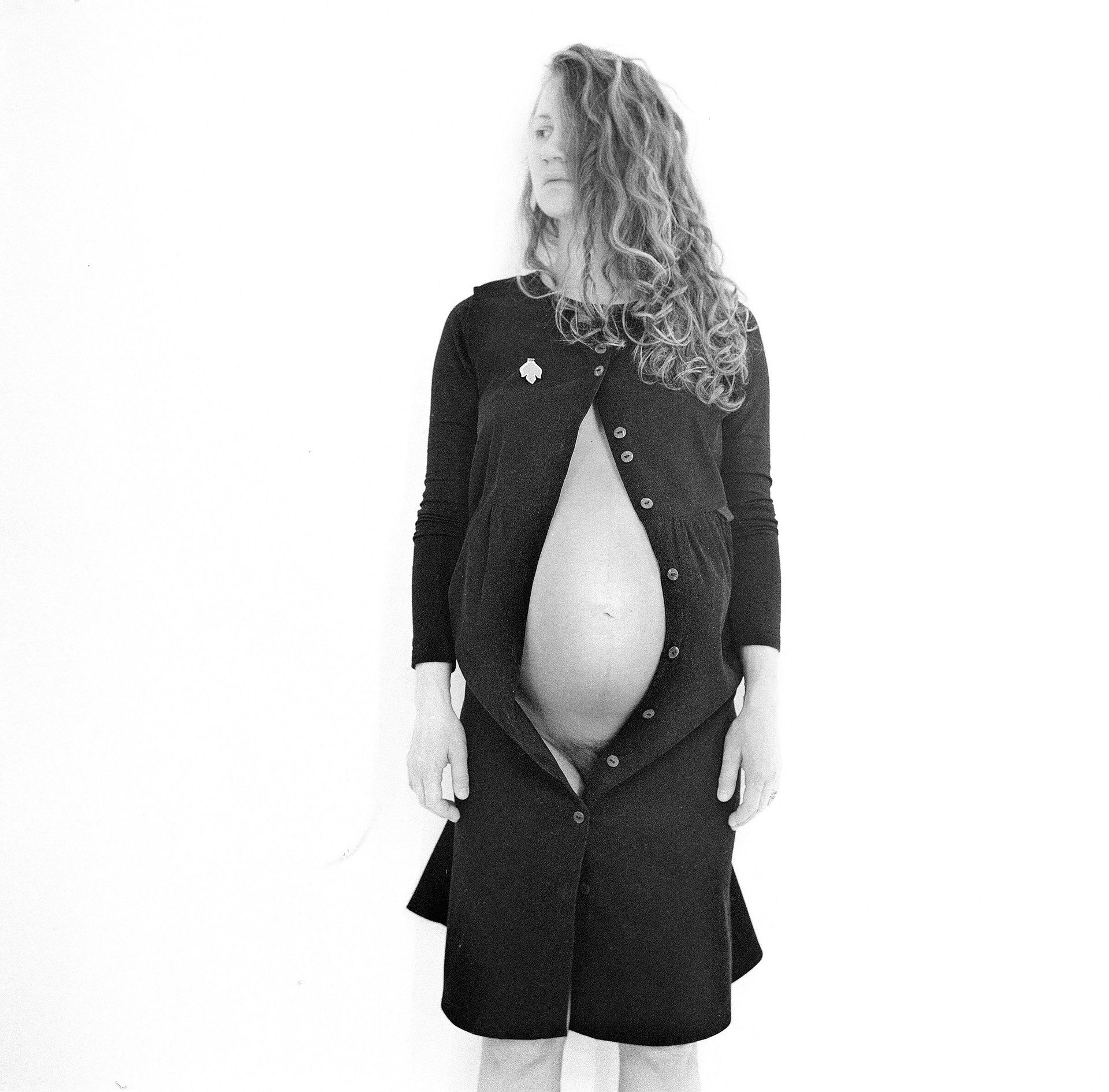
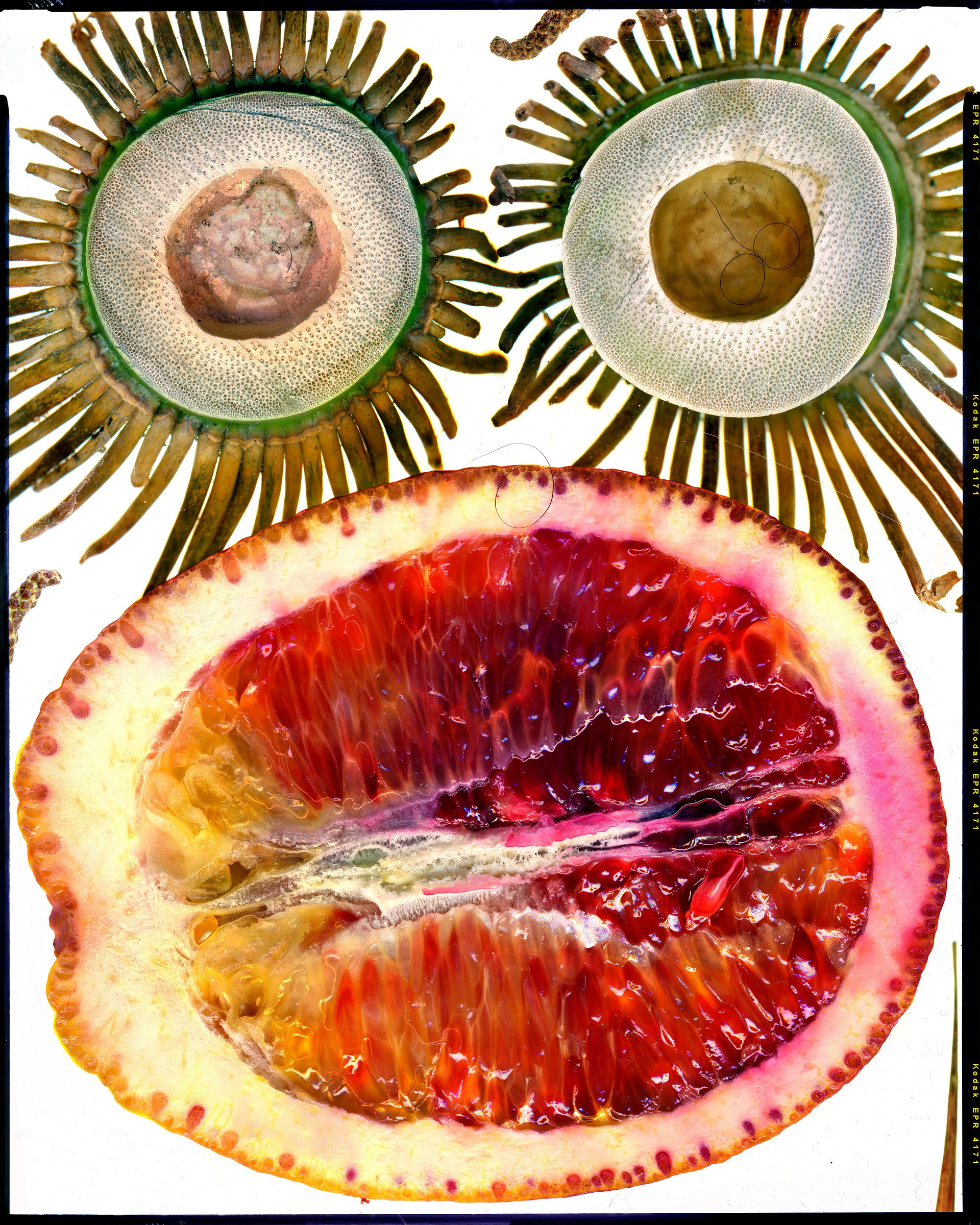
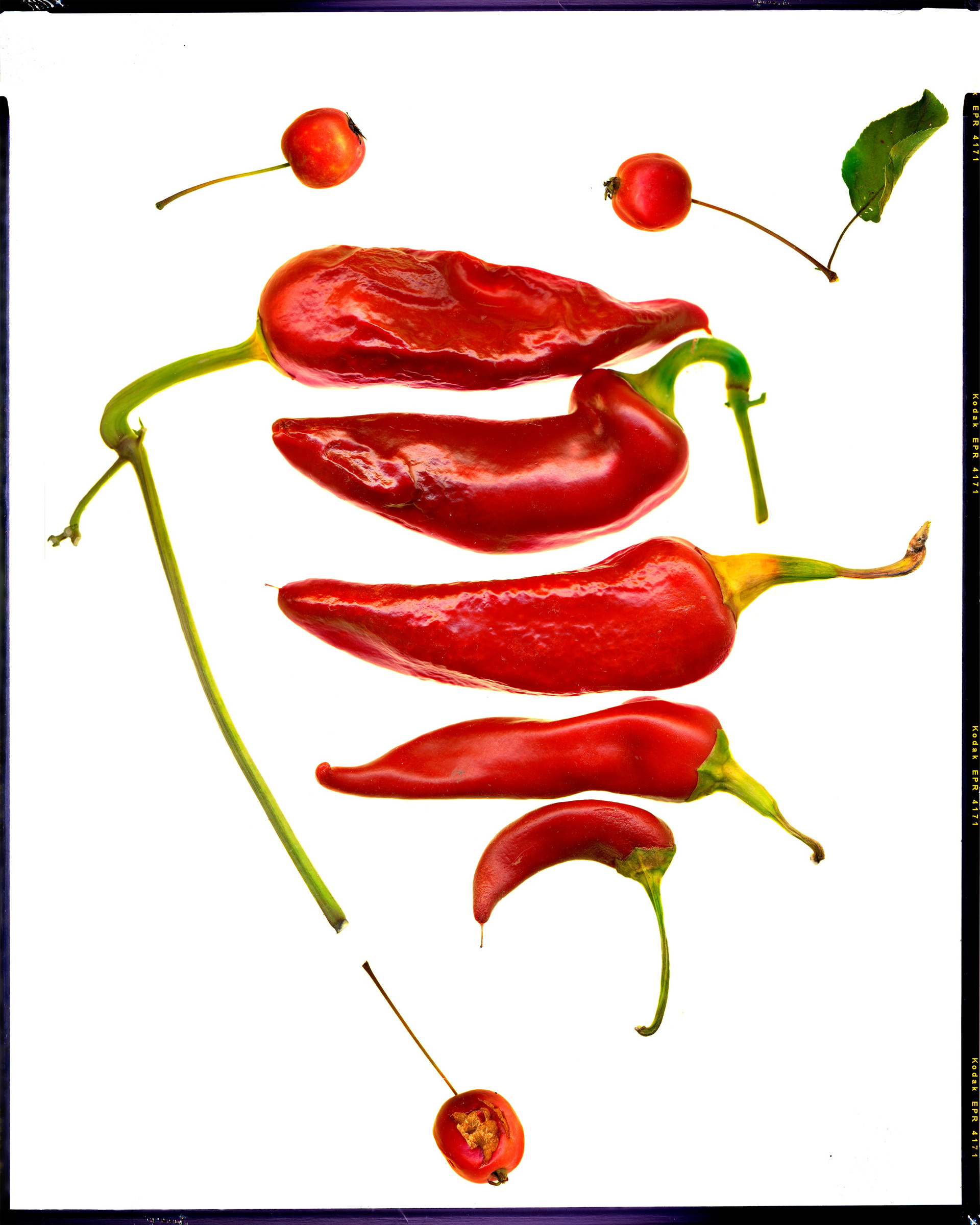
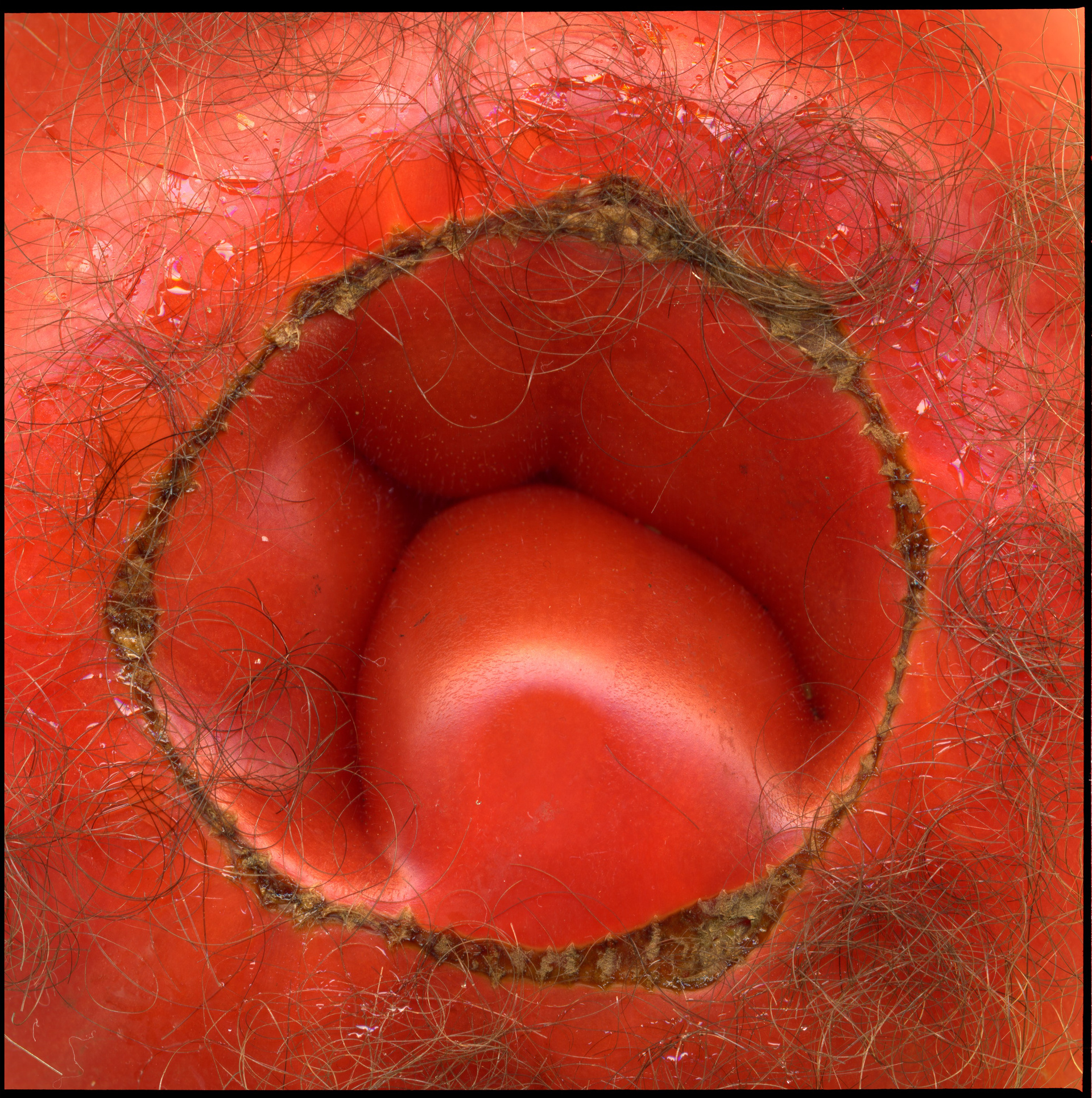
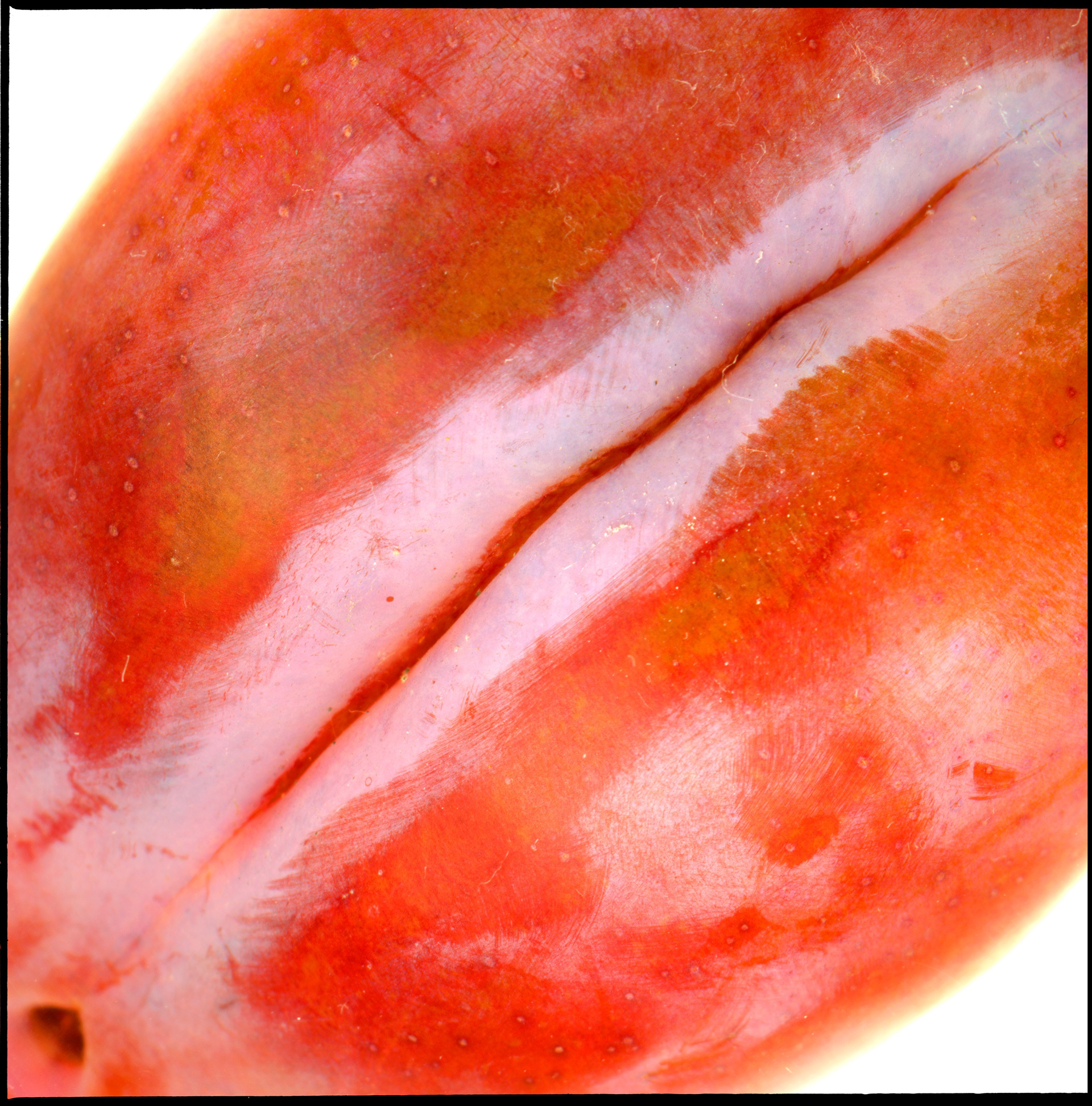
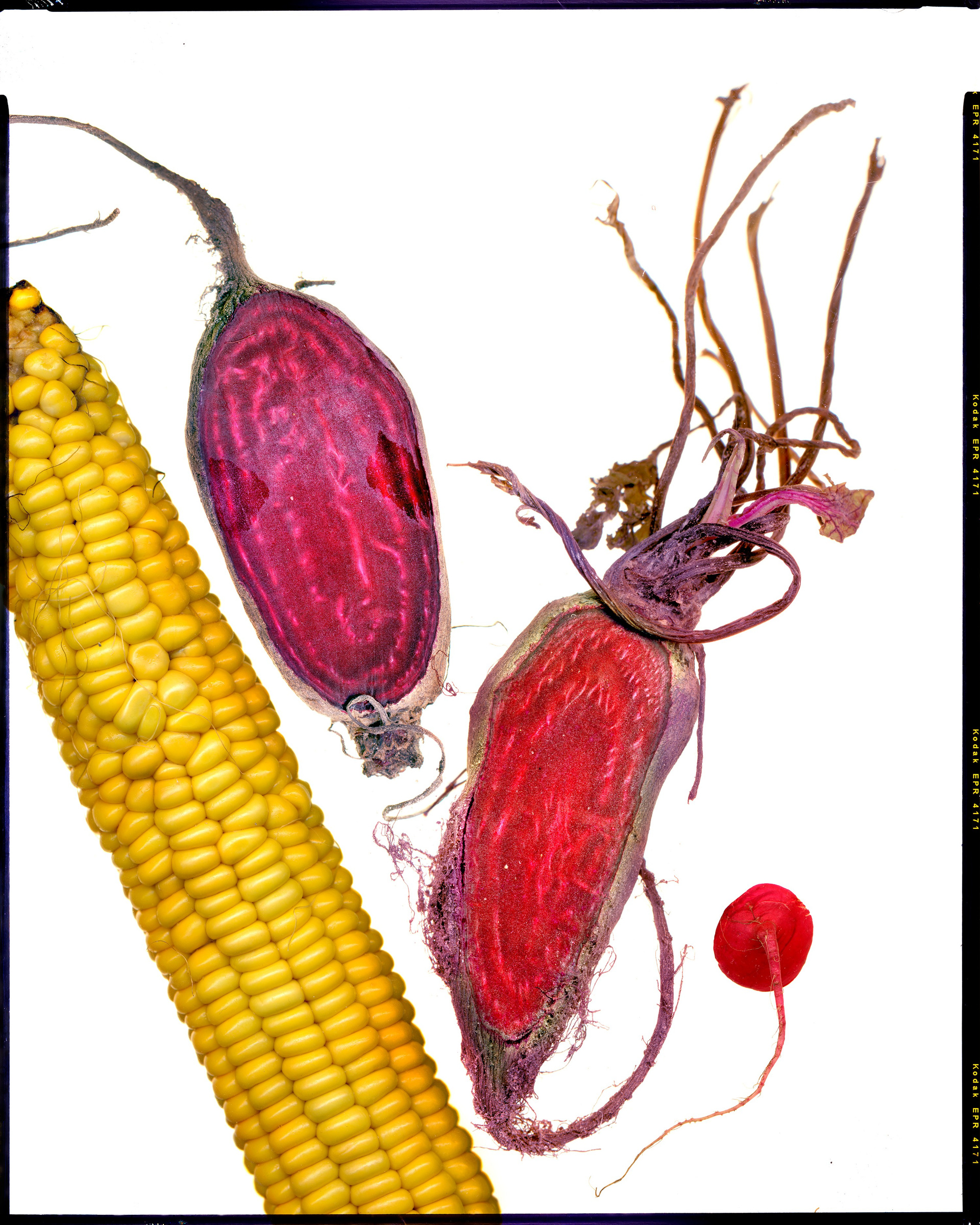
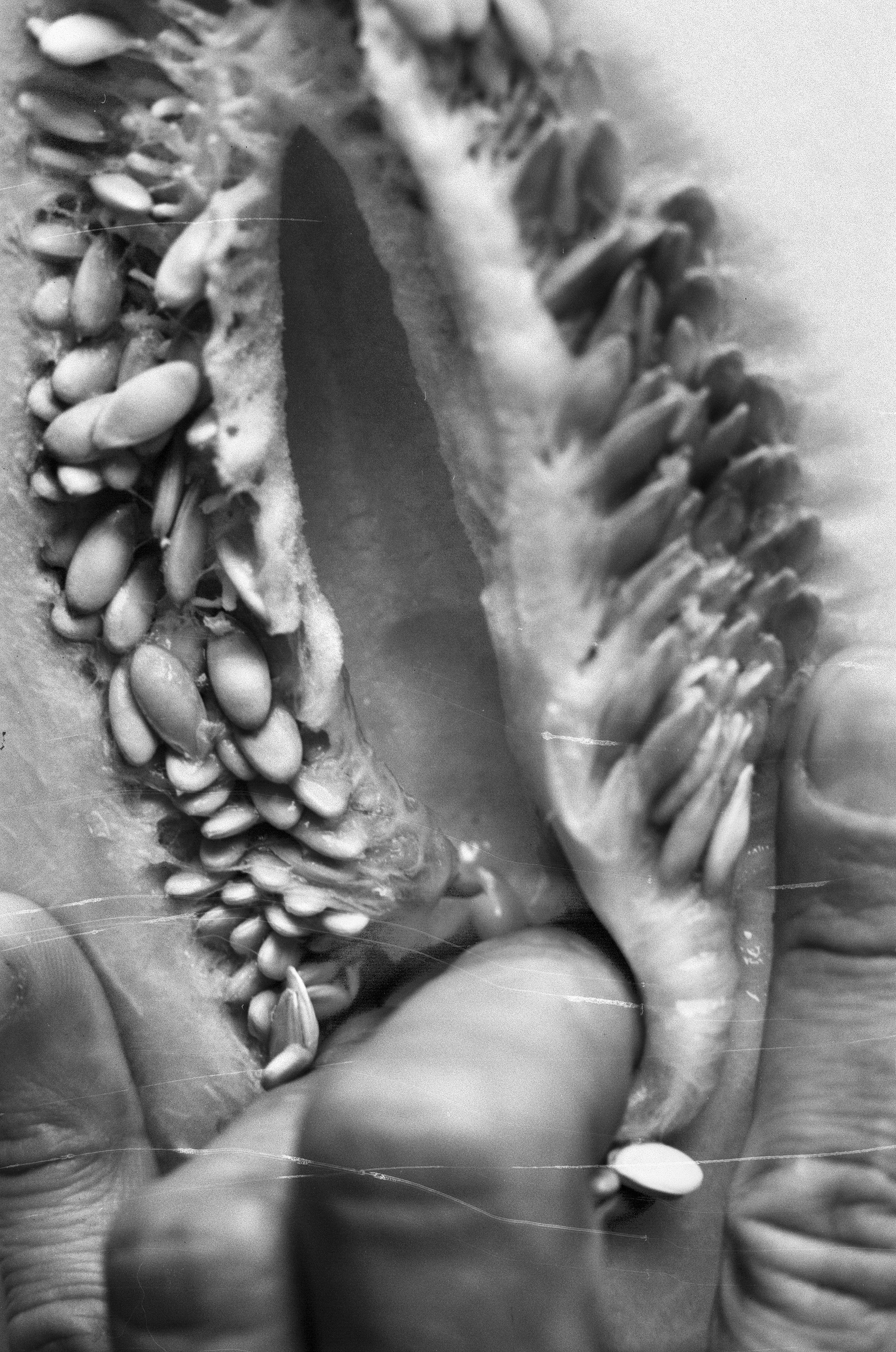
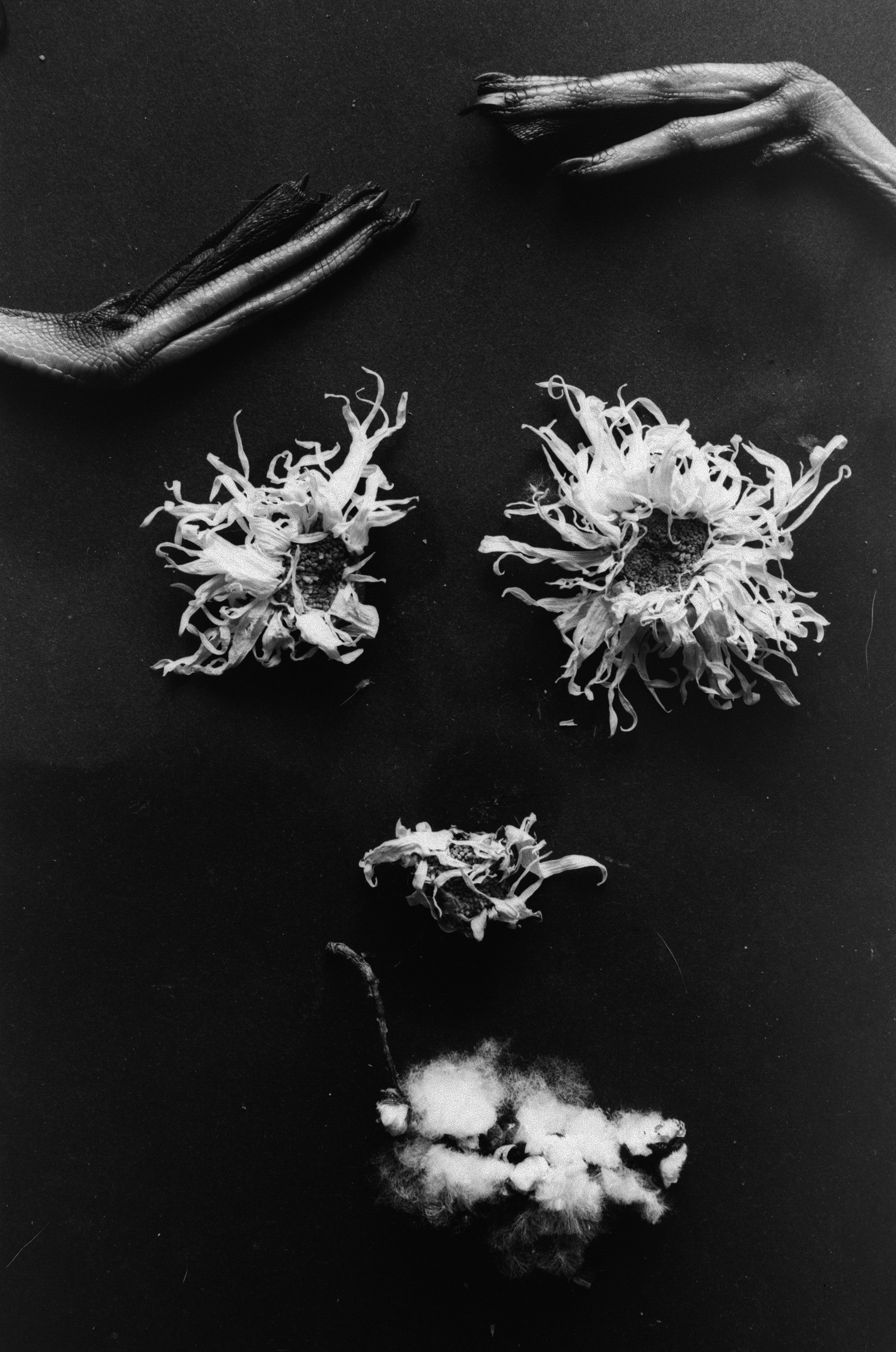
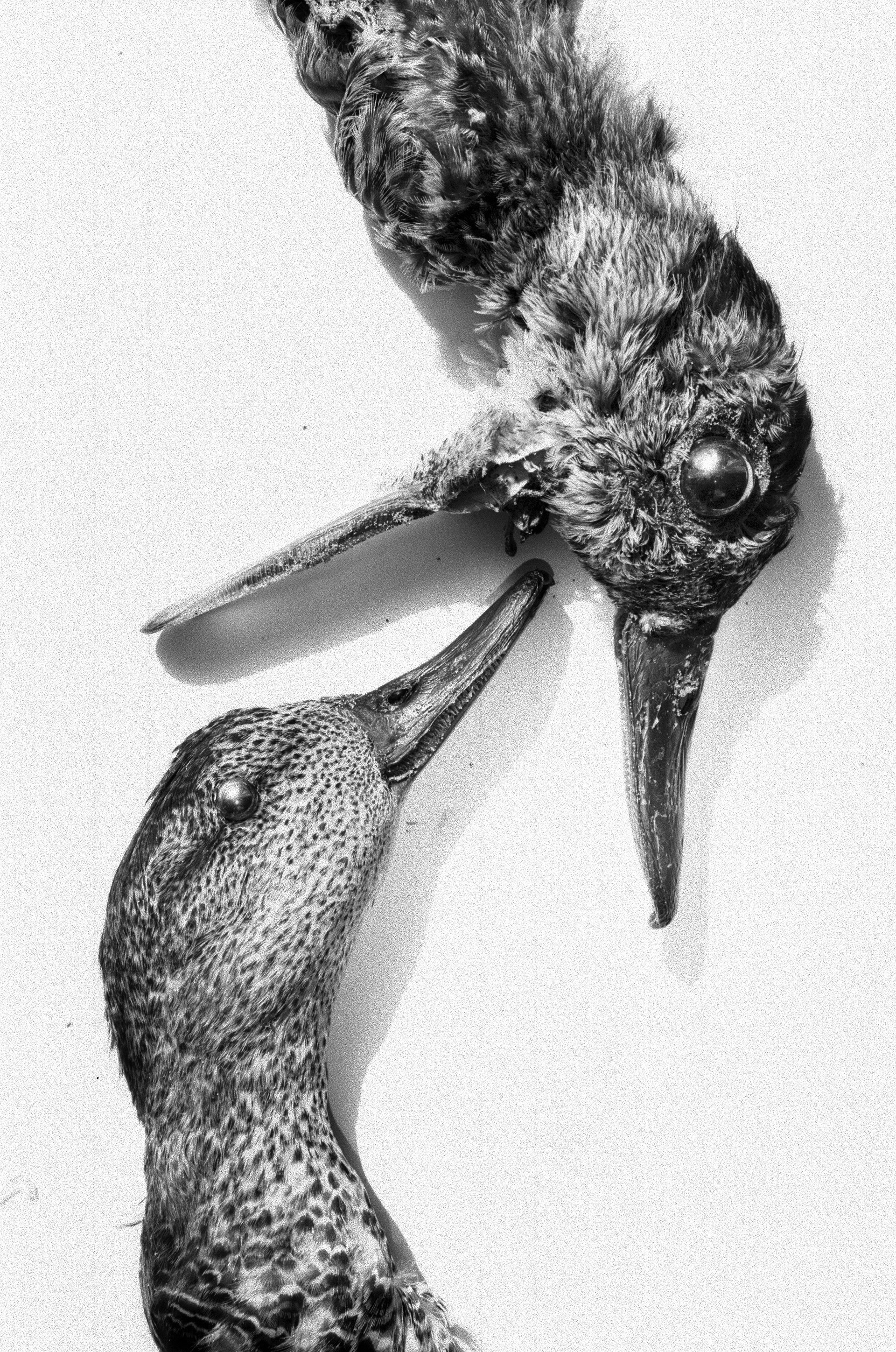
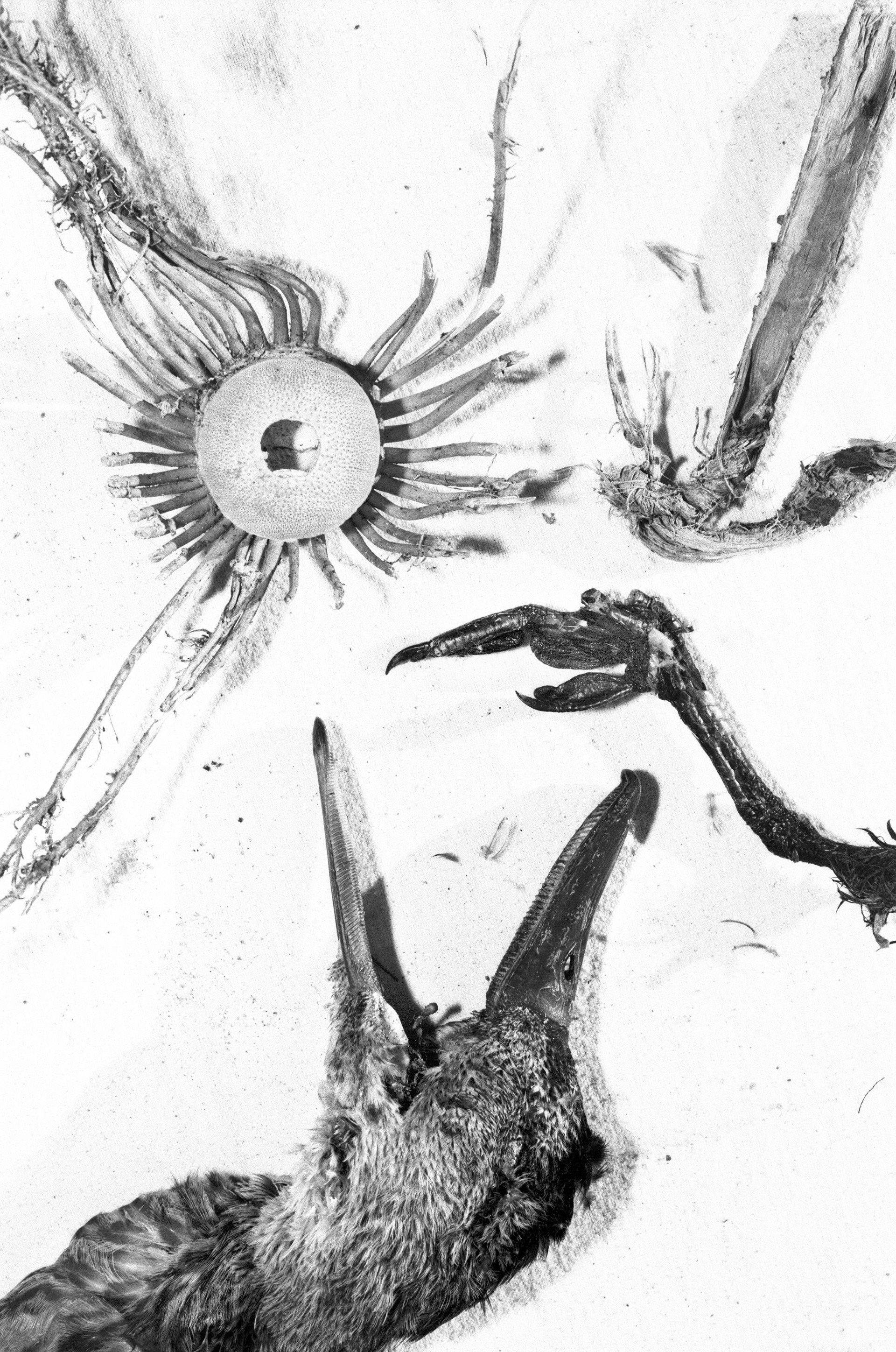
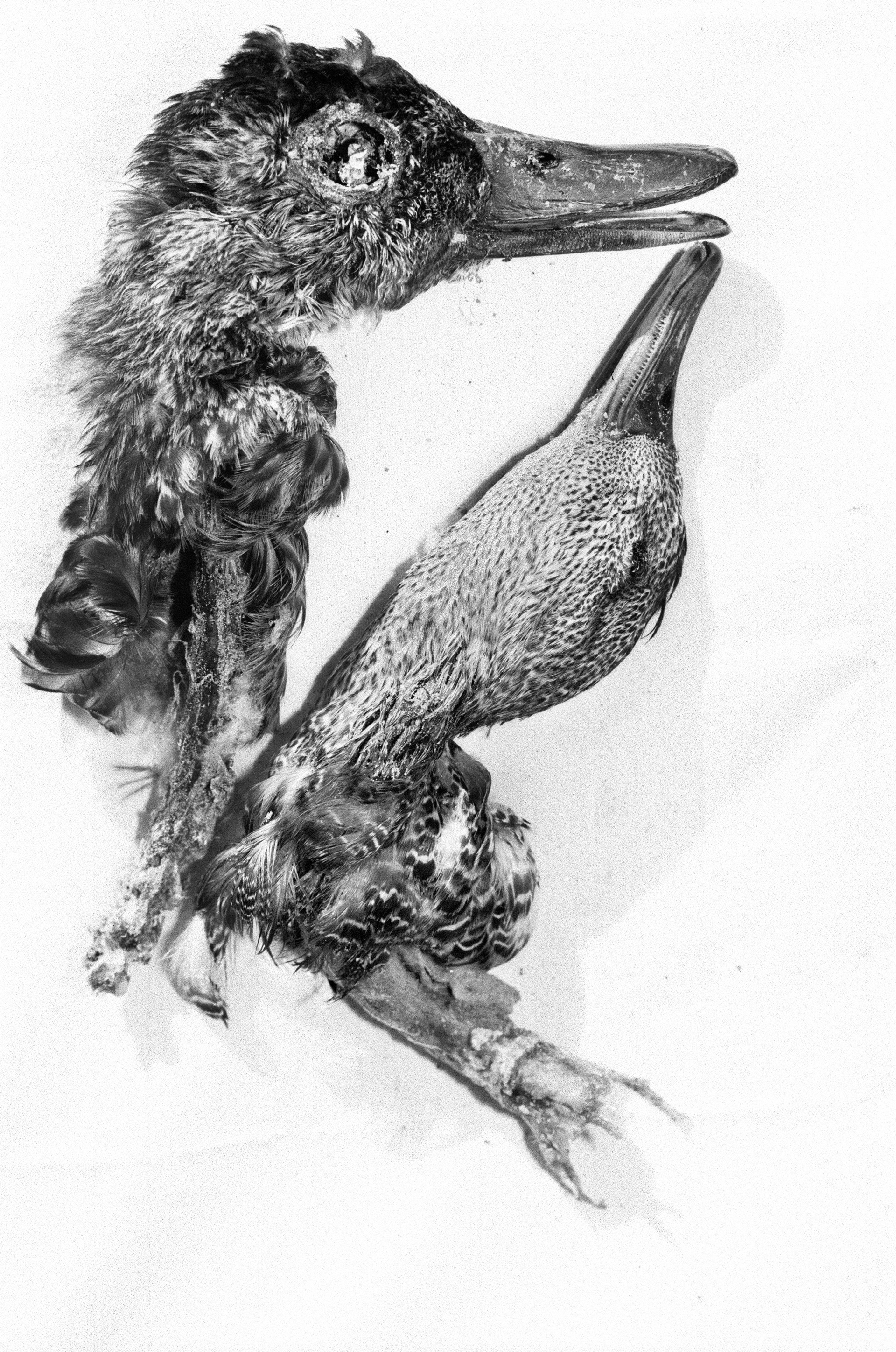
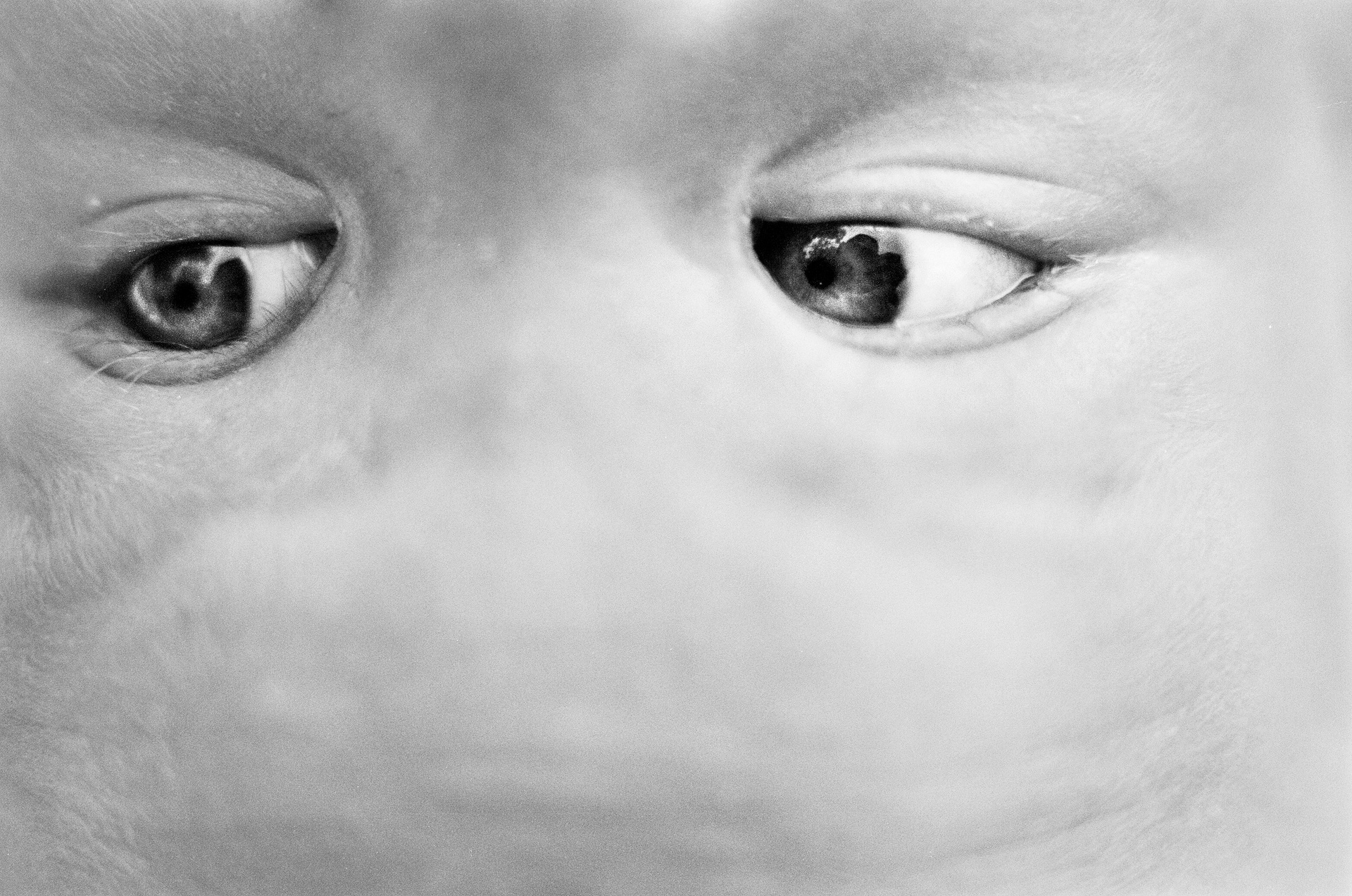
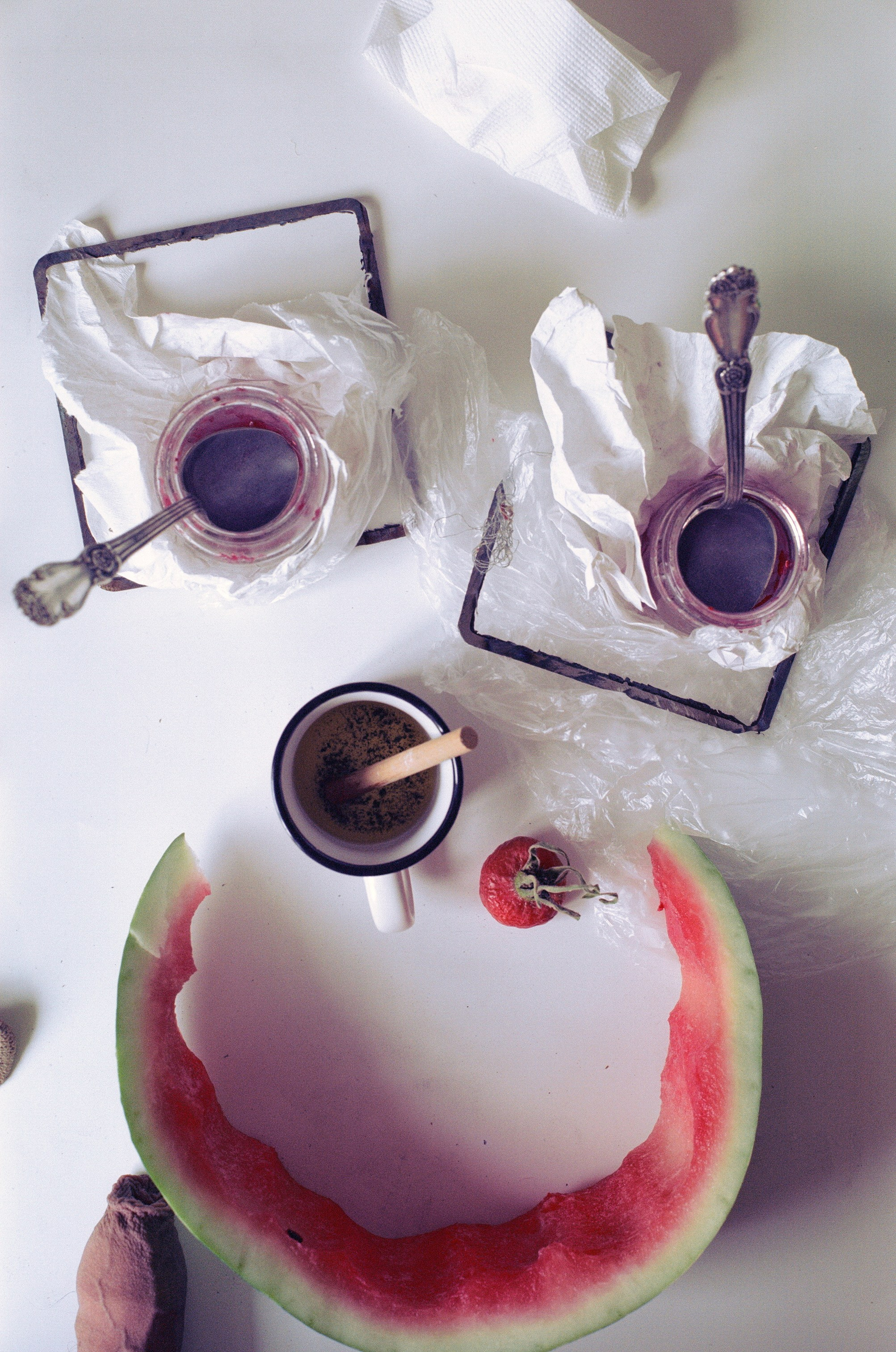
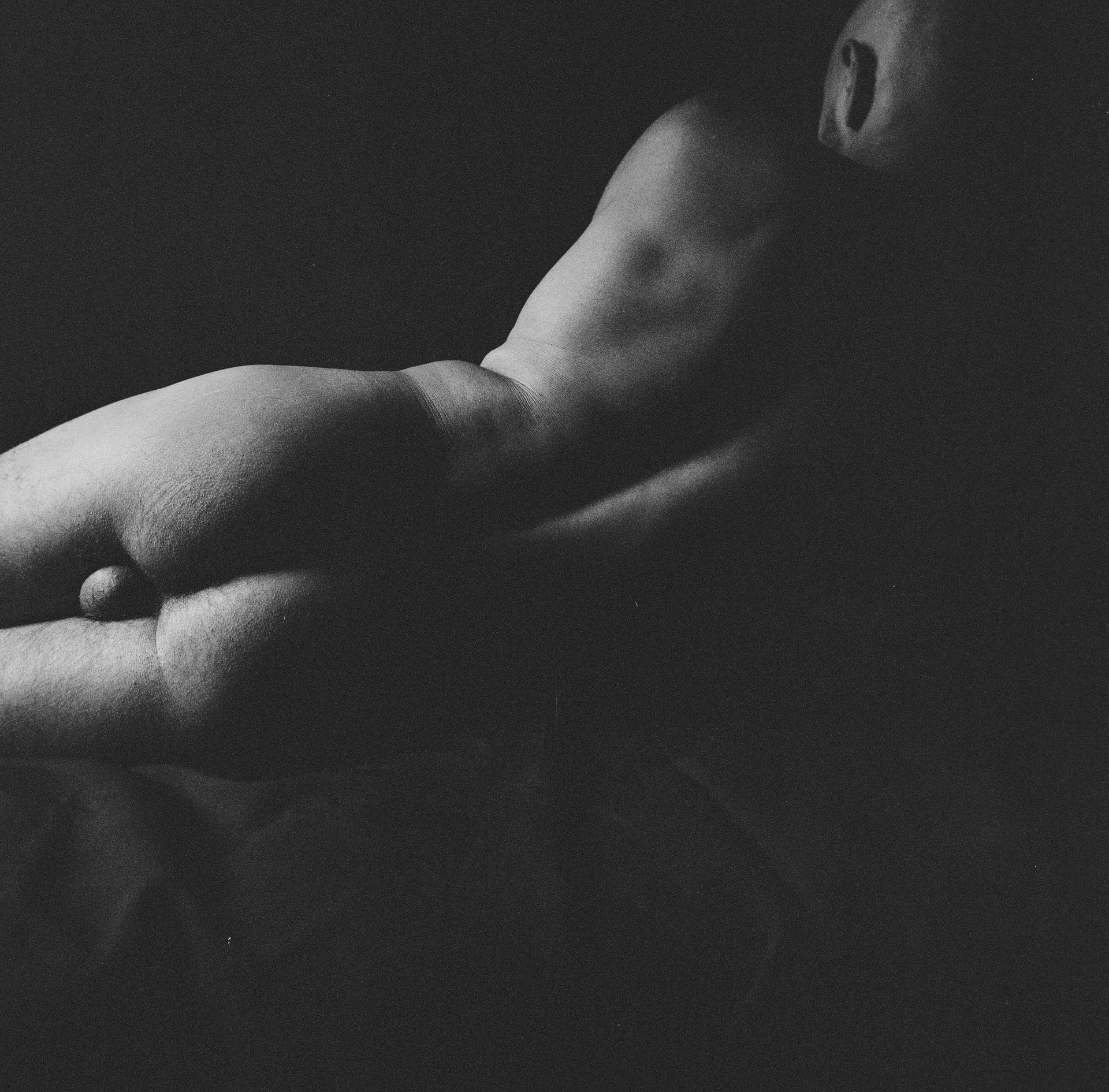
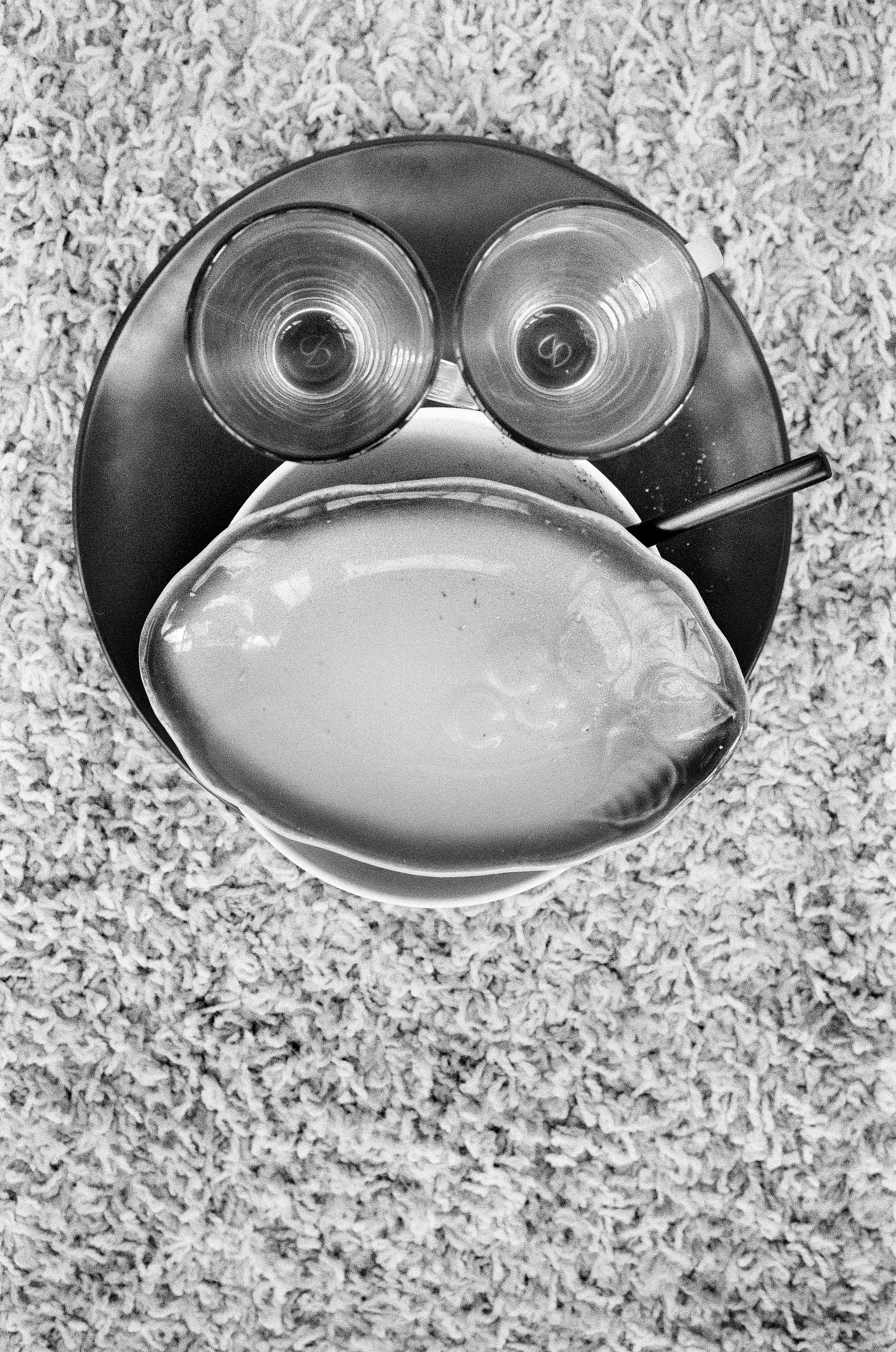
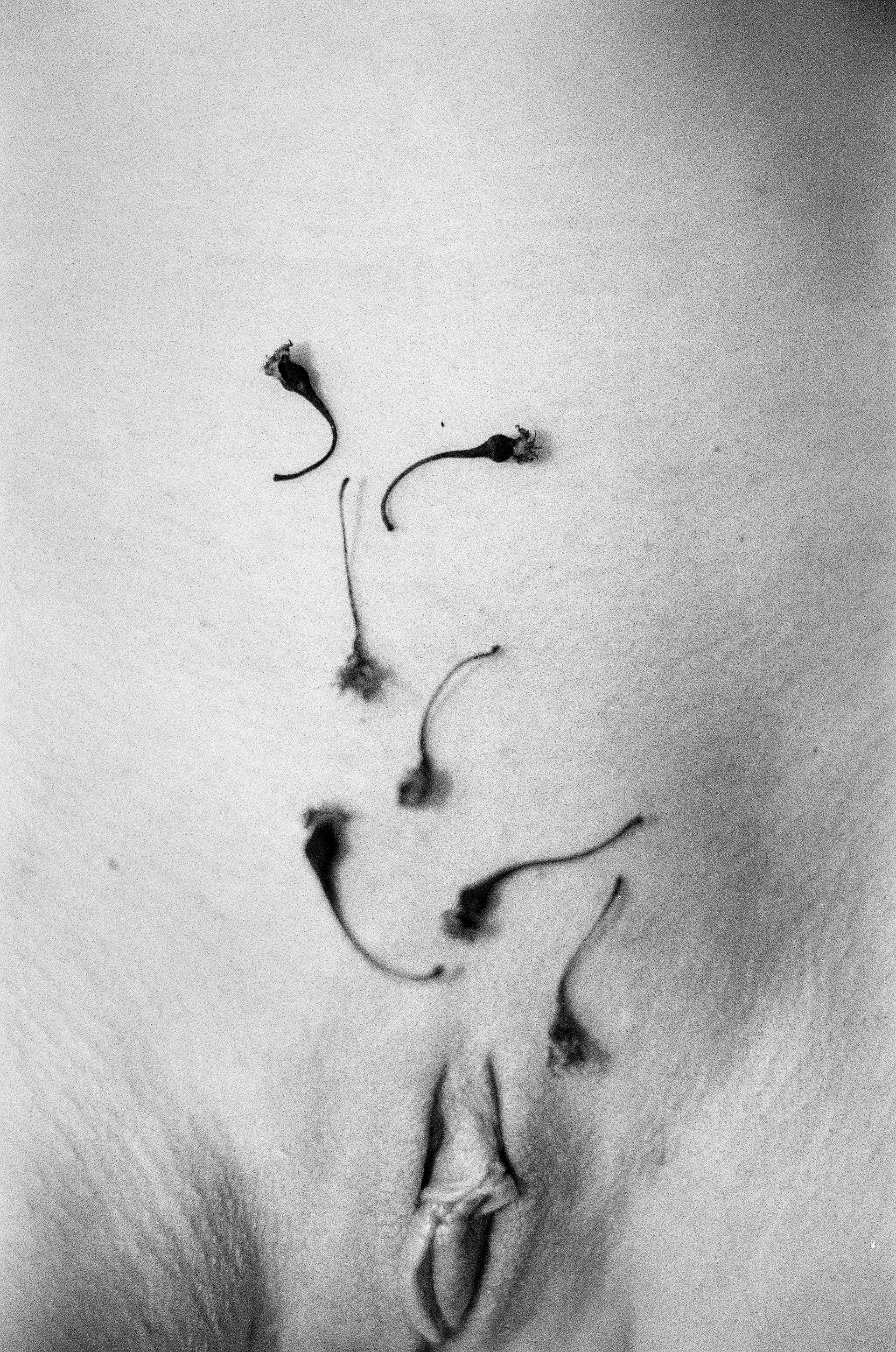
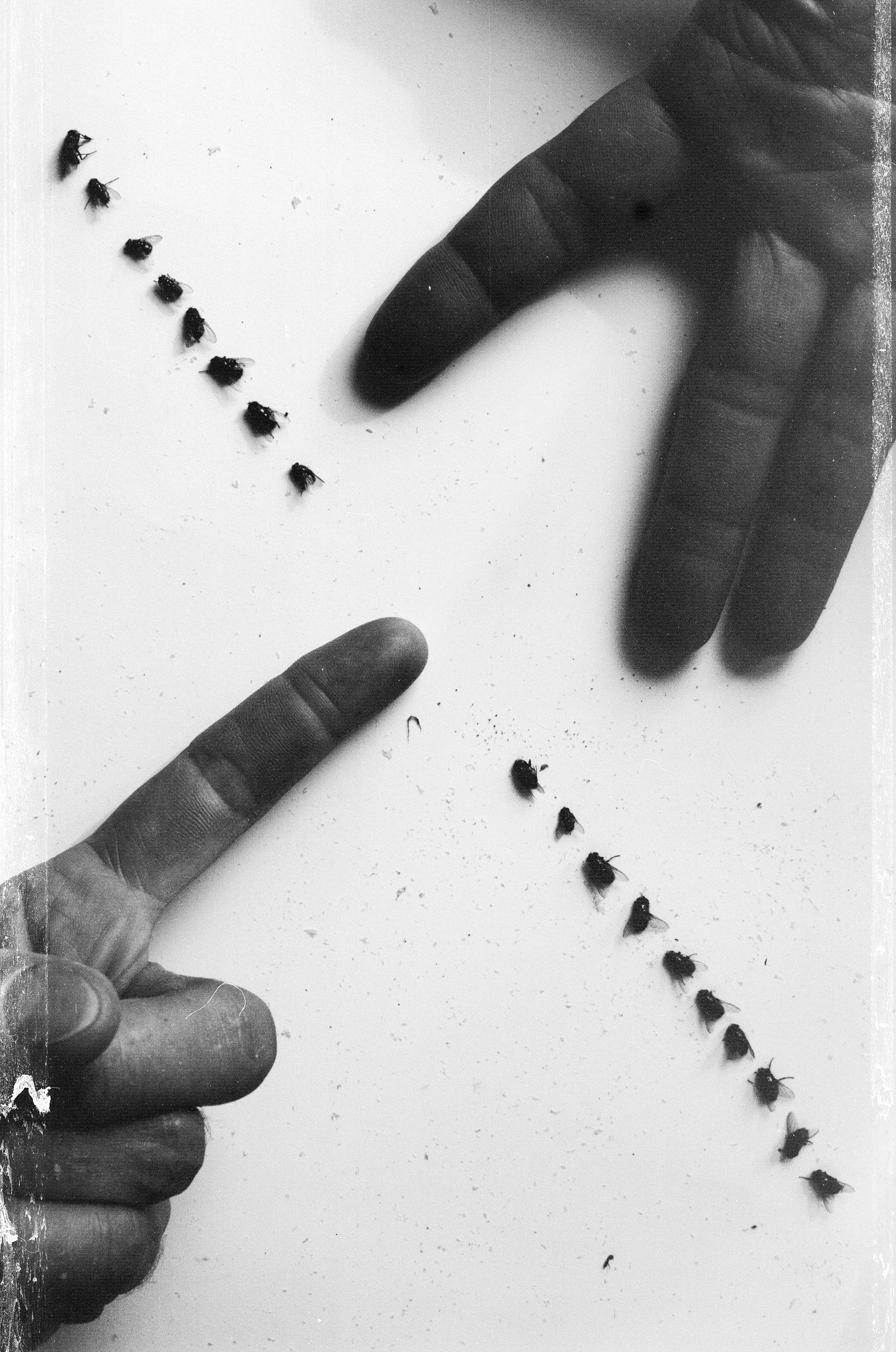
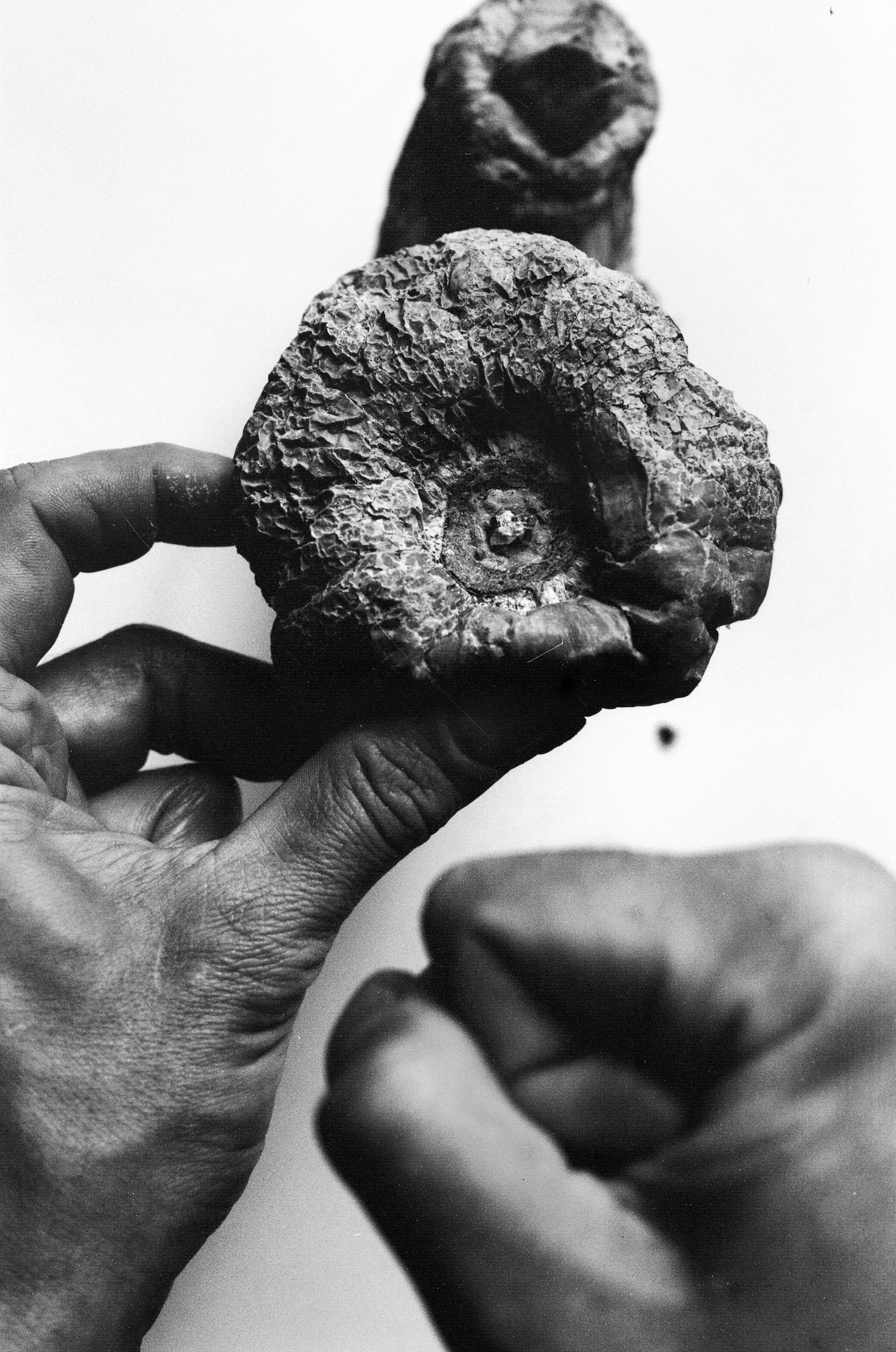
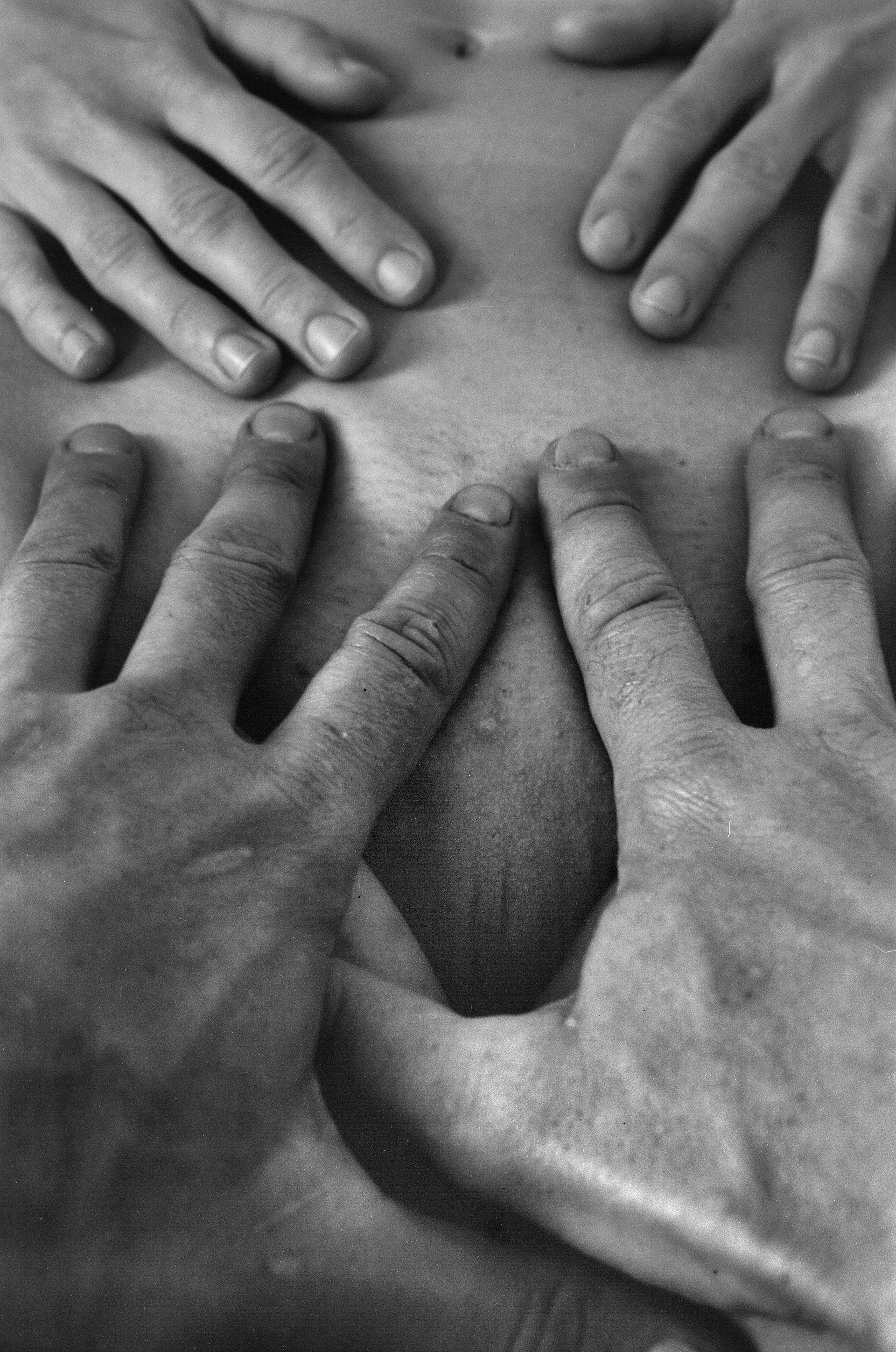
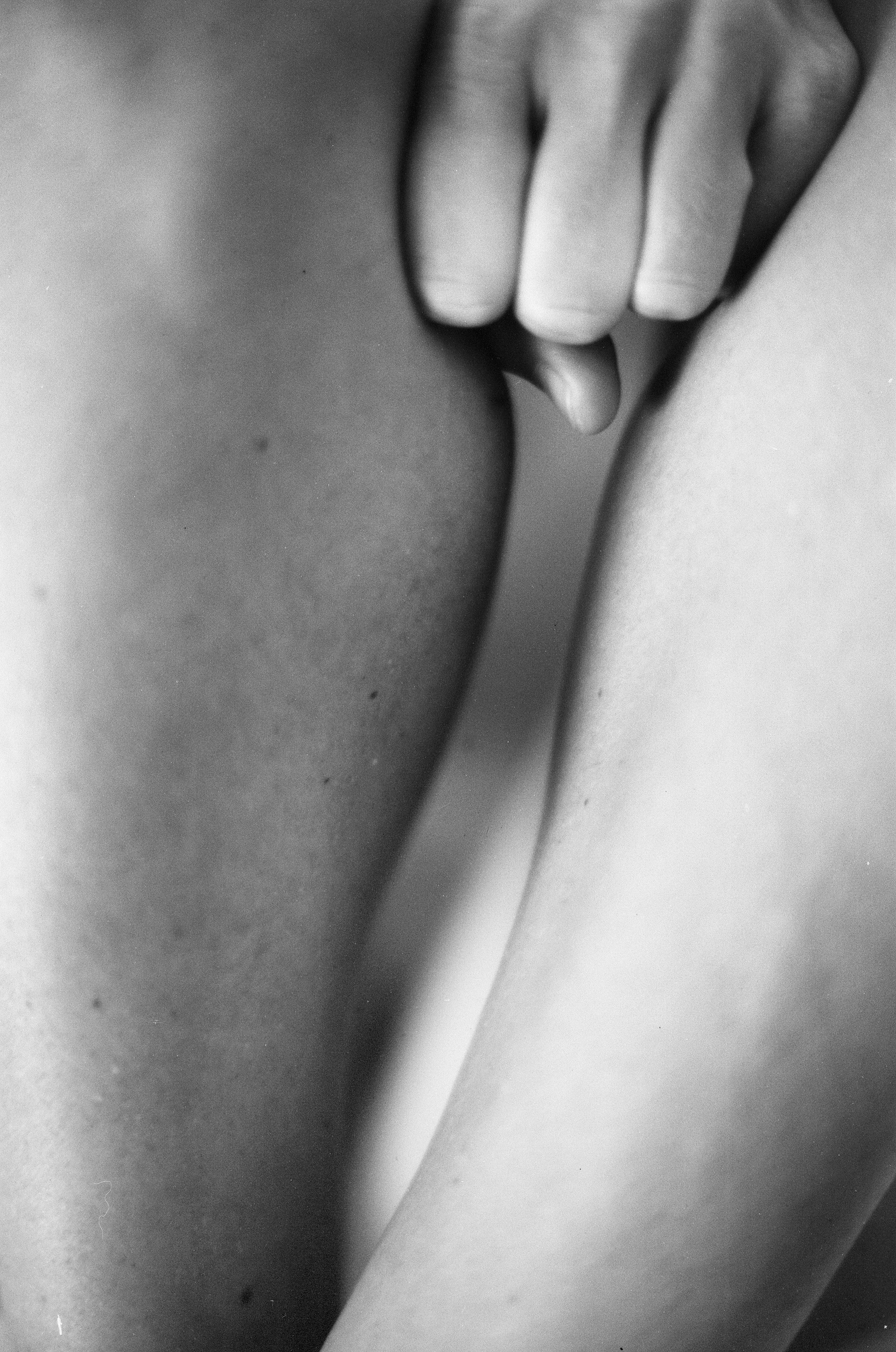
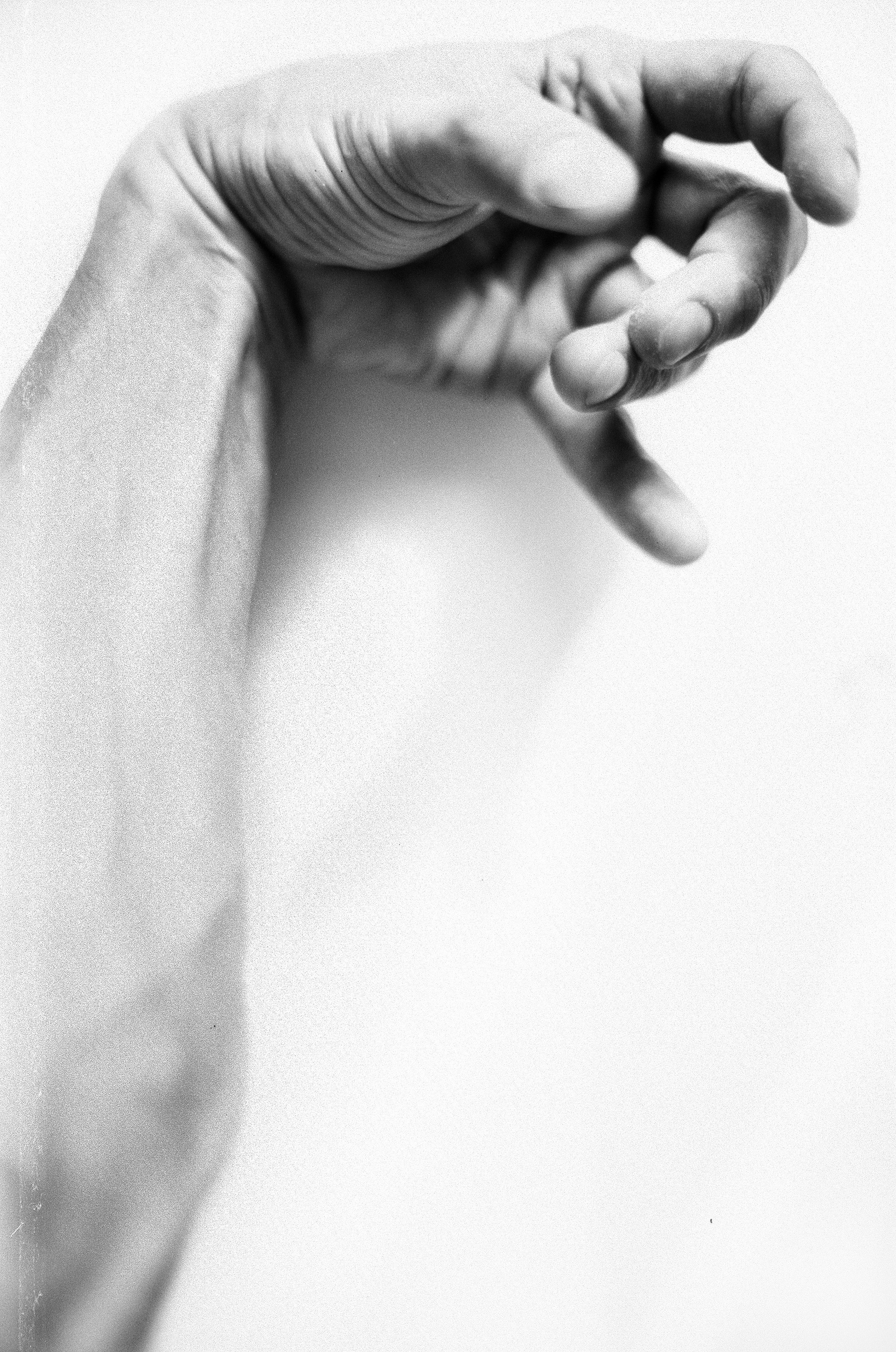
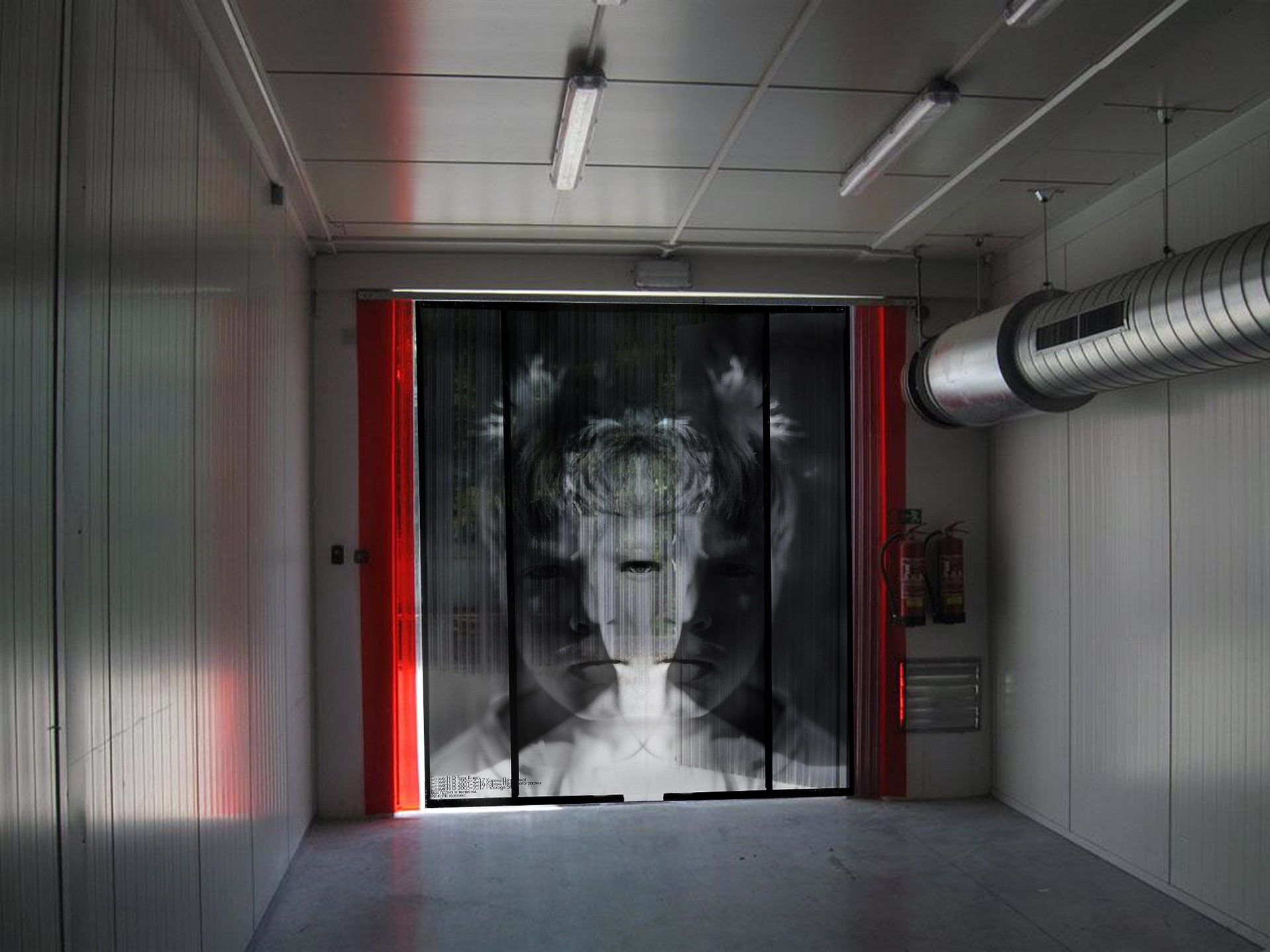
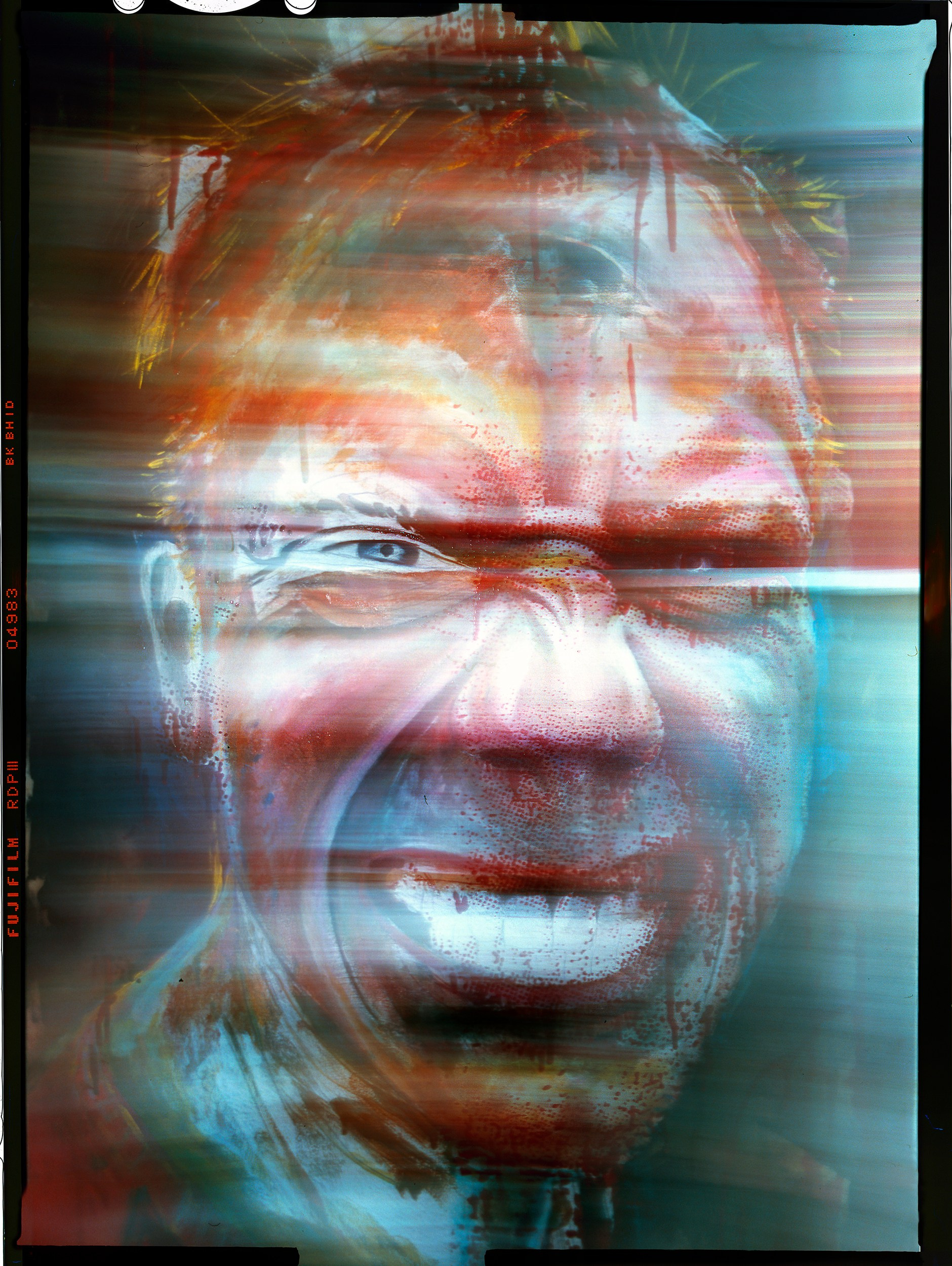
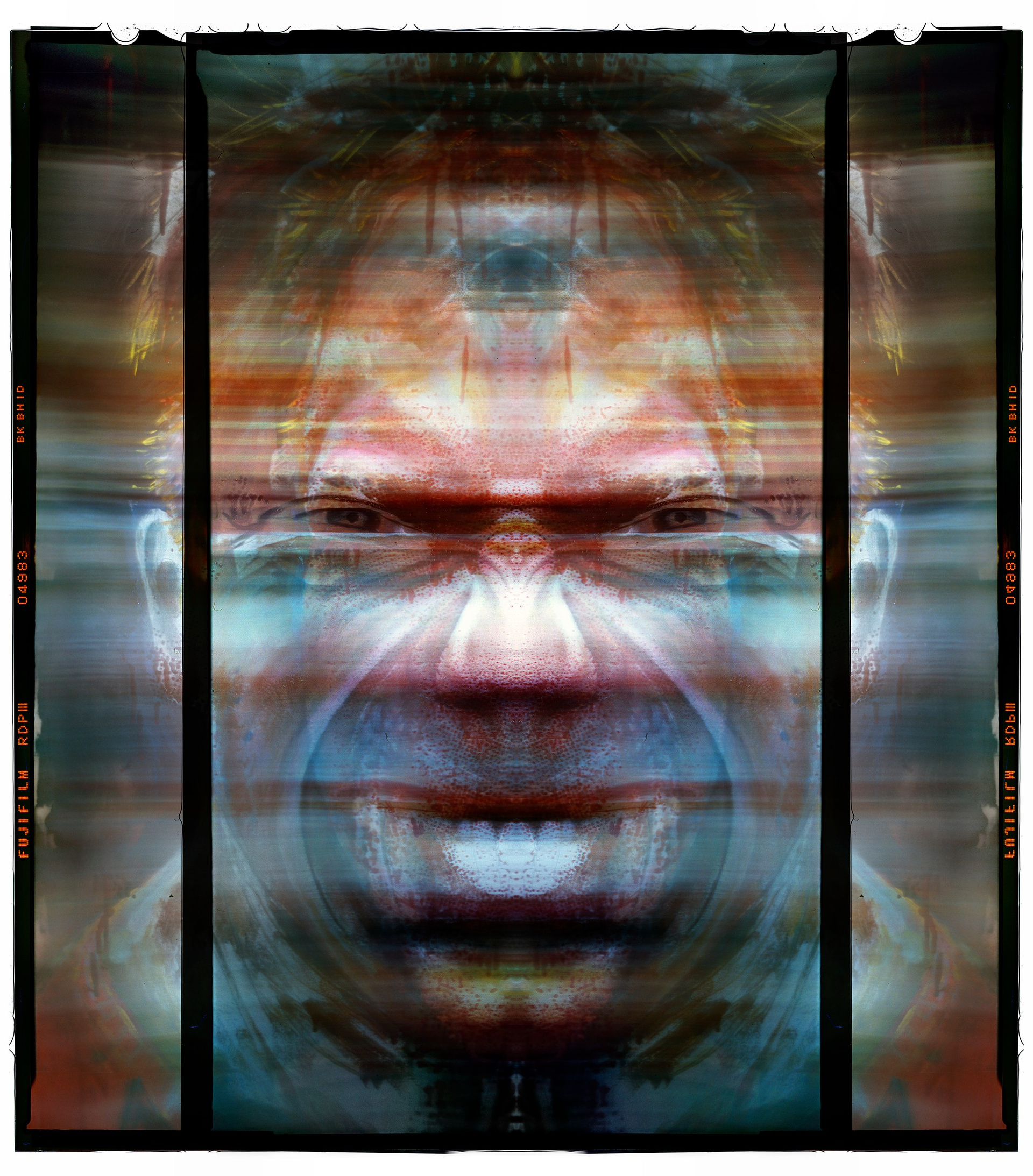
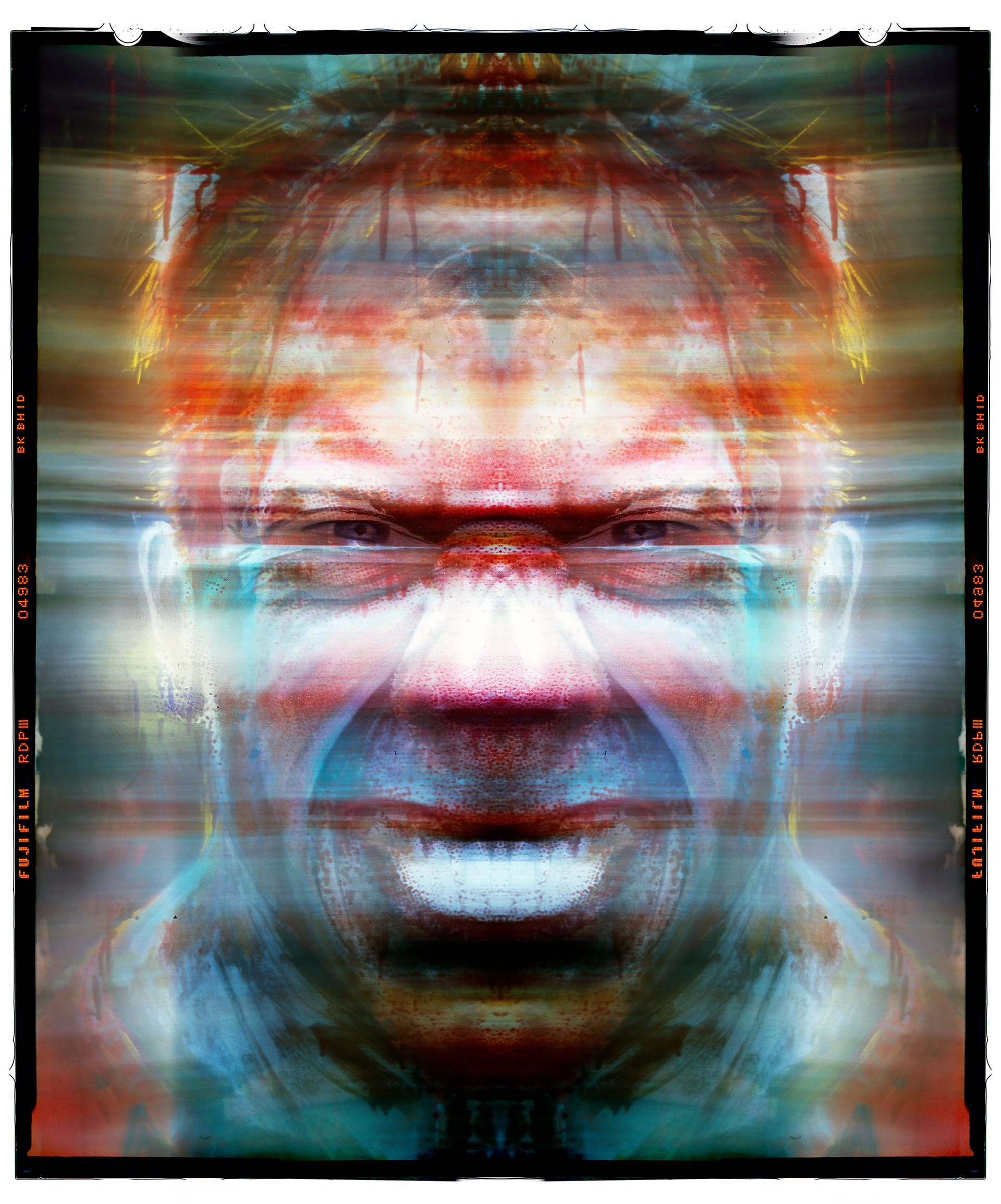
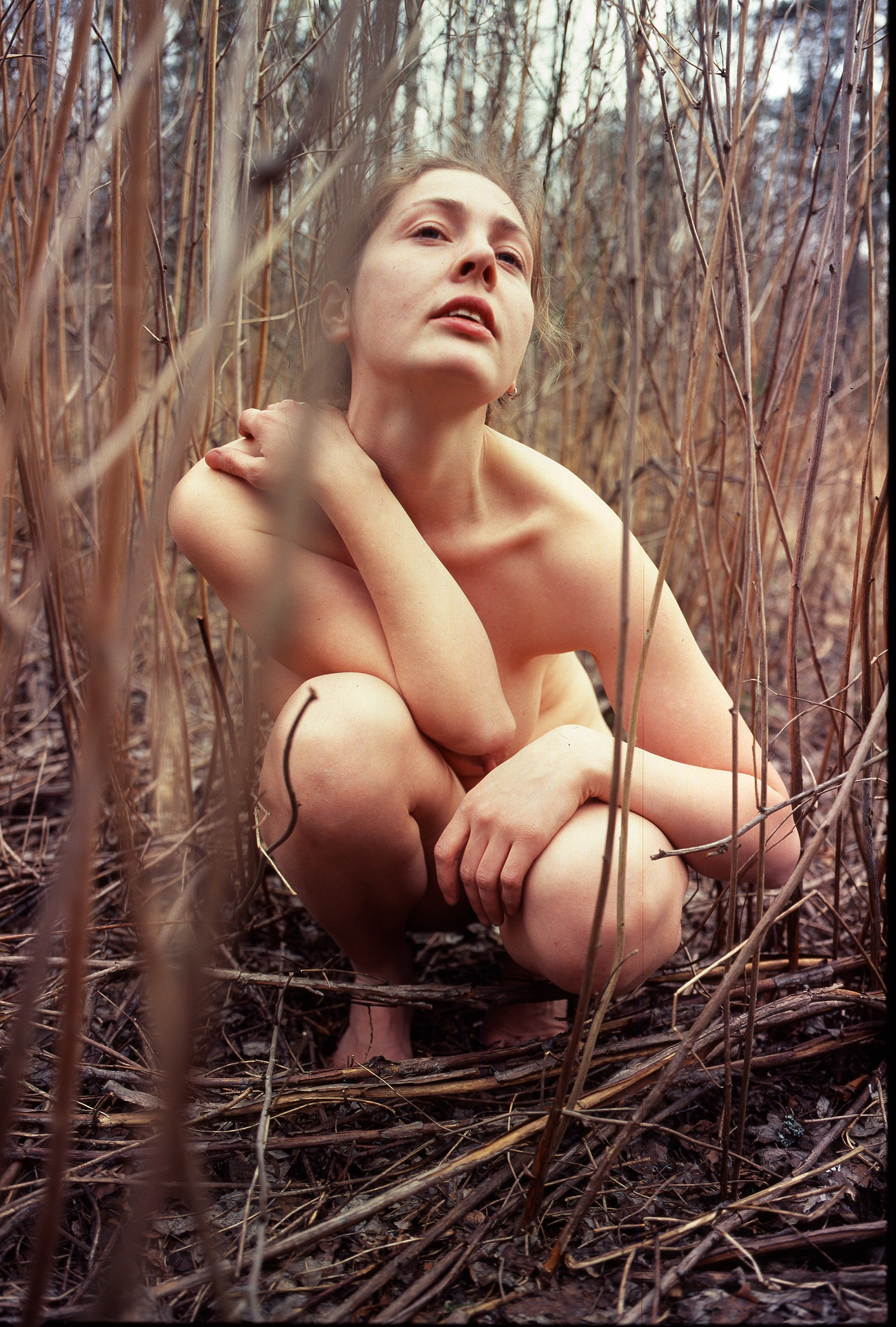
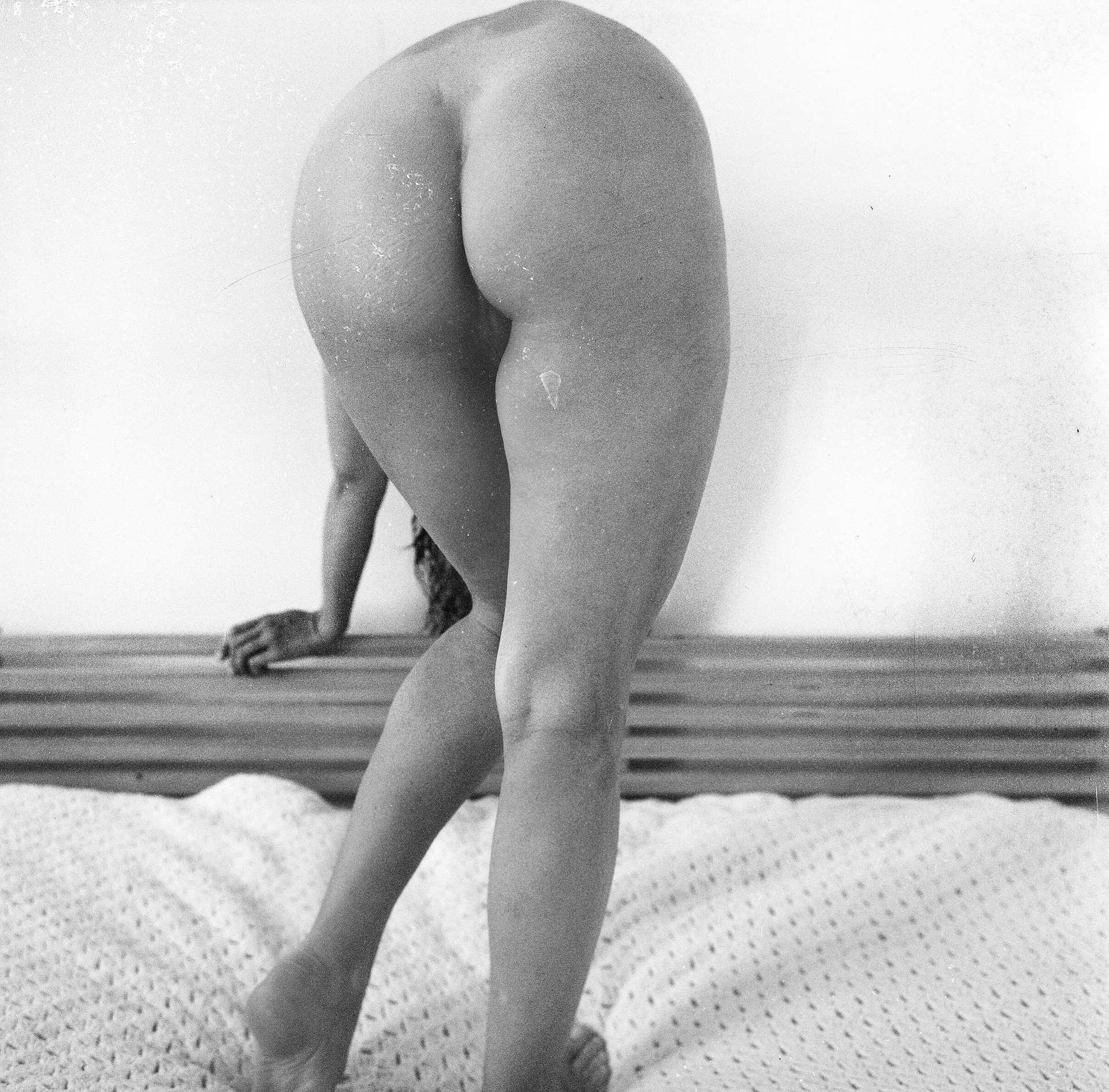
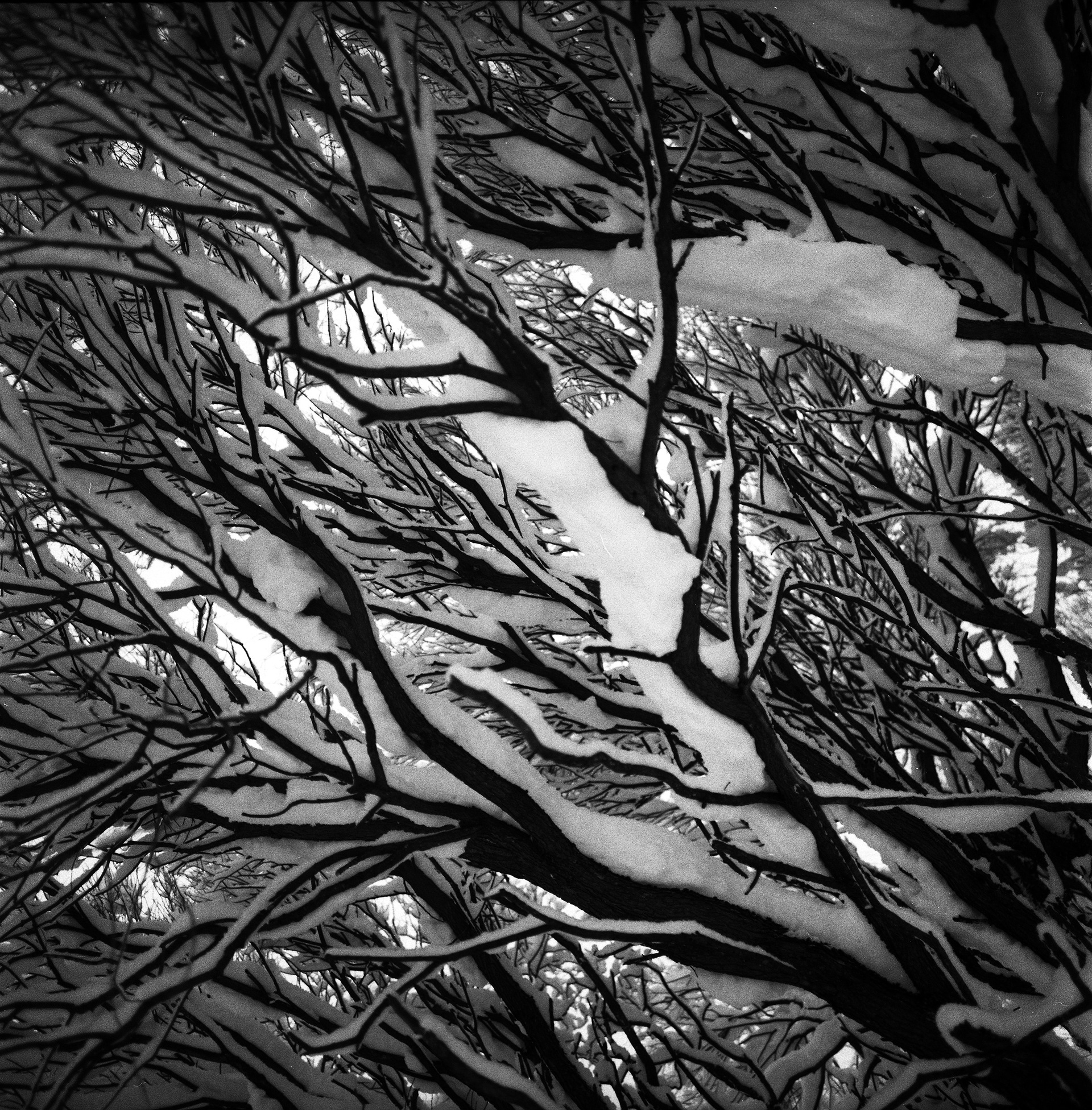
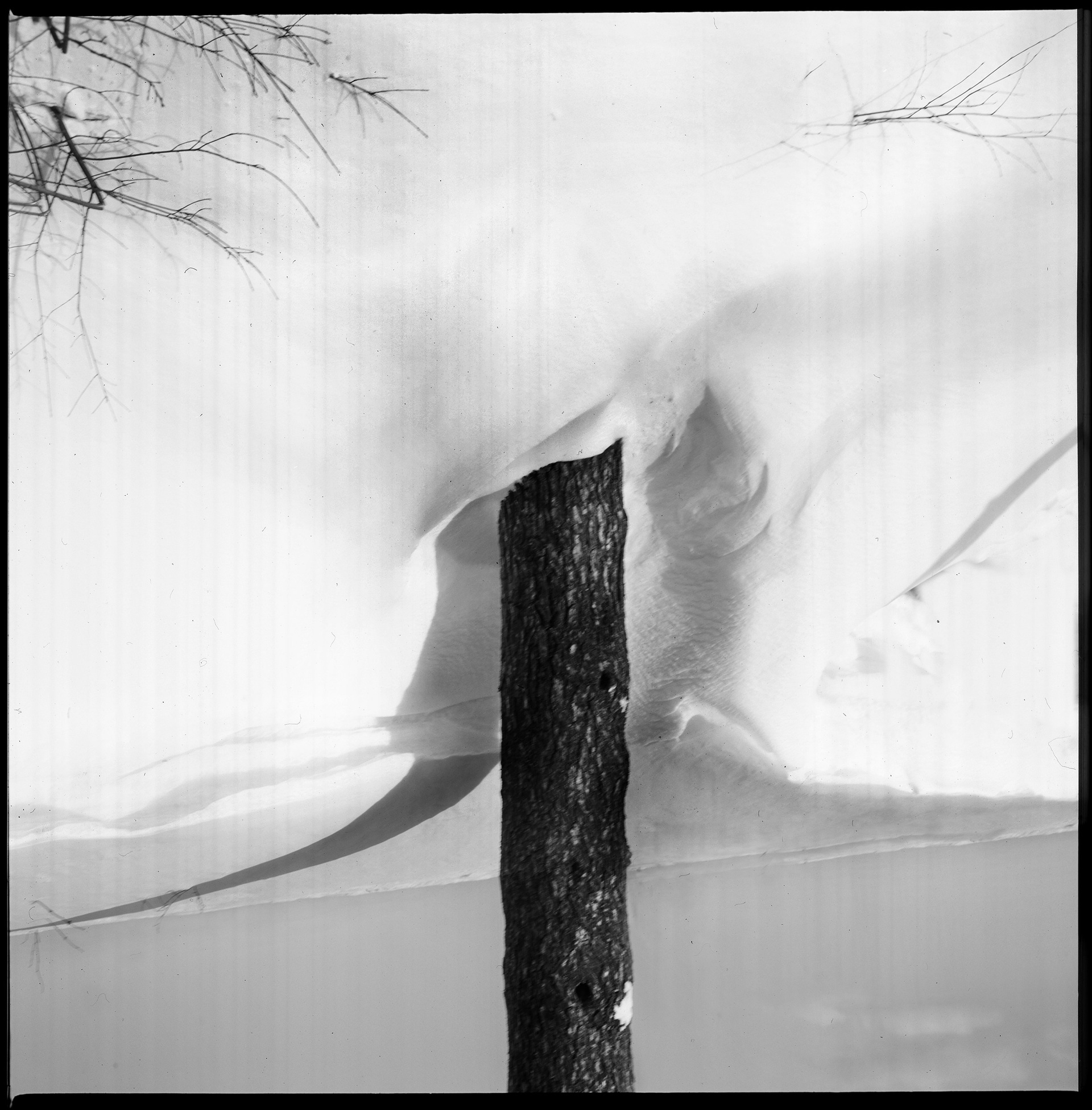
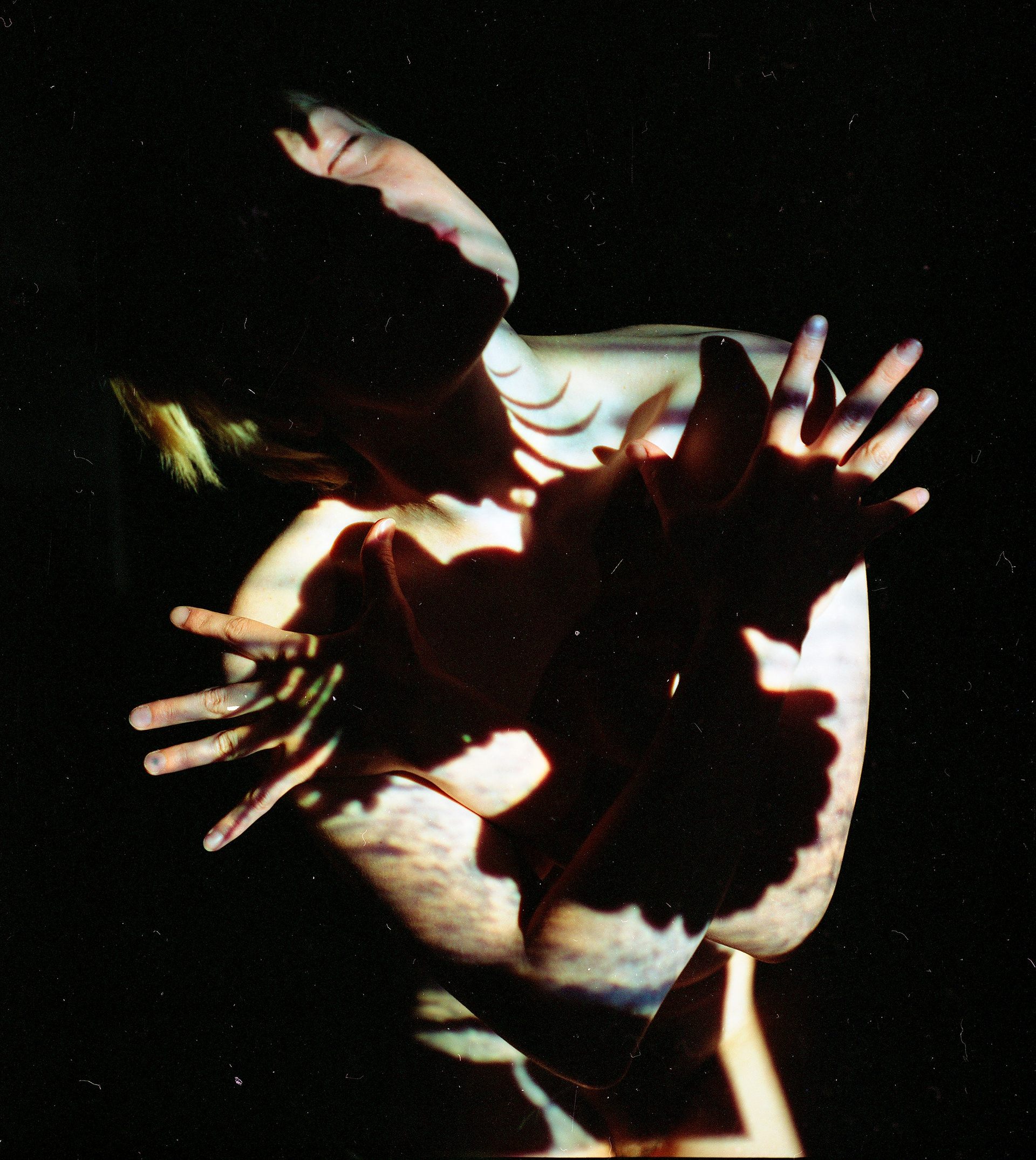
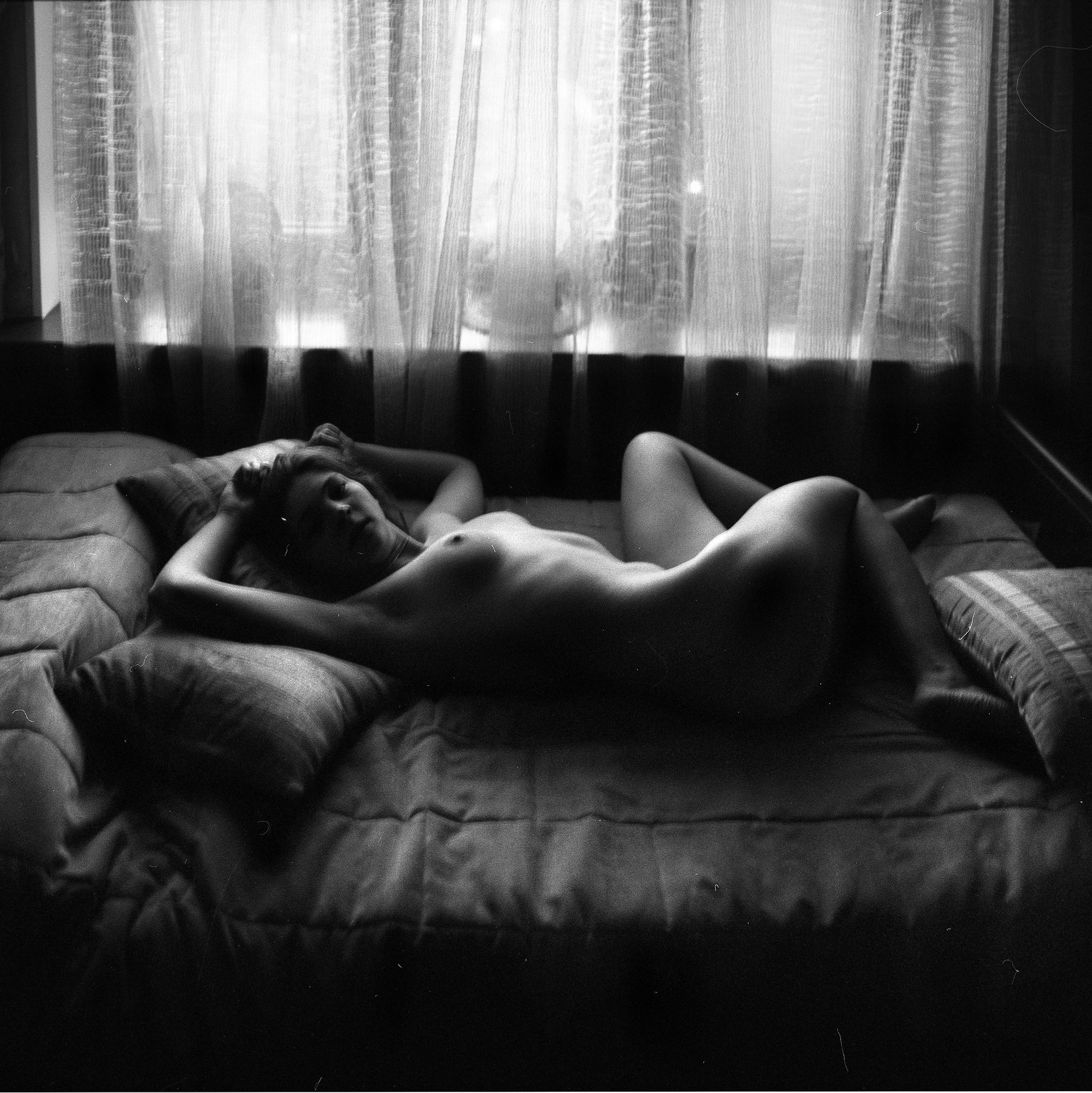
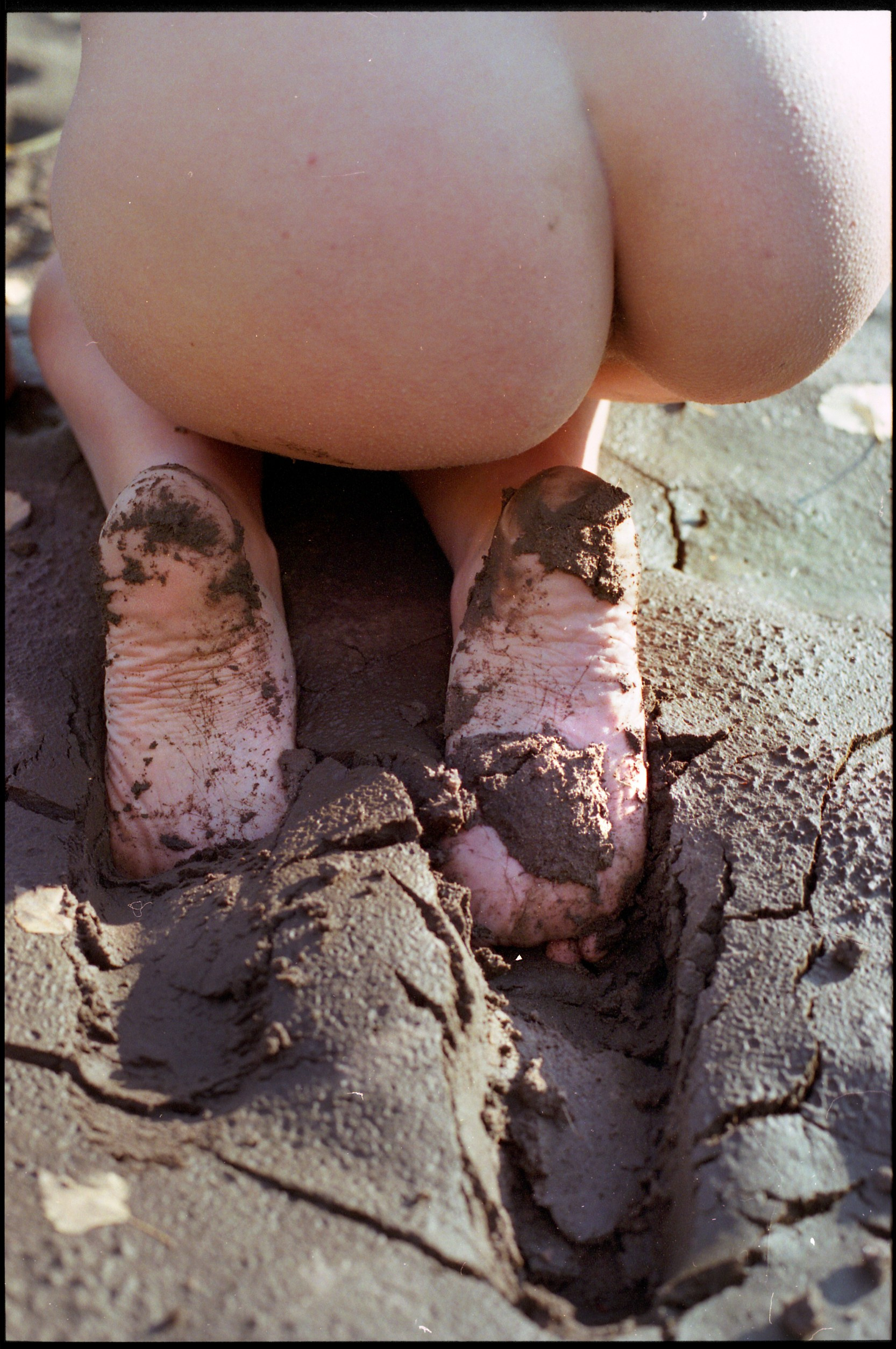
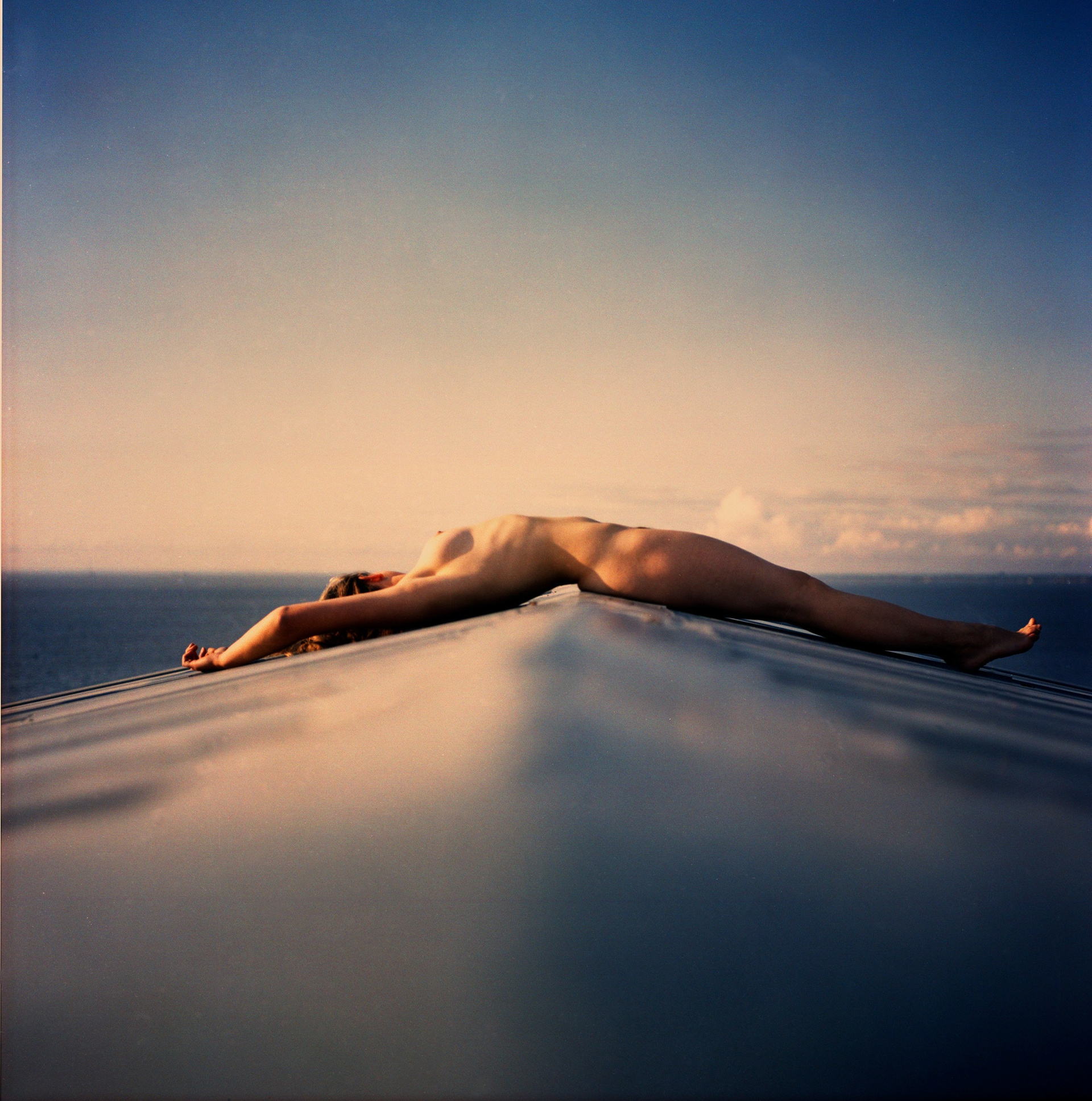
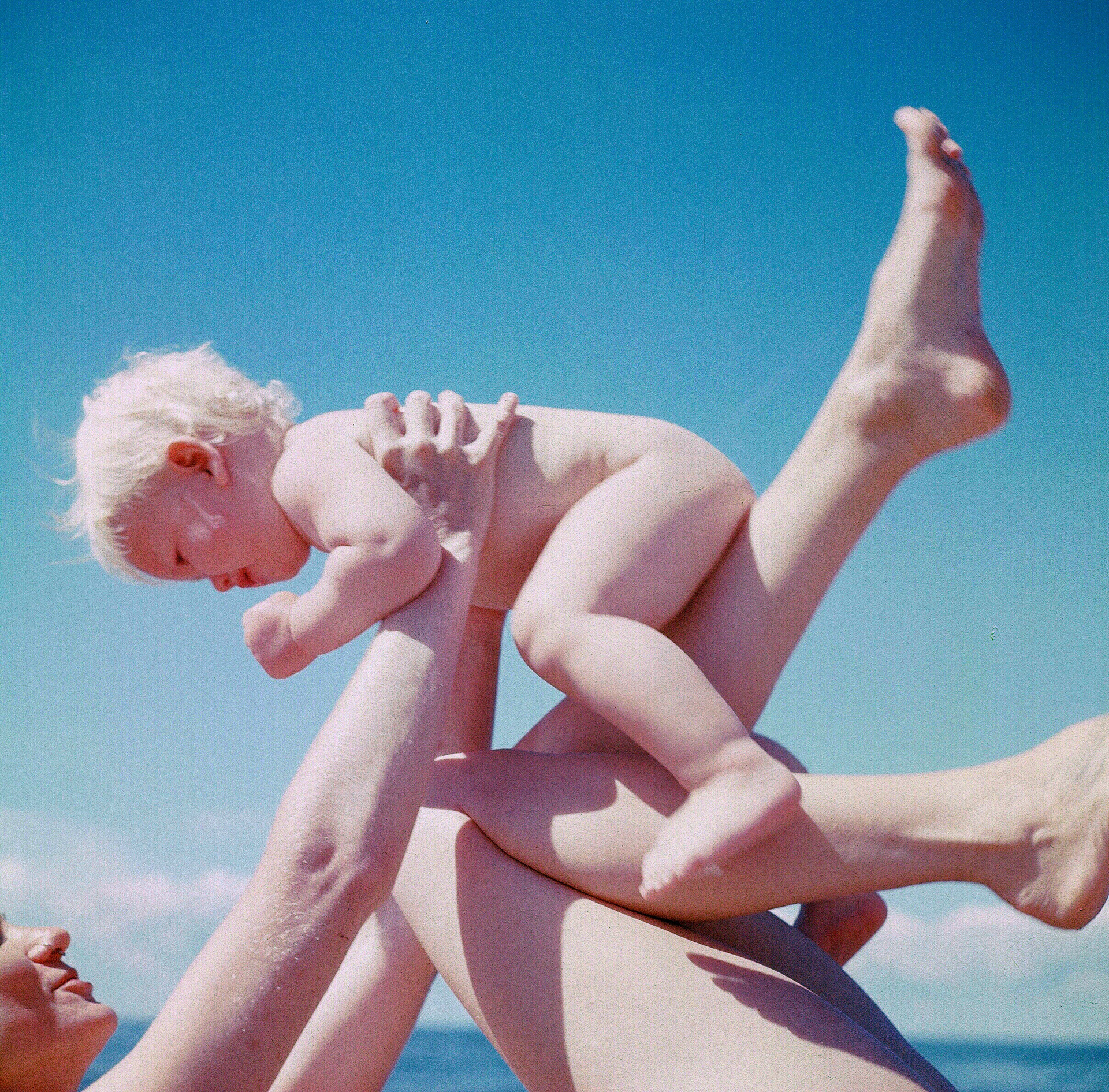
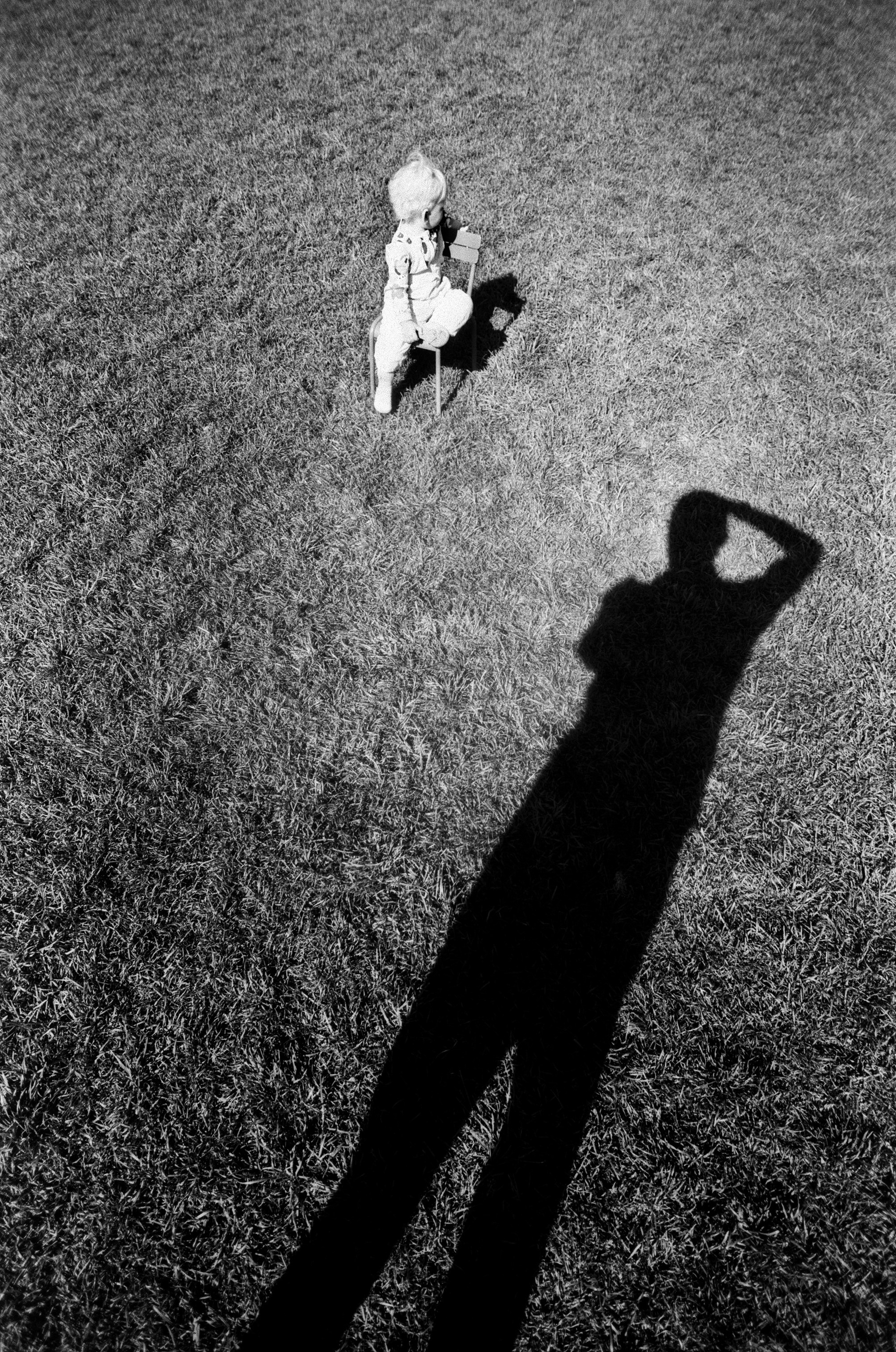
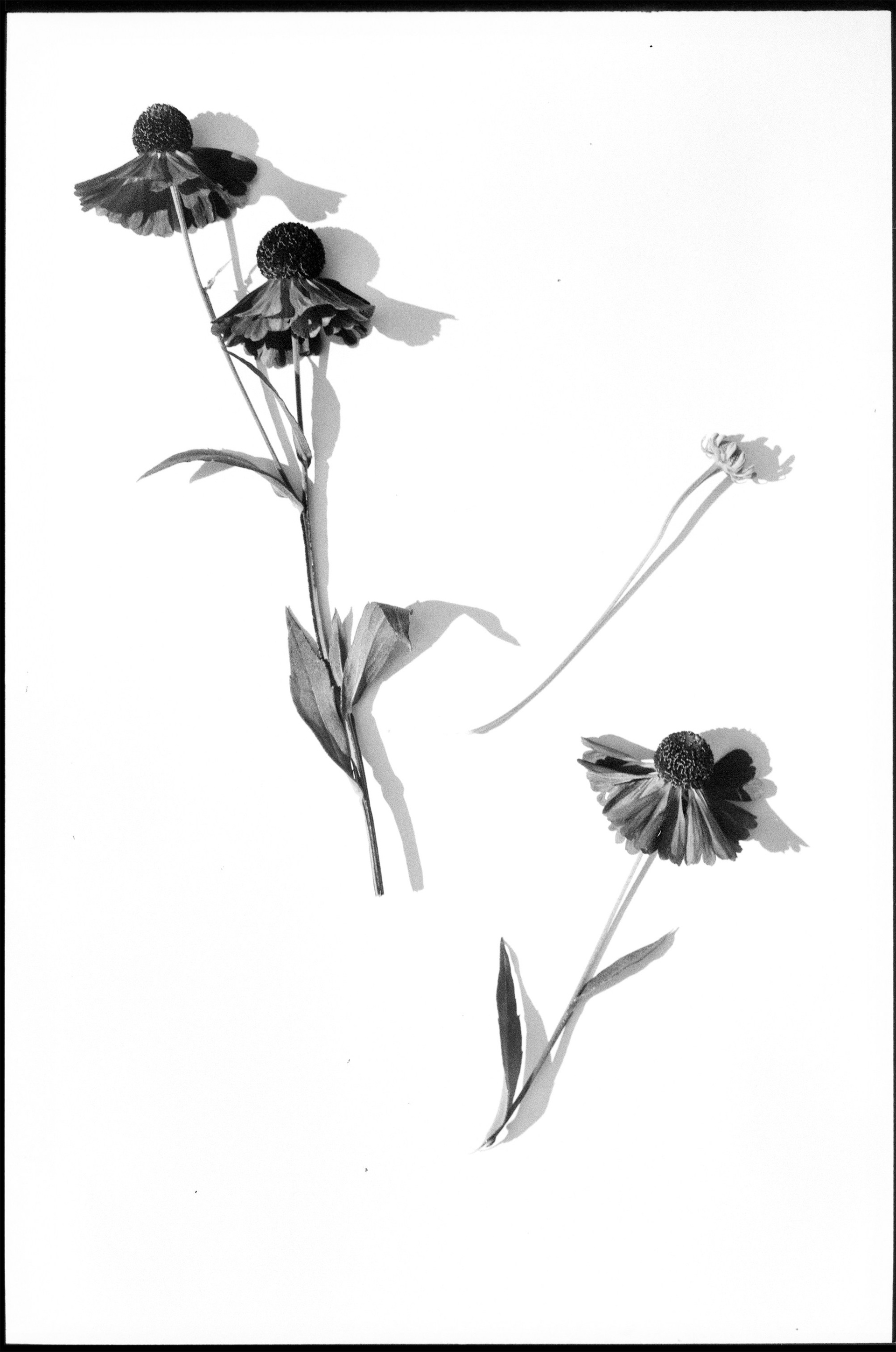
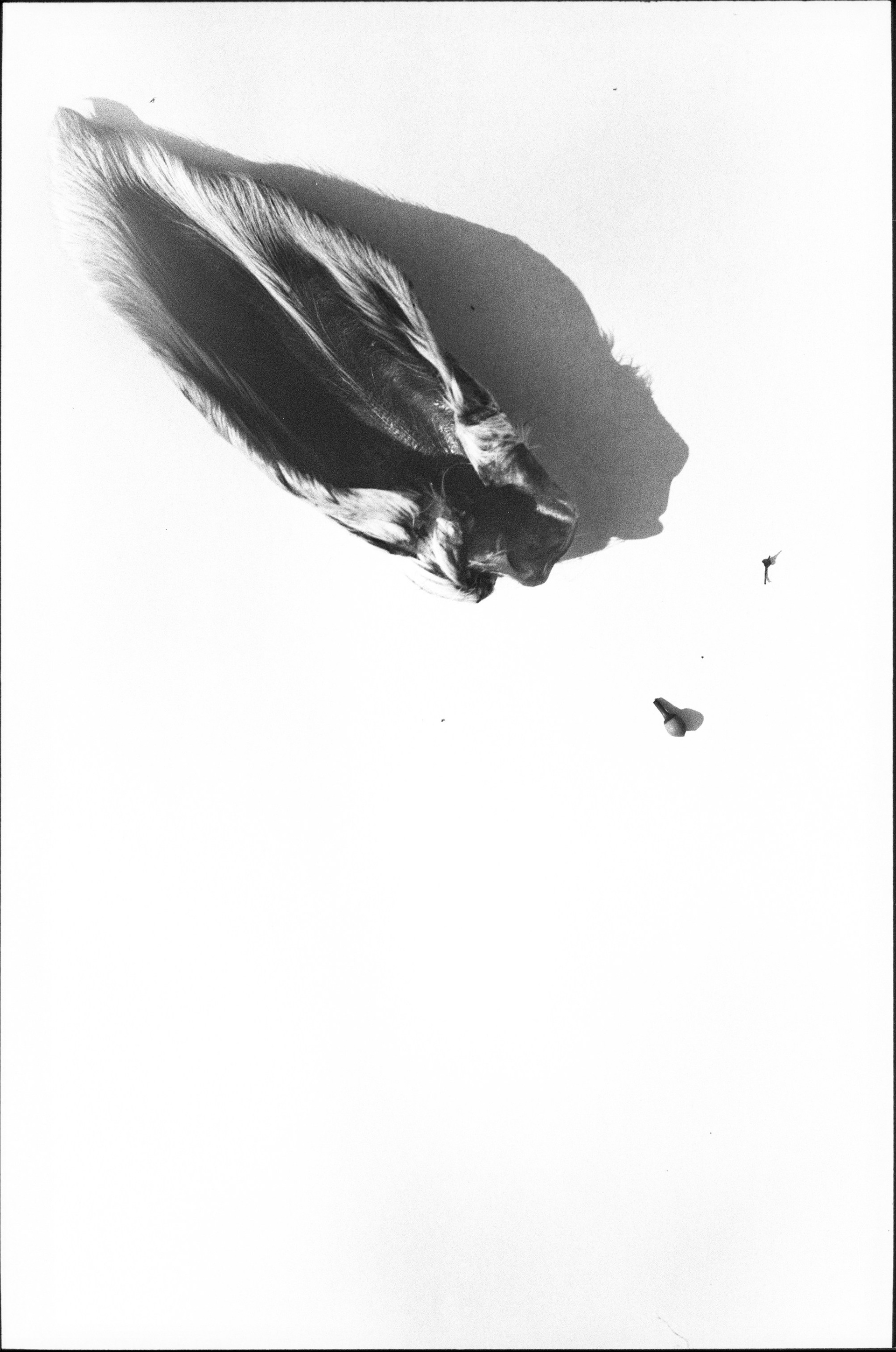
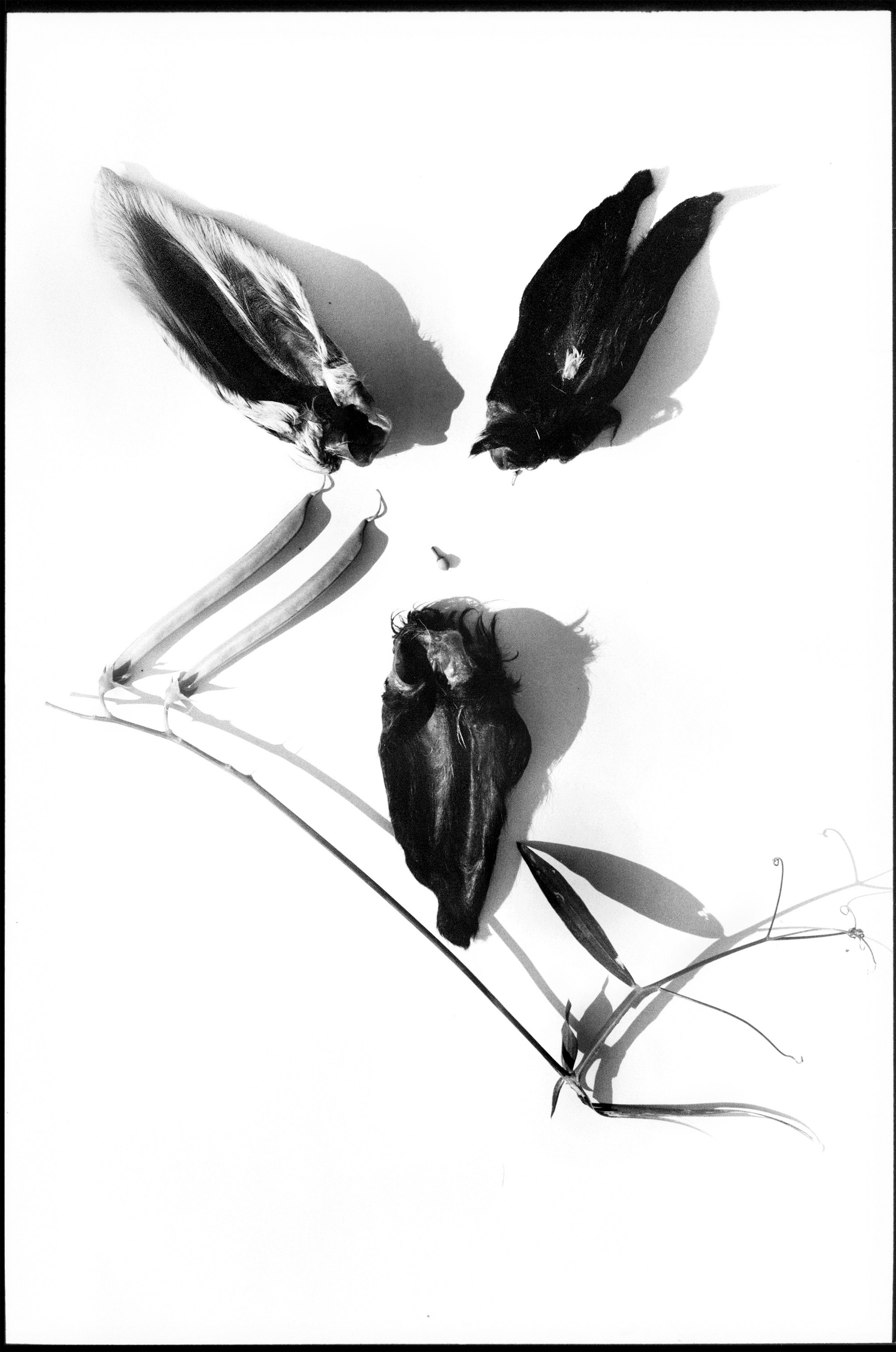
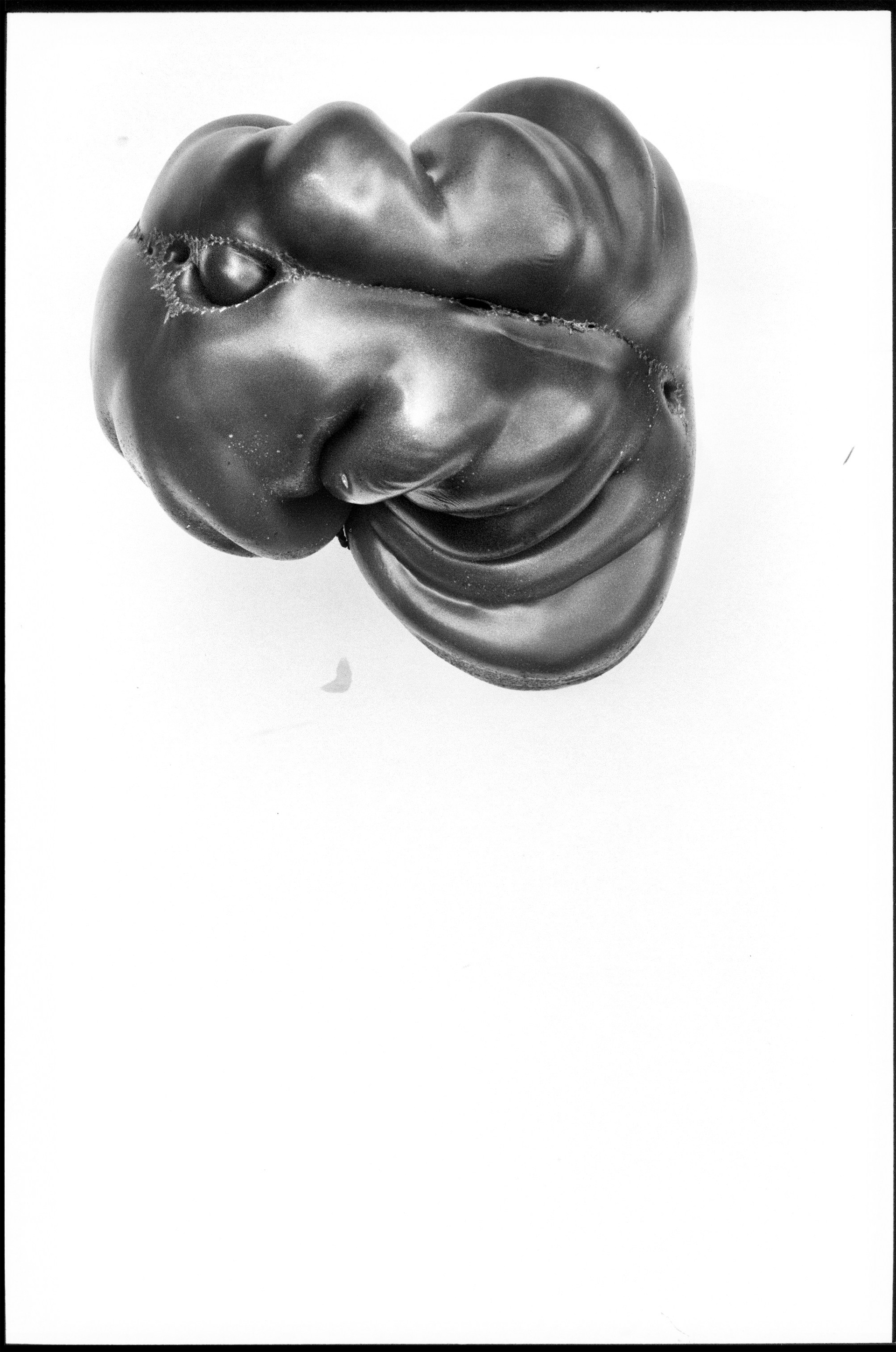
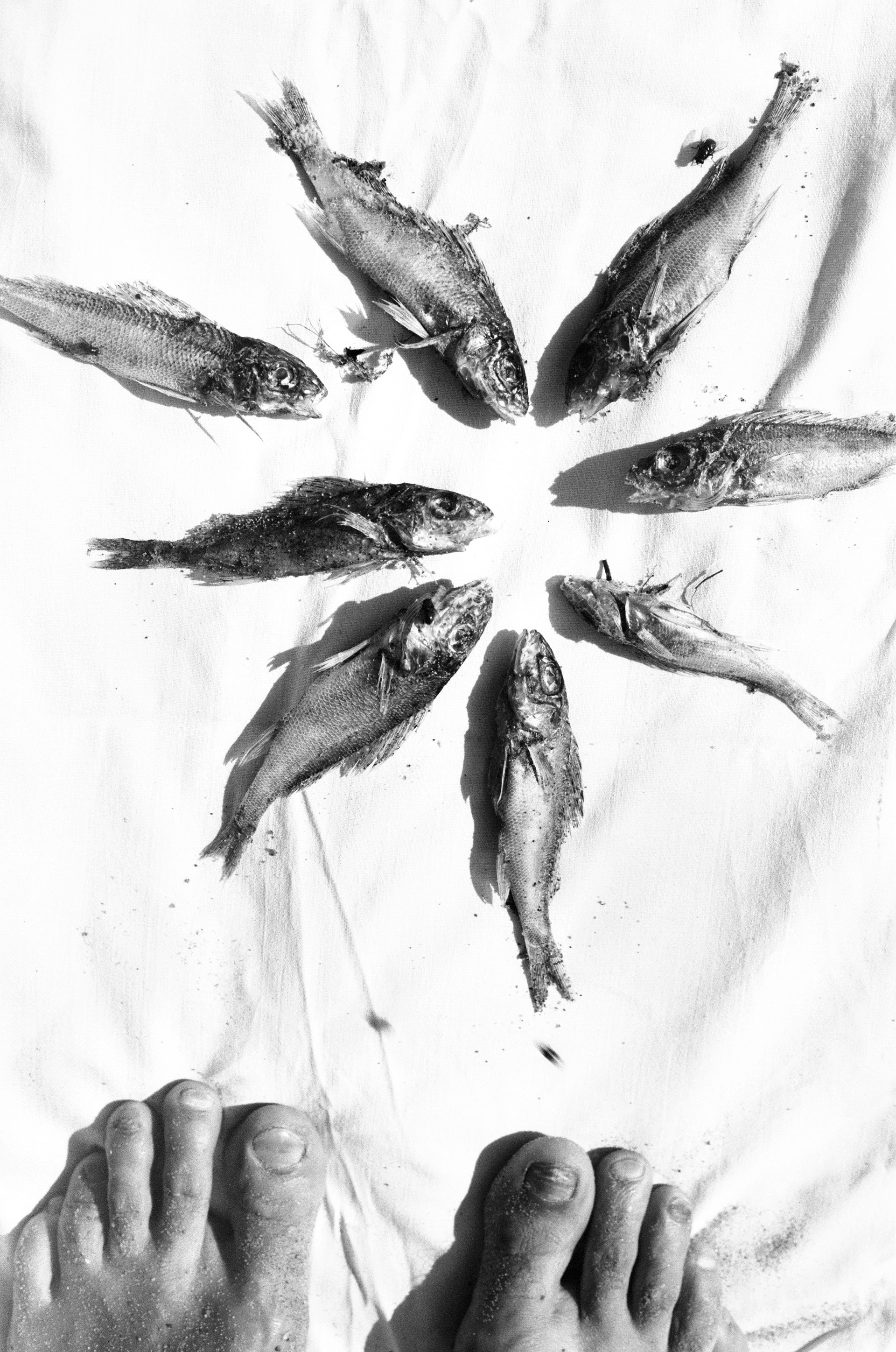
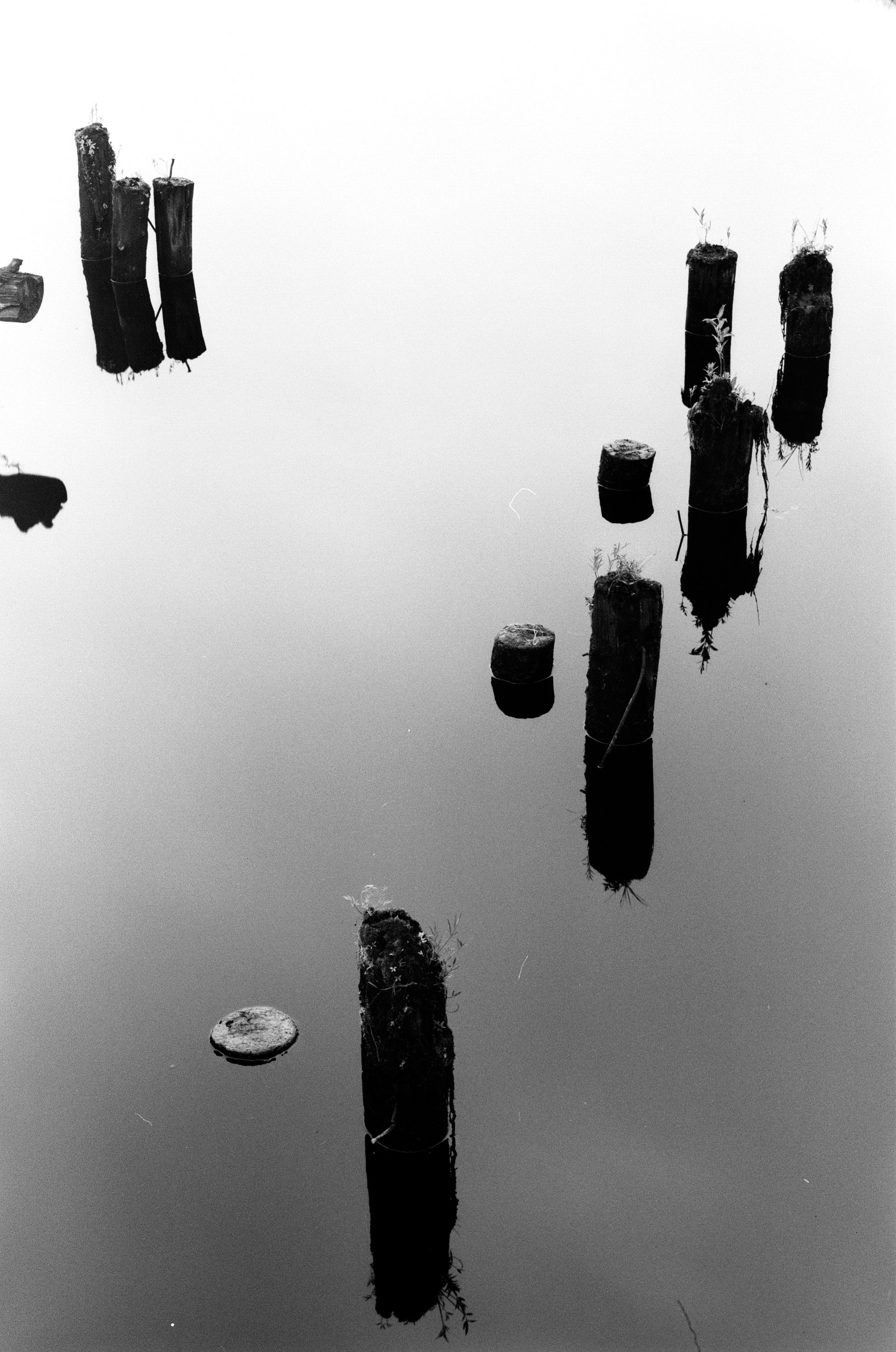
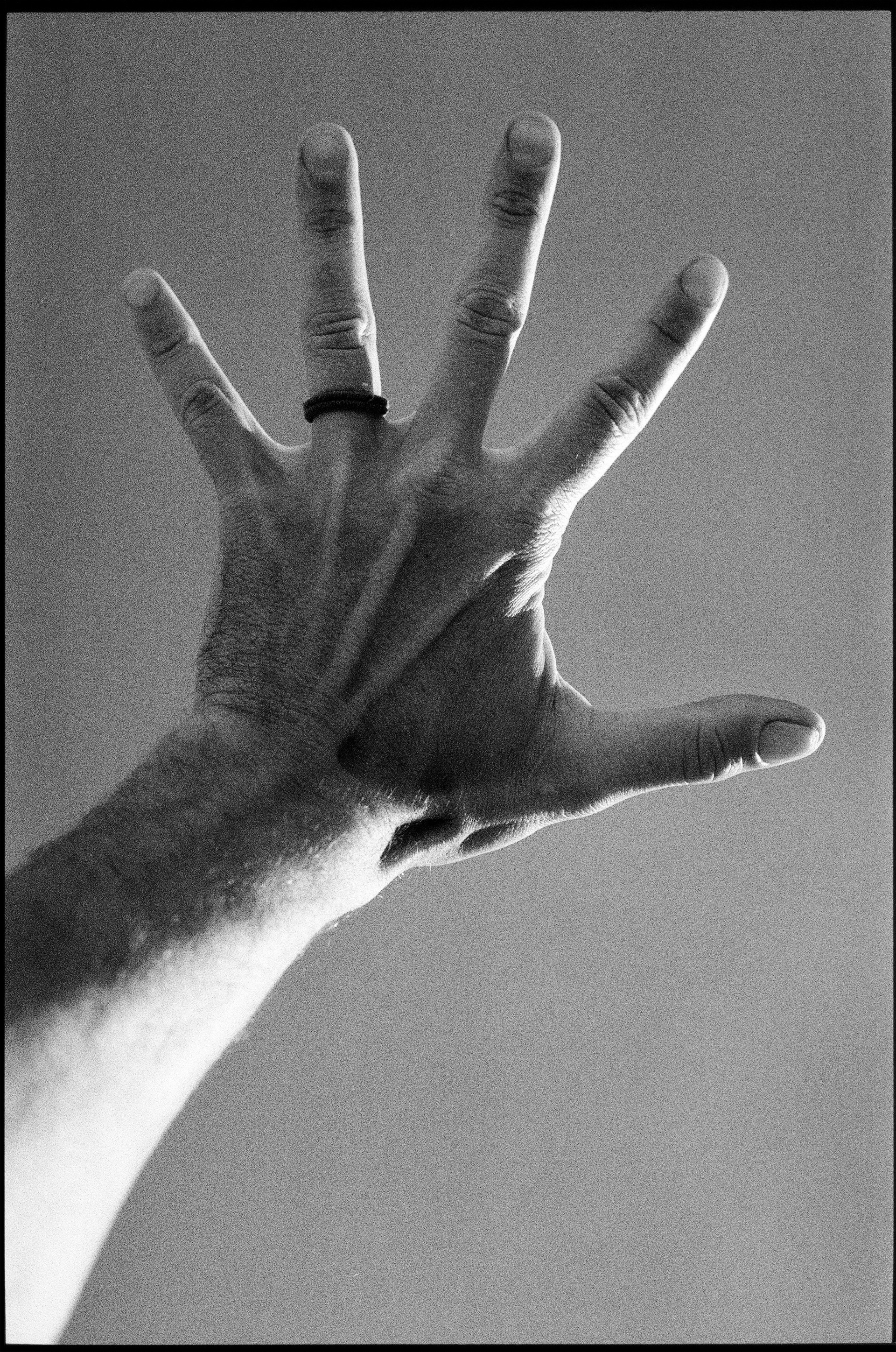
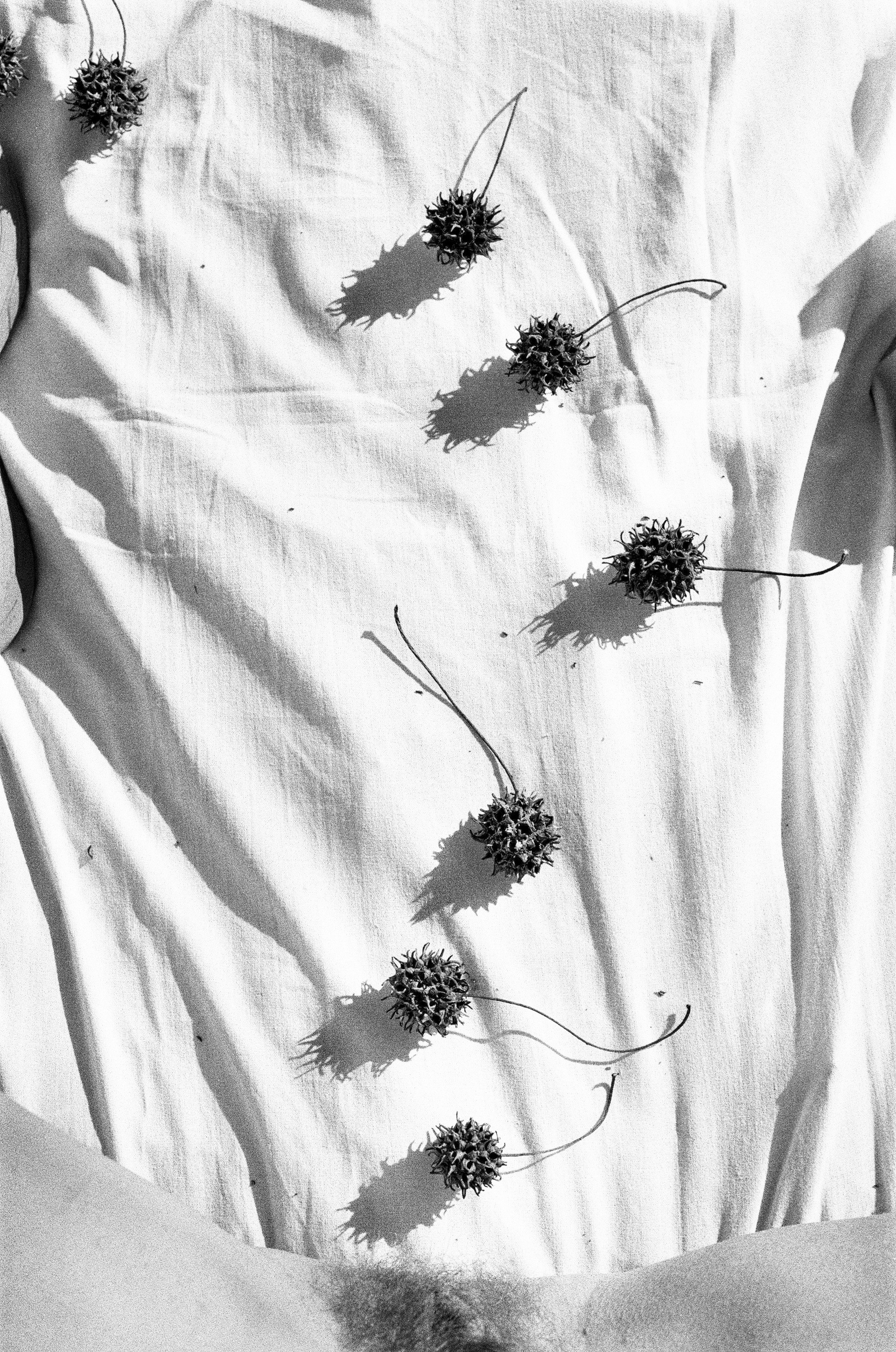
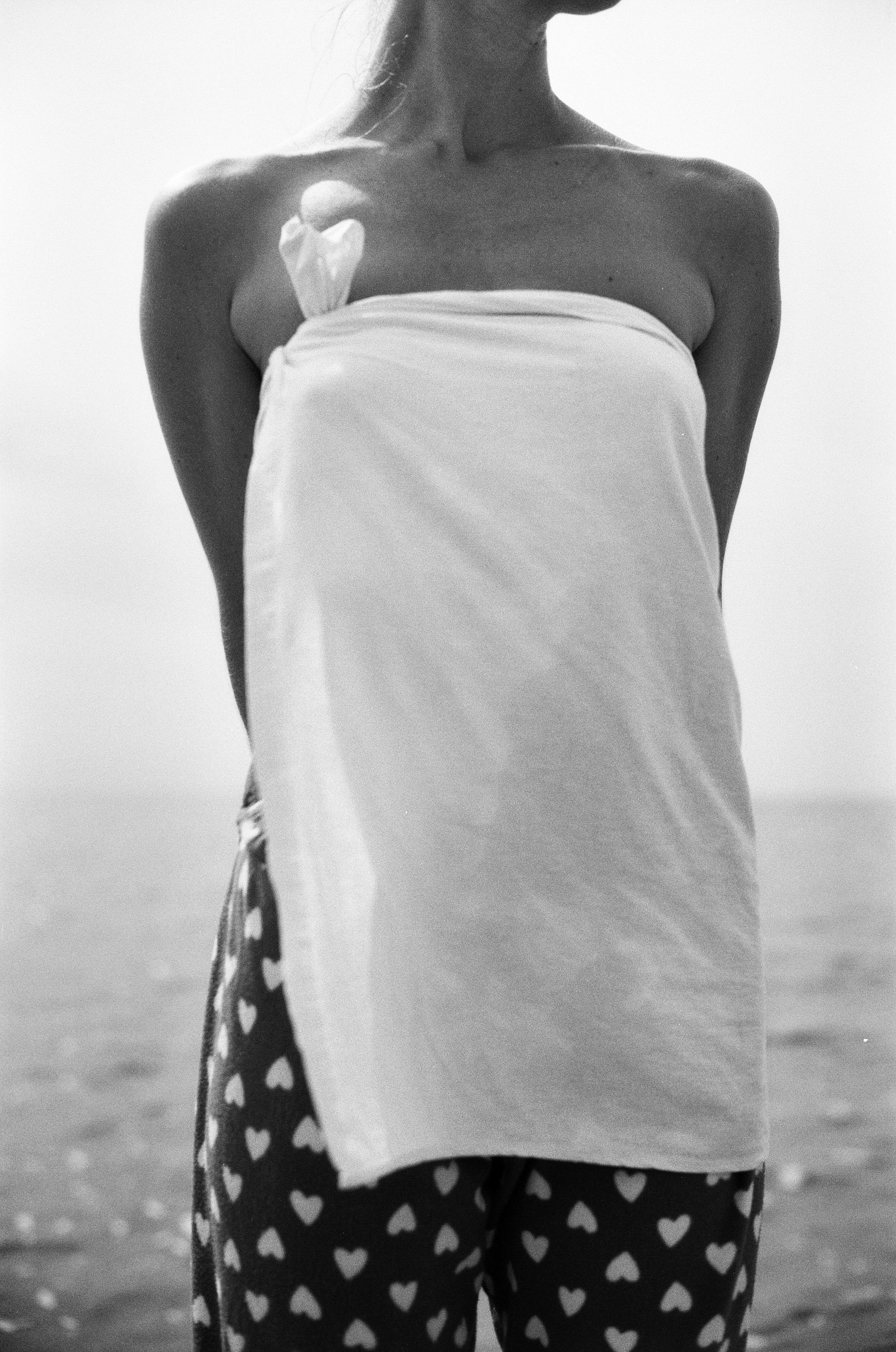
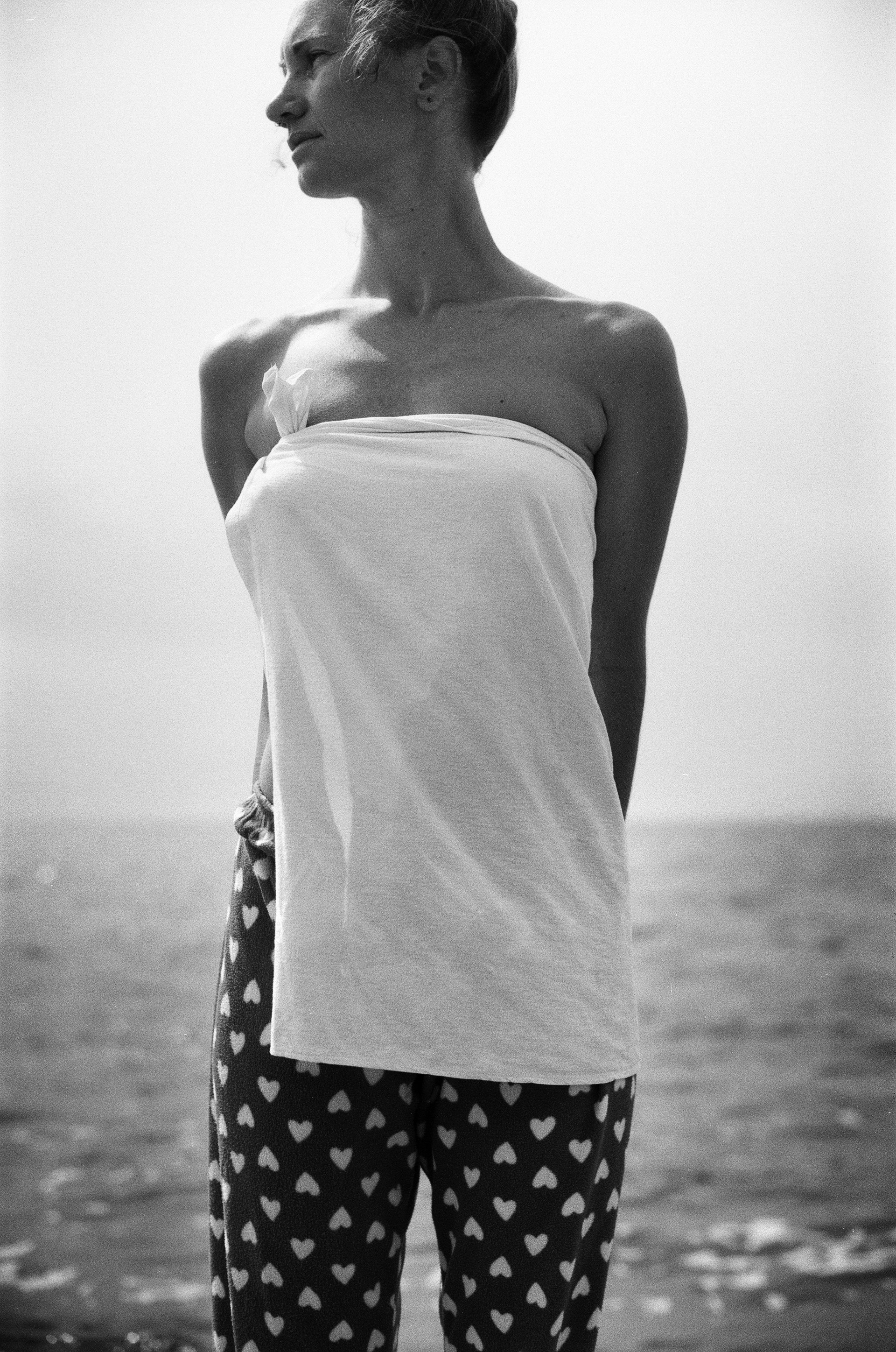
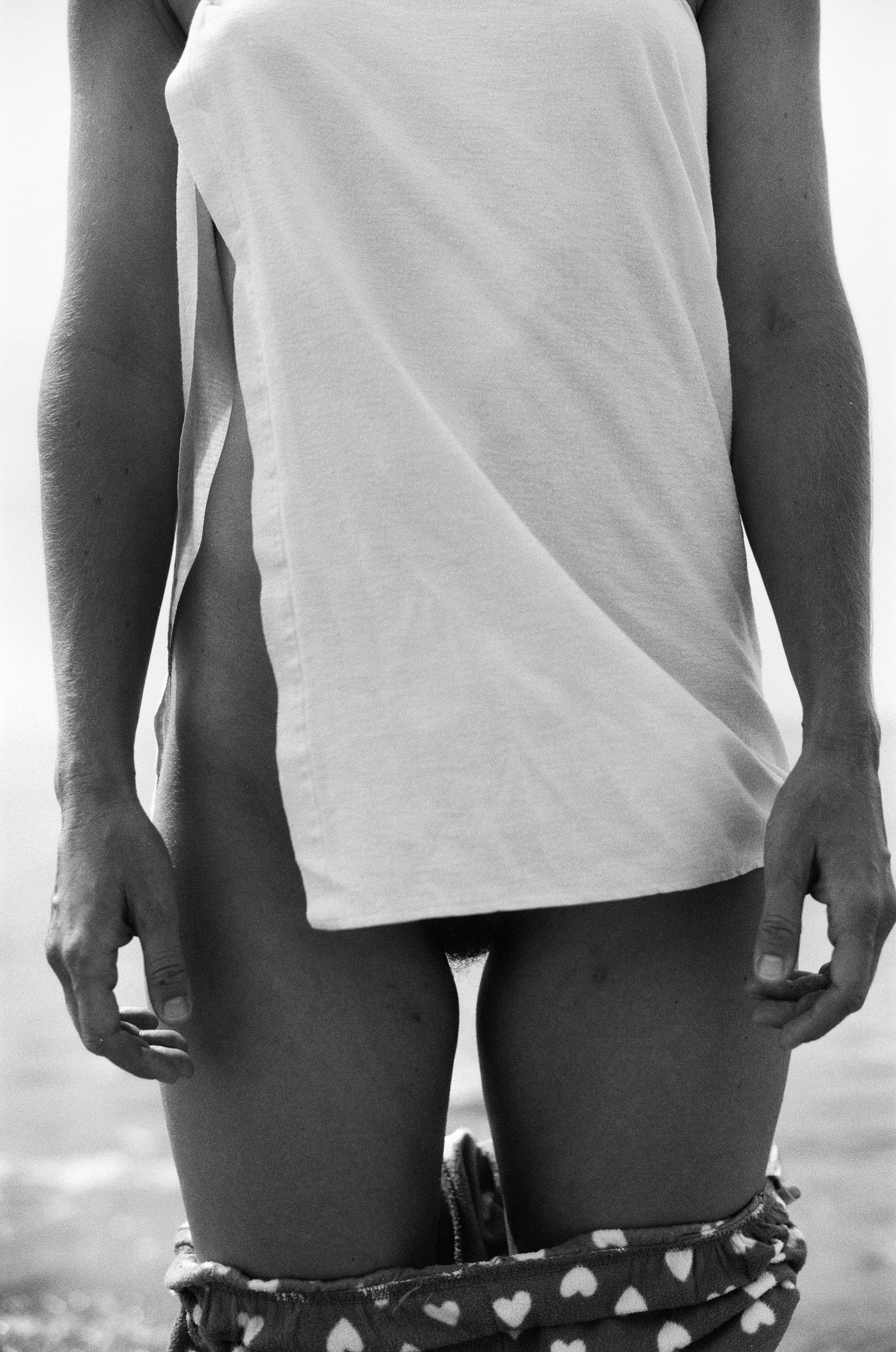
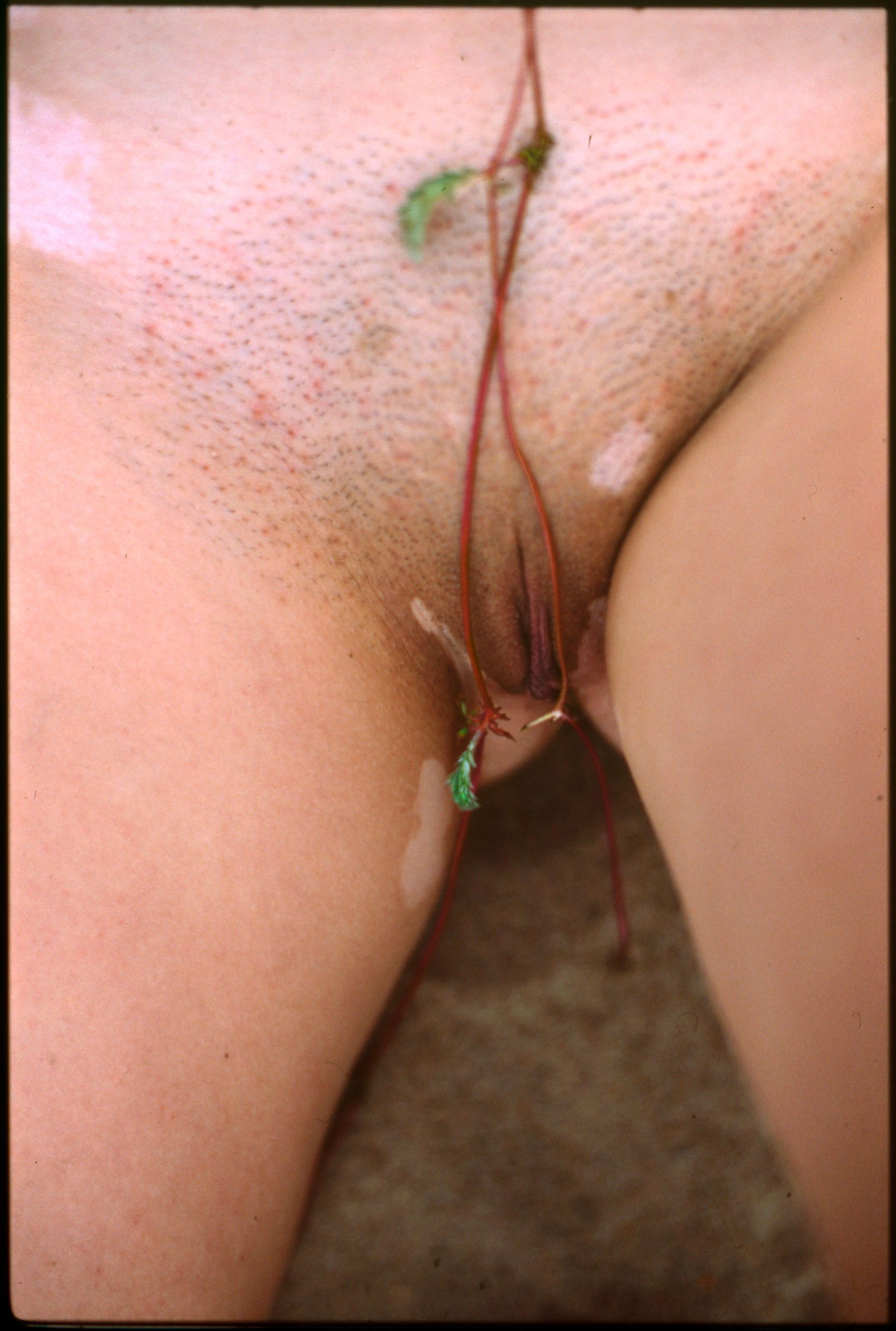
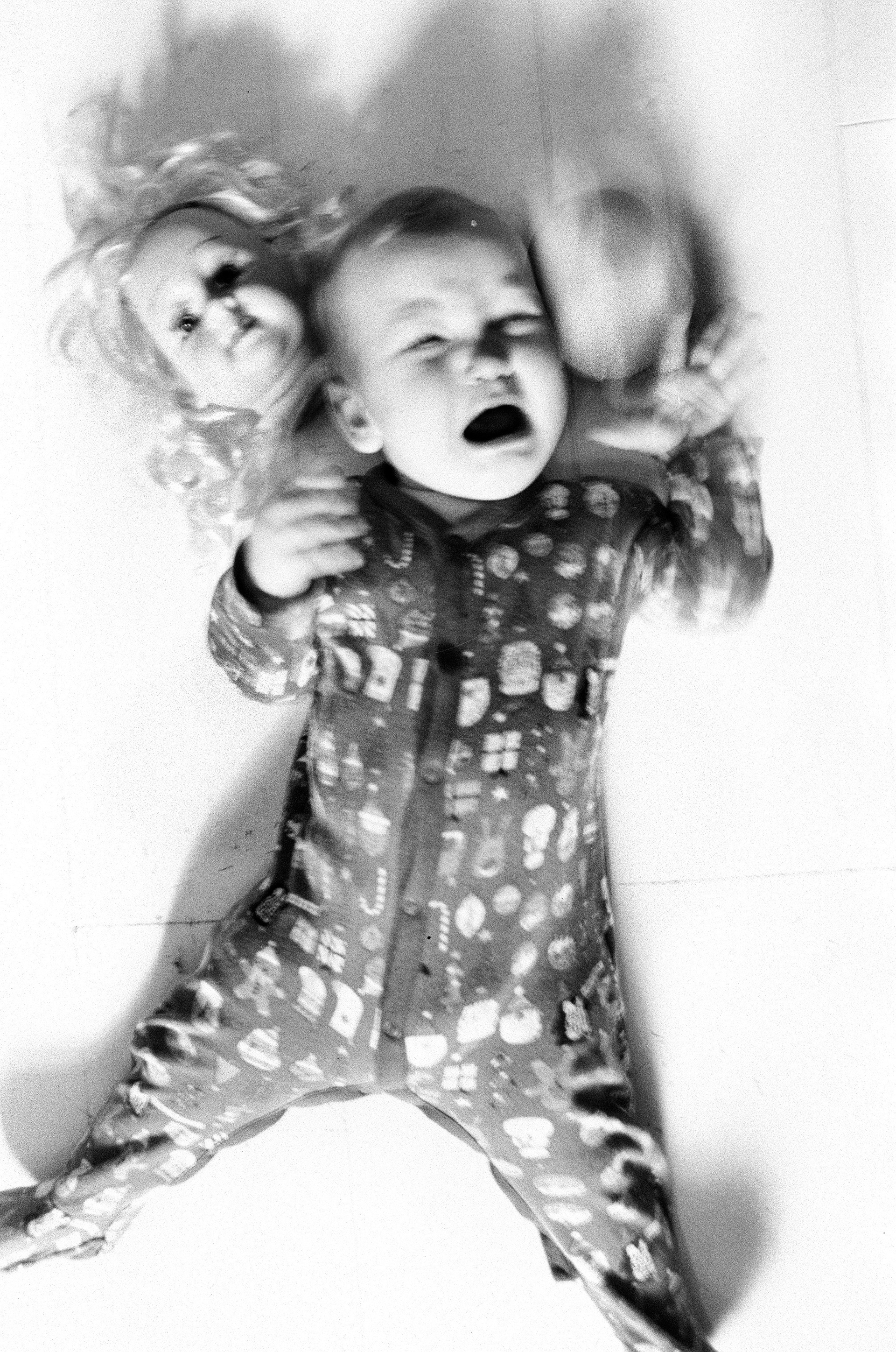
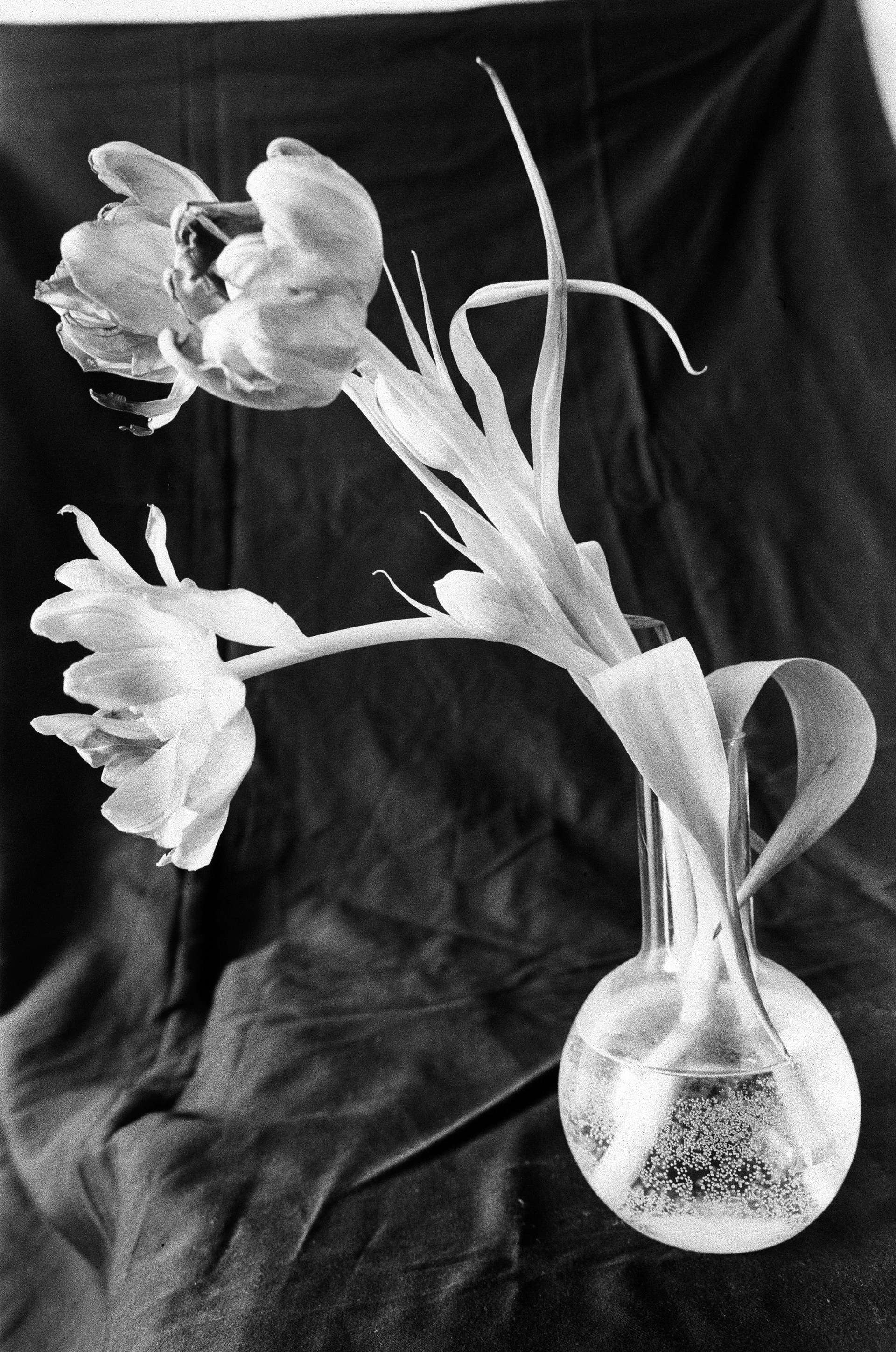
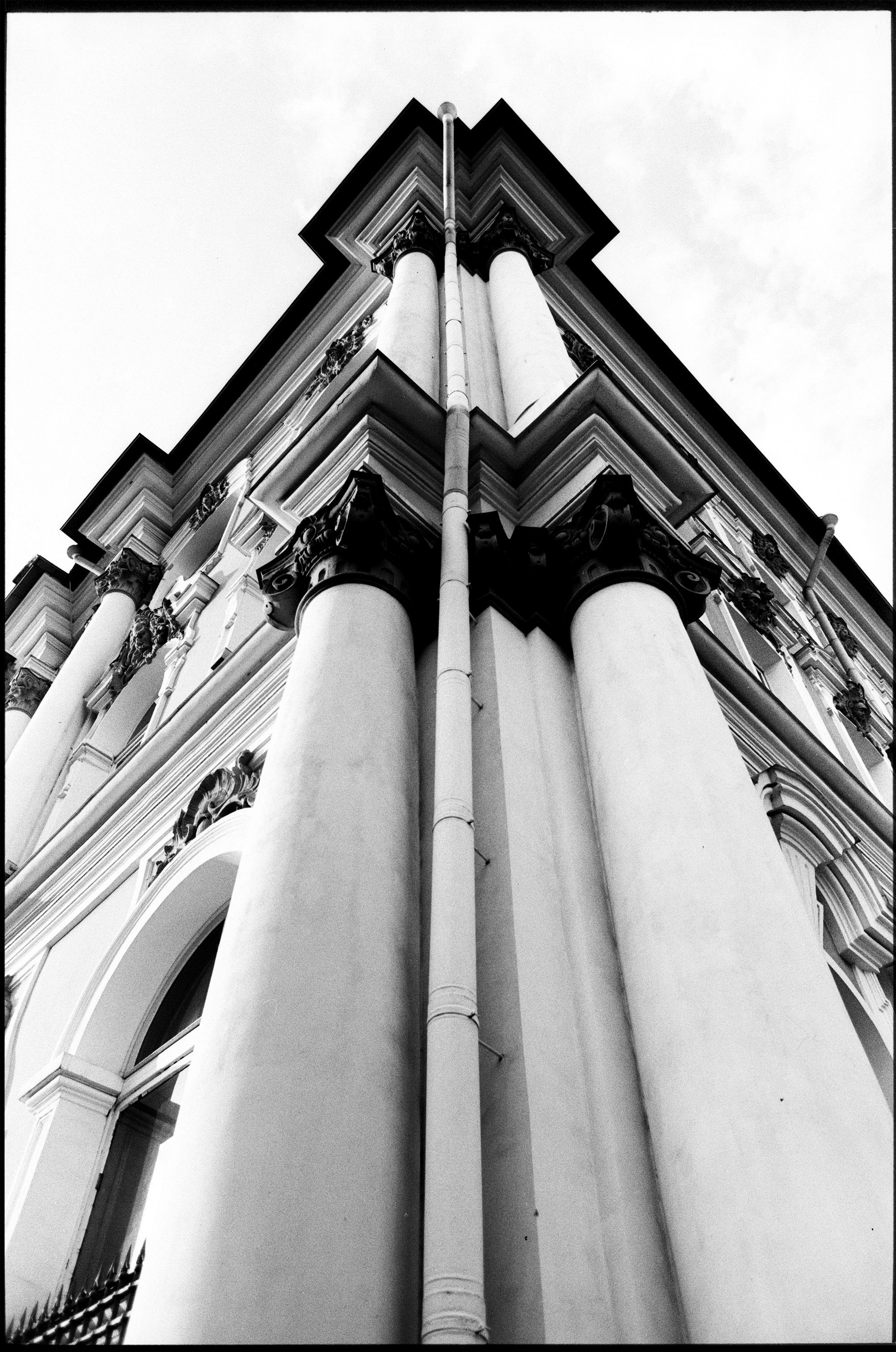
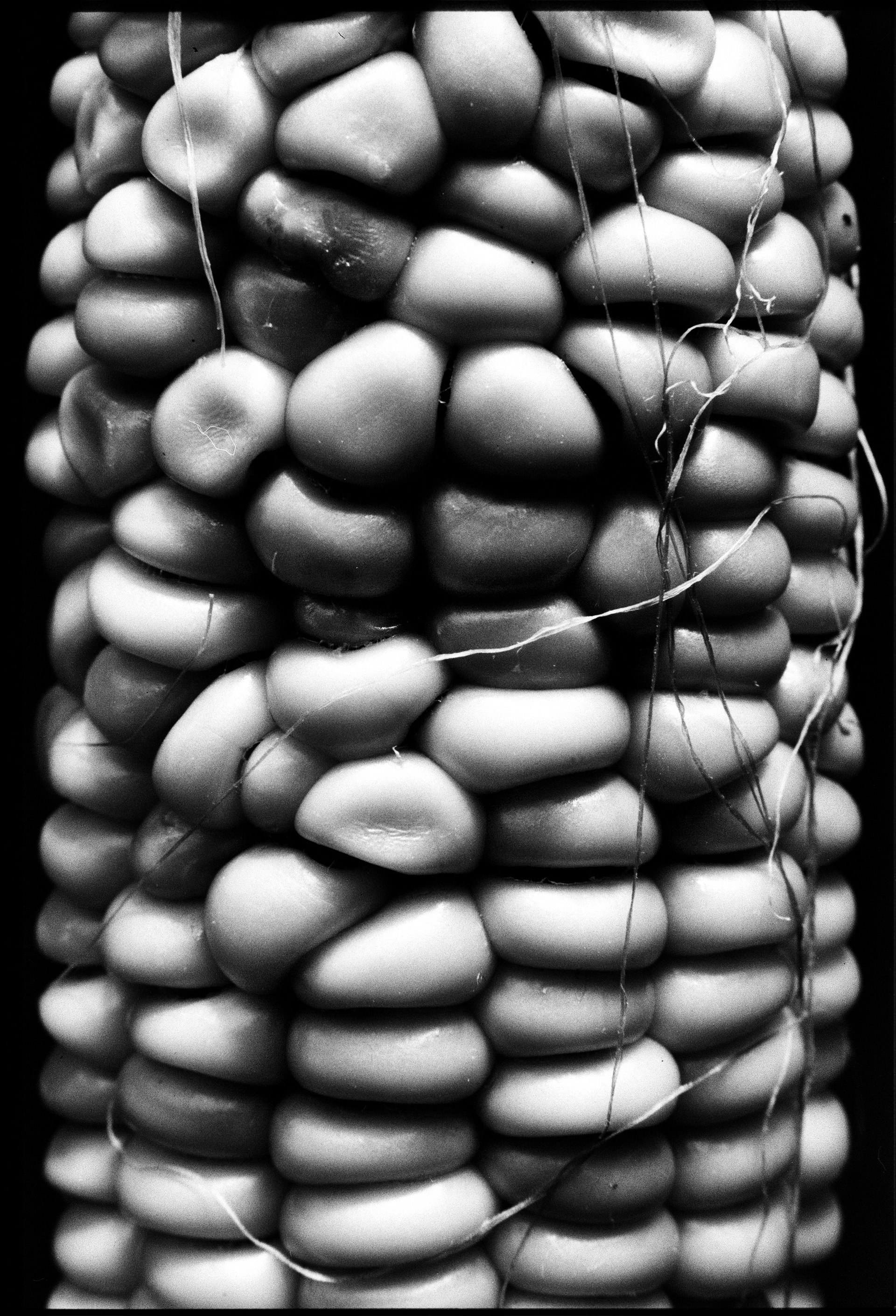
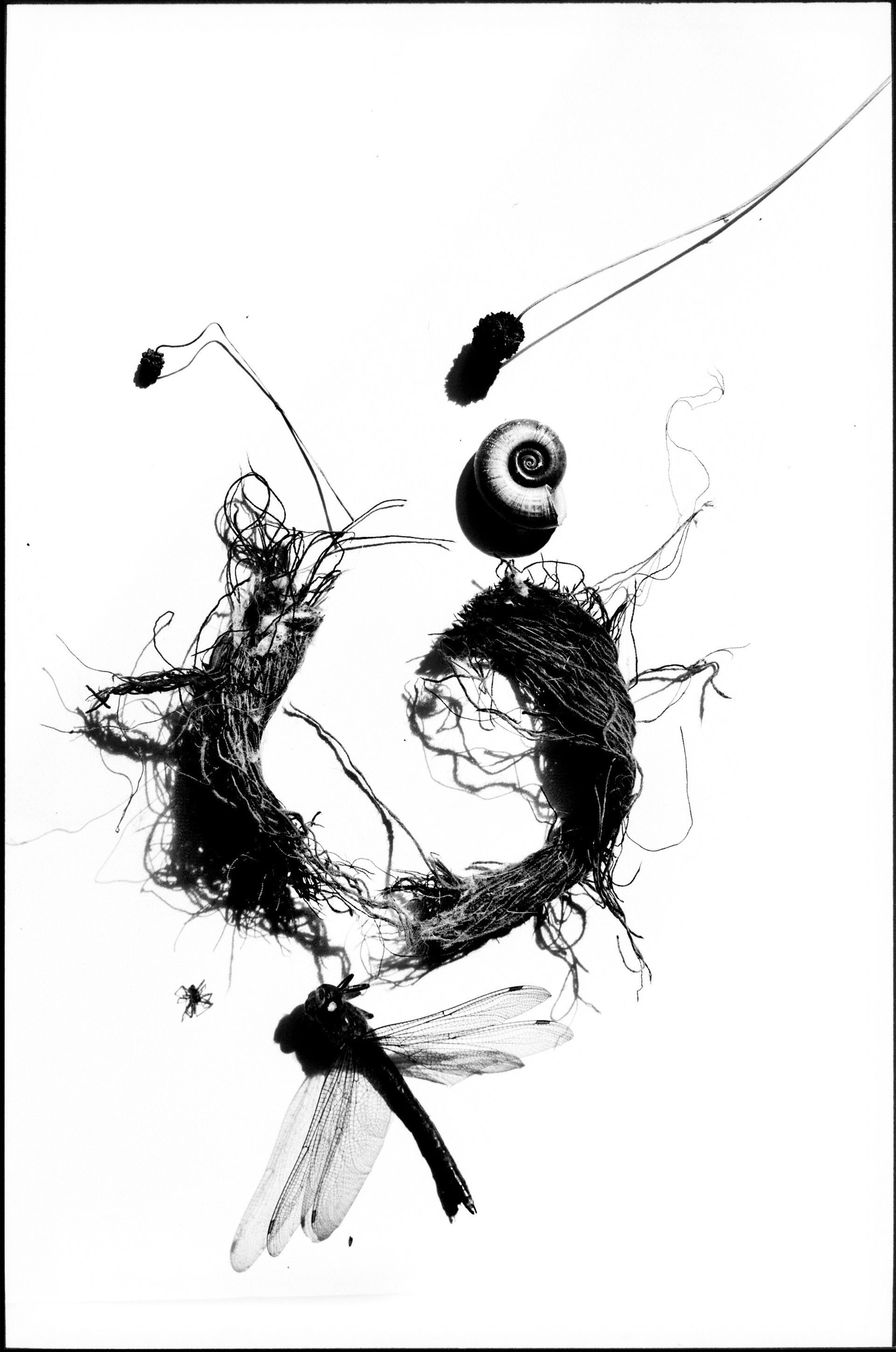
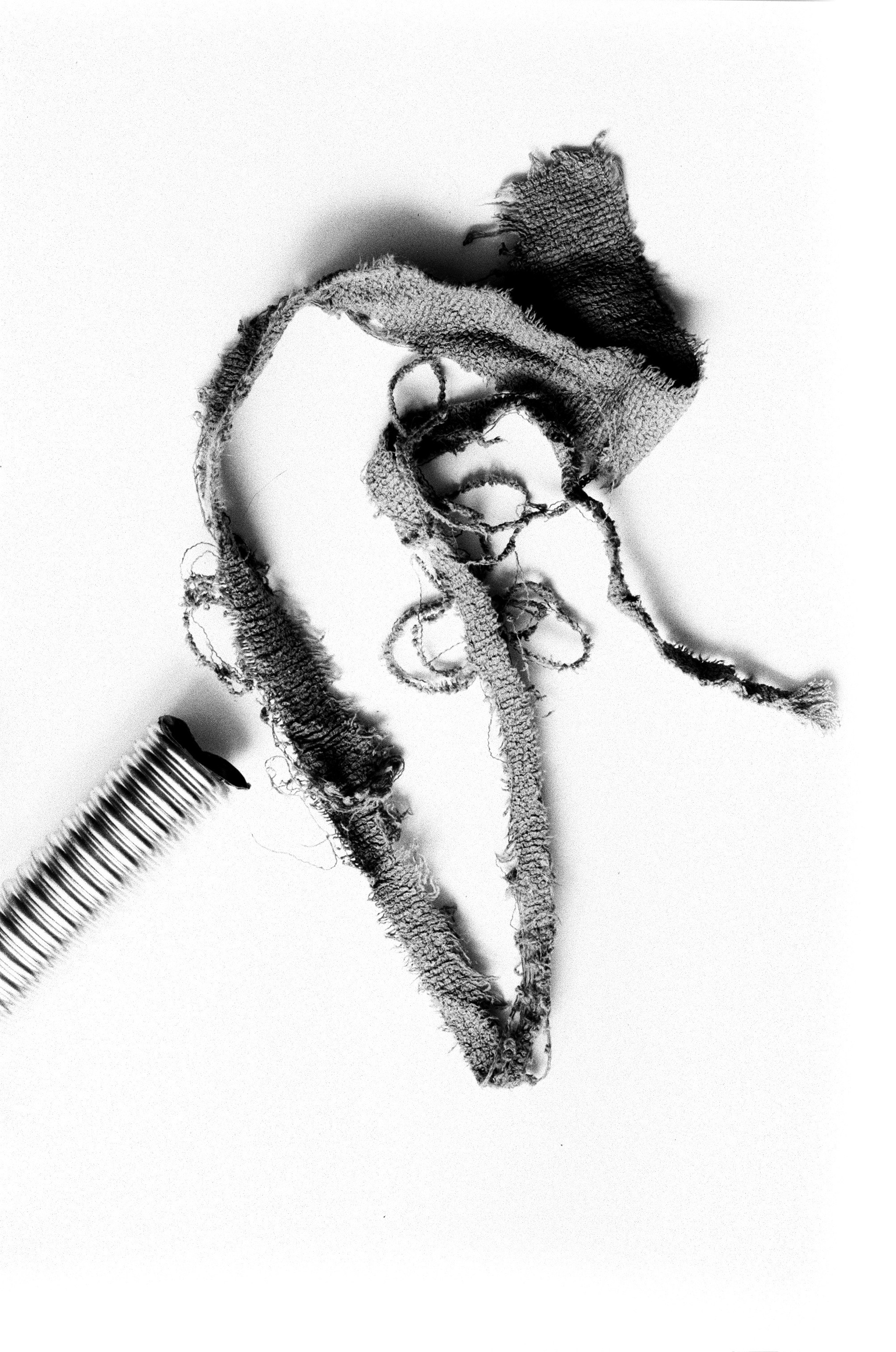
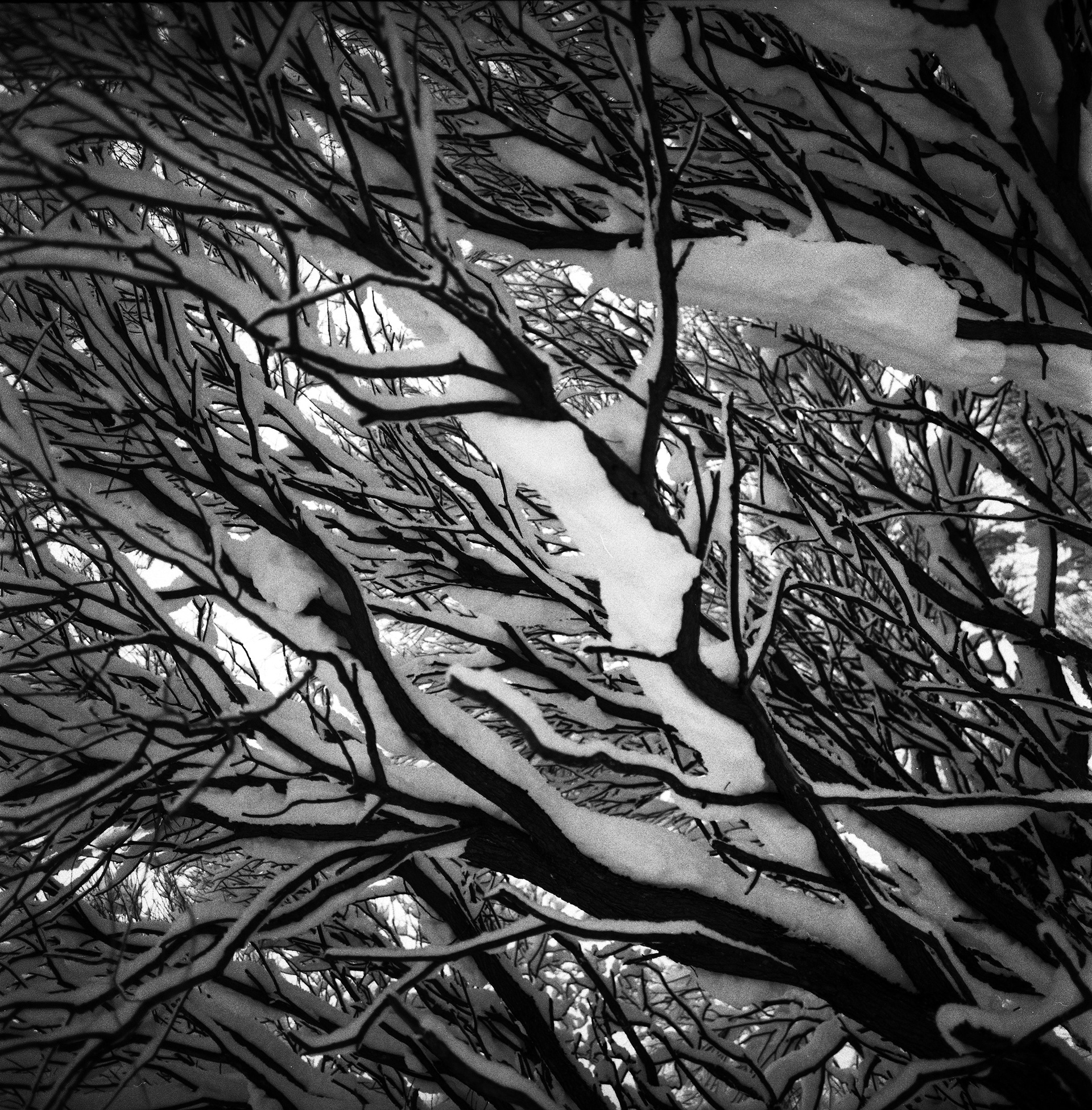
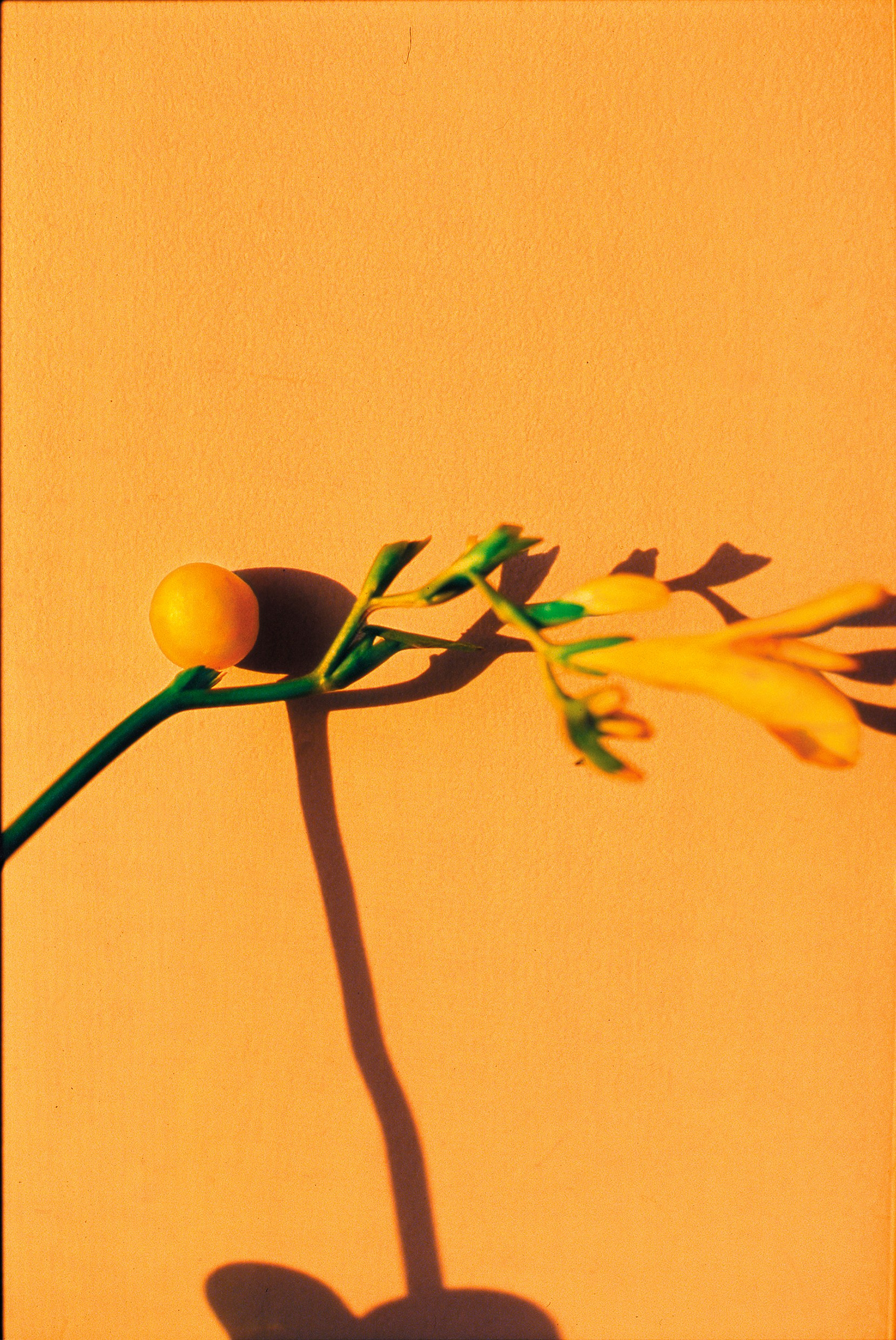
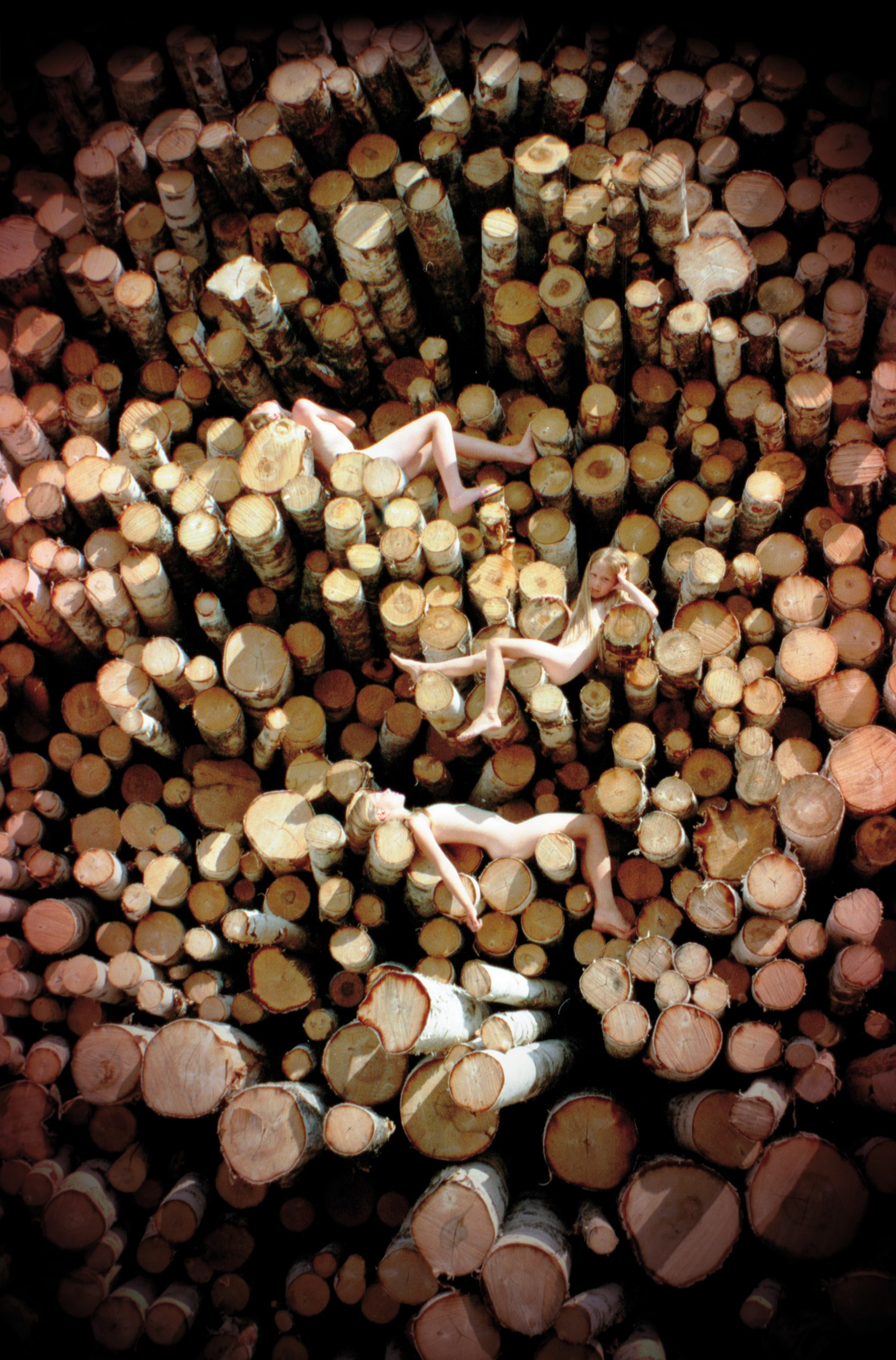
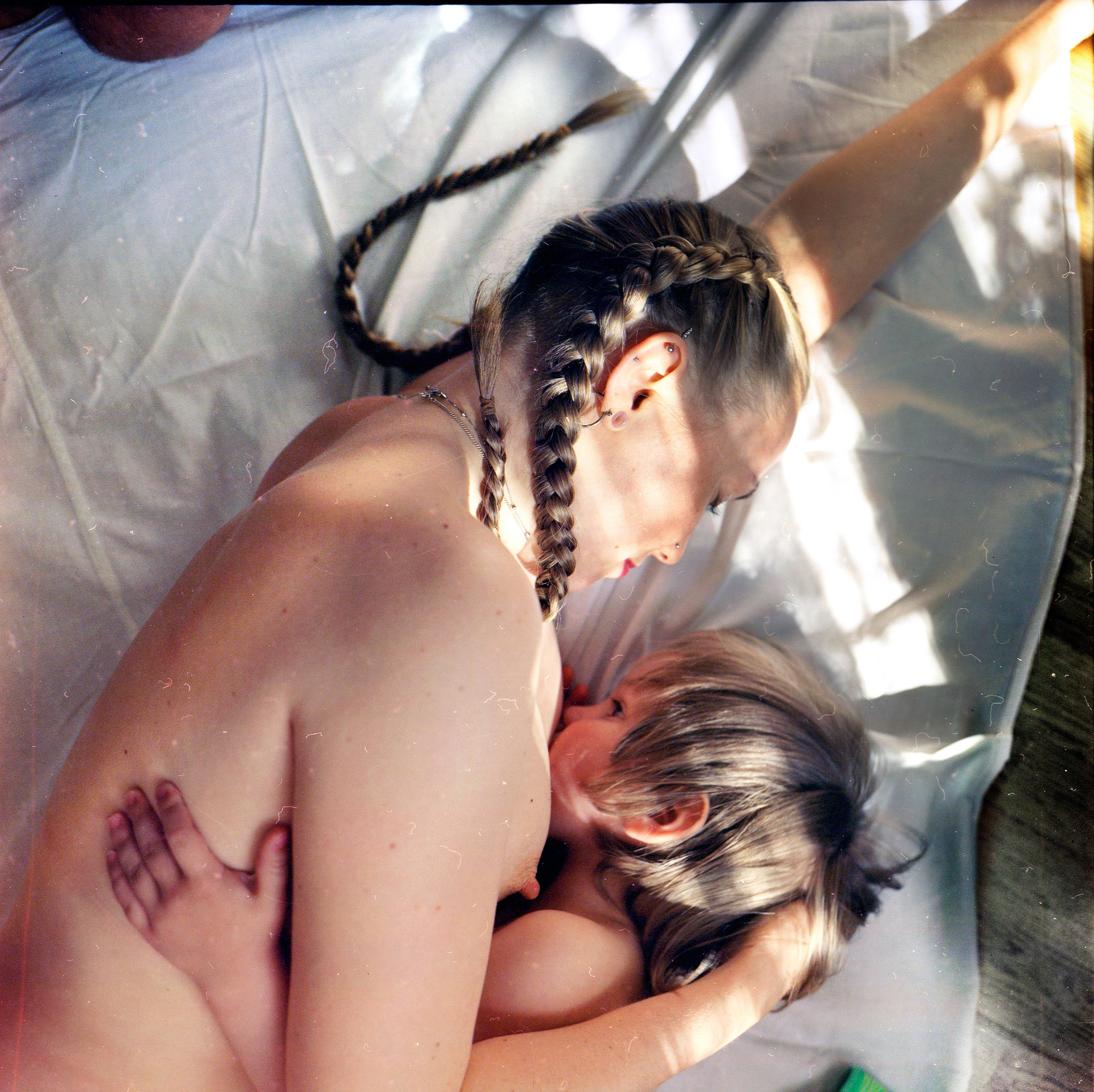
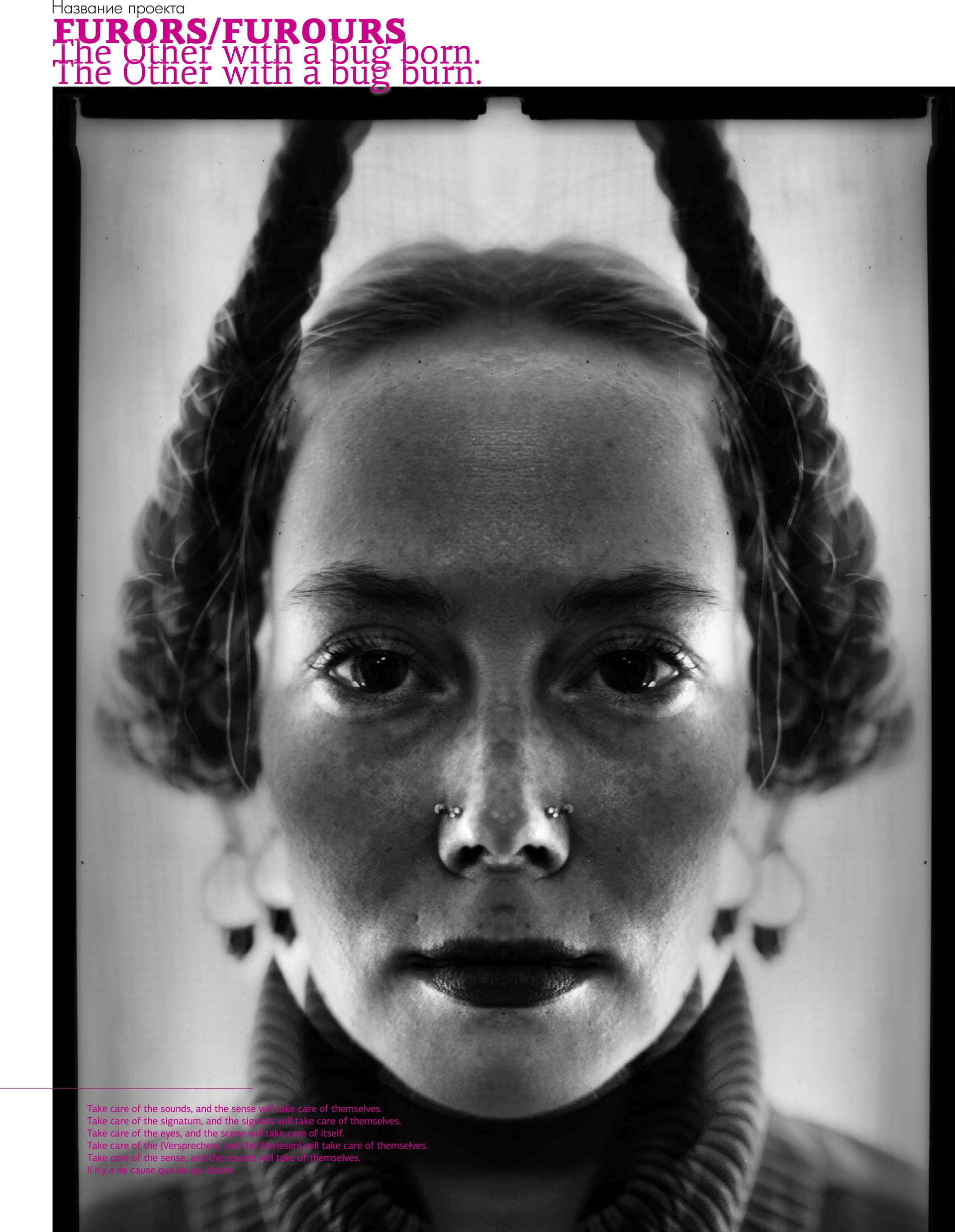
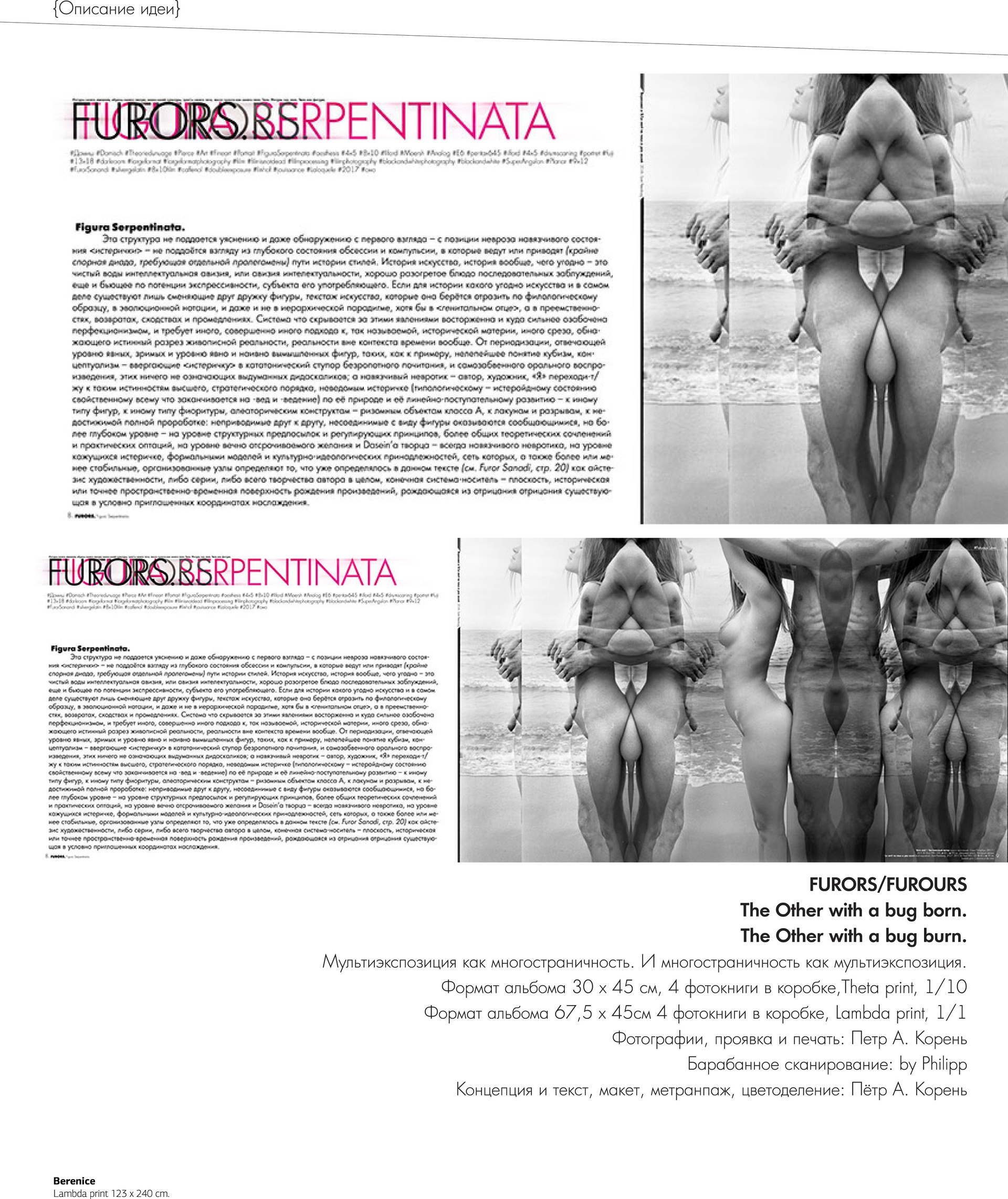
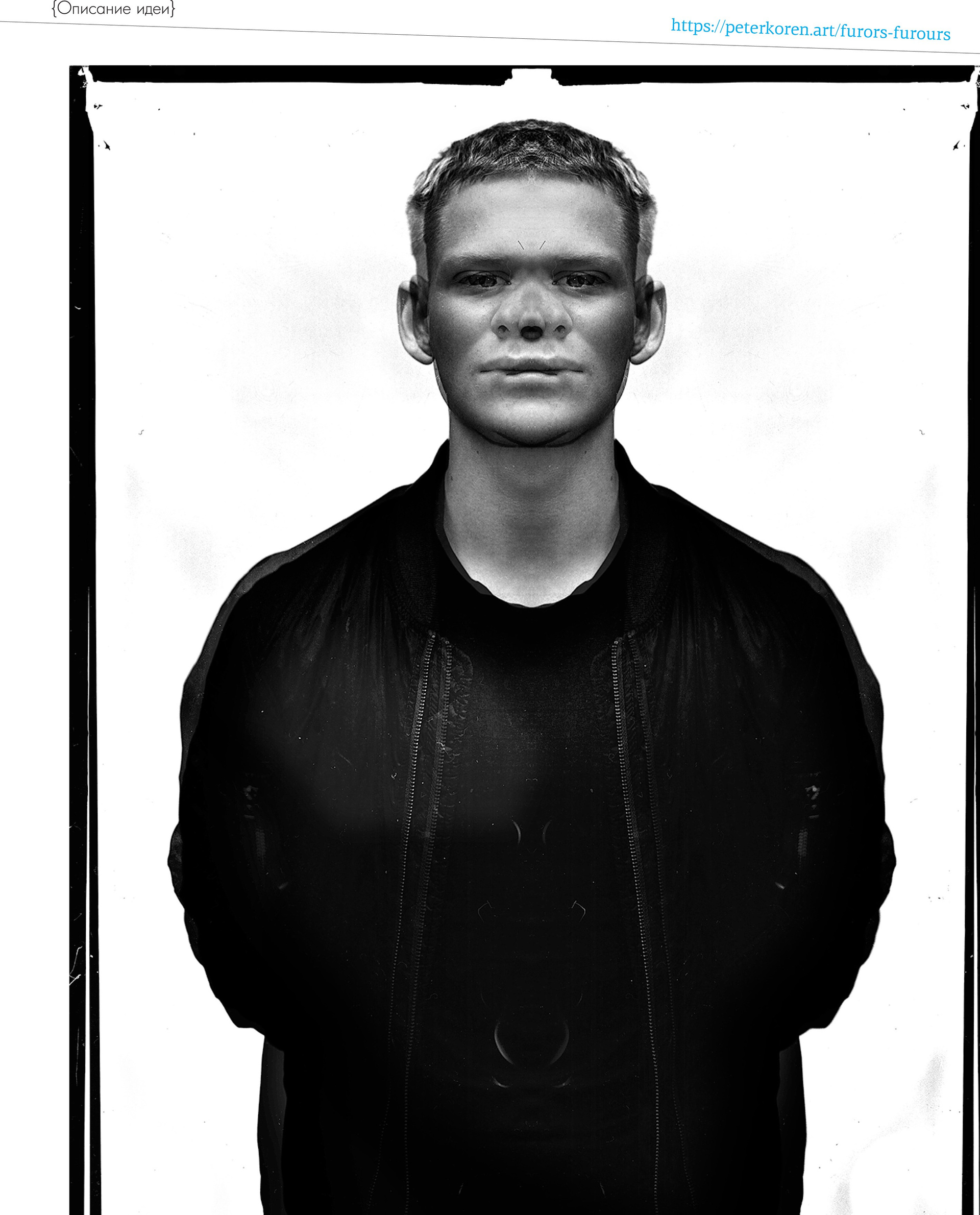
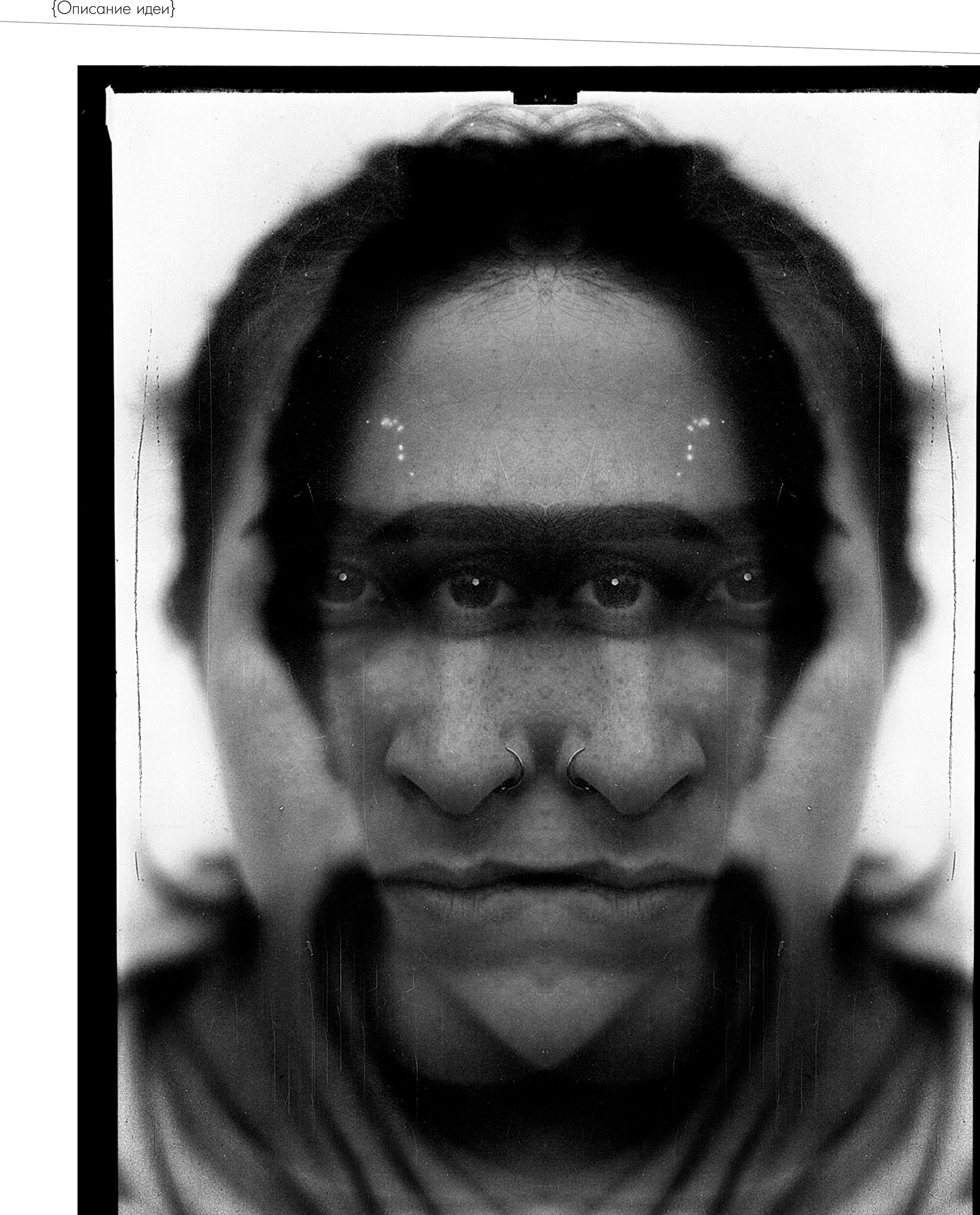
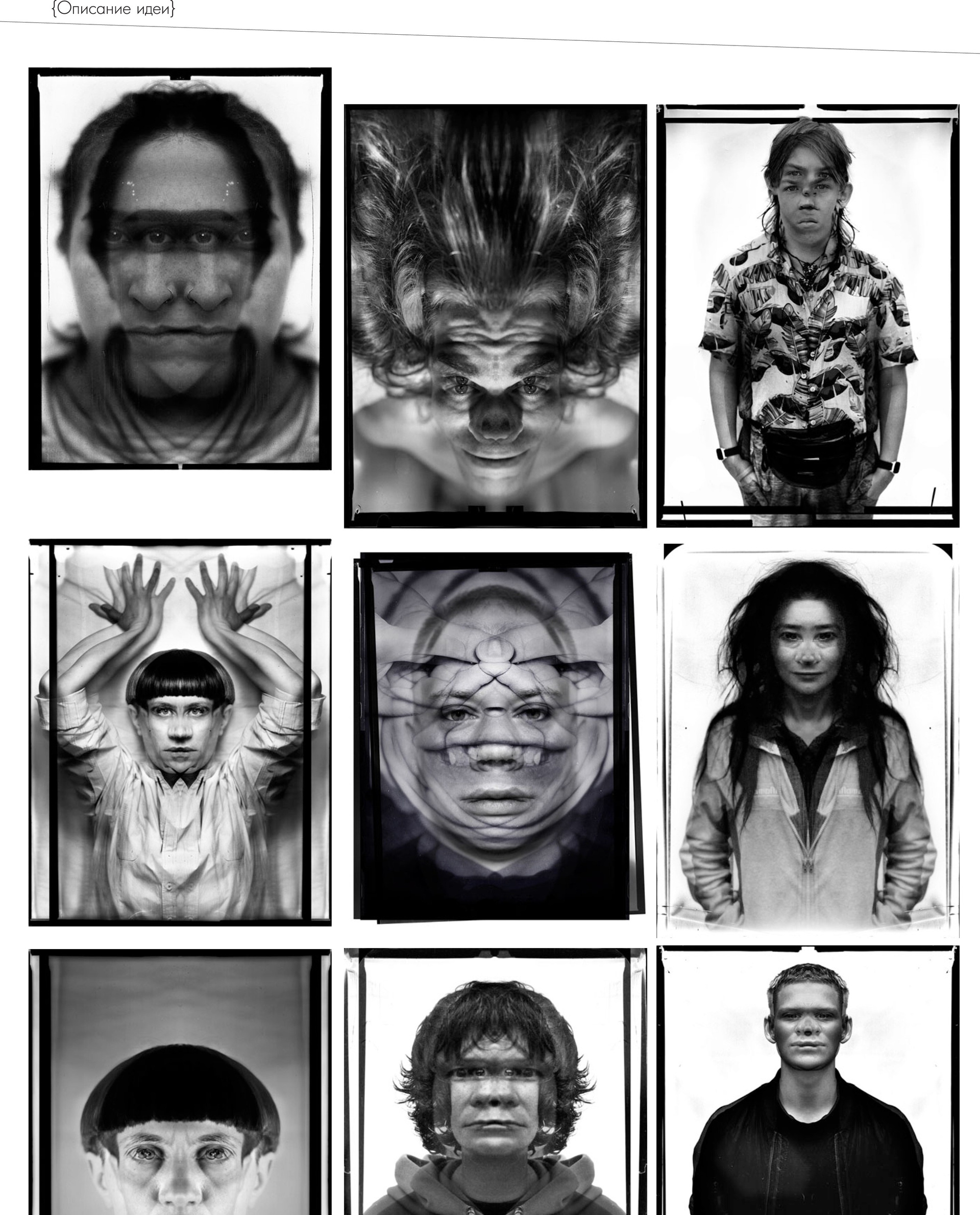

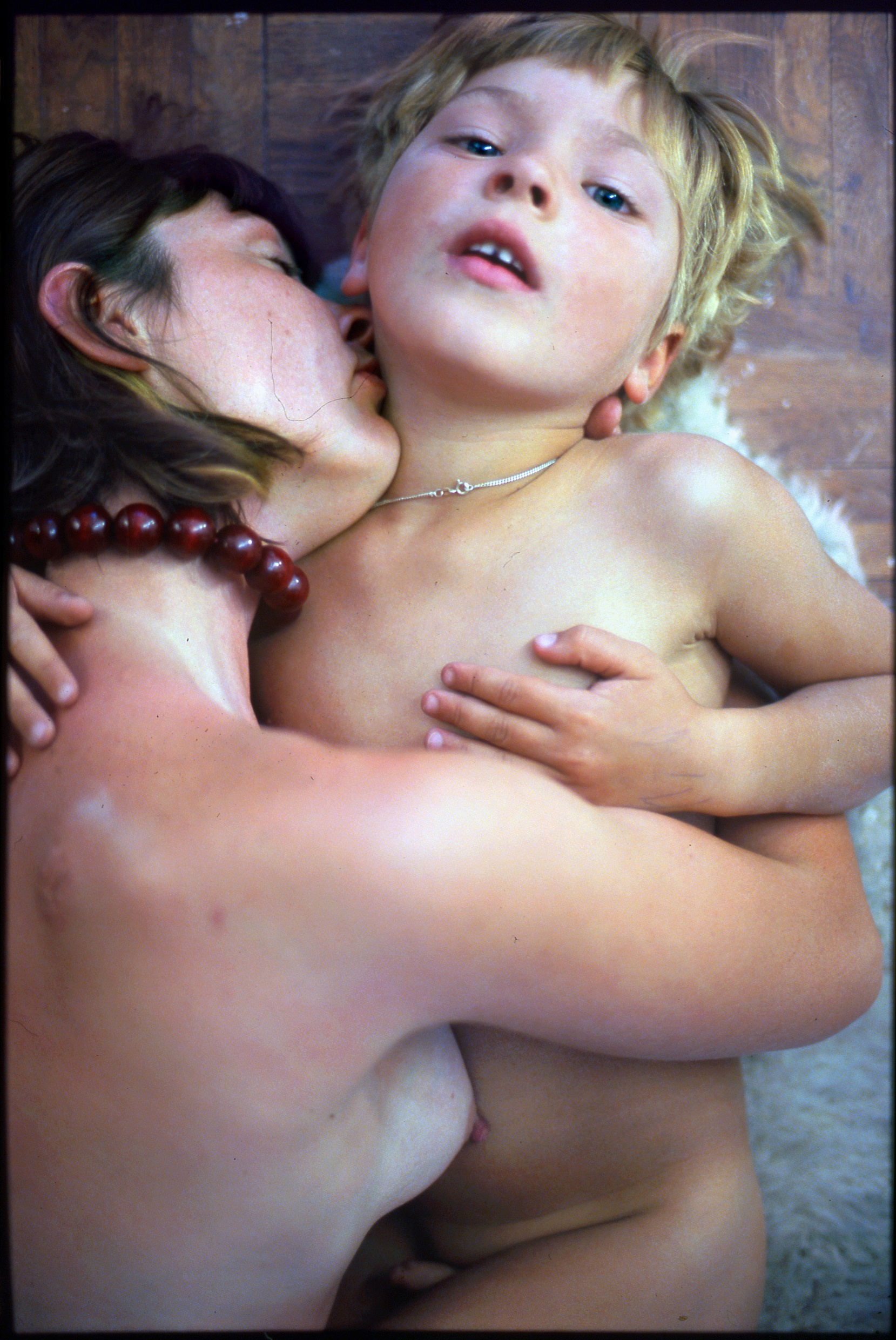
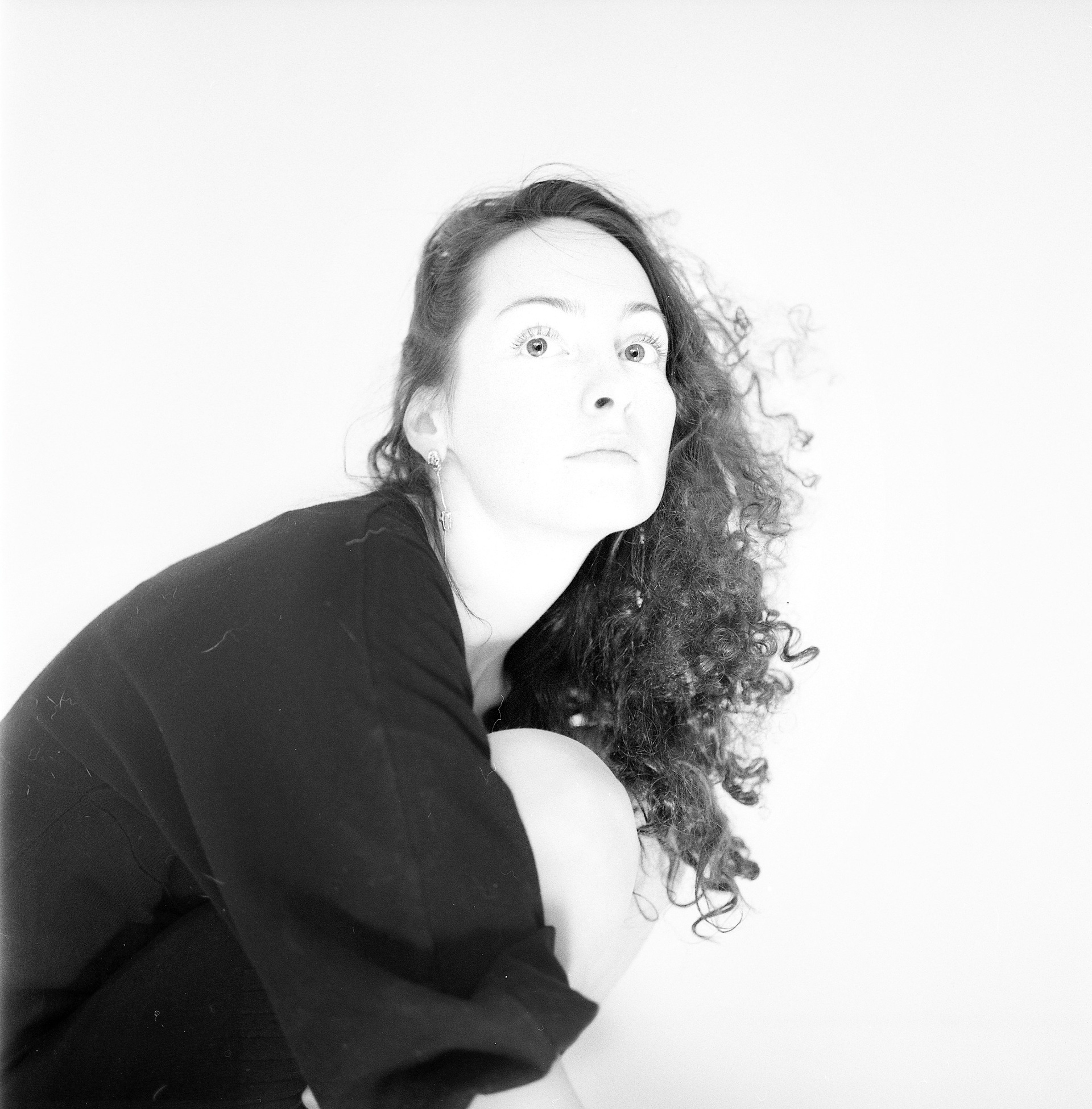
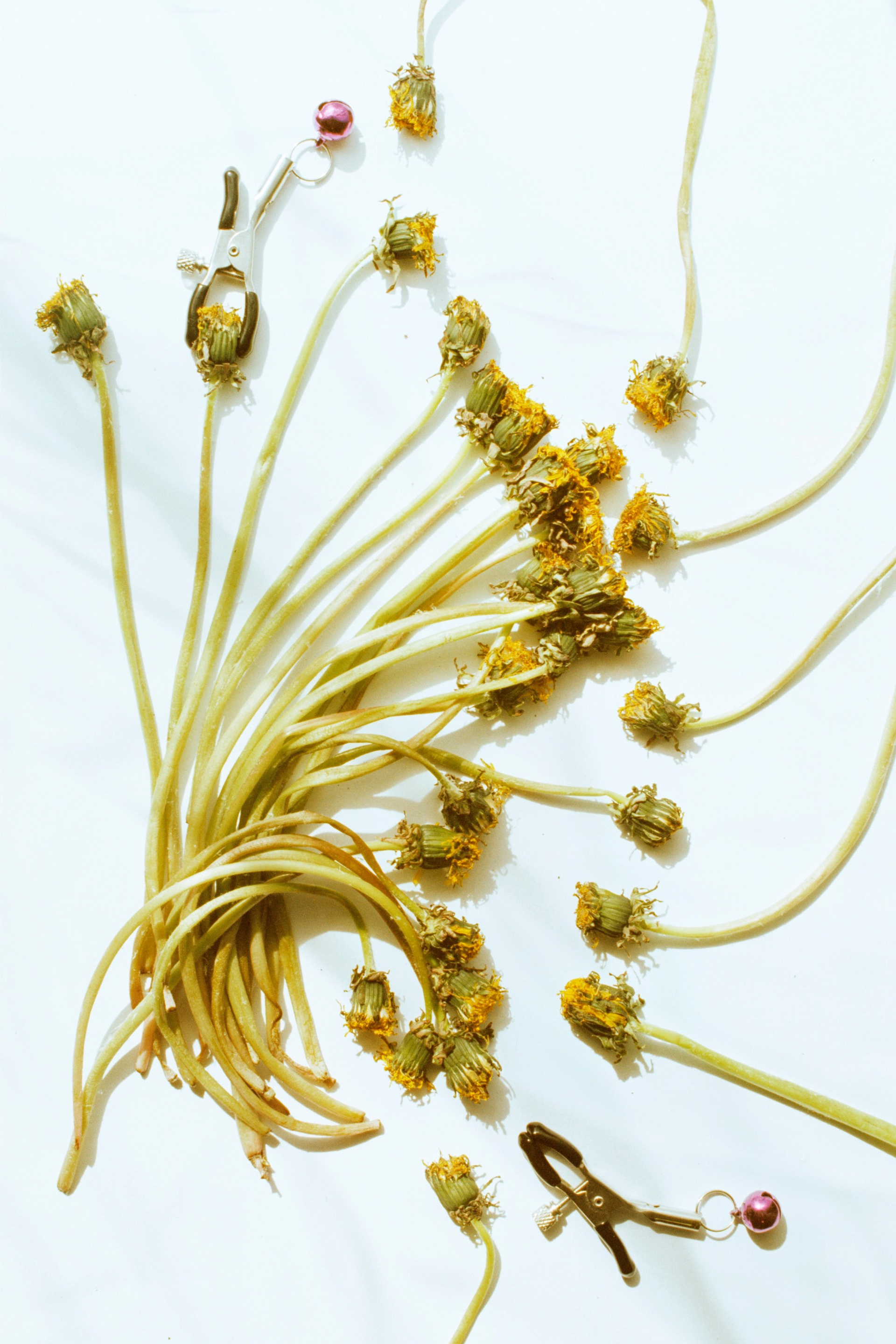
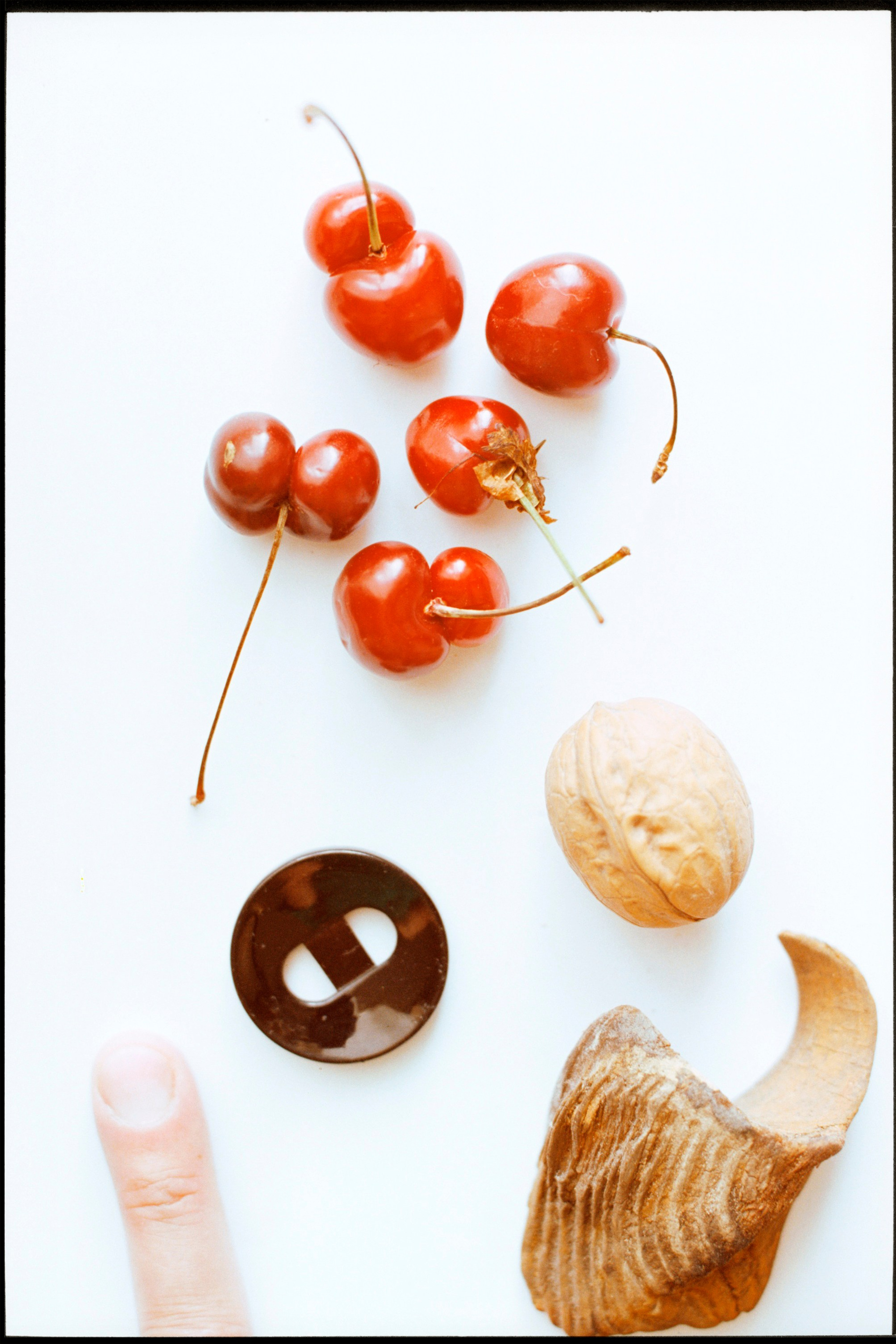

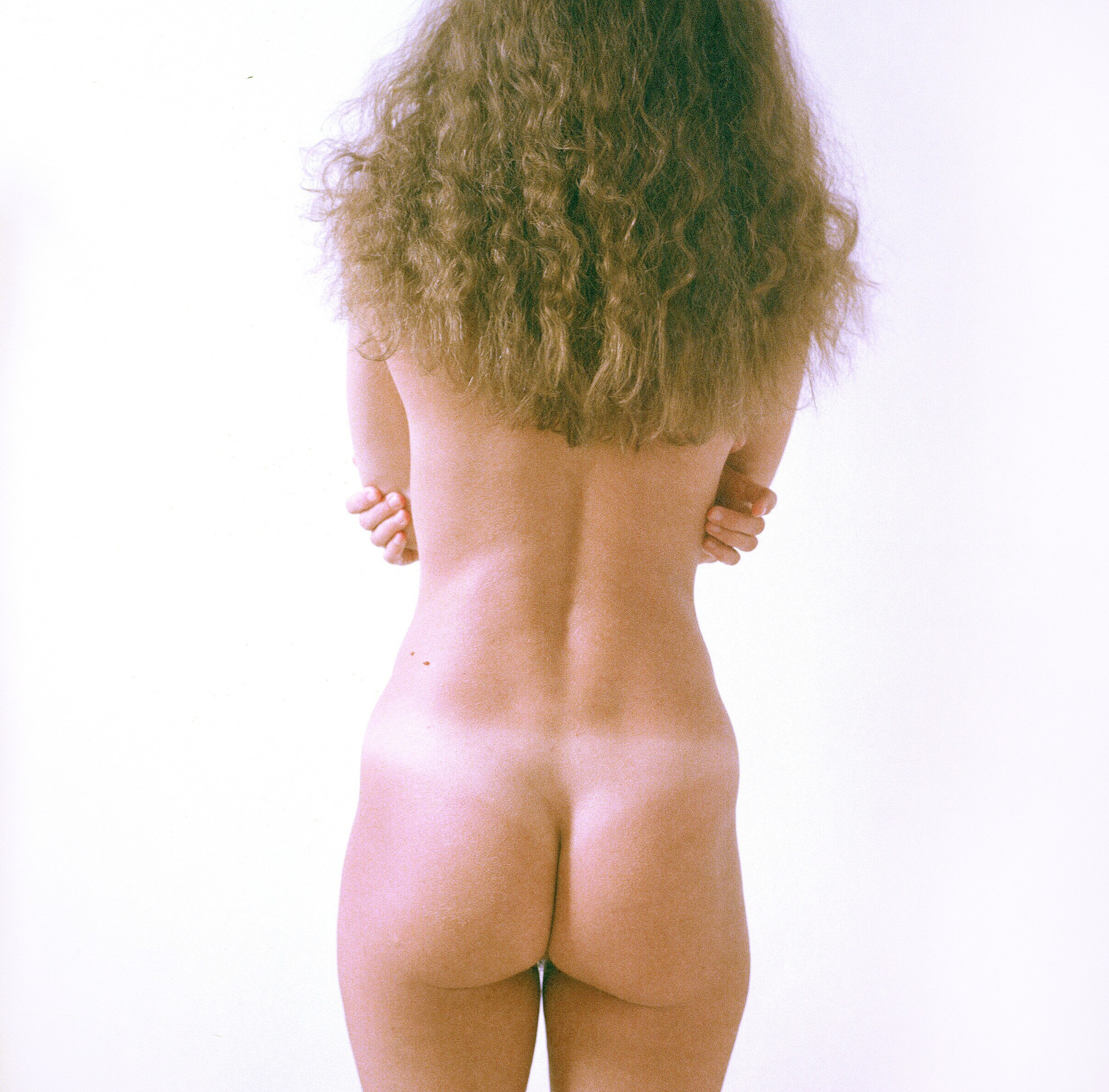
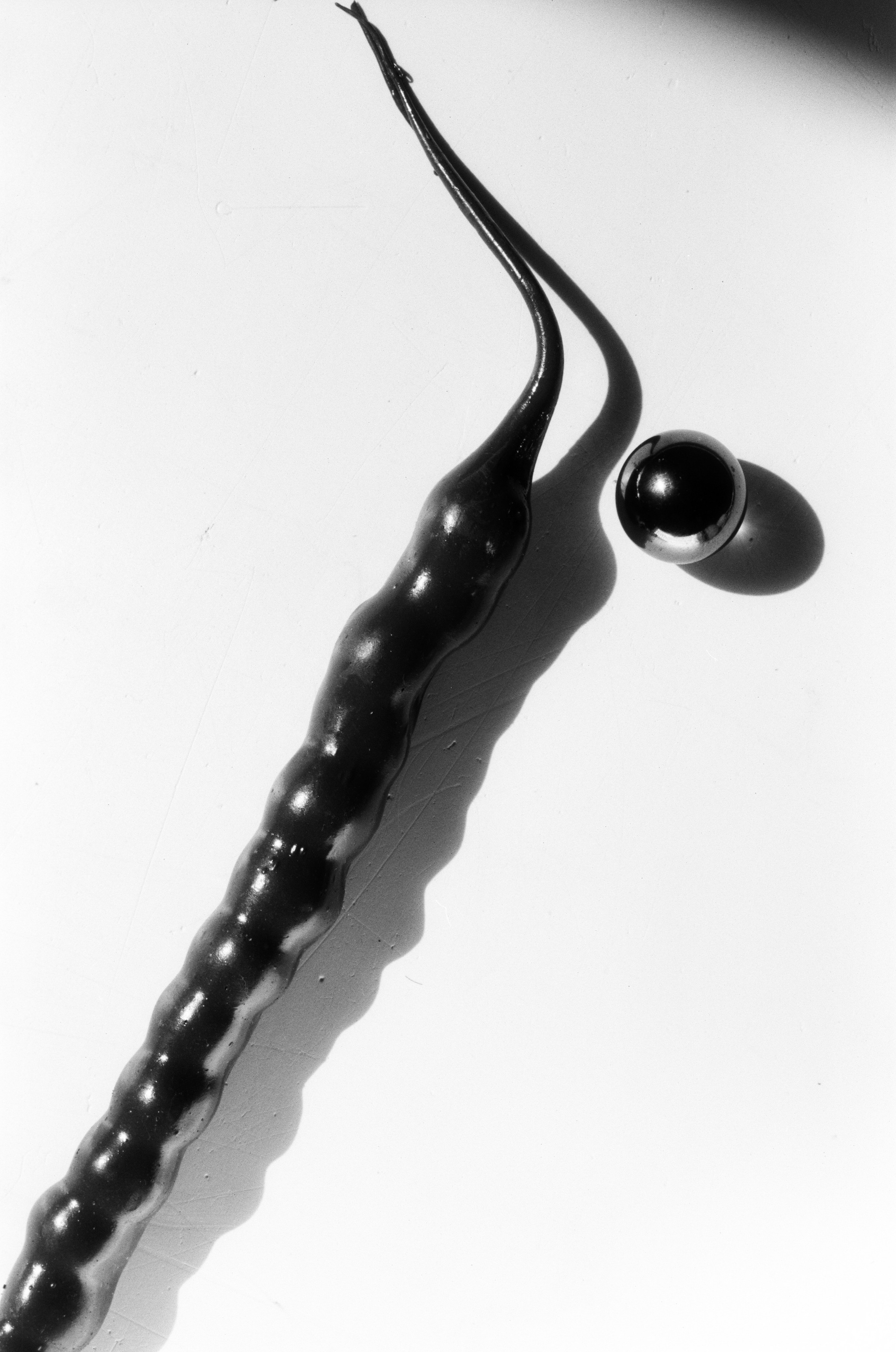
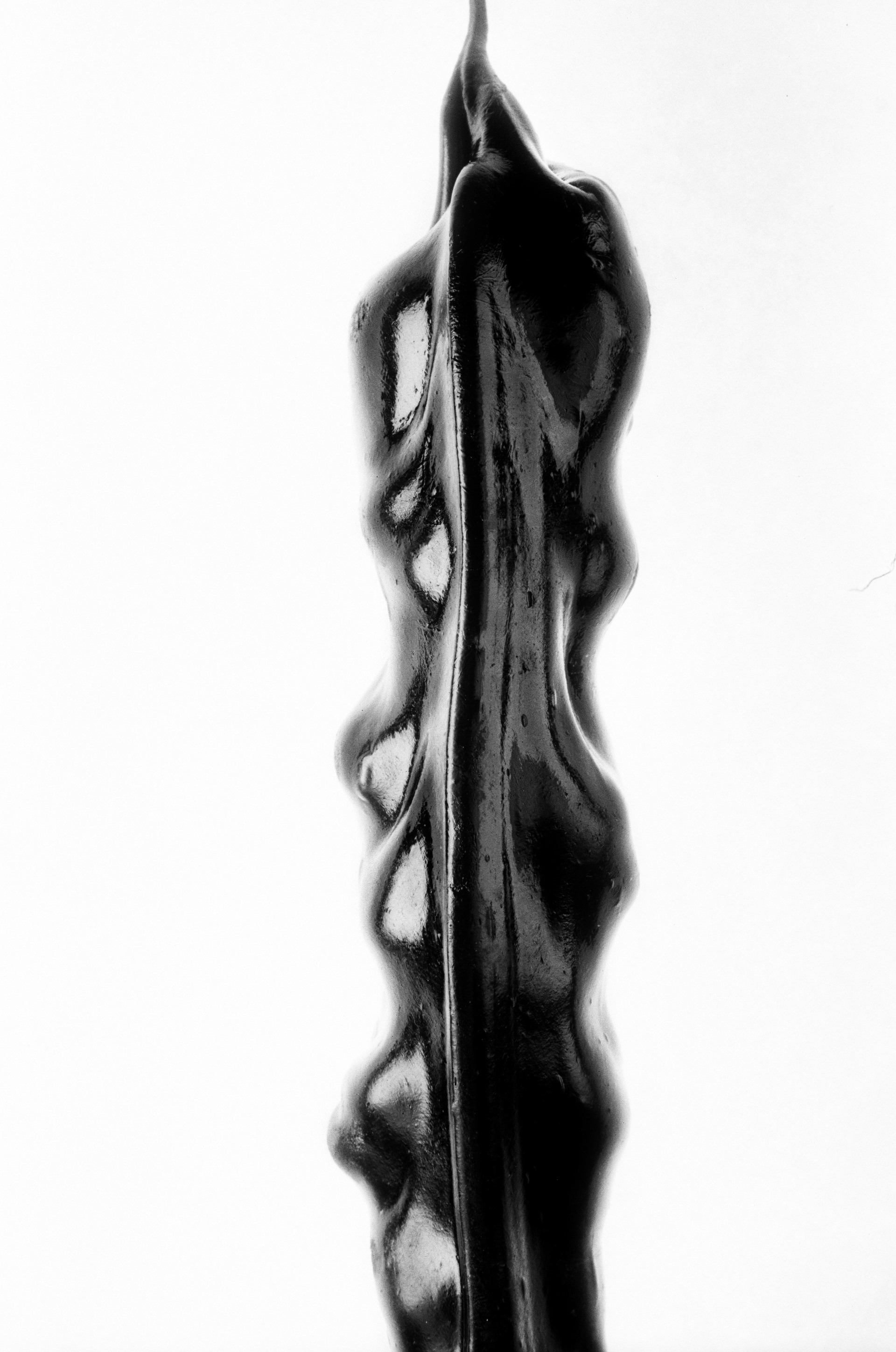
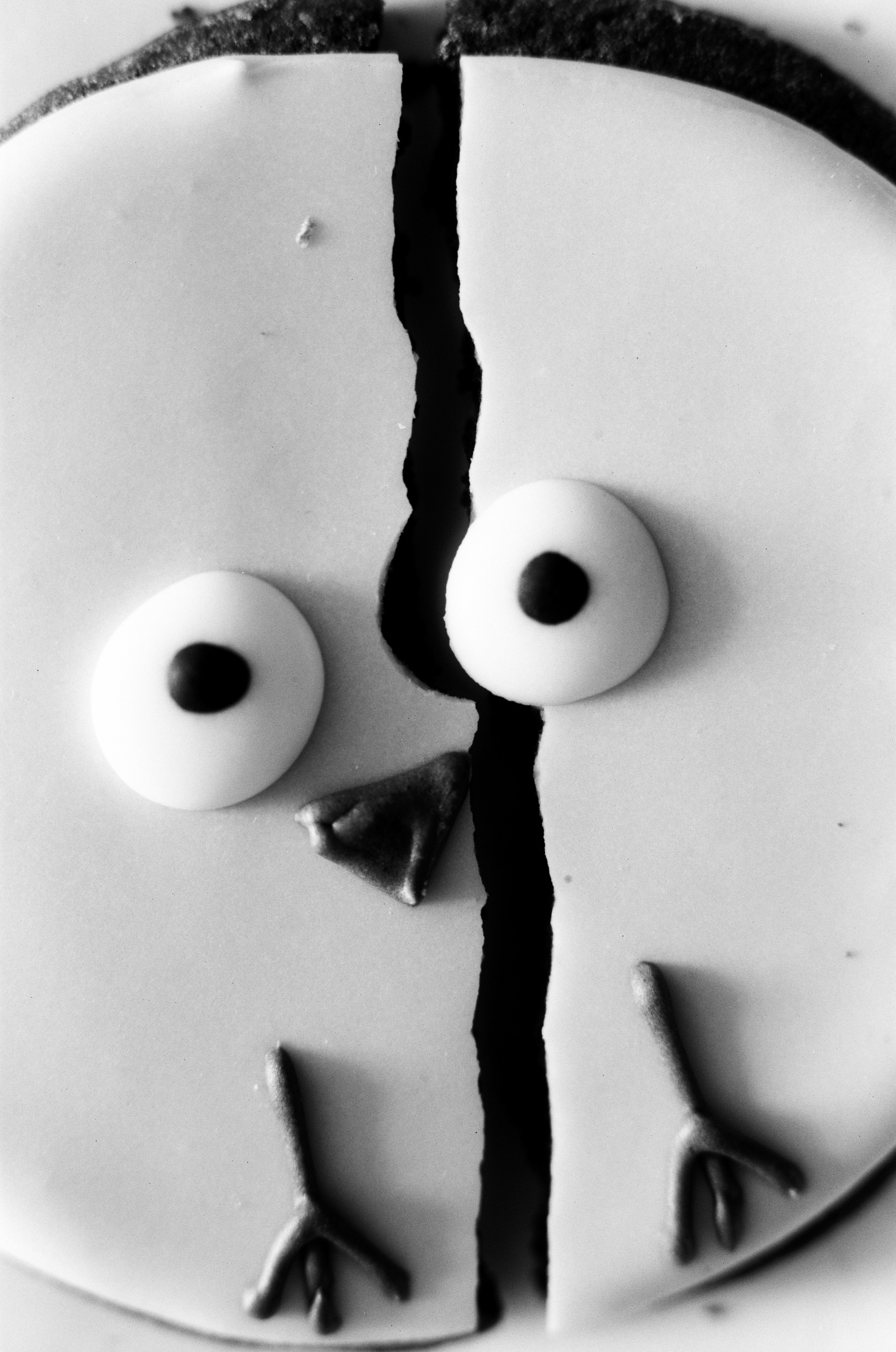

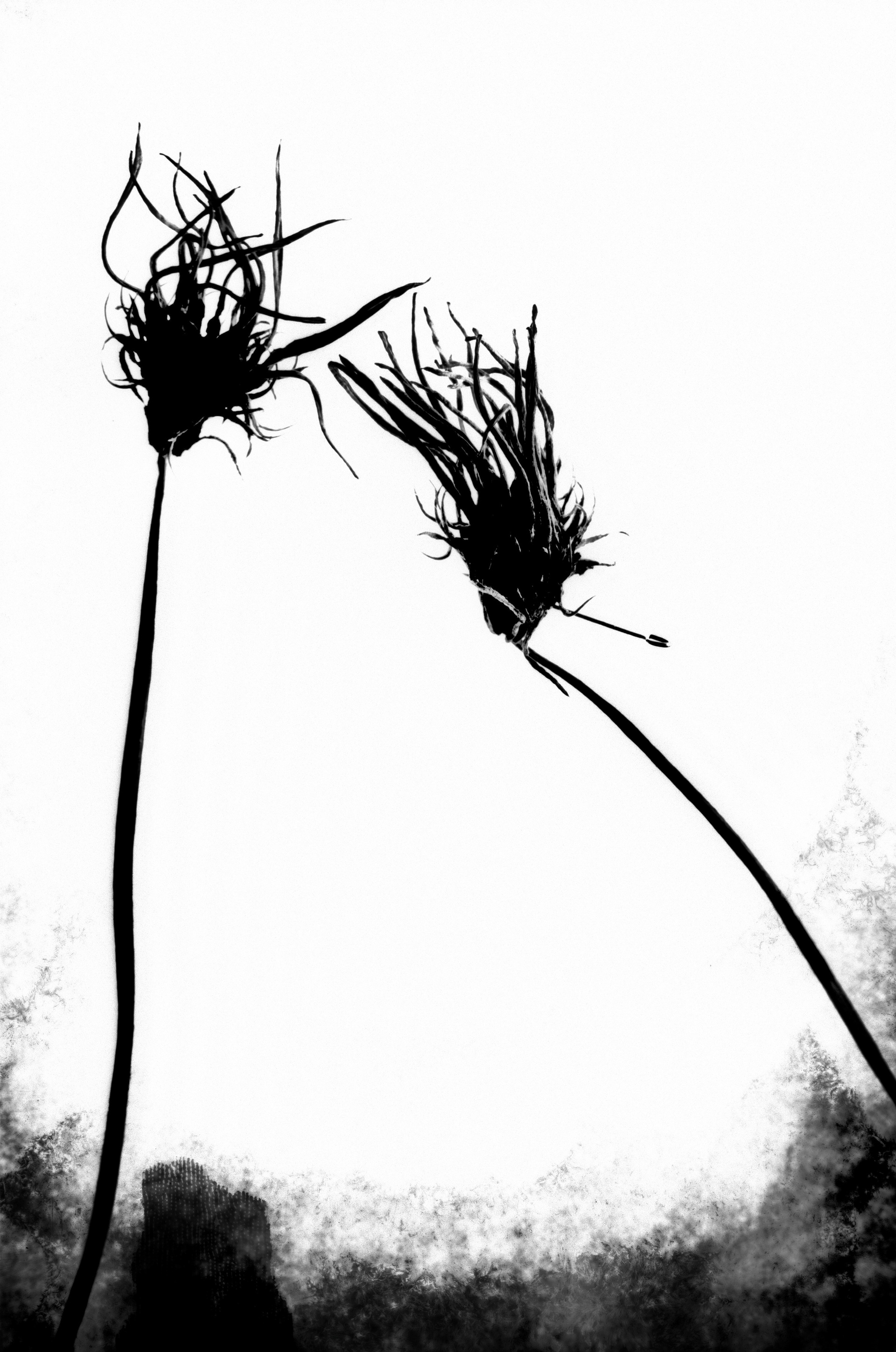
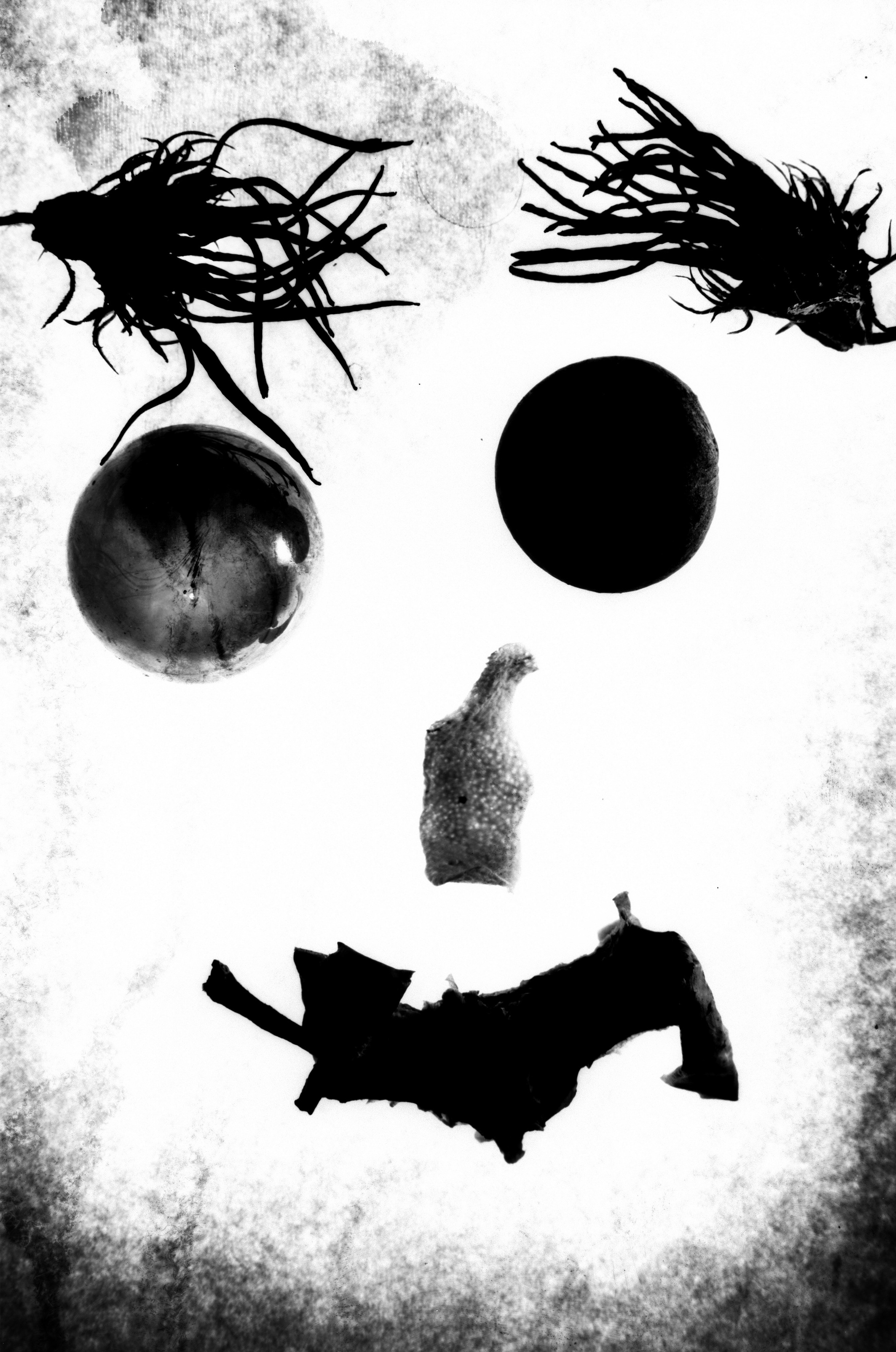
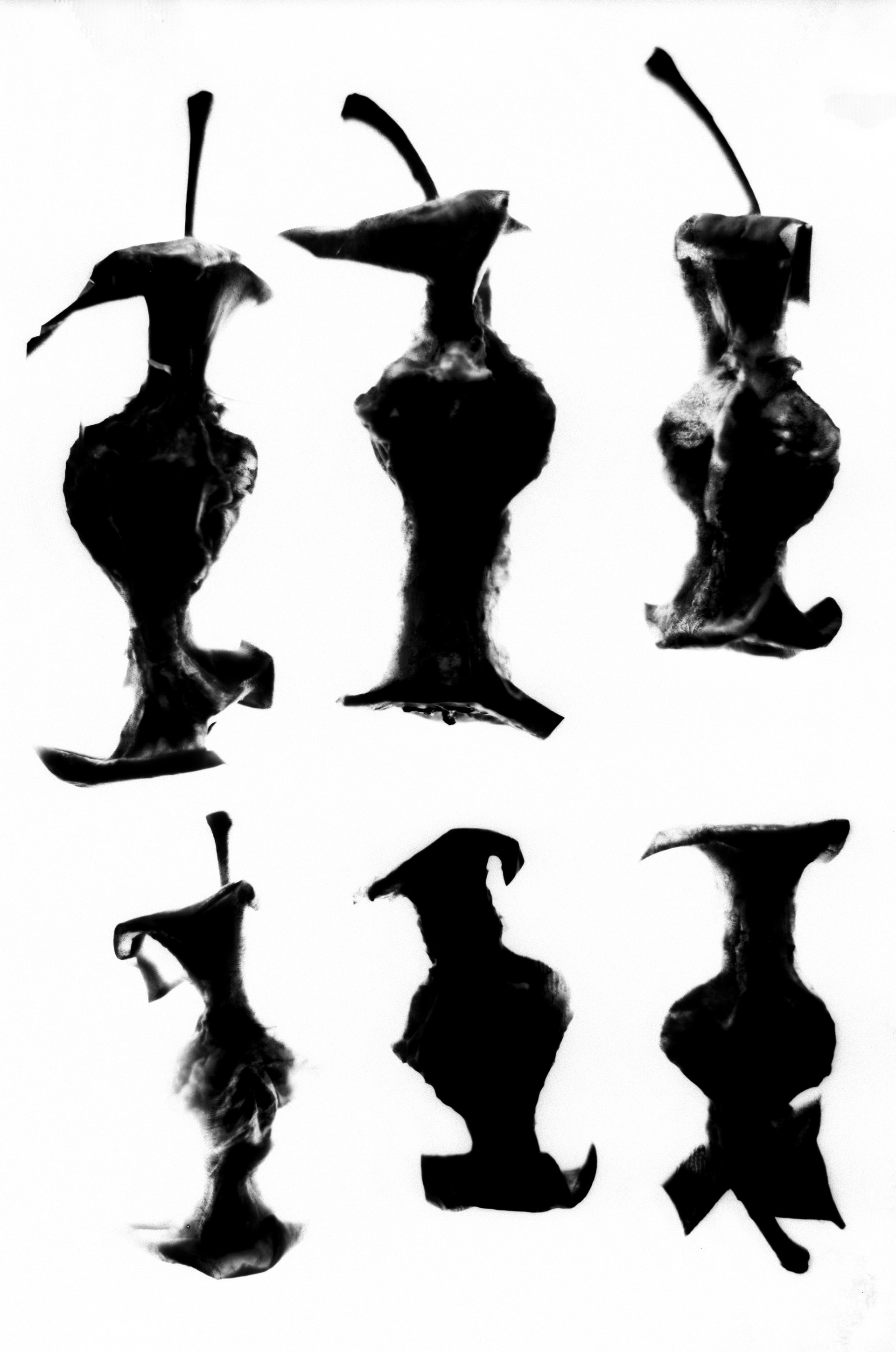
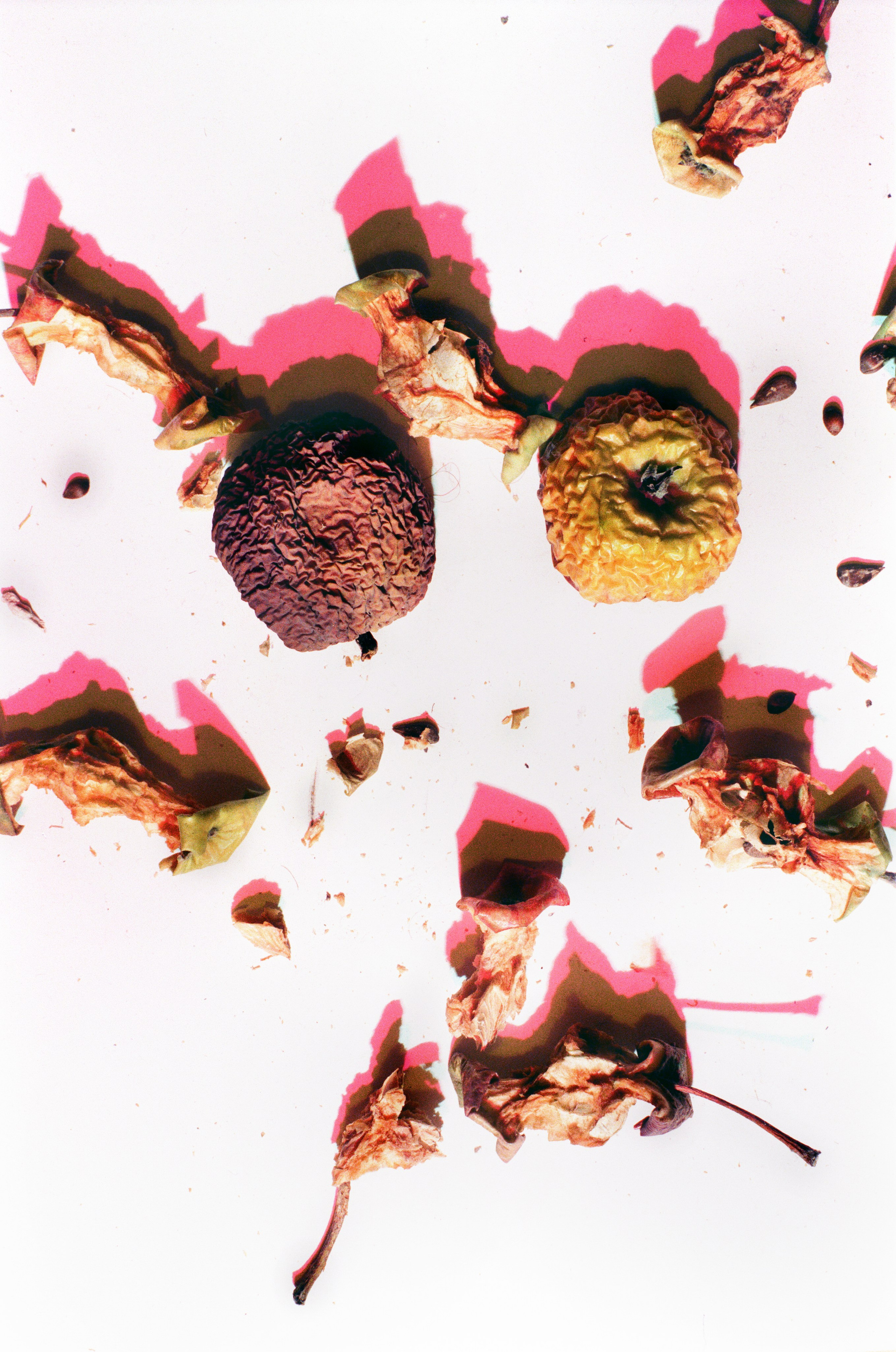
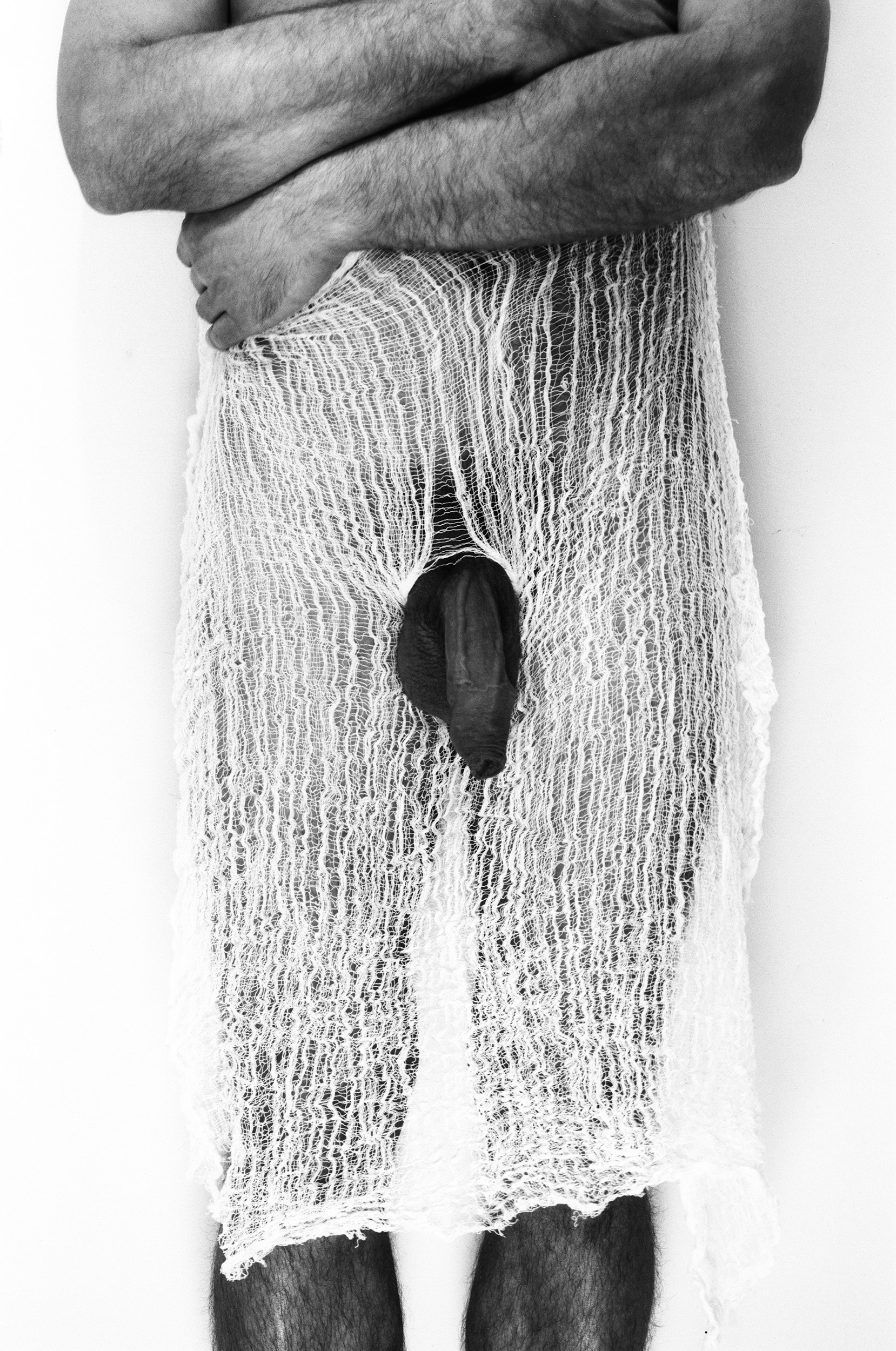
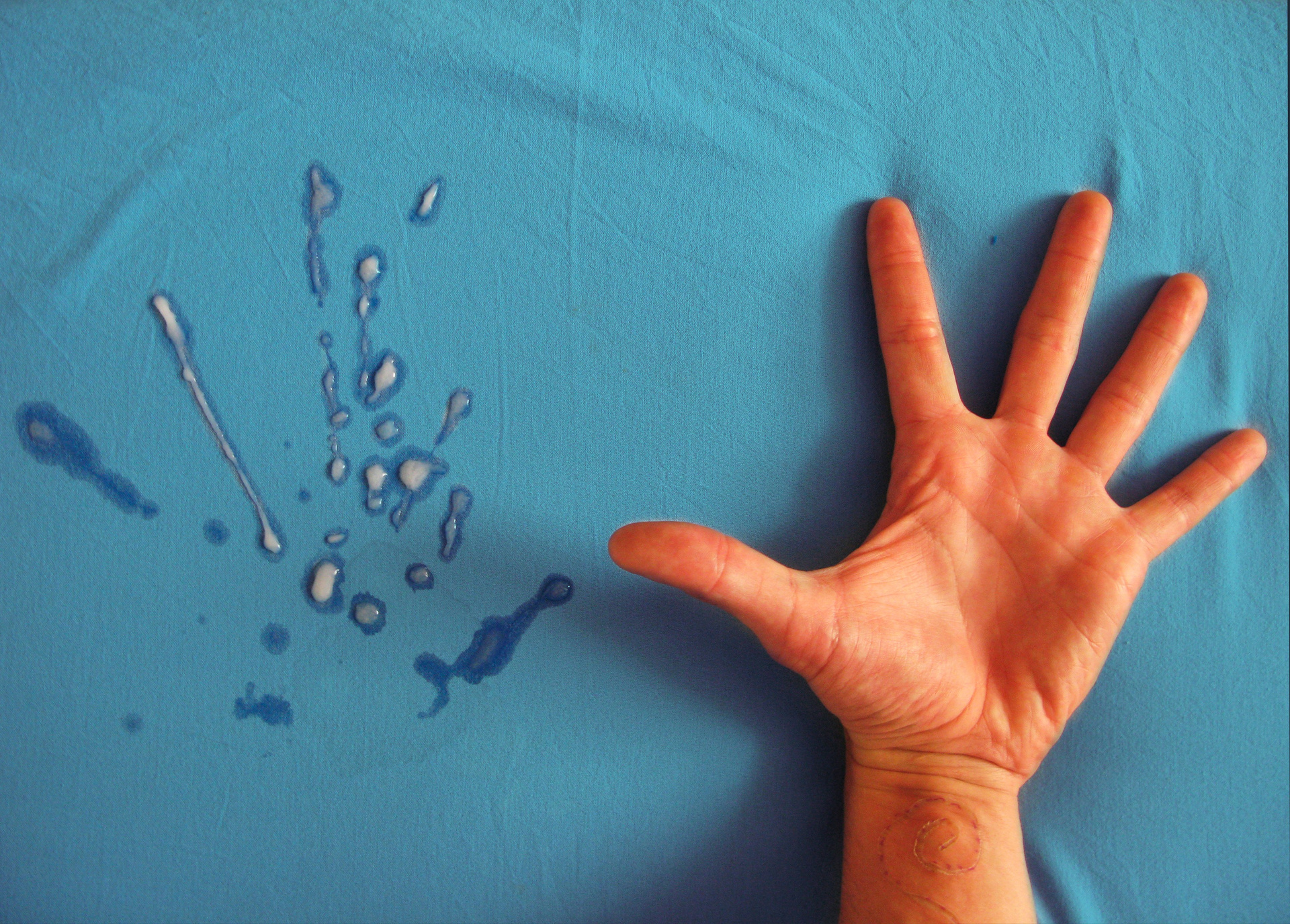

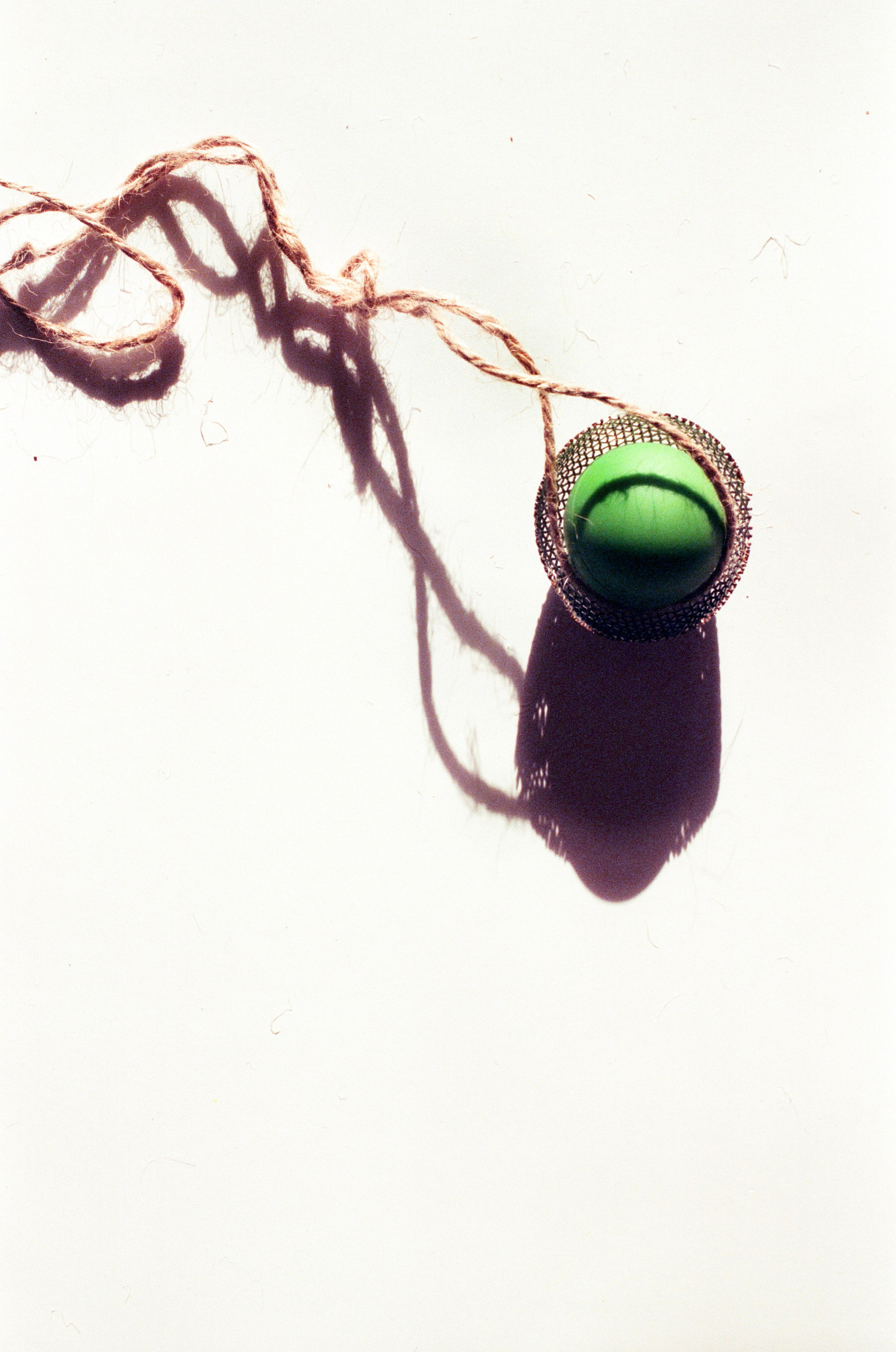
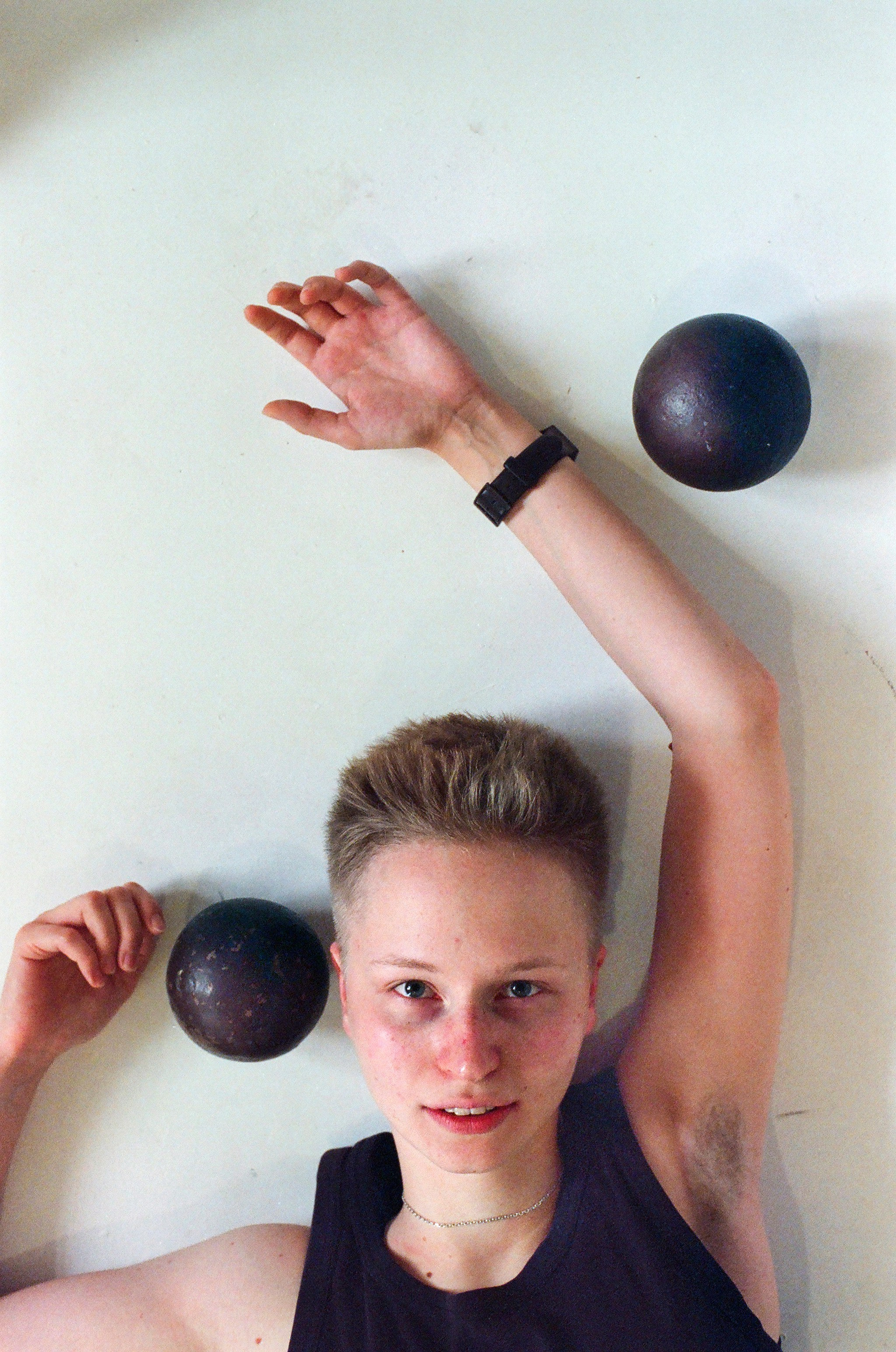
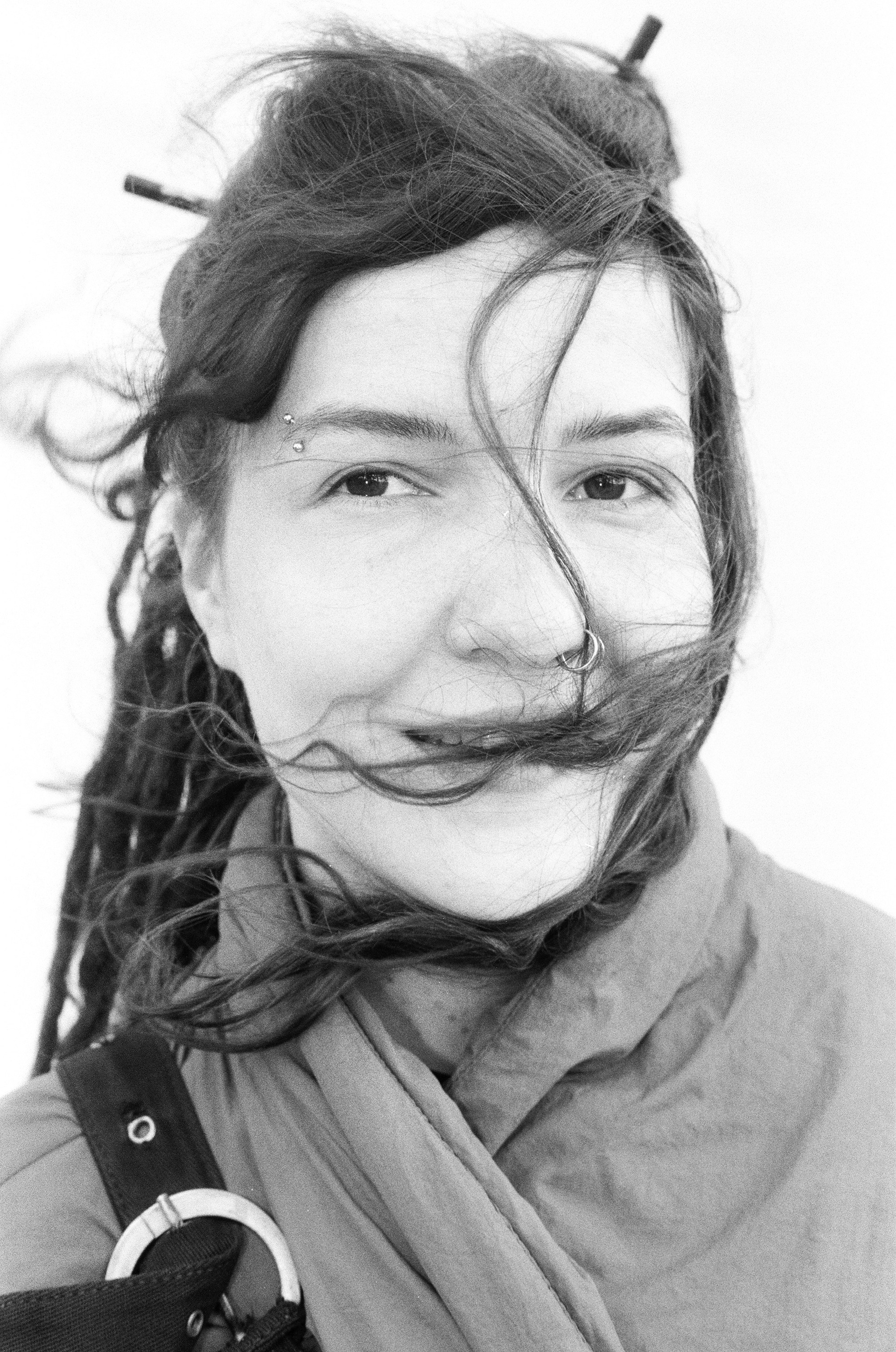
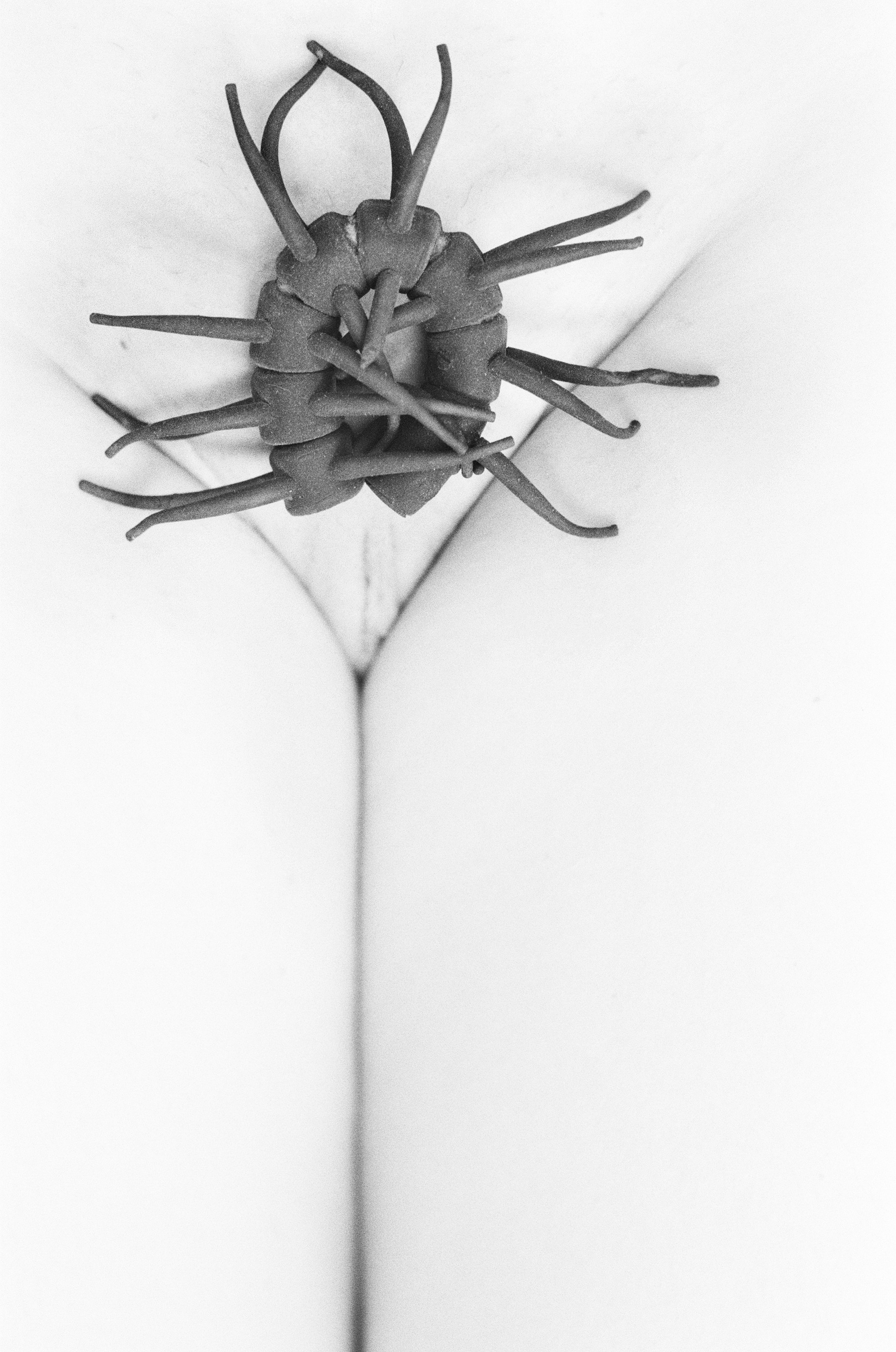
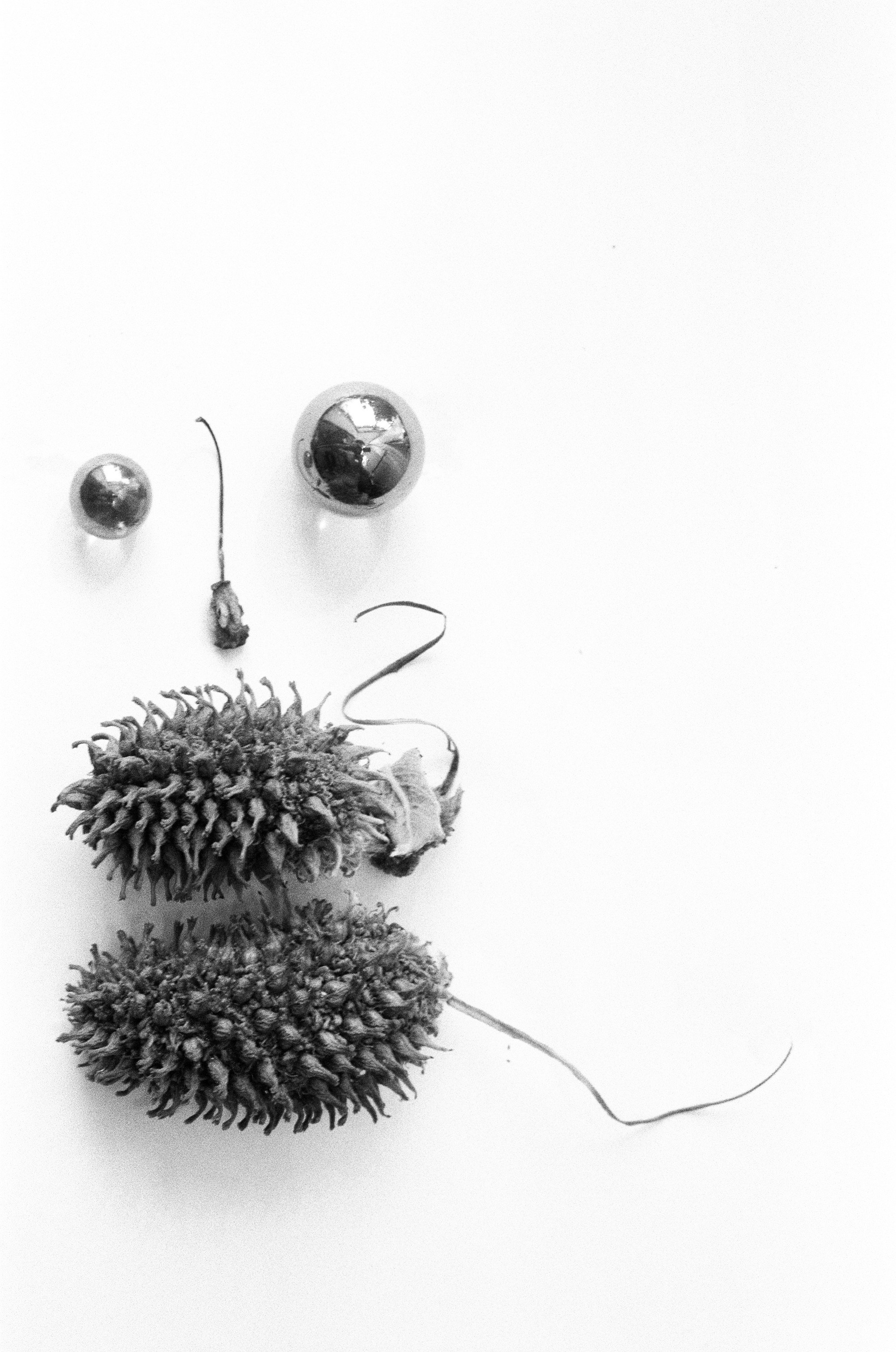
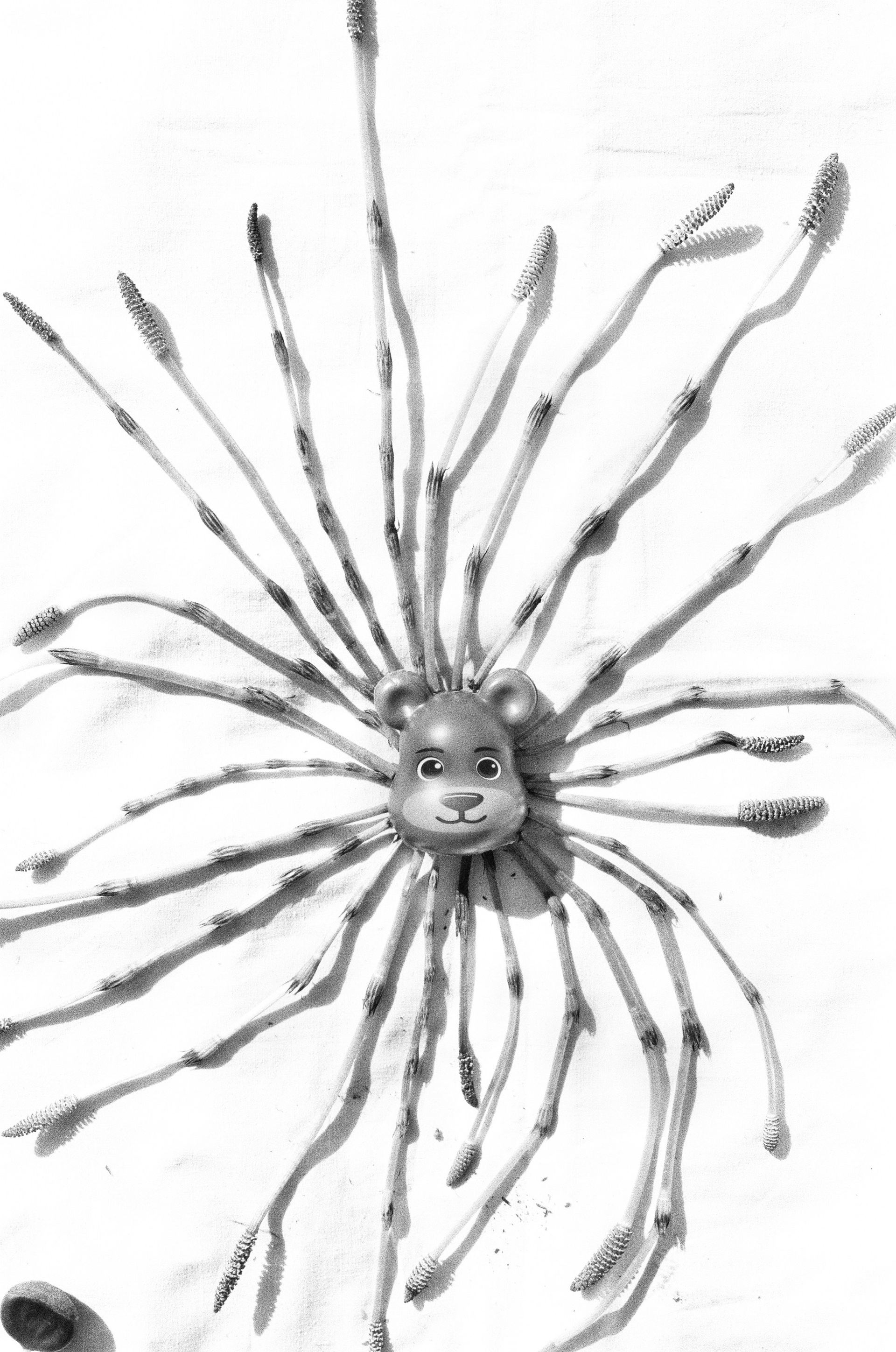
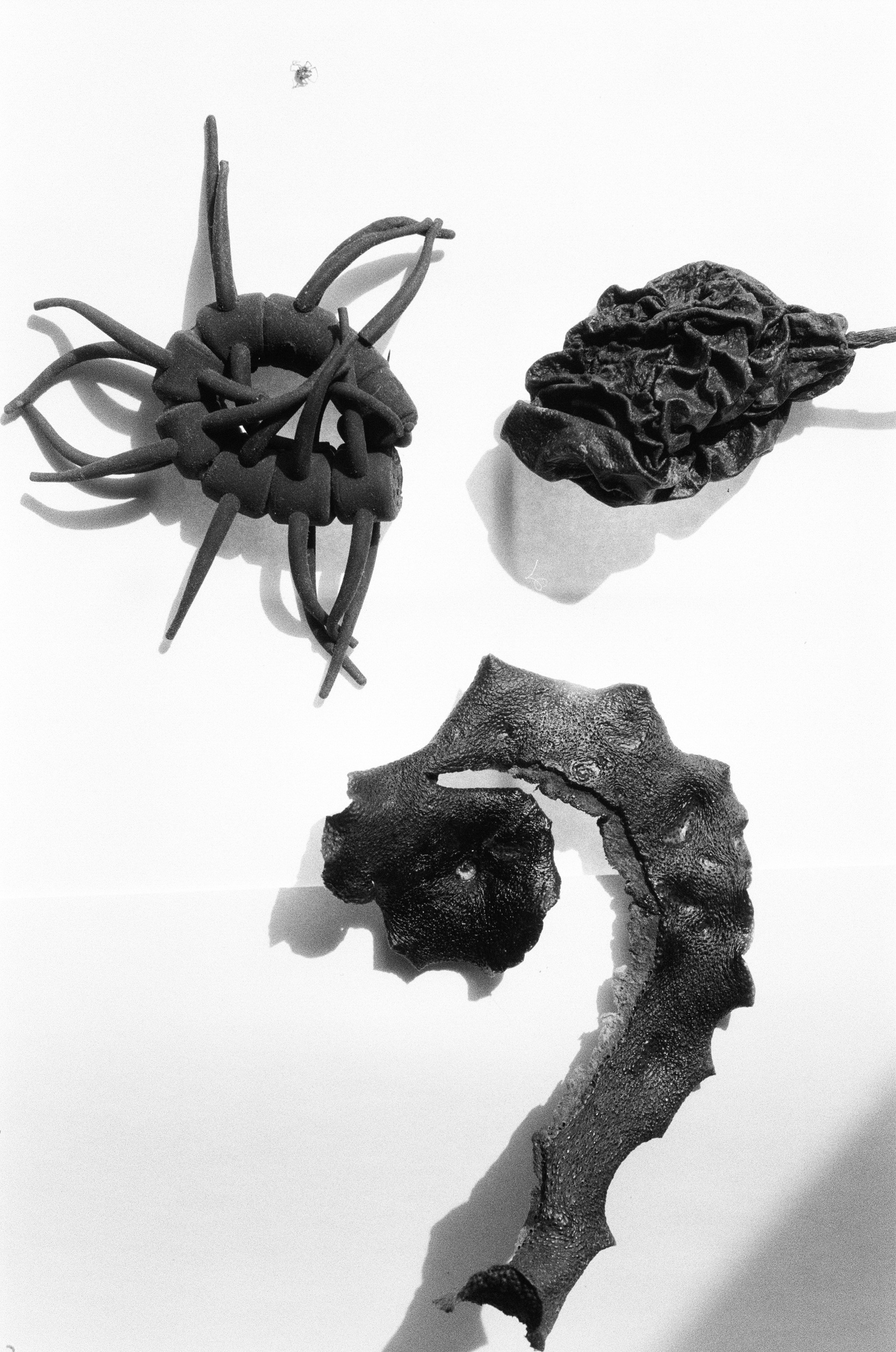
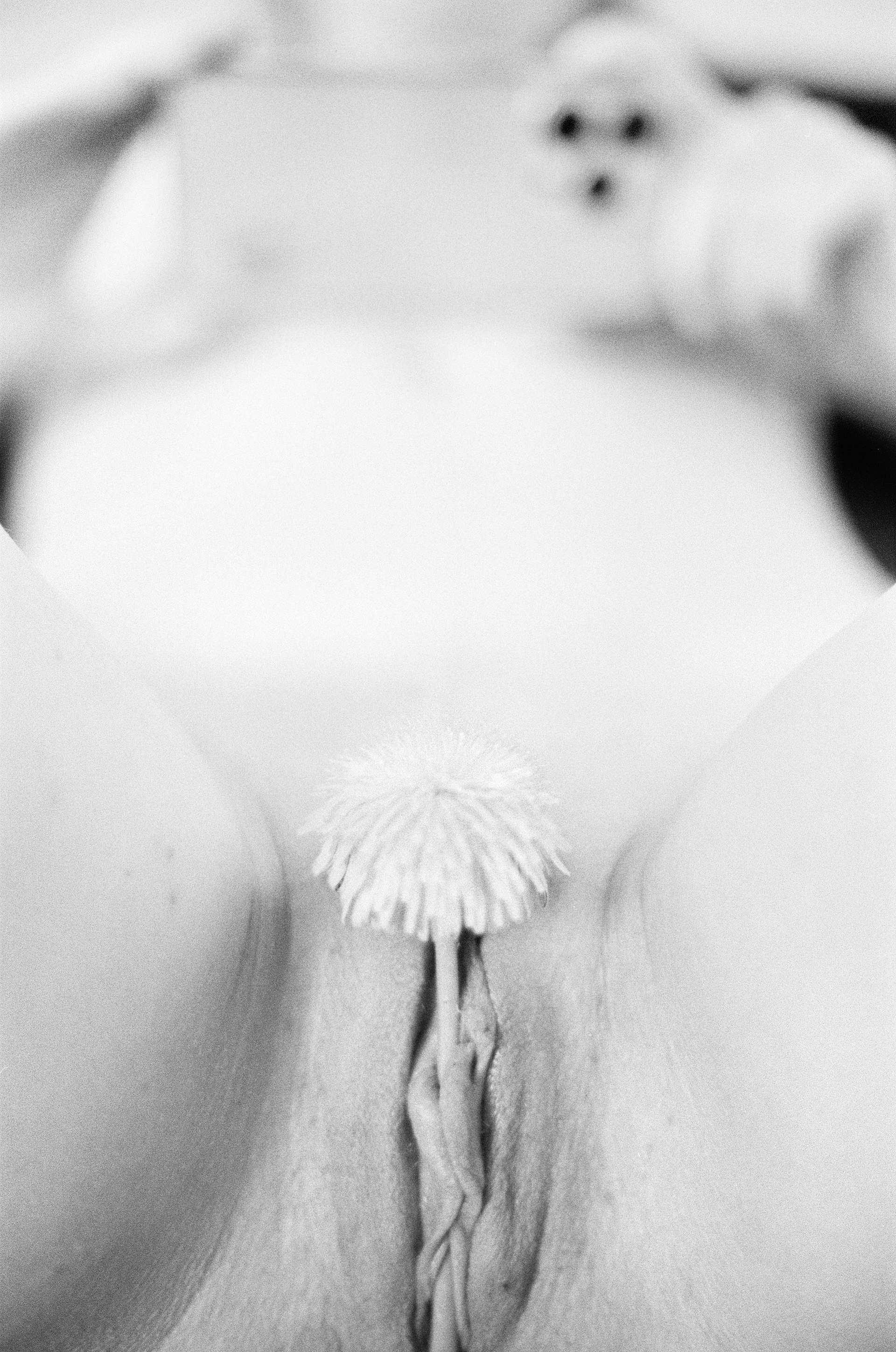
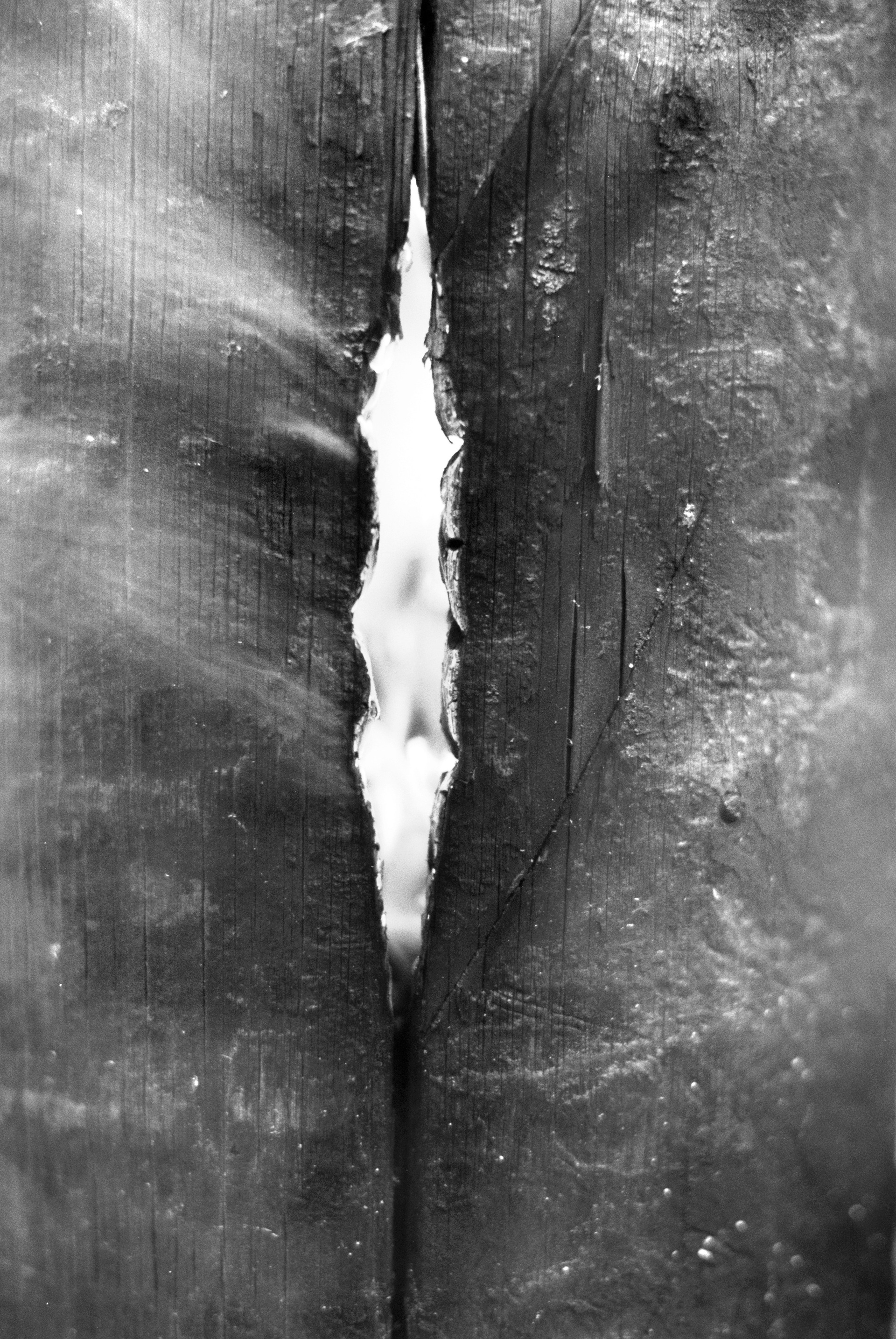
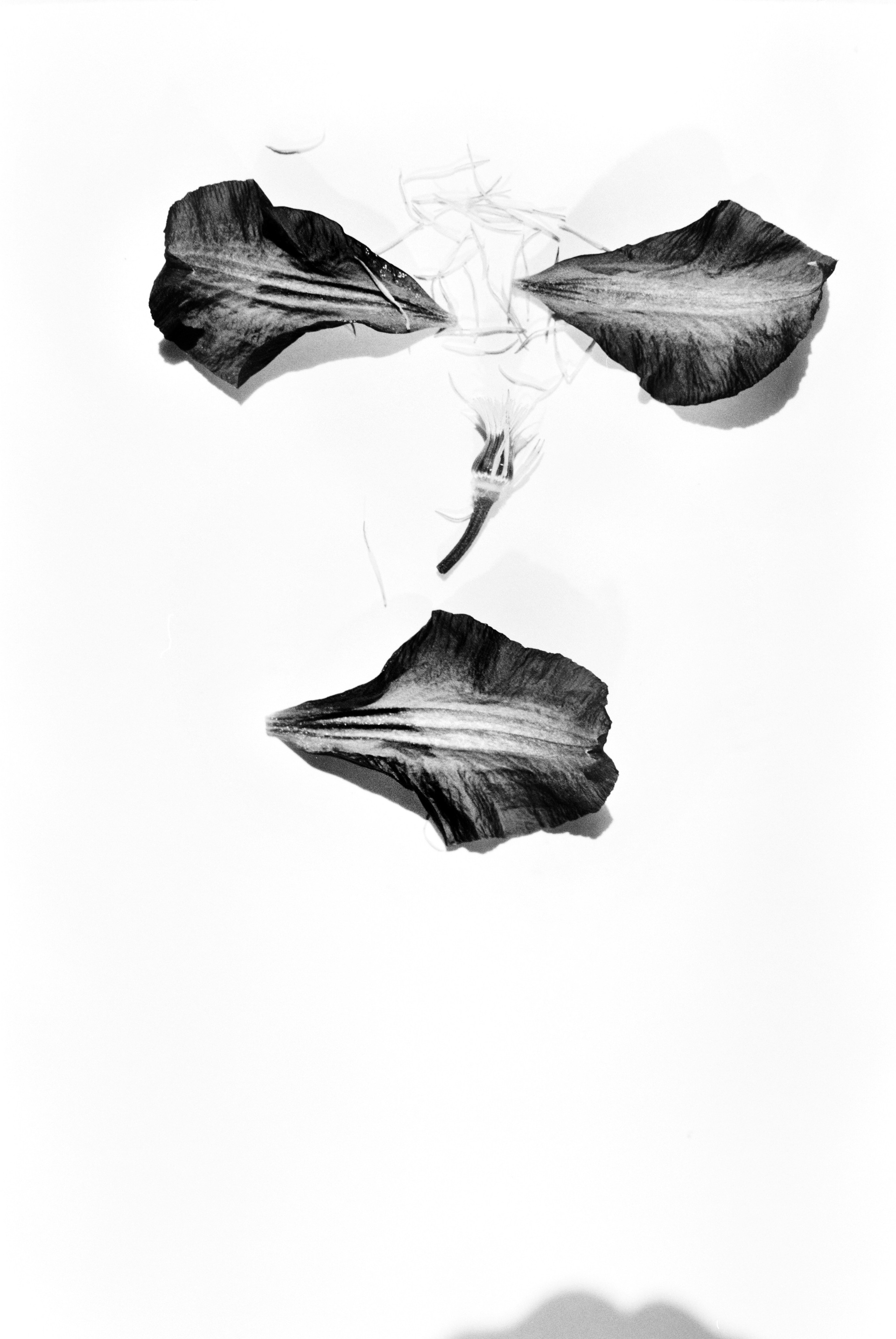
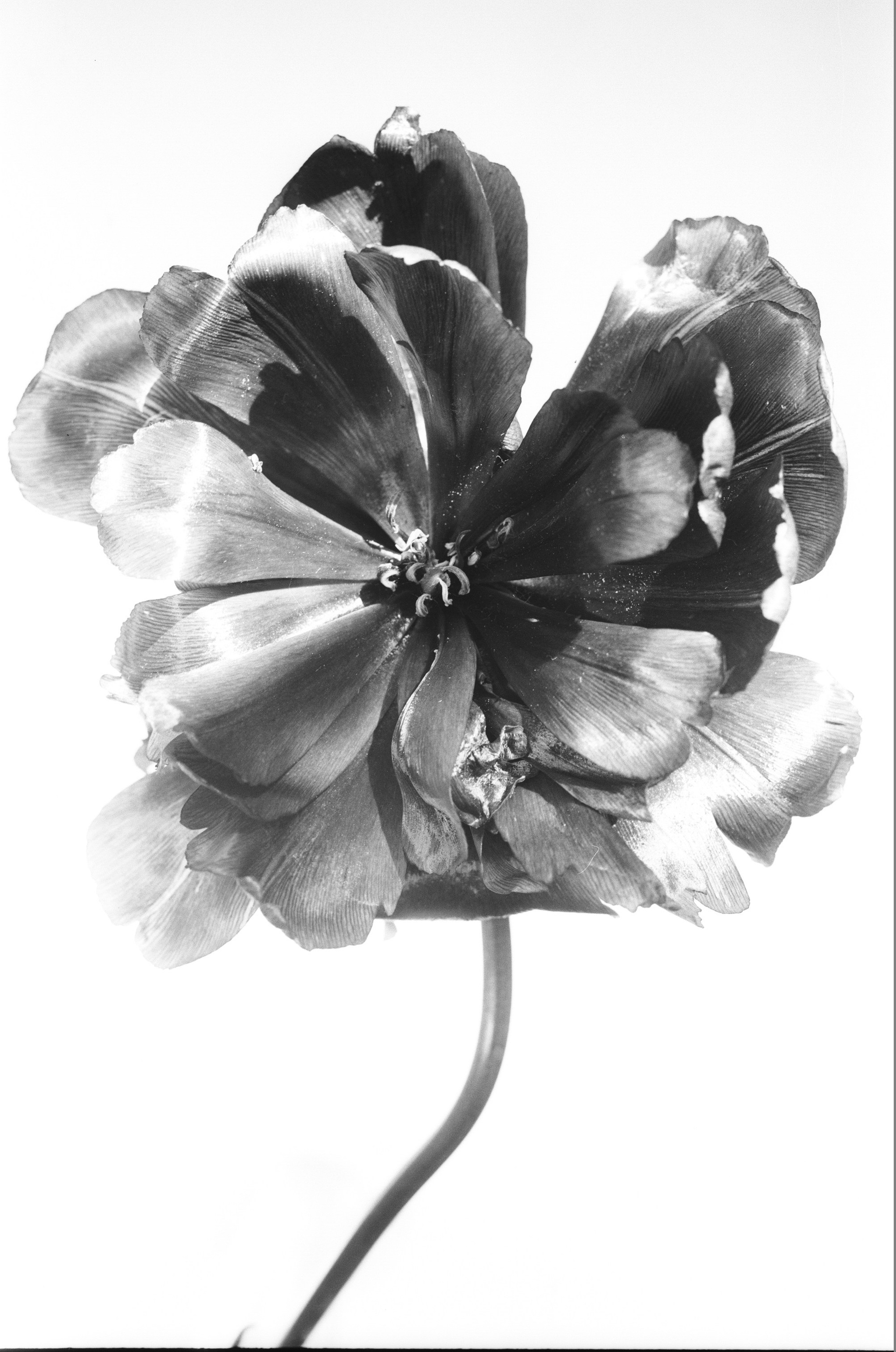
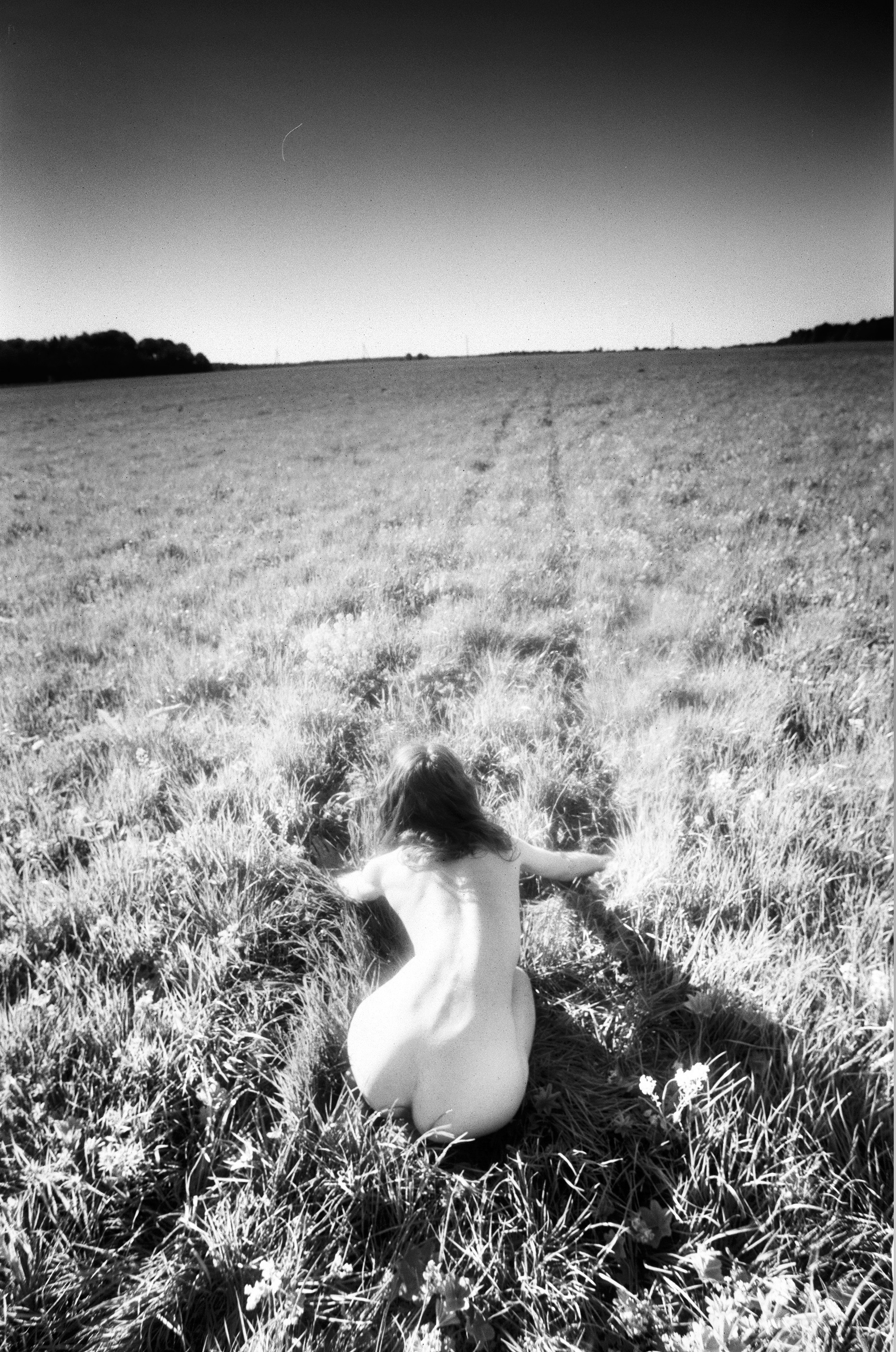
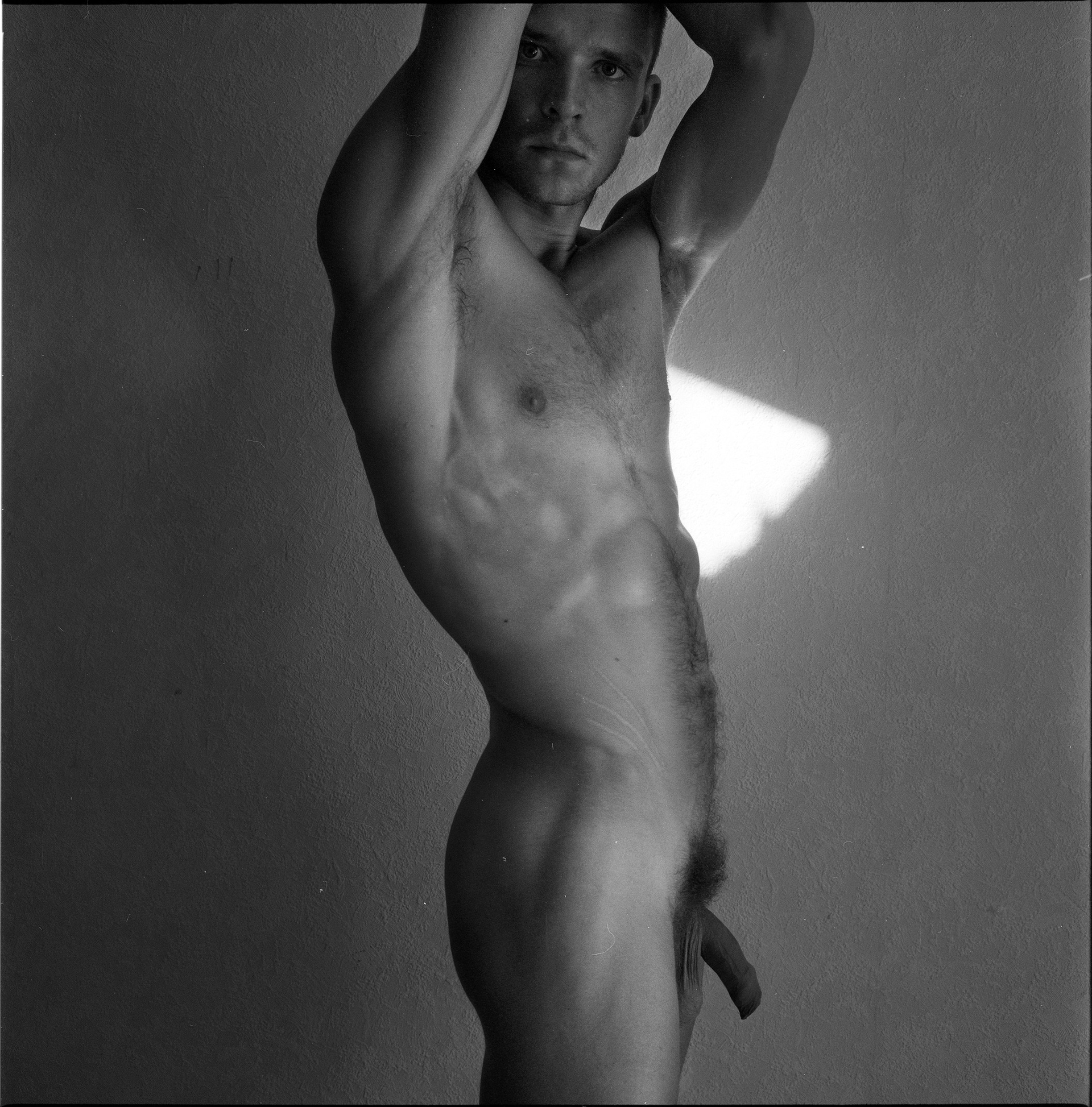
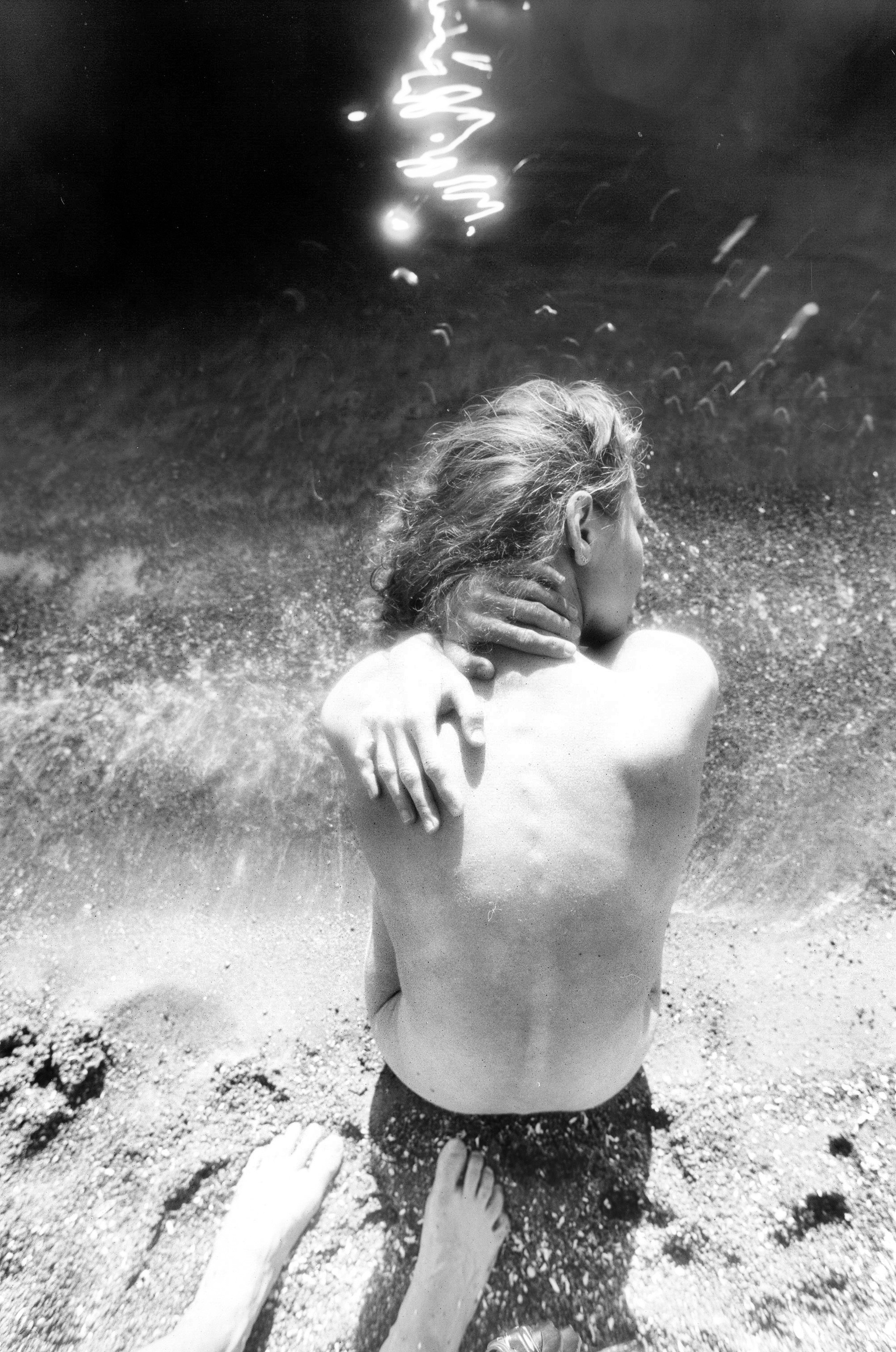
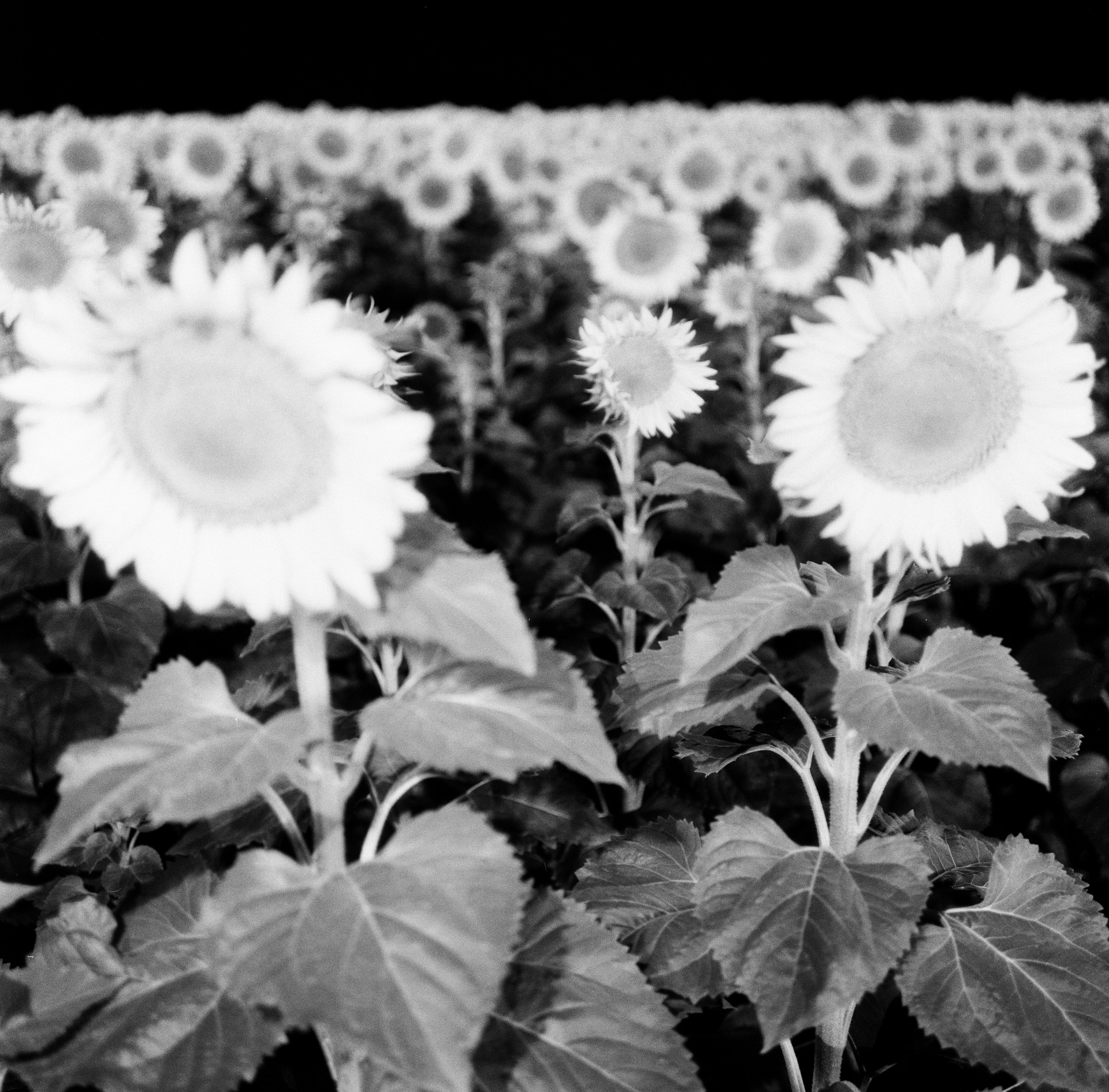
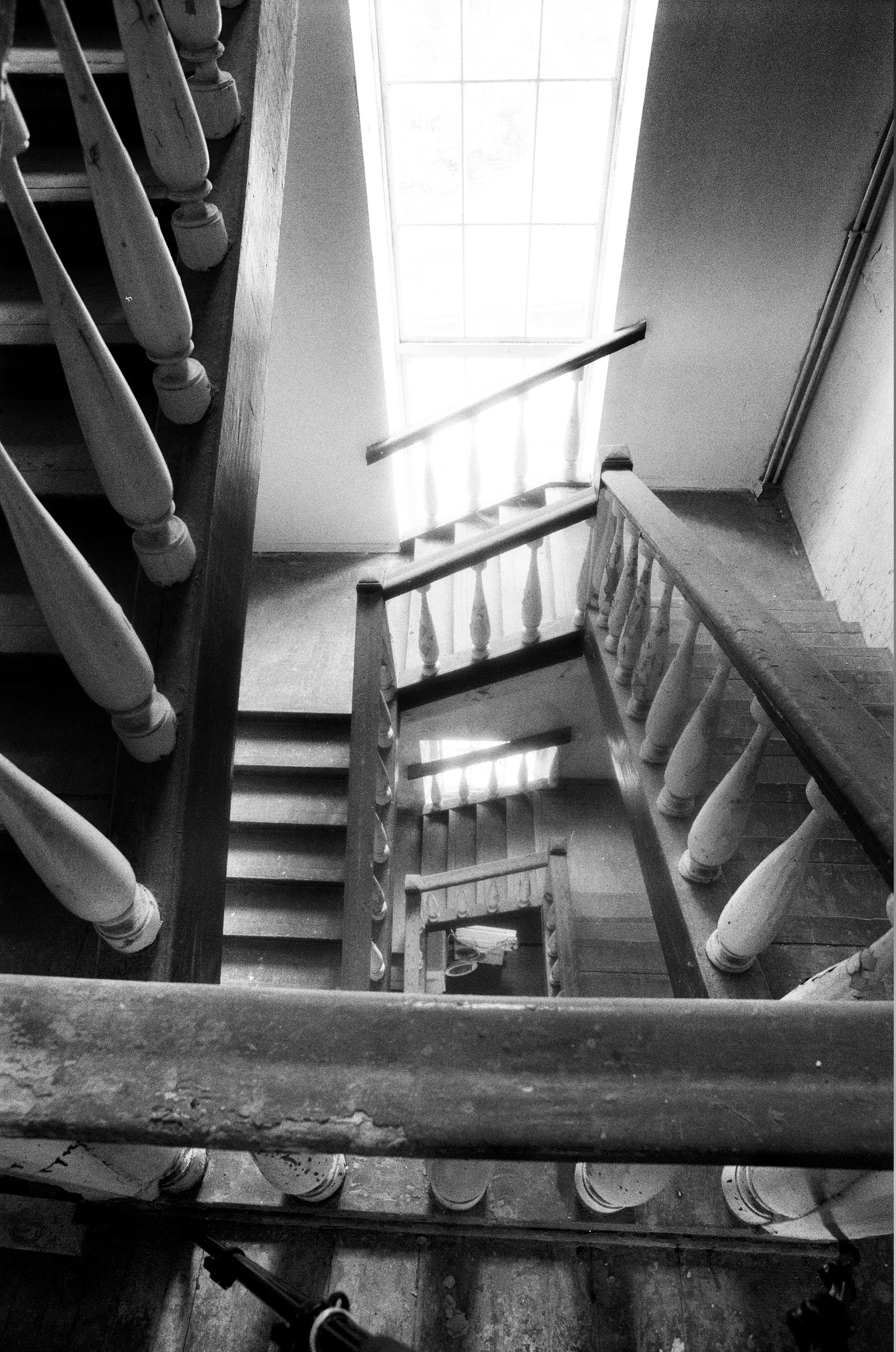
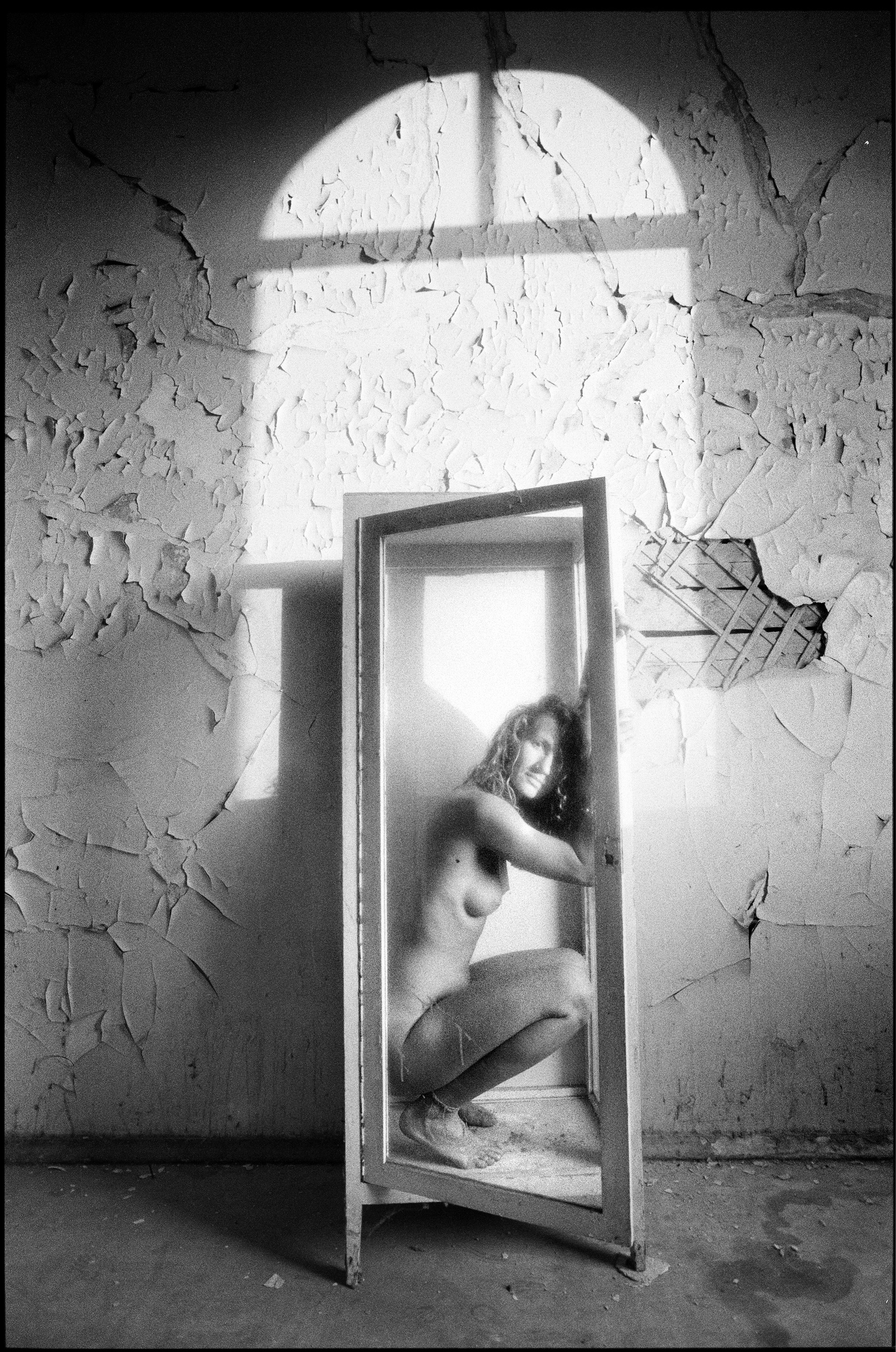
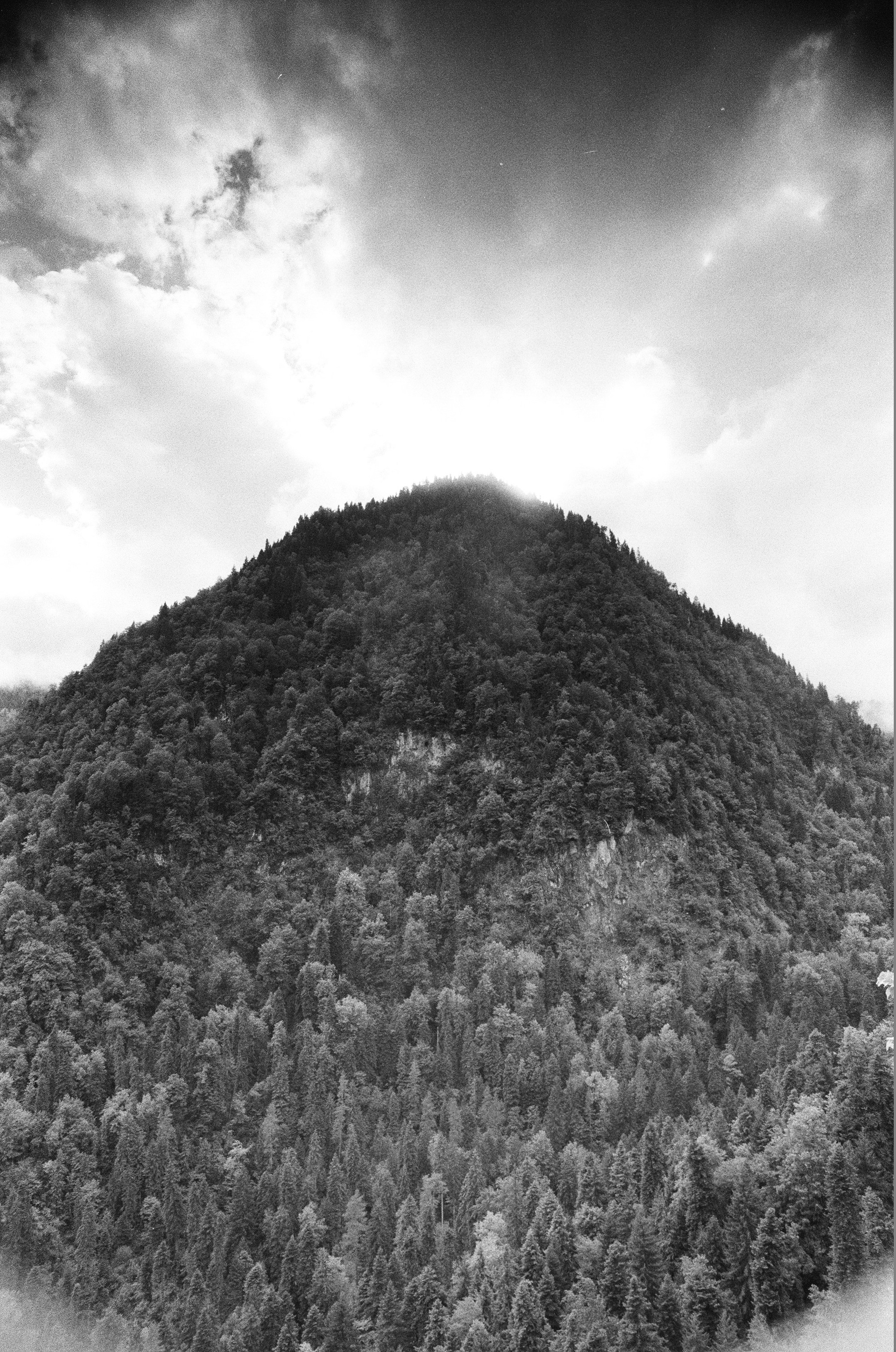
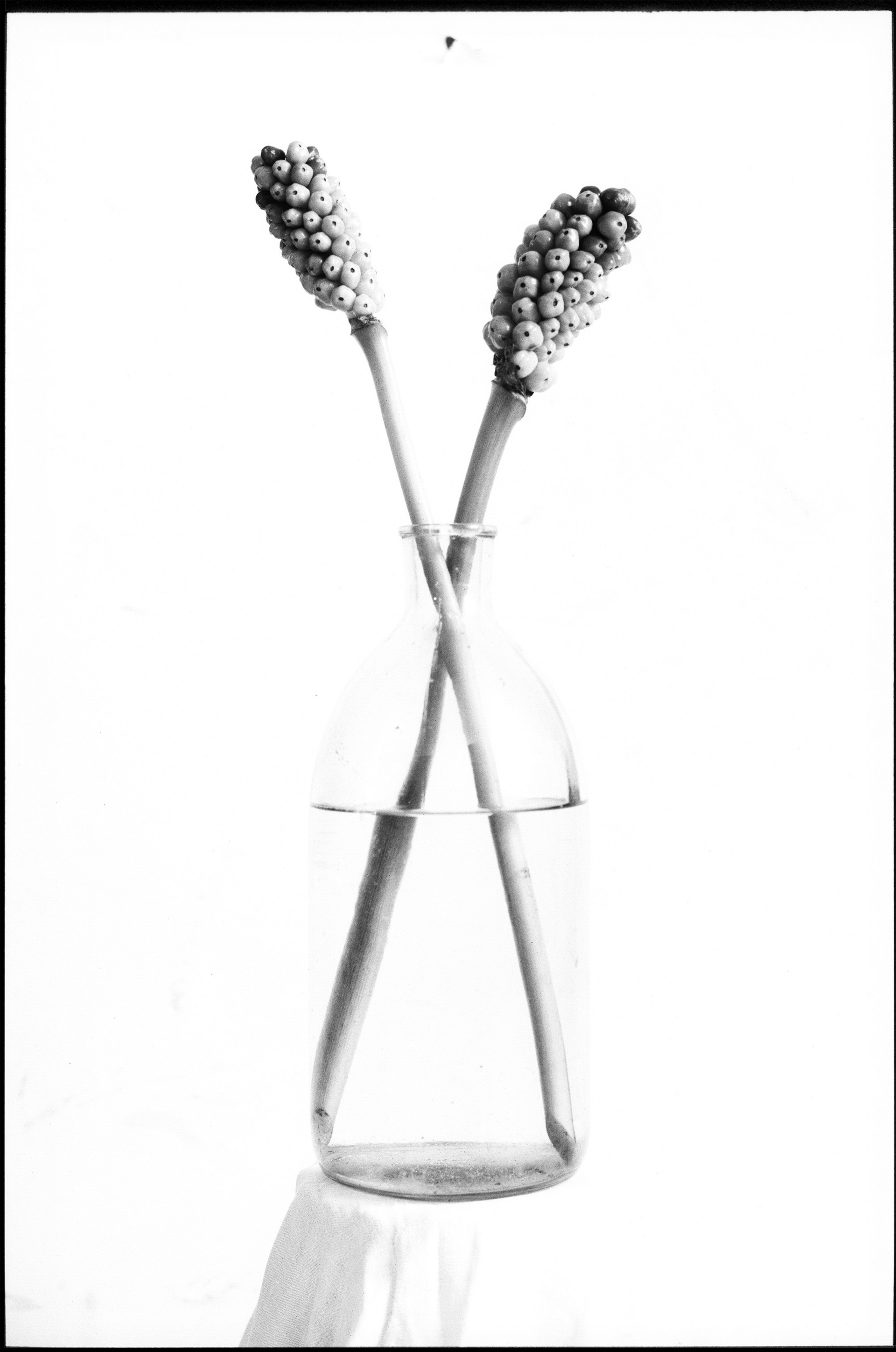
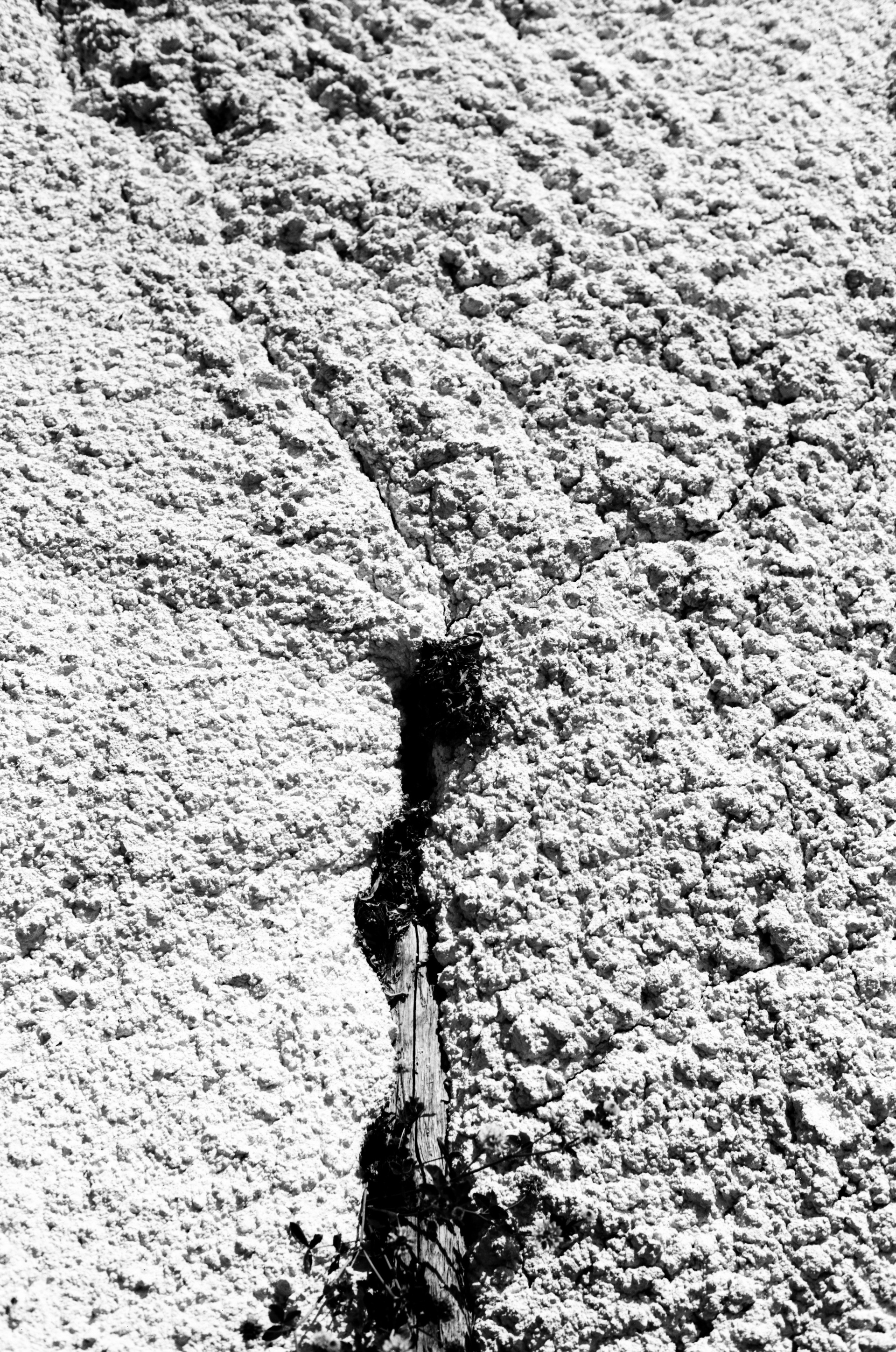
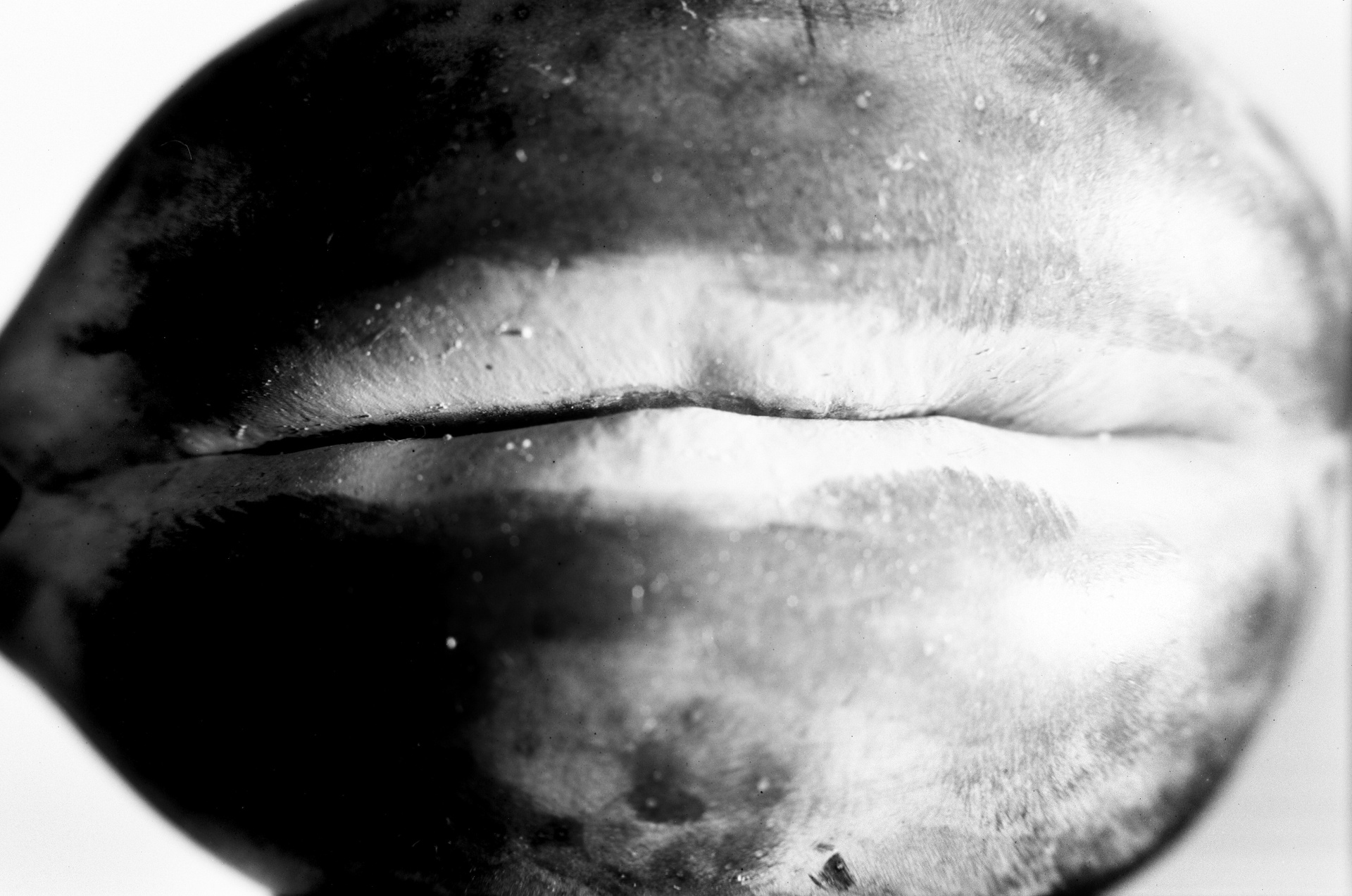
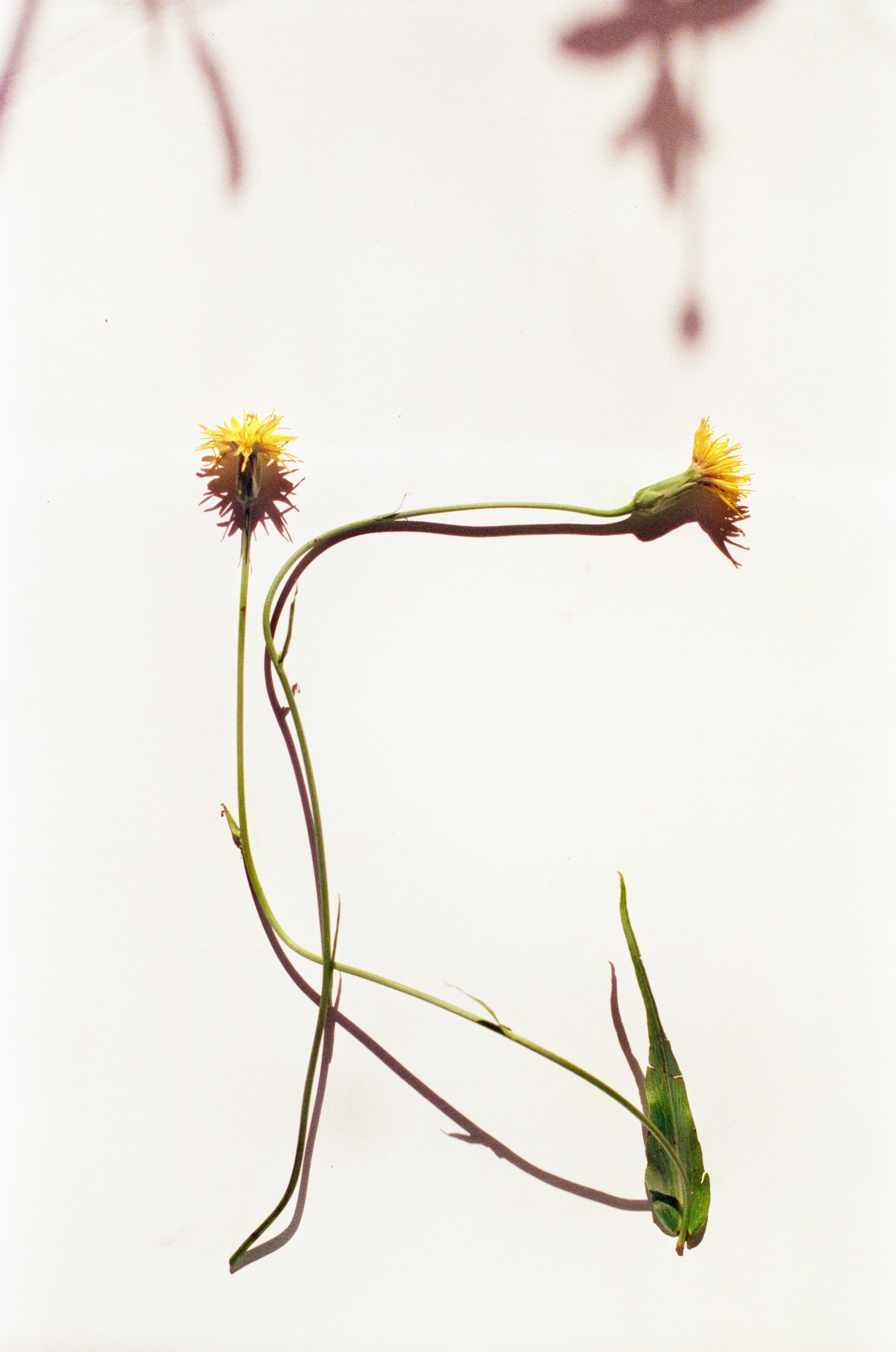
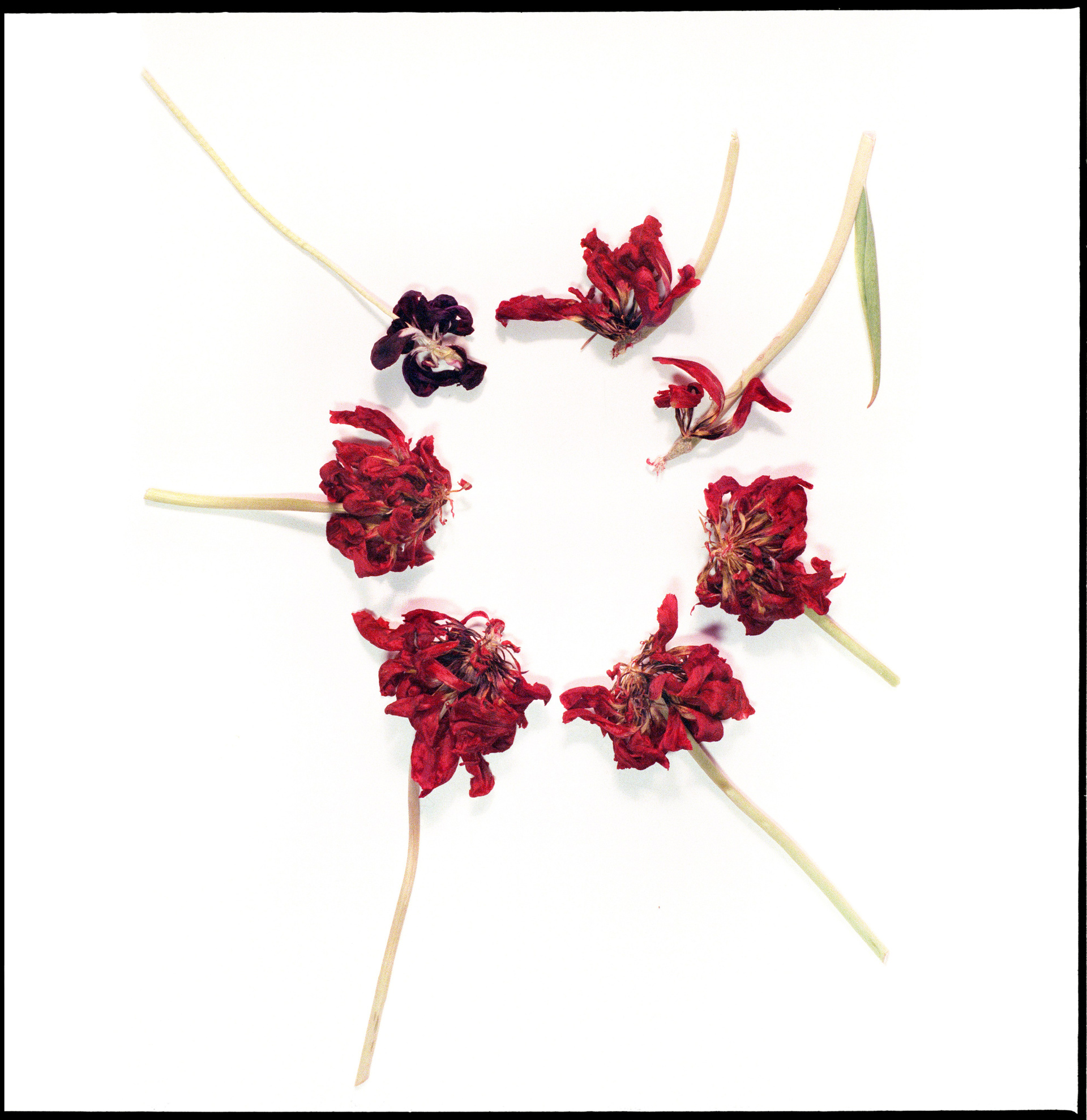
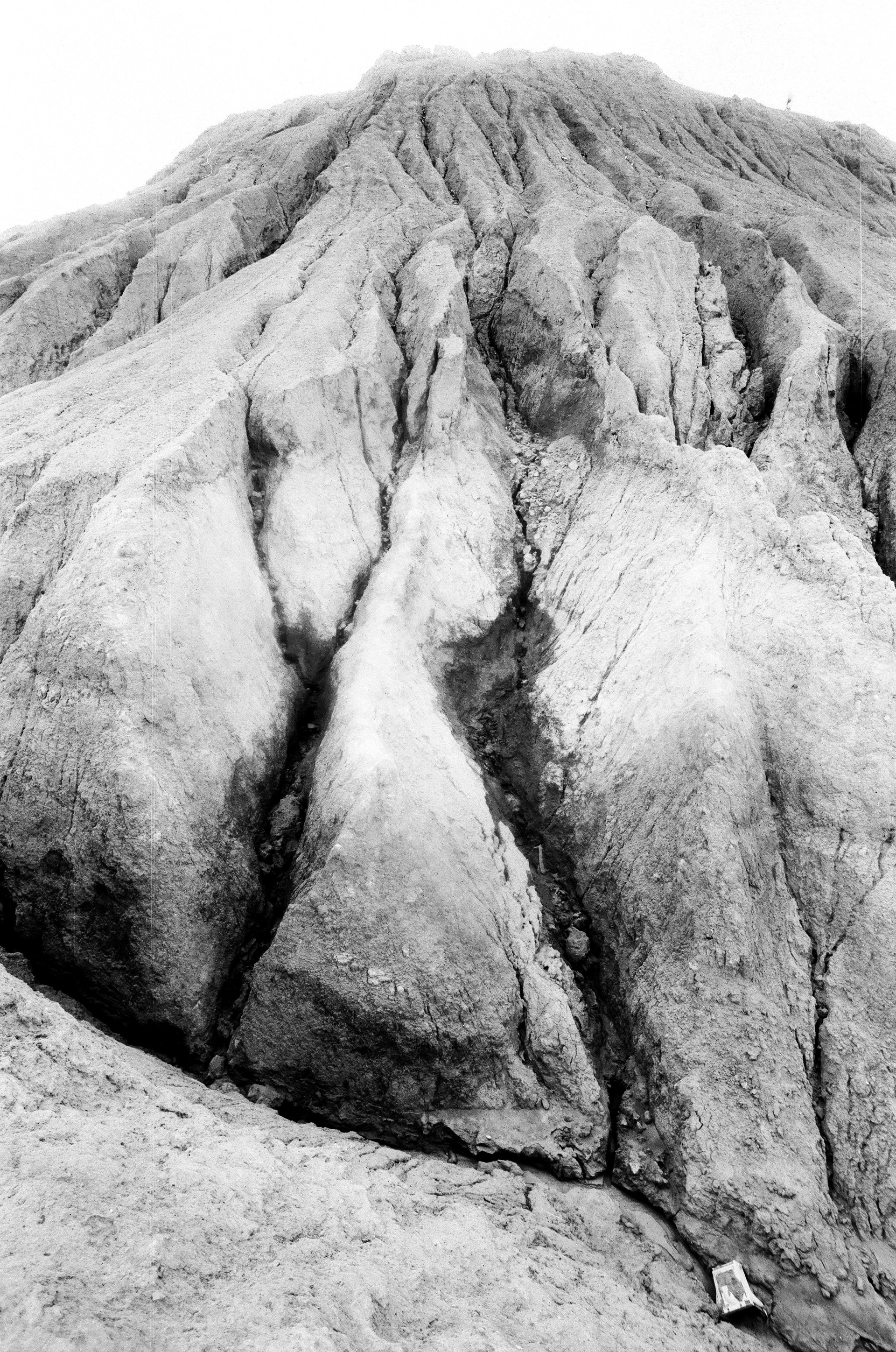
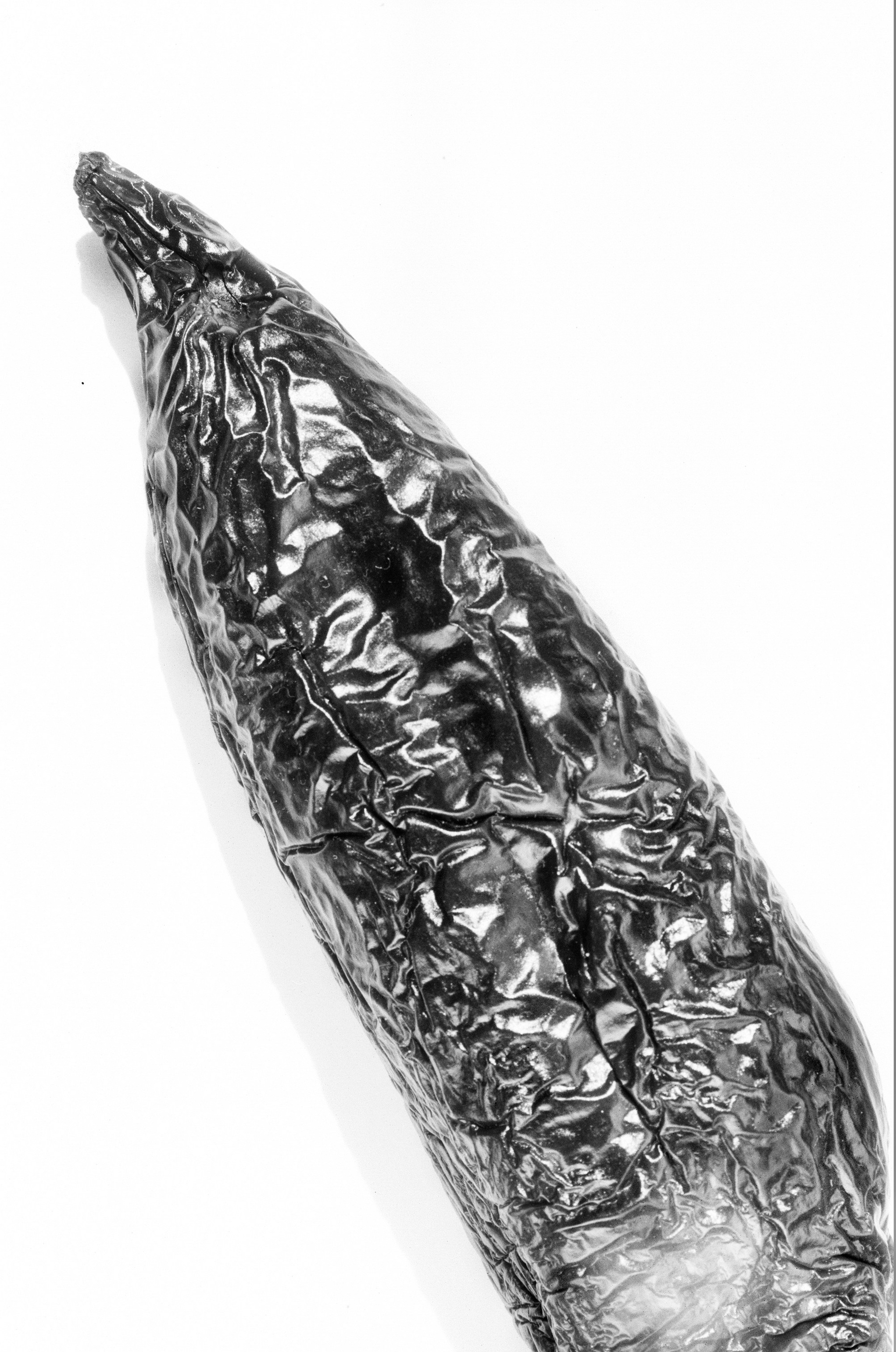
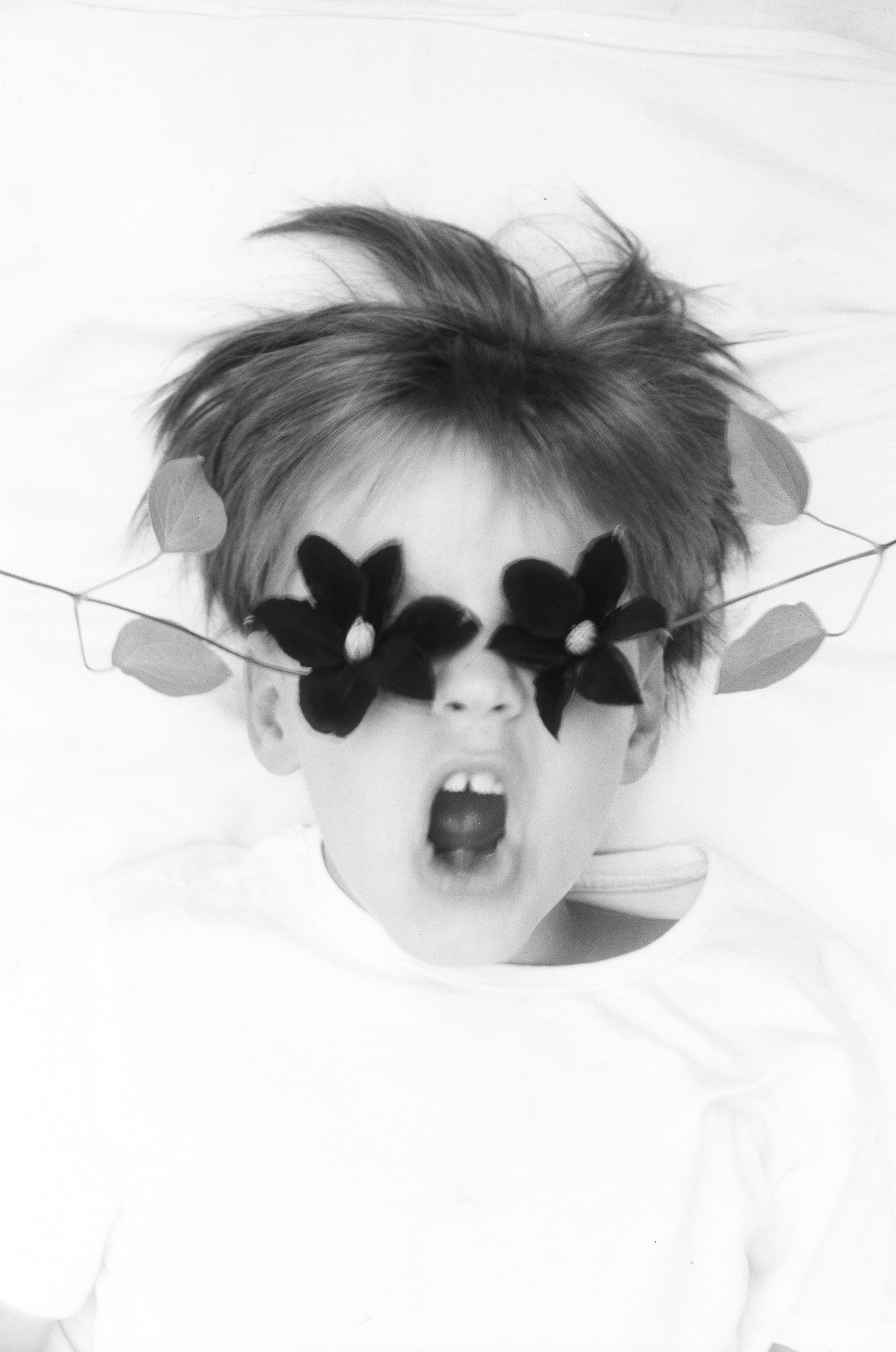
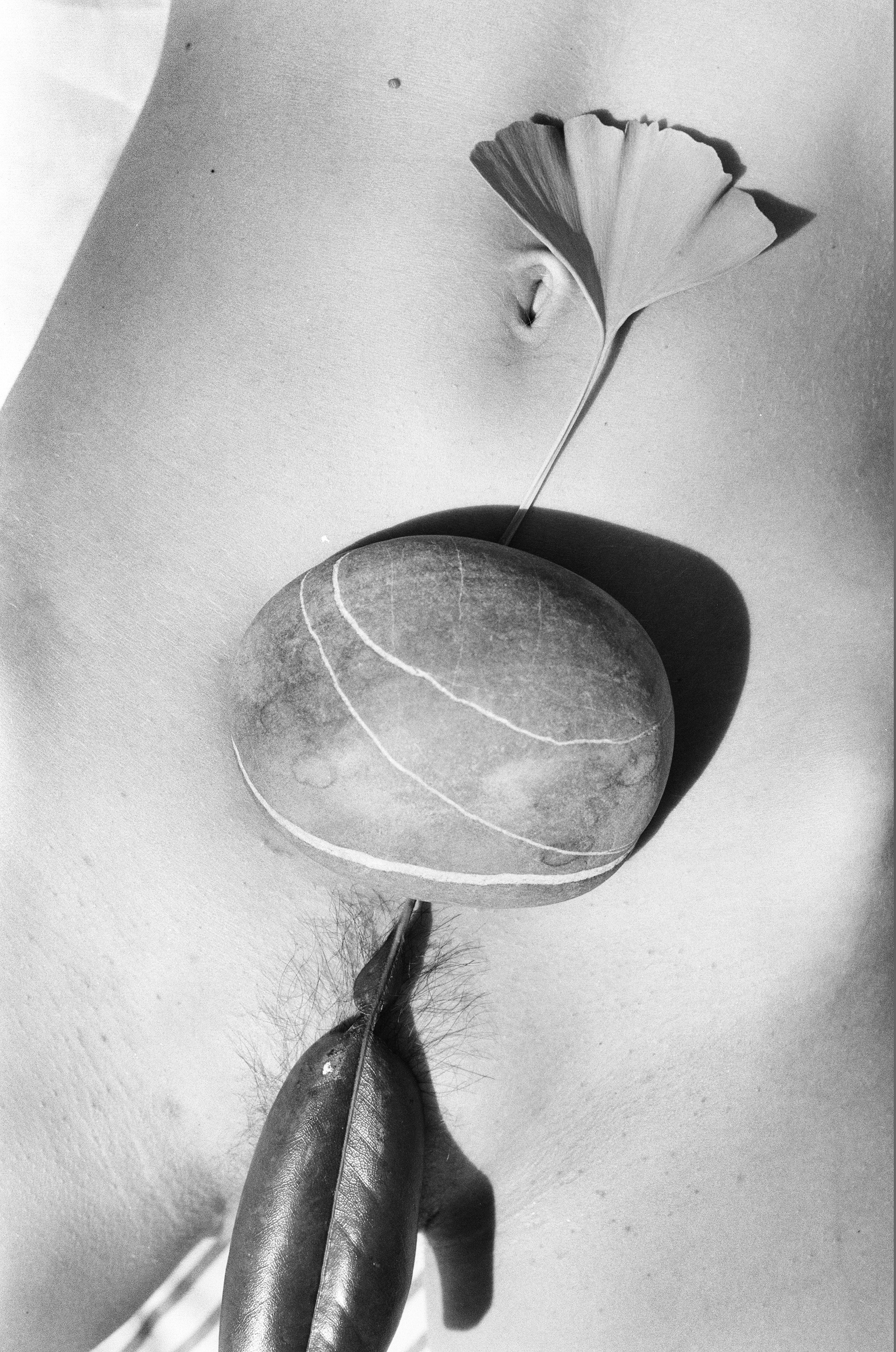
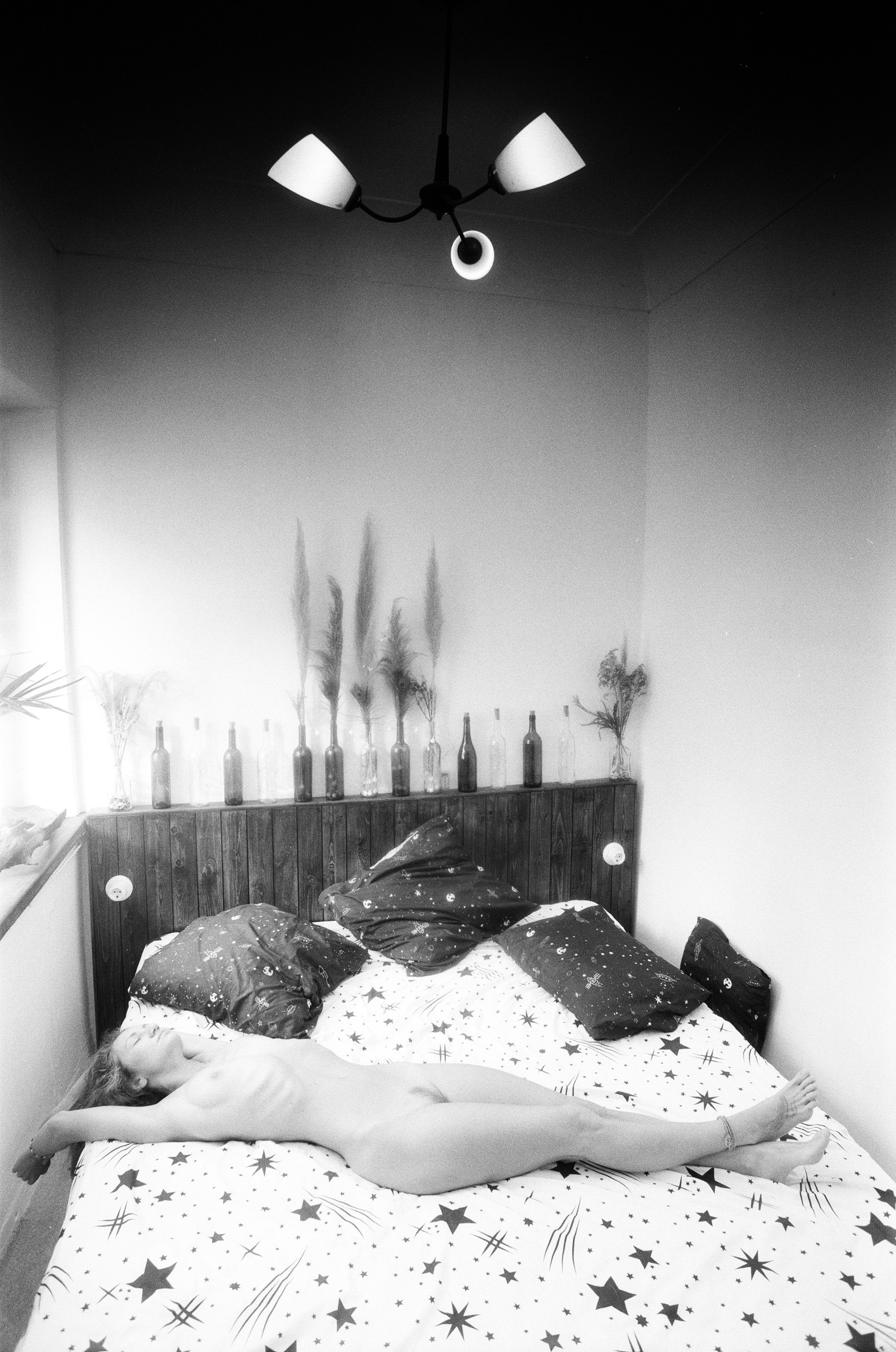
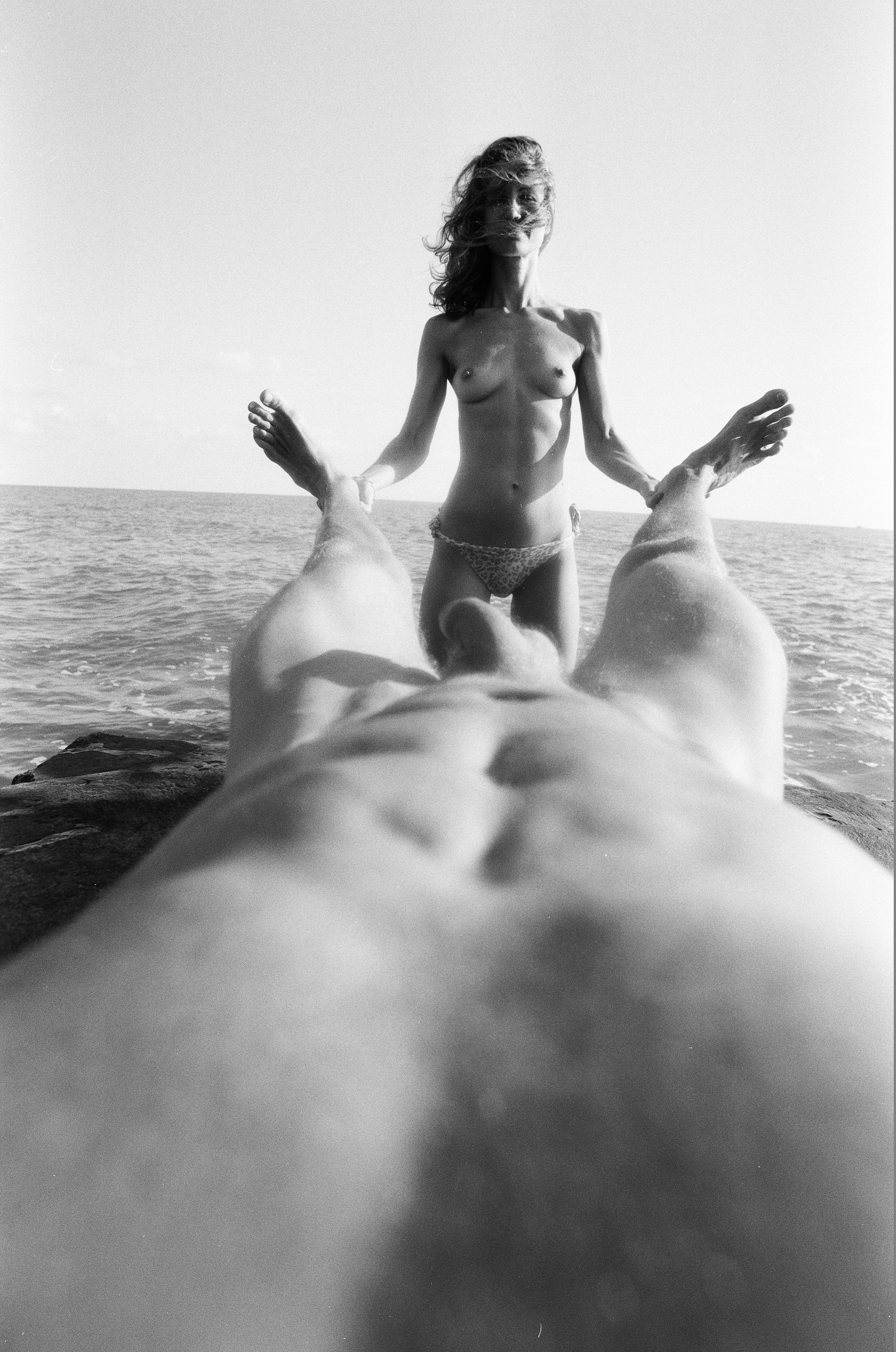
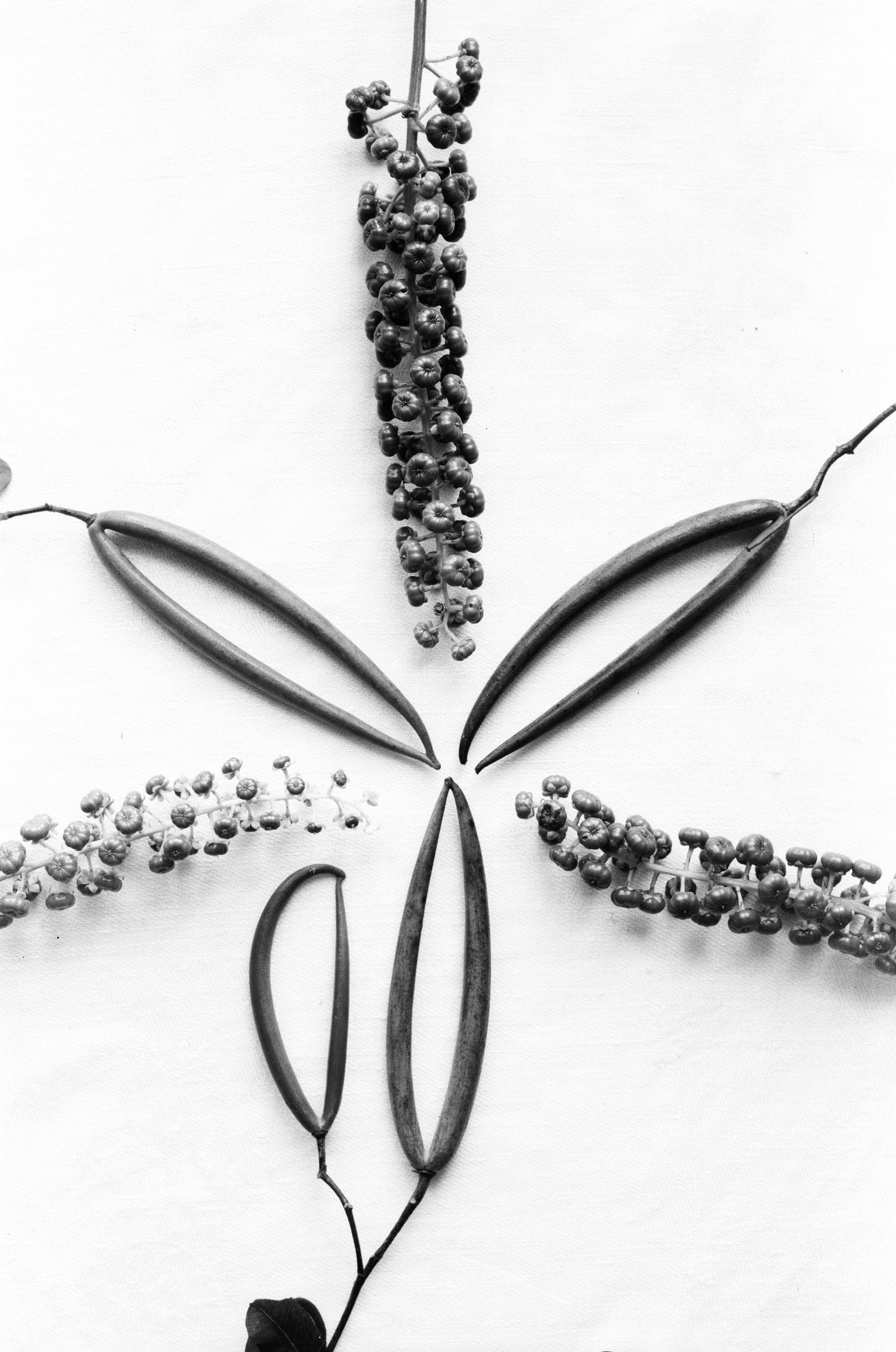
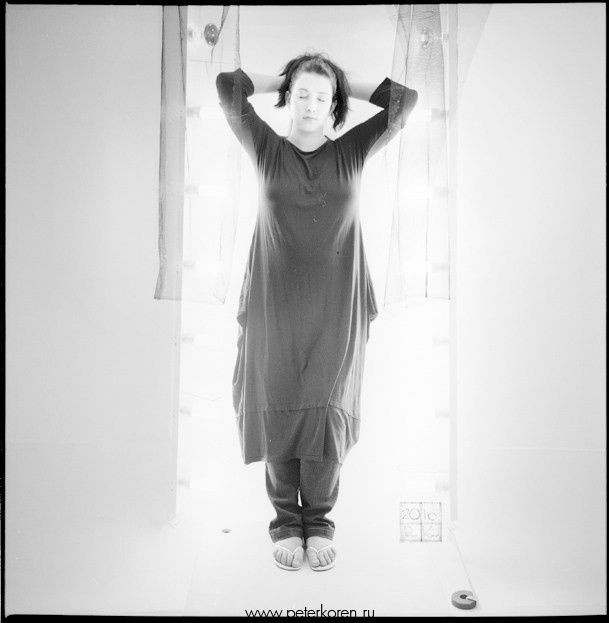
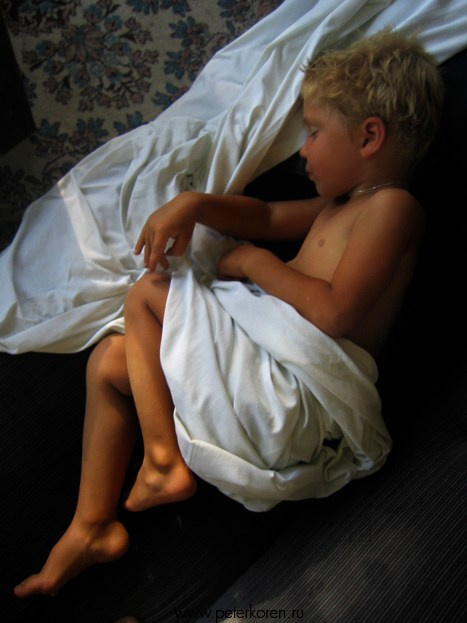
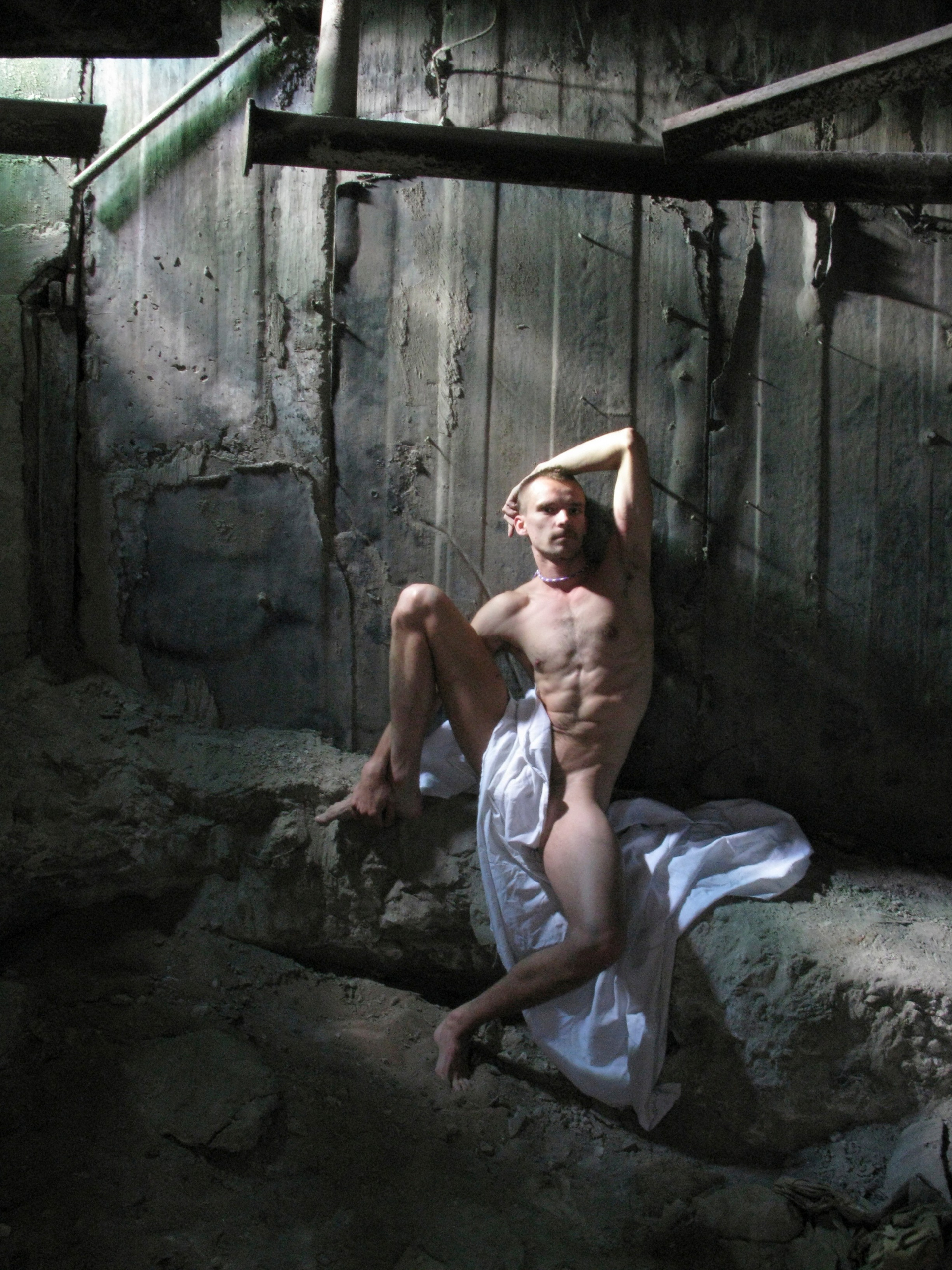
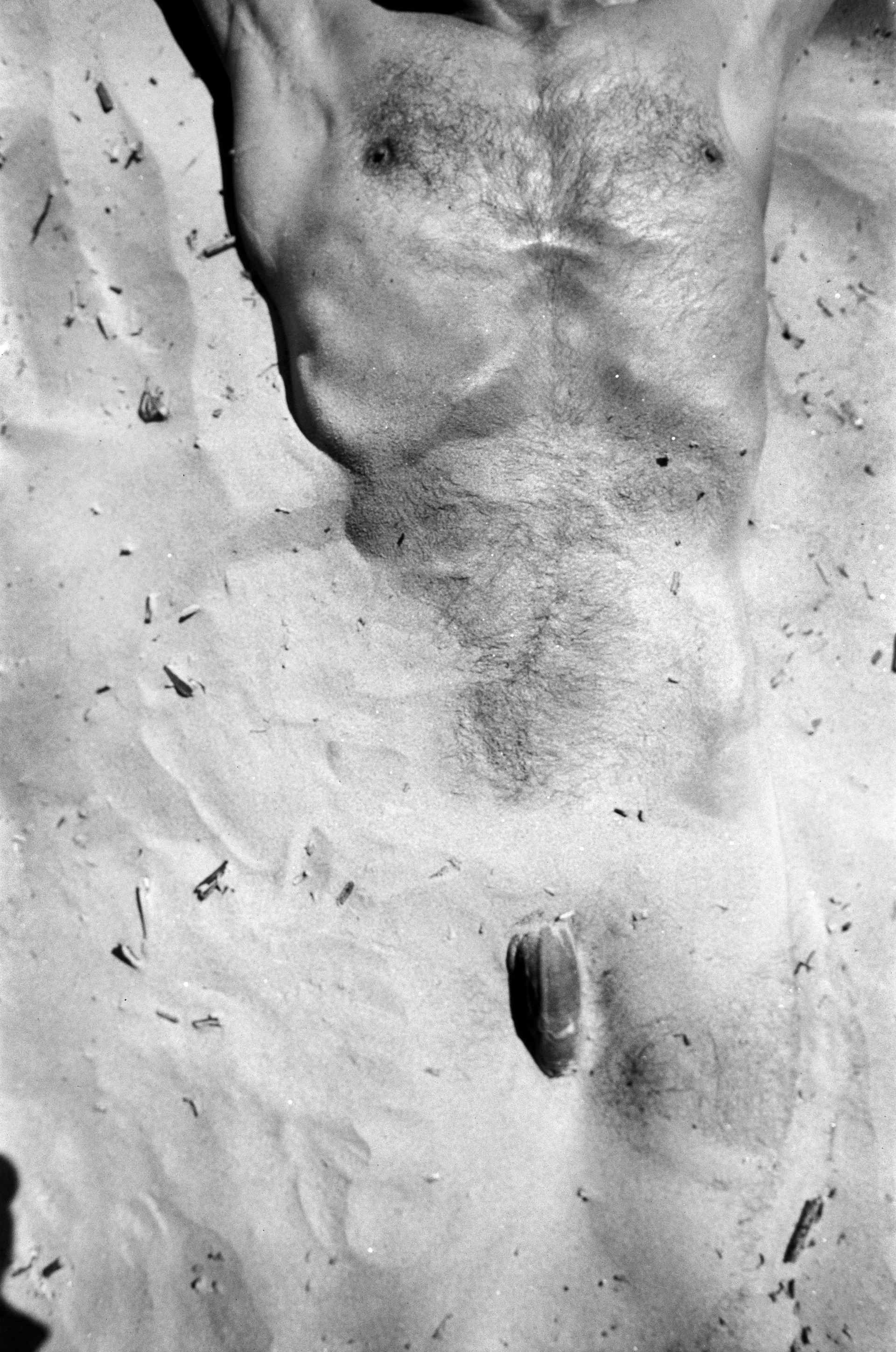
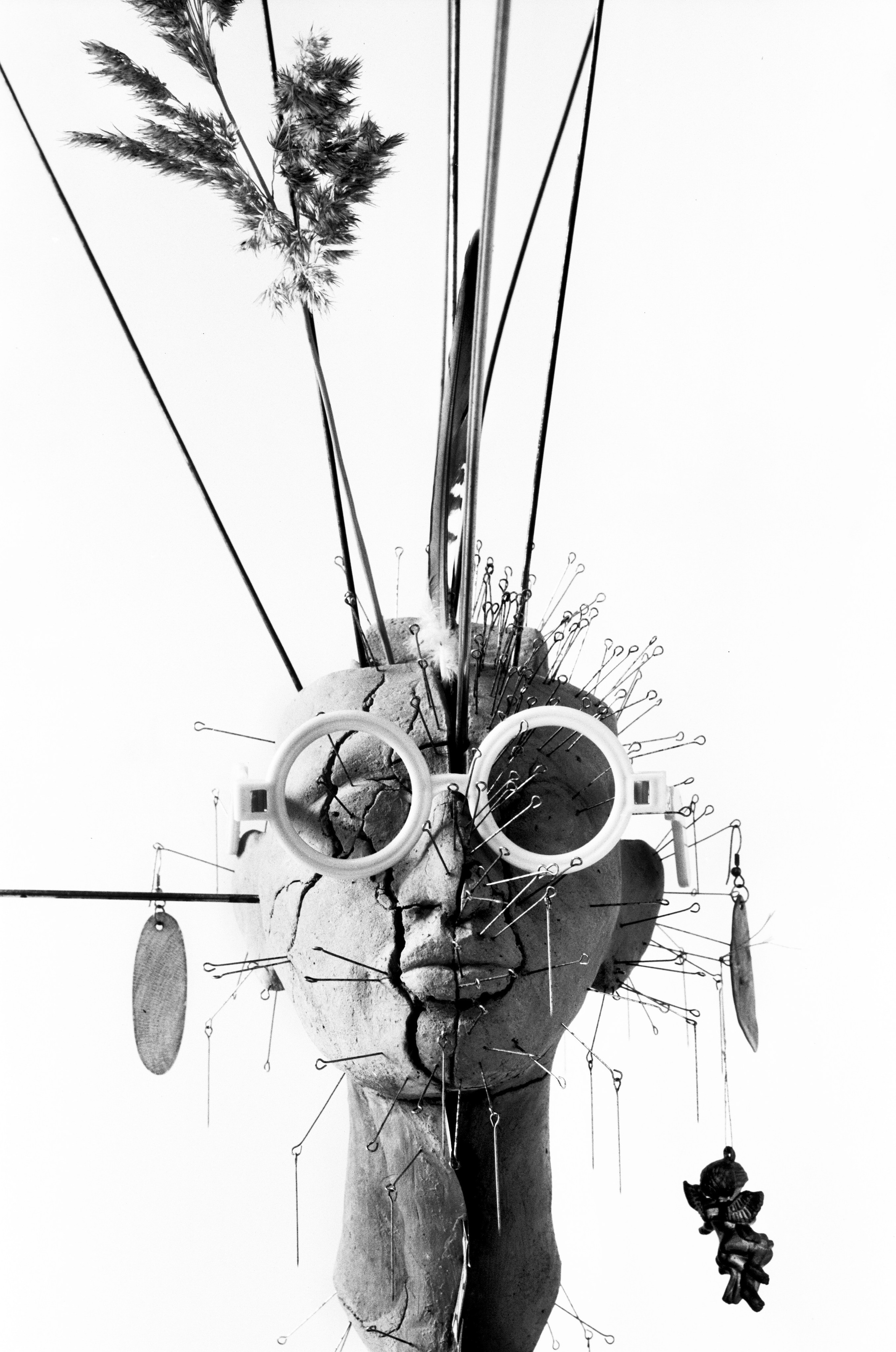
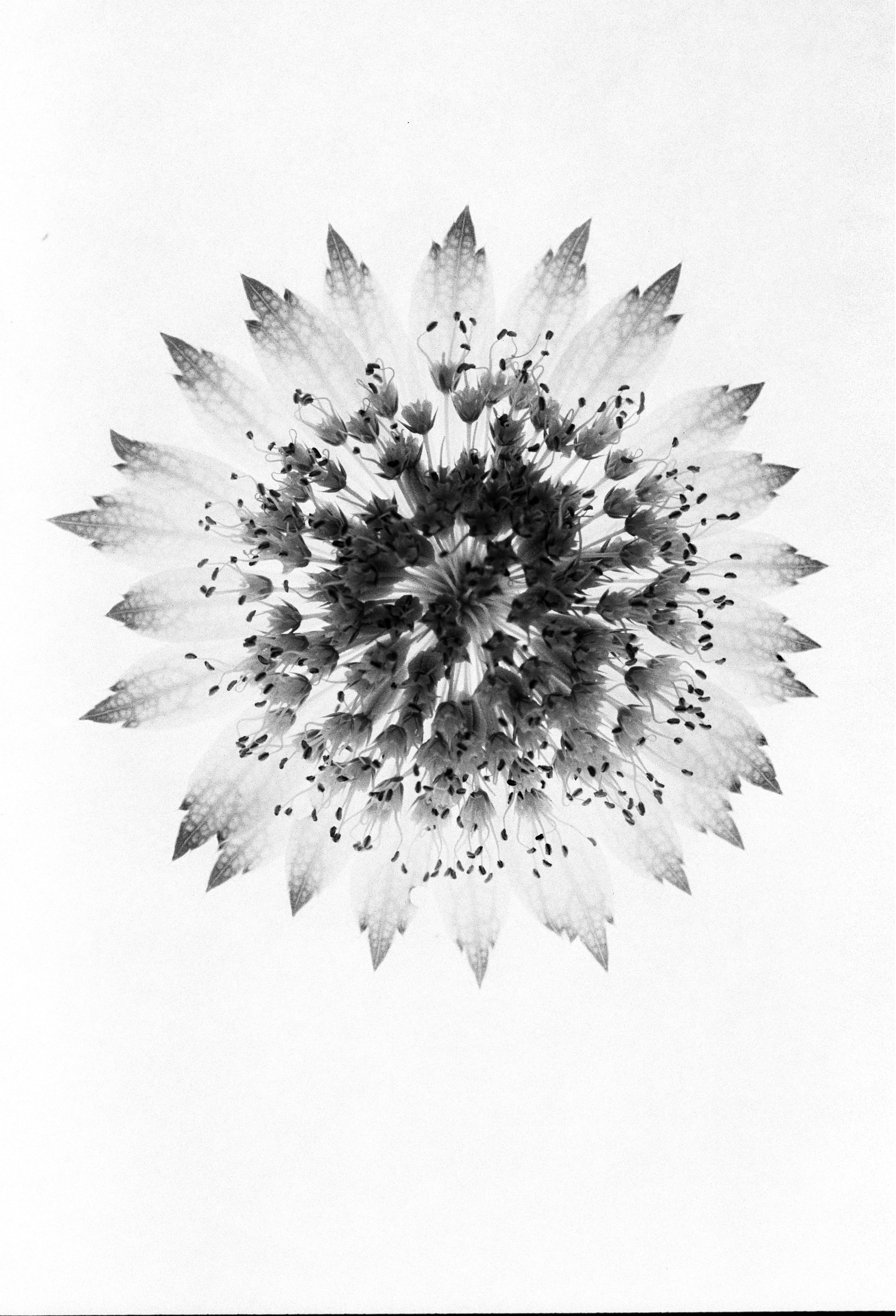
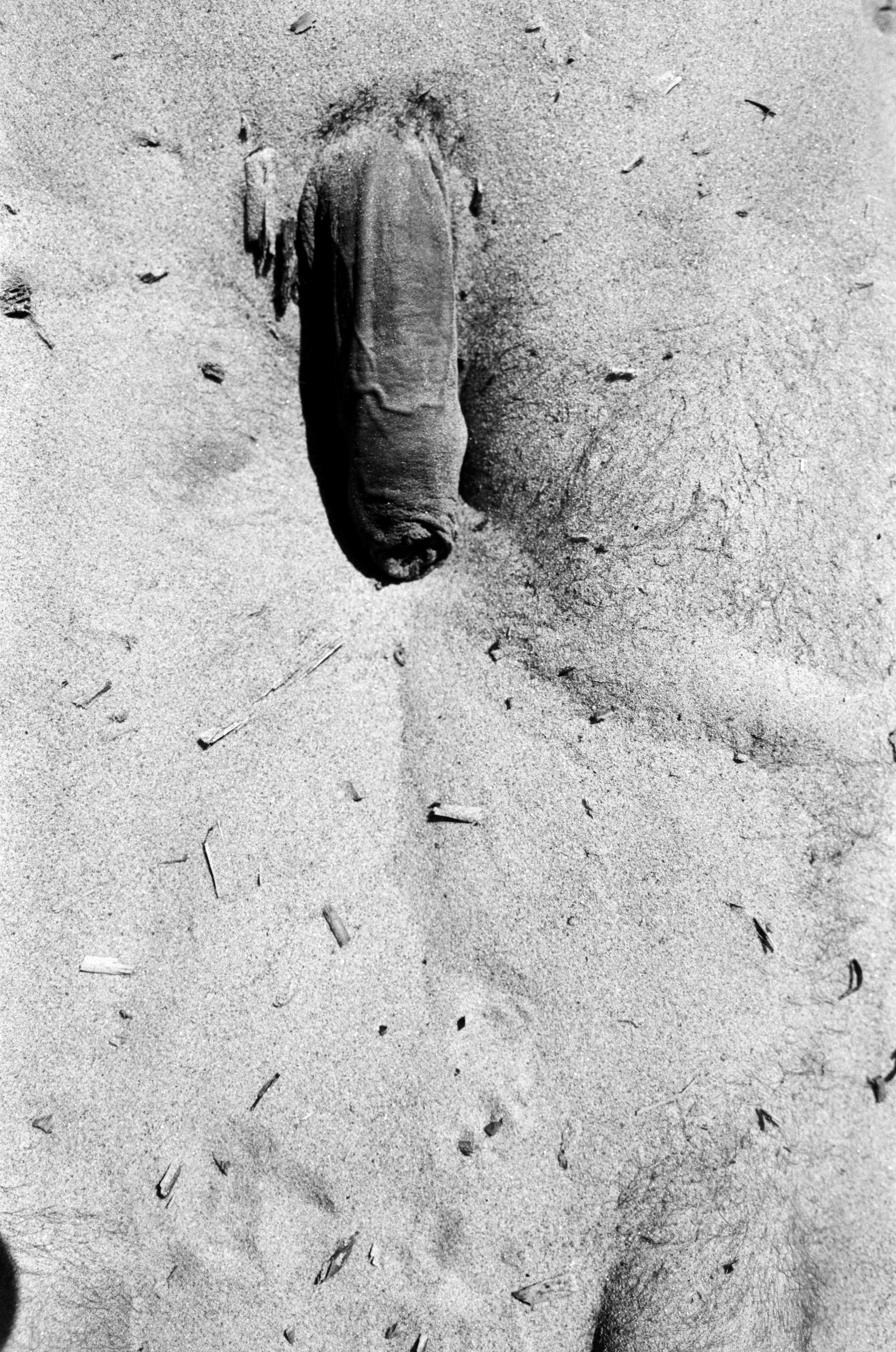
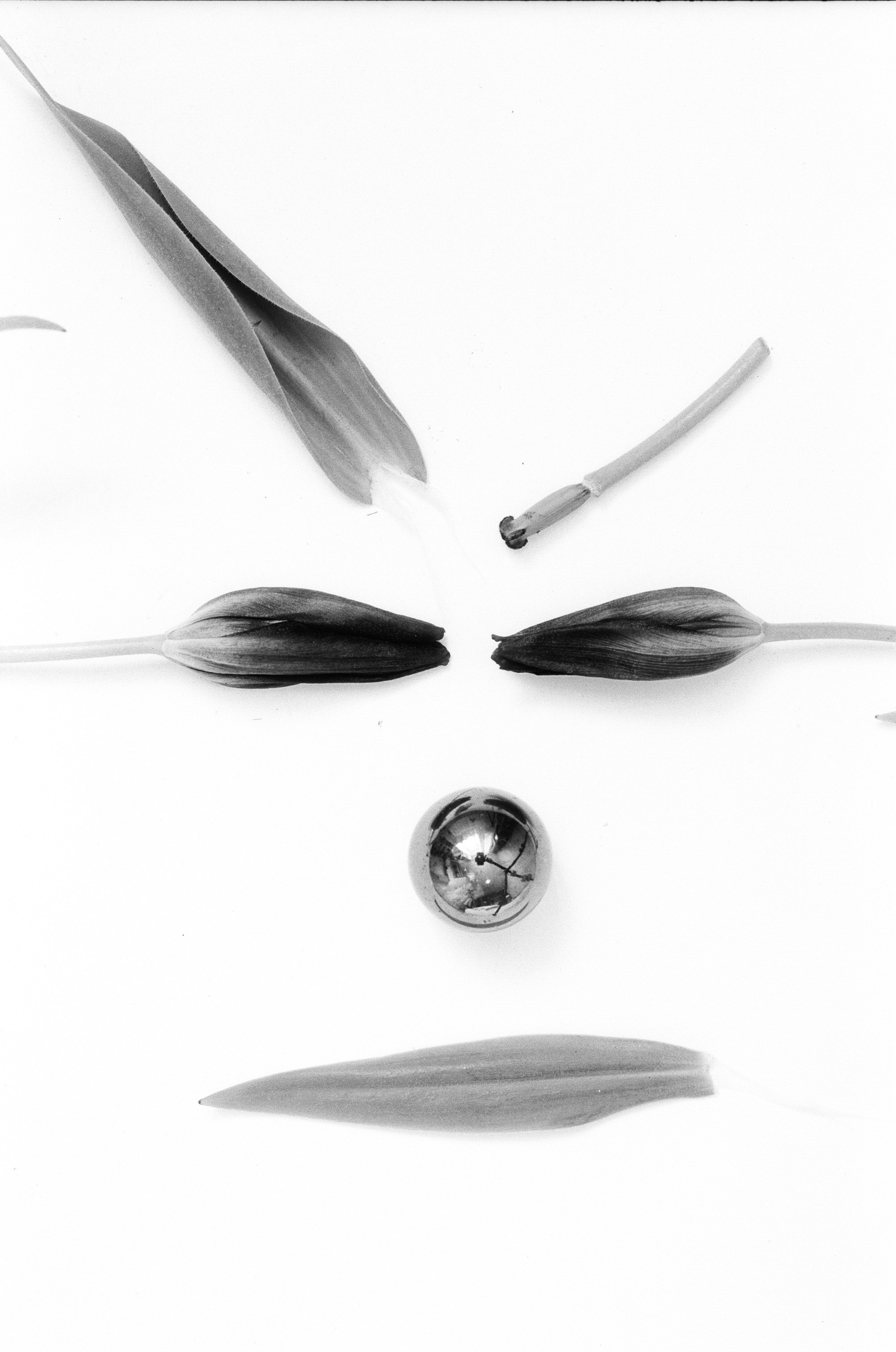
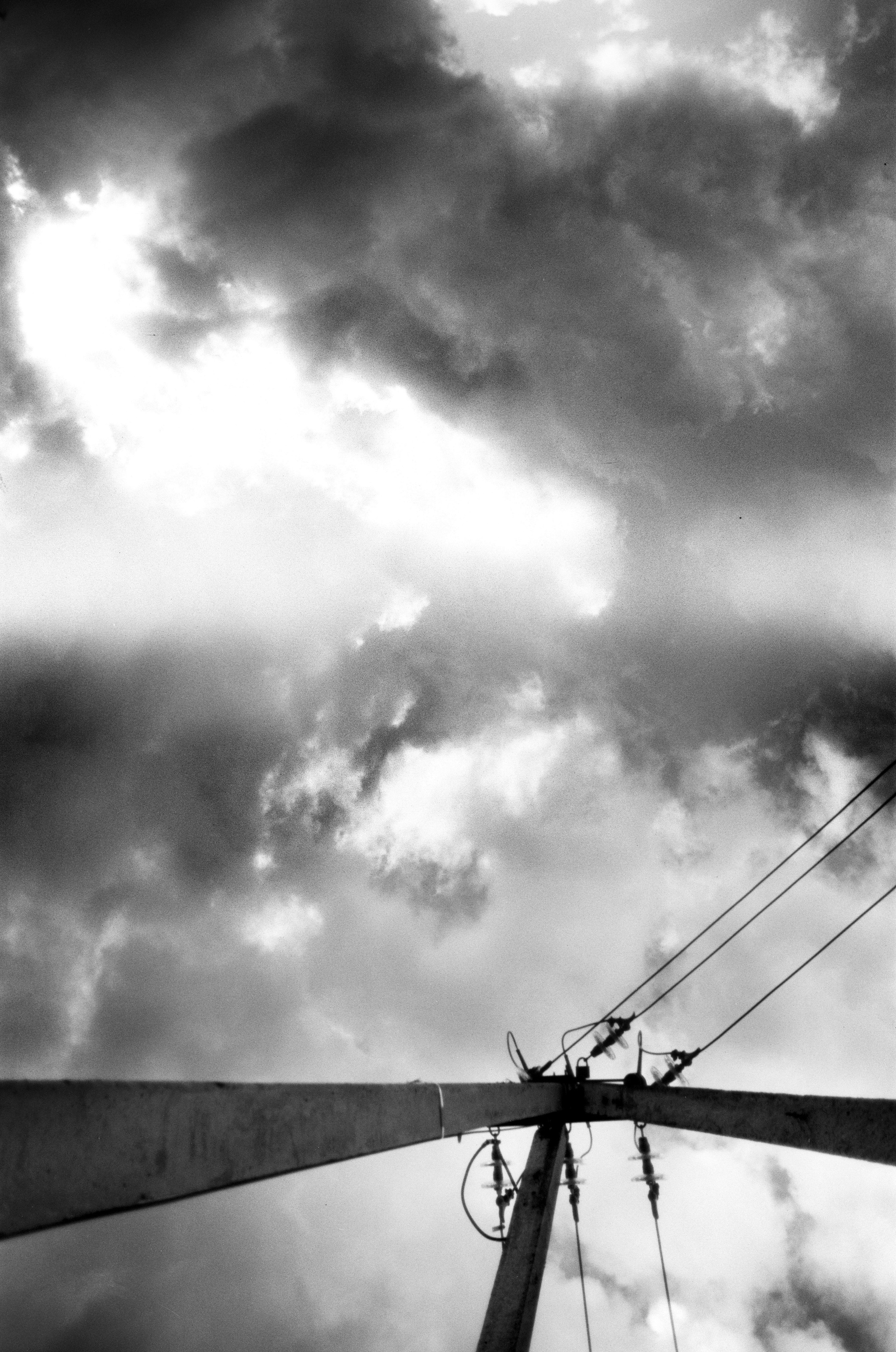
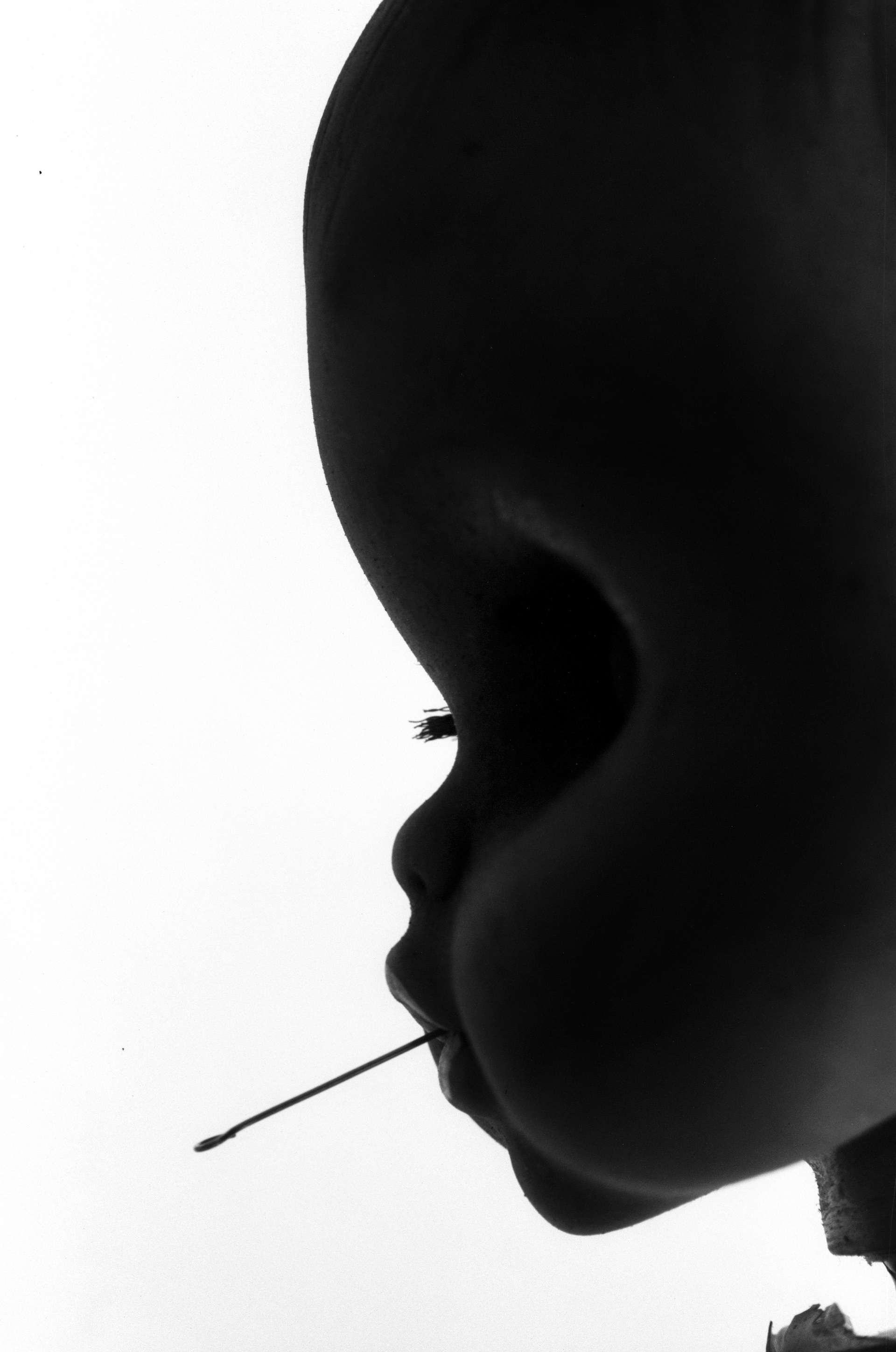
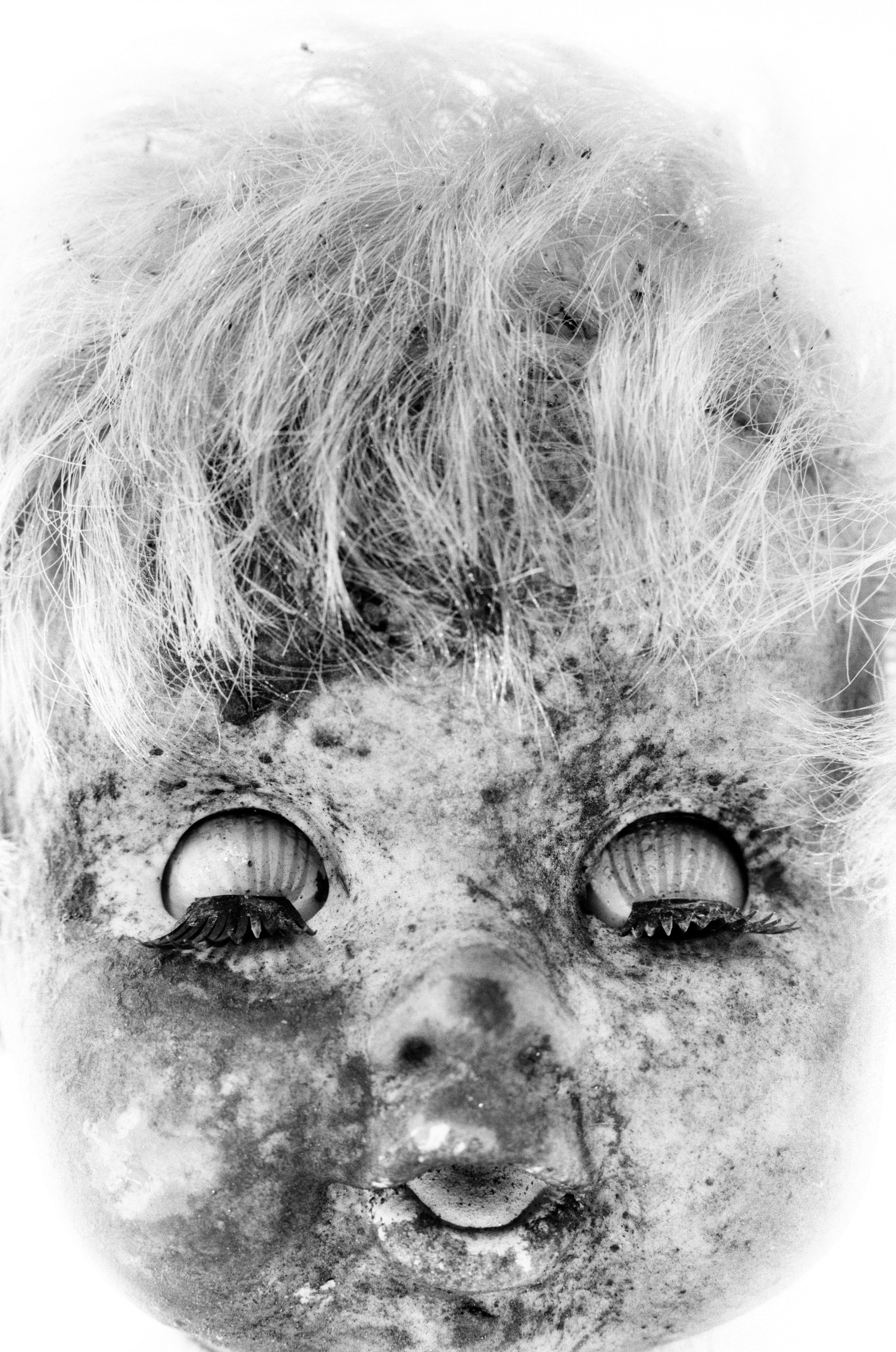
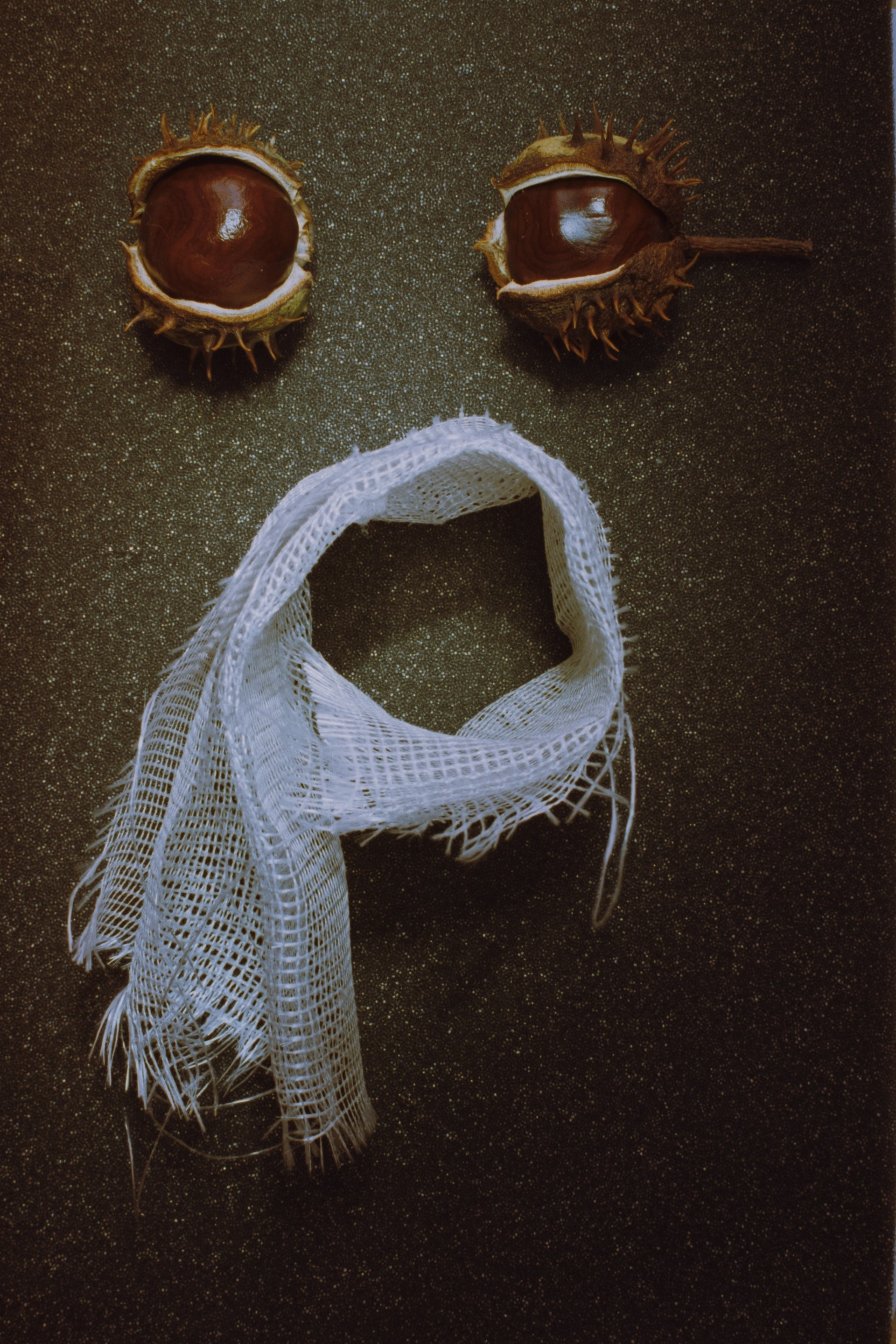


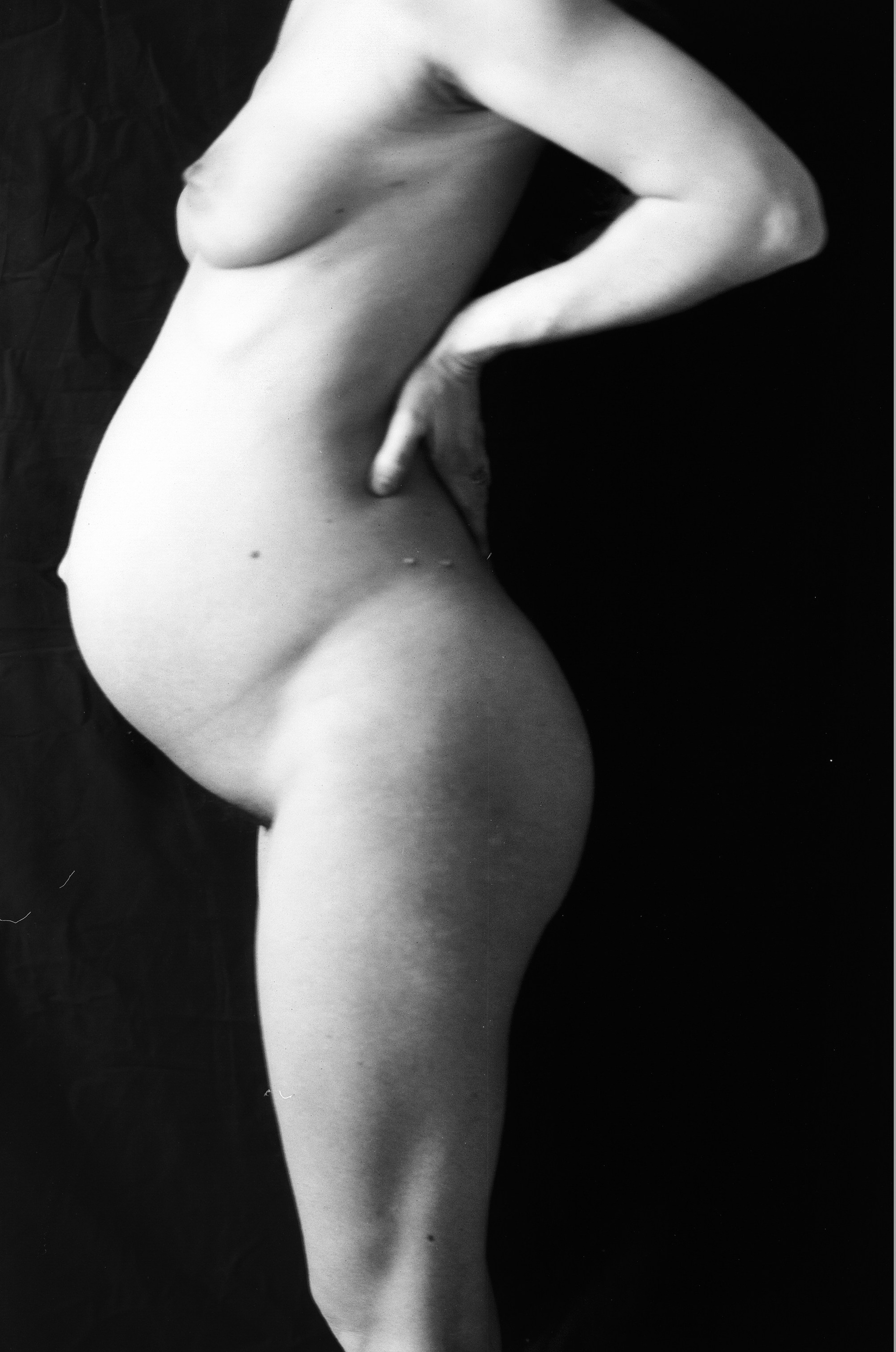
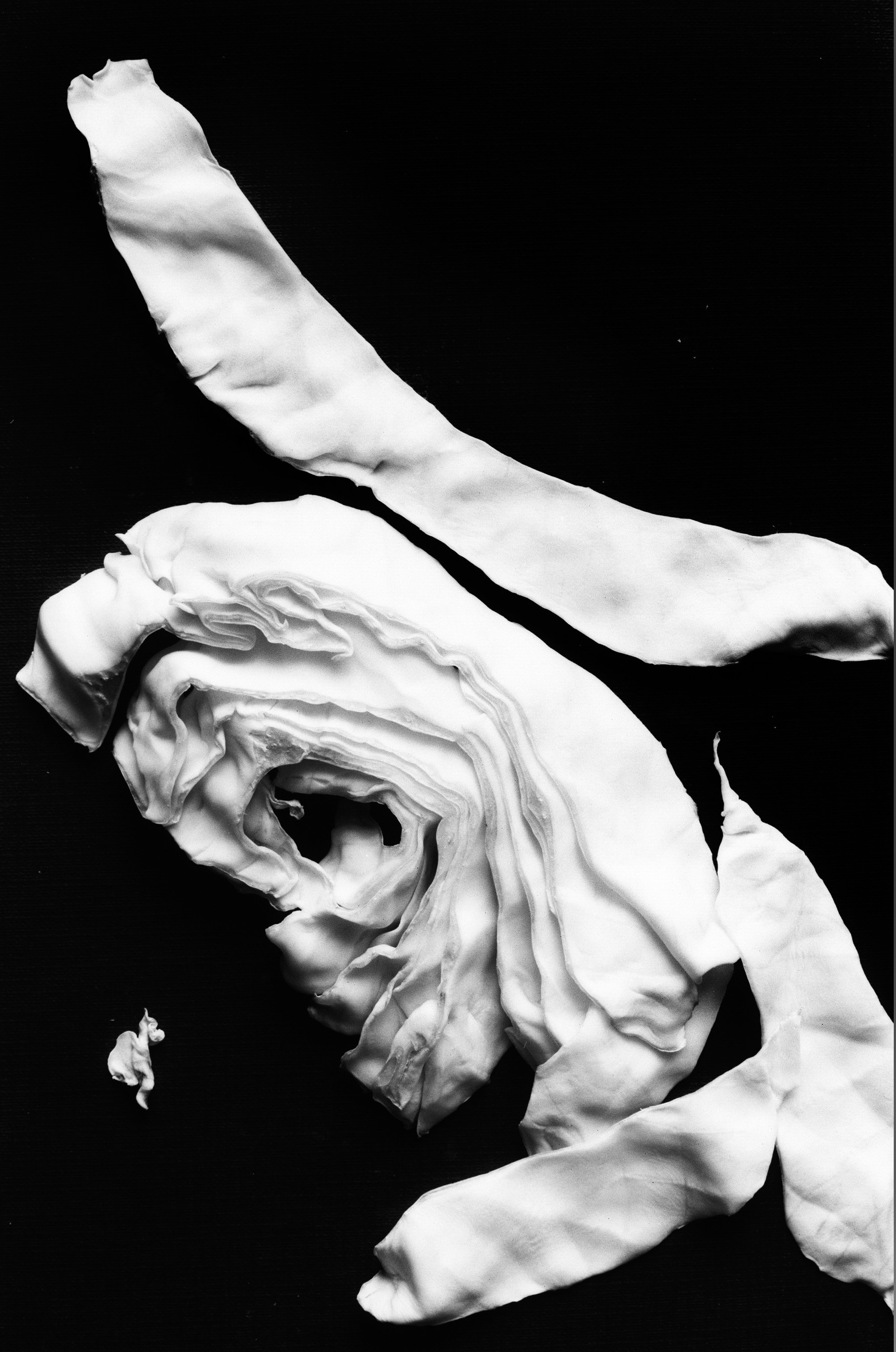
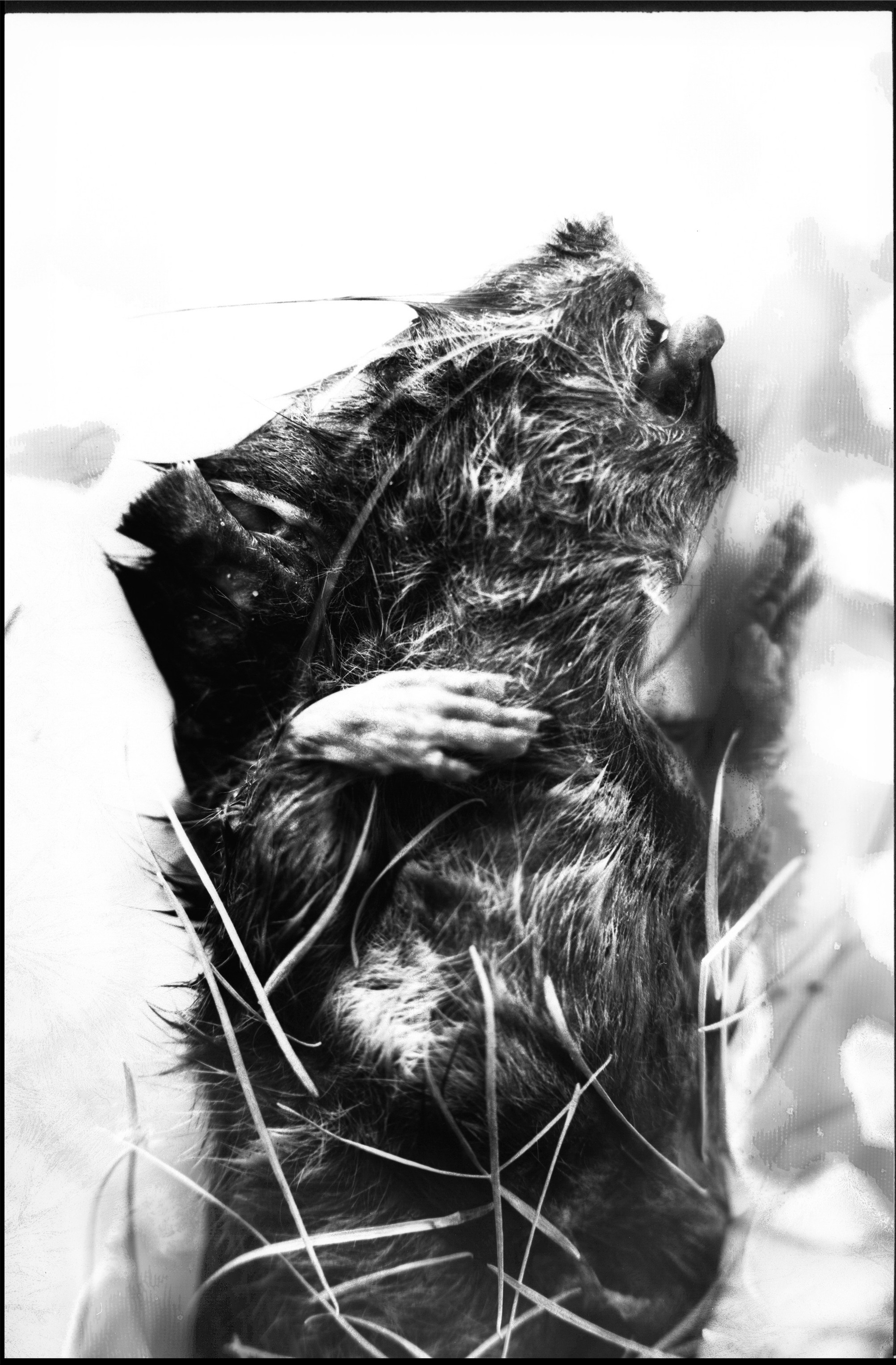
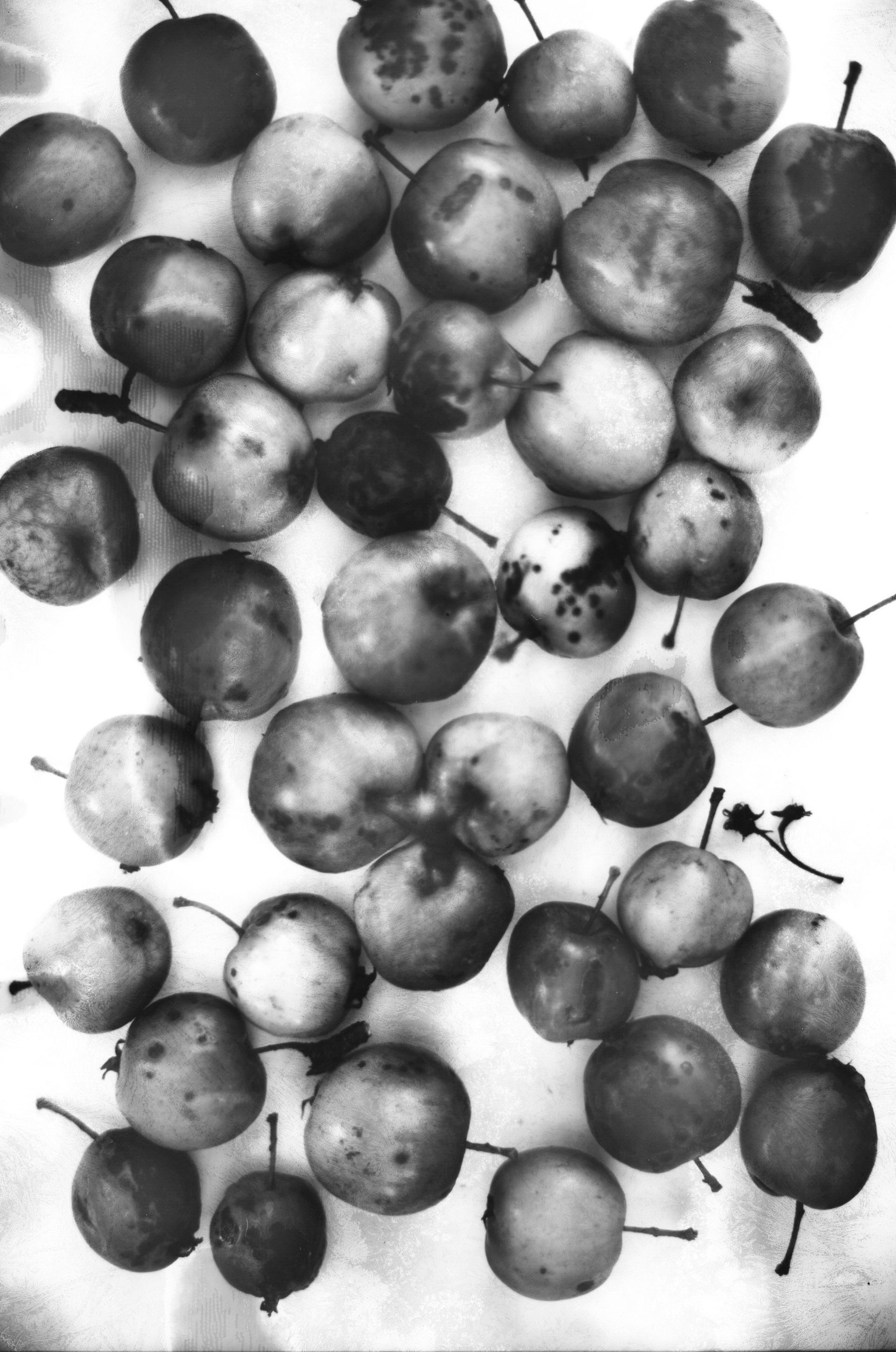
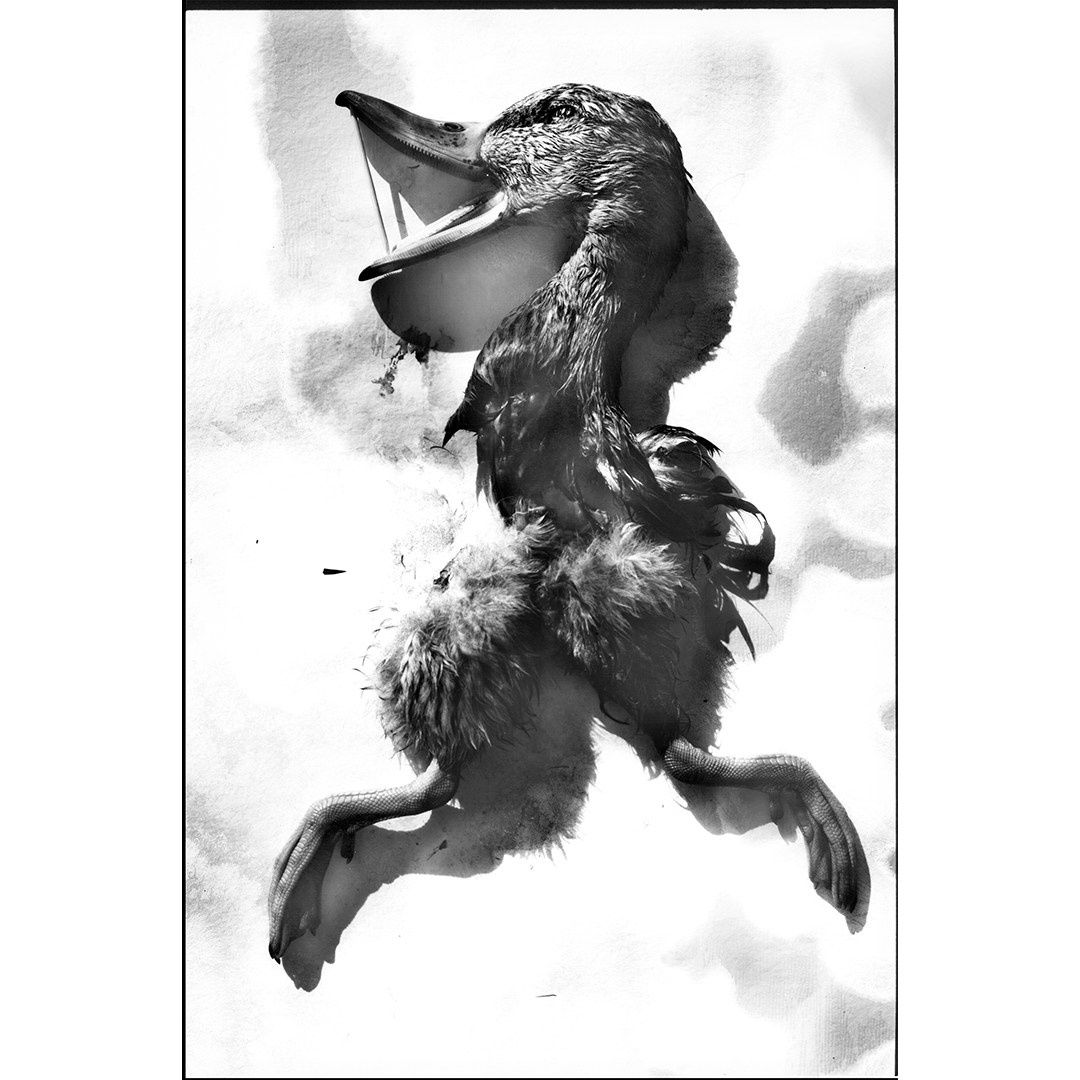
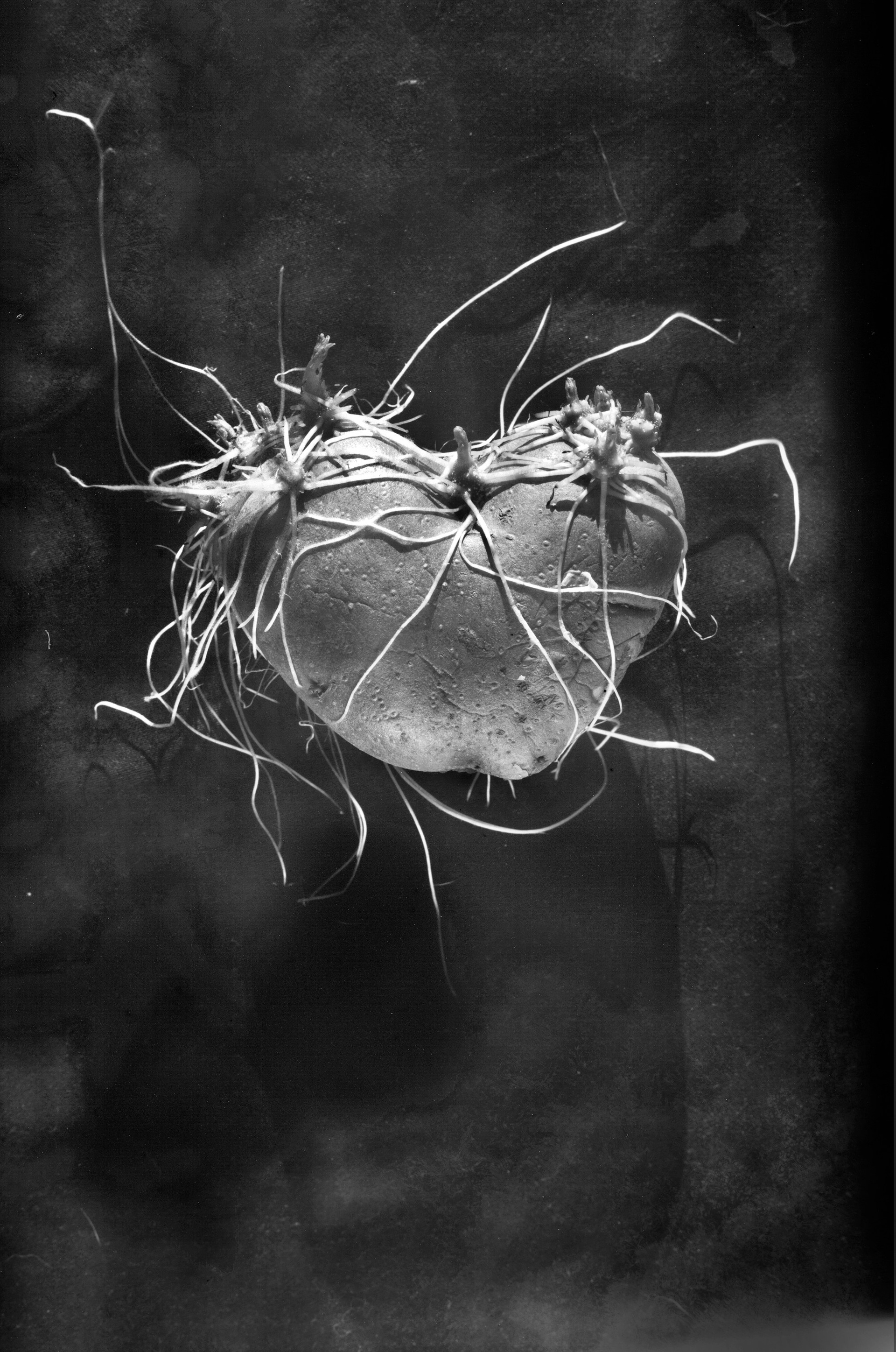
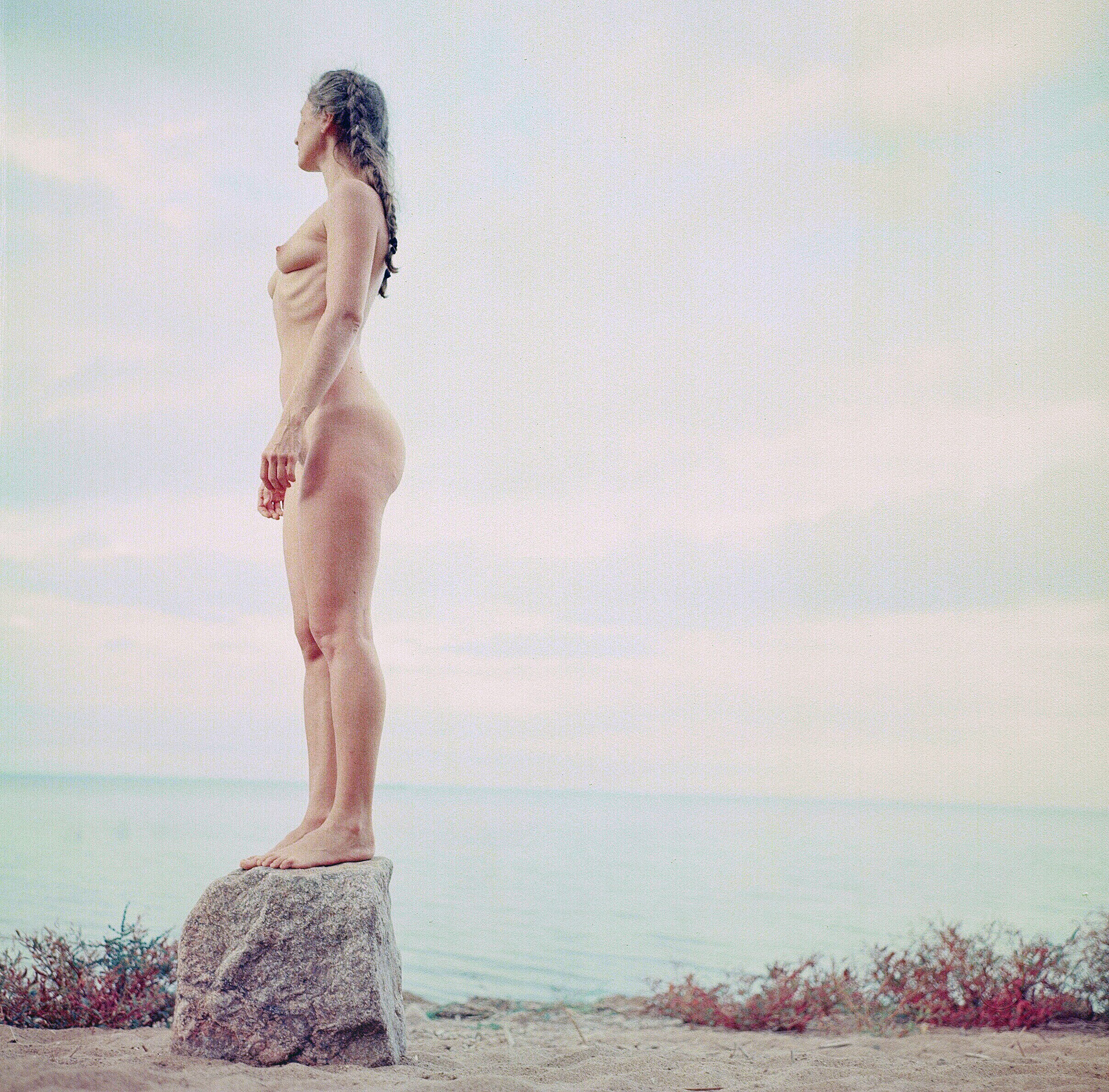
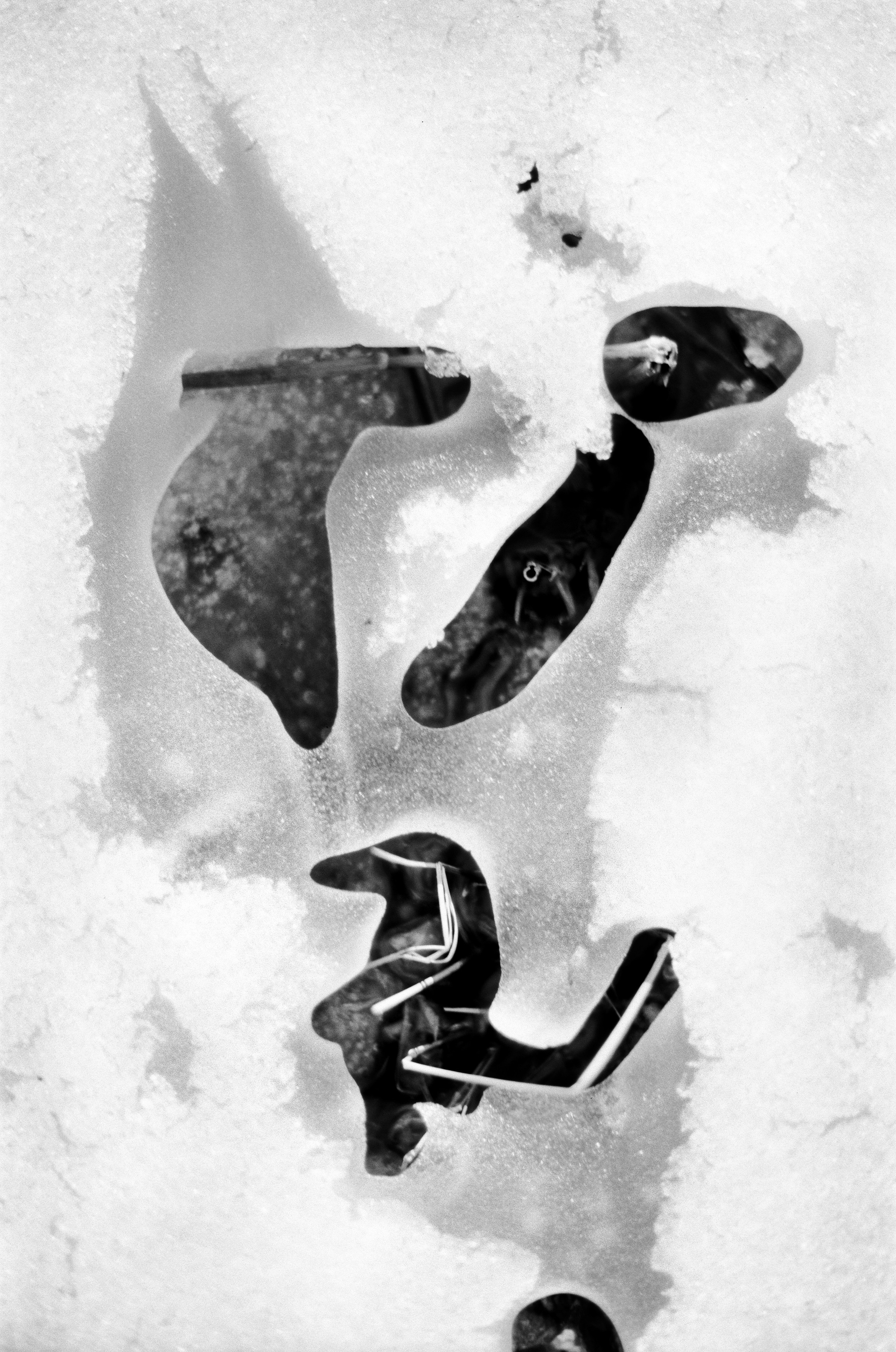
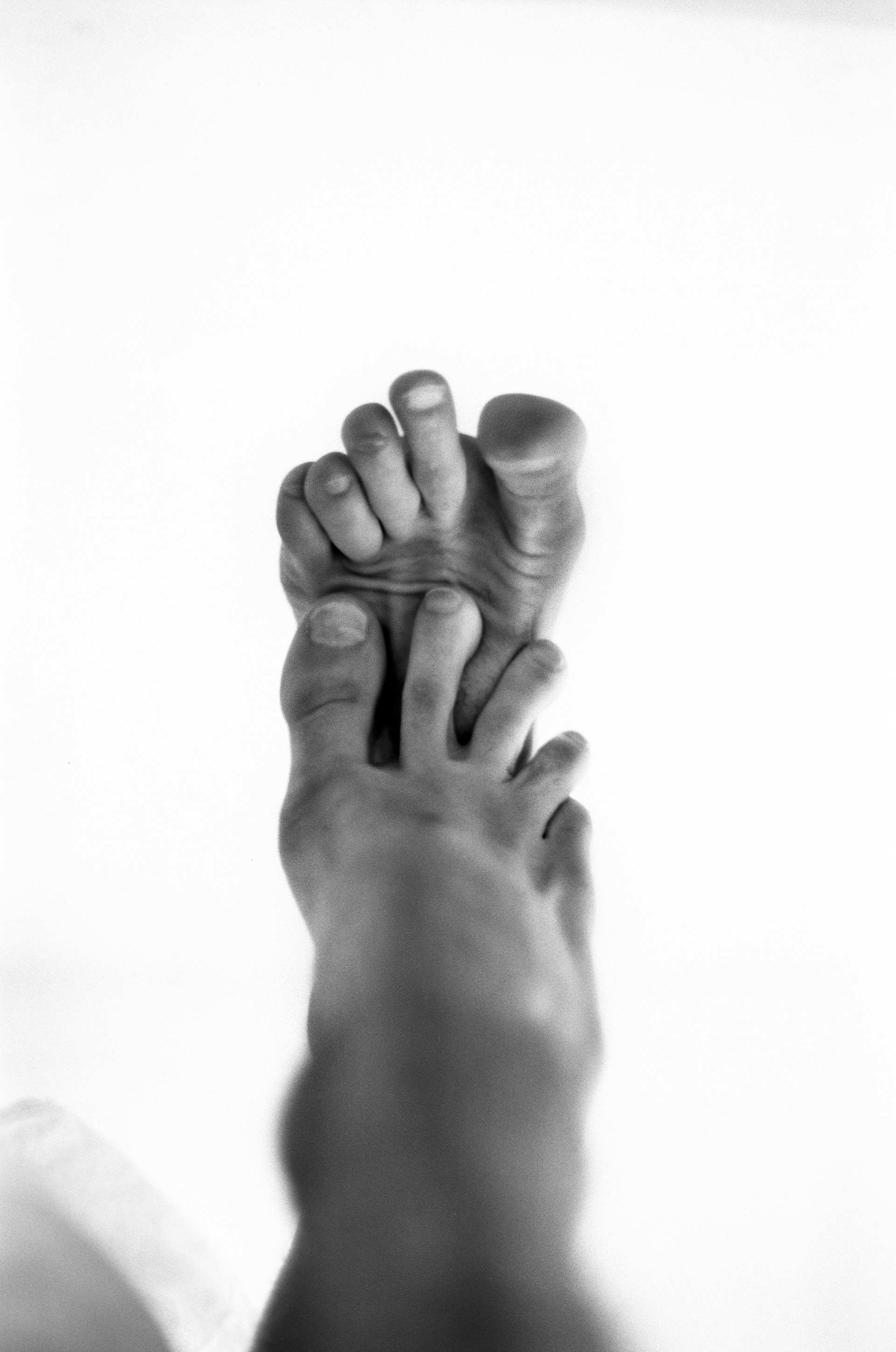
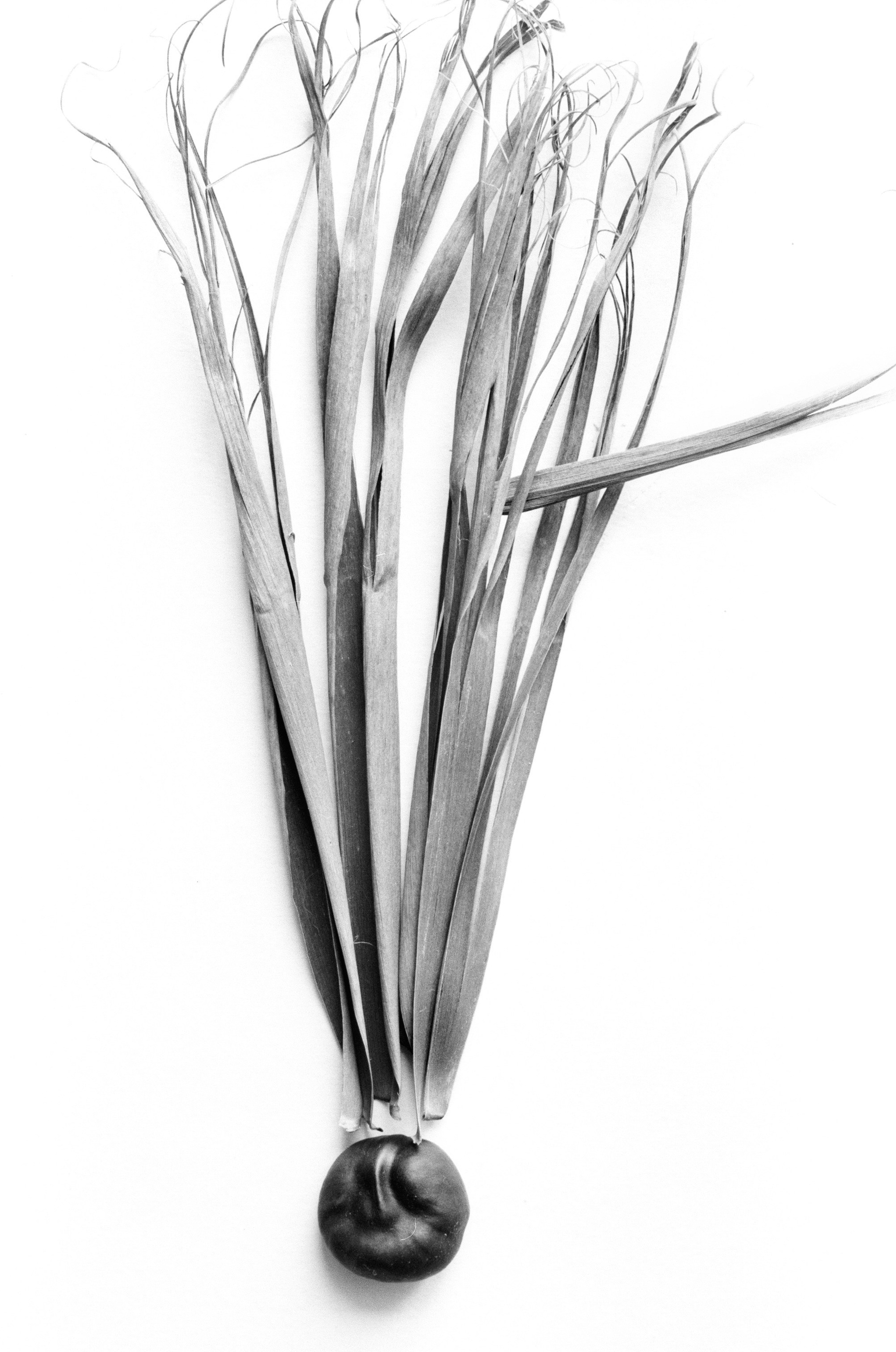
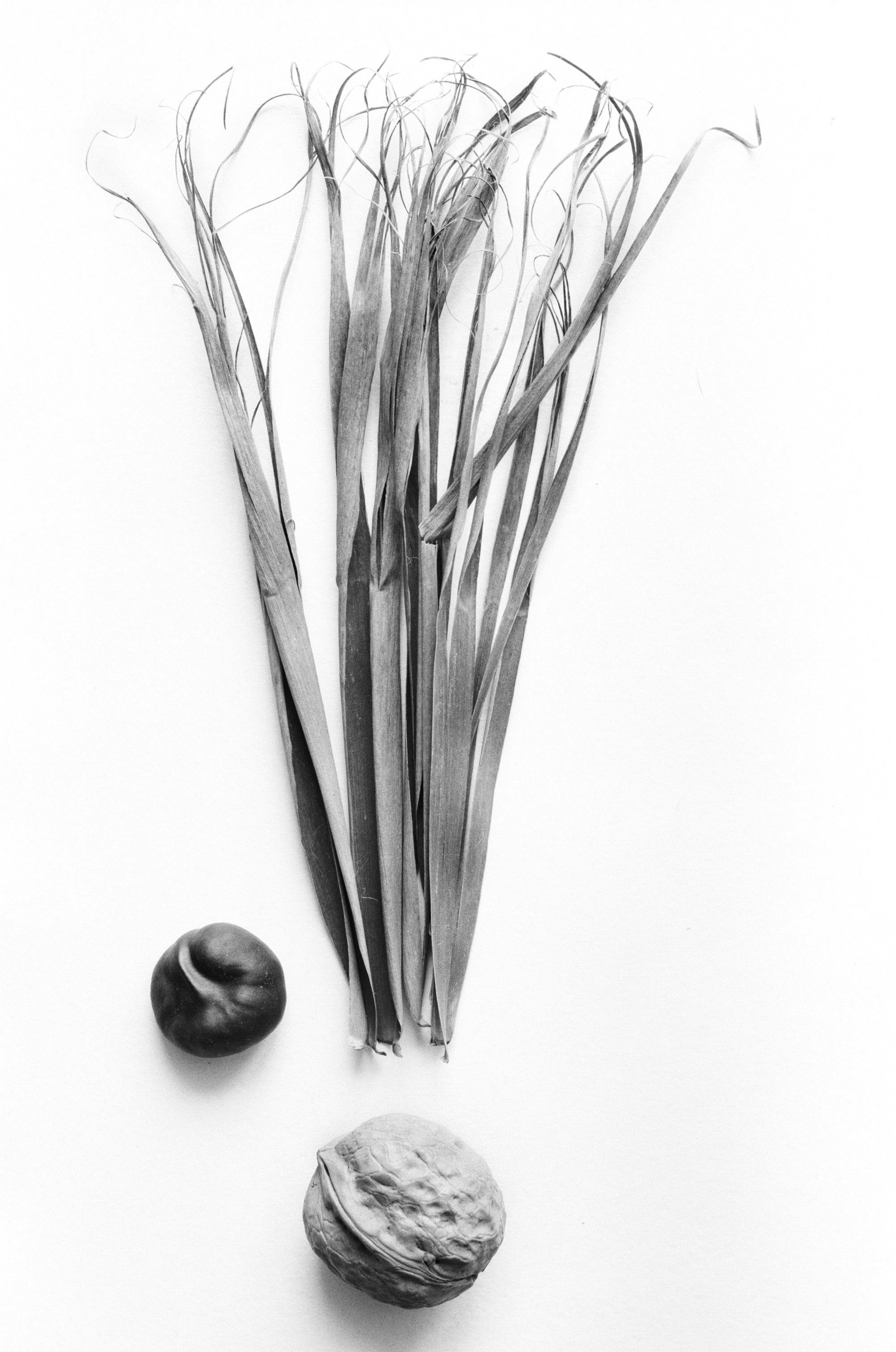
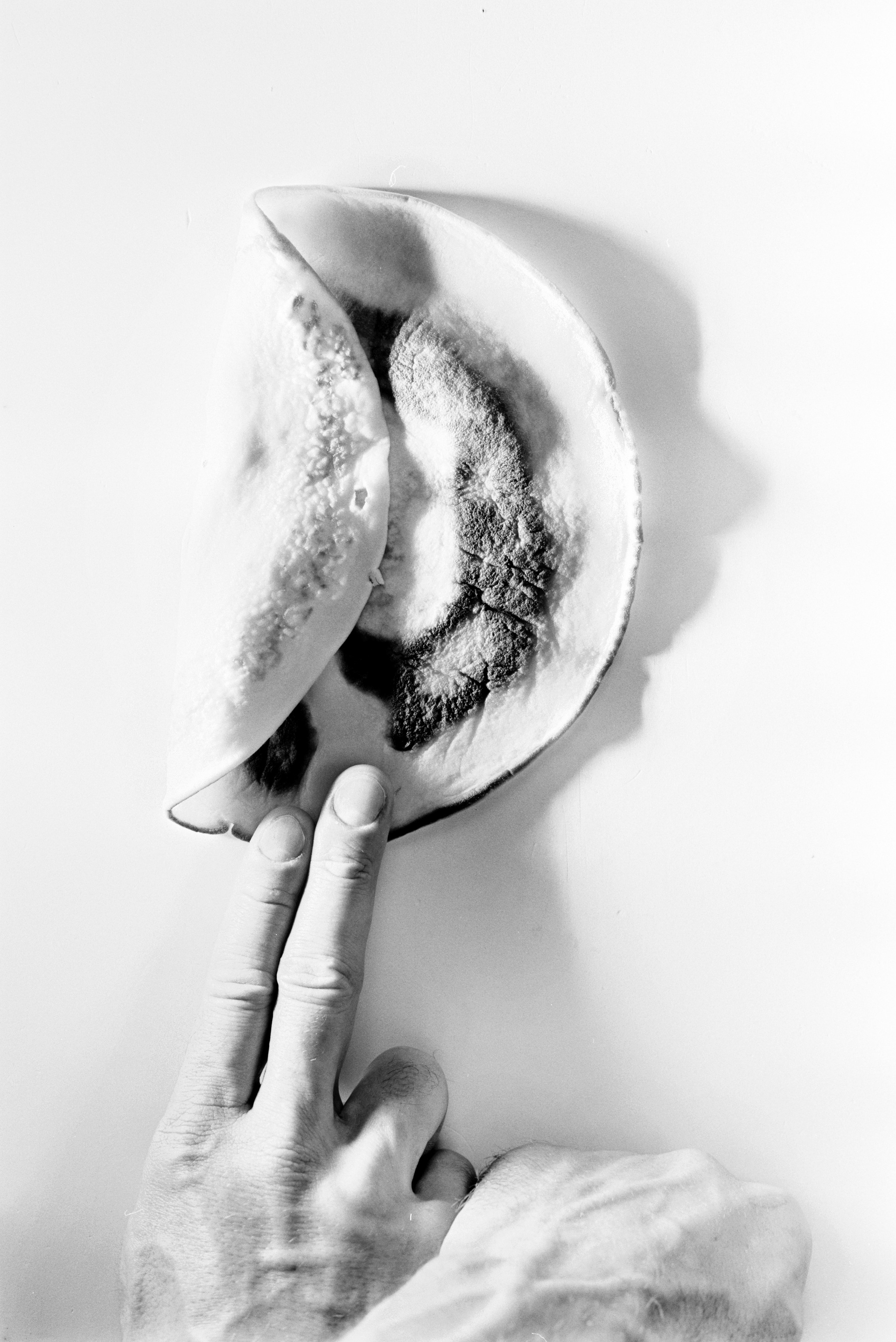
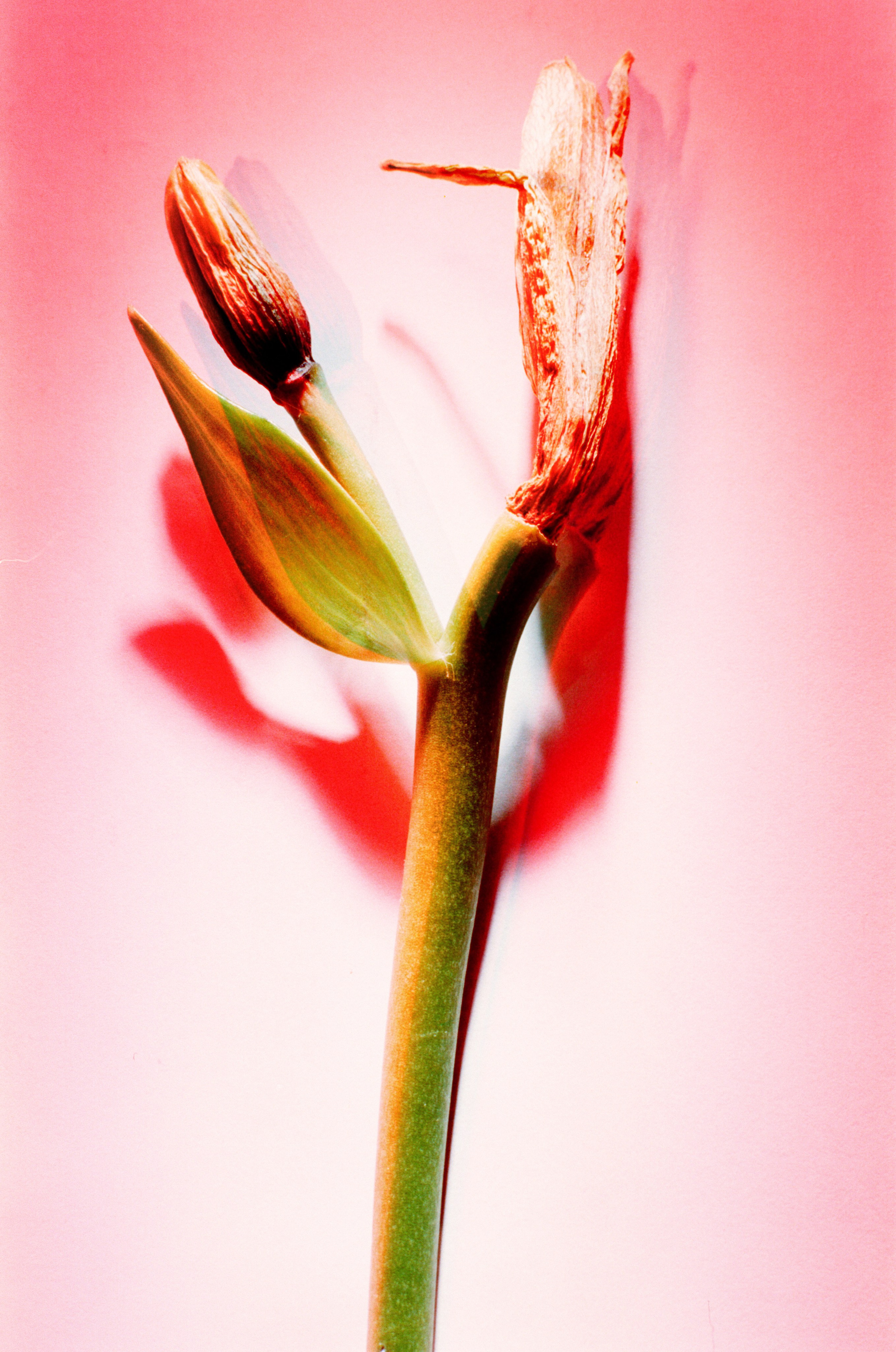
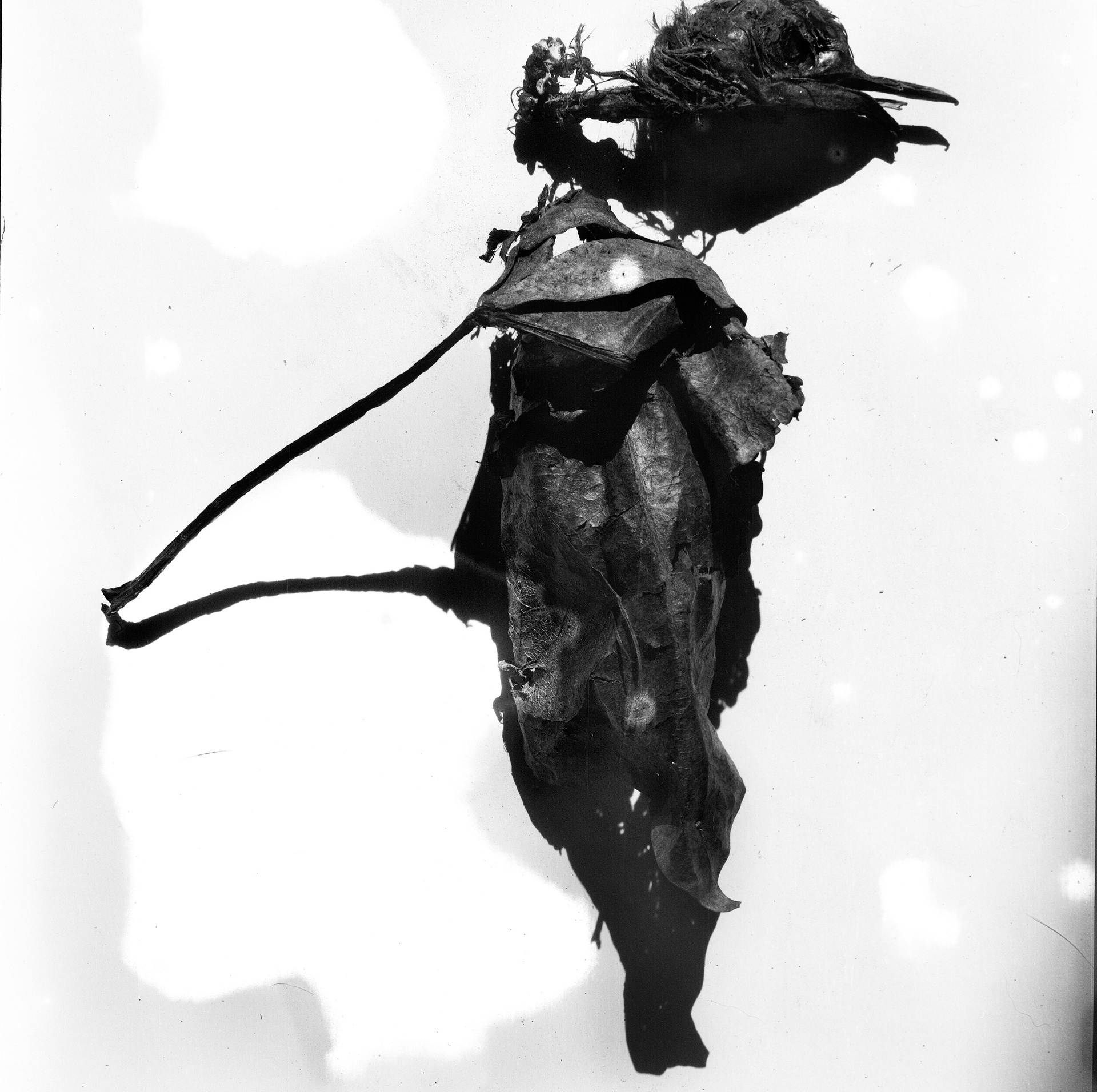
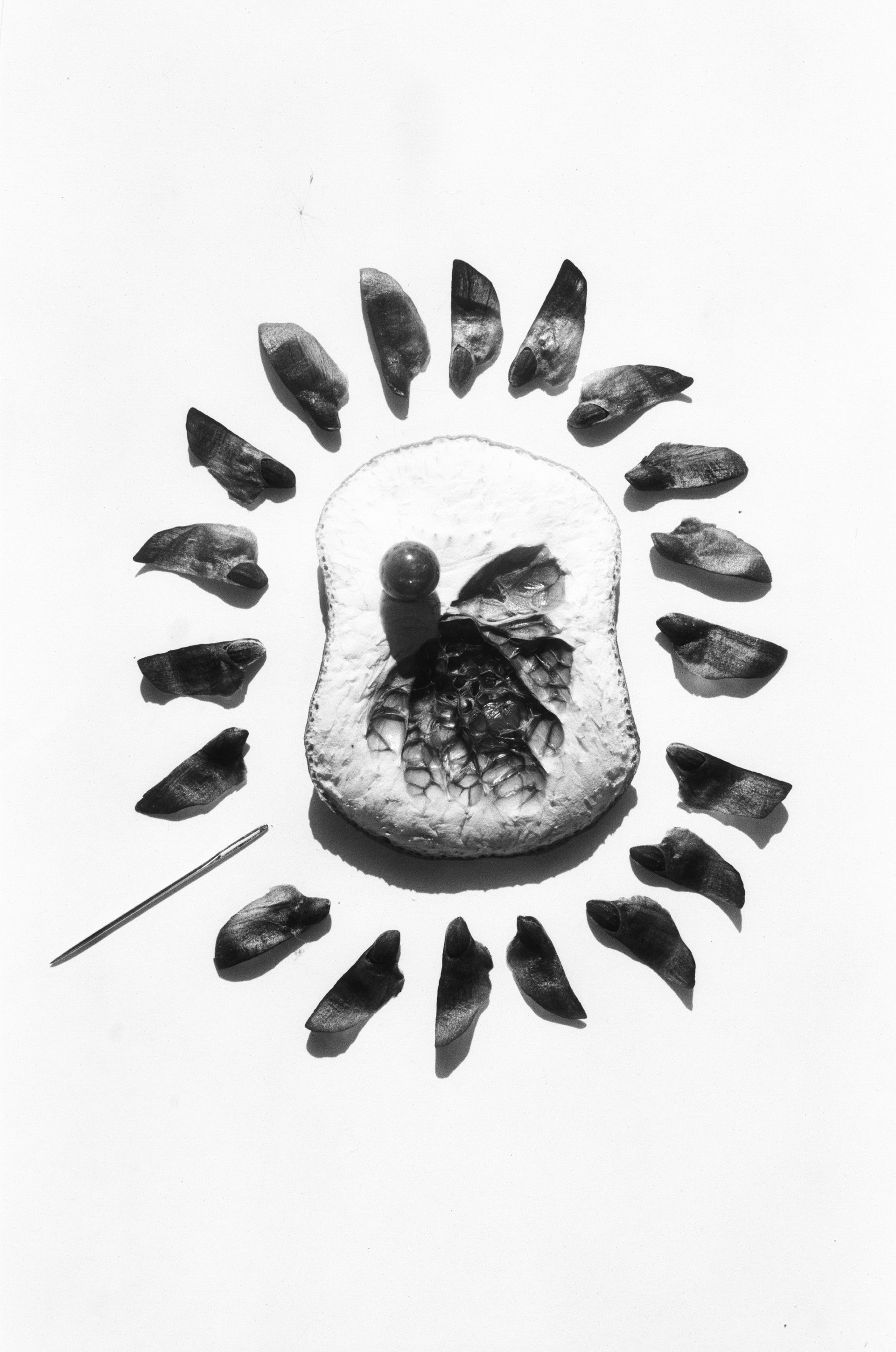
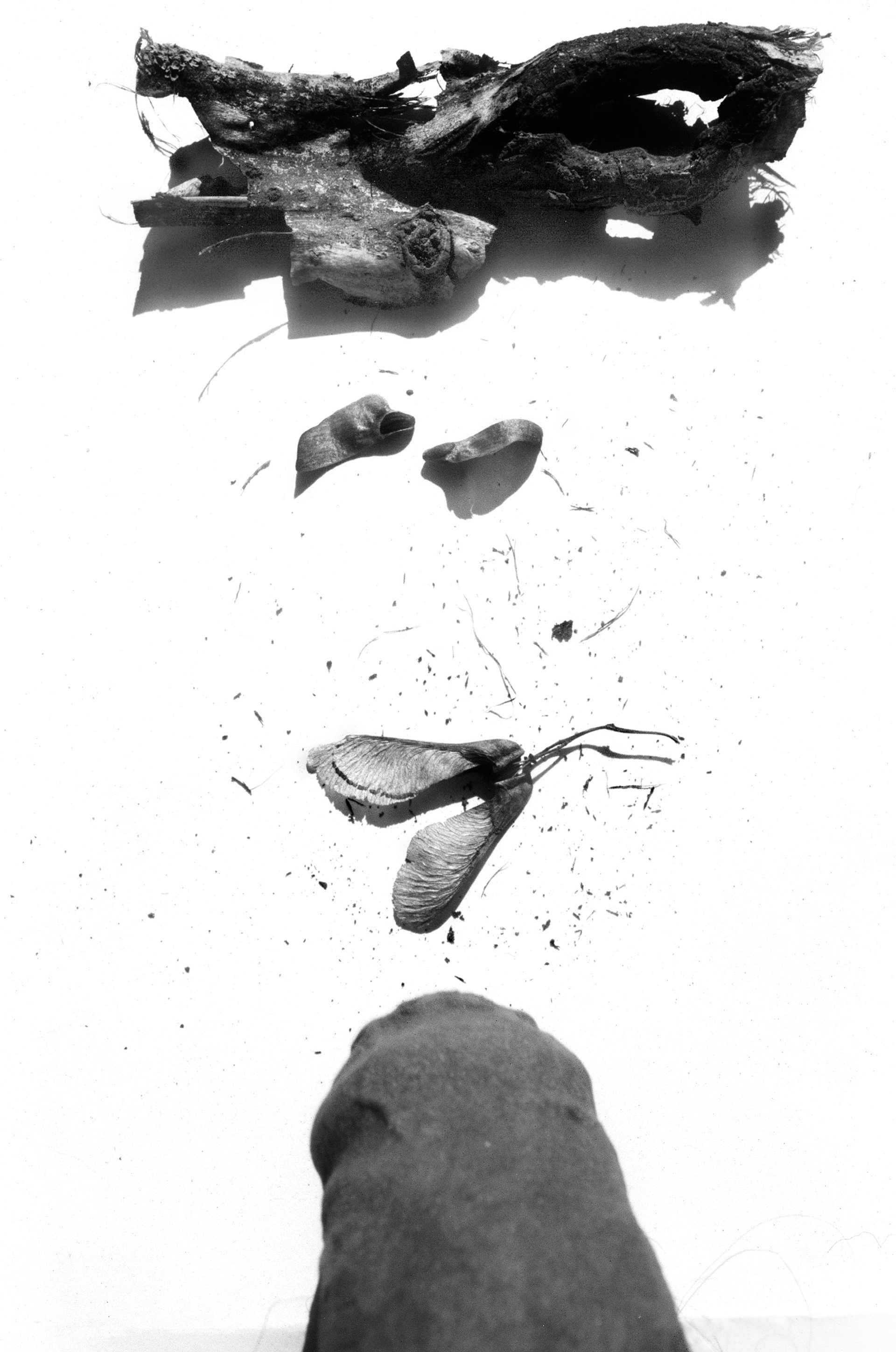
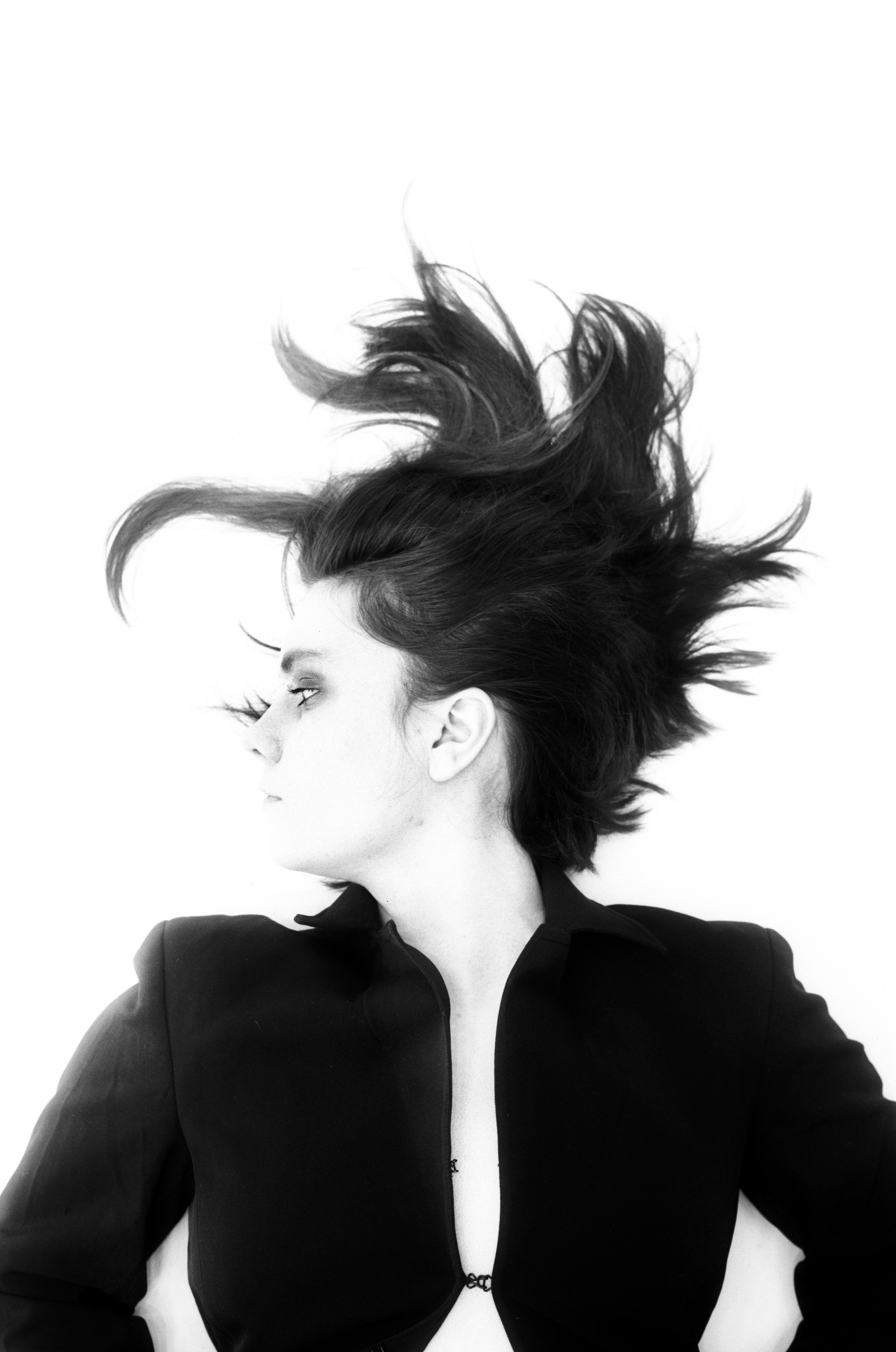
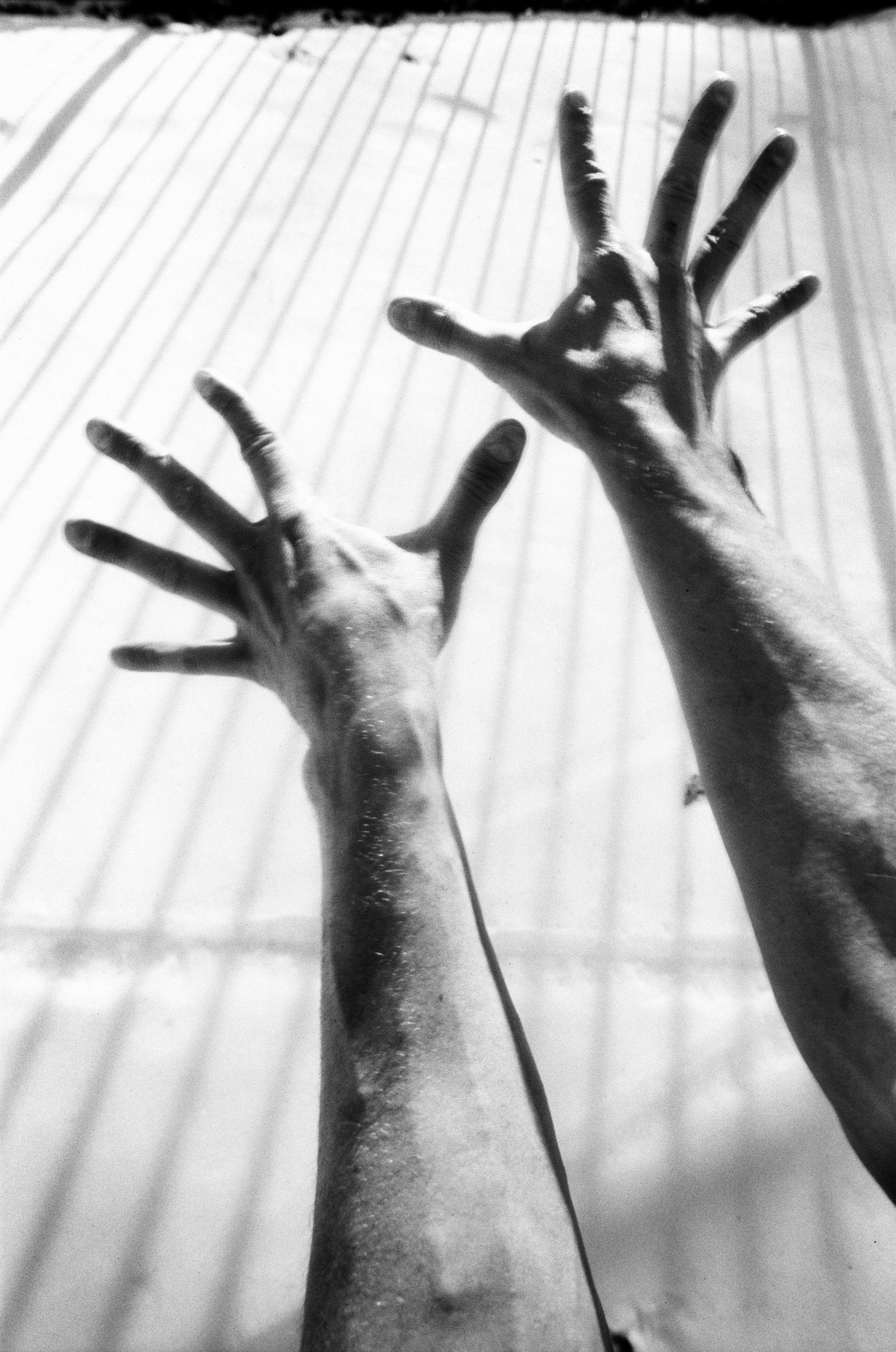
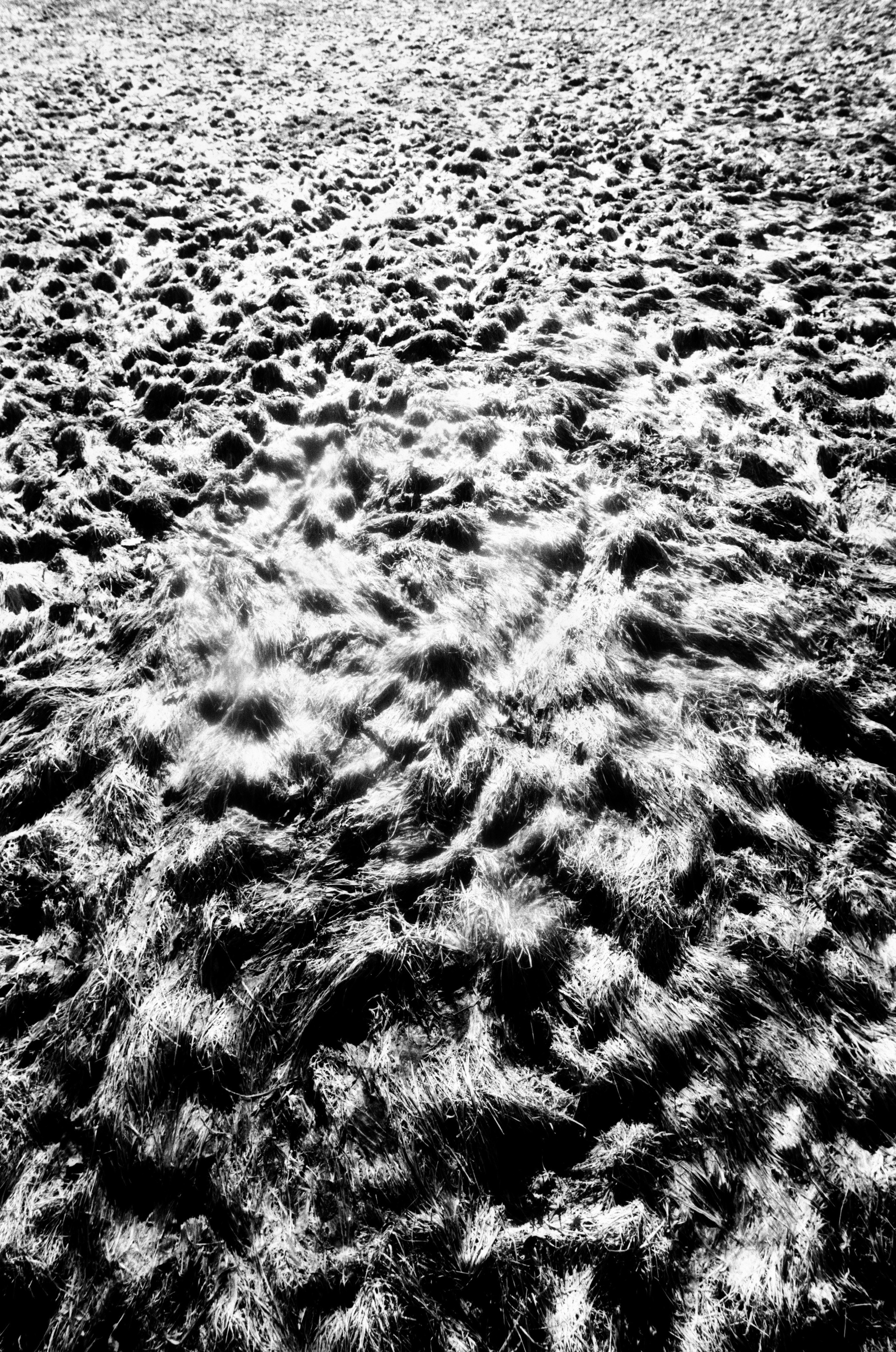
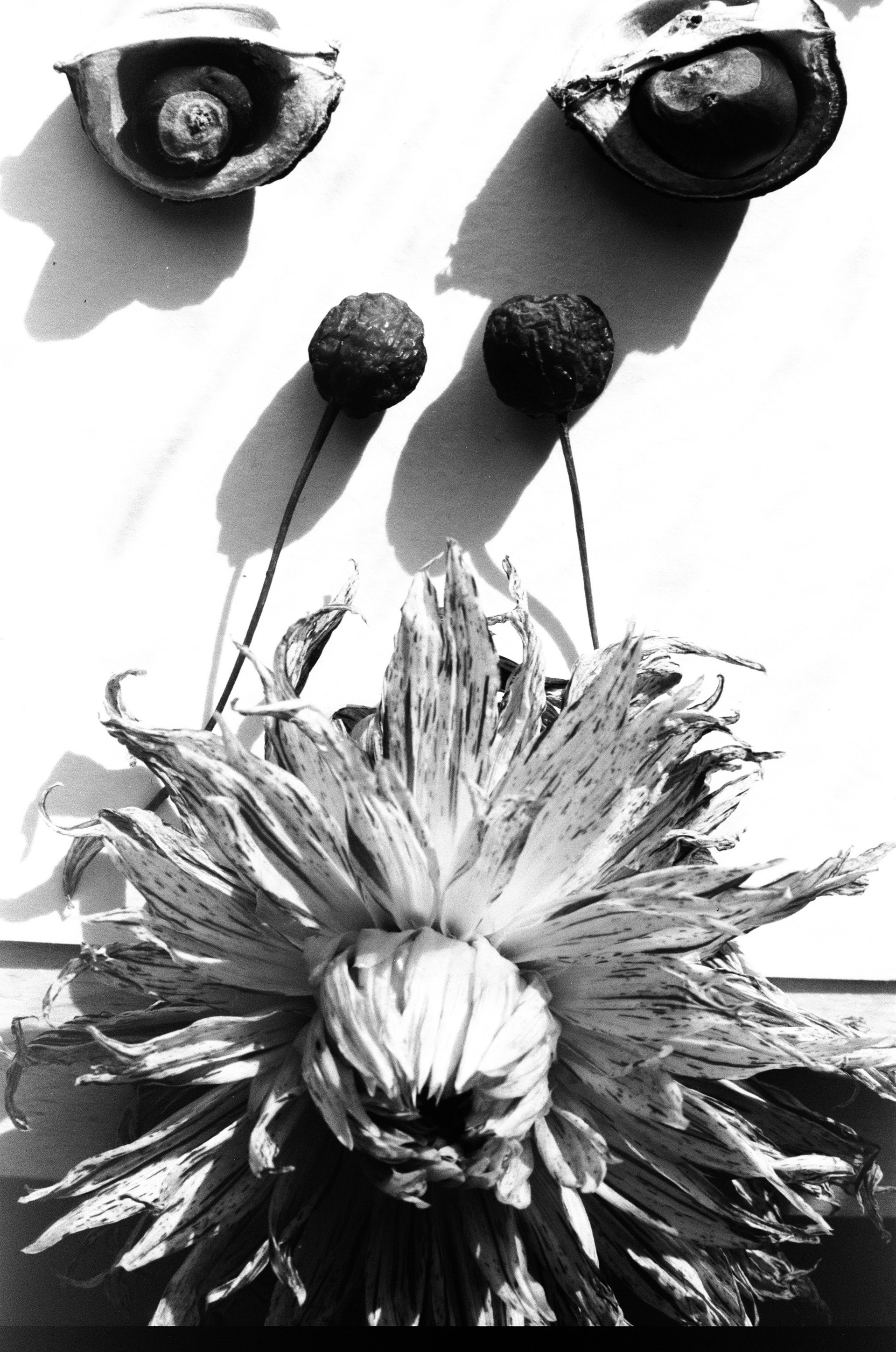
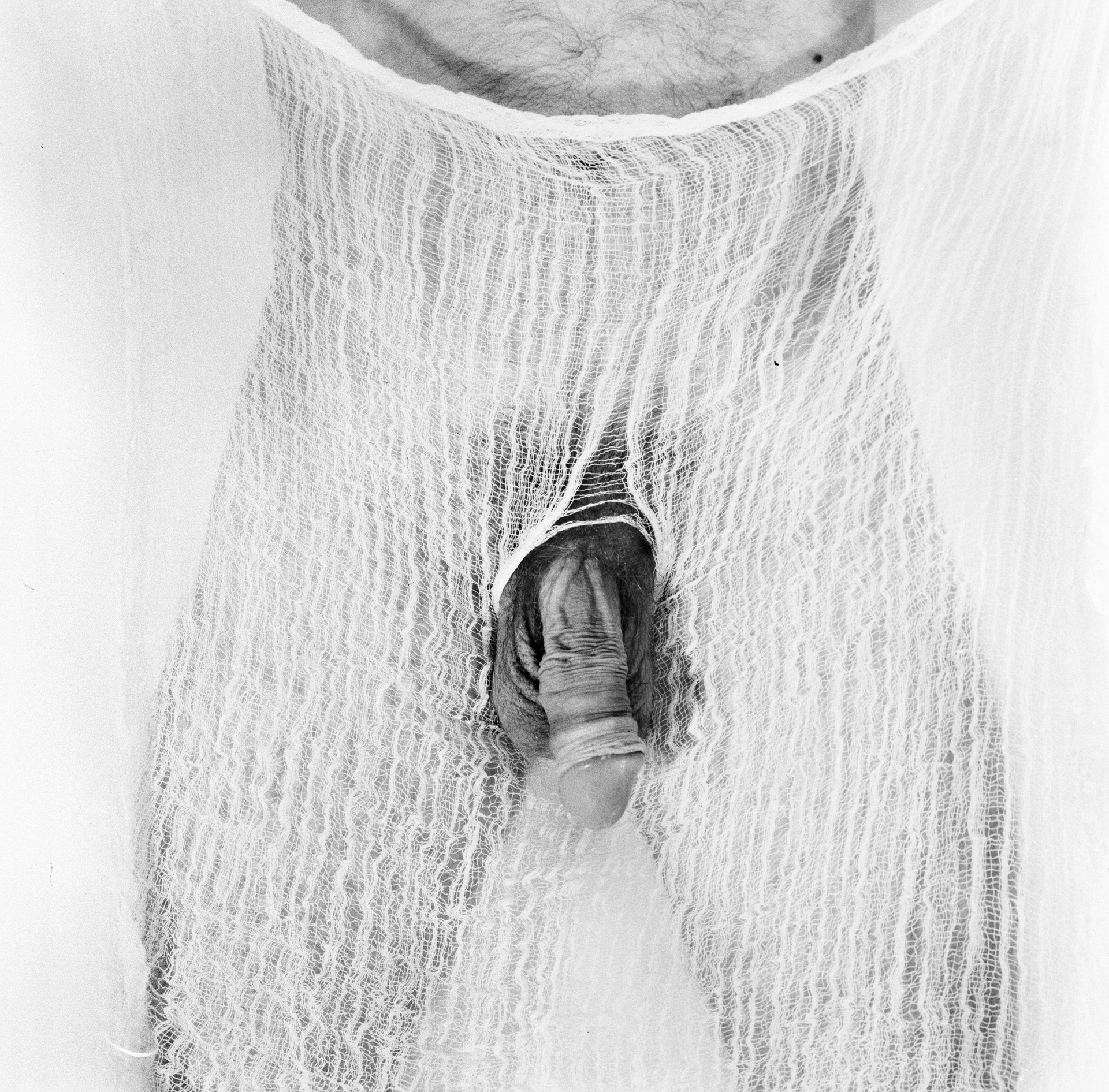
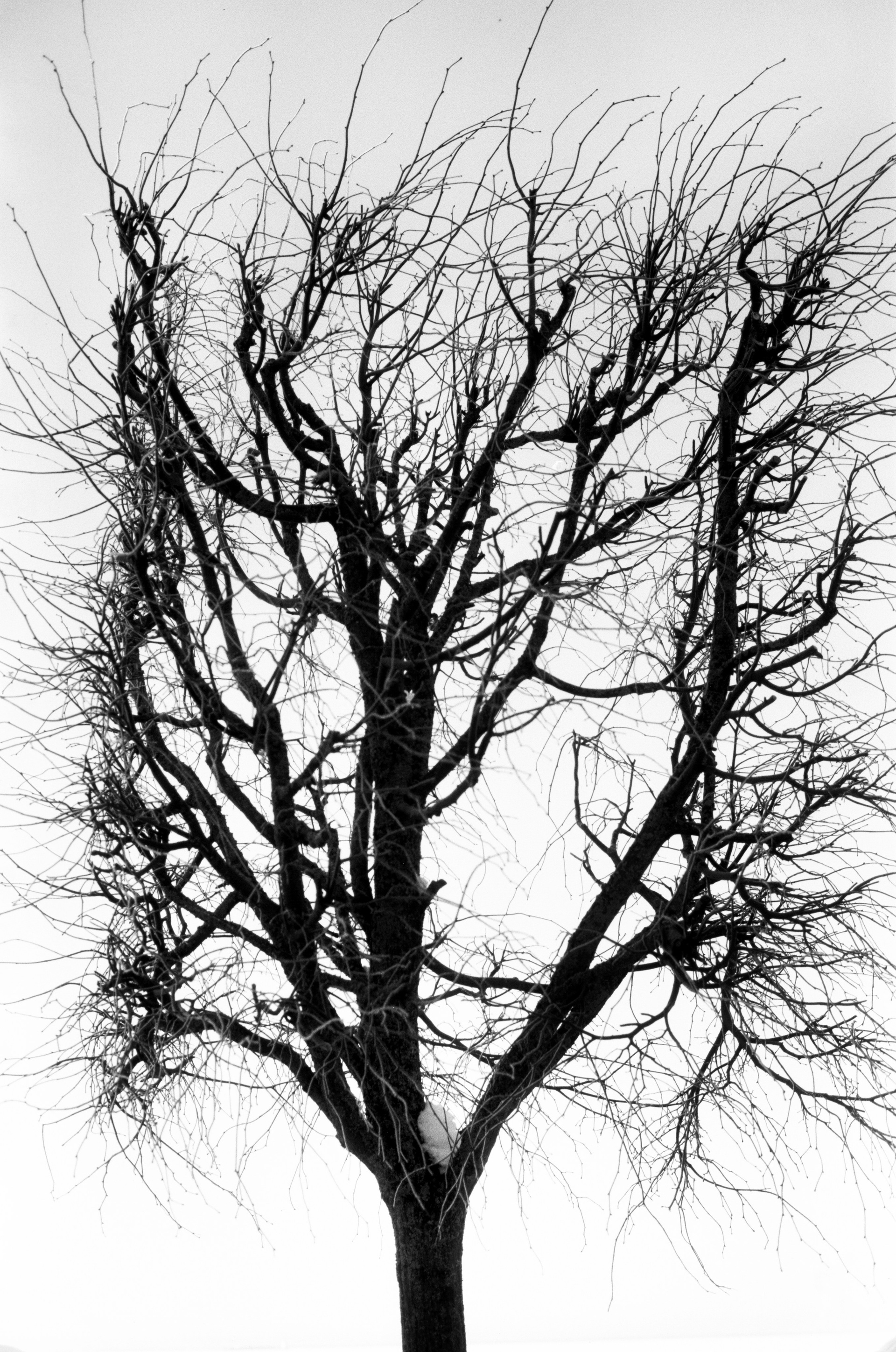
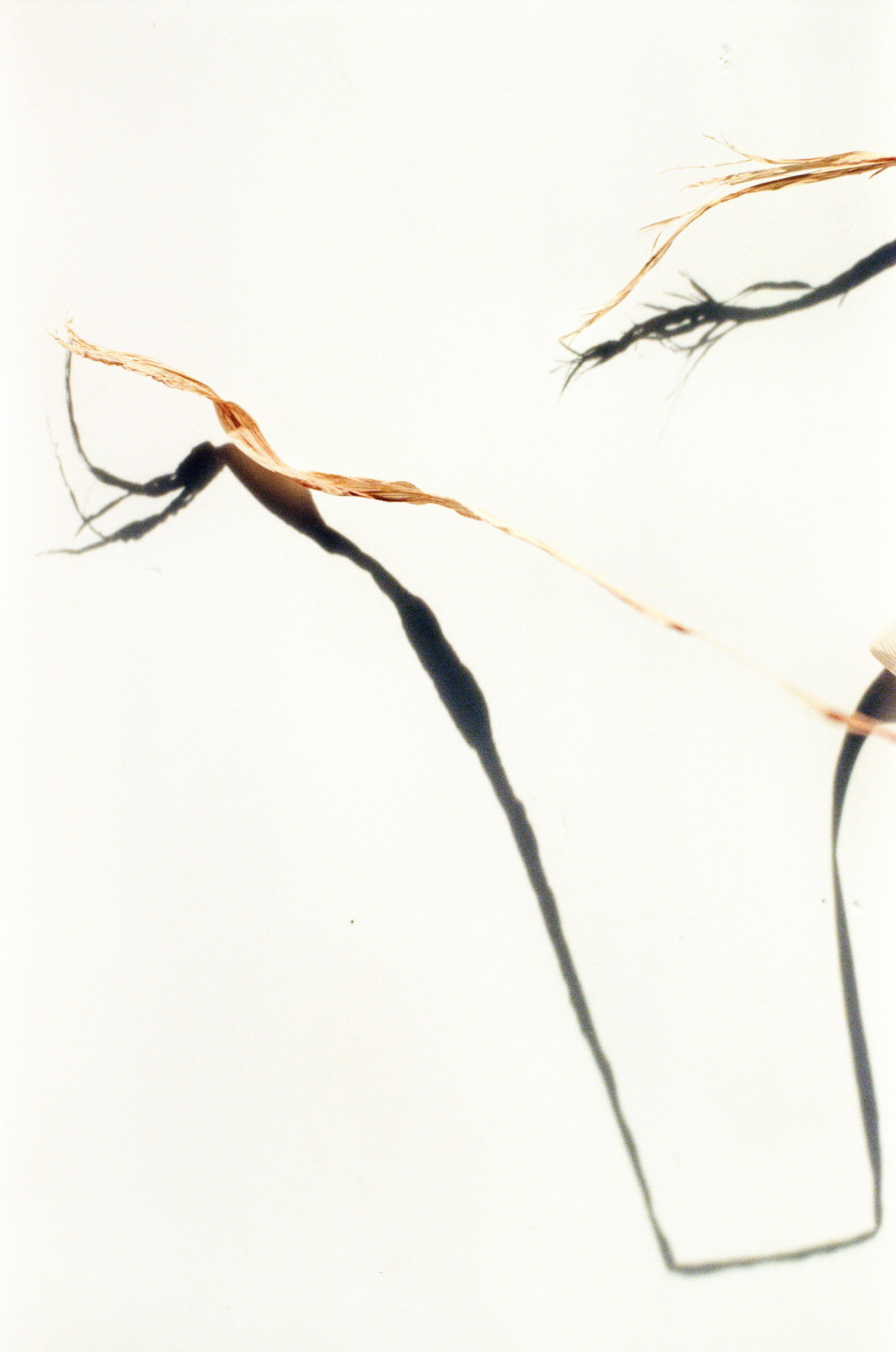
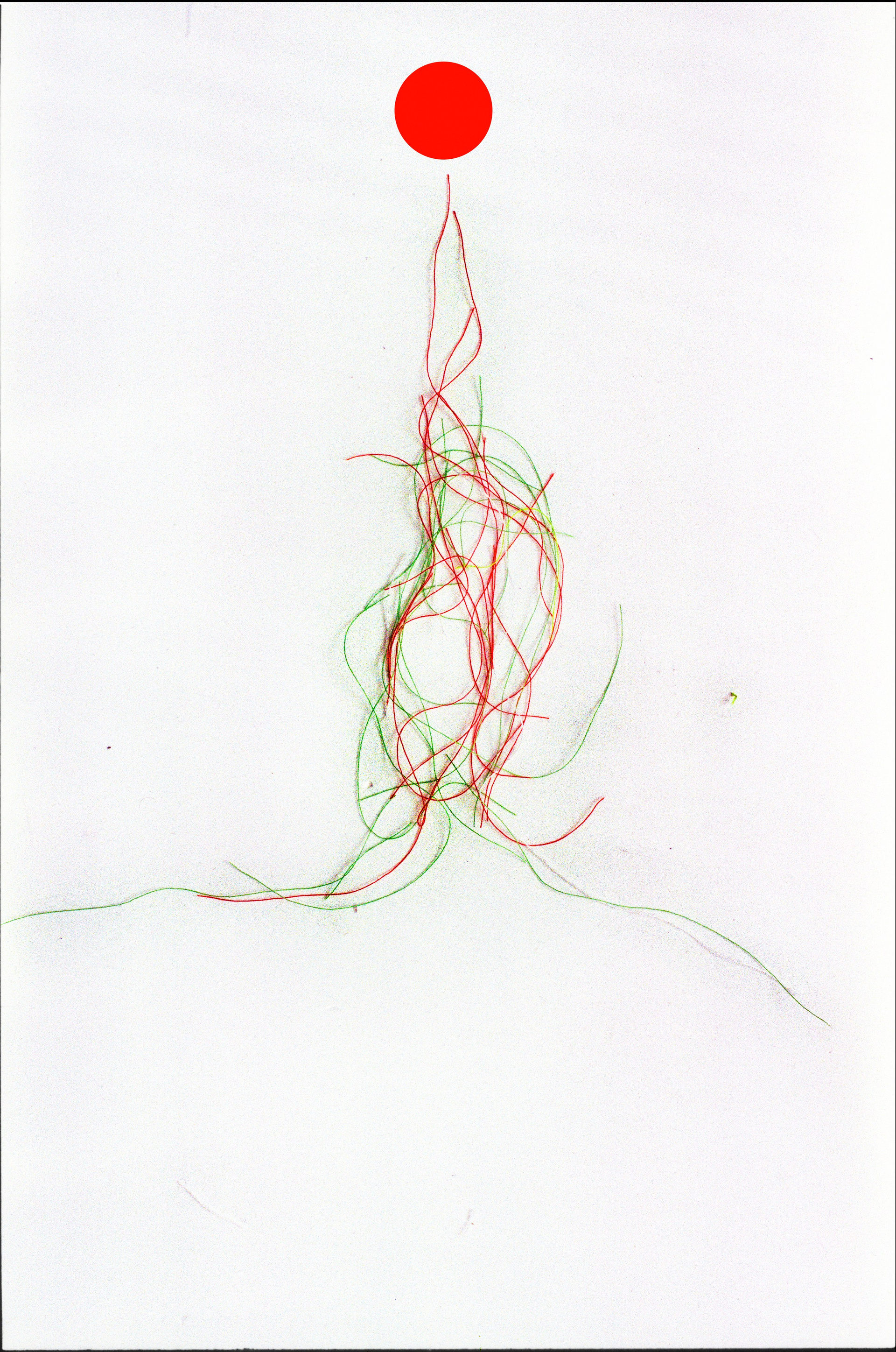
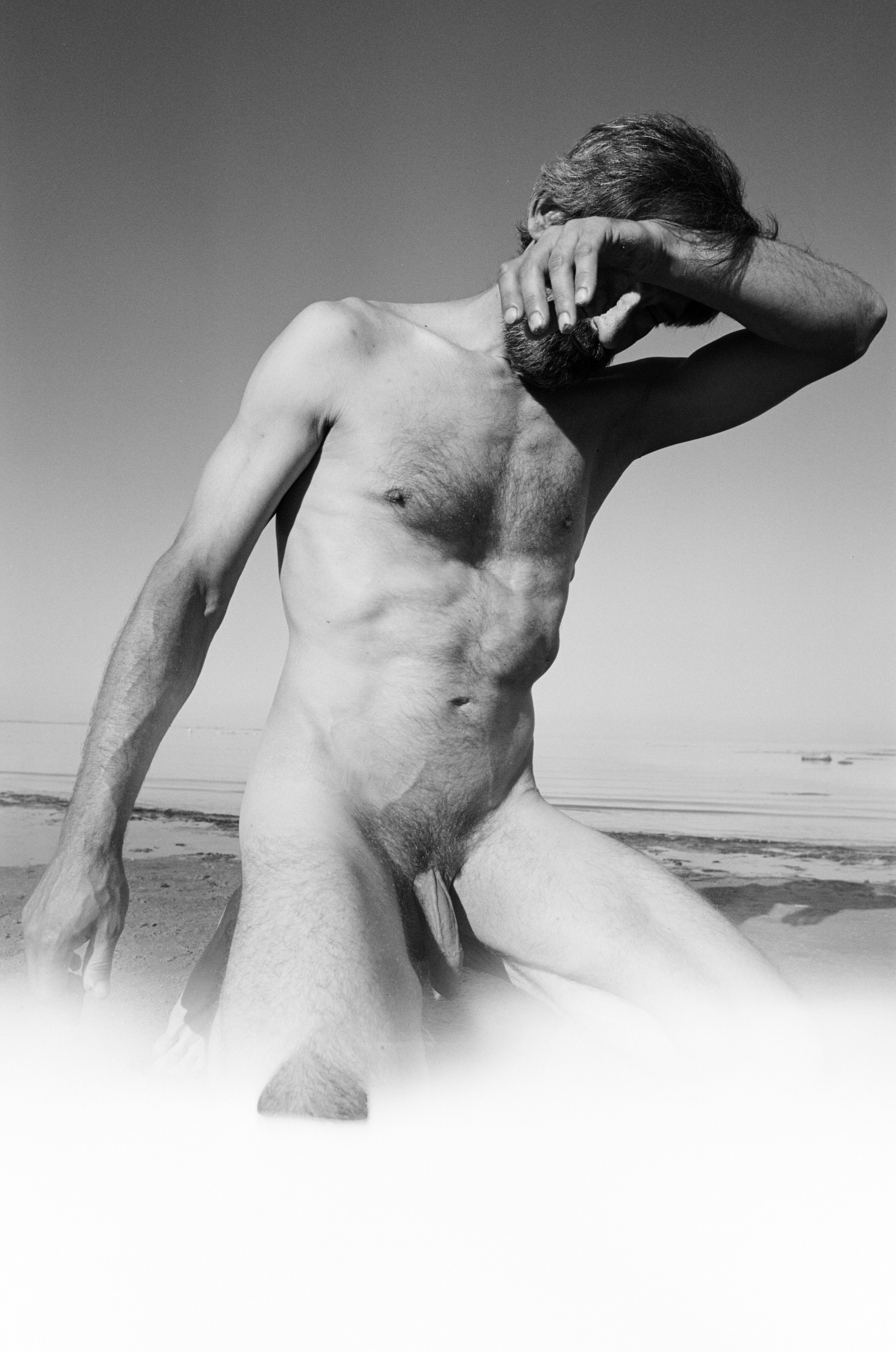
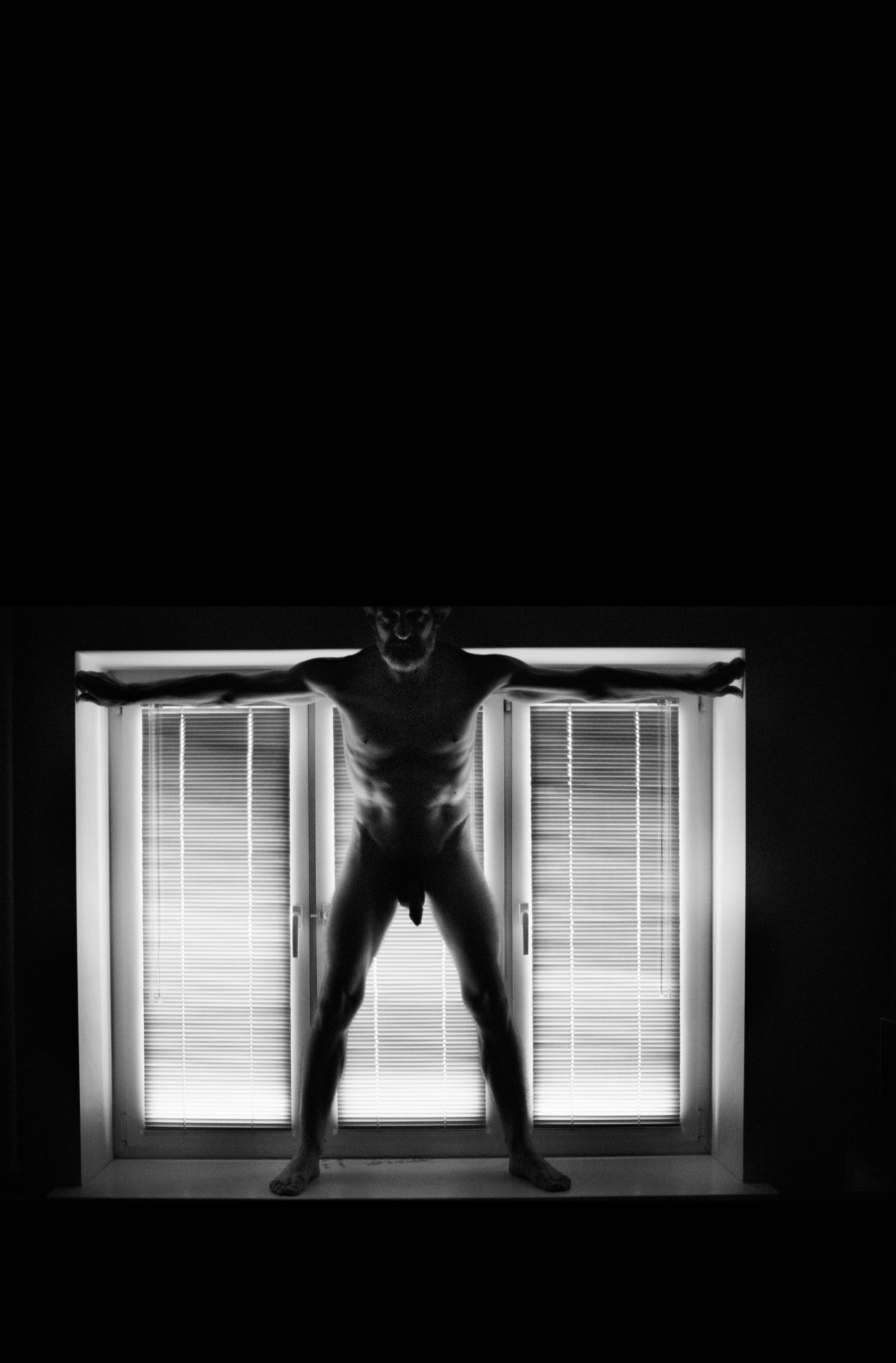
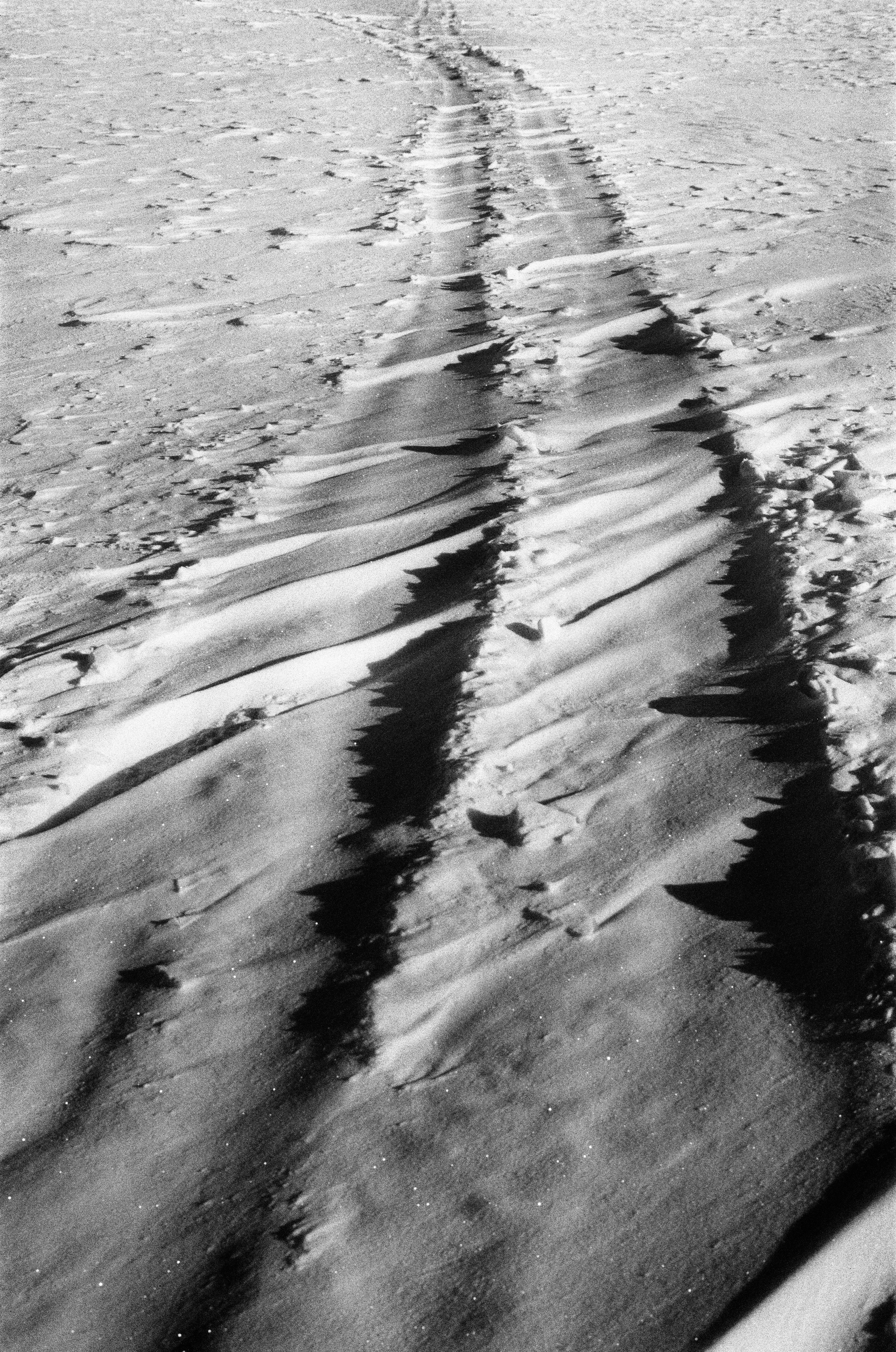
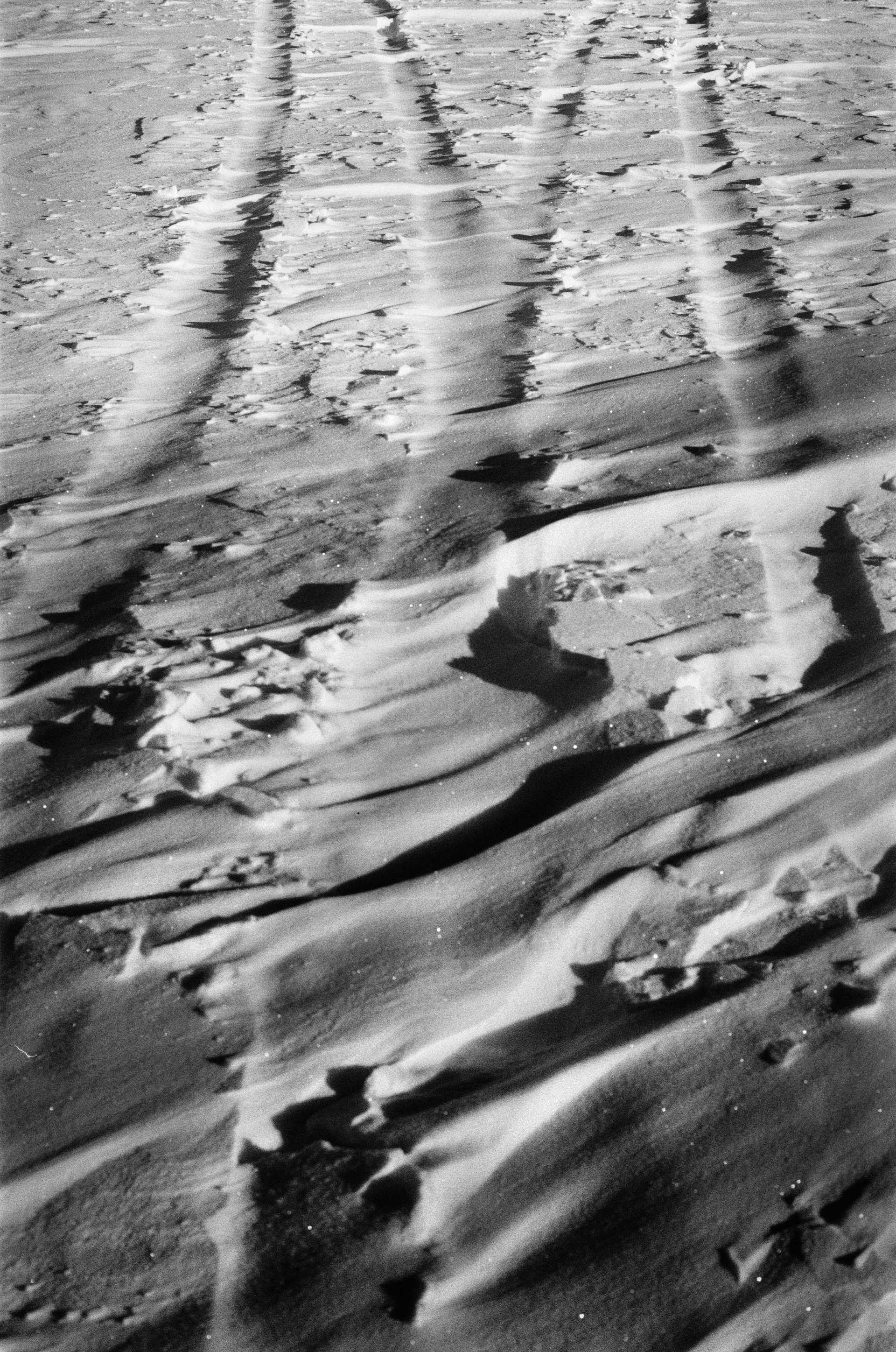
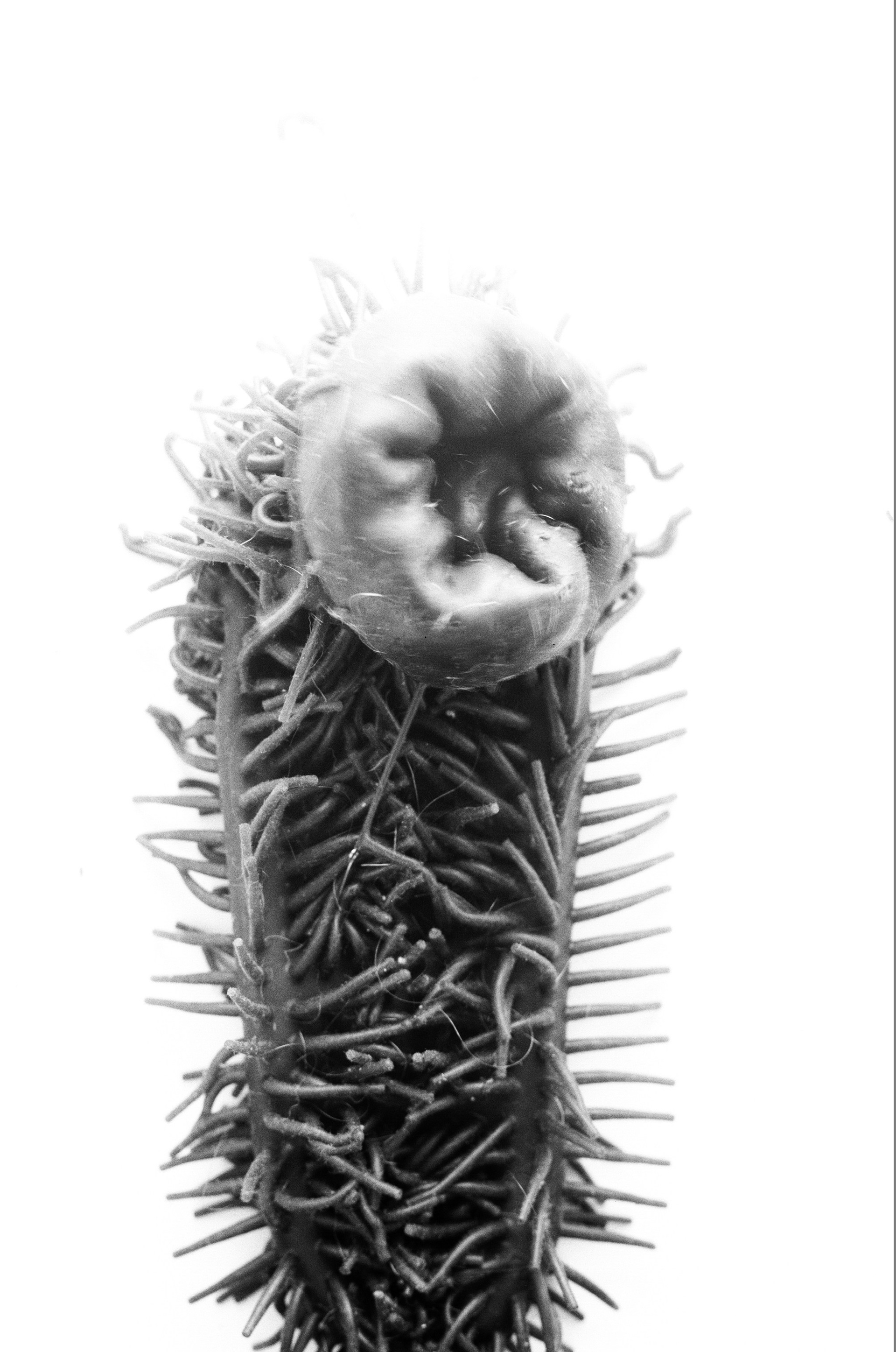
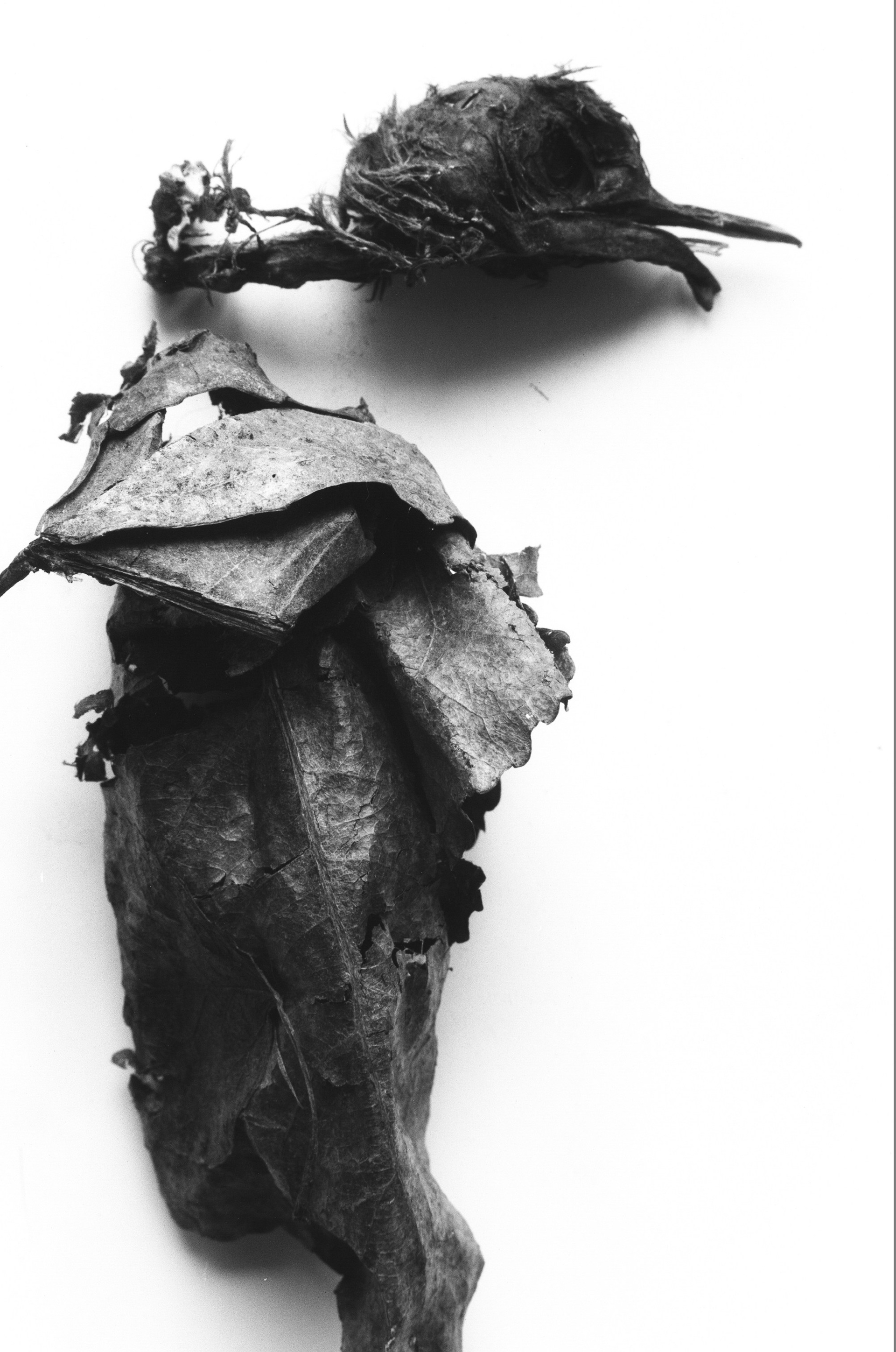
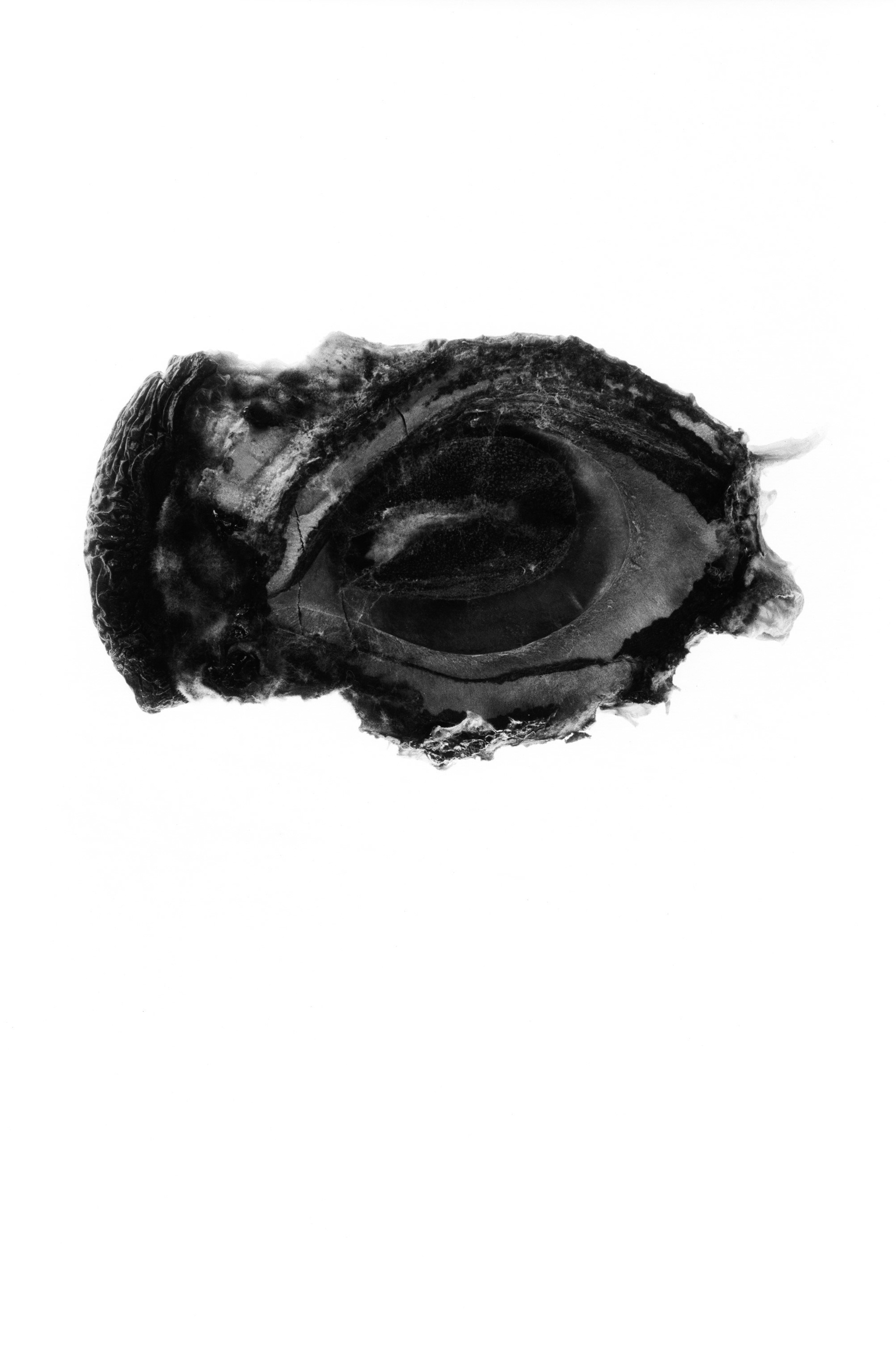
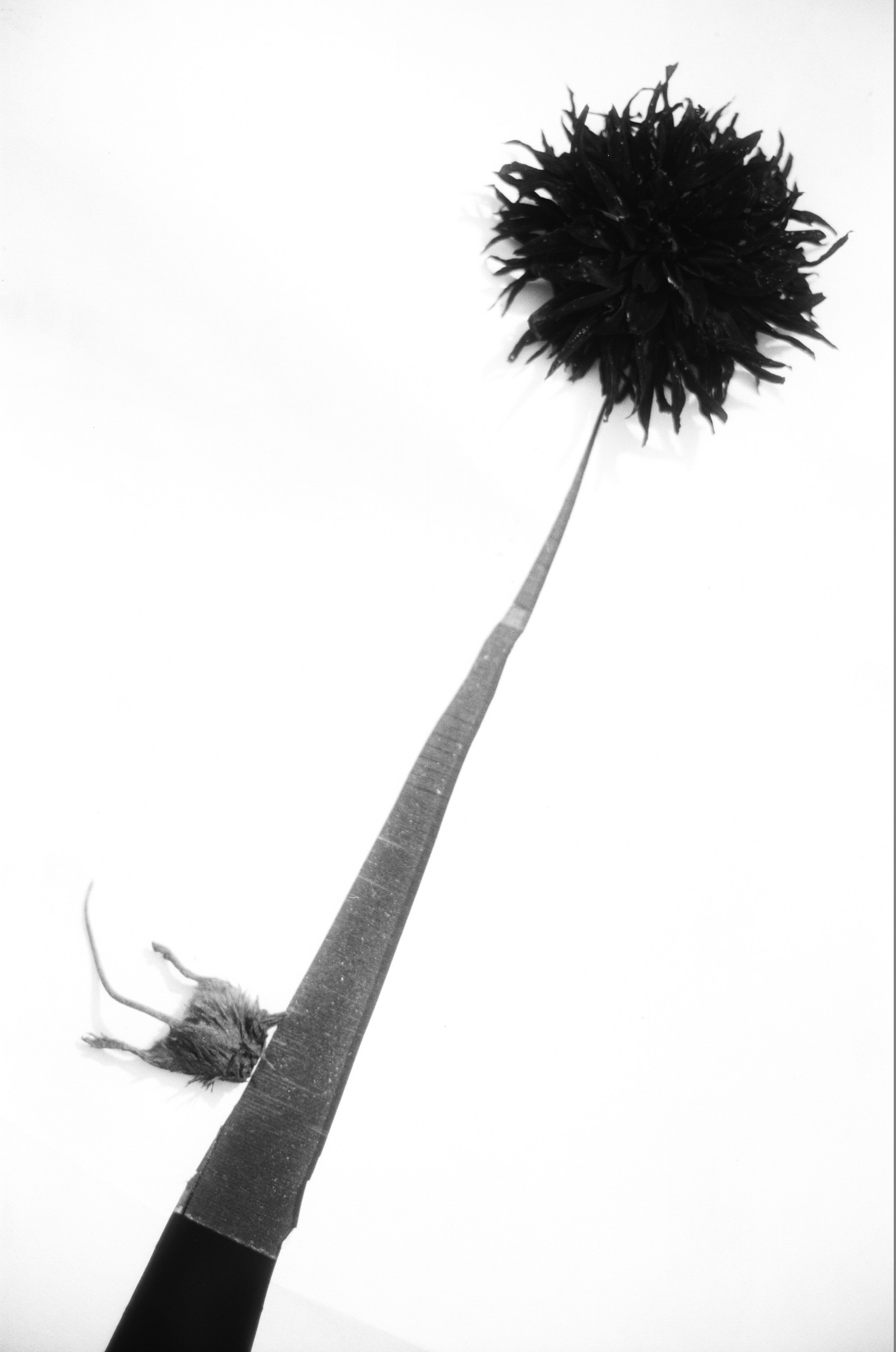
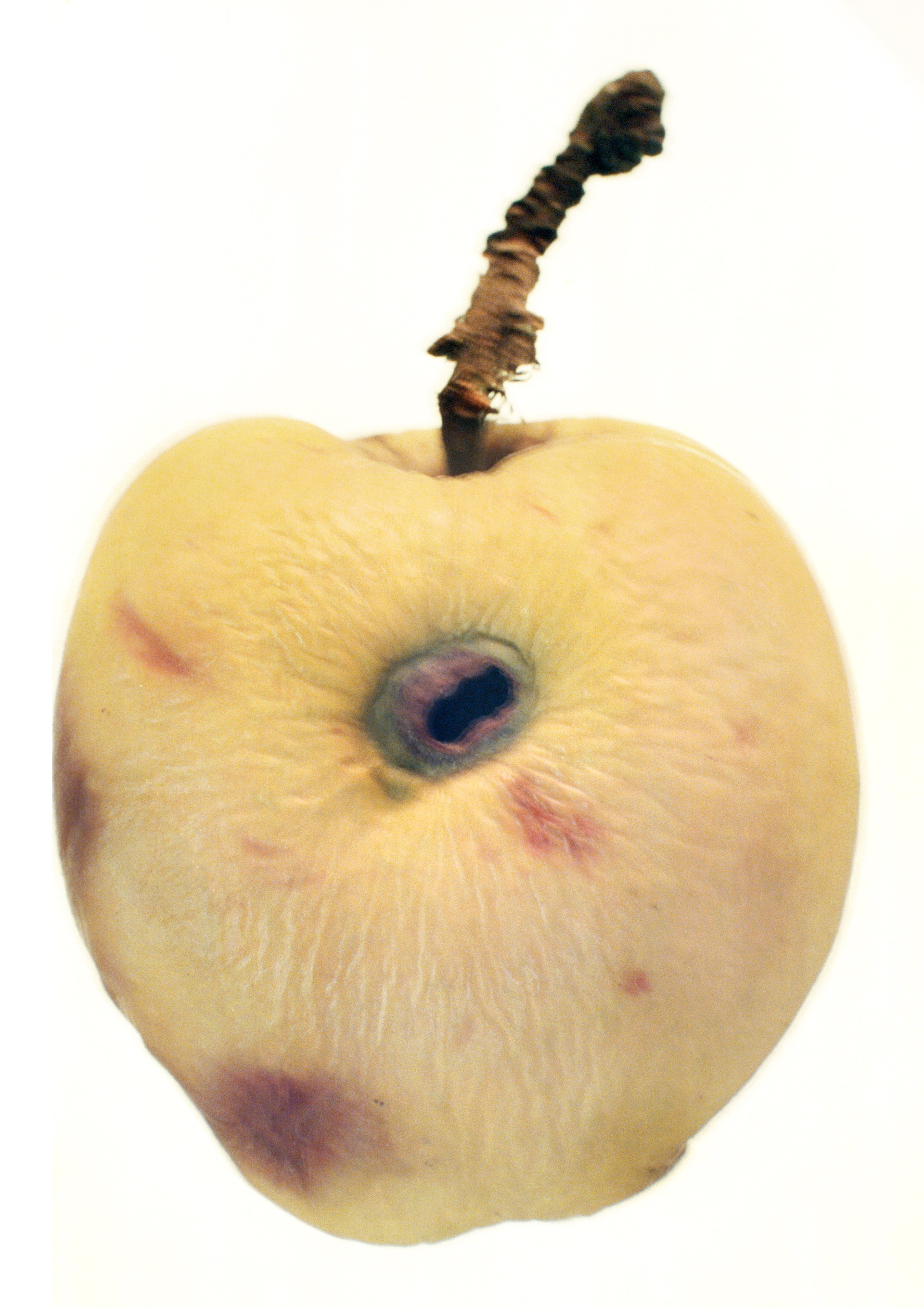
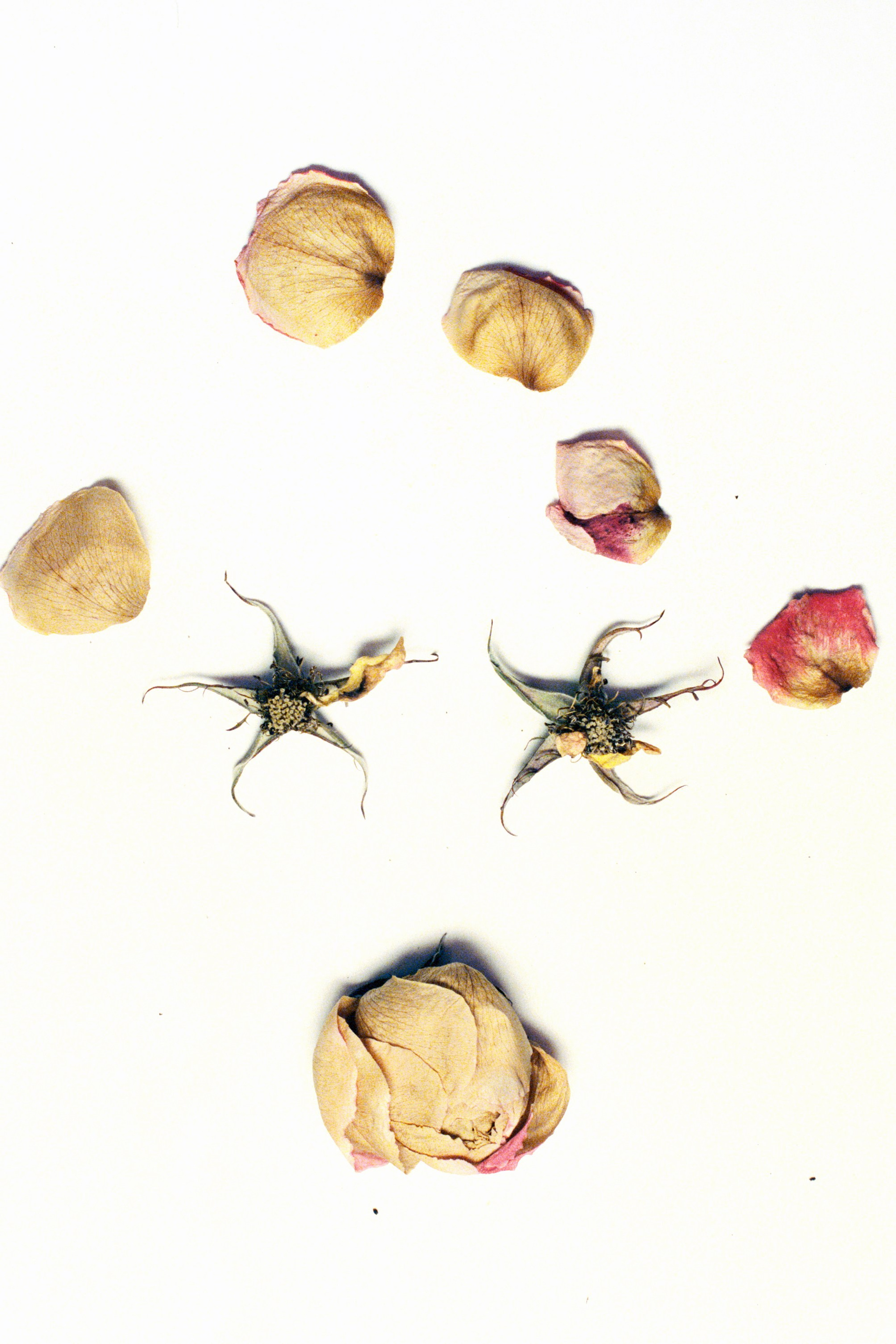
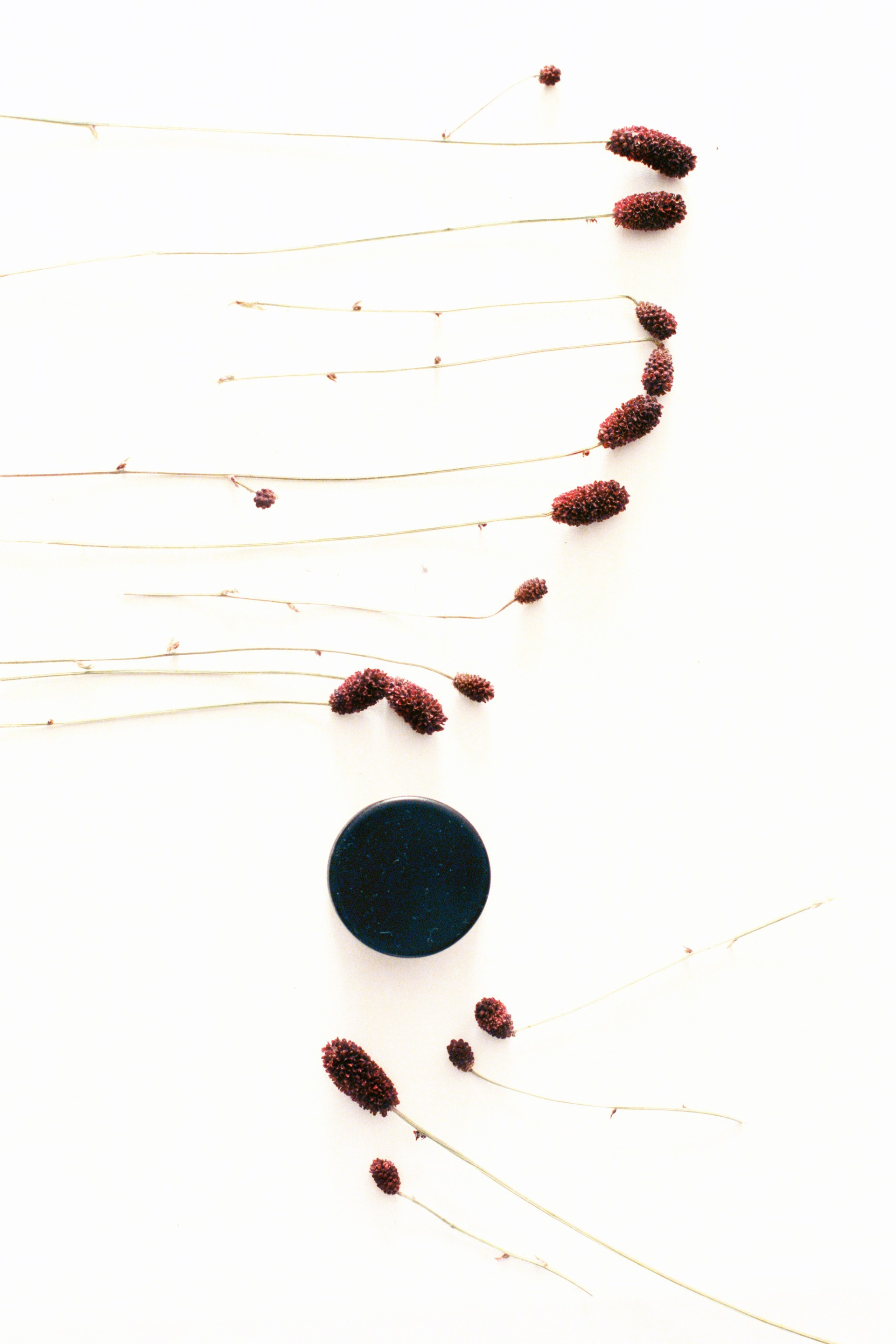
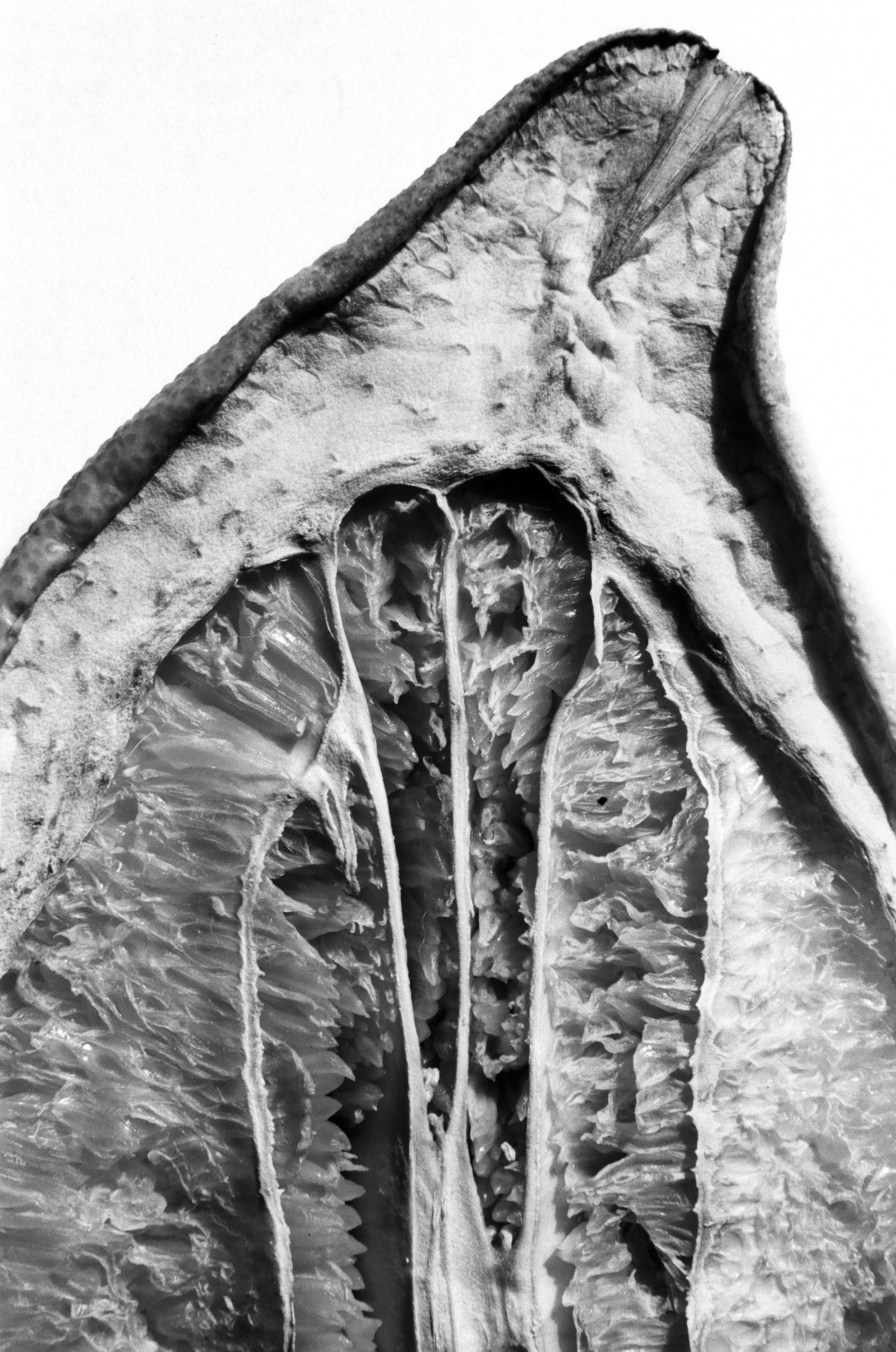
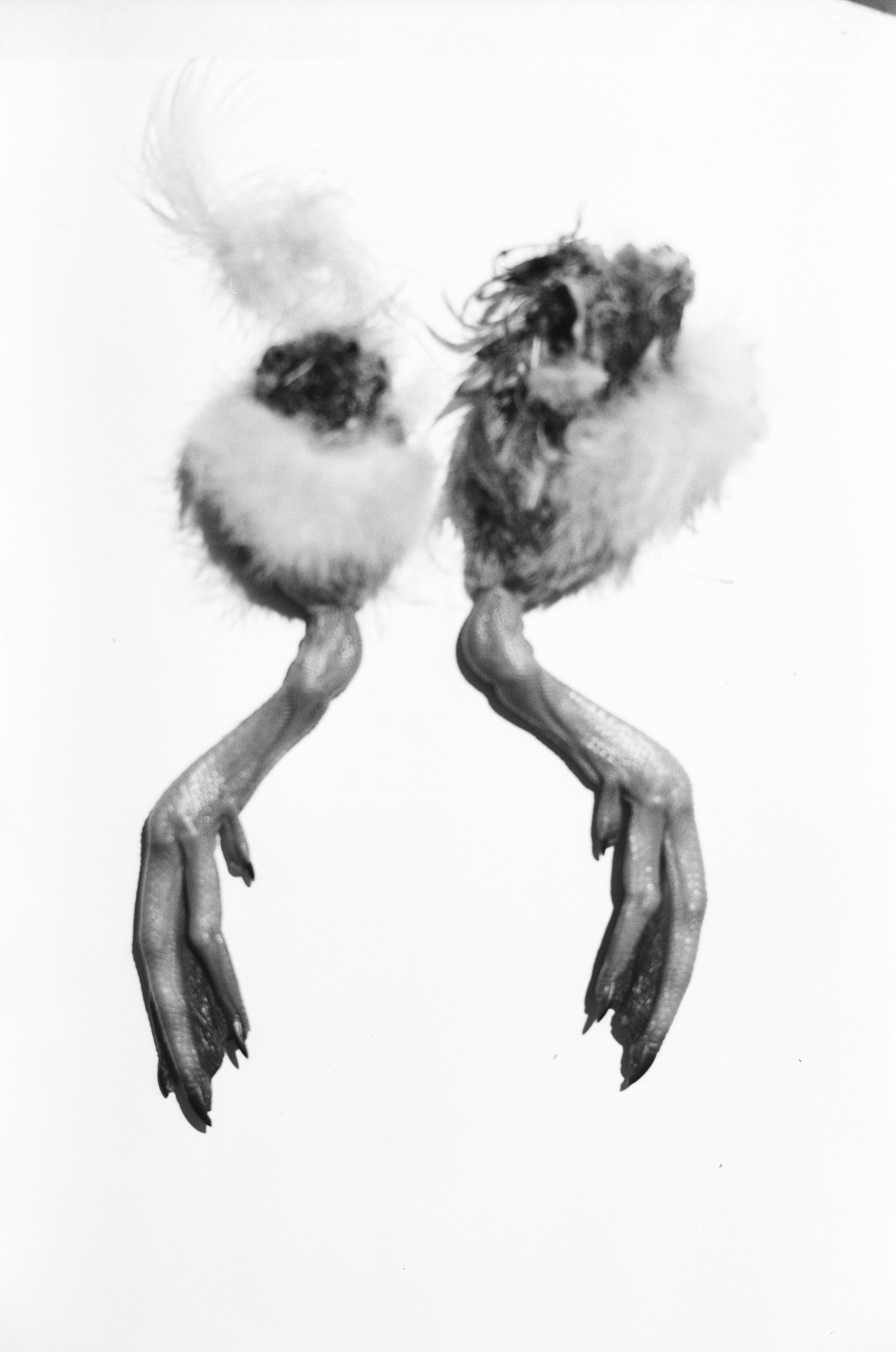
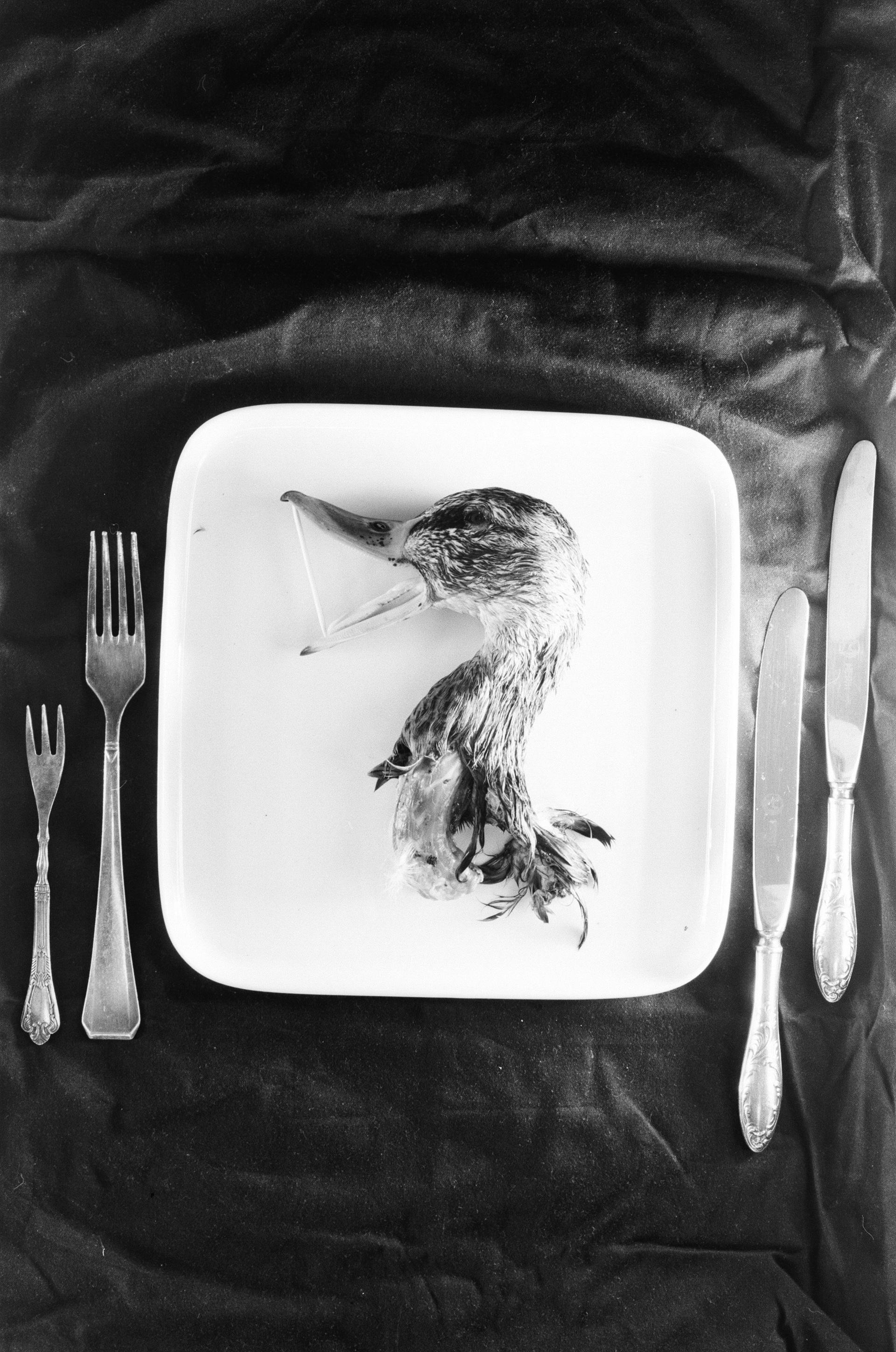
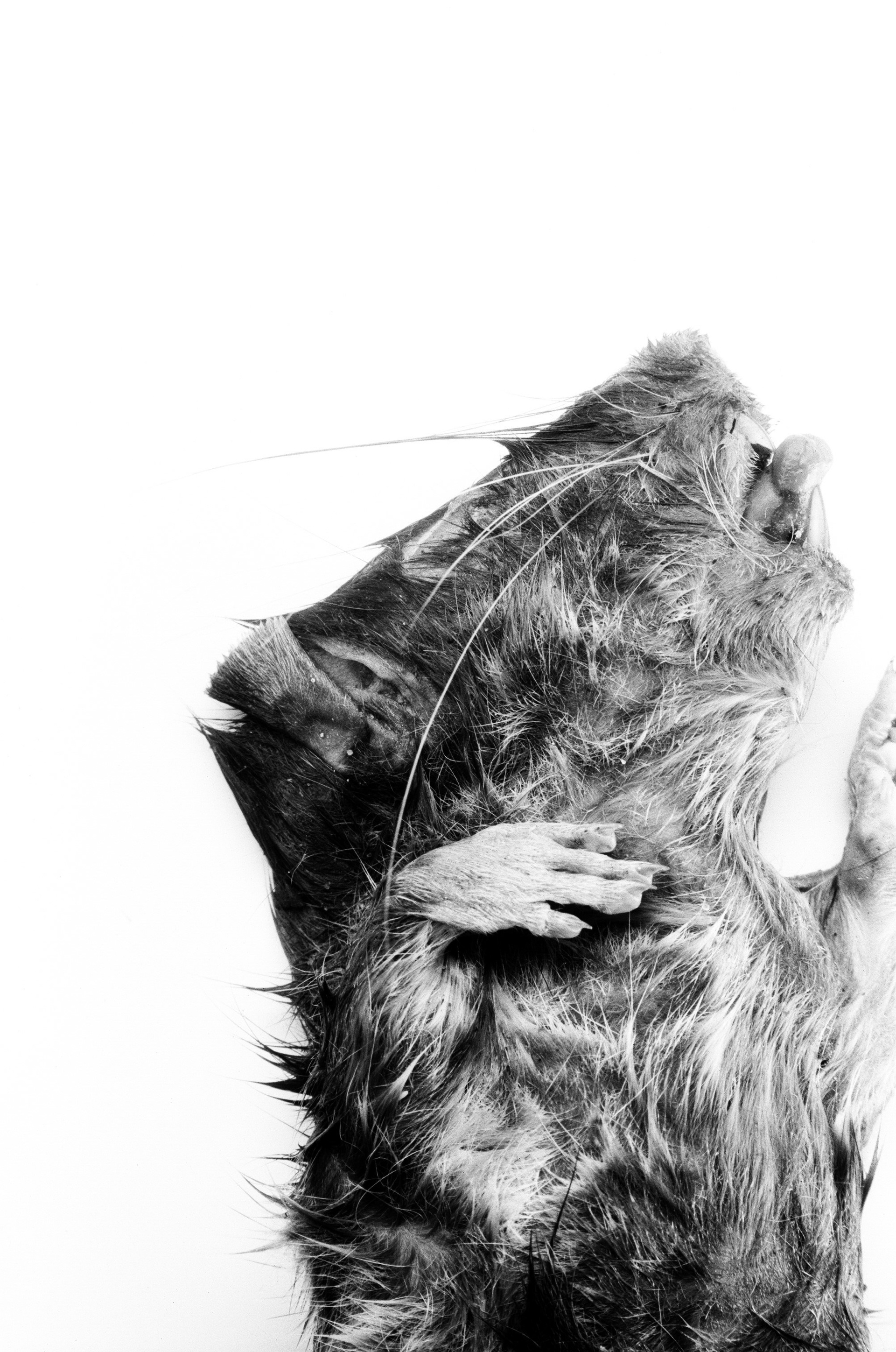
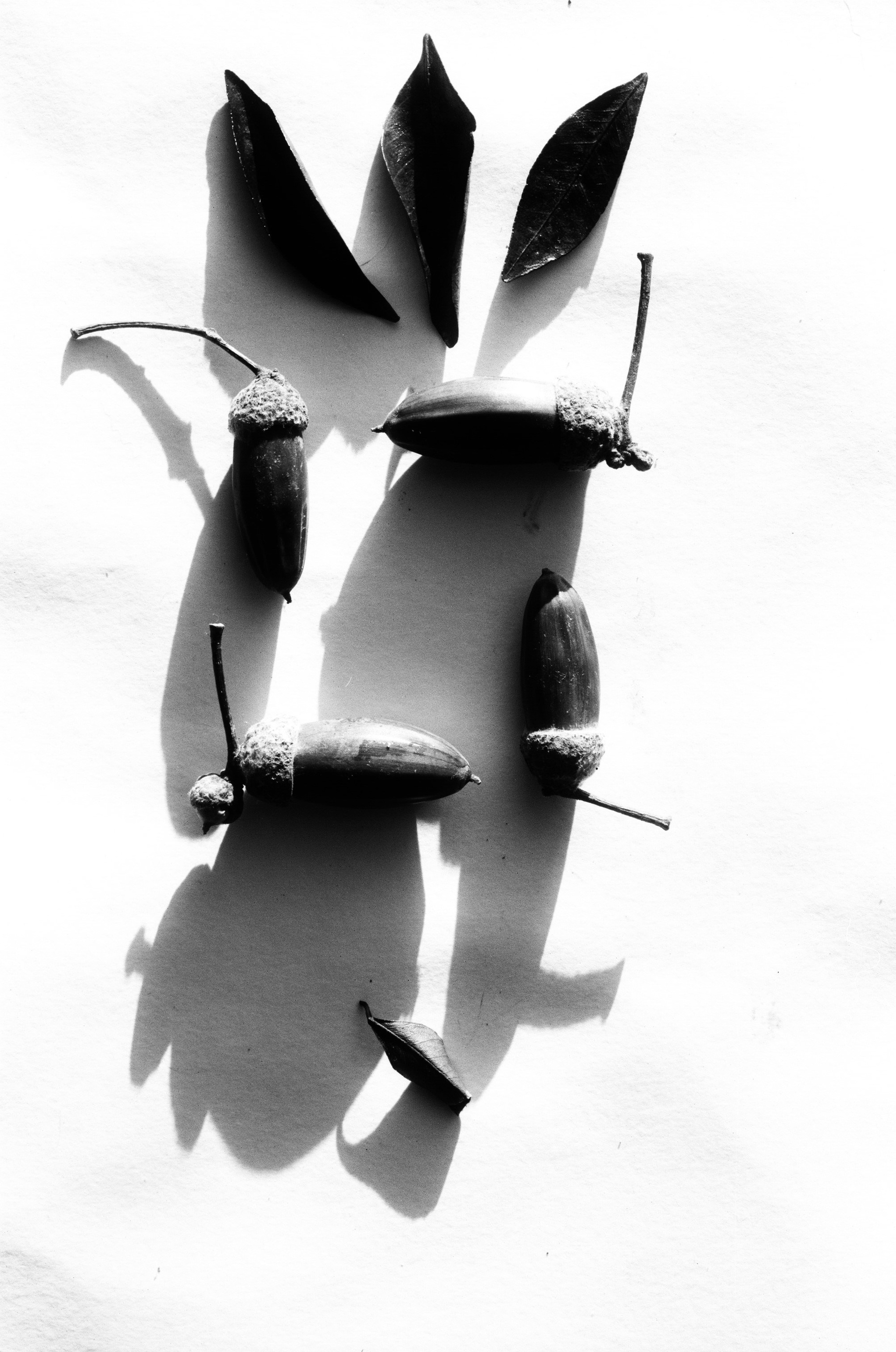
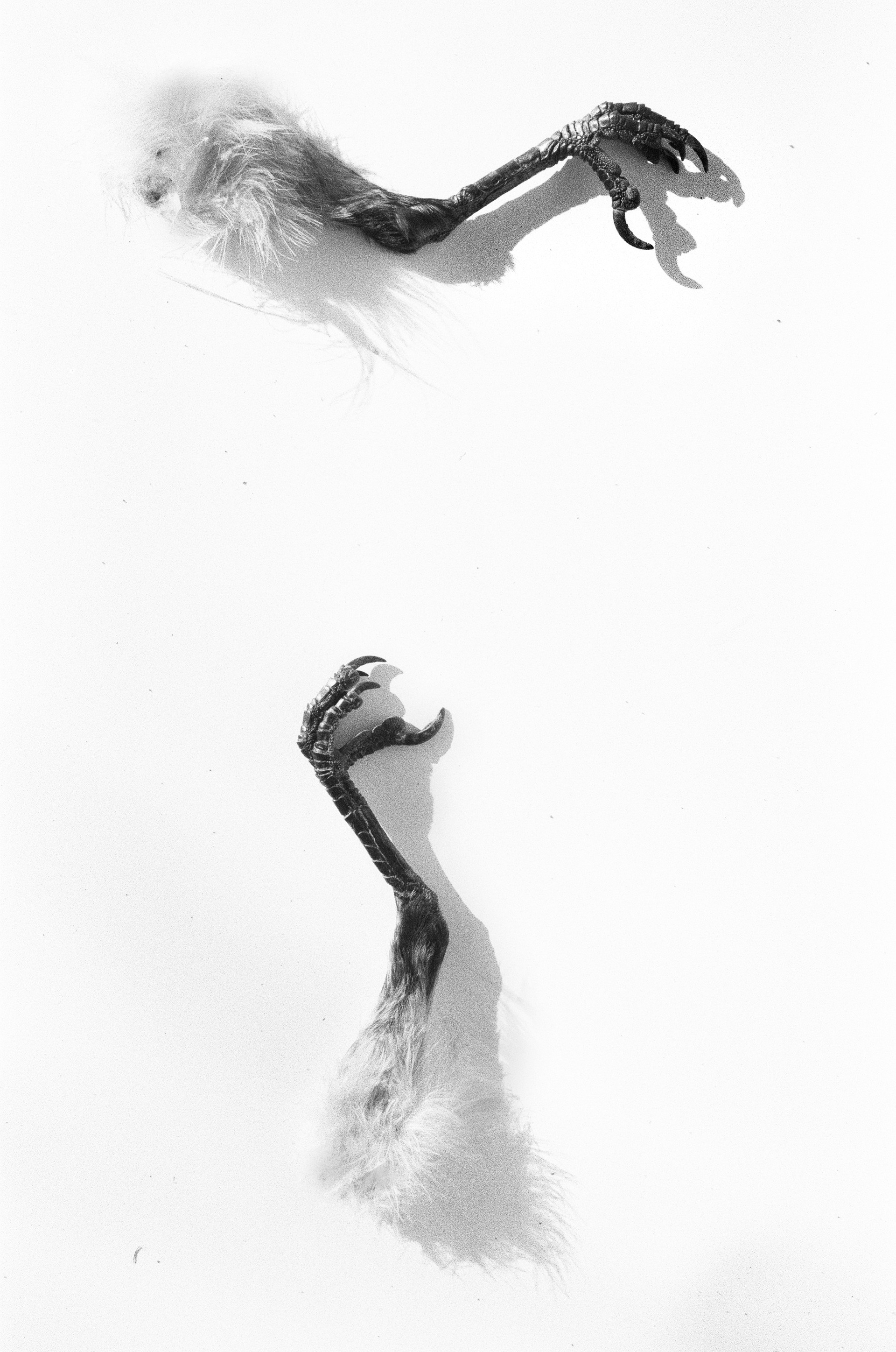
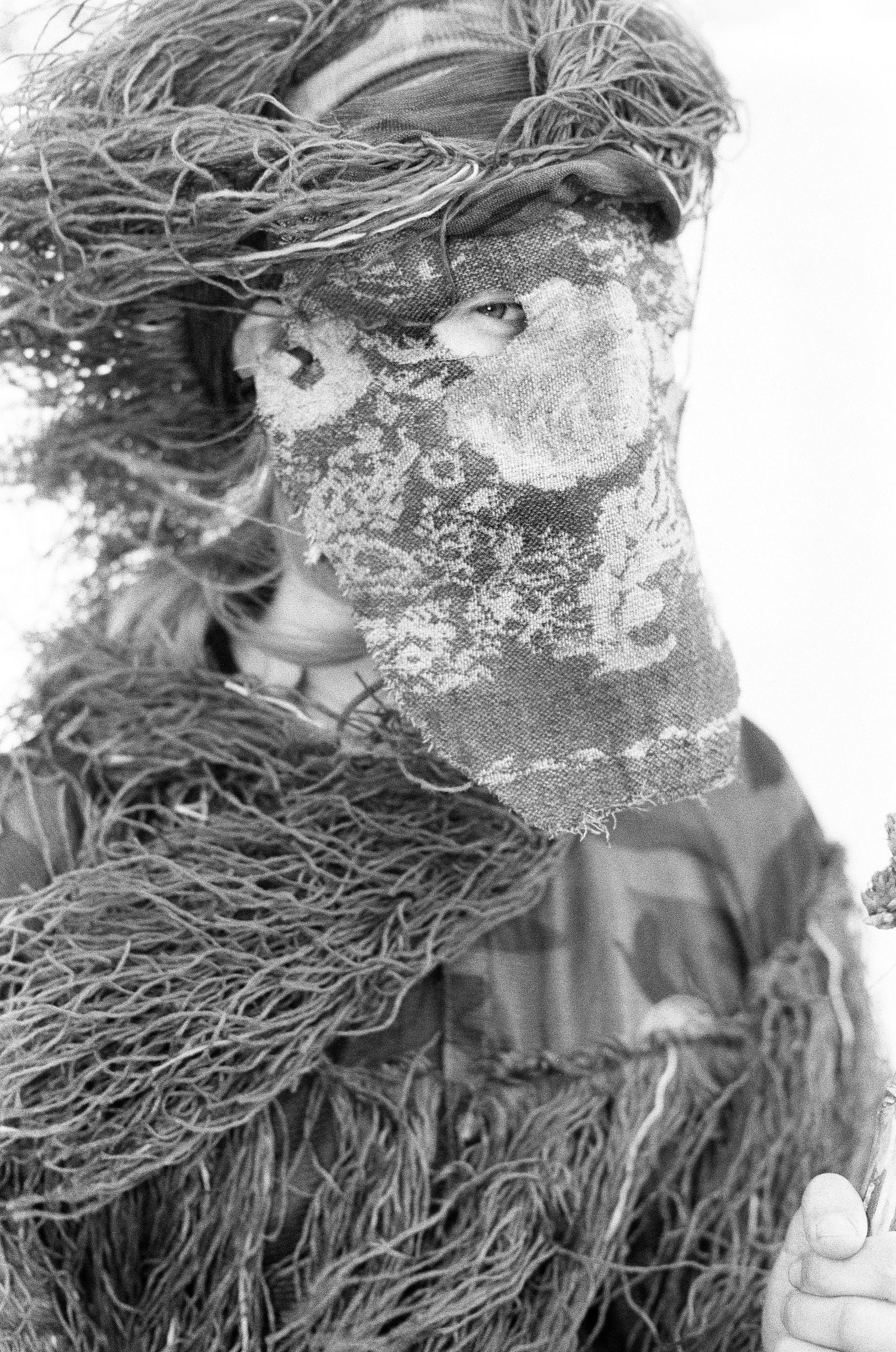
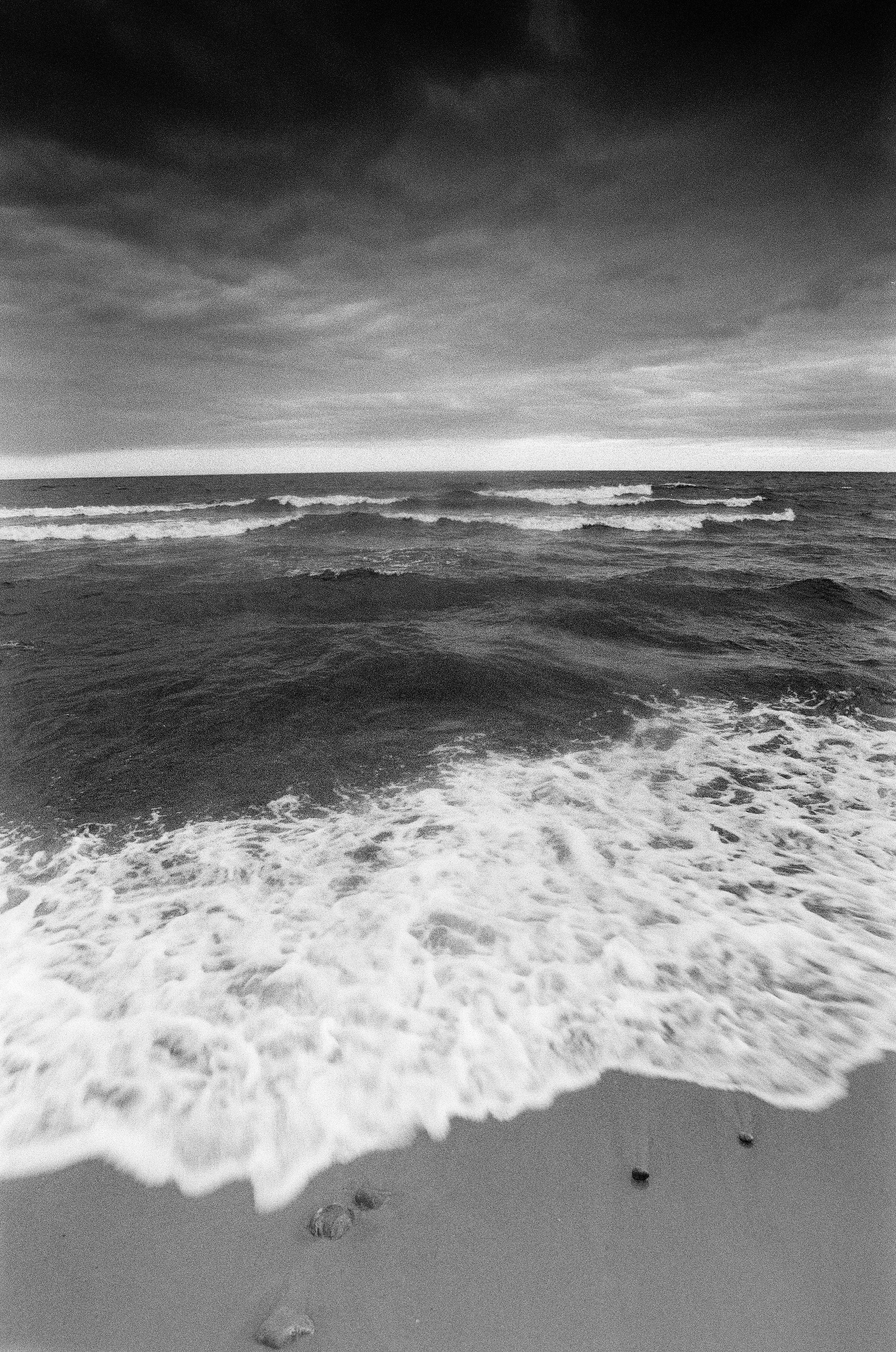
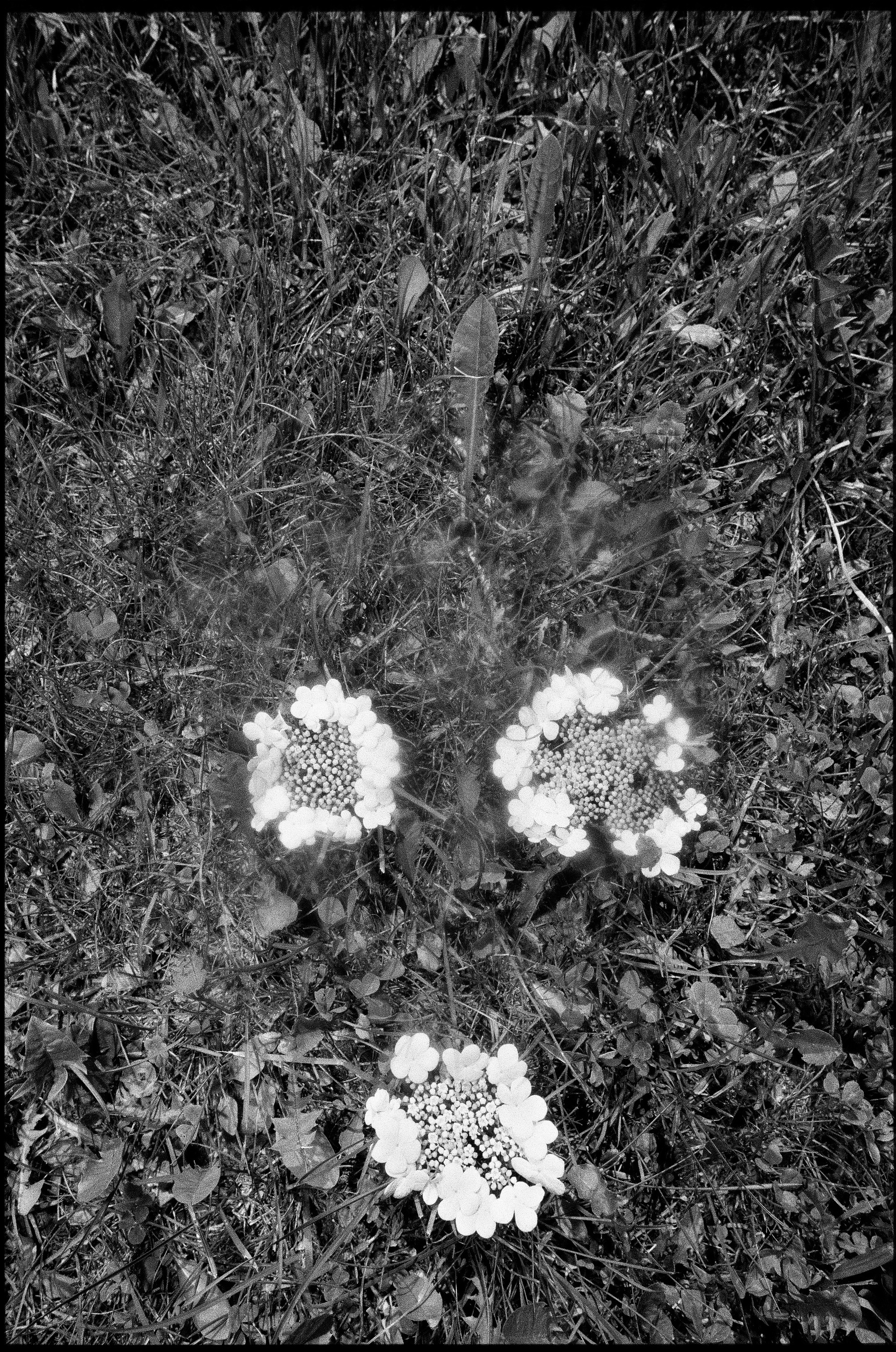
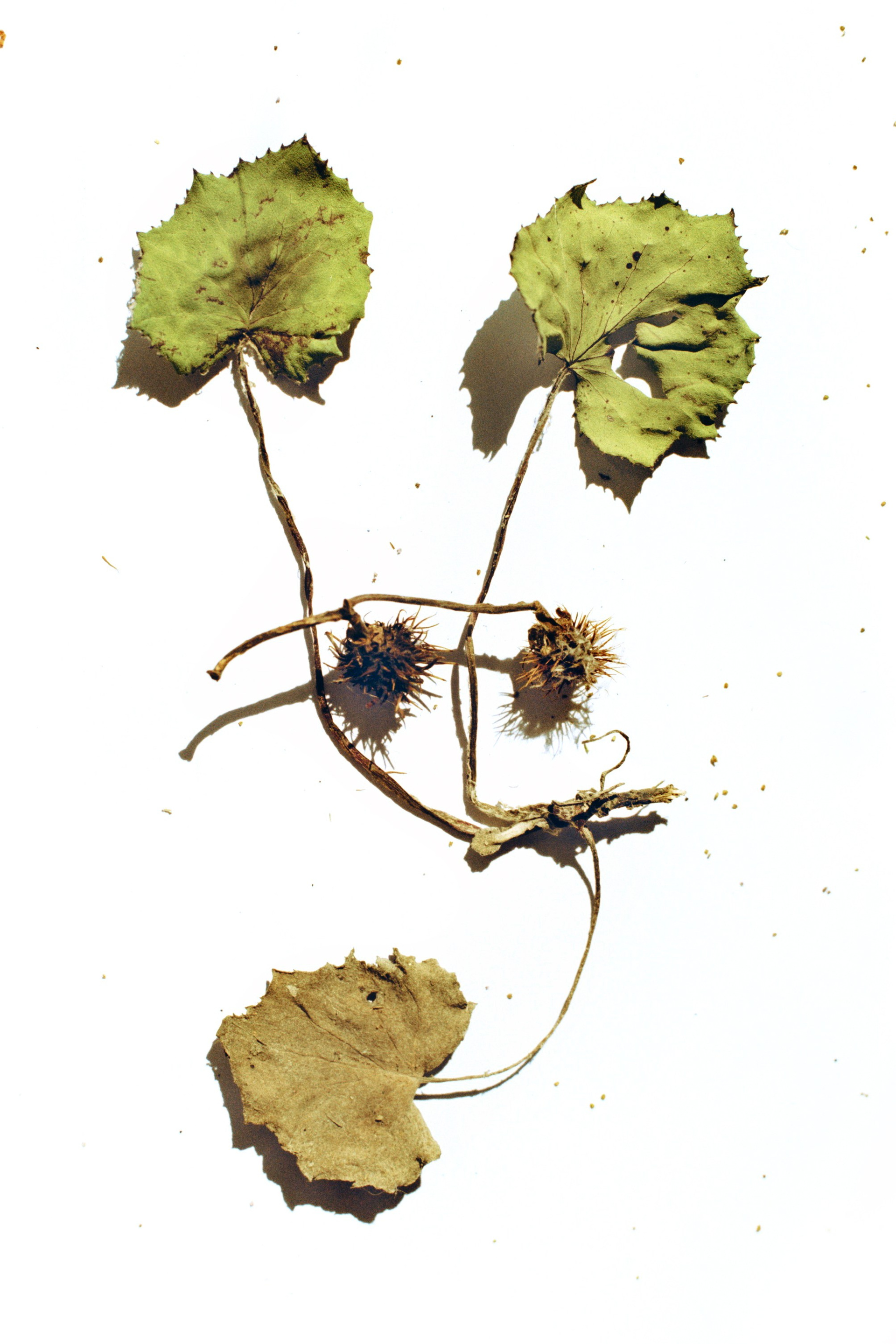

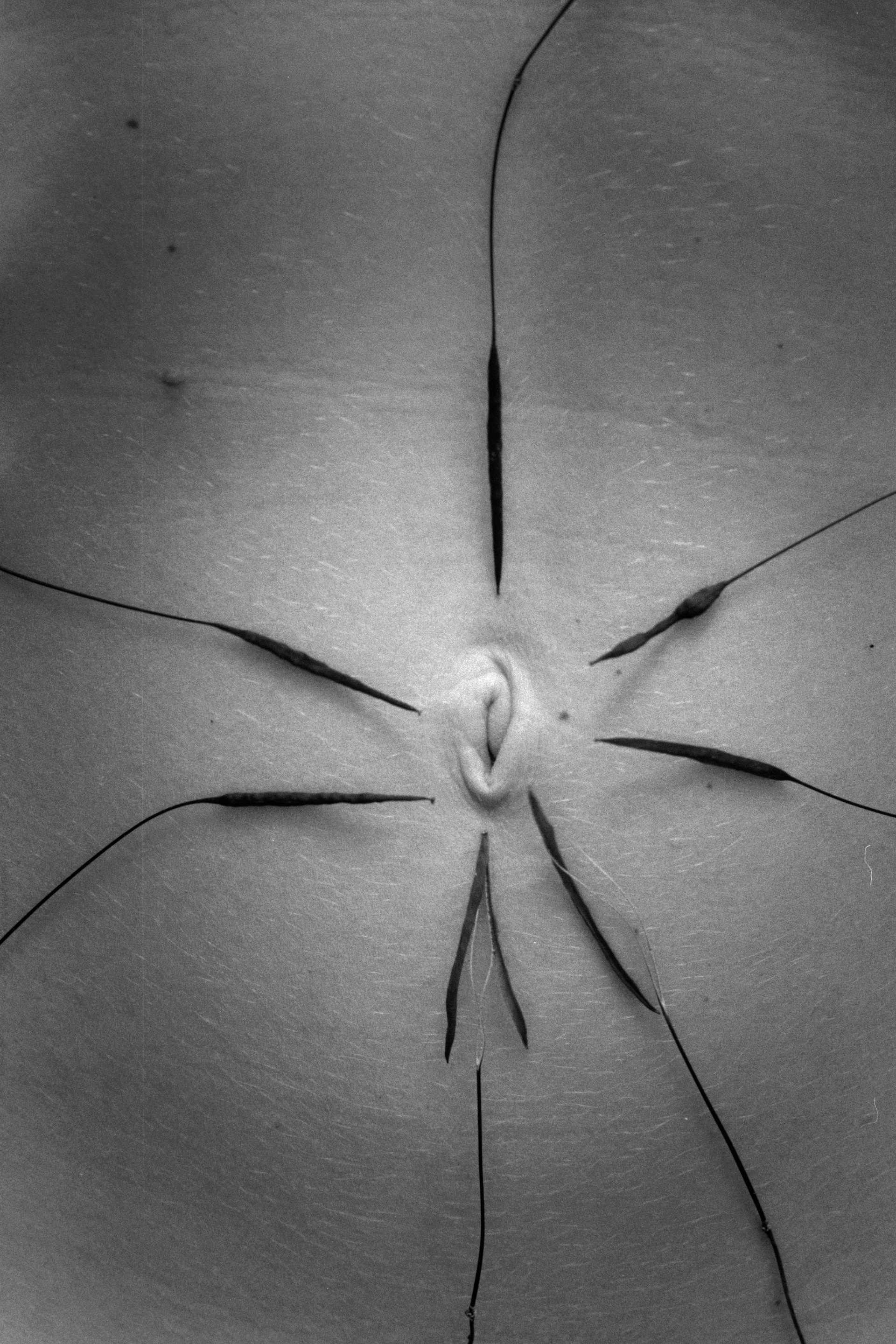
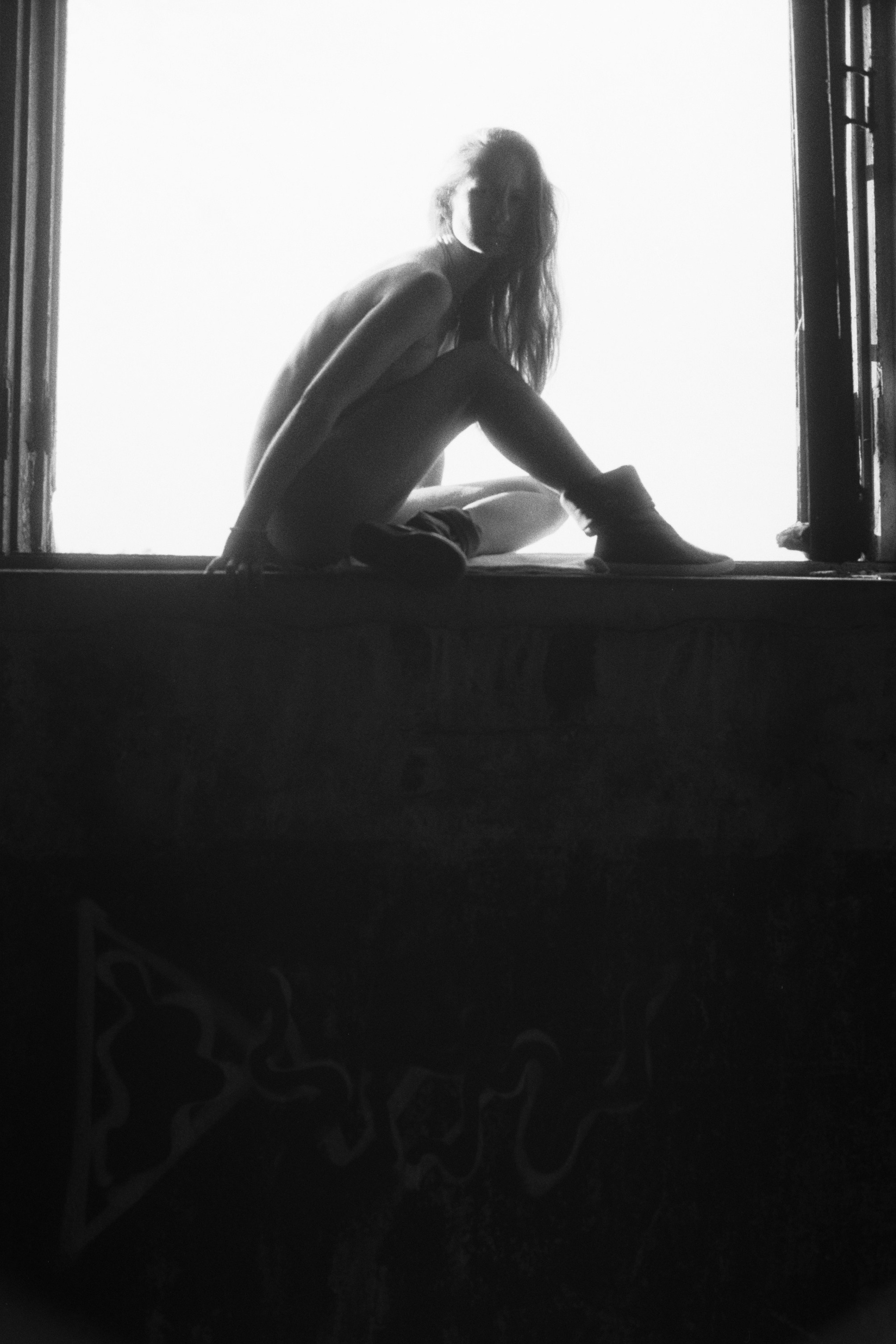
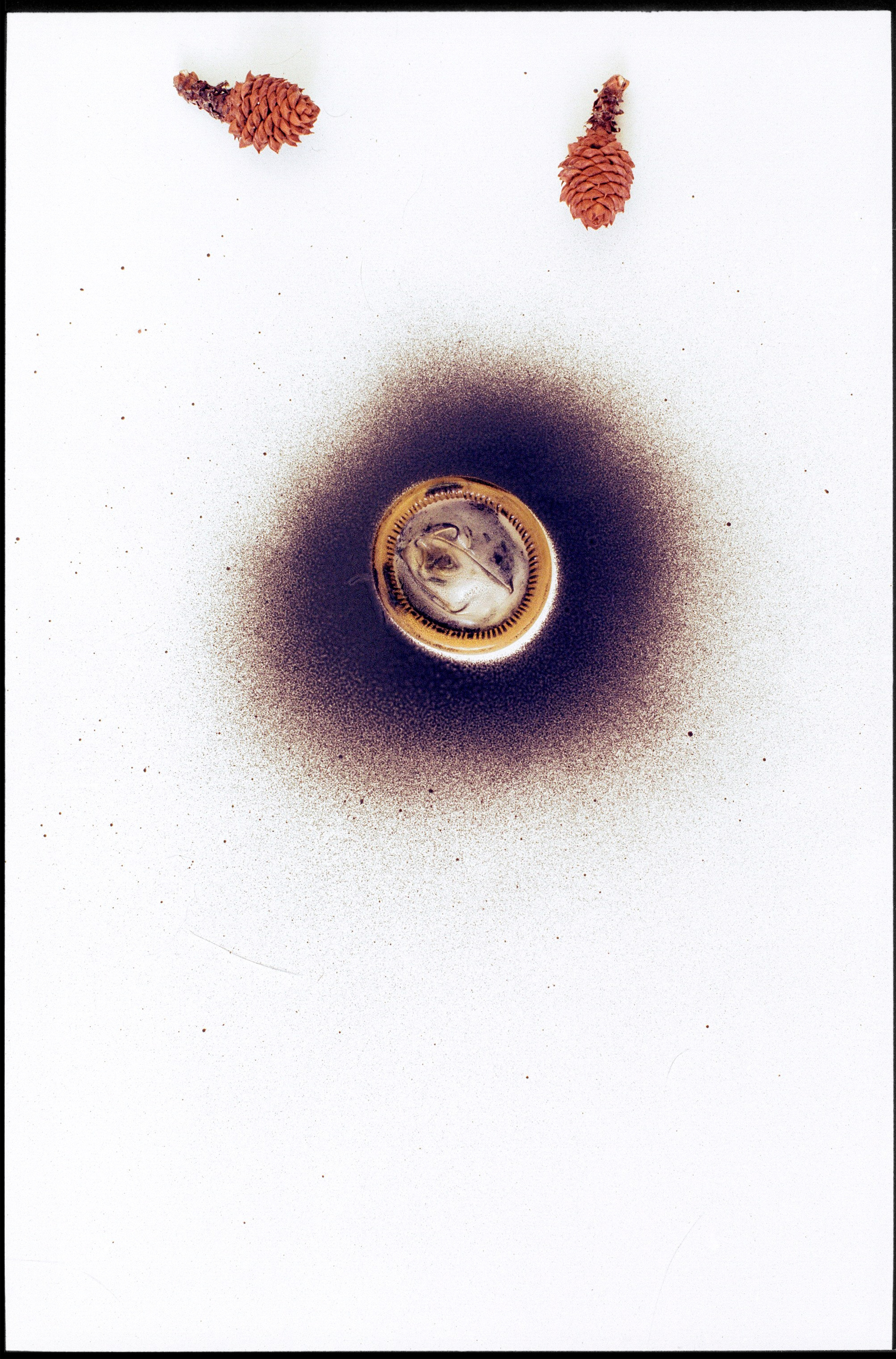
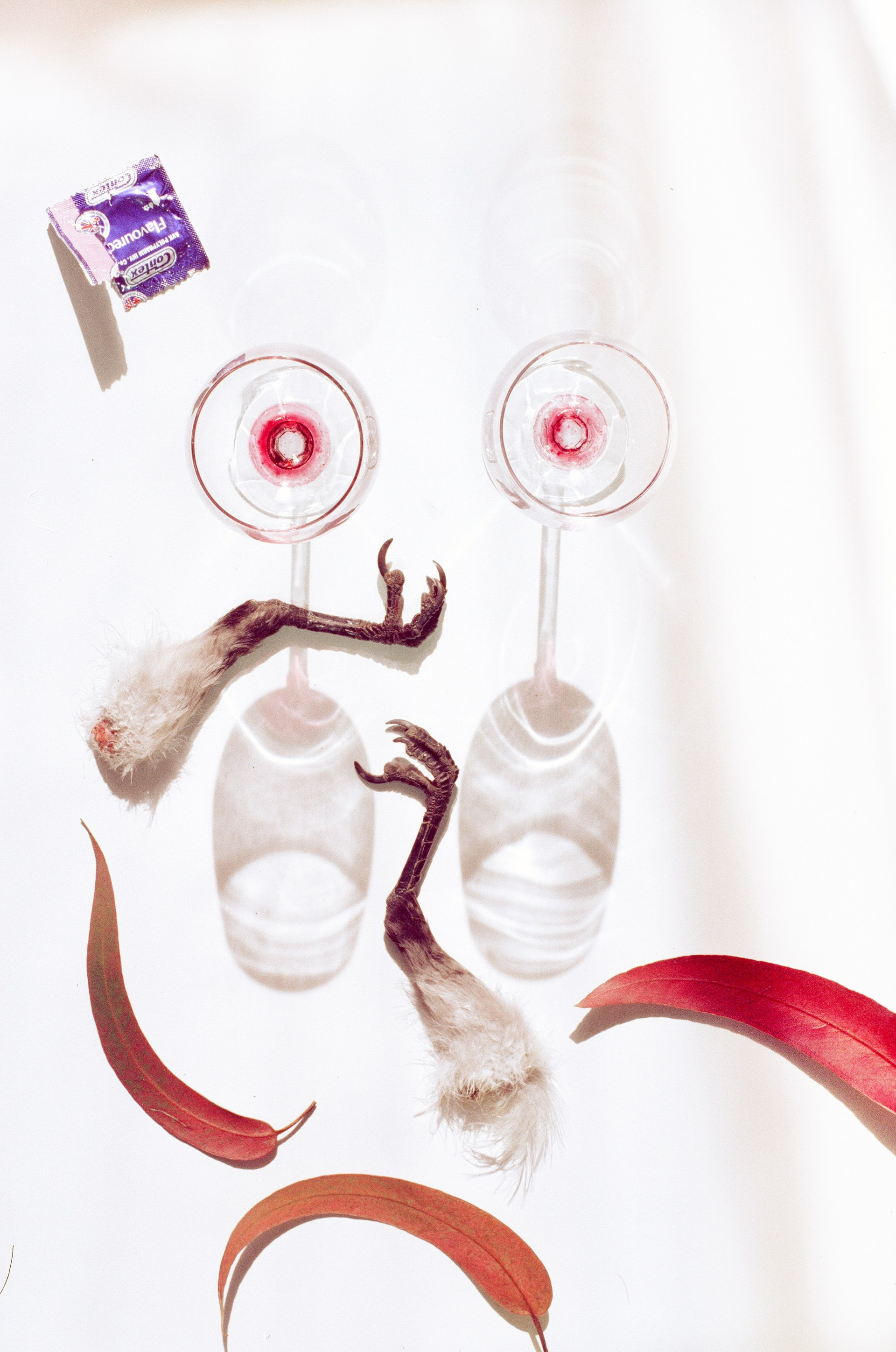
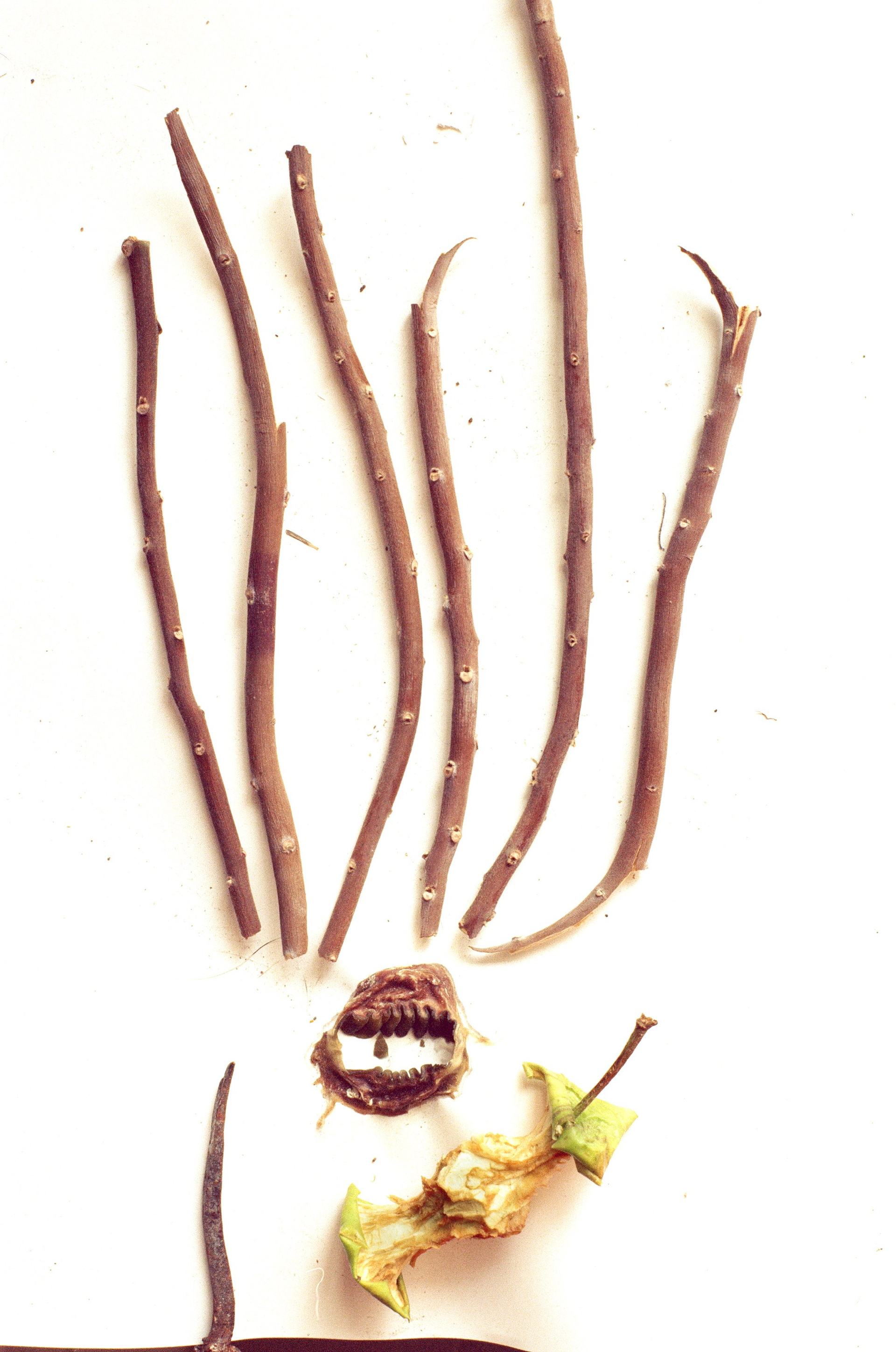
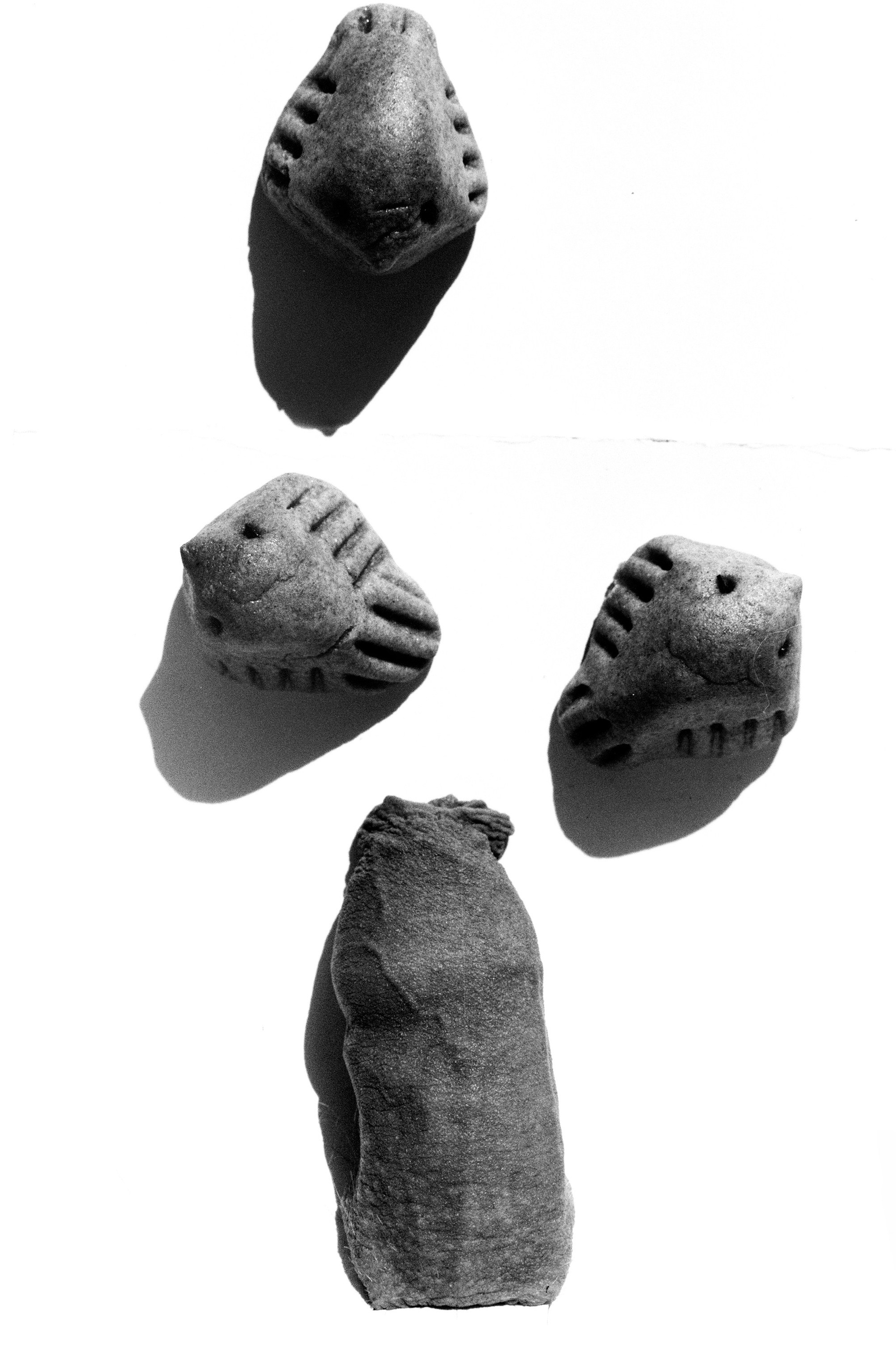
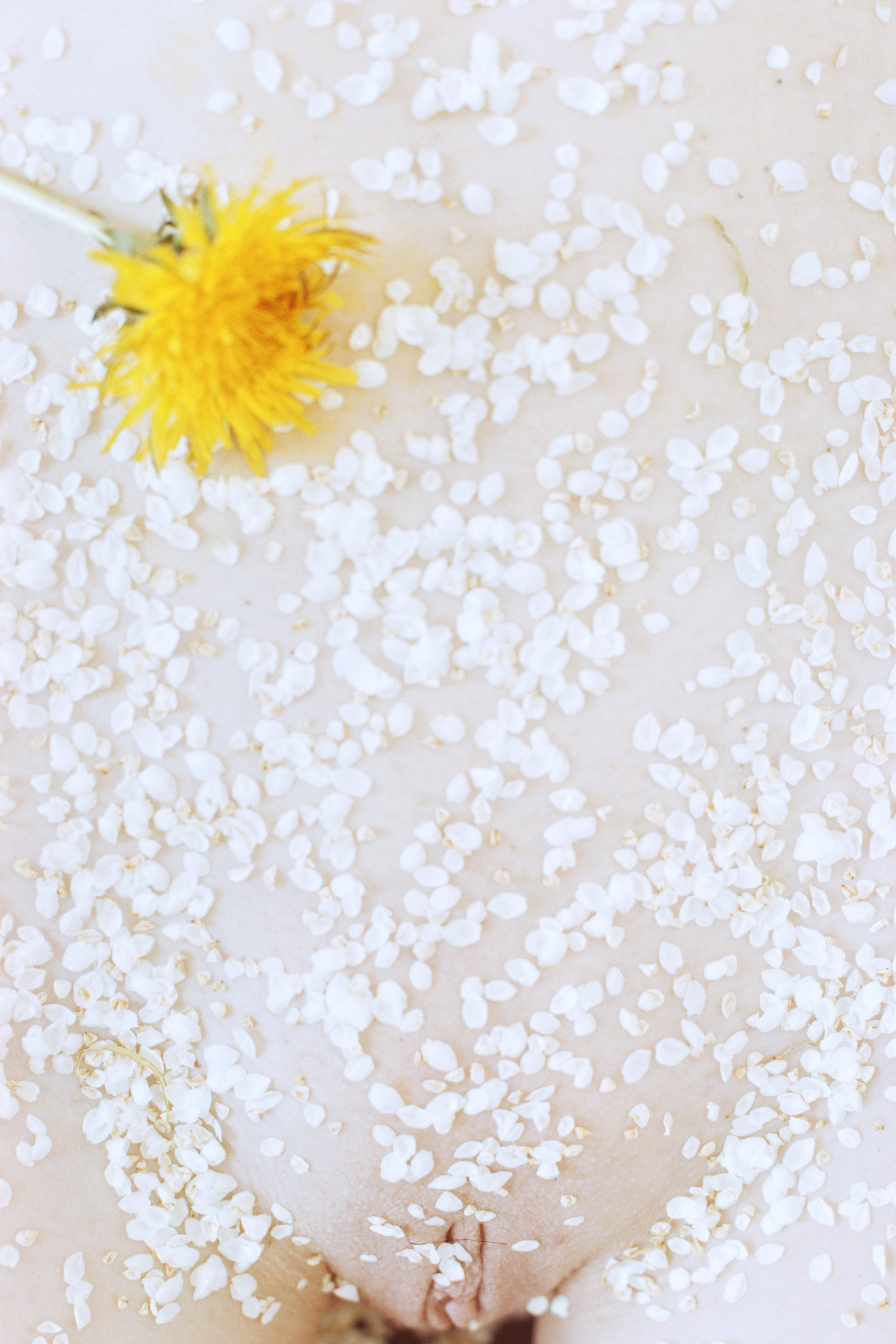
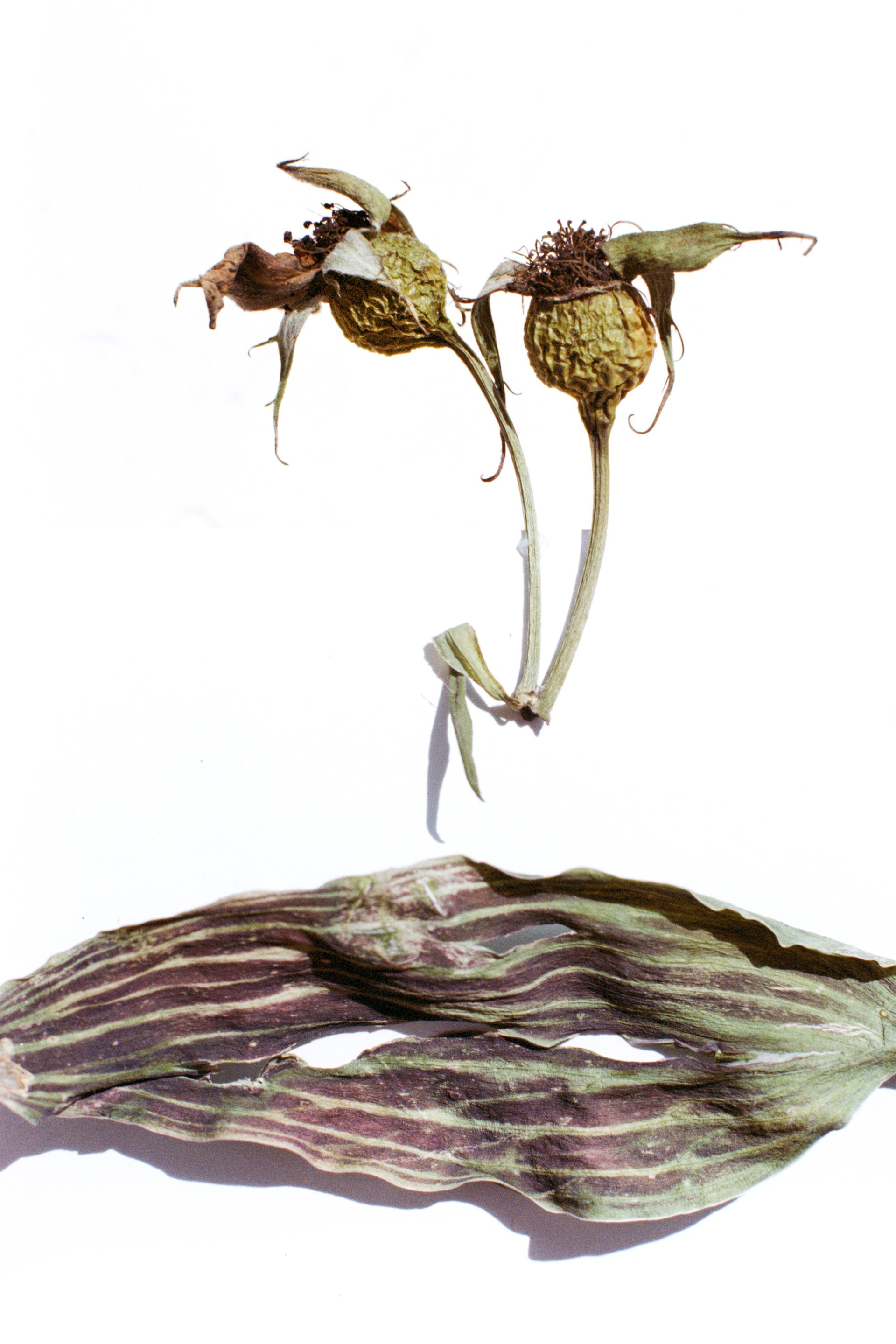
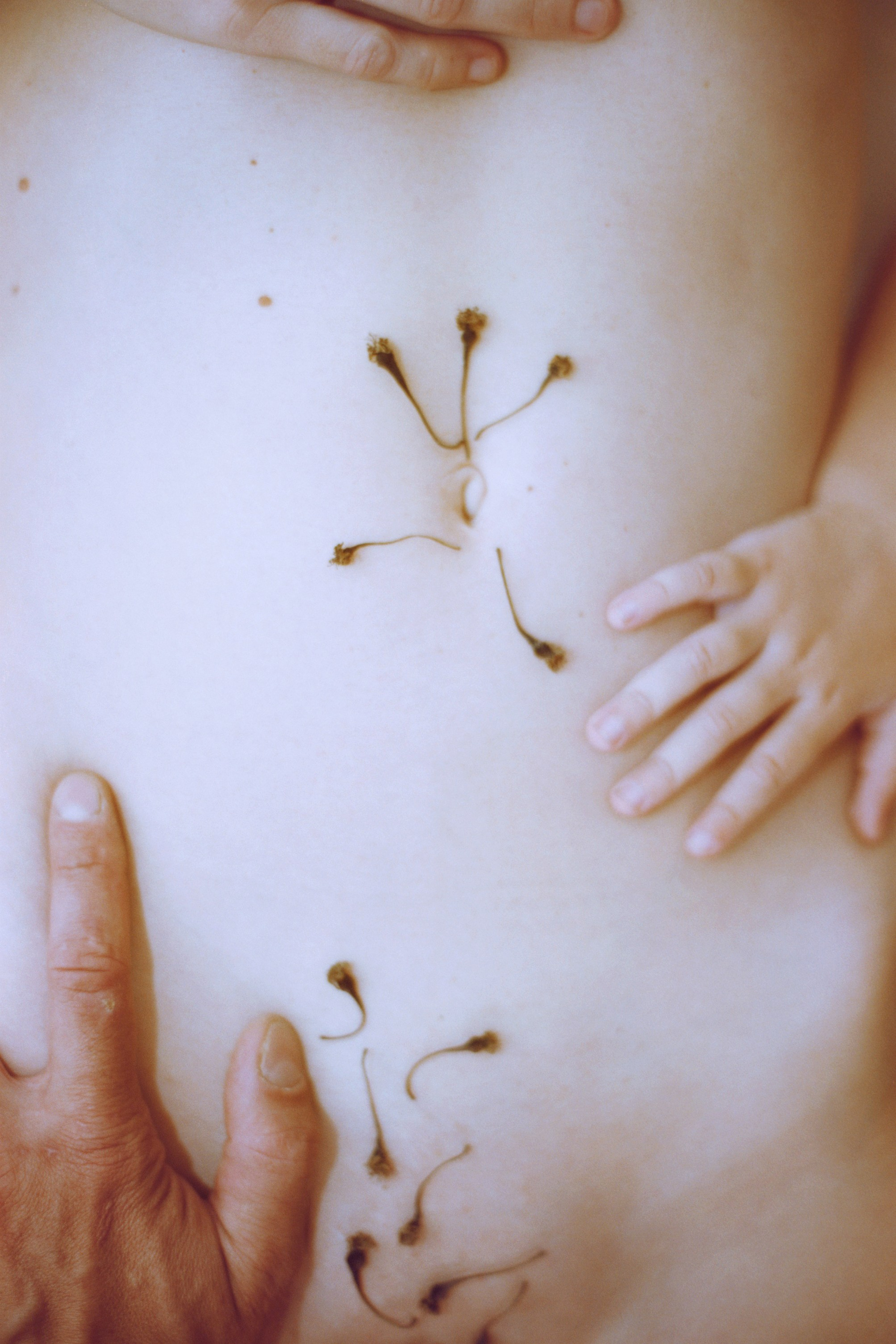
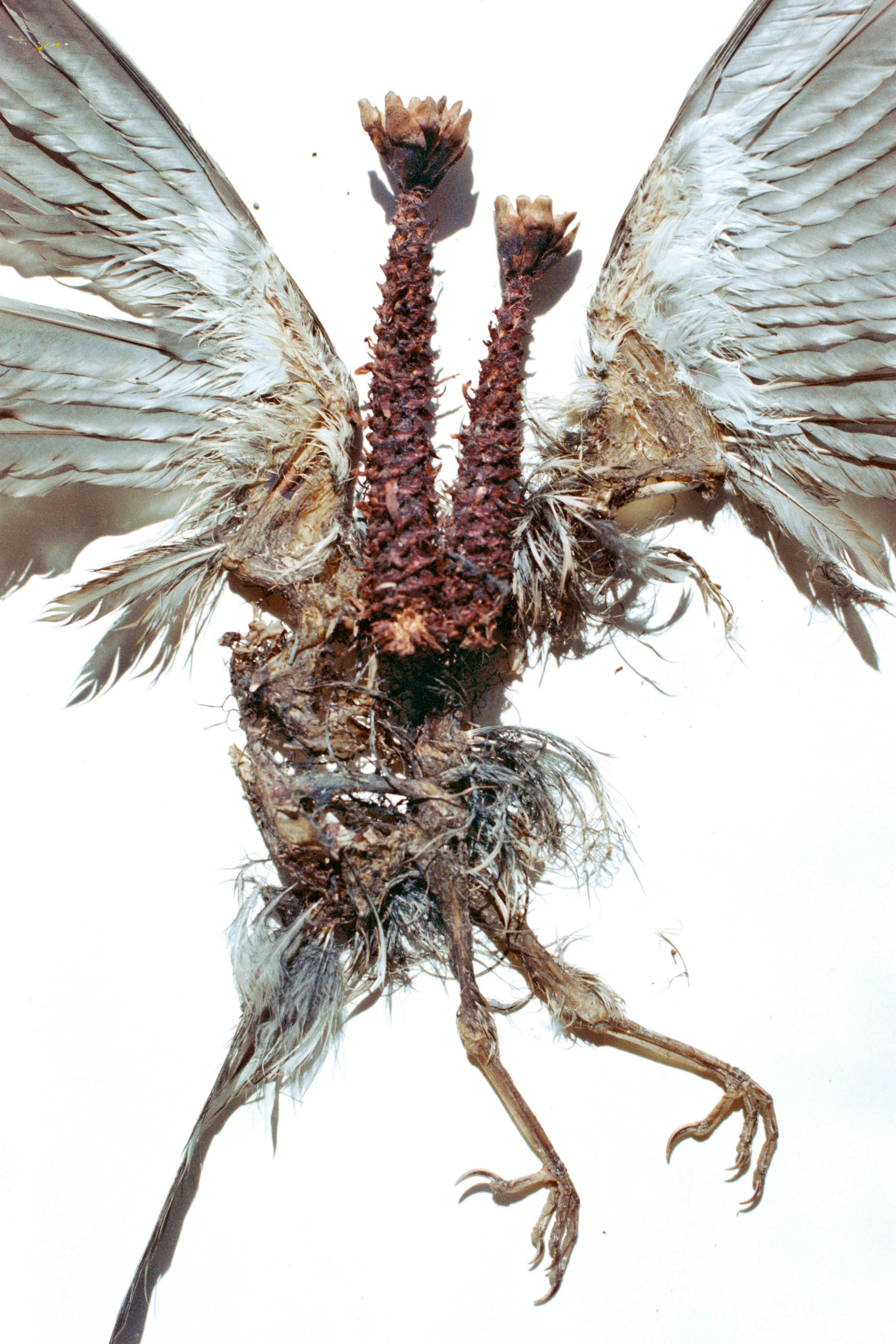
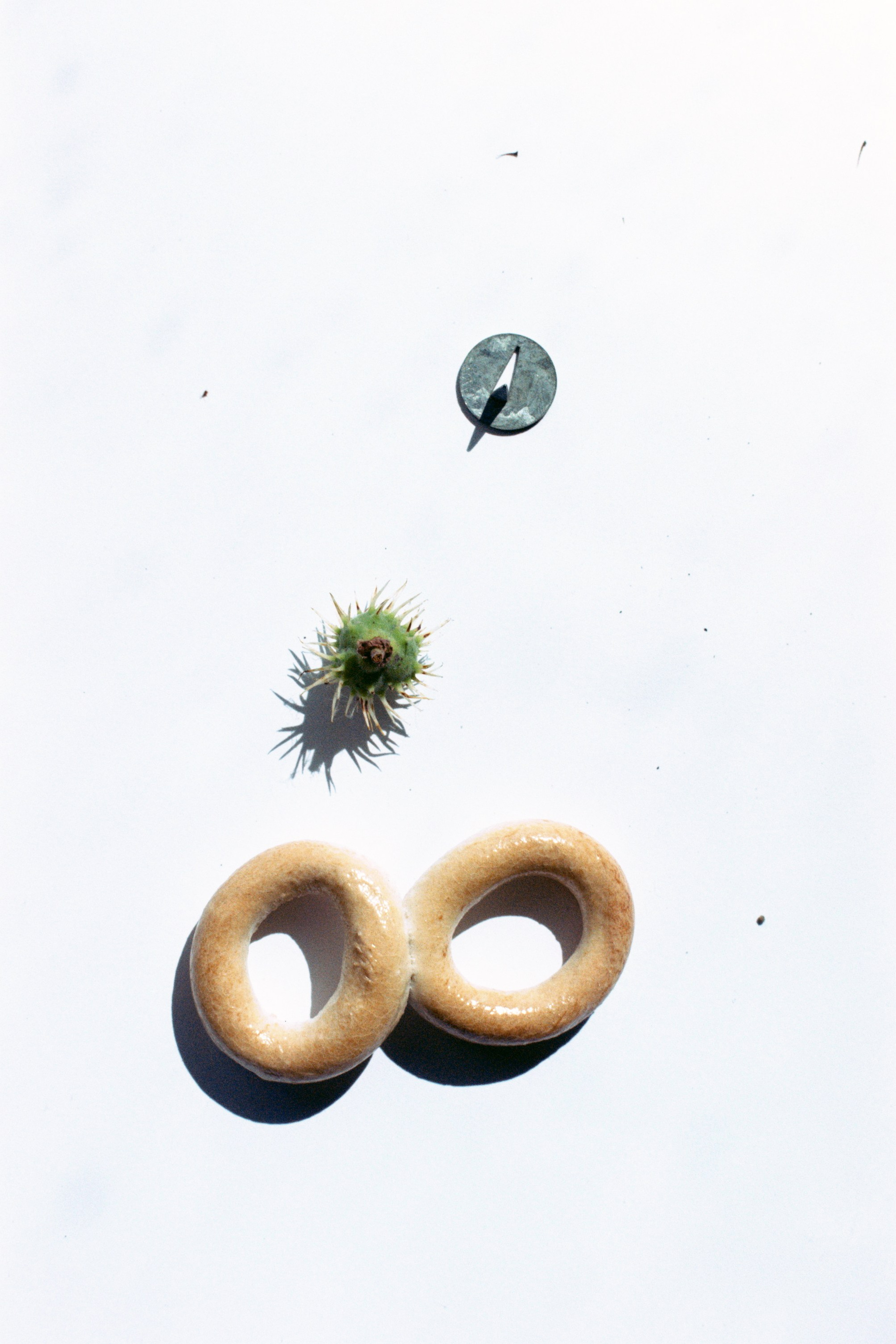

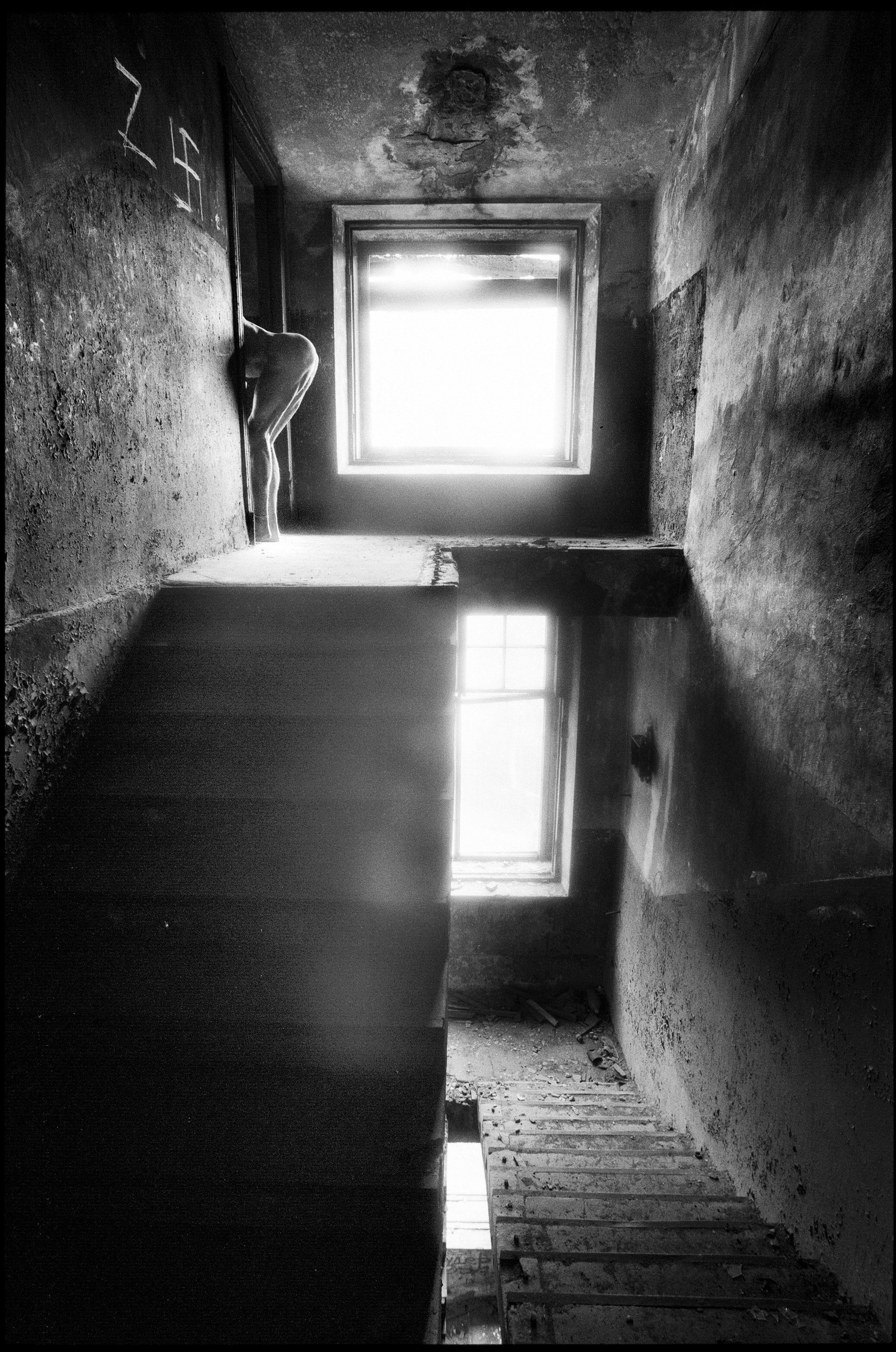
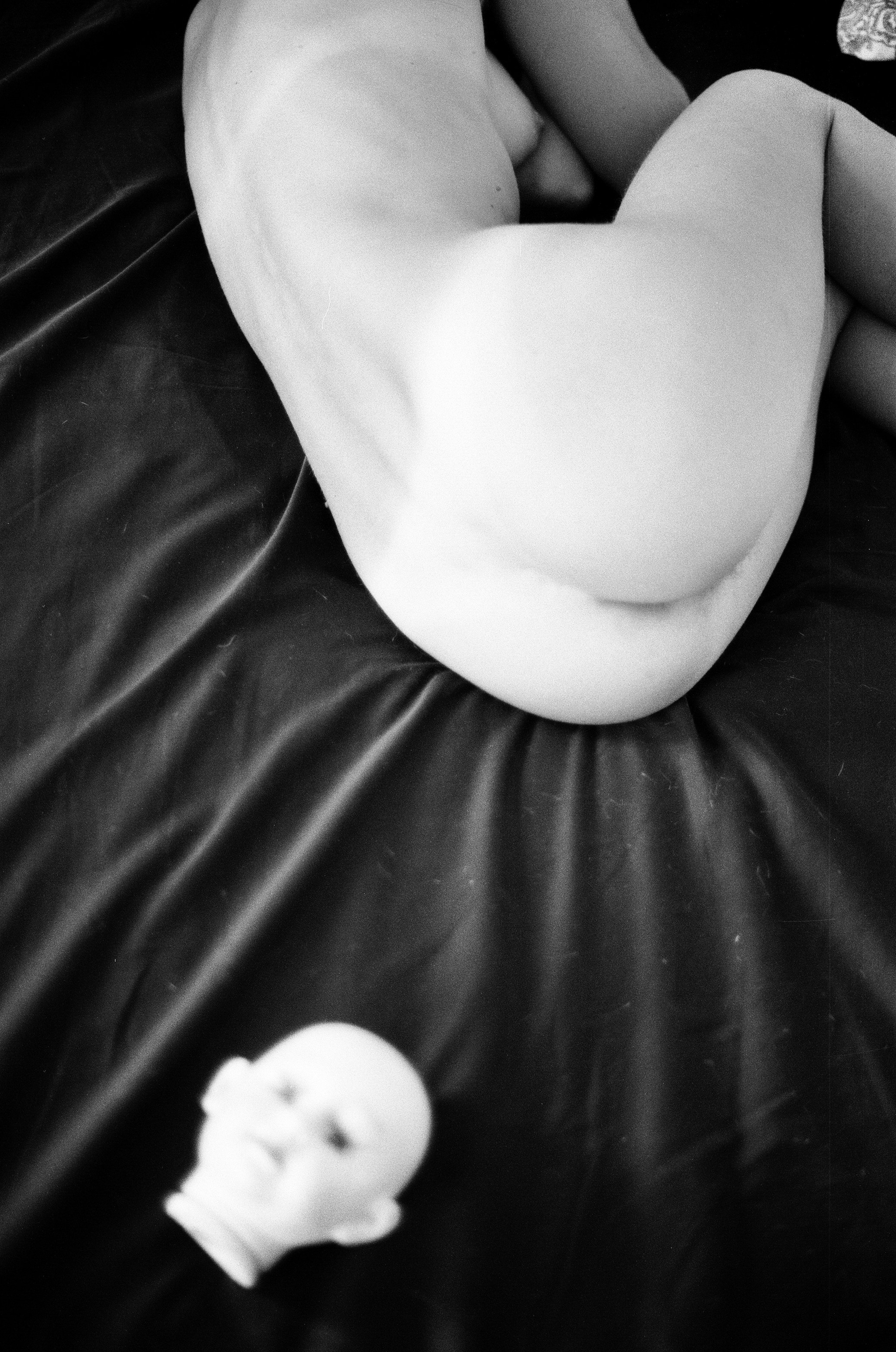
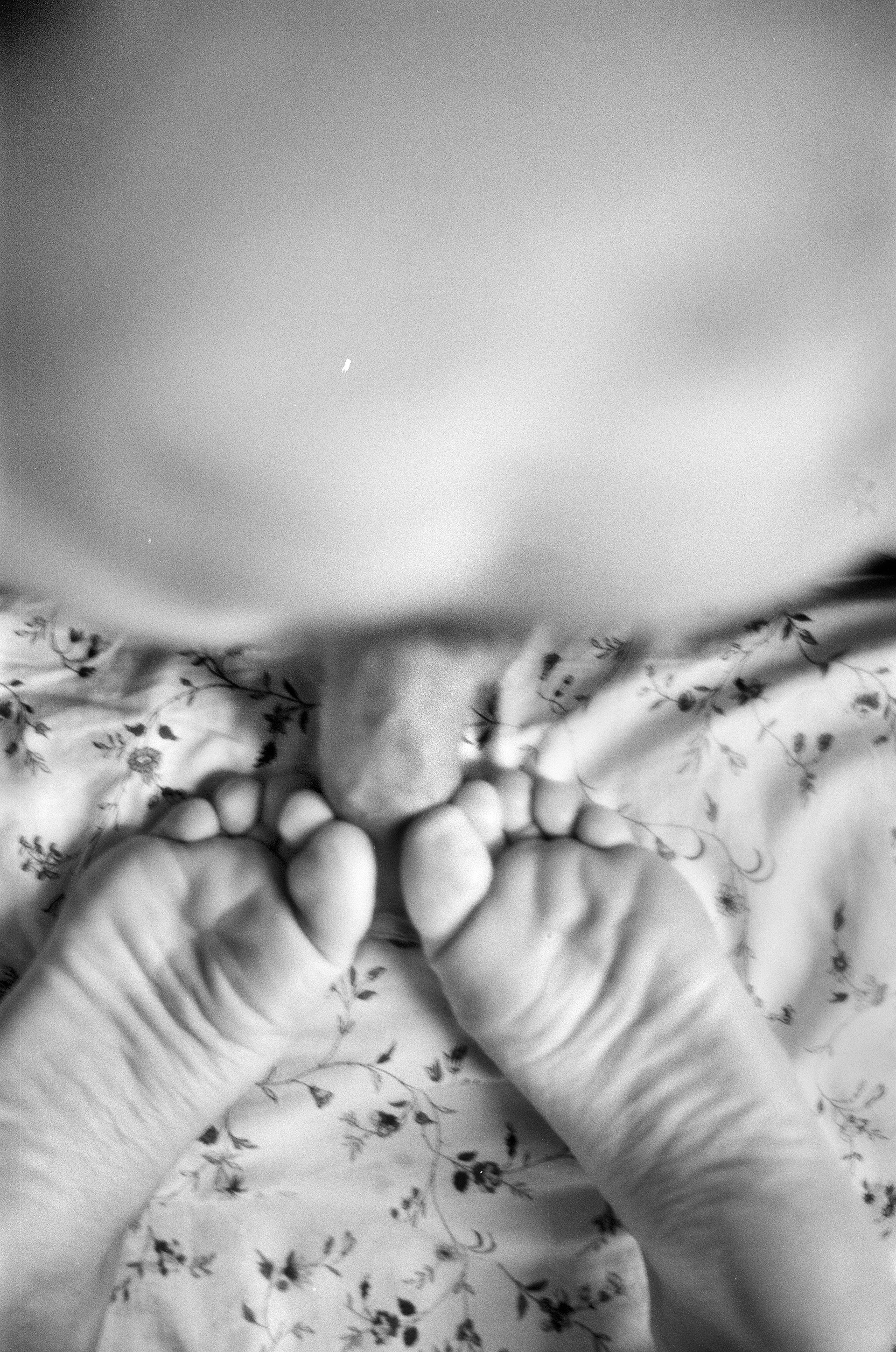
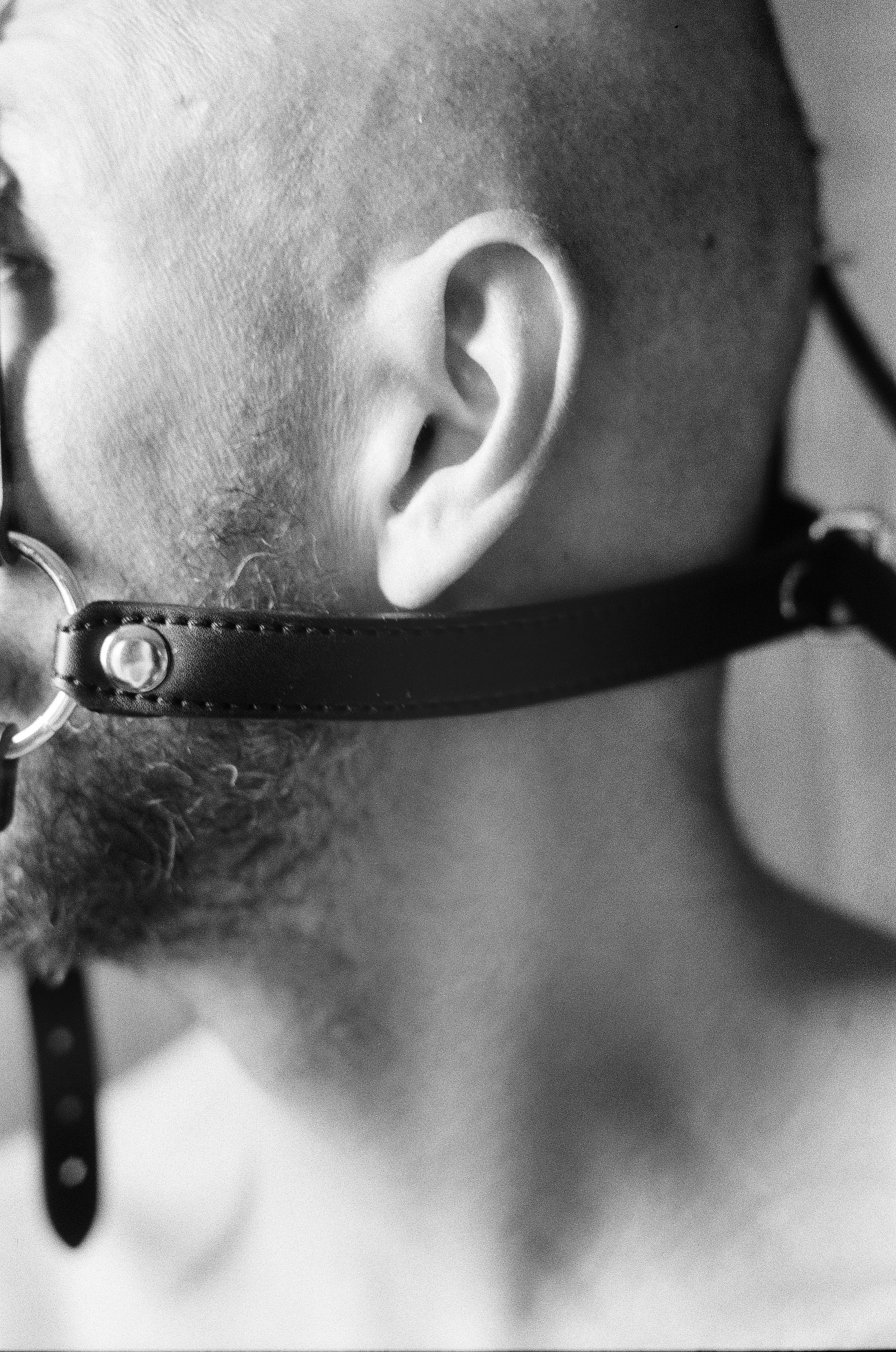

The Empty Fortress. Пуста ли крепость зрачка без блика? Пустая крепость зрачка без блика.
Неостановимость, пульсация блика зрачка — самой предельной точки изобразительности, экспрессивности, точки пространства, сточечности пространства в пространстве точки — отрицает саму себя, вызывает моё апокалиптические волнение, всепоглощающее кататоническое вожделение — рождающая образы, вереницы образов, любую риторическую фигуру — спациализирует катарсис смотрящего, порождающая волшебство безмерной стигмы на бесконечном полотне каждодневного зрительного восприятия, чувственности — у смотрящего, фотографирующего, желающего увидеть, не слепого.
Зерна точек — зрачков, бликов, экспрессивных комков тона и пыли, расчетливо пущенных по намеренно мной предпочтенному, предельно планиметричному пространству — листу, выворачивает его, как делают n-мерным, непостигаемым ночное небо безмерно огромные, безмерно далёкие, бесконечно малые, ибо всегда точечные звезды. Точка — это такое пространство, которое не занимает пространства, такое место, которое не имеет места; она подавляет и заменяет место, она занимает место пространства, которое она отрицает и сохраняет. Она пространственно отрицает пространство. Точечный блик — является первым определением пространства как такового, так и пространства иллюзорного, миметического, изобразительного, фотографического. Точка является его первым определением. В качестве его первого определения и первого отрицания пространства точка спациализируется или опространствуется. Как на негативе, так и во всех иных пространствах существования эта точка предельной интенсивности — так скажем отрицает саму себя, как только ты пытаешься разглядеть её применив более сильную оптику, приближаясь глазом или фото-увеличивая руками, или даже сравнить её — соотнося с какой-либо другой точкой, она даже не соотносима с себе подобными, у нее нет себе подобных, каждая точка это сингулярное обобщение, всех возможных выколов. Отрицание отрицания, пространственное отрицание точки, единичного образа, оригинала, подлинника — это линия, это серия, это вереницы тождественных и расходящихся одновременно образов, единиц. Точка отрицает себя как оригинал/подлинник/«архи-письмо» и удерживает себя, как безмерное острие жалящей иглы-блика, вытягивается в серии или поддерживается рождающейся серией, снимается посредством Aufhenbung в линии, вереницы, доступные и видимые каждым у каждого — манящие волшебство глаза, живого, механического и оптического комплекса познающего мироздание — тем самым и конституируется ее истина. Холистическая истинна веерного каскада точек — линии. В соответствии с тем же самым процессом благодаря Aufhenbung и отрицанию отрицания, истинной линии появляется поверхность. Но об этом уже в следующей главе.


