PAIRS
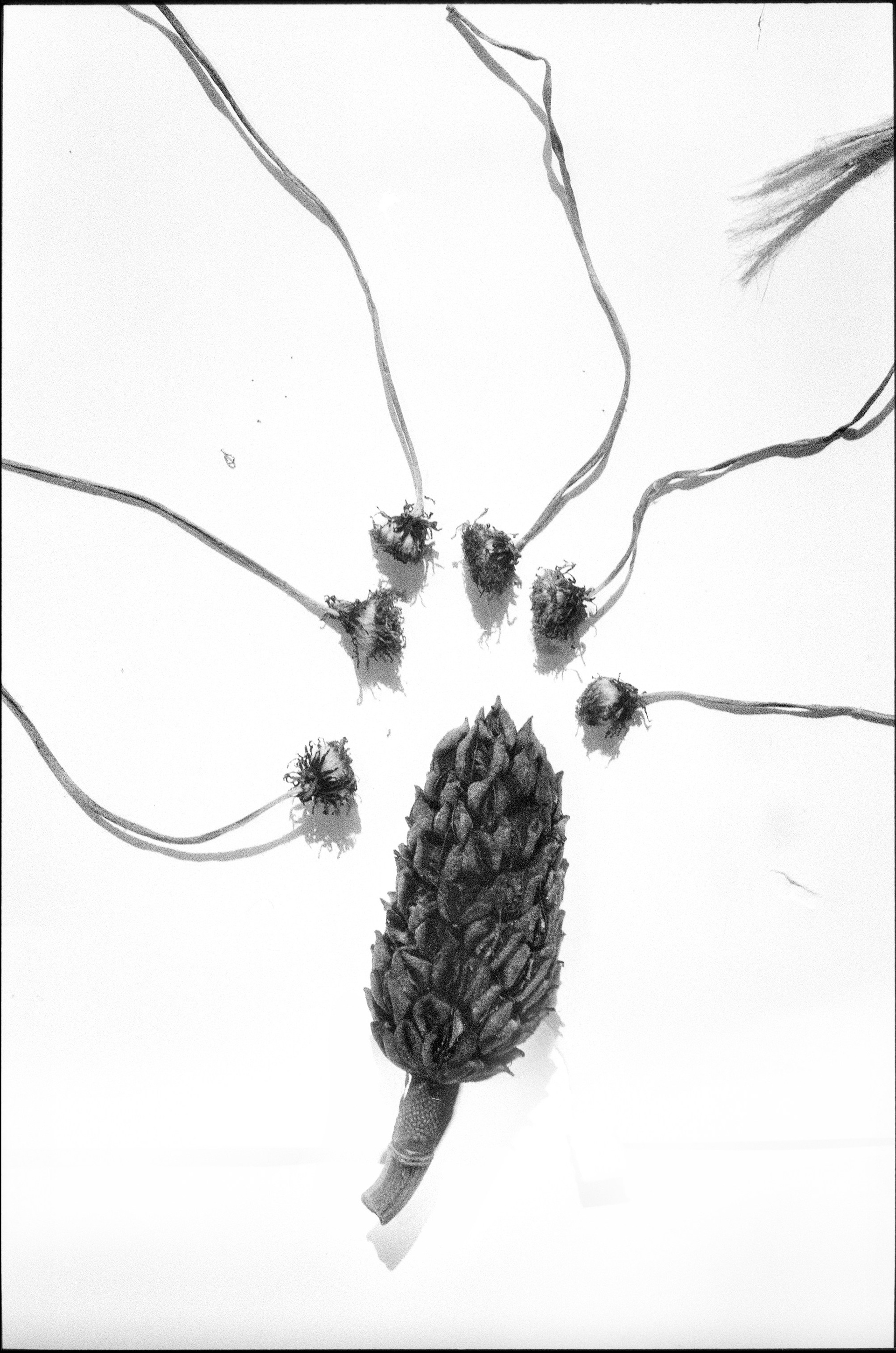
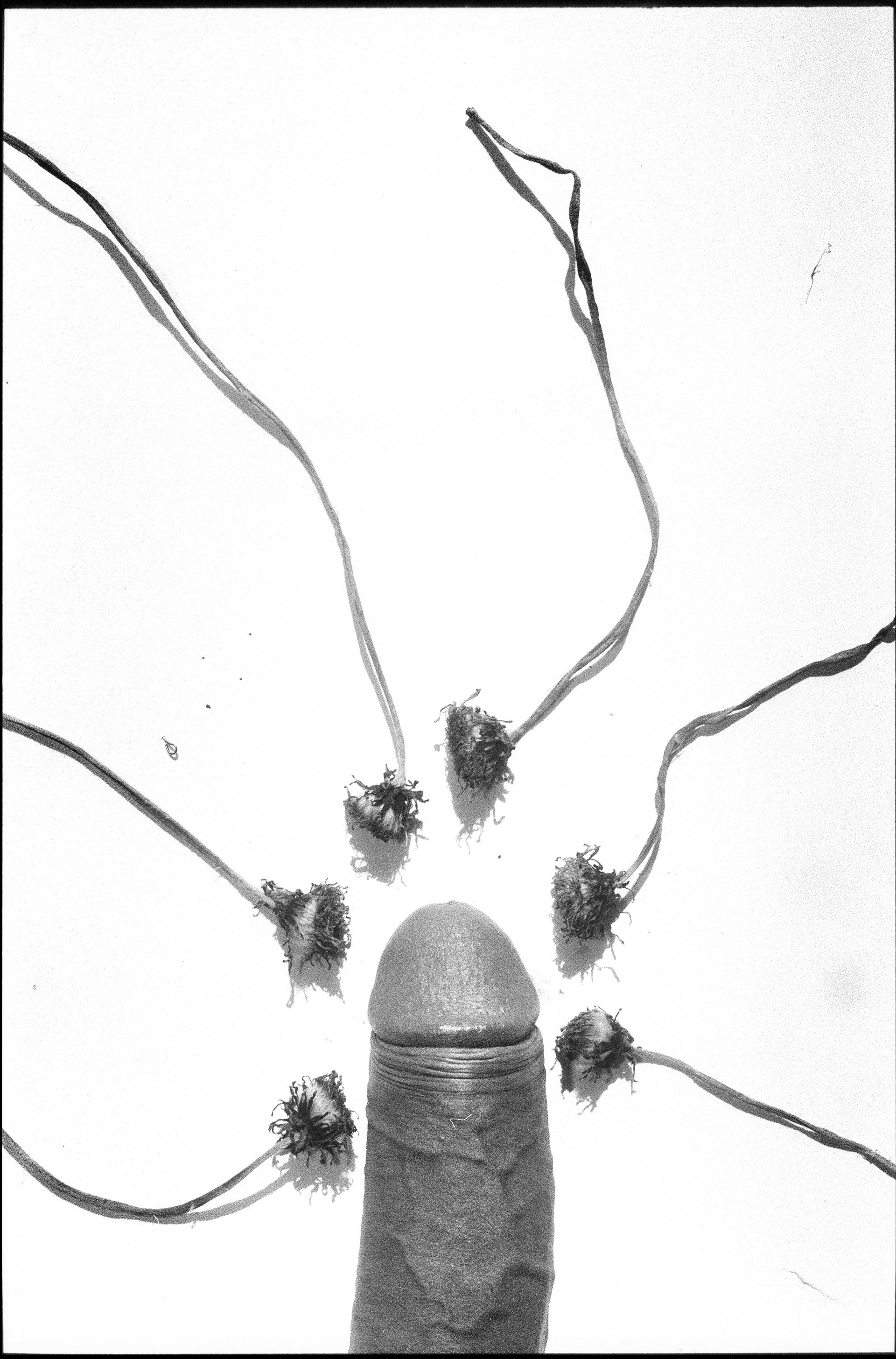
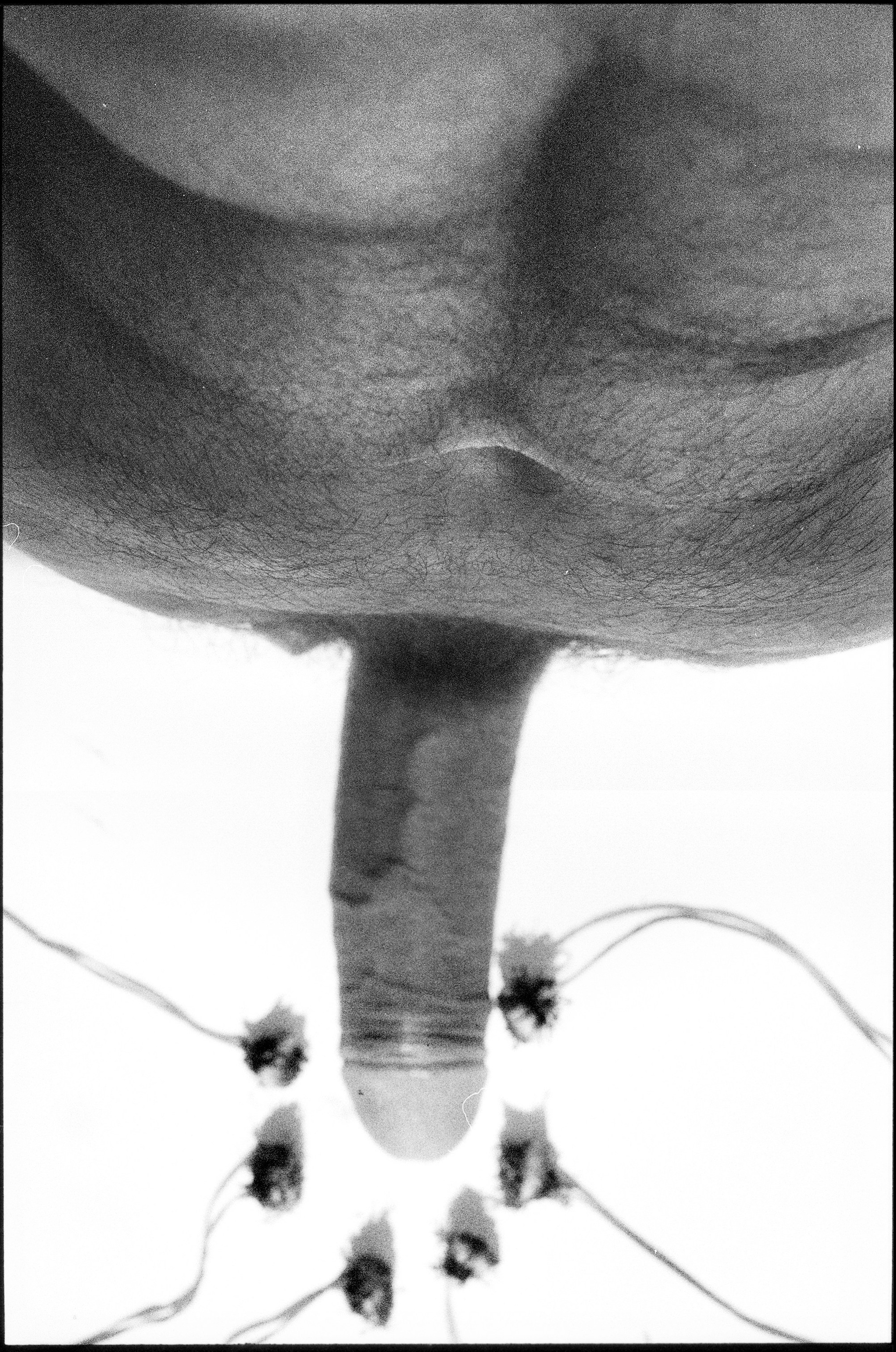
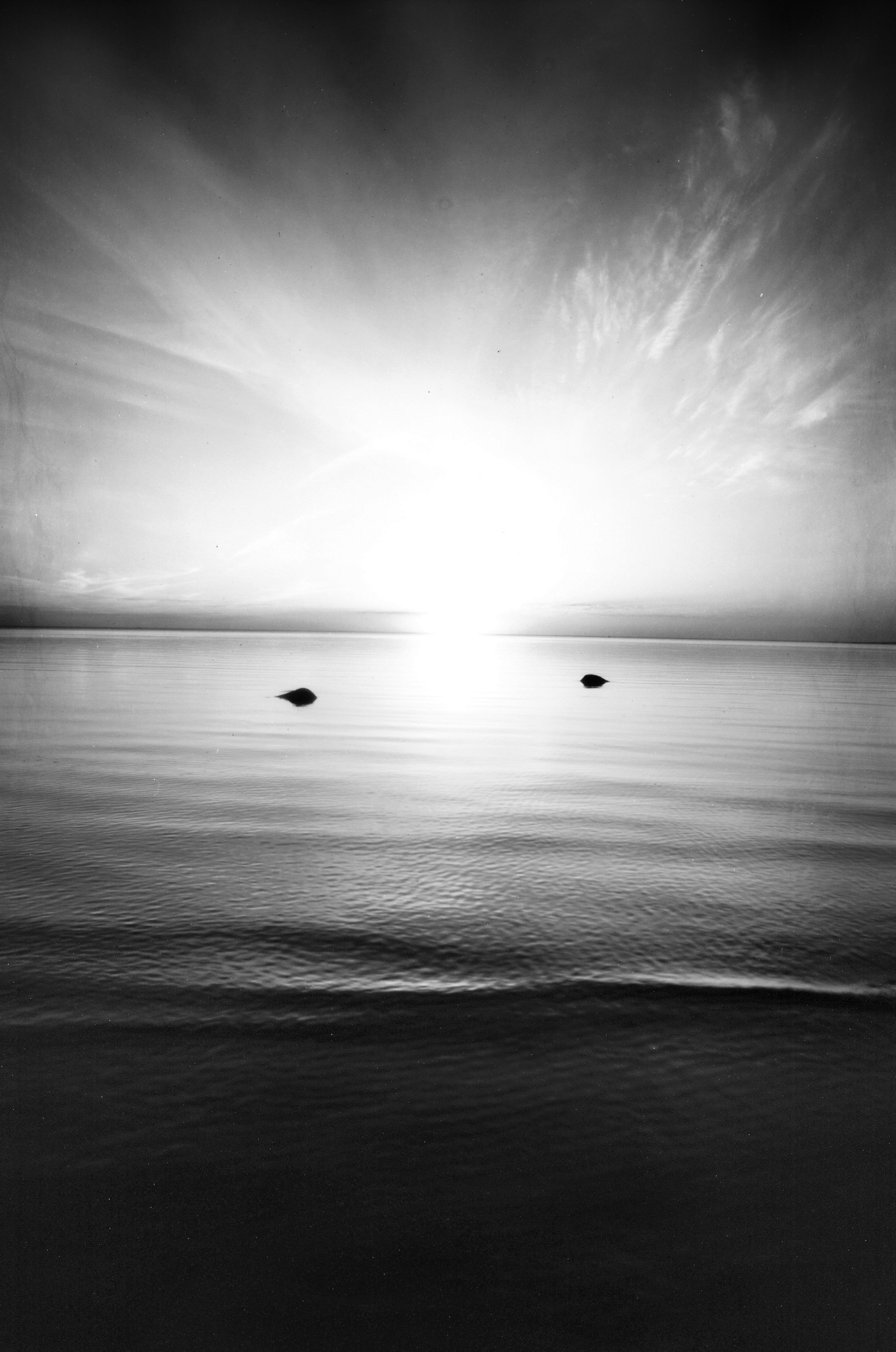
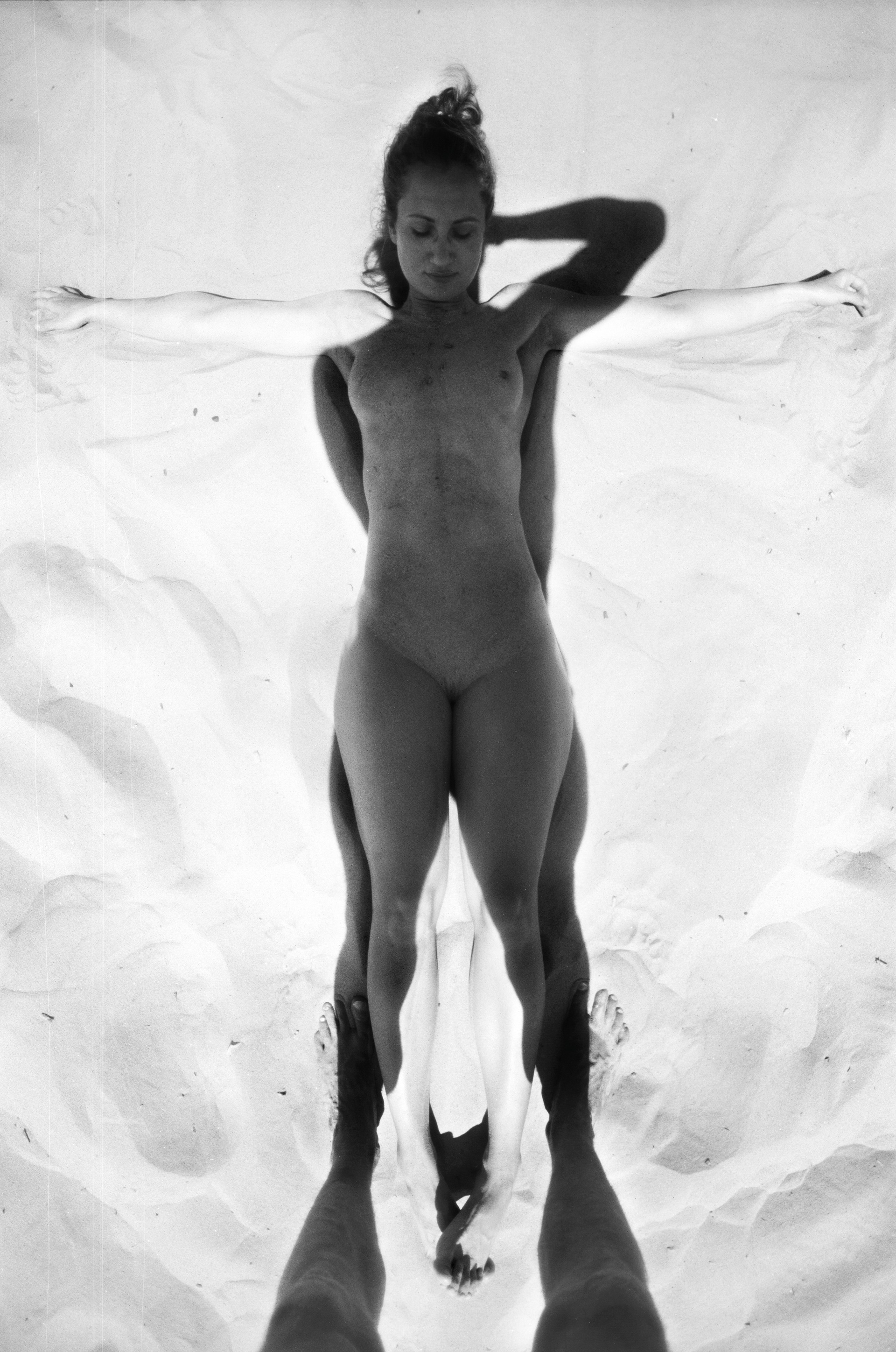
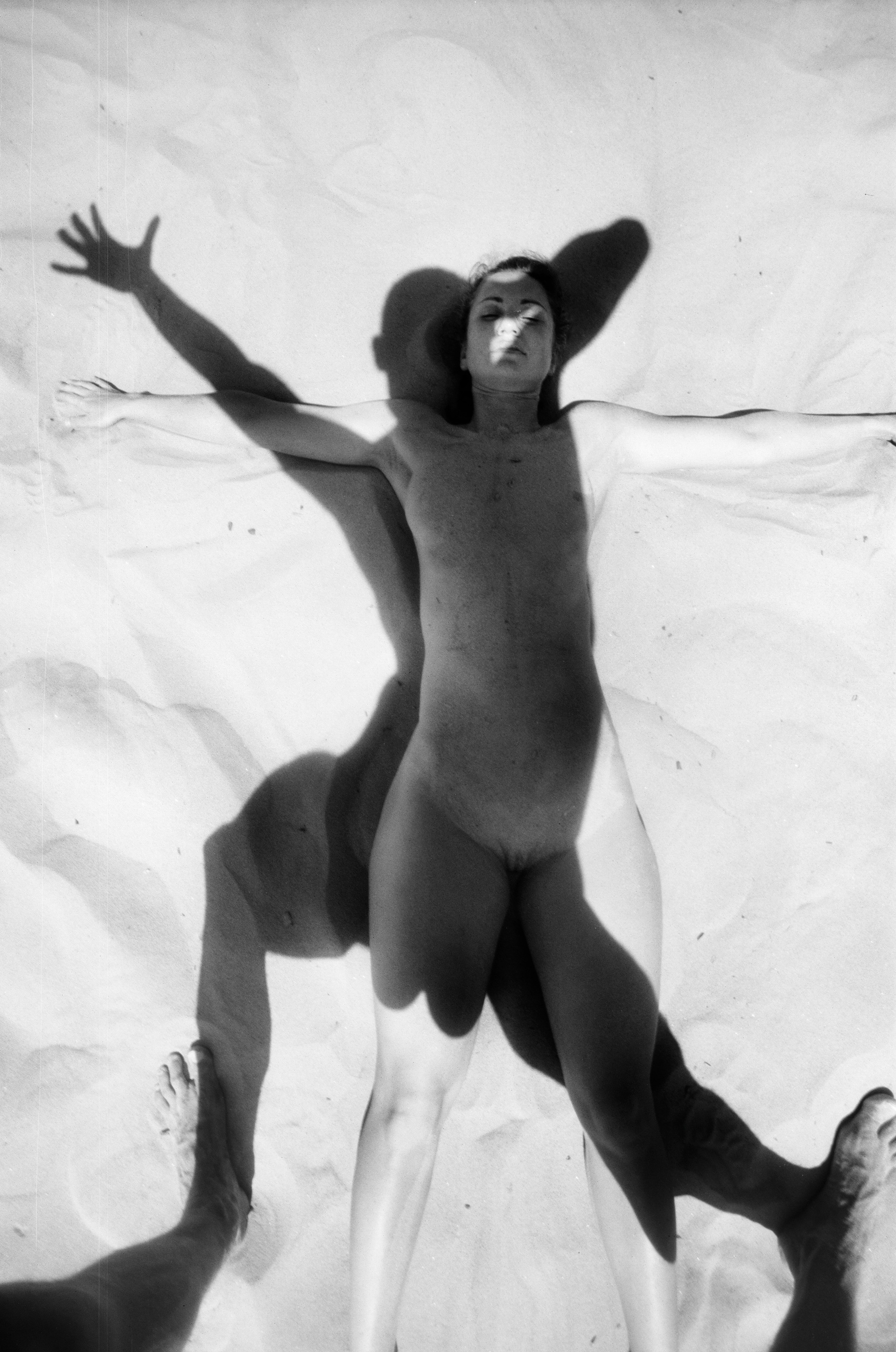
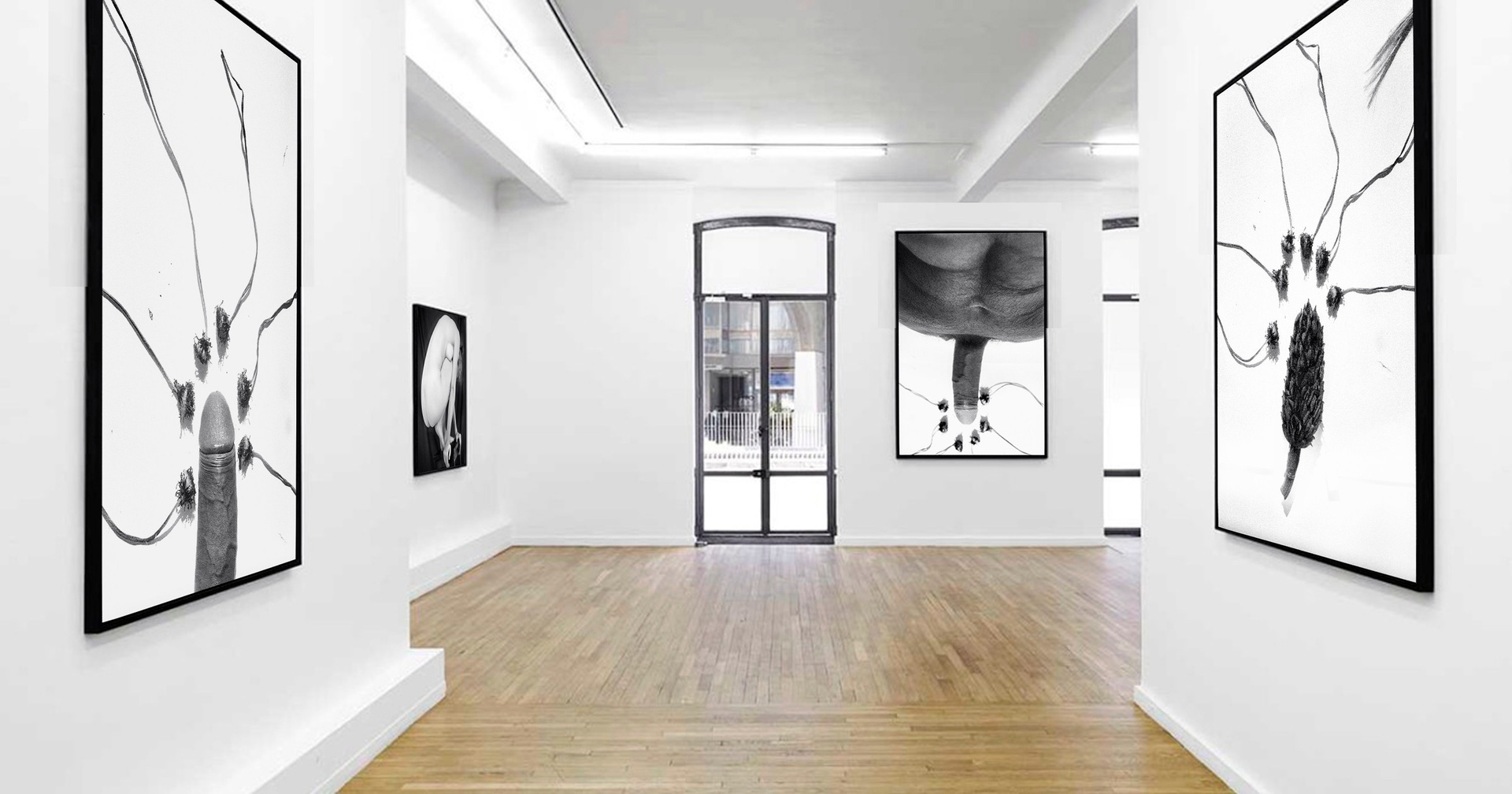
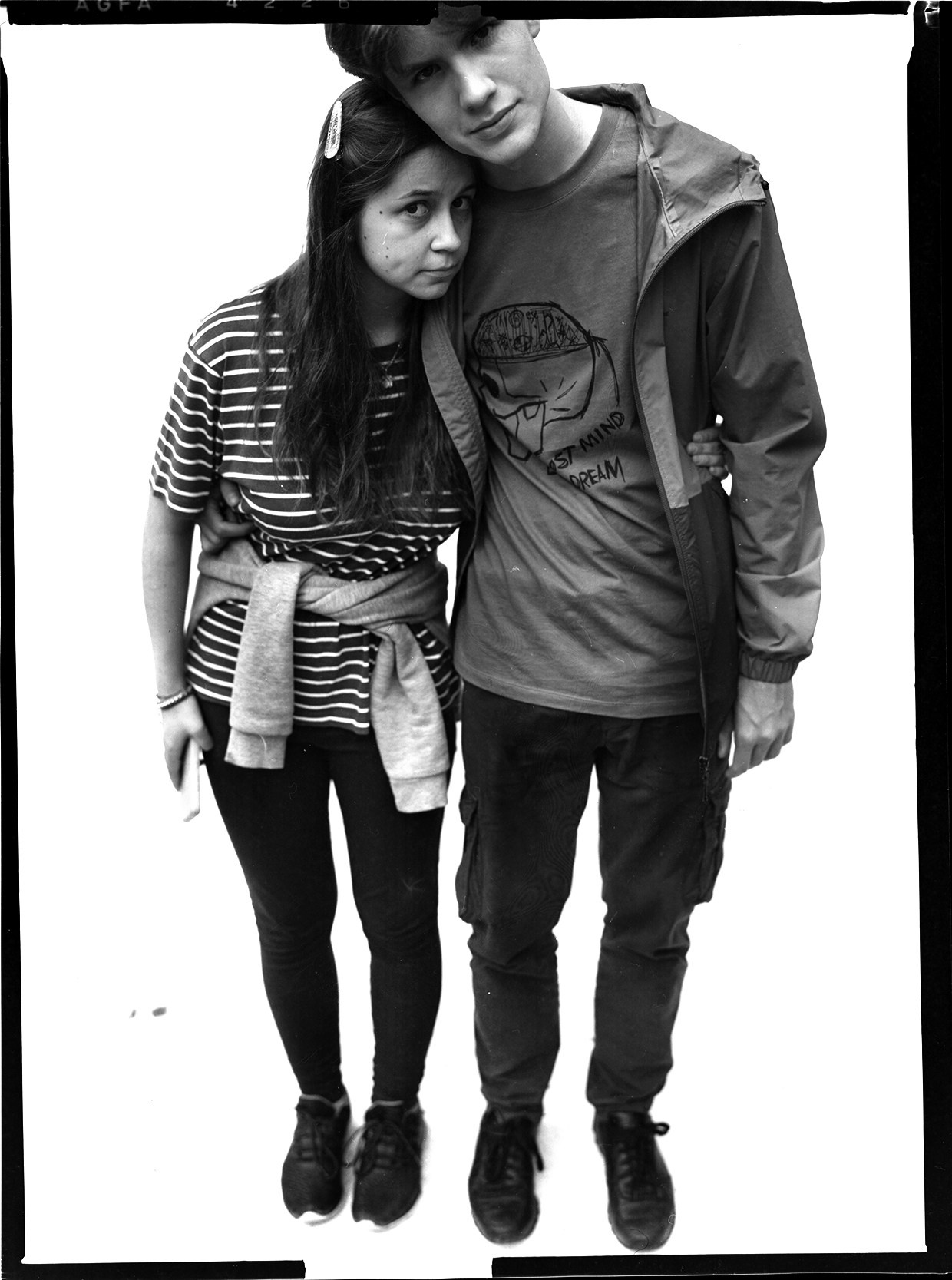
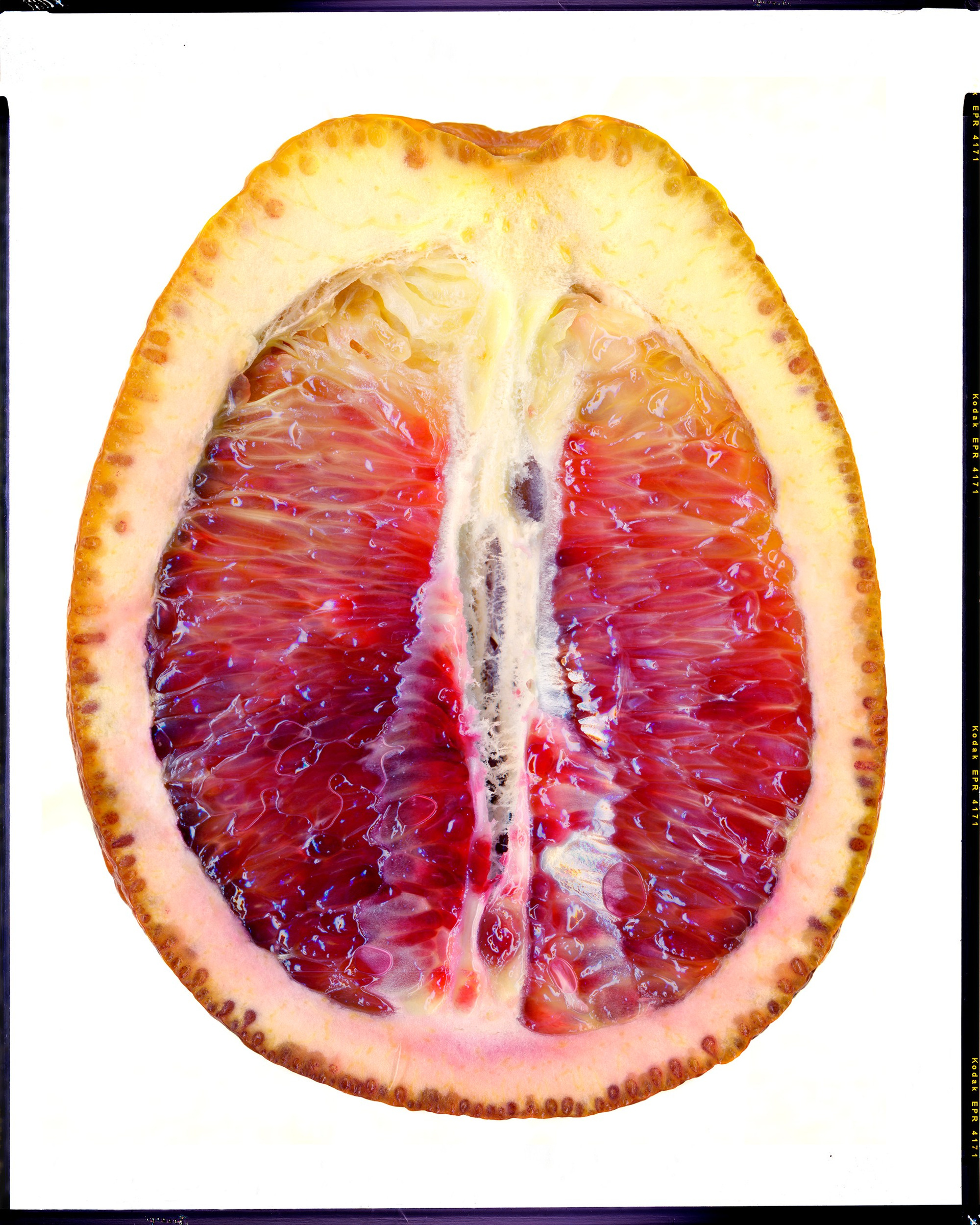
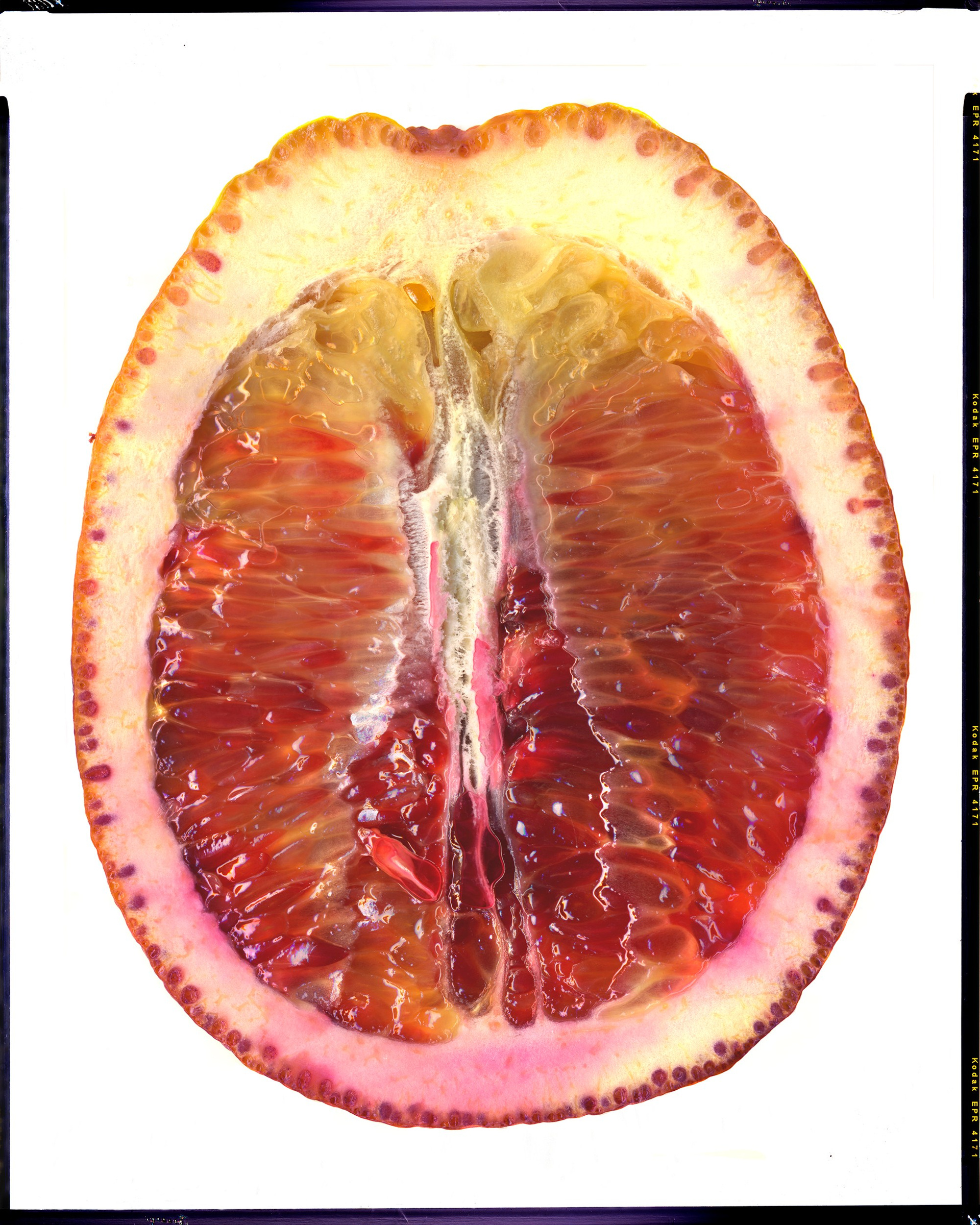
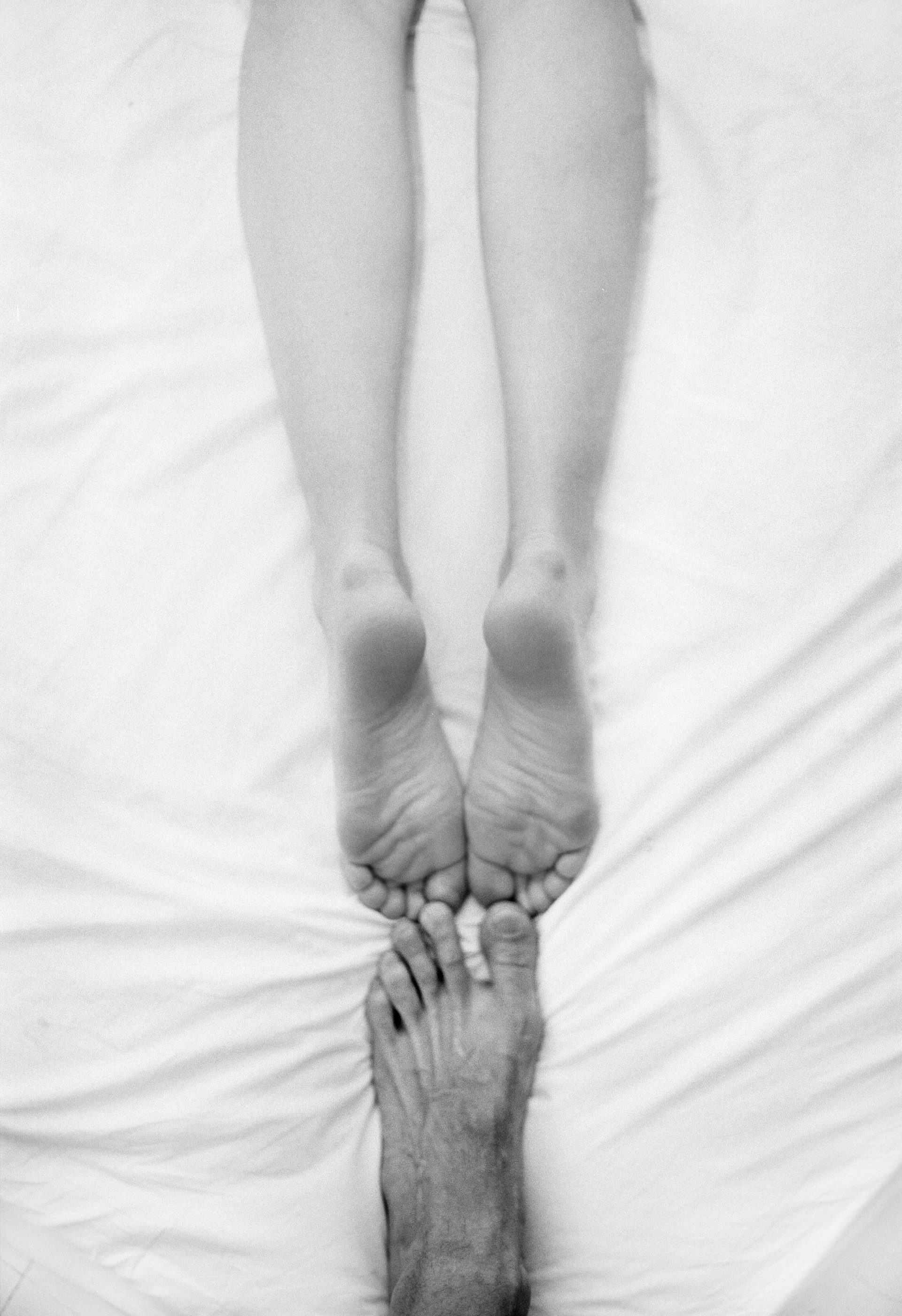
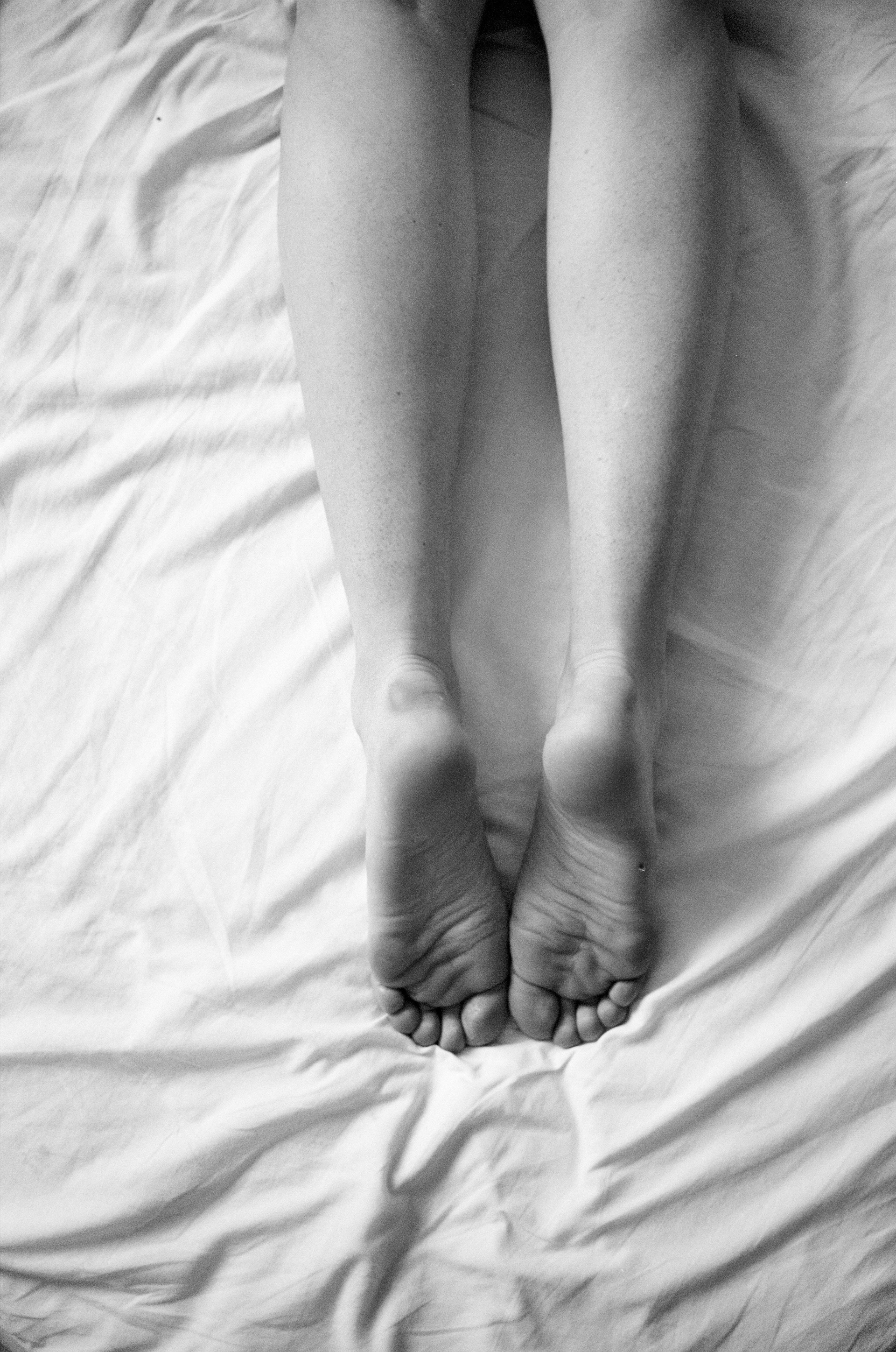
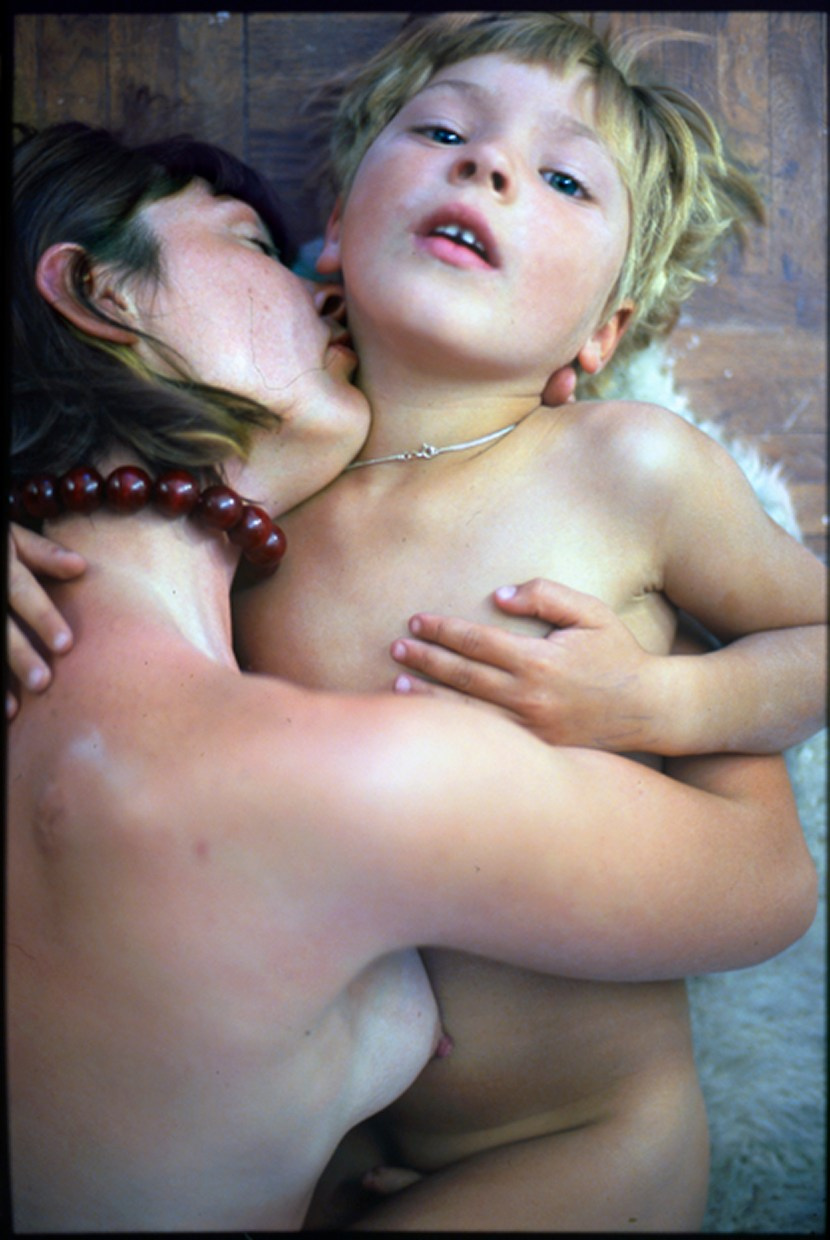
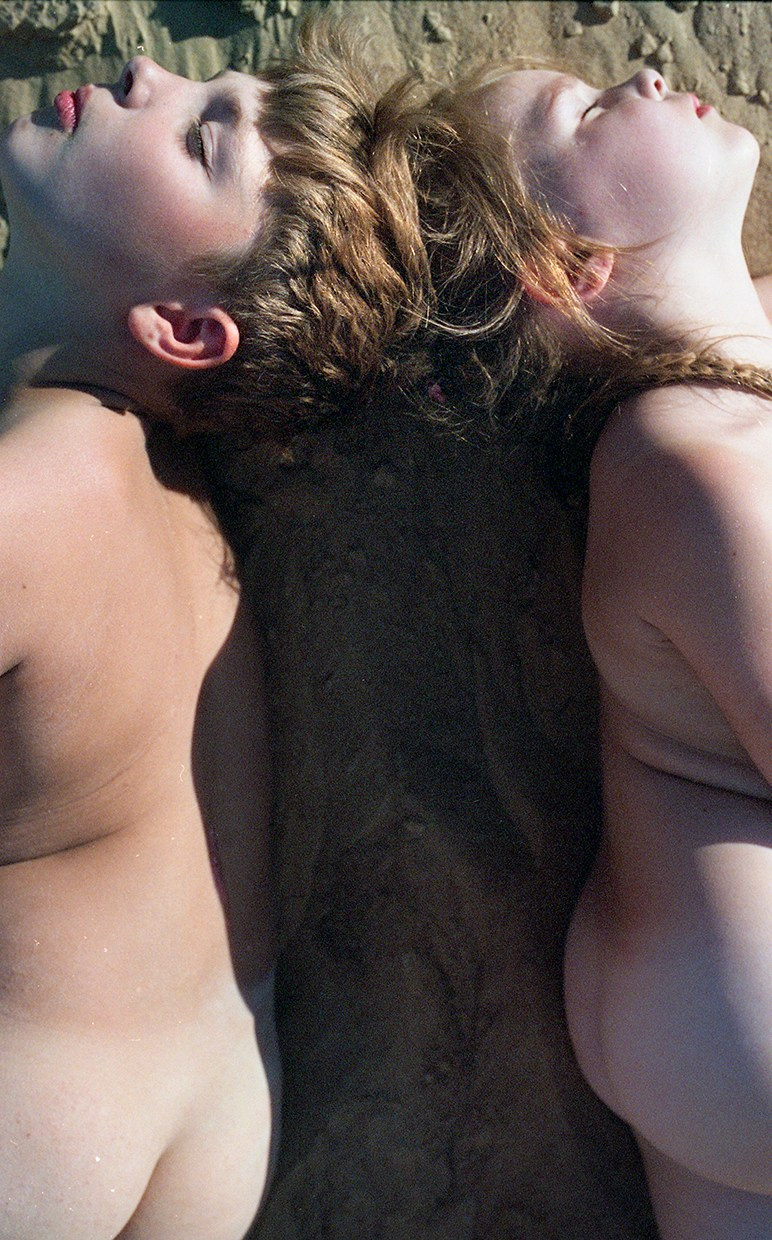
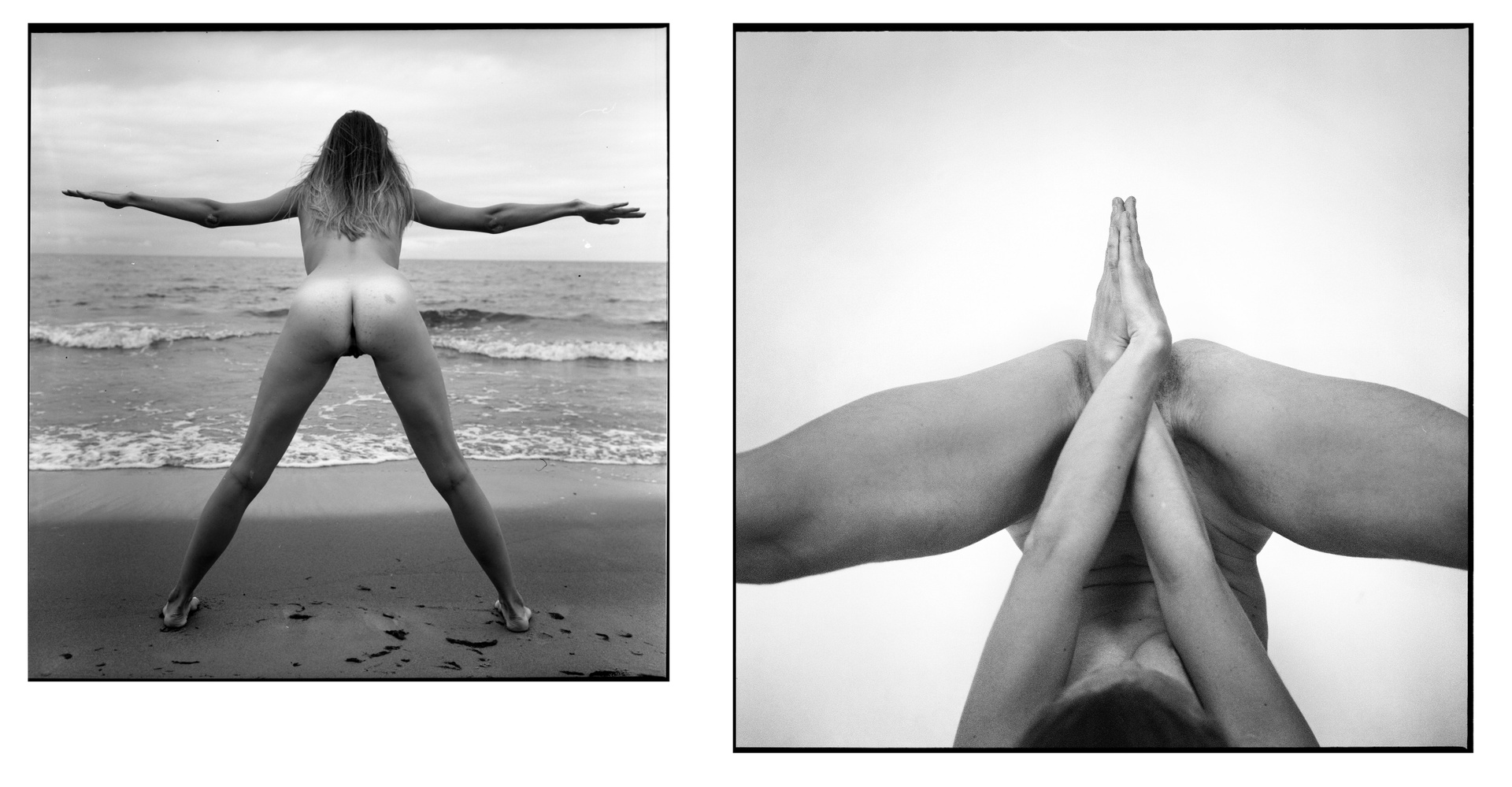
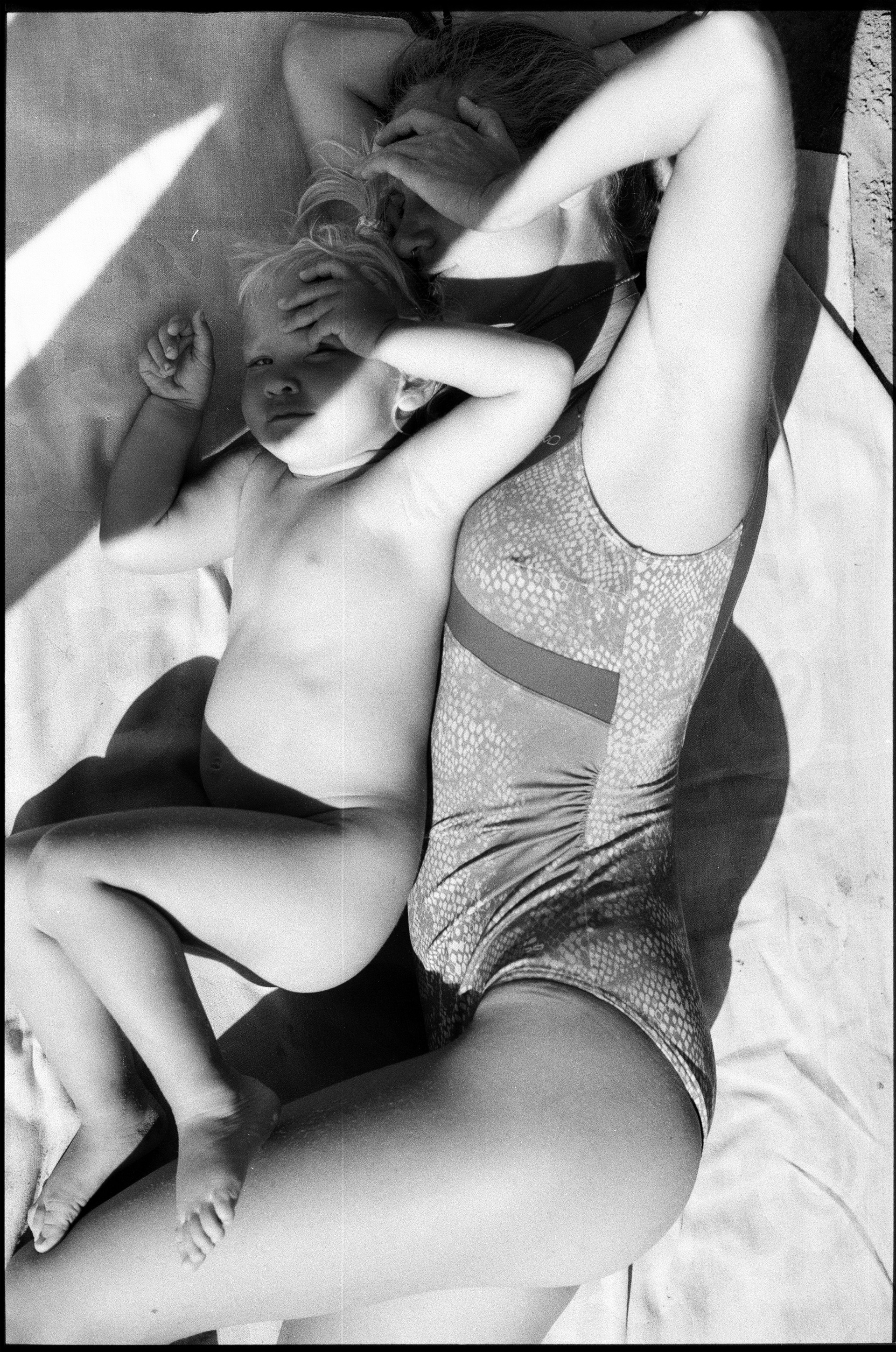
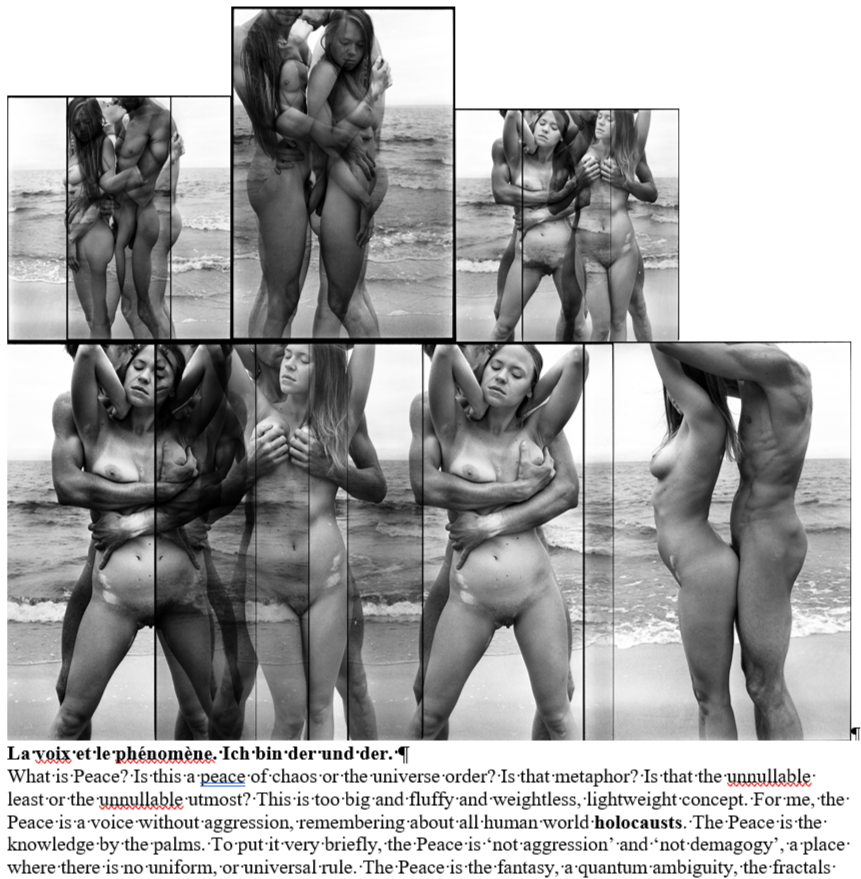
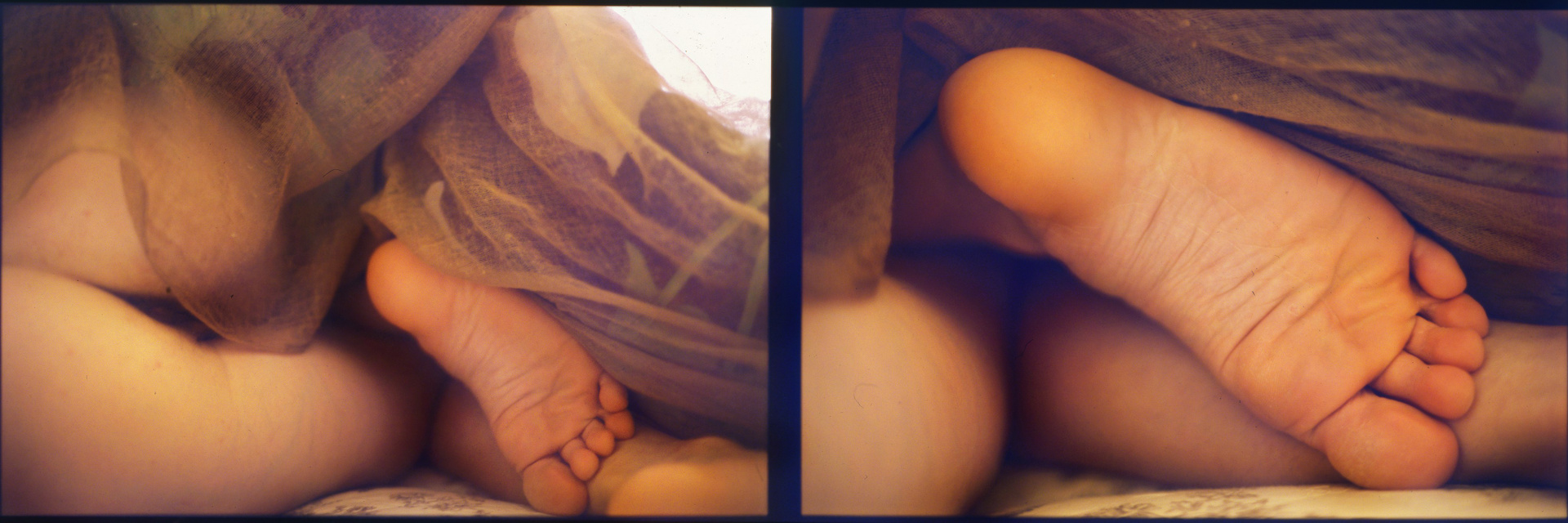
Pairs. Diptychs. Non-equilibrium systems of generative and generated knowledge.
Pairs—what might this signify? It is the minimal order, the least degree of complexity capable of engendering something complex, and this obtains equally in biological systems and in symbolic ones. In this instance, in my case, I am considering only this one scenario — where the whole is primary, where the meaning of the whole is distinct, irreducible, and cannot be attained by the sum of its parts; where wholeness is both the condition and the meaning, and is simultaneously both that which is generated and that which generates. (What, then, do we mean when we speak—however loosely, however reverently—of a work of art? The question, deceptively simple, opens onto a fundamental schism in how we understand the very nature of creation. Have we ever truly paused to consider the mechanics of making, of construction, of bringing-into-being? In all but the rarest of instances, the answer is a linear, progressive movement: an ascent from nothing to the sum of something. This is the logic of trivial inertial systems. One assembles, disassembles, reassembles—differently, perhaps better, perhaps worse. The organising principle of space, in this register, is a movement from zero toward an almost-infinity, from the part to the sum of parts, which we designate, somewhat lazily, as the whole. But this is a trivial whole, a whole without aura, life-generating radiance.
Consider the harvesting of berries, the accumulation of knowledge up to a certain point of cascading transition, the erection of a structure, the ordinary commerce of human speech (conducted, for the most part, without recourse to language’s boundless possibilities). Such a whole is not autonomous, not unique. It is reproducible, transitive. It is, in a word, exchangeable. The entire history of art, as conventionally narrated, belongs to this order; so too do the descriptive sciences in their entirety. Yet this is not how discovery operates, nor consciousness, nor living systems, nor love, nor sexual fantasy, nor friendship—if we are speaking of phenomena of a different durability, substance and biosemiotic tectonics. Yet, whilst so similar in their architectonic essence — they are holistic, born of wholeness; they are merely holistic, living forms of consciousness.
For these phenomena—discovery, consciousness, love—are, in their architectonic essence, of a different order. They are holistic; they are born of wholeness. They do not proceed from part to sum but emerge, as it were, from the whole to the whole. They are, in the language of Francisco Varela and Humberto Maturana, autopoietic: self-making, self-sustaining, operationally closed yet structurally coupled to their environment. They are dissipative structures in Prigogine’s sense, maintaining their improbable order through a continuous exchange of energy with the world. They are not built; they happen). It is precisely here, in this minimal system, that even a single frame constitutes a whole—yet a whole entirely enclosed within its frame. Yes: inexhaustibility, but localized. A pair, by contrast—a triptych, a series—constitutes a whole that cannot be localized.
Hence the pertinent question: how does something that does not exist arise from what does exist? How does life arise from the alphabet and the words of an “organic” chemistry? How does poetry arise from what exists—from words, from the organic chemistry of the alphabet? How do pairing and connection, love and desire, epiphany, entelechy, emergence and evocation—what manner of dynamic force is this, this rich and saturated phenomenon, this state of disequilibrium, this thing that subsists across so many levels of the organization of matter yet remains so stubbornly resistant to any finite algorithm?
How does poetry give rise to what one might call an organism—a cycle, that very Mallarméan book, a kind of ideal and unattainable exemplar of the author’s expression, concentrating within itself both an organic, organized solution and, at the same time, an answer to all questions? For only a work of art attempts to answer all questions at once; only a work of art is always made as the last and most important one. And this is not a poetic metaphor but a tectonic, protogenetic condition—the tension required for birth.
At the same time, I would like to point out that this process of creation is also relevant to the single art work; indeed, it is precisely that process that gives birth to the work from the alphabet of words, and to the frame from the alphabet of the visible and the invisible — yet the concept of the work, in a certain sense ontologically, metaphysically and semiotically far more thoroughly developed and far more familiar—even though, from a scientific and research perspective, it remains entirely unresolved—for classical knowledge than a series composition comprising several works, or a series composition comprising all of an author’s works. This system is even more complex than a work of art in its own right, than the concept of the author as understood in reality by modern science—neurobiologically and systemically, by non-graphomaniacal sciences based on the principle of description— I regard them as inertial models of knowledge (created by non-authors for non-authors, for the consumer’s linear description of concepts that are in fact so complex as the author, the author’s works, the long-term systems of authorial knowledge and anthologies of an author’s works) — be it art history, philology, history, or art theory — these apparatuses of knowledge lack, in their toolkit, methodology or operating principles the capacity to genuinely answer questions such as: how does a work of art come into being; how does consciousness emerge from matter; what, exactly, is an author as an all-encompassing system and structure that generates discoveries; and what distinguishes them from a neurotypical individual, and their system of expression and heuristics from that of a non-author. . .